Top 20 Natural Monuments around Herzogenburg
Natural monuments around Herzogenburg offer diverse natural experiences within the Traisental region of Lower Austria. The area is characterized by its riverine landscapes and unique geological formations, providing various walking routes. These natural sites present opportunities for observing local biodiversity and exploring unique natural features. The region's proximity to the Danube also contributes to its varied natural attractions.
Best natural monuments around Herzogenburg
- The most popular natural monuments is Giant Sequoias of Paudorf, a forest where North American giant…
Last updated: May 11, 2026
Giant Sequoias of Paudorf
Highlight • Forest
Translated by Google •
Tip by

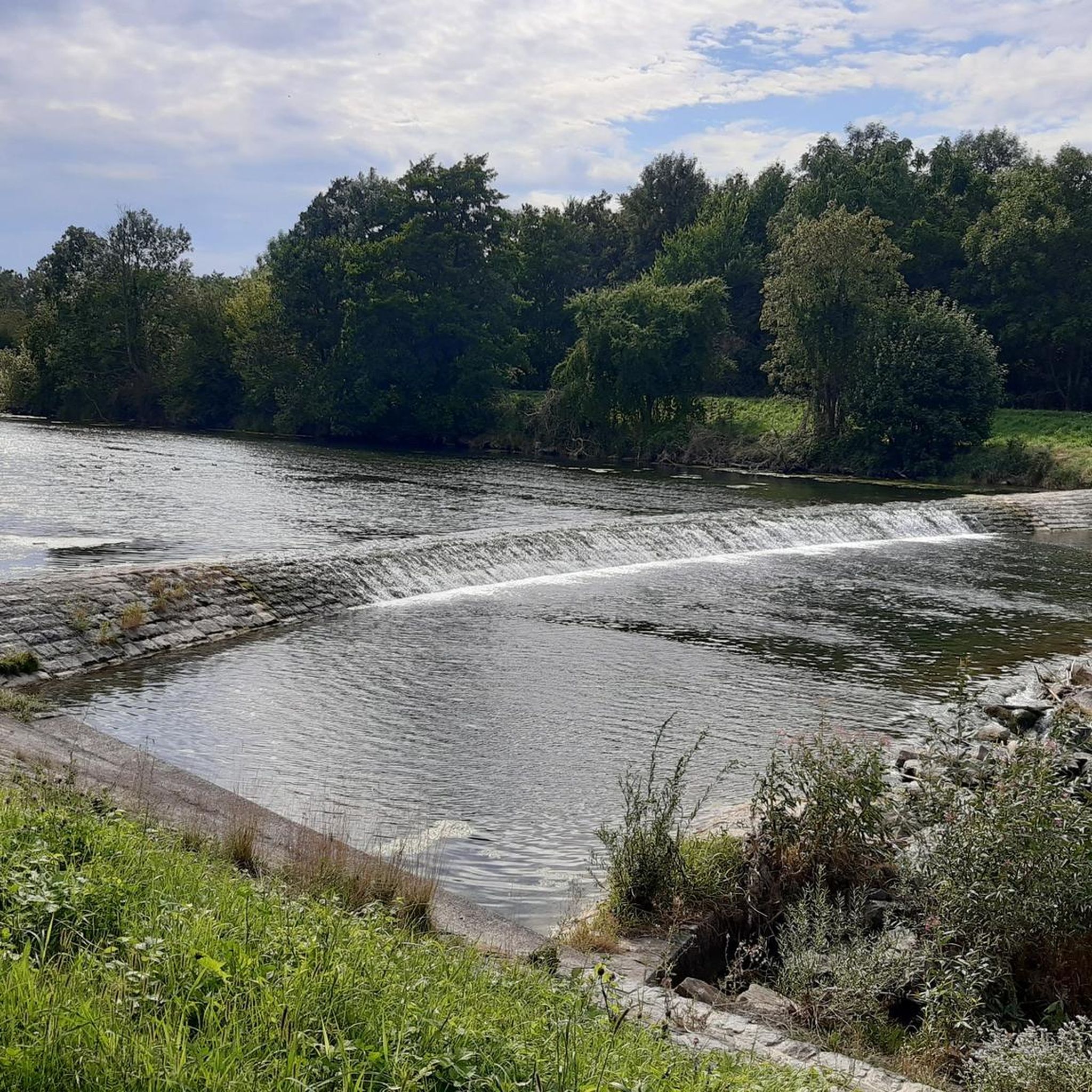
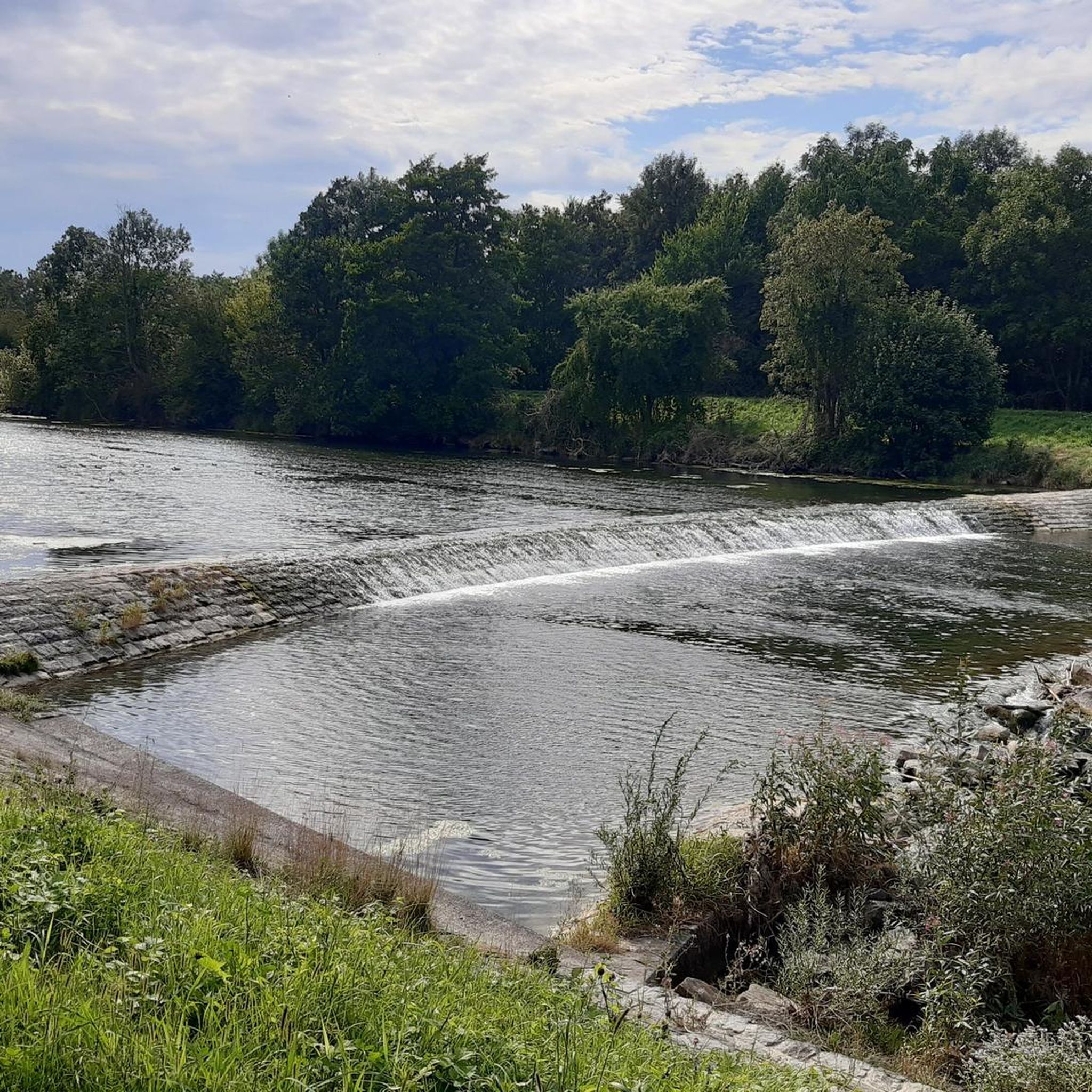
Altenwörth fish pass
Highlight • Structure
Translated by Google •
Tip by

Sign up now to discover places like this
Get recommendations on the best single tracks, peaks, & plenty of other exciting outdoor places.
Sign up for free
Mouth of the Traisen River at the Danube
Highlight • River
Translated by Google •
Tip by

Holy Trinity Column (Dreifaltigkeitssäule), St. Pölten
Highlight • Monument
Translated by Google •
Tip by

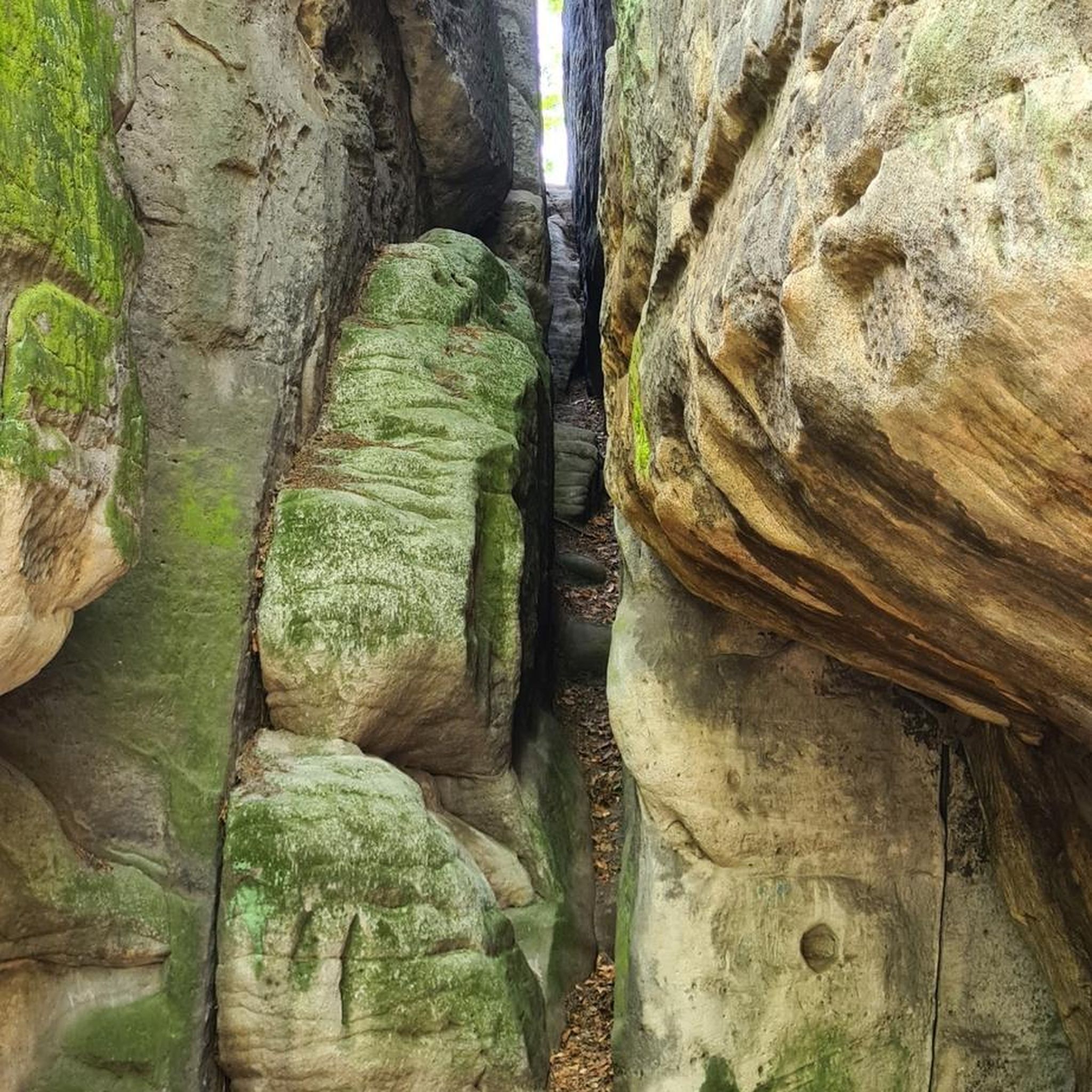
Zellergraben
Highlight • Gorge
Translated by Google •
Tip by
Sign up for free to discover even more natural monuments around Herzogenburg.
Sign up for free
Already have an account?
Start today with a free account
Your next adventure awaits.
Login or Signup
Other adventures around Herzogenburg

Tips from the Community

The Traisen renaturation was a very interesting project
0
0
very well done and nice to look at
0
0

The mouth of the Traisen river near Traismauer in Lower Austria is a fascinating example of how technology and nature can successfully come together. Here, the Traisen river meets the Danube, but it wasn't always as idyllic as it is today. Originally, the Traisen flowed into the Danube about 7.5 kilometers further upstream. With the construction of the Altenwörth Danube power plant in the 1970s, everything changed: As the water level of the Danube was raised for the power plant, the Traisen could no longer flow naturally. Therefore, a completely new riverbed had to be dug for it.
0
0


At approximately 12.5 kilometers, the Altenwörth Fish Bypass is the longest of its kind in Austria and was built between 2019 and 2022 as part of the LIFE Network Danube Plus project. It allows fish such as huchen, schied, and zingel to bypass the Altenwörth Danube power plant and provides a continuous connection to the tributaries, the Kamp and Krems. The near-naturally designed bypass stream, with shallow water zones, gravel banks, and deadwood, also creates new habitats for numerous animal and plant species. The facility is also of interest to cyclists: Along the Danube and its adjacent waterways, natural paths offer views of renaturalized landscapes, small bays, and ecologically valuable rest areas. It is a successful example of how flood protection, energy use, and biodiversity can be reconciled.
3
0
One of Austria's longest fish bypasses was created between Altenwörth and Greifenstein as part of the "LIFE Network Danube Plus" project. The approximately 12.5-kilometer-long, near-naturally designed bypass stream allows fish such as huchen, zebrafish, and schied to migrate freely along the Danube and connects important habitats in the tributaries of the Kamp and Krems. Between 2019 and 2022, approximately 34 hectares of new aquatic areas were created, featuring shallow water zones, gravel banks, and deadwood areas – also for kingfishers, otters, and other protected species. In addition to its ecological benefits, the area is now also attractive to recreational travelers: Along the waterway corridor, natural banks, small bays, and viewpoints invite visitors to linger – a successful example of the combination of nature conservation, water development, and sustainable tourism.
1
0


Very interesting and beautiful, you just don't see it every day
2
0
Frequently Asked Questions
What are some unique natural features to explore around Herzogenburg?
The region offers diverse natural features. You can visit the Giant Sequoias of Paudorf, a forest where North American giant sequoias were planted over 140 years ago and are now larger than their European counterparts. Another impressive site is Zellergraben, a roughly one-kilometer-long loess gorge with walls up to 12 meters high. Additionally, the Altenwörth fish pass on the Danube is an exemplary man-made structure aiding fish migration, offering relaxed cycling paths.
Are there family-friendly natural monuments in the Herzogenburg area?
Yes, several natural monuments are suitable for families. The Giant Sequoias of Paudorf offer an impressive nature trail for all ages. The Zellergraben gorge is also considered family-friendly, with a themed trail exploring loess formations. The Altenwörth fish pass provides a relaxed cycling experience along the Danube, which can be enjoyable for families.
Can I spot wildlife at the natural monuments near Herzogenburg?
Yes, the region is rich in biodiversity. The Zellergraben loess gorge provides a habitat for various animal and bird species. The renatured Mouth of the Traisen River at the Danube is a new floodplain landscape that offers an extended home to a large number of native animal species. Further afield, the Siebenbründl near Pottenbrunn is a vital wetland for over thirty bird species, amphibians, and dragonflies, and features species-rich flower meadows.
What kind of hiking trails can I find near these natural monuments?
You can find a variety of hiking trails. For easy walks, consider routes like the "Traisen bridge – St. Andräer Steg Rest Area loop" or "On the banks of the Traisen – Interior of Herzogenburg Abbey loop." Many of these trails offer opportunities to explore the riverine landscapes and natural features of the region. You can find more details and routes in the Easy hikes around Herzogenburg guide.
Are there cycling routes that pass by natural monuments?
Absolutely. The Altenwörth fish pass is specifically noted for its relaxed cycling paths along the Danube. You can explore various road cycling routes around Herzogenburg, including longer loops that take you through the scenic landscapes of the region. For more cycling options, refer to the Road Cycling Routes around Herzogenburg guide.
What is the Siebenbründl and why is it significant?
The Siebenbründl (Seven Springs) near Pottenbrunn is a unique natural monument characterized by its geological formation and rich biodiversity. It's a spring depression with limestone tufa springs that form a clear brook, supporting species-rich flower meadows and rare plant species like orchids. It's a vital habitat for diverse fauna, including over thirty bird species, and is recognized as a priority habitat type of European importance. It offers a tranquil escape and insight into local biodiversity.
Are there any historical or cultural sites among the natural monuments?
While primarily focused on natural features, some sites offer a blend of natural and cultural significance. The Holy Trinity Column in St. Pölten, though a man-made monument, is listed as a natural monument due to its historical and cultural importance within the landscape. It's an excellent example of Baroque art, symbolizing the triumph of the Holy Trinity and commemorating the end of a plague epidemic.
What do visitors enjoy most about the natural monuments in this region?
Visitors appreciate the diverse natural experiences, from the impressive size of the Giant Sequoias of Paudorf to the unique geological formations of the Zellergraben gorge. The renatured river landscapes, such as the Mouth of the Traisen River at the Danube, are praised for their beauty and successful conservation efforts. The komoot community has shown significant interest, with over 220 upvotes and more than 270 photos shared across these spots.
Are there any natural monuments that are easily accessible?
The Holy Trinity Column in St. Pölten is wheelchair accessible, making it an easily reachable historical and cultural landmark. For other natural sites, accessibility can vary, but many paths around the riverine areas and the Altenwörth fish pass are generally flat and suitable for relaxed exploration.
What is the best time to visit the natural monuments around Herzogenburg?
The best time to visit depends on your interests. Late spring and early summer are ideal for experiencing the vibrant flower meadows and observing wildlife, especially at sites like the Siebenbründl. The Giant Sequoias of Paudorf and the Zellergraben gorge can be enjoyed throughout the warmer months, offering pleasant conditions for walking and nature observation.
Are there opportunities for running near the natural monuments?
Yes, the area around Herzogenburg offers various running trails. You can find routes like the "Traisen bridge – Traisen Bridge loop" which are suitable for jogging and exploring the river landscapes. For more detailed running options and distances, consult the Running Trails around Herzogenburg guide.
Most popular routes around Herzogenburg
Most popular attractions around Herzogenburg

Get inspired with the komoot mobile app


Explore more
Extend your search for the best caves by checking out these guides of the top ones around Herzogenburg:
