Top 20 Natural Monuments around Hennersdorf
Best natural monuments around Hennersdorf are found in the Mödling District of Lower Austria, a region bordering Vienna known for its diverse natural landscapes. While Hennersdorf itself is a small municipality, it serves as a gateway to several nature parks featuring notable natural monuments. The area offers opportunities to explore unique geological formations, river systems, and historical natural features. These natural attractions provide varied experiences for those seeking outdoor exploration.
Best natural monuments around Hennersdorf
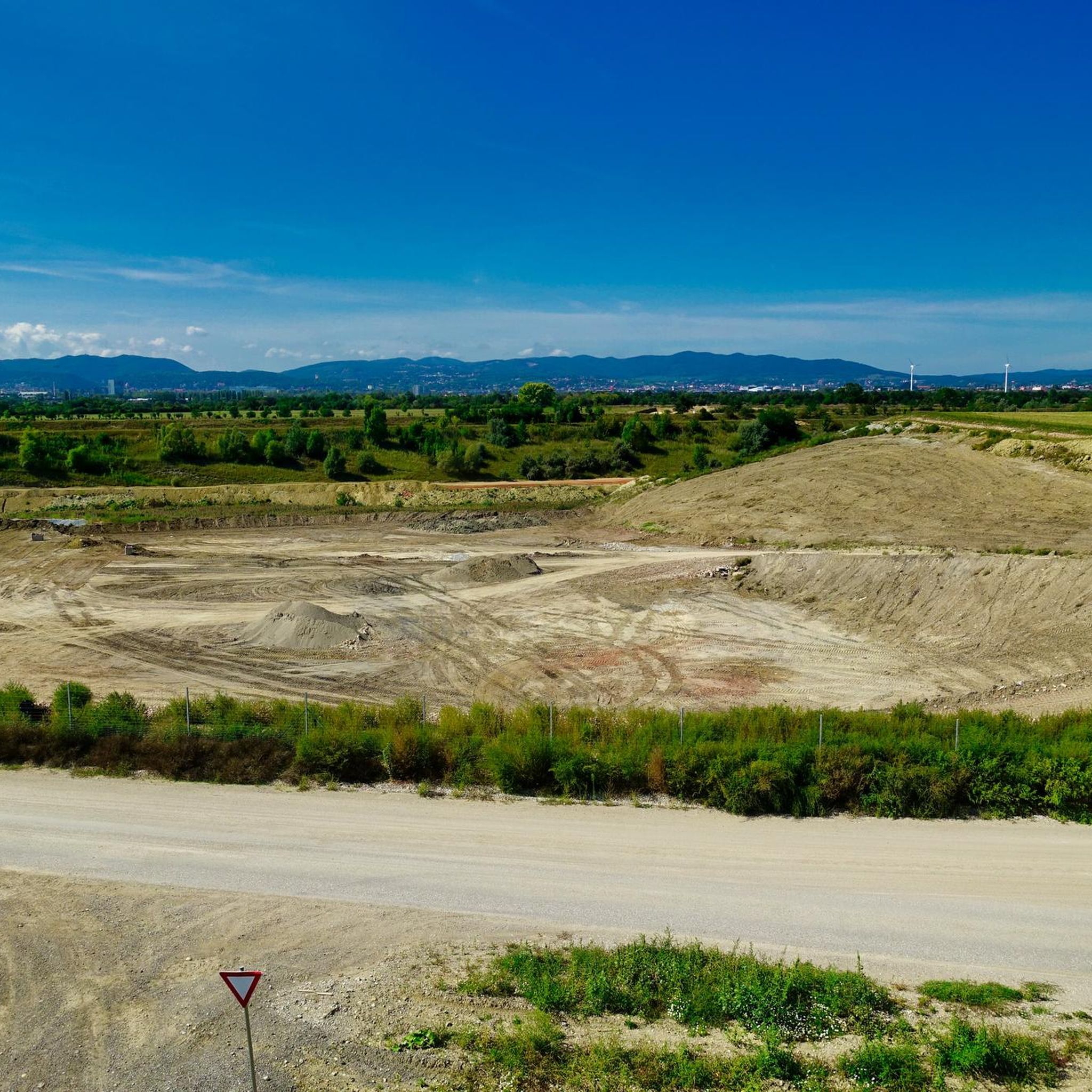
- The most popular natural monuments is Liesingbach Restoration, a river restoration project that aims to redesign the river in a way that is close to nature. This project creates new habitats for a variety of plants and animals, making it a significant natural feature.
- Another must-see spot is Breite Föhre Rest Area, a site commemorating one of the most famous natural monuments of the 19th century, a historic pine tree. This location offers a place for rest and reflection on the natural history of the area.
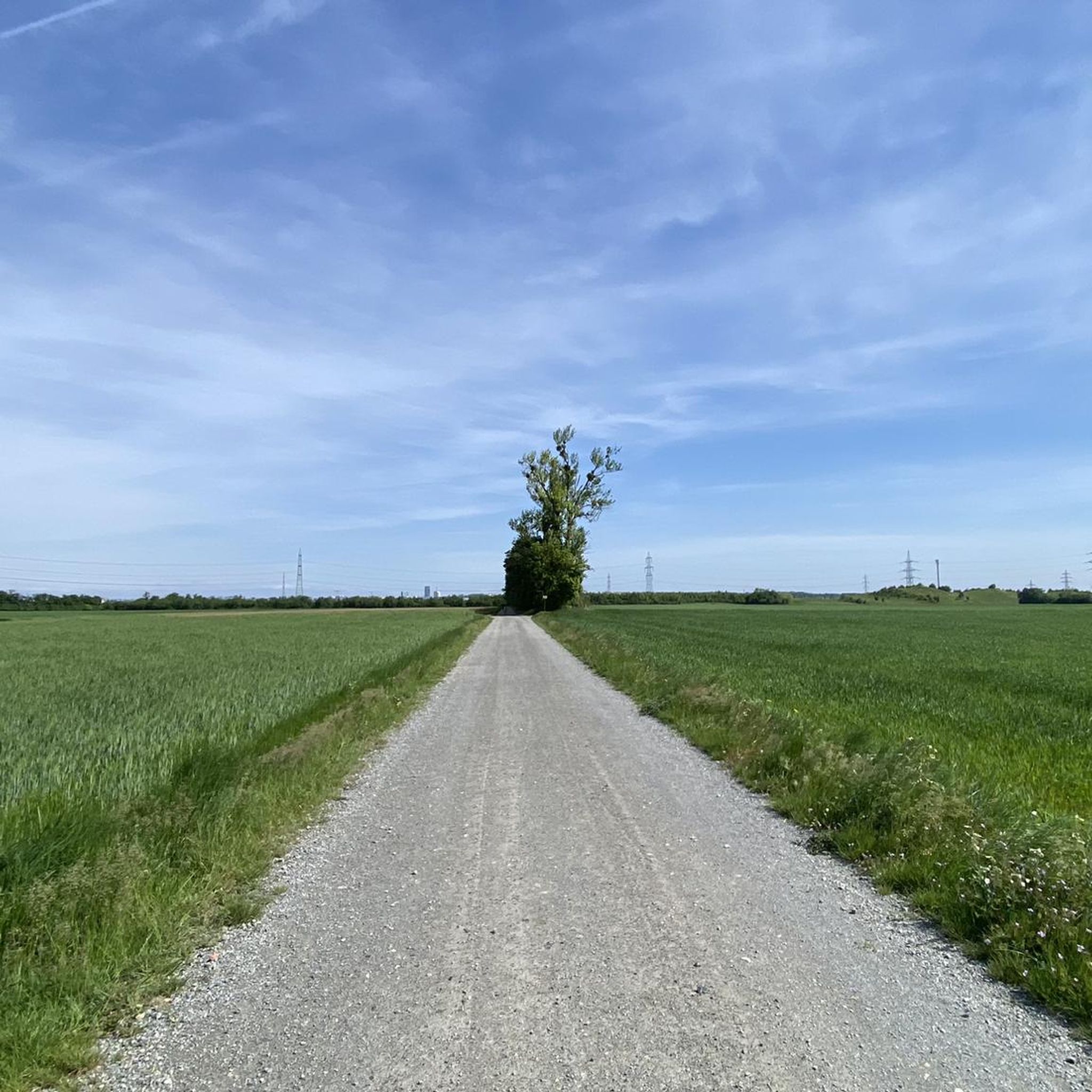
- Visitors also love Confluence of the Triesting and the Schwechat rivers, an interesting place where several rivers and streams meet. This natural monument is a popular destination for bike tours and offers a scenic resting spot.
- Hennersdorf is known for its river systems, historical natural features, and unique geological formations. The region offers a variety of natural monuments to see and explore, from restored river landscapes to ancient rock formations in nearby nature parks.
- The natural monuments around Hennersdorf are appreciated by the komoot community, with more than 400 photos shared and over 950 upvotes for the various highlights.
Last updated: October 11, 2026
Plague Column (Pestsäule) on the Graben
Highlight • Monument
Translated by Google •
Tip by

Breite Föhre Rest Area
Highlight • Rest Area
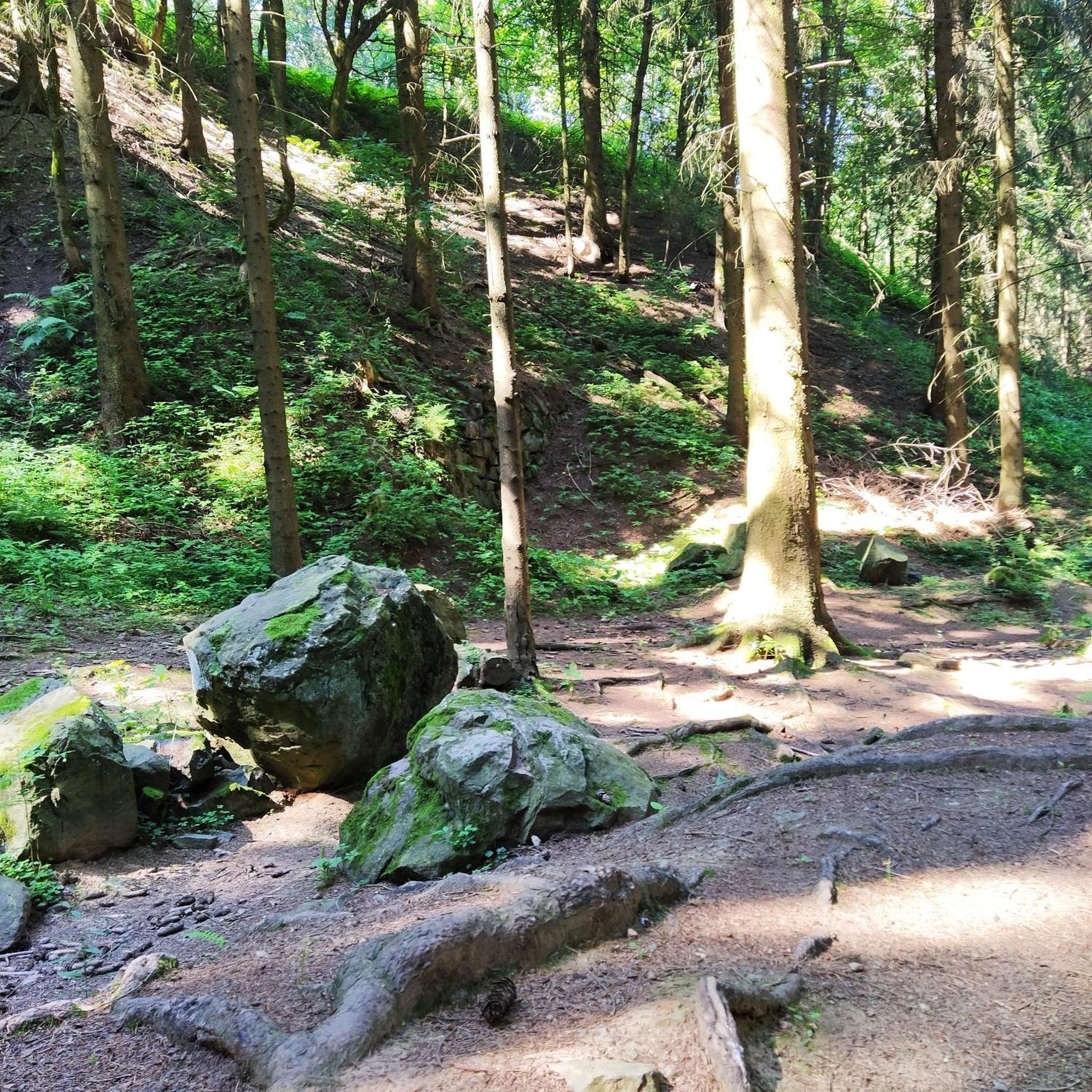
Breite Föhre was a popular excursion destination on the slopes of the Anninger near Mödling, from which there is a wide view down to the valley of the Vienna Basin. The tree was one of the most famous natural monuments of the 19th century in the area of Vienna, whose age goes back to the 16th century (dead in 1988, remains in the Lower Austria State Museum).
Translated by Google •
Tip by

Sign up now to discover places like this
Get recommendations on the best single tracks, peaks, & plenty of other exciting outdoor places.
Liesingbach Restoration
Highlight • River
The renaturation of the Liesingbach is taking place in six parts, which should be completed by the end of 2027. The first component was completed in April 2021 and covers the section between Karl-Sarg-Gasse and Rudolf-Waisenhorn-Gasse in the 23rd district. The second part is scheduled to start in November 2022 and will cover the section between Großmarktstraße and Gutheil-Schoder-Gasse. The other components will be tackled in the following years.
The renaturation of the Liesingbach brings many advantages for people and nature. The bank areas will be flattened, planted and provided with stones and rootstocks to create habitats for animals and plants. The water quality will be improved by building an additional rainwater channel. Flood protection is increased by hydraulic engineering modifications being made to the retention basins. The residents benefit from more green space by the water, which invites you to walk, cycle or relax
Translated by Google •
Tip by

Liechtenstein Castle
Highlight • Castle
Translated by Google •
Tip by

Confluence of the Triesting and the Schwechat rivers
Highlight • River
The course of the many rivers and streams in this "water-rich" part of the Vienna Basin is quite complicated: Above is the Laxenburg Palace Park, the Laxenburg Canal, which branches off from the Triesting in Münchendorf, and from the Heidbach, which branches off the Schwechat in the Baden area - also called Badner Mühlbach - flows through. The Laxenburg canal culverts the Schwechat south-east of the palace gardens. In Achau, the Krottenbach, the Mödlingbach and the outflow from the pond in the Laxenburg Palace Park, the Lobenbach, first come together. The Schwechat - also called "Aubach" here - and the Triesting follow immediately afterwards. The Schwechat - the new name for all flowing waters - in turn has two rivers, the Mitterbach - the name for the Schwechat below the imperial indulgences to Schwechat - and the original Schwechat, i.e. the Schwechat-Werksbach. Only in Schwechat itself, at the confluence of the Liesingbach, do these waters unite again to form the Schwechat. (from a writing by SC Maria Lanzendorf)
Translated by Google •
Tip by

Sign up for free to discover even more natural monuments around Hennersdorf.
Already have an account?
Start today with a free account
Your next adventure awaits.
Tips from the Community

A great recreation area just outside Vienna
1
1


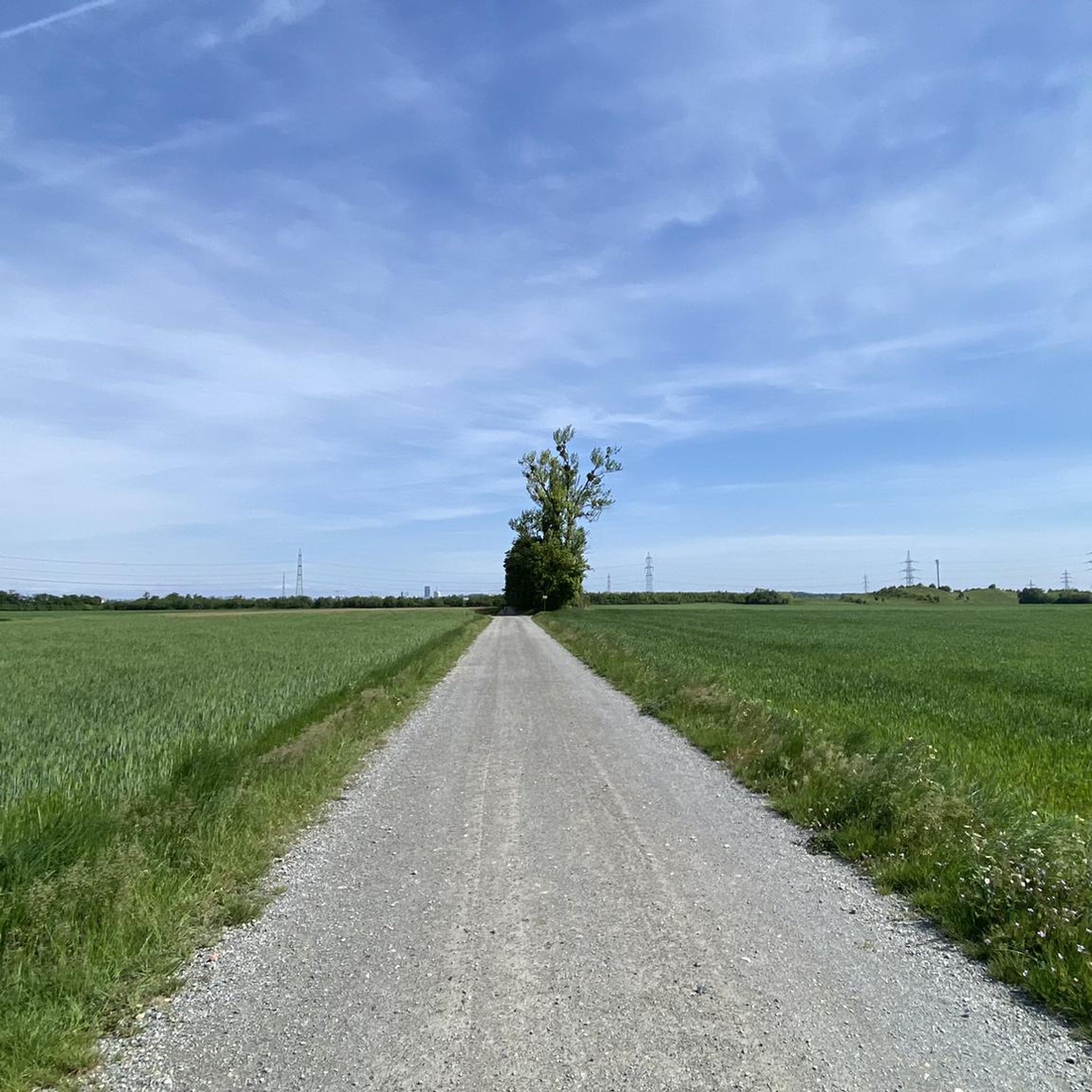
Relaxed path on the edge of the Liesingbach.
1
2

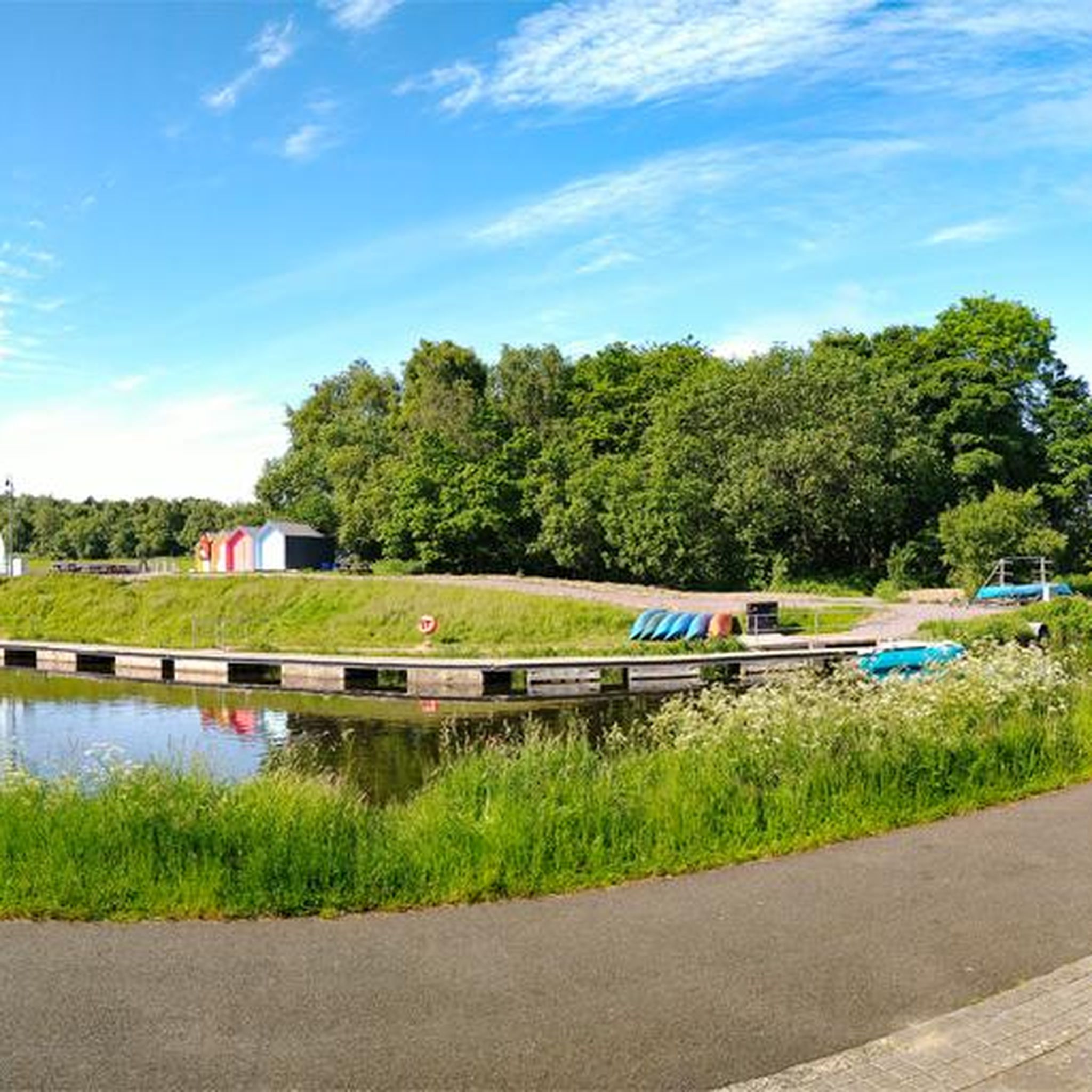
Great place for a short rest.
1
0

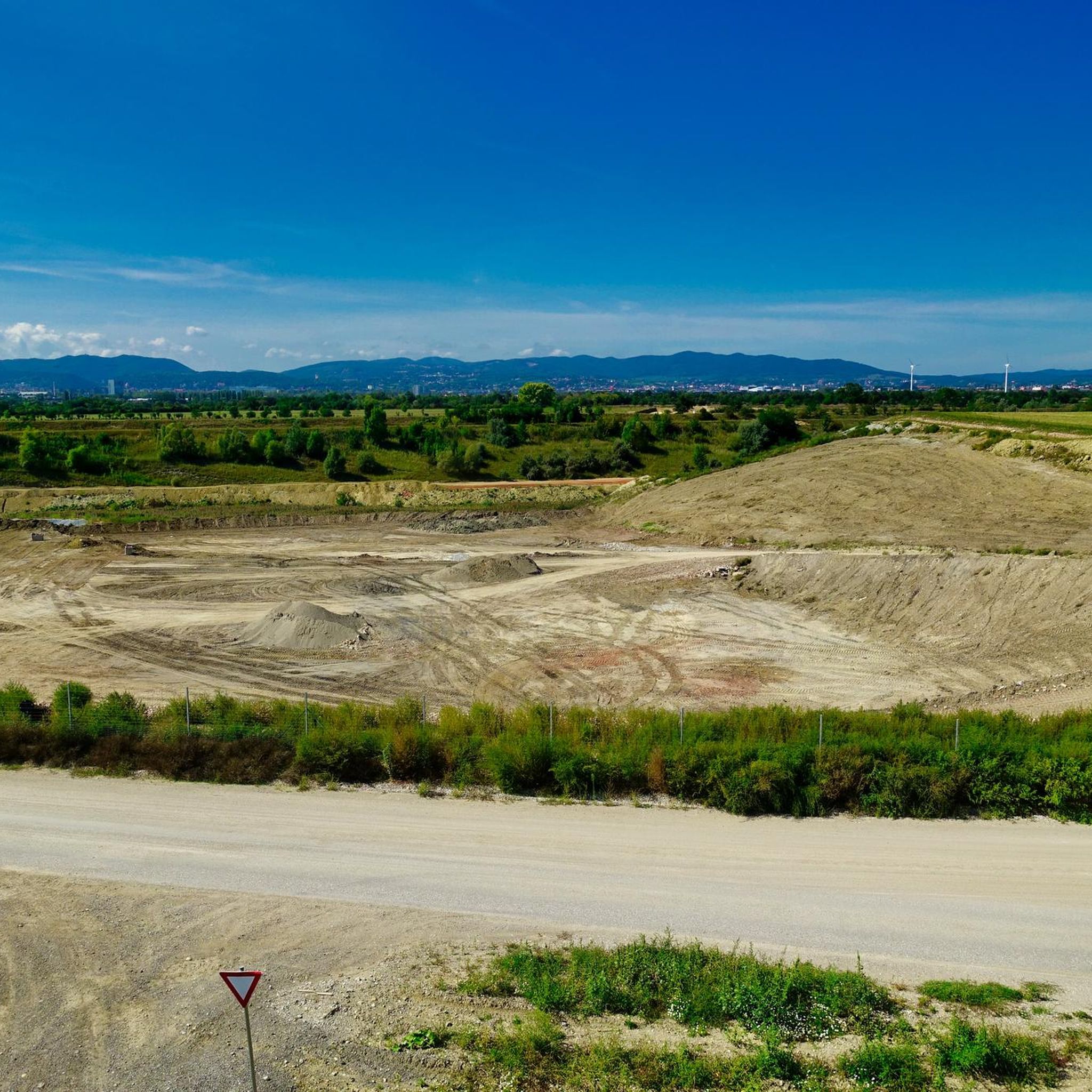
The Liesingbach is gradually being renatured in order to create new habitats for a variety of plants and animals. This is particularly visible in this area.
3
3

The Triesting - Schwechat estuary is the place where the Triesting flows into the Schwechat. The Triesting is a river in the southeastern Vienna Woods, which rises near Kaumberg and is 60 km long. The Schwechat is a tributary of the Danube that rises near Schottwien and is 62 km long. The estuary is near Achau in the Mödling district and is a popular resting place for cyclists. You can reach the estuary on various cycle paths, for example from Wiener Neudorf or from Wien Meidling. The area is very rich in water and also offers other highlights such as the Laxenburg Palace Park or the Kaiser Franz Joseph Park.
1
1
The Graben is one of the most famous streets in the center of Vienna's old town, the 1st district. It is a luxurious shopping and promenade street decorated with historical buildings, fountains and monuments. It has a long and exciting history dating back to Roman times. The ditch starts from Stock-im-Eisen-Platz / Stephansplatz (with St. Stephen's Cathedral) at the beginning of Kärntner Straße and runs north-west to the Kohlmarkt - Tuchlauben transverse axis. Narrow historic alleys branch off from the Graben and lead to other sights such as St. Peter's Church or the Dorotheum. The Graben is designed as a square-like pedestrian area and offers a pleasant atmosphere for walkers. The Graben is also a place of art and culture. It is home to some of the city's most prestigious shops, boutiques and cafés, such as Julius Meinl am Graben, Frick am Graben or Café de l'Europe. It is also a scene for various festivals and events, such as the Christmas market or the carnival parade. It is a meeting point for locals and tourists, who can enjoy the flair and beauty of Vienna here.
7
1
Frequently Asked Questions
What are some of the most popular natural monuments to visit around Hennersdorf?
Around Hennersdorf, you can explore several significant natural monuments. The Liesingbach Restoration project is highly regarded for its ecological efforts, creating new habitats along the river. Another popular spot is the Breite Föhre Rest Area, commemorating a historic pine tree and offering a place for reflection. The Confluence of the Triesting and the Schwechat rivers is also a favorite, known for its scenic beauty and as a popular spot for bike tours.
Are there any family-friendly natural monuments or activities near Hennersdorf?
Yes, several natural monuments around Hennersdorf are suitable for families. The Liesingbach Restoration area offers pleasant paths for walking and cycling, allowing families to observe the restored river ecosystem. The Confluence of the Triesting and the Schwechat rivers is also family-friendly, providing a scenic resting spot where children can enjoy the natural surroundings. Additionally, the nearby nature parks like Blockheide-Gmünd-Eibenstein offer unique rock formations that can spark children's imagination.
What kind of natural features can I expect to see in the region around Hennersdorf?
The region around Hennersdorf, particularly in Lower Austria, offers a diverse range of natural features. You can encounter unique geological formations, such as the 'legendary stone giants and wobbly stones' in the Blockheide-Gmünd-Eibenstein Nature Park. There are also significant river systems, like the restored Liesingbach and the confluence of the Triesting and Schwechat rivers. Wetland ecosystems, including open bogland and peatland forests, can be explored in the Heidenreichsteiner Moor Nature Park, home to specialized flora and fauna.
What outdoor activities can I do near these natural monuments?
The natural monuments around Hennersdorf are excellent starting points for various outdoor activities. You can enjoy cycling along the rivers, with routes like the 'Liesingbach Restoration – Johann-Friedl Footbridge loop' or the 'Triestingau Cycle Path'. Hiking is also popular, with trails such as the 'Hennersdorf Parish Church – View towards Anninger loop' or the 'Wienerberger Brickworks – Schlosspark Vösendorf loop'. For more challenging rides, gravel biking and road cycling routes are also available. You can find more details on routes in the area on the Gravel biking around Hennersdorf, Hiking around Hennersdorf, and Road Cycling Routes around Hennersdorf guide pages.
Are there any historical natural features or sites of historical significance near Hennersdorf?
Yes, the region has natural features with historical significance. The Breite Föhre Rest Area commemorates one of the most famous natural monuments of the 19th century, a historic pine tree that was a popular excursion destination. While primarily a castle, Liechtenstein Castle, located on the edge of the southern Vienna Woods, is also considered a historical site within a natural setting, offering insights into 900 years of family history and stunning views.
What is the best season to visit the natural monuments around Hennersdorf?
The best season to visit depends on your preferred activities. Spring and autumn offer pleasant temperatures for hiking and cycling, with vibrant foliage in autumn and blooming nature in spring. Summer is ideal for water-related activities, such as visiting the Confluence of the Triesting and the Schwechat rivers where swimming is possible. Even winter can be beautiful for quiet walks, especially in the nearby nature parks, though some facilities might have reduced hours.
Can I find unique geological formations near Hennersdorf?
Absolutely. While Hennersdorf itself is a small municipality, it's a gateway to areas rich in unique geological formations. The Blockheide-Gmünd-Eibenstein Nature Park, located in the Waldviertel region, is particularly famous for its 'legendary stone giants and wobbly stones,' including the 'Christophorusstein' and 'Teufelsbett.' These ancient rock formations offer a fascinating glimpse into the geological history of the area.
Are there opportunities for wildlife spotting near the natural monuments?
Yes, the natural areas around Hennersdorf provide opportunities for wildlife spotting. The Liesingbach Restoration project actively creates new habitats, attracting a variety of plants and animals. The Heidenreichsteiner Moor Nature Park, with its wetland ecosystems, is home to specialized flora and fauna, including carnivorous plants and nursery web spiders, offering a unique chance to observe nature in its raw form.
Are the natural monuments around Hennersdorf accessible by public transport?
While Hennersdorf is a small municipality, many natural attractions in the broader Lower Austria region are generally accessible. For specific natural monuments, it's advisable to check local public transport connections to nearby towns or trailheads. Some areas, especially within nature parks, might require a short walk or bike ride from the nearest bus or train stop. For example, the Liesingbach Restoration is within the city of Vienna's reach, making parts of it accessible.
What makes the Liesingbach Restoration project a significant natural monument?
The Liesingbach Restoration is significant because it's a large-scale ecological project by the City of Vienna to redesign the river in a nature-friendly way. This initiative not only improves flood protection but, more importantly, creates new habitats for a diverse range of plants and animals. It transforms a previously regulated waterway into a vibrant, natural landscape, offering a valuable recreational area and a living example of successful ecological restoration.
Can I find places to rest or picnic near the natural monuments?
Yes, many natural monuments and surrounding areas offer suitable spots for rest and picnics. The Breite Föhre Rest Area is specifically designed for this purpose, offering benches and a pleasant environment. The Confluence of the Triesting and the Schwechat rivers also serves as a nice resting spot, popular with cyclists and walkers. Additionally, many hiking and cycling routes in the region pass by scenic viewpoints or designated picnic areas.
Are there any natural monuments that are particularly good for dog owners?
Many natural areas and trails around Hennersdorf are dog-friendly, provided dogs are kept on a leash and owners clean up after them. The paths along the Liesingbach Restoration and around the Confluence of the Triesting and the Schwechat rivers are generally suitable for walks with dogs. When visiting nature parks, always check specific park regulations regarding dogs, as some sensitive areas might have restrictions.
Most popular routes around Hennersdorf
Most popular attractions around Hennersdorf

Get inspired with the komoot mobile app


Explore more
Extend your search for the best caves by checking out these guides of the top ones around Hennersdorf:
