Top 20 Natural Monuments around Laxenburg
Best natural monuments around Laxenburg are primarily found within the expansive Laxenburg Castle Park, Austria's largest historical landscape garden. This 280-hectare park integrates natural elements with historical design, making it a significant natural monument in the region. The park is also designated as a Natura 2000 site, highlighting its ecological importance. It offers a blend of majestic old trees, open spaces, and thoughtfully placed architectural elements for exploration.
Best natural monuments around Laxenburg
- The most popular natural monuments is Liesingbach…
Last updated: August 17, 2026
Breite Föhre Rest Area
Highlight • Rest Area
Breite Föhre was a popular excursion destination on the slopes of the Anninger near Mödling, from which there is a wide view down to the …
Translated by Google •
Tip by

Liesingbach Restoration
Highlight • River
Translated by Google •
Tip by

Sign up now to discover places like this
Get recommendations on the best single tracks, peaks, & plenty of other exciting outdoor places.
Sign up for free
Liechtenstein Castle
Highlight • Castle
Translated by Google •
Tip by

Confluence of the Triesting and the Schwechat rivers
Highlight • River
Translated by Google •
Tip by

Matterhörndl
Highlight • Natural Monument
Translated by Google •
Tip by

Sign up for free to discover even more natural monuments around Laxenburg.
Sign up for free
Already have an account?
Start today with a free account
Your next adventure awaits.
Login or Signup
Tips from the Community

A great recreation area just outside Vienna
1
1


Relaxed path on the edge of the Liesingbach.
1
2

Great place for a short rest.
1
0

The Matterhörndl is a small but impressive rock in the Vienna Woods that is perfect for a short rest. It is a little hidden away from the main path and easy to miss, but it is worth the visit. With a small opening through and the opportunity to climb around a bit, it is a mystical place for photographers, children and nature lovers. I visited this mountain as part of my Dwarf Mountain Tours series. My goal is to climb every mountain in the Vienna Woods. Find my tours here: https://www.komoot.com/de-de/collection/2517195/-zwergbergtouren-im-wienerwald
7
1

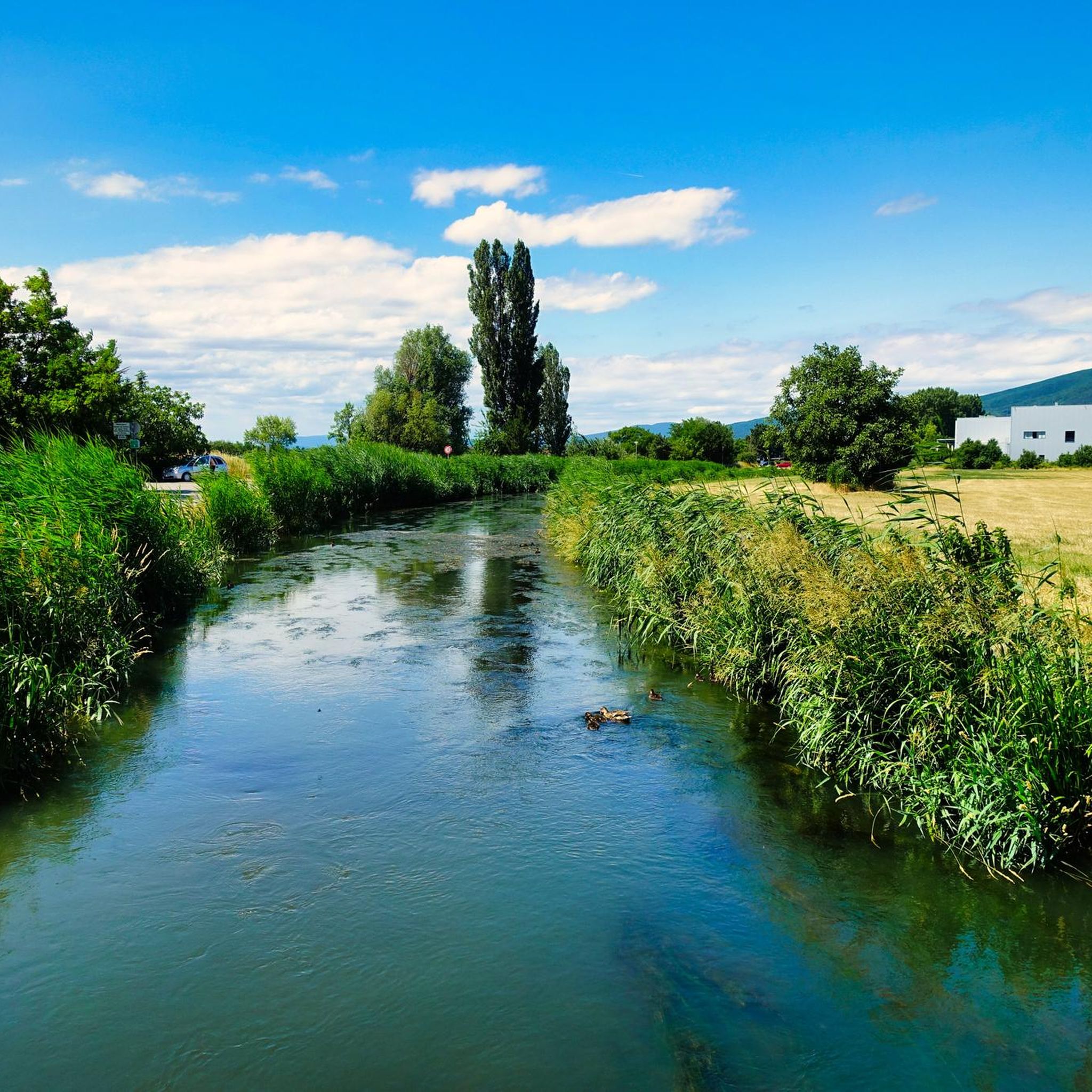
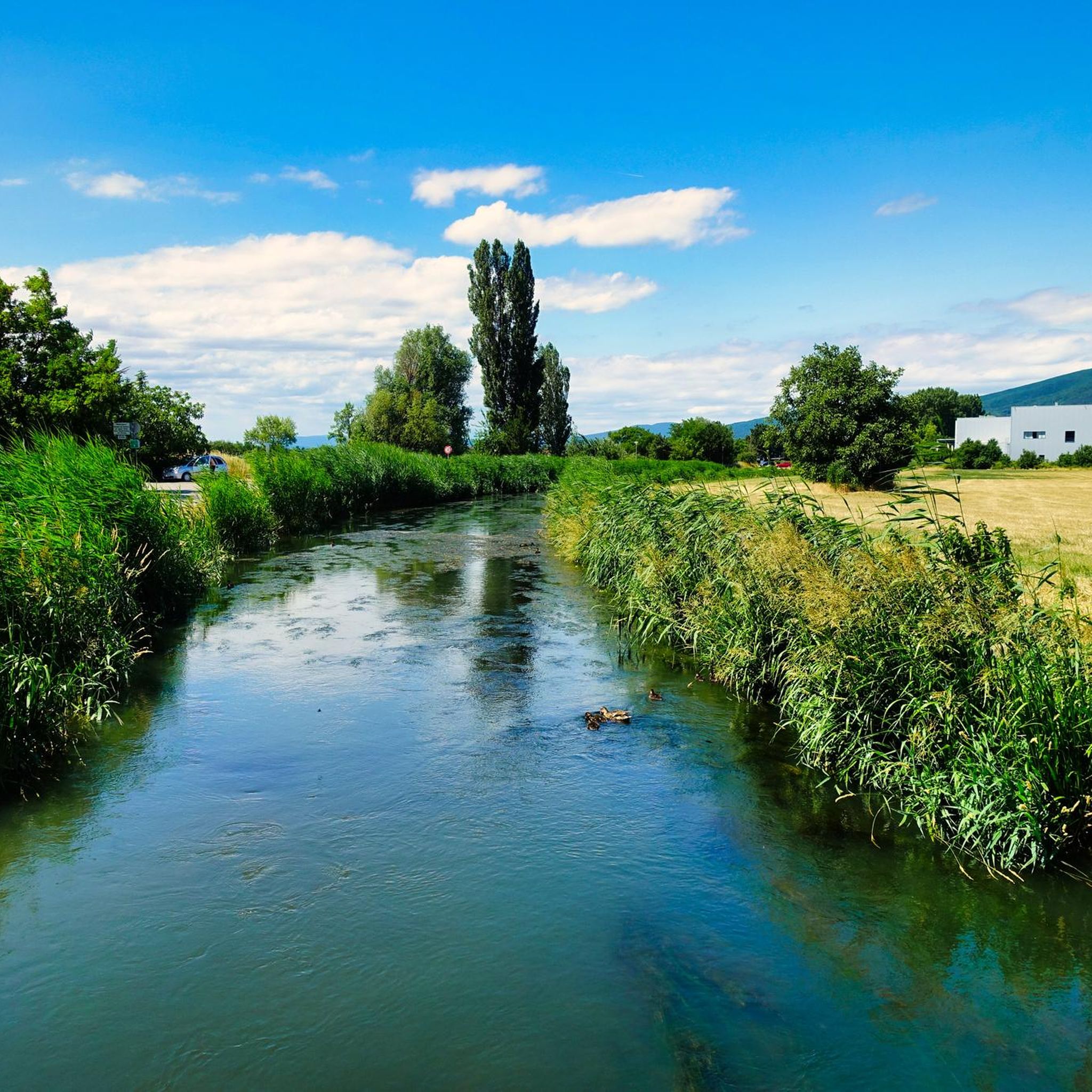
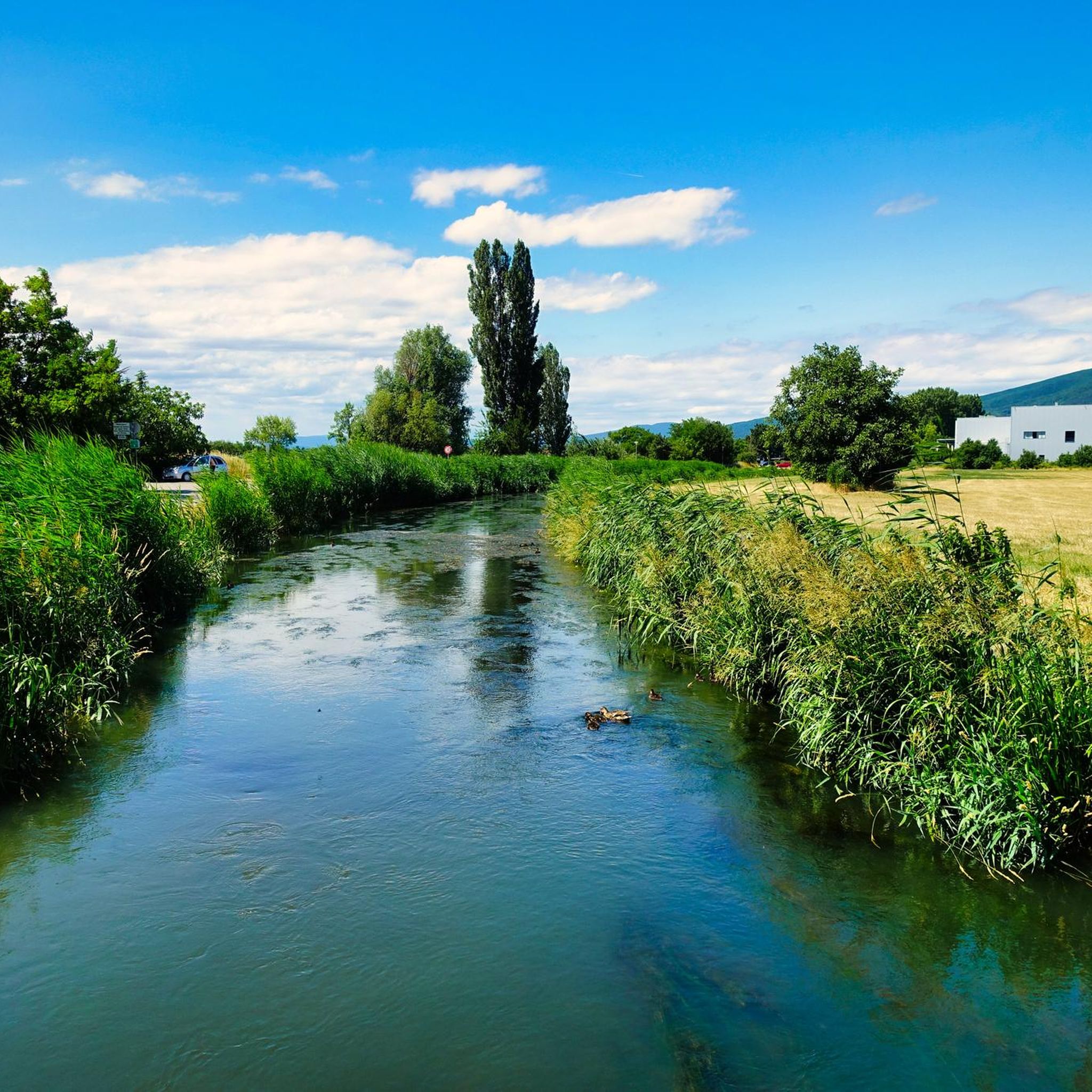
The Liesingbach is gradually being renatured in order to create new habitats for a variety of plants and animals. This is particularly visible in this area.
3
3

The Triesting - Schwechat estuary is the place where the Triesting flows into the Schwechat. The Triesting is a river in the southeastern Vienna Woods, which rises near Kaumberg and is 60 km long. The Schwechat is a tributary of the Danube that rises near Schottwien and is 62 km long. The estuary is near Achau in the Mödling district and is a popular resting place for cyclists. You can reach the estuary on various cycle paths, for example from Wiener Neudorf or from Wien Meidling. The area is very rich in water and also offers other highlights such as the Laxenburg Palace Park or the Kaiser Franz Joseph Park.
1
1
Frequently Asked Questions
What natural features can I explore in Laxenburg?
Laxenburg is primarily known for the expansive Laxenburg Castle Park, Austria's largest historical landscape garden. Within this park, you can explore a large man-made lake, extensive scenic garden spaces, and various architectural follies like the "Grünes Lusthaus" and the "Gotische Brücke." Beyond the park, you can also find the unique Matterhörndl, a small but impressive rock formation in the Vienna Woods, and the Confluence of the Triesting and the Schwechat rivers, an interesting meeting point of several waterways.
Are there good hiking trails around the natural monuments in Laxenburg?
Yes, Laxenburg Castle Park offers a vast network of paths over 10 km long, perfect for nature walks. For more structured hiking experiences, you can explore various routes in the wider region. For example, the area around Breite Föhre Rest Area is a popular starting point for trails in the Anninger area. You can find more detailed hiking routes and guides on komoot, such as those listed in the MTB Trails around Laxenburg guide, which also includes paths suitable for walking.
What kind of wildlife can I spot near Laxenburg's natural monuments?
Laxenburg Castle Park is designated as a Natura 2000 site, highlighting its ecological importance. This means it supports diverse flora and fauna. While specific wildlife sightings can vary, the park's blend of forests, open spaces, and the large lake provides habitats for various bird species, small mammals, and insects. The Liesingbach Restoration project, which redesigns the river to be closer to nature, actively creates new habitats for plants and animals, improving biodiversity.
Are the natural monuments in Laxenburg suitable for families with children?
Absolutely. Many natural monuments in the Laxenburg area are family-friendly. Laxenburg Castle Park itself is ideal for family outings, offering wide paths, boat rentals on the lake, and plenty of space for children to explore. Specific highlights like the Liesingbach Restoration, Liechtenstein Castle, and the Matterhörndl are noted as family-friendly, offering engaging experiences for all ages.
Can I bring my dog to the natural monuments in Laxenburg?
Laxenburg Castle Park generally welcomes dogs, though they must be kept on a leash. It's always a good idea to check specific regulations for individual areas or attractions within the park. For other natural monuments like the Liesingbach Restoration or the Confluence of the Triesting and the Schwechat rivers, which often feature open paths and natural settings, dogs are typically permitted on leash. Always ensure to clean up after your pet.
When is the best time to visit the natural monuments around Laxenburg?
The natural monuments around Laxenburg, particularly Laxenburg Castle Park, are beautiful year-round. Spring brings blooming flowers and fresh greenery, while summer offers pleasant weather for boat rides and long walks. Autumn showcases vibrant fall foliage, and even winter can be charming with a dusting of snow. For specific events or opening hours, especially for attractions within the park, it's advisable to check the official website: lower-austria.info.
How can I get to the natural monuments in Laxenburg by public transport?
Laxenburg is accessible by public transport. Buses connect Laxenburg with Vienna and surrounding towns. The Laxenburg Castle Park, being the central natural monument, is well-served. For specific routes and schedules to individual natural monuments, it's best to consult local public transport providers or use a journey planner, as connections can vary.
Are there parking options available near the natural monuments in Laxenburg?
Yes, there are parking options available, especially for visitors to Laxenburg Castle Park. The park has designated parking areas, though fees may apply. For other natural monuments outside the main park, such as the Breite Föhre Rest Area or the Matterhörndl, parking might be available in nearby towns or smaller designated spots. Always look for official parking signs.
What outdoor activities can I do near these natural monuments?
Beyond exploring the natural monuments themselves, the Laxenburg region offers a variety of outdoor activities. You can enjoy cycling on dedicated routes, with options for road cycling, mountain biking, and touring. For example, the Cycling around Laxenburg guide provides routes like the "Mödlingbach – Triestingau Cycle Path loop." The extensive paths within Laxenburg Castle Park are also perfect for jogging and leisurely strolls.
Are there any historical sites integrated with the natural monuments?
Yes, the Laxenburg area beautifully blends natural beauty with rich history. Laxenburg Castle Park itself is Austria's largest historical landscape garden, featuring the iconic Franzensburg castle on an island in its lake, along with various follies and romantic bridges. Additionally, Liechtenstein Castle, a historical castle known for its Romanesque architecture and panoramic views, is also considered a natural monument in the region, offering a glimpse into 900 years of family history.
What do visitors enjoy most about the natural monuments in Laxenburg?
Visitors frequently appreciate the unique combination of natural splendor and historical charm. The peaceful retreat offered by Laxenburg Castle Park, with its majestic old trees and open spaces, provides a sense of relaxation. The opportunity to follow in the footsteps of the Habsburg dynasty, explore architectural follies, and enjoy activities like boat rides on the lake are also highly valued. The blend of fairytale and history, along with the ecological importance of sites like the Liesingbach Restoration, makes for a diverse and enriching experience.
Most popular routes around Laxenburg
Most popular attractions around Laxenburg

Get inspired with the komoot mobile app


Explore more
Extend your search for the best caves by checking out these guides of the top ones around Laxenburg:
