Top 20 Natural Monuments around Hirm
Best natural monuments around Hirm offer diverse natural and historical sites within the Burgenland region of Austria. The area is characterized by its proximity to the Neusiedler See-Seewinkel National Park, a UNESCO World Heritage Site known for its unique steppe landscape and extensive reed belt. While Hirm itself features several local points of interest, the broader region provides opportunities to explore varied natural environments. These natural attractions include a mix of historical sites, viewpoints, and unique landscape features.
Best natural…
Last updated: June 24, 2026
Schusterkreuz Memorial Rest Area
Highlight • Monument
Translated by Google •
Tip by

Linden Avenue
Highlight • Trail
Translated by Google •
Tip by
Sign up now to discover places like this
Get recommendations on the best single tracks, peaks, & plenty of other exciting outdoor places.
Sign up for free
Wetterkreuz on Wurthberg
Highlight • Monument
A nice view of the place and the Rosalia mountains. 😃
Translated by Google •
Tip by

Late Bronze Age Burial Mounds of Siegendorf-Schuschenwald
Highlight • Historical Site
Translated by Google •
Tip by

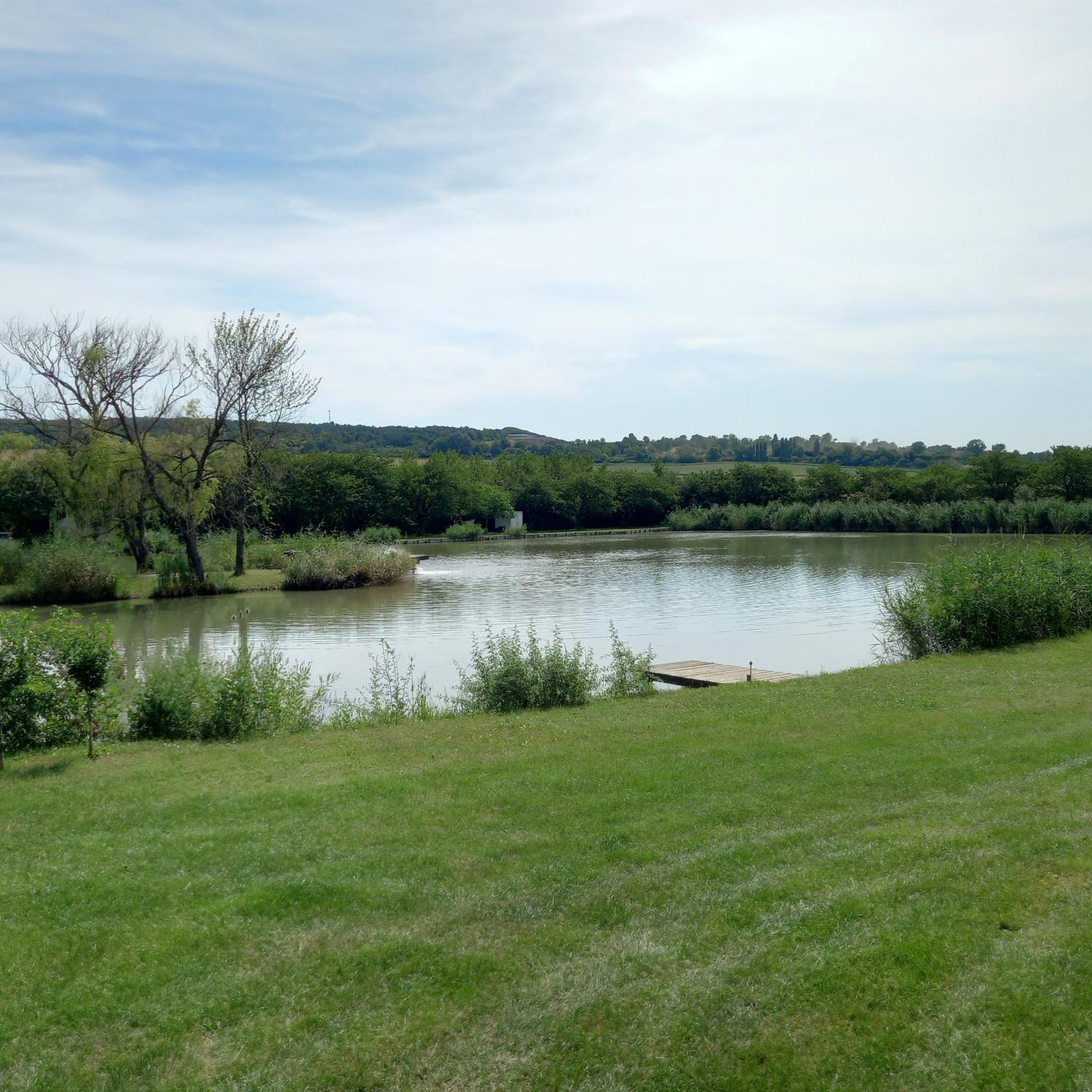
Obelisk Pond in Eisenstadt Palace Park
Highlight • Lake
Translated by Google •
Tip by

Sign up for free to discover even more natural monuments around Hirm.
Sign up for free
Already have an account?
Start today with a free account
Your next adventure awaits.
Login or Signup
Tips from the Community


Interesting place right next to the bike path.
0
0
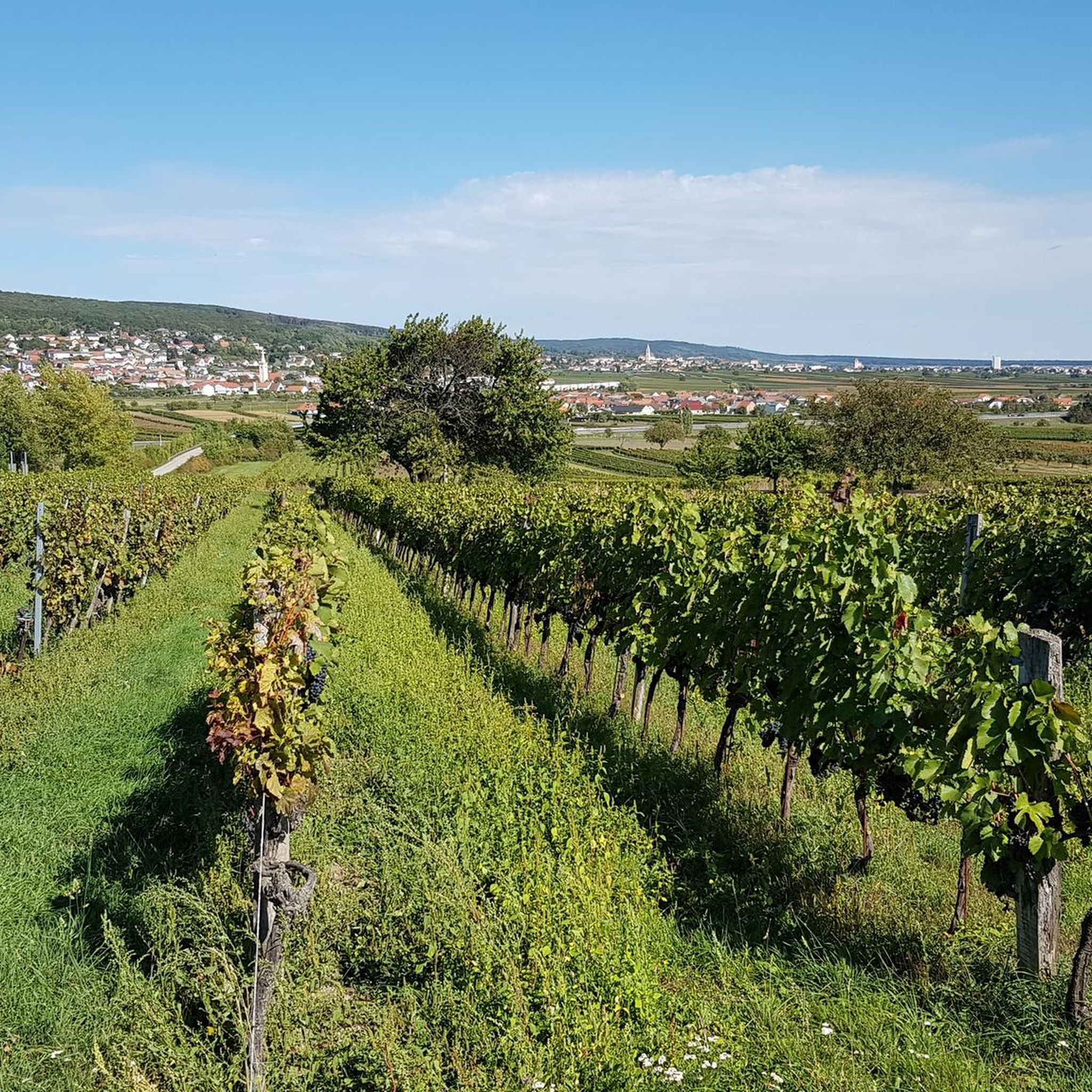
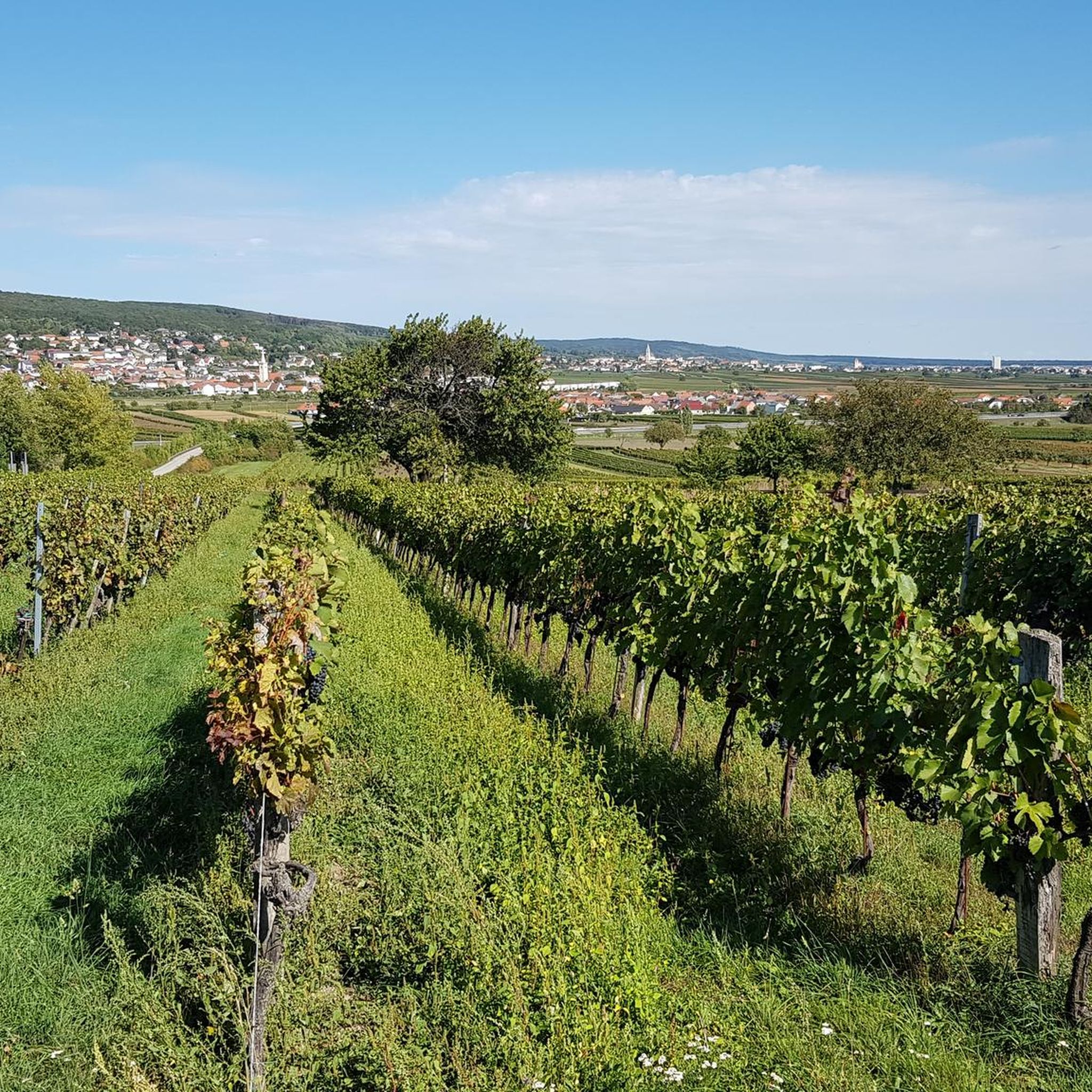
Rest area in the vineyards, beautiful view of Bad Sauerbrunn.
0
0
Beautiful long avenue with many old linden trees.
1
0
Beautiful memorial stone with rest area
1
0

Above Bad Sauerbrunn, on the top of the Wurthberg is the Wetterkreuz. A bench invites you to enjoy the magnificent panoramic view. PS: The picture of the cross comes from a hiking highlight, because unfortunately I accidentally deleted my picture.
0
0

The Schusterkreuz stood on the forest path to Eisenstadt, ½ hour from Hornstein. Since 2010 there has been a kind of cobbler's stone at the point where a cobbler is said to have frozen to death while walking.
7
0
The "new" avenue of lime trees dates from 1830 - 1845. It was planted next to the "old" avenue of lime trees from 1734, which led to the cemetery.
7
0
Frequently Asked Questions
What are the most popular natural monuments around Hirm?
The most popular natural monuments around Hirm include the Wetterkreuz on Wurthberg, offering panoramic views of the Rosalia mountains, and the Schusterkreuz Memorial Rest Area, a historical site commemorating a local legend. Visitors also appreciate the At the Juden Memorial Site, known for its views and the remains of an old linden tree.
What unique natural features can I explore near Hirm?
While Hirm itself is a small municipality, its proximity to the Neusiedler See-Seewinkel National Park offers access to unique natural features. This UNESCO World Heritage Site is home to the westernmost steppe lake in Europe, extensive reed belts, salt ponds, meadows, and sand dunes. It's a truly distinctive landscape.
Are there family-friendly natural attractions around Hirm?
Yes, several natural monuments around Hirm are suitable for families. The Schusterkreuz Memorial Rest Area, Wetterkreuz on Wurthberg, and the Obelisk Pond in Eisenstadt Palace Park are all categorized as family-friendly. The Late Bronze Age Burial Mounds of Siegendorf-Schuschenwald also offer an interesting historical outing for families.
What historical sites are considered natural monuments in this region?
The region around Hirm features several historical sites that are also recognized as natural monuments. These include the Schusterkreuz Memorial Rest Area, which marks a historical event, the Late Bronze Age Burial Mounds of Siegendorf-Schuschenwald, showcasing ancient Čaka culture, and the At the Juden Memorial Site, significant for its old linden tree and historical context.
What outdoor activities can I do near these natural monuments?
The area around Hirm and its natural monuments offers various outdoor activities. You can find numerous hiking trails, including easy routes like the 'Hexenhügel Burial Mound loop from Hirm'. For cyclists, there are many road cycling routes, some offering views of Lake Neusiedl. Additionally, running trails are available for those looking for a jog.
Is the Neusiedler See-Seewinkel National Park accessible from Hirm?
Yes, Hirm is situated within the broader Burgenland region, making the Neusiedler See-Seewinkel National Park easily accessible. The park is a significant natural attraction in the area, offering a unique steppe landscape and diverse wildlife, particularly birds. While specific public transport details from Hirm to the park are not provided, it's a key regional highlight.
What makes the Neusiedler See-Seewinkel National Park a special natural monument?
The Neusiedler See-Seewinkel National Park is special because it's the westernmost steppe lake in Europe and a UNESCO World Heritage Site. It's renowned as one of Europe's most important birding destinations, hosting over 300 bird species. Its diverse habitats, including salt ponds, meadows, and extensive reed belts, create a unique ecosystem that is a haven for flora and fauna.
When is the best time to visit the Neusiedler See-Seewinkel National Park for birdwatching?
For birdwatching, the best times to visit the Neusiedler See-Seewinkel National Park are typically April, May, August, and September. These months offer excellent opportunities to observe a vast array of bird species, including rare and migratory birds. Large flocks of geese can also be seen in late autumn and winter.
Are there any natural monuments around Hirm that offer great views?
Absolutely. The Wetterkreuz on Wurthberg is highly recommended for its wonderful panoramic views of the surrounding area and the Rosalia mountains. The At the Juden Memorial Site also offers good views from the highest elevation in the Eisenstadt district.
What kind of flora and fauna can I expect to see in the natural areas near Hirm?
The natural areas near Hirm, especially the Neusiedler See-Seewinkel National Park, are rich in biodiversity. You can expect to see a wide variety of bird species, including avocets, stilts, herons, and spoonbills. The unique steppe landscape supports diverse plant life adapted to salt ponds, meadows, and sand dunes, offering a distinct natural experience.
Can I find trails suitable for easy walks around Hirm's natural monuments?
Yes, there are trails suitable for easy walks. For instance, the 'Hexenhügel Burial Mound loop from Hirm' is an easy hiking route with a distance of approximately 5.16 km. Many of the highlights, such as the Schusterkreuz Memorial Rest Area and Wetterkreuz on Wurthberg, are also easily accessible for a leisurely stroll.
What is the significance of the Obelisk Pond in Eisenstadt Palace Park?
The Obelisk Pond in Eisenstadt Palace Park features an obelisk that rises 26 meters into the sky. Erected in 1871 by Nicholas III, it serves as a memorial to his deceased wife, Sarah, making it a site of historical and personal significance within a natural setting.
Most popular attractions around Hirm

Get inspired with the komoot mobile app


Explore more
Extend your search for the best caves by checking out these guides of the top ones around Hirm:
