Top 16 Natural Monuments around Hochleithen
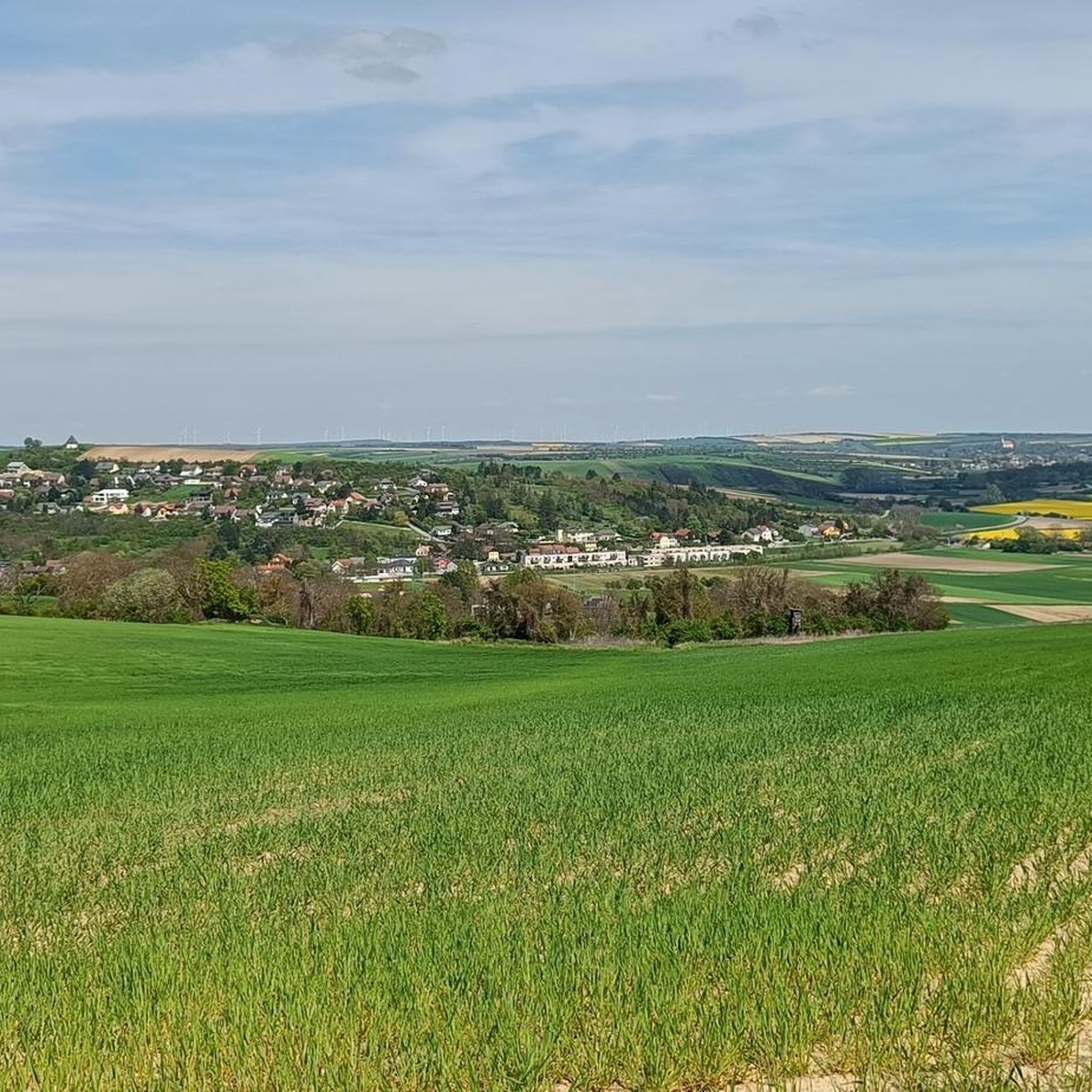
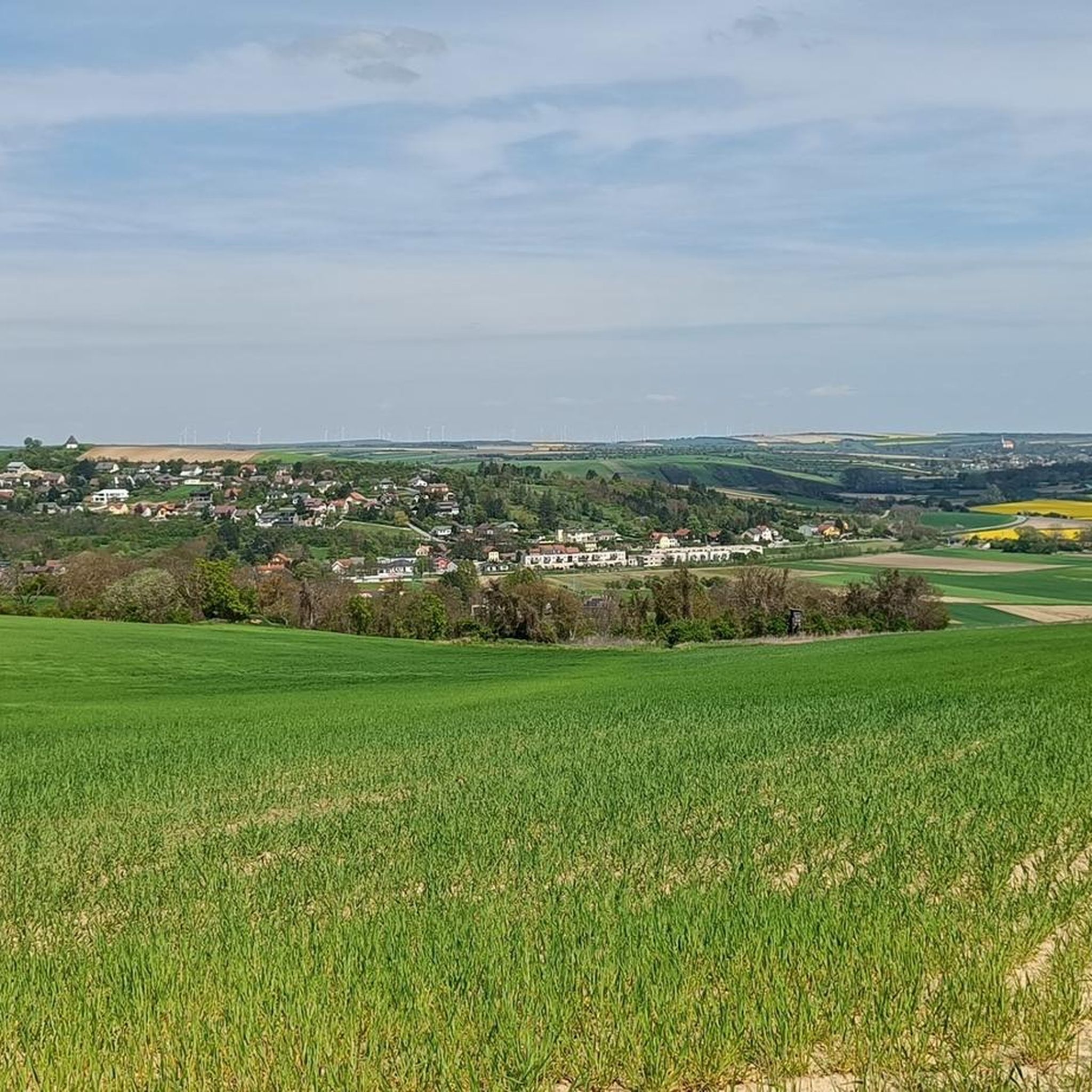
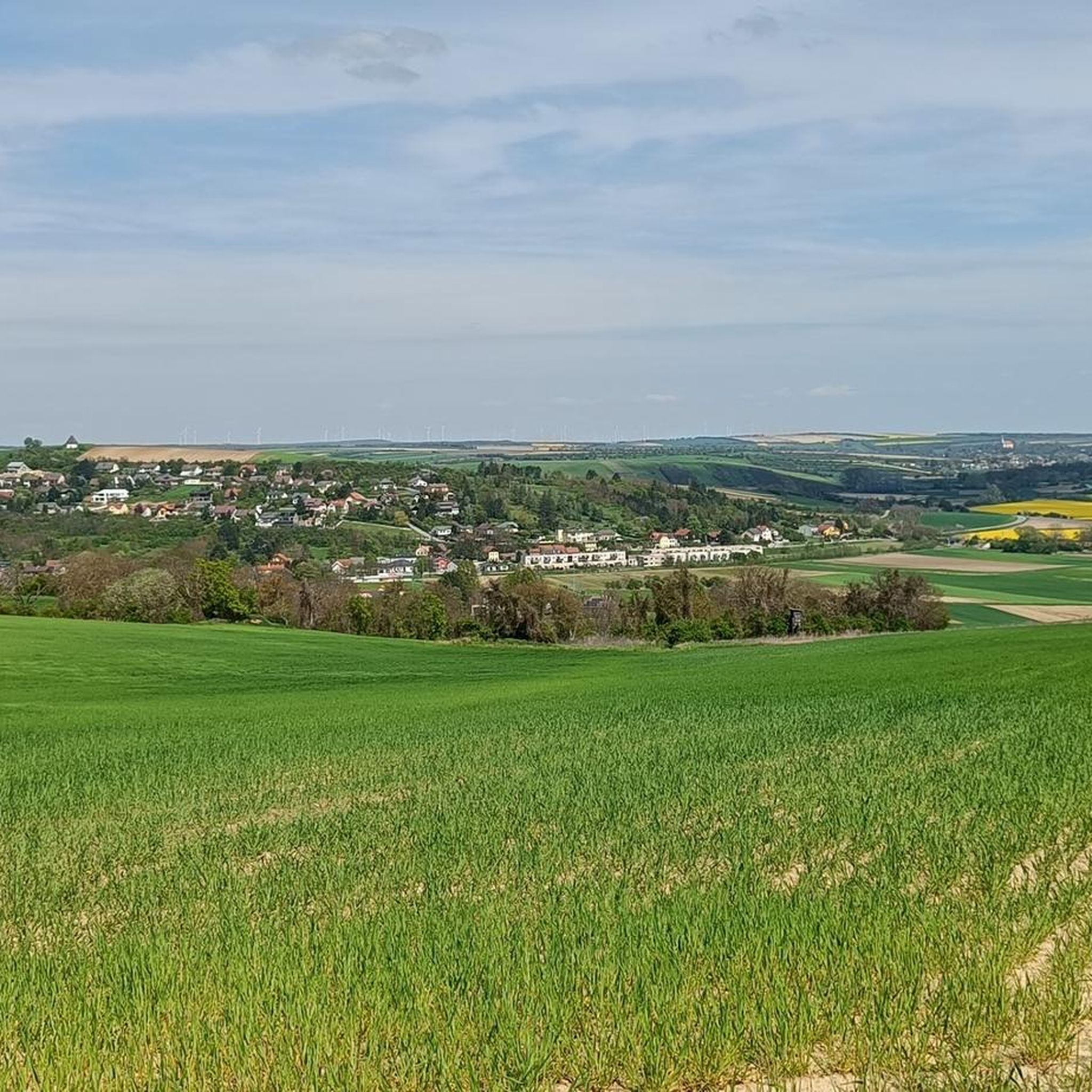
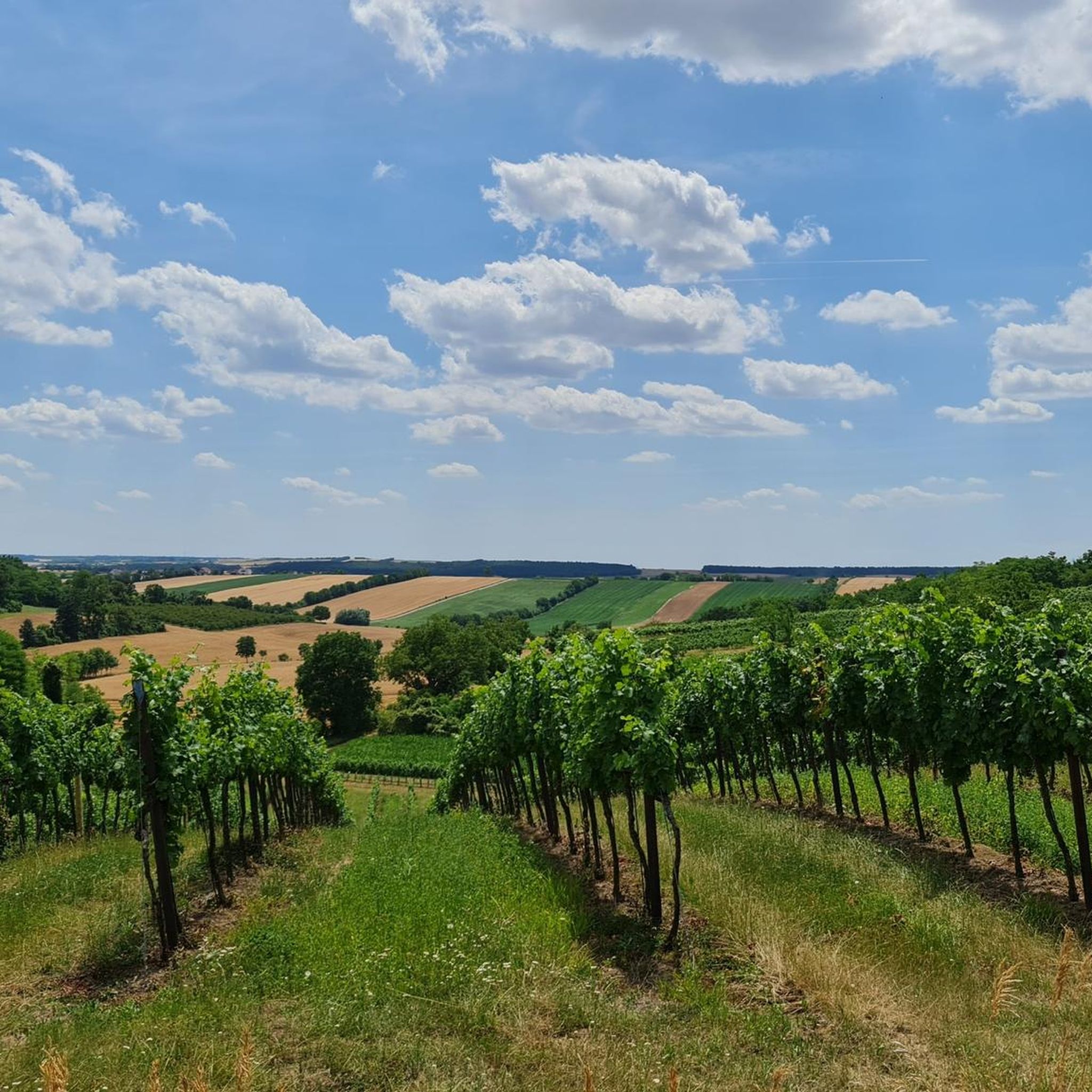
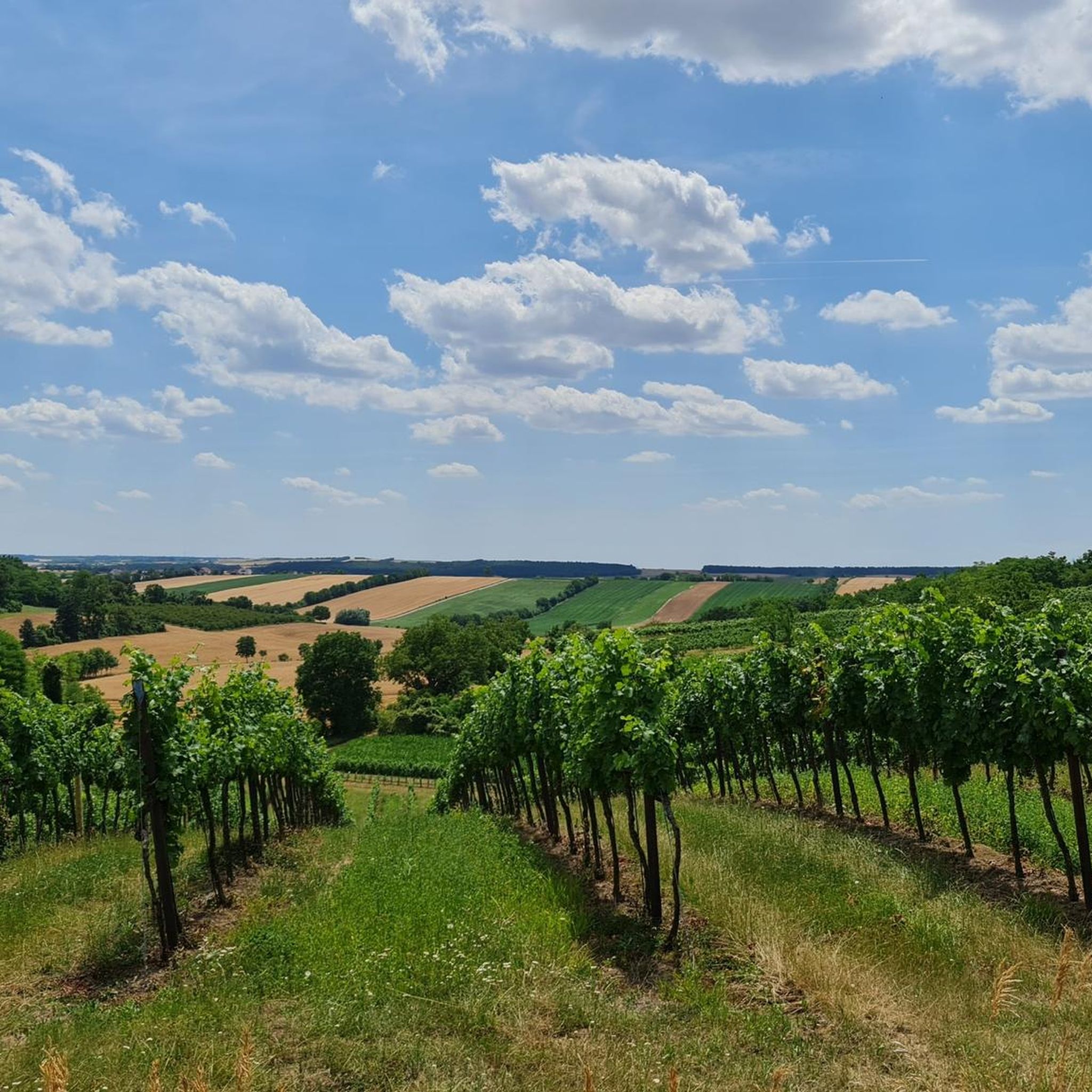
Best natural monuments around Hochleithen are found within the green, hilly landscape of the Weinviertel region in Lower Austria. The municipality is characterized by its idyllic setting amidst gentle hills, forests, and vineyards. The Hochleithenwald, an extensive mixed forest, is recognized as the largest oak-hornbeam forest in the Weinviertel. This area offers diverse woodland ecosystems and tranquil settings for nature enthusiasts.
Best natural monuments around Hochleithen
- The most popular natural monuments is Marienbründl Spring on Heiligen Berg (Hautzendorf), a…
Last updated: June 24, 2026
Marienbründl Spring on Heiligen Berg (Hautzendorf)
Highlight • Natural Monument
Translated by Google •
Tip by

Nexing Castle and Muschelberg
Highlight • Castle
Nexing Castle, built in the English Tudor style, is located in the middle of the rolling hills of the Weinviertel. Right behind it is a …
Translated by Google •
Tip by

Sign up now to discover places like this
Get recommendations on the best single tracks, peaks, & plenty of other exciting outdoor places.
Sign up for free
Friedenskreuz and Memorial Meadow Above Ladendorf
Highlight • Monument
At the Ladendorfer Friedenskreuz, high above the village, undertaker Johann Leopold is building the first natural meadow for biodegradable urns.
Translated by Google •
Tip by

Marienbründl & Marien Chapel
Highlight • Religious Site
Translated by Google •
Tip by

Peoples' Memorial Stone on Schricker Berg
Highlight • Monument
Between 1977 and 1979, the sculptor Walfried Huber from Bad Pirawarth created this monument, commissioned by the family of Dr. Gerhard and Elsa Pranka from Gaweinstal, which illustrates the …
Translated by Google •
Tip by

Sign up for free to discover even more natural monuments around Hochleithen.
Sign up for free
Already have an account?
Start today with a free account
Your next adventure awaits.
Login or Signup
Tips from the Community

When the Holy Father Leo XIV greeted the faithful in May 2025 – immediately after his election as Pope – his first words deeply touched not only people of the Catholic faith. Perhaps the words he spoke in St. Peter's Square may also be a helpful thought for the walker pausing before this small sacred monument: + "Peace be with you all! Dear brothers and sisters, this is the first greeting of the Risen Christ, the Good Shepherd... I too desire that this greeting of peace may enter your hearts, reach your families, all people, wherever they are, all nations, the whole earth. Peace be with you! This is the peace of the Risen Christ, an unarmed and disarming peace, humble and persevering. It comes from God, the God who loves us all unconditionally." (Leo XIV)
1
0

History: Between 1977 and 1979, the sculptor Walfried Huber from Bad Pirawarth created this monument, commissioned by the family of Dr. Gerhard and Elsa Pranka from Gaweinstal, which illustrates the idea of the solidarity of peoples. At the time of its erection, the neighboring states of Czechoslovakia and Hungary were still separated from Austria by the impermeable Iron Curtain. Even if humans set arbitrary borders, these can easily be overcome by the eyes and mind. Description: The Schricker Berg viewing point is the highest elevation in the area. From there, one can see as far as the Czech Republic, Slovakia, and Hungary. Three interlocking stone blocks made of gray Waldviertel marble, the middle one resembling a finger pointing to the solidarity of peoples, stand as a memorial stone at this vantage point. The monument is 4.20 m high and 1.90 m wide. A plaque placed next to the monument explains the motivations of Dr. Pranka's family for having this memorial erected here. Source: Marterl.at
0
0

To find the Bründl you have to look over the inconspicuous wall.
1
0

Due to the shady location, it is an ideal place for a break even in the worst heat.
1
0
On the other side of the path from the chapel you have to look over the wall.
0
1
The Friedenskreuz Ladendorf was erected by ÖKB Ladendorf and the surrounding area in the years 1983 to 1984 in honor of the dead and those who returned home.
1
0

The small Marienkapelle with the image of the Trinity was first mentioned in the 18th century, but the cult surrounding the spring has always existed. During the renovation work in 1990, it was lovingly renovated, as was the Bründl gushing out of the mountain. The facility is particularly appealing, in the middle of the fields with a wide view in clear air. Benches and tables are ready, not only for eating and drinking - also for prayer. A staircase leads down to the water. It comes out of a wall fortified by quarry stone masonry and runs over a stone nose into a round basin. The water crystal clear and cold.
1
0
The highest point in Ladendorf is the Peace Cross. At the Ladendorfer Friedenskreuz, high above the village, undertaker Johann Leopold is building the first natural meadow for biodegradable urns.
1
0
Frequently Asked Questions
What are some unique natural monuments to visit in Hochleithen?
Hochleithen offers several unique natural monuments. You can visit the Marienbründl Spring on Heiligen Berg (Hautzendorf), a spring whose water has been considered healing for centuries, featuring a small chapel. Another significant site is the Nexinger Muschelberg, a geological wonder with a vast collection of shells dating back over 12 million years.
Are there any natural monuments with historical or cultural significance in Hochleithen?
Yes, the Marienbründl Spring on Heiligen Berg (Hautzendorf) is a place of power with a small chapel, and its water has been revered for centuries. Additionally, the Friedenskreuz and Memorial Meadow Above Ladendorf, while man-made, incorporates natural elements and serves as a memorial with historical context.
What kind of natural landscape defines Hochleithen beyond specific monuments?
Hochleithen is characterized by its idyllic setting within the green, hilly landscape of the Weinviertel region. It features gentle hills, extensive forests, and vineyards. The area is interwoven with charming 'Kellergassen' (cellar alleys) and small streams, offering picturesque views and a peaceful rural charm.
Is the Hochleithenwald itself considered a natural monument?
The Hochleithenwald is an extensive mixed forest recognized as the largest oak-hornbeam forest in the Weinviertel. While the forest as a whole is a significant natural feature, several individual trees within it, such as the 'Bindereiche' (oak), a white pine, and a 'Bilderbuche' (picture oak), are specifically designated as natural monuments by the state of Lower Austria.
Are there family-friendly natural monuments in the Hochleithen area?
Many natural monuments in Hochleithen are suitable for families. The Marienbründl Spring on Heiligen Berg (Hautzendorf) and the Nexinger Muschelberg are both listed as family-friendly. The gentle terrain of the Hochleithenwald also provides opportunities for relaxed walks with children.
What outdoor activities can I do near Hochleithen's natural monuments?
The area around Hochleithen's natural monuments is excellent for various outdoor activities. You can explore numerous running trails, including routes like the 'Rußbachtal Rest Area – Wolkersdorf Castle loop'. For cyclists, there are road cycling routes such as 'Cycle path away from traffic – Kreuttal among trees loop', and touring bicycle options like the 'Hochleithen Cycle Path – Wolkersdorf Castle loop'. You can find more details on these activities in the Running Trails around Hochleithen, Road Cycling Routes around Hochleithen, and Cycling around Hochleithen guides.
What is the best time of year to visit the natural monuments in Hochleithen?
The Hochleithen region is beautiful year-round, but spring and autumn are particularly pleasant for exploring the natural monuments. During these seasons, the weather is mild, making it ideal for walks through the Hochleithenwald and vineyards. The diverse flora and fauna are also more active, offering a richer nature experience.
Are there options for dog-friendly hikes near Hochleithen's natural monuments?
Yes, the extensive Hochleithenwald and the surrounding gentle hills provide many opportunities for dog-friendly walks and hikes. The natural environment is generally welcoming for dogs, but always ensure your pet is under control and respect local regulations regarding leashes, especially near protected areas or agricultural land.
What wildlife might I encounter in the Hochleithenwald?
The Hochleithenwald, as a diverse woodland ecosystem, is home to a variety of wildlife. You might encounter common forest animals such as deer, wild boar, foxes, and various bird species. Its relatively untouched environment offers a good chance for wildlife observation for those seeking tranquility.
How can I reach the natural monuments in Hochleithen using public transport?
While specific public transport routes directly to every natural monument might be limited, Hochleithen is a municipality in Lower Austria. It's advisable to check local bus and train schedules for connections to the main villages within Hochleithen or nearby towns like Wolkersdorf, from where you might be able to walk or cycle to some of the natural sites. Information can typically be found on the regional public transport websites.
Are there any viewpoints or scenic spots among the natural monuments?
Yes, the Friedenskreuz and Memorial Meadow Above Ladendorf, located at the highest point in Ladendorf, offers expansive views of the surrounding landscape. Additionally, the general hilly terrain of Hochleithen, especially through vineyards and forest edges, provides numerous scenic spots for enjoying the Weinviertel's beauty.
Where can I find refreshments or places to eat near the natural monuments?
The Hochleithen region, being part of the Weinviertel, is known for its wine tourism. You can find local wineries and traditional 'Heurigen' (wine taverns) in the surrounding villages, which offer food and drink. For example, near Nexing Castle and Muschelberg, you can find the “Oase am Teich” inn, which serves specialties and provides accommodation options.
What makes the Nexinger Muschelberg a significant natural monument?
The Nexinger Muschelberg is a significant natural monument due to its unique geological features. It boasts a huge collection of shells from the Sarmatian period, dating back more than 12 million years. This makes it a remarkable fossil wonder and a 'Locus typicus' – a location of unparalleled geological importance.
Most popular routes around Hochleithen
Most popular attractions around Hochleithen

Get inspired with the komoot mobile app


Explore more
Extend your search for the best caves by checking out these guides of the top ones around Hochleithen:
