Top 10 Natural Monuments around Stetteldorf am Wagram
Natural monuments around Stetteldorf am Wagram are characterized by a unique natural landscape shaped by geological processes and human cultivation. The region's most significant natural feature is the Wagram ridge, an impressive geological formation consisting of loess deposits up to 40 meters deep. This elevated landscape supports extensive vineyards, contributing to a distinct viticultural character. The interplay of geology and human activity creates a scenic environment with rolling hills and views of the Danube Valley.
Best natural monuments around Stetteldorf…
Last updated: July 7, 2026
Nibelungen Monument
Highlight • Monument
Translated by Google •
Tip by

LIFE+ Traisen renaturation
Highlight • River
Translated by Google •
Tip by

Sign up now to discover places like this
Get recommendations on the best single tracks, peaks, & plenty of other exciting outdoor places.
Sign up for free
Tree masterpieces
Highlight (Segment) • Natural Monument
Translated by Google •
Tip by

THE GARDENS TULLN
Highlight • Structure
Translated by Google •
Tip by

Pankraz Burial Mound
Highlight • Historical Site
Translated by Google •
Tip by

Sign up for free to discover even more natural monuments around Stetteldorf am Wagram.
Sign up for free
Already have an account?
Start today with a free account
Your next adventure awaits.
Login or Signup
Popular around Stetteldorf am Wagram
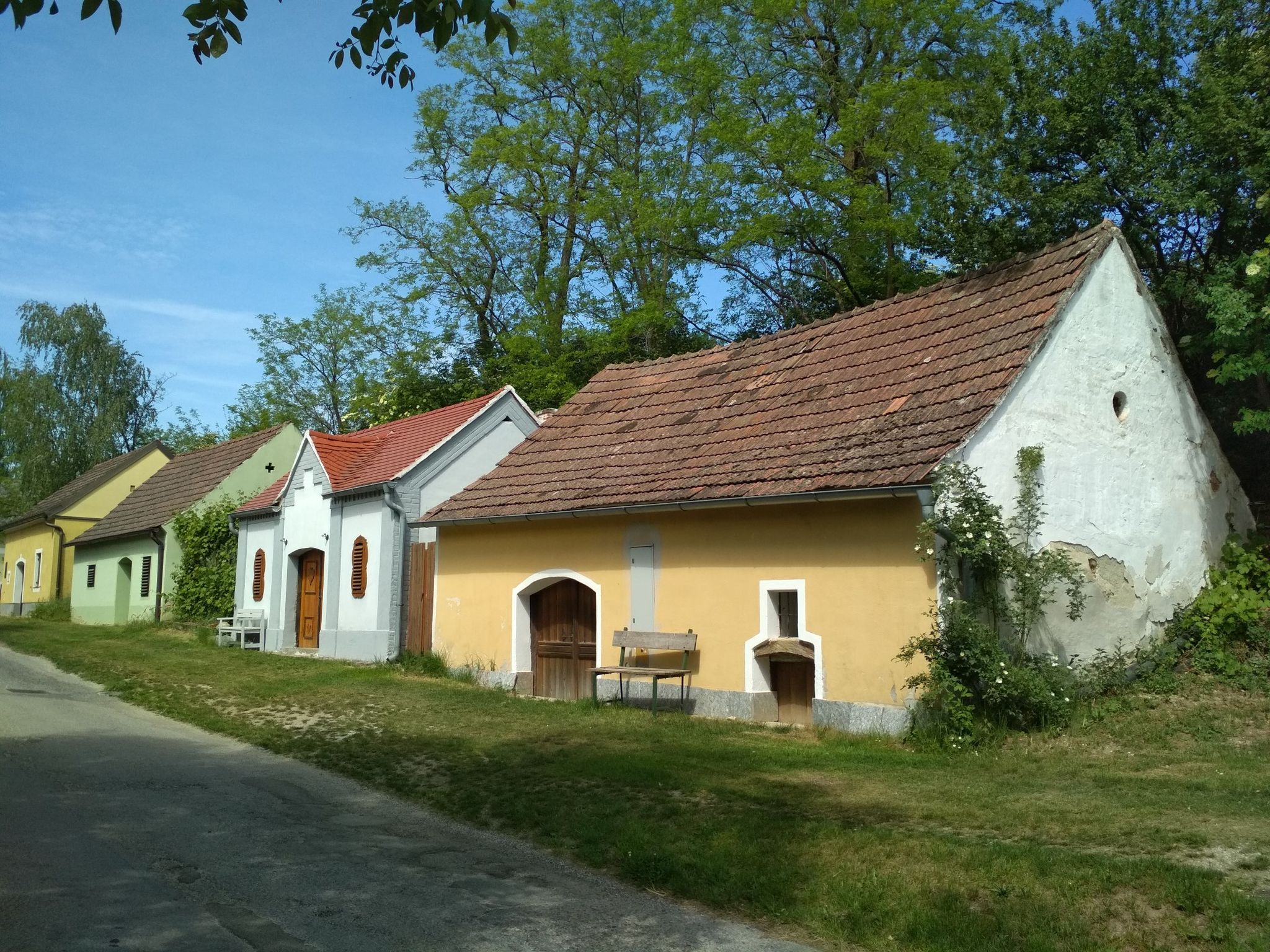
The most beautiful wine cellar lanes along the Jakobsweg Weinviertel
Cycling around Stetteldorf am Wagram
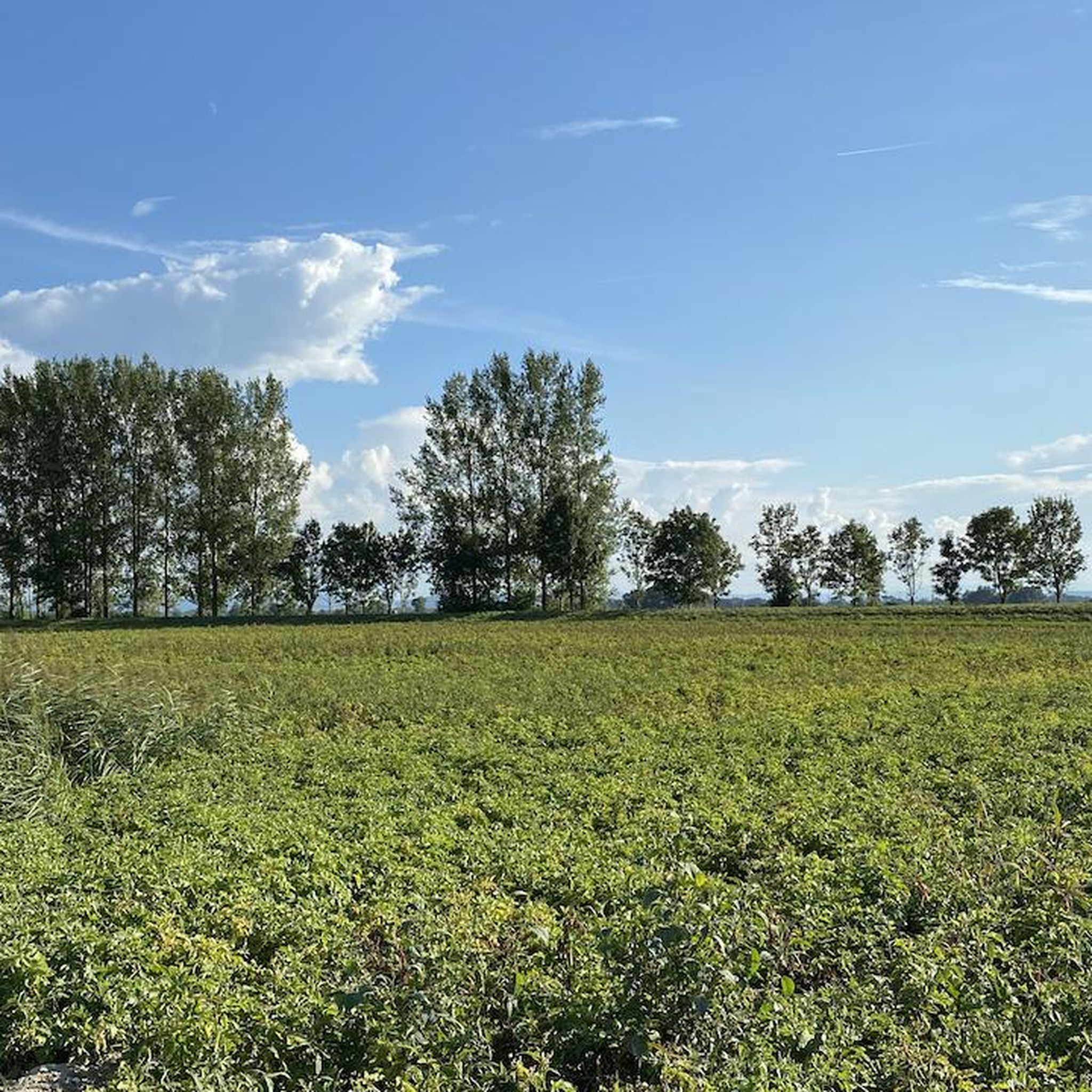
Road Cycling Routes around Stetteldorf am Wagram
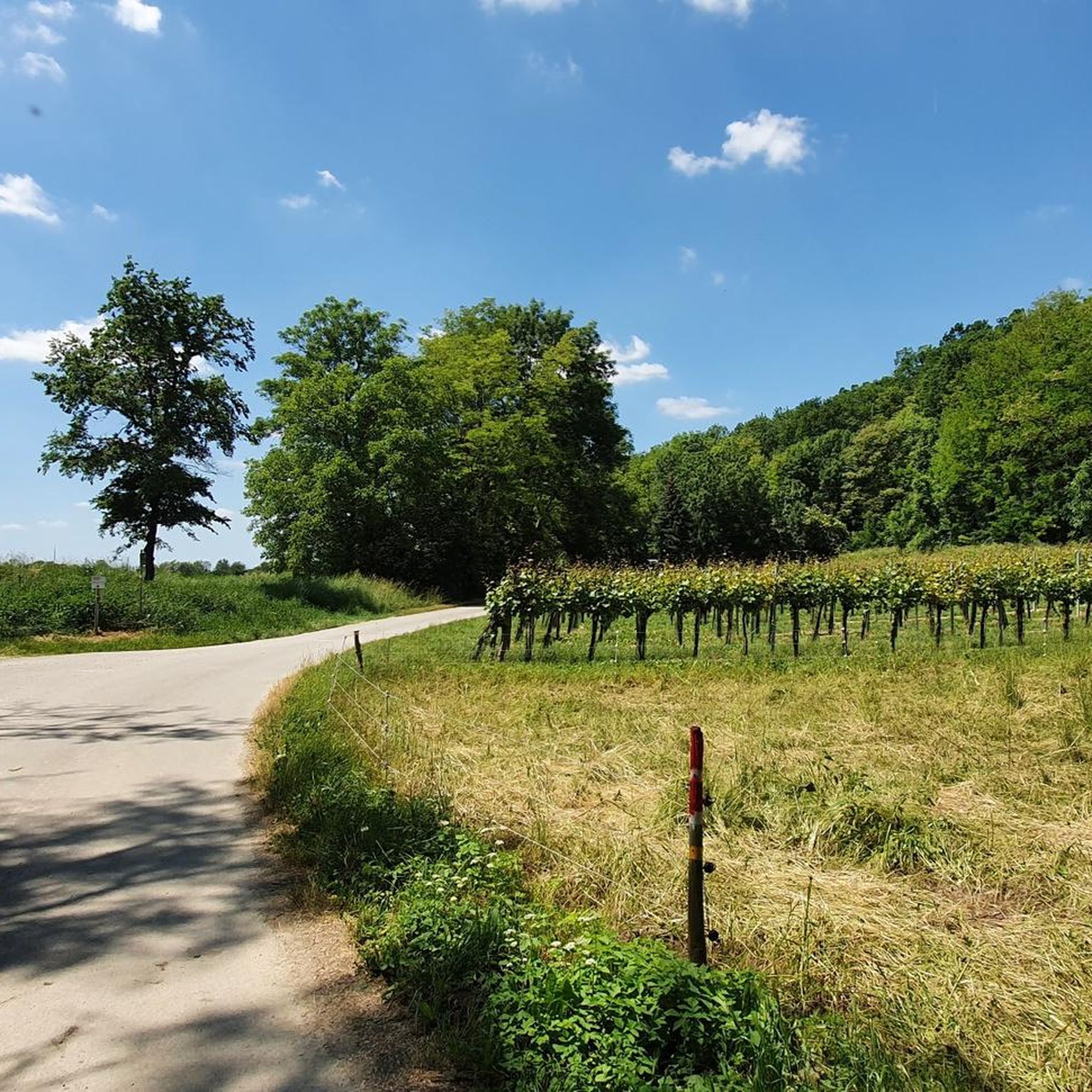
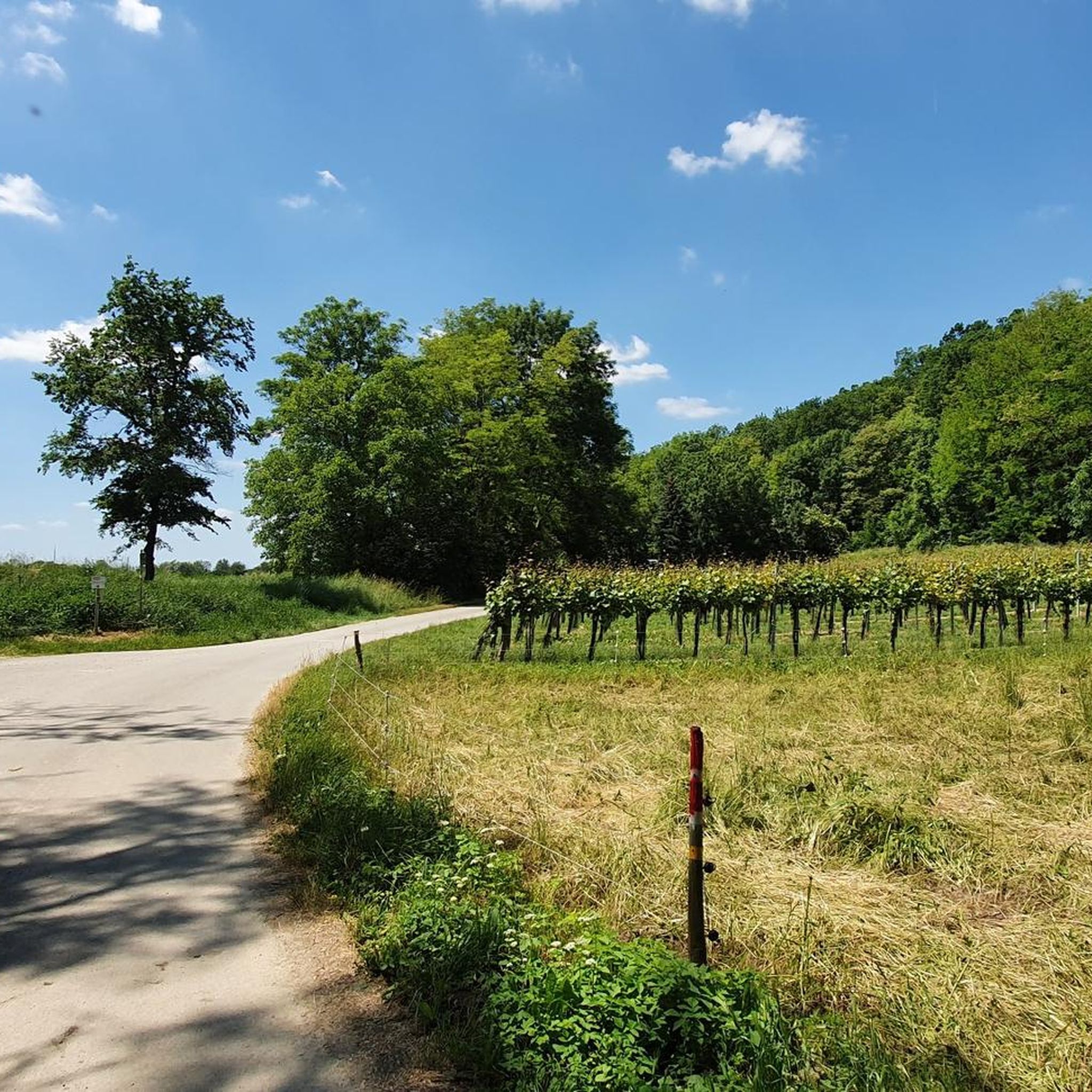
MTB Trails around Stetteldorf am Wagram
Hiking around Stetteldorf am Wagram
Running Trails around Stetteldorf am Wagram

Gravel biking around Stetteldorf am Wagram
Other adventures around Stetteldorf am Wagram

Tips from the Community

a very interesting renaturation project
0
0

This is Europe's first ecological garden show with over 70 show gardens. The treetop path is particularly popular, offering a great view over the Tullnerfeld.
0
0


Entertainment for the family 😄
1
0

The LIFE+ Traisen project was one of the largest renaturation projects in Austria and was implemented between 2009 and 2019. The aim was to transform the previously straightened lower reaches of the Traisen into a near-natural floodplain landscape. This resulted in a new, meandering river course with diverse bank structures and wetlands over a length of around 9.4 kilometers. This created valuable habitats for numerous animal and plant species, including endangered species. The implementation required extensive earthworks, in which large quantities of gravel and sediment were moved to create still waters and shallow water zones. The cost of the project was around 30 million euros and was financed by various public and private partners.
5
0
"Die Garten Tulln" is a state garden show of the federal state of Lower Austria established in Tulln an der Donau in 2008 and subsequently became a permanent fixture. The Lower Austrian State Garden Show described itself as the first ecological and permanent state garden show in Europe. Address: Am Wasserpark 1, 3430 Tulln an der Donau. If you have the opportunity, you should visit "Die Garten." Here, among other things, the full diversity of ecological garden design is presented in seventy show gardens. It is a worthwhile destination for a tour or as a short detour from the main route. Worth seeing.
2
0
"The Garden Tulln" is a state garden show of the state of Lower Austria in Tulln an der Donau that was established in 2008 and subsequently became a permanent institution. The Lower Austrian State Garden Show described itself as the first ecological and permanent state garden show in Europe. Address: Am Wasserpark 1, 3430 Tulln an der Donau. If you have the opportunity, you should take a look at "The Garden". Here, among other things, the full variety of ecological garden design is shown in seventy show gardens. It is worth visiting as a destination for a tour or as a small detour from the main route. Worth seeing. Tip: The beautifully designed promenade on the Danube, called Tullngarten here, should not be confused with "The Garden Tulln". This garden show is at a different location.
4
0
The city is a paradise for cyclists, with well-developed paths leading through green oases and along the Danube. In Tulln, trees are the focus of a unique initiative that highlights their beauty, importance and ecological functions. On this section you will find signposted trees with exciting information. The garden city creates a harmonious interplay of sustainability, nature and culture. With its focus on trees as "living works of art" and its bike-friendliness, Tulln is an ideal place for nature lovers and cyclists. Good thing!
4
0
Frequently Asked Questions
What defines the unique natural landscape around Stetteldorf am Wagram?
The natural landscape around Stetteldorf am Wagram is primarily defined by the Wagram ridge, an impressive geological formation stretching approximately 30 kilometers north of the Danube River. It consists of up to 40 meters of loess, a fine, calcareous silt deposited during the ice ages. This unique geology creates an undulating, elevated landscape that supports extensive vineyards, making it a remarkable blend of natural processes and human cultivation. You can also enjoy picturesque views of the Danube Valley and distant Alpine foothills.
Are there specific natural attractions or sites to visit in the region?
Yes, beyond the general Wagram landscape, you can explore specific natural attractions. One notable site is LIFE+ Traisen renaturation, Austria's largest renaturation area, which transformed the Traisen river into a near-natural floodplain, creating diverse habitats. Another peaceful spot is Tree masterpieces, where you can discover impressive trees with exciting information, offering a tranquil experience for nature lovers.
What kind of outdoor activities can I do near the natural monuments?
The region offers numerous opportunities for outdoor activities, especially cycling. You can find various routes for road cycling, gravel biking, and touring. For instance, explore the area on a road cycling route like the 'Greifenstein Power Plant – Tulln Danube Bridge loop' or try gravel biking on the 'Greifenstein Danube Oxbow – Nibelungen Monument loop'. For more options, check out the Cycling around Stetteldorf am Wagram guide, the Road Cycling Routes around Stetteldorf am Wagram guide, or the Gravel biking around Stetteldorf am Wagram guide.
Are there family-friendly natural monuments or activities in the area?
Yes, several natural attractions are suitable for families. The LIFE+ Traisen renaturation area is family-friendly, offering a chance to observe wildlife in a restored natural habitat. The Tree masterpieces also provide an engaging and educational experience for all ages, highlighting the beauty and importance of trees. Additionally, many of the cycling paths through vineyards and natural areas are enjoyable for families.
What is the best time of year to visit the natural monuments around Stetteldorf am Wagram?
The best time to visit is generally from spring to autumn. During these seasons, the vineyards are lush, and the weather is ideal for hiking and cycling. Spring brings blossoming landscapes, while autumn offers vibrant colors and the grape harvest season, which is a significant cultural event in the Wagram region. Winter can also be beautiful, but some trails might be less accessible, and the focus shifts more towards the quiet, serene beauty of the snow-covered landscape.
Are there any historical or cultural landmarks intertwined with the natural landscape?
Yes, the region beautifully intertwines natural beauty with historical and cultural elements. The Nibelung Monument (Nibelungendenkmal), though man-made, is a significant historical site and viewpoint that depicts the encounter of Kriemhild and Etzel, offering a cultural context within the scenic surroundings. The entire viticultural landscape of the Wagram, with its traditional taverns and wine cellars, represents a rich cultural heritage shaped by the unique natural conditions.
What kind of terrain can I expect on hiking and cycling trails?
The terrain around Stetteldorf am Wagram features rolling hills and an undulating landscape due to the Wagram ridge's loess deposits. While there are elevated sections, many trails, especially those through vineyards and along the Danube, are generally accessible. You can find routes ranging from easy to moderate difficulty, suitable for various fitness levels. The 'Does good!' - Step path is an example of a trail that guides visitors through vineyards and agricultural areas.
Is public transport available to reach the natural monuments or trailheads?
While specific details for each individual natural monument might vary, the region around Stetteldorf am Wagram is generally accessible. Public transport options, including regional buses and trains, connect various towns and villages in the area. It's advisable to check local transport schedules for the most convenient connections to specific starting points for hikes or cycling tours.
Are there opportunities for wildlife spotting in the natural areas?
Yes, particularly at the LIFE+ Traisen renaturation area. This project transformed the Traisen into a near-natural floodplain, creating valuable habitats for numerous animal and plant species, including endangered ones. It's an excellent spot for birdwatching and observing aquatic life in a restored ecosystem.
What do visitors enjoy most about the natural monuments around Stetteldorf am Wagram?
Visitors frequently appreciate the harmonious interplay of nature and culture. The scenic views of the rolling hills, vineyards, and the Danube Valley are often highlighted. The tranquility found at spots like Tree masterpieces and the opportunity to immerse oneself in the unique viticultural landscape are also highly valued. The community has shared over 190 photos and given more than 870 upvotes, reflecting a strong appreciation for the region's beauty.
Are there any viewpoints offering panoramic vistas of the natural landscape?
Yes, the elevated Wagram ridge naturally provides many scenic viewpoints. The overall landscape around Stetteldorf am Wagram features rolling hills that offer picturesque views, including glimpses of the Danube Valley and the distant Alpine foothills, such as Ötscher and Schneeberg. The Nibelung Monument (Nibelungendenkmal) is also noted as a viewpoint.
Most popular routes around Stetteldorf am Wagram
Most popular attractions around Stetteldorf am Wagram

Get inspired with the komoot mobile app


Explore more
Extend your search for the best caves by checking out these guides of the top ones around Stetteldorf am Wagram:
