Top 15 Natural Monuments around Andlersdorf
Best natural monuments around Andlersdorf are primarily defined by the region's proximity to the Danube-Auen National Park. This extensive national park preserves one of Central Europe's last large, contiguous, and ecologically intact floodplain landscapes along the Danube River. The area offers a diverse mosaic of habitats, including alluvial forests, meadows, and numerous water bodies. Visitors can explore a rich biodiversity of flora and fauna within this dynamic river landscape.
Best natural monuments around Andlersdorf
- The most popular natural monuments is…
Last updated: July 7, 2026
Danube-Auen National Park
Highlight (Segment) • Cycleway
Translated by Google •
Tip by

Donauradweg Gravel Section, Nationalpark Donau-Auen
Highlight • Cycleway
Translated by Google •
Tip by

Sign up now to discover places like this
Get recommendations on the best single tracks, peaks, & plenty of other exciting outdoor places.
Sign up for free
Orth an der Donau in the Donau-Auen National Park
Highlight (Segment) • Settlement
Translated by Google •
Tip by

Orther Islands
Highlight • Lake
While the first four islands already rise high out …
Translated by Google •
Tip by

Großenzersdorfer Arm
Highlight • River
Translated by Google •
Tip by
Sign up for free to discover even more natural monuments around Andlersdorf.
Sign up for free
Already have an account?
Start today with a free account
Your next adventure awaits.
Login or Signup
Tips from the Community

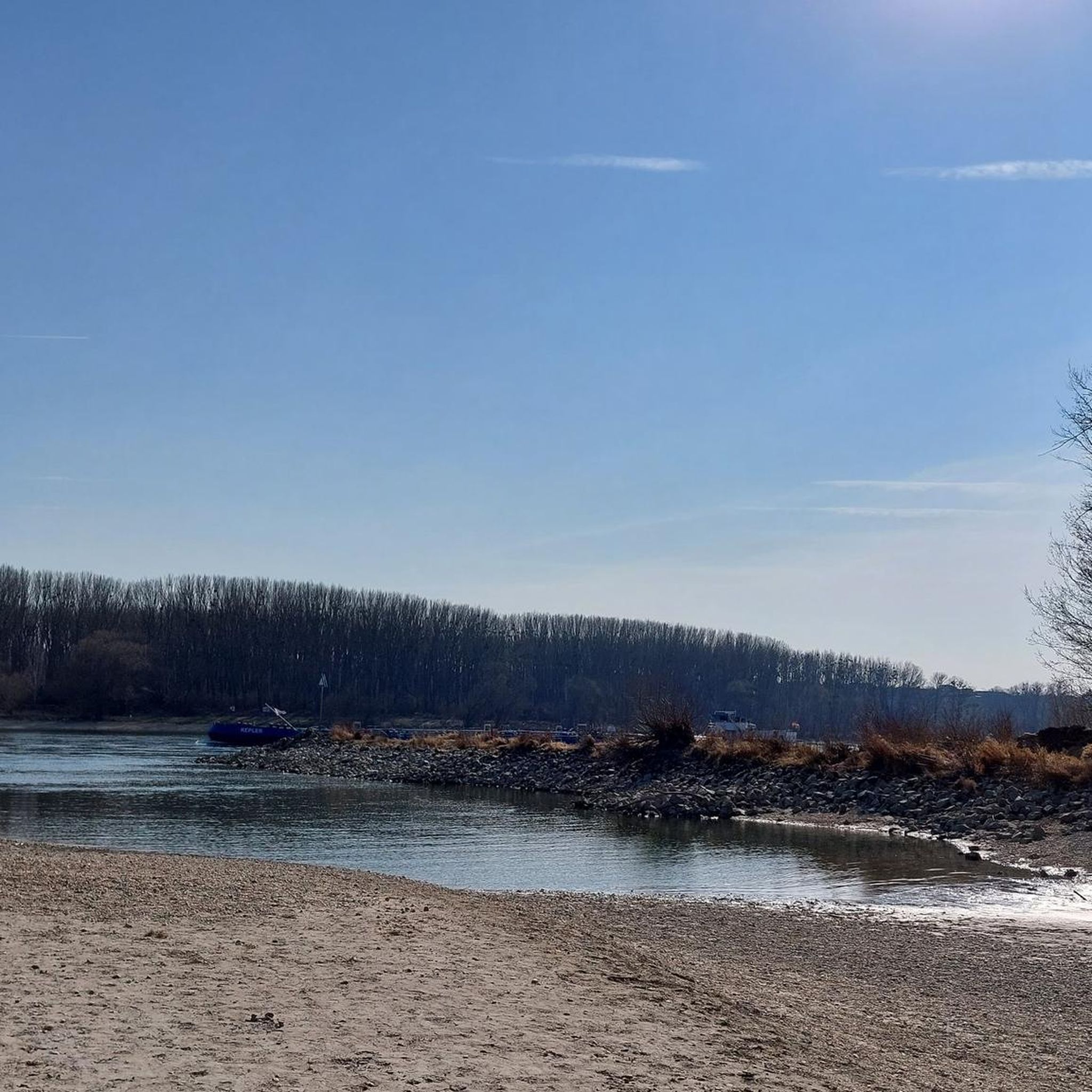
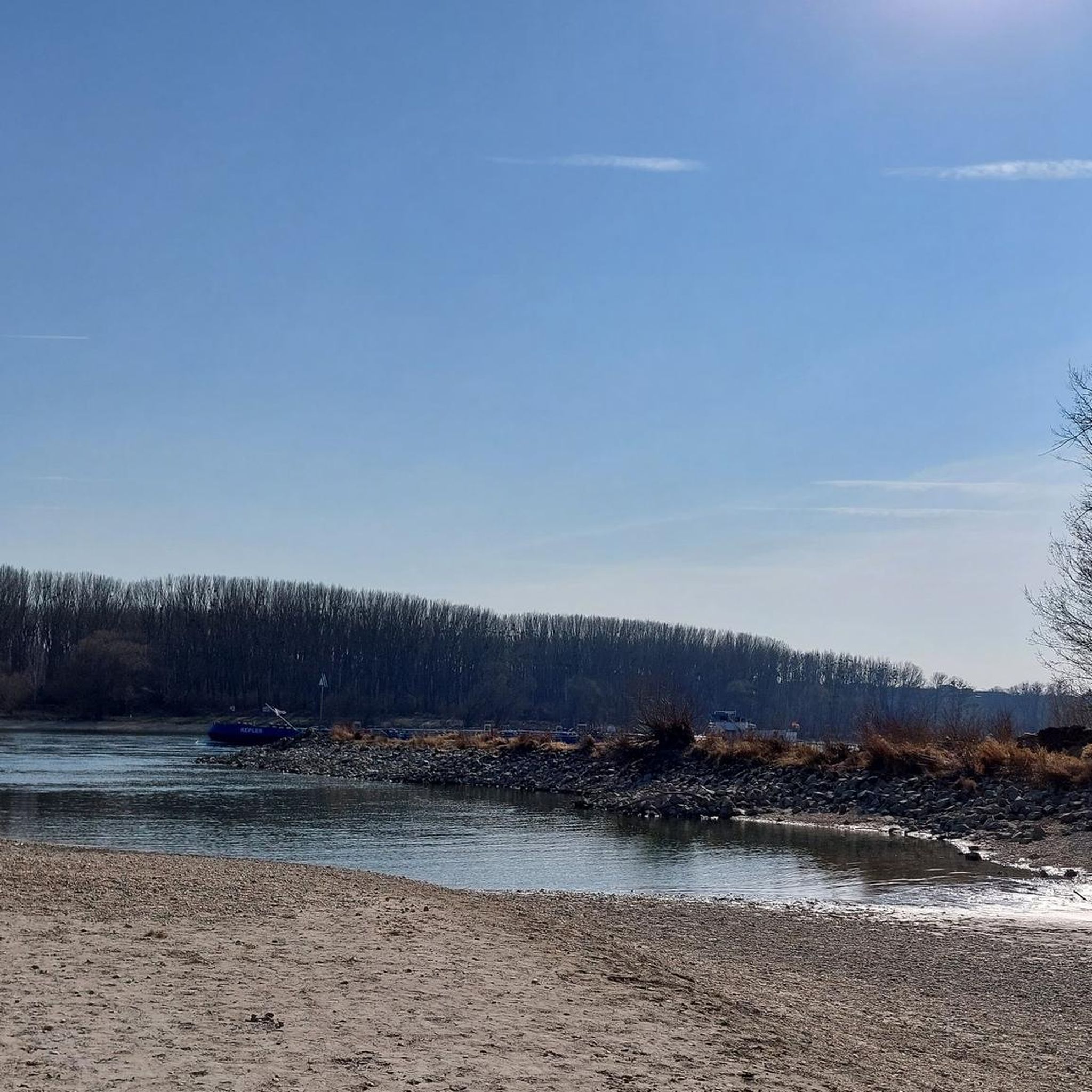
The almost standing body of water offers great photo opportunities with reflections.
0
0

The Danube-Auen National Park is one of the last large, intact floodplain landscapes in Central Europe. It stretches along the Danube between Vienna and Bratislava and covers an area of around 9,600 hectares. The national park protects this unique river landscape, which is characterized by a dynamic interplay of floods, gravel banks, old watercourses and floodplain forests. The national park was created after the successful protests against the construction of a hydroelectric power plant in Hainburg in the 1980s. The protection of the floodplains became a milestone in the Austrian environmental movement. The Danube flows largely unregulated in this section, which means that natural flooding and changes in the course of the river remain possible. This dynamic creates diverse habitats.
2
1

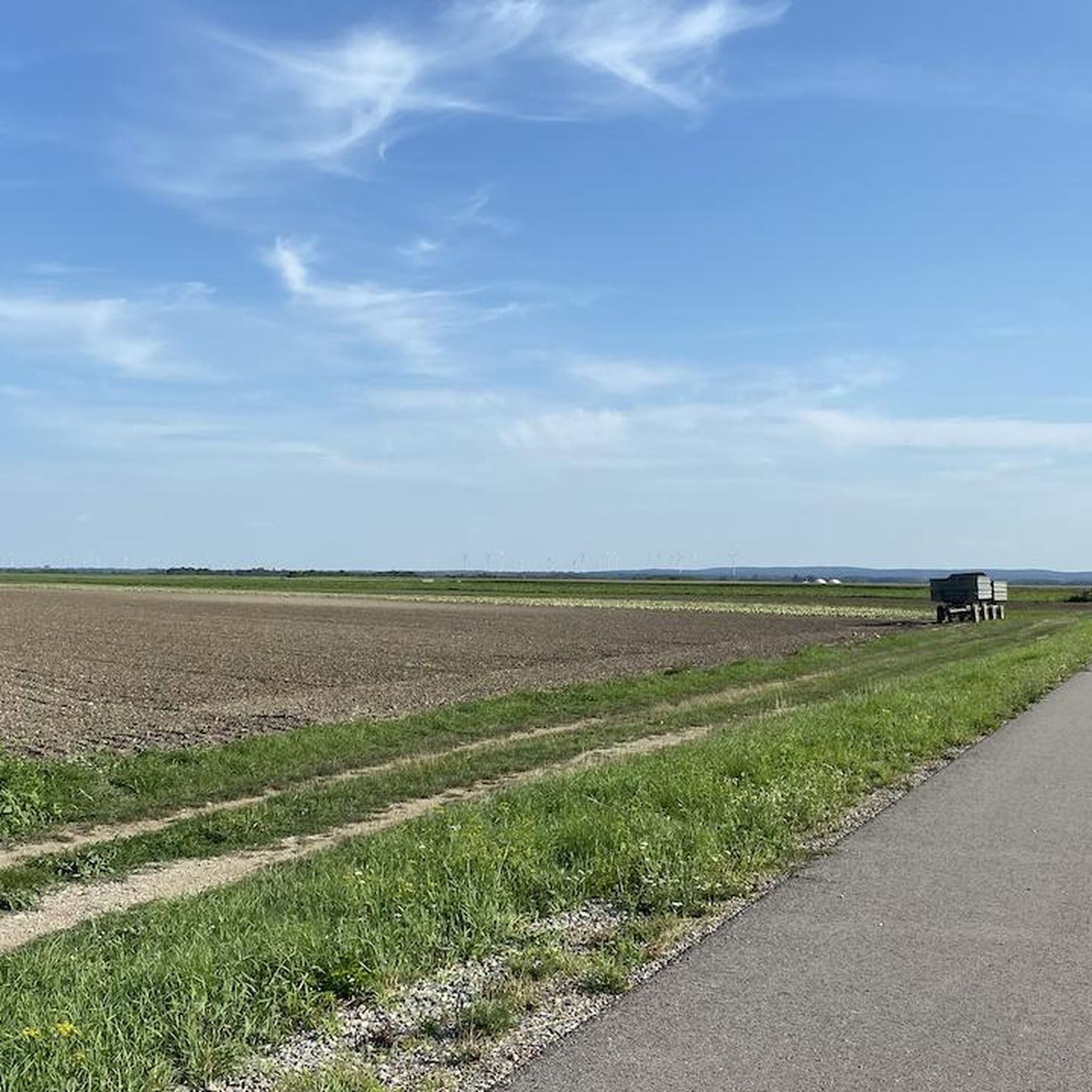
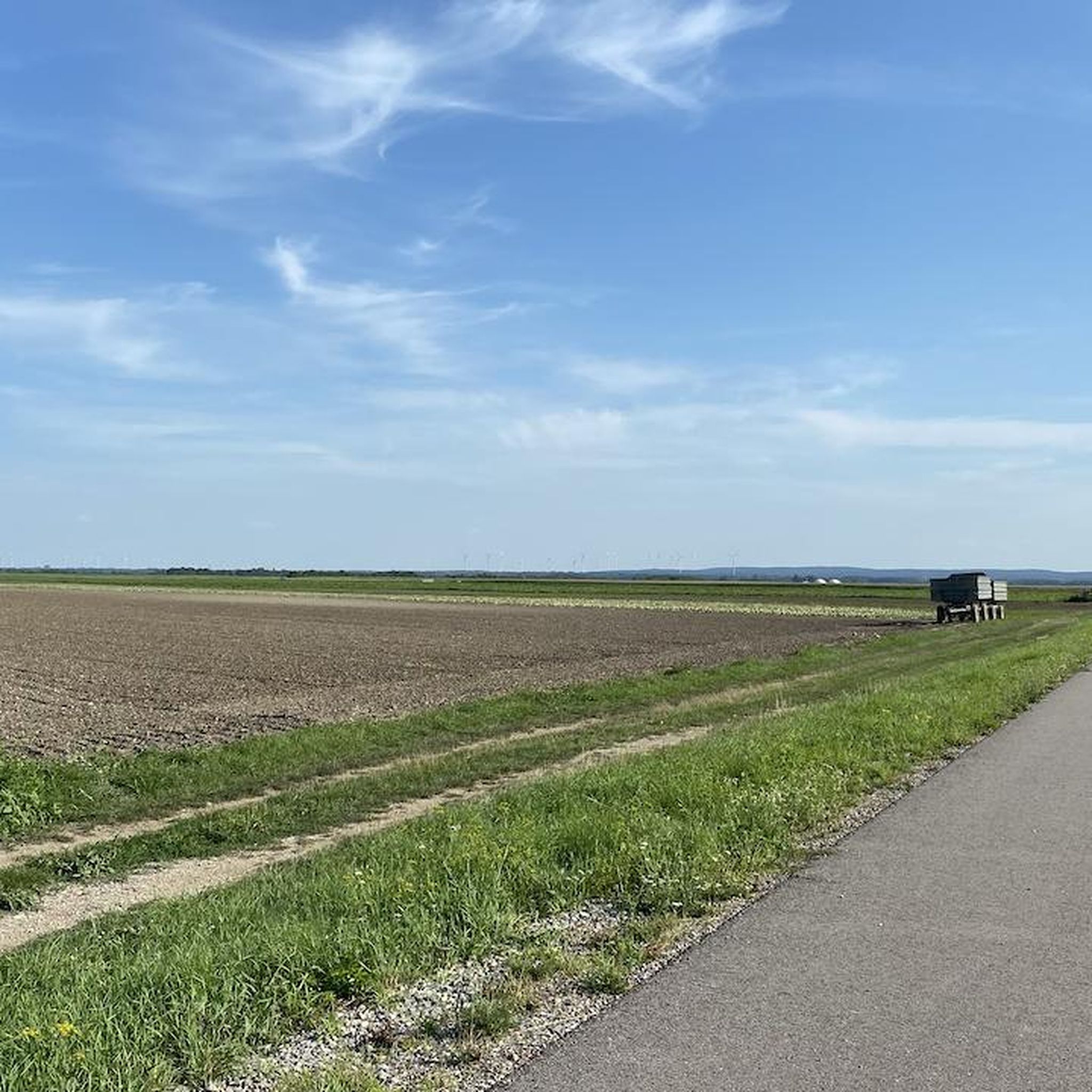
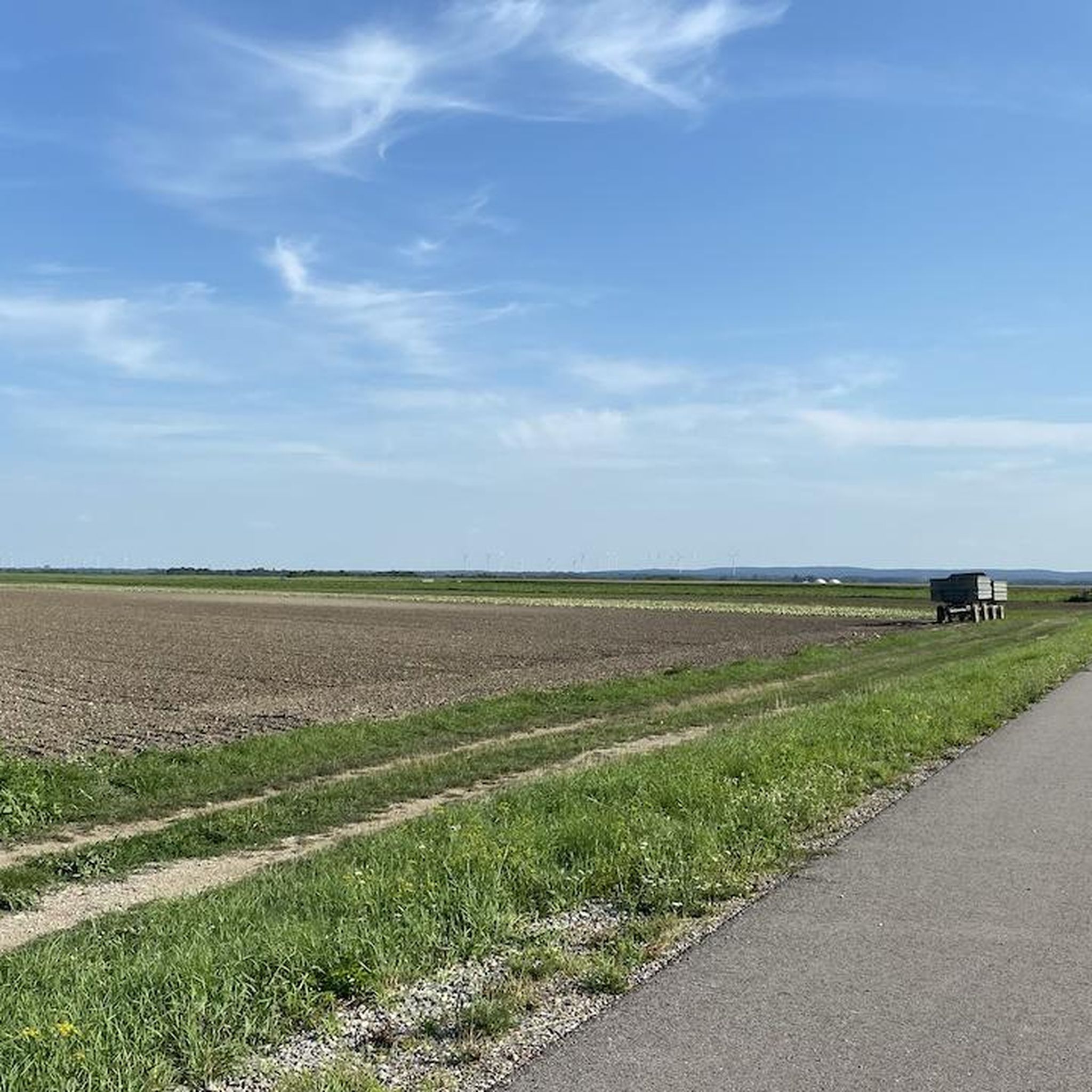
Great cycle paths and beautiful nature
0
1

The Danube-Auen National Park is a 9,600 hectare national park that stretches from Vienna to the mouth of the March in Lower Austria on the border with Slovakia. It is one of the largest, largely intact floodplain landscapes in Central Europe along the Danube. The area is 38 kilometers long and measures barely four kilometers at its widest point.
3
0

Beautiful view of the Orther Islands from the shore path. The islands themselves are difficult to access due to the dense undergrowth.
0
0

EuroVelo 6 always a pleasure
1
0

The Donau-Auen National Park stretches from Vienna to the mouth of the March at the Slovakian border near Bratislava. With a total length of the protected floodplain area of 38 kilometers, the national park is barely 4 kilometers at its widest point, because floodplains are only found in the immediate vicinity of the river. In the north lies the wide plain of the Marchfeld and the protective dam, built in the 19th century, runs through the national park area. In the south, the border is formed by the edge of the Vienna Basin.
4
0
With the founding of the Donau-Auen National Park in 1996, this jewel was placed under international protection. Since then, nature has been able to develop here free of economic constraints and be experienced by guests to the area.
4
0
Frequently Asked Questions
What are the most significant natural monuments around Andlersdorf?
The most significant natural monument is the Danube-Auen National Park, which preserves one of Central Europe's last large, contiguous, and ecologically intact floodplain landscapes. It's a dynamic river landscape with rich biodiversity. Other notable spots include the Orther Islands, known for their dynamic habitats and virgin forests, and the Donauradweg Gravel Section, offering scenic views and bird observation opportunities.
What makes the Danube-Auen National Park so special?
The Danube-Auen National Park is special because it protects one of the last great, contiguous, and ecologically intact floodplain landscapes in Central Europe. The free-flowing Danube constantly reshapes the floodplains, creating a diverse mosaic of habitats, including extensive alluvial forests and numerous water bodies. It's home to an extraordinary diversity of flora and fauna, including endangered species like the white-tailed eagle and European pond turtle. You can learn more about its unique ecosystem at the Schloss Orth National Park Centre.
Can I observe wildlife in the natural monuments around Andlersdorf?
Yes, the natural monuments around Andlersdorf, particularly within the Danube-Auen National Park, are excellent for wildlife observation. The park boasts over 30 mammal species, 100 species of breeding birds, 8 reptiles, 13 amphibian species, and around 50 fish species. The Old Danube Oxbow at Schönau is particularly good for birdwatching, with species like the Little Ringed Plover and Common Sandpiper, and offers chances to spot beavers in late winter afternoons.
Are there family-friendly natural monuments around Andlersdorf?
Absolutely. The Danube-Auen National Park and the Donauradweg Gravel Section are both categorized as family-friendly. The park offers various trails suitable for all ages, and the Schloss Orth National Park Centre provides environmental education, making it an engaging experience for families. The flat terrain along the Danube Cycle Path is also ideal for family bike rides.
What outdoor activities can I do near these natural monuments?
The region offers a variety of outdoor activities. You can explore numerous hiking trails, such as the 'Orther circular hiking trail' or the 'Old Aulehrpfad/Old Riverbank Path'. Cycling is very popular, especially along the Donauradweg Gravel Section. Canoeing and kayaking on the Danube are also great ways to experience the wilderness. For more detailed route information, you can check out the hiking guide, running guide, and MTB guide for Andlersdorf.
Are there historical sites within or near the natural monuments?
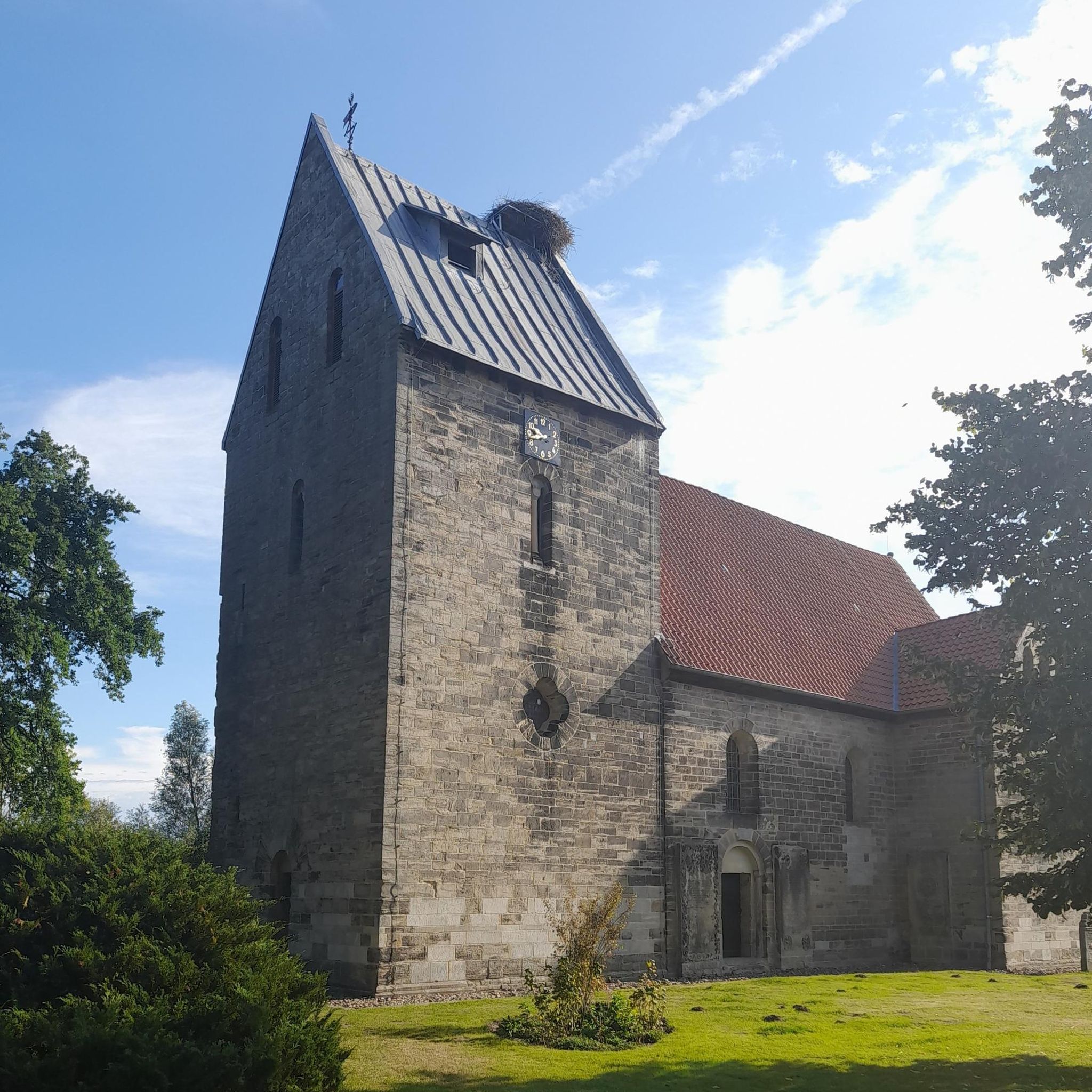
Yes, the area around the natural monuments has historical significance. Orth an der Donau, located within the Danube-Auen National Park, features Orth Castle, which dates back to the 12th century and was rebuilt after the Ottoman invasion. The castle now serves as the visitor center for the National Park. The town also has a former fortified church and a preserved ship mill, offering a glimpse into the region's past.
What is the best season to visit the natural monuments around Andlersdorf?
The natural monuments around Andlersdorf can be enjoyed year-round, but each season offers unique experiences. Spring brings vibrant wildflowers and amphibian spawning in replenished ponds. Summer is ideal for cycling and water activities. Autumn showcases beautiful foliage in the alluvial forests. In winter, you can observe numerous bird species, including cormorants and white-tailed eagles, especially around the Old Danube Oxbow at Schönau.
What are the Orther Islands and what makes them special?
The Orther Islands are a particularly dynamic habitat located downstream from Orther Uferhaus. The Danube's flow constantly shifts gravel, creating new banks and islands where real virgin forests grow. This natural process also reconnects side arms with the Danube, increasing water areas and benefiting rare animal species like the European pond turtle. They are a prime example of the river's creative power.
What is the Donauradweg Gravel Section like for cyclists?
The Donauradweg Gravel Section within the Nationalpark Donau-Auen offers a beautiful and relaxed route. It turns off the dam into the national park, providing scenic views of the meadow landscape and opportunities for bird observation. It's known for being a very well-suited path for consistent riding, as there's no significant incline, making it enjoyable for various cycling paces.
Are there places to eat or drink near the natural attractions?
Yes, particularly in and around Orth an der Donau, which is situated within the National Park. You can find options like the Uferhaus Restaurant or Gasthaus Binder. These establishments offer places to refresh and refuel after exploring the natural monuments and trails.
What is the Großenzersdorfer Arm?
The Großenzersdorfer Arm is a river arm located near Mühlgrund and Durchschlaghäufel. While it is intended to be fed from the Old and New Danube, it receives a limited water supply. This area is part of the broader natural landscape influenced by the Danube's waterways.
What should I wear for hiking in the natural monuments?
Given the dynamic nature of the floodplain landscape, it's advisable to wear sturdy, waterproof hiking boots, especially during wetter seasons or after rainfall, as trails can be muddy or impassable during flooding. Layered clothing is recommended to adapt to changing weather conditions, and insect repellent can be useful, particularly in forested and wetland areas.
Most popular attractions around Andlersdorf

Get inspired with the komoot mobile app


Explore more
Extend your search for the best caves by checking out these guides of the top ones around Andlersdorf:
