Top 20 Natural Monuments around Marchegg
Best natural monuments around Marchegg include the expansive floodplains of the March River, forming a significant natural monument known as the Untere Marchauen nature reserve. This region is recognized for its rich biodiversity and unique natural features, including a notable white stork colony. The landscape offers a mosaic of habitats, from ancient alluvial forests to riverine environments. These areas provide opportunities for nature observation and exploration of diverse ecosystems.
Best natural monuments around Marchegg
- The most popular natural monuments is…
Last updated: June 24, 2026
Devín Castle
Highlight • Castle
Translated by Google •
Tip by

Baroque Garden of Schloss Hof
Highlight • Natural Monument
After 15 years of detailed reconstruction, the garden in Schloss Hof can now be experienced by our guests in …
Translated by Google •
Tip by

Sign up now to discover places like this
Get recommendations on the best single tracks, peaks, & plenty of other exciting outdoor places.
Sign up for free
Danube River Restoration
Highlight • River
Translated by Google •
Tip by

Hainburger Au Trail
Highlight • Trail
Translated by Google •
Tip by

Weikendorfer Remise Nature Reserve
Highlight • Natural Monument
Translated by Google •
Tip by

Sign up for free to discover even more natural monuments around Marchegg.
Sign up for free
Already have an account?
Start today with a free account
Your next adventure awaits.
Login or Signup
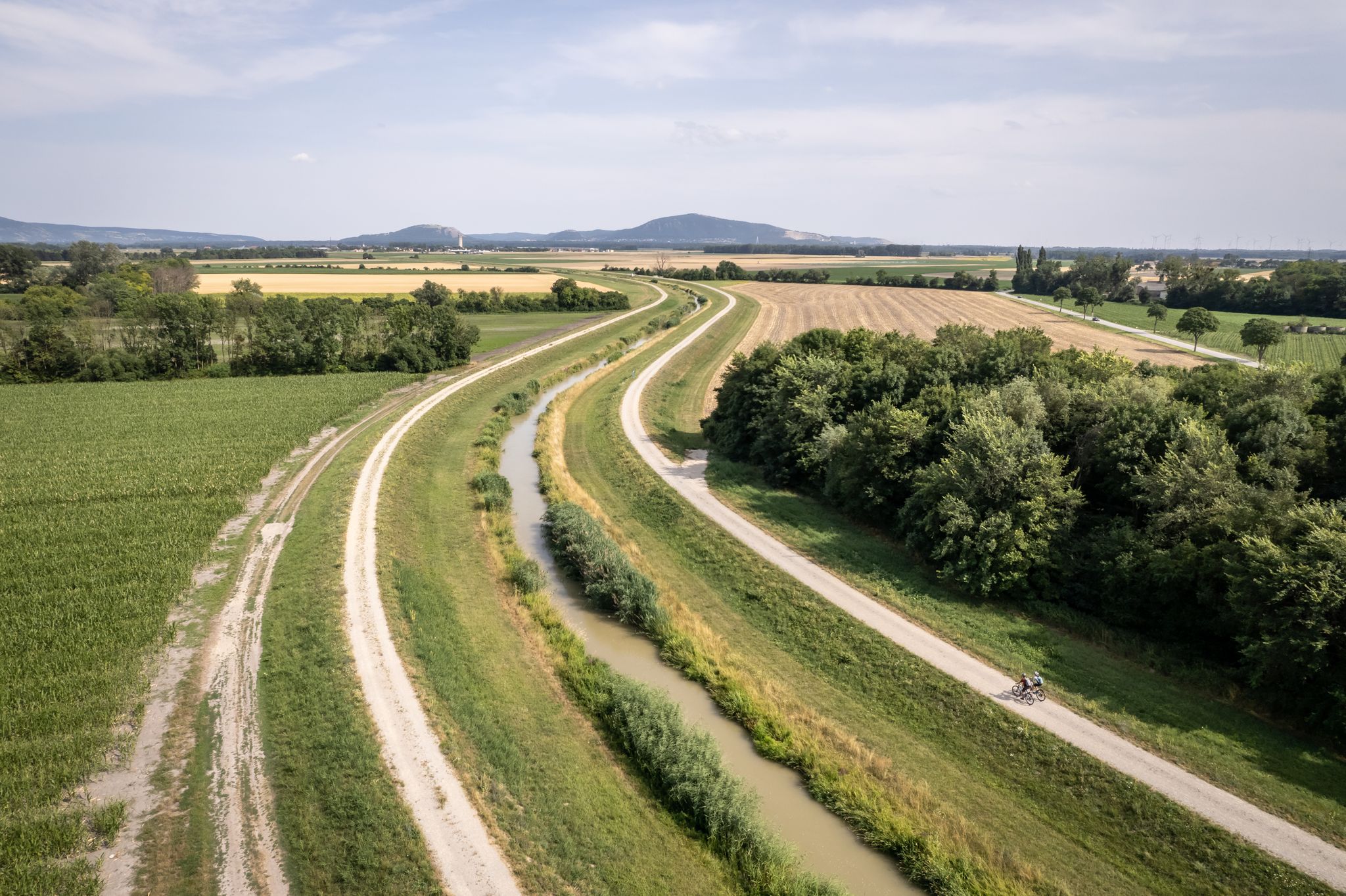
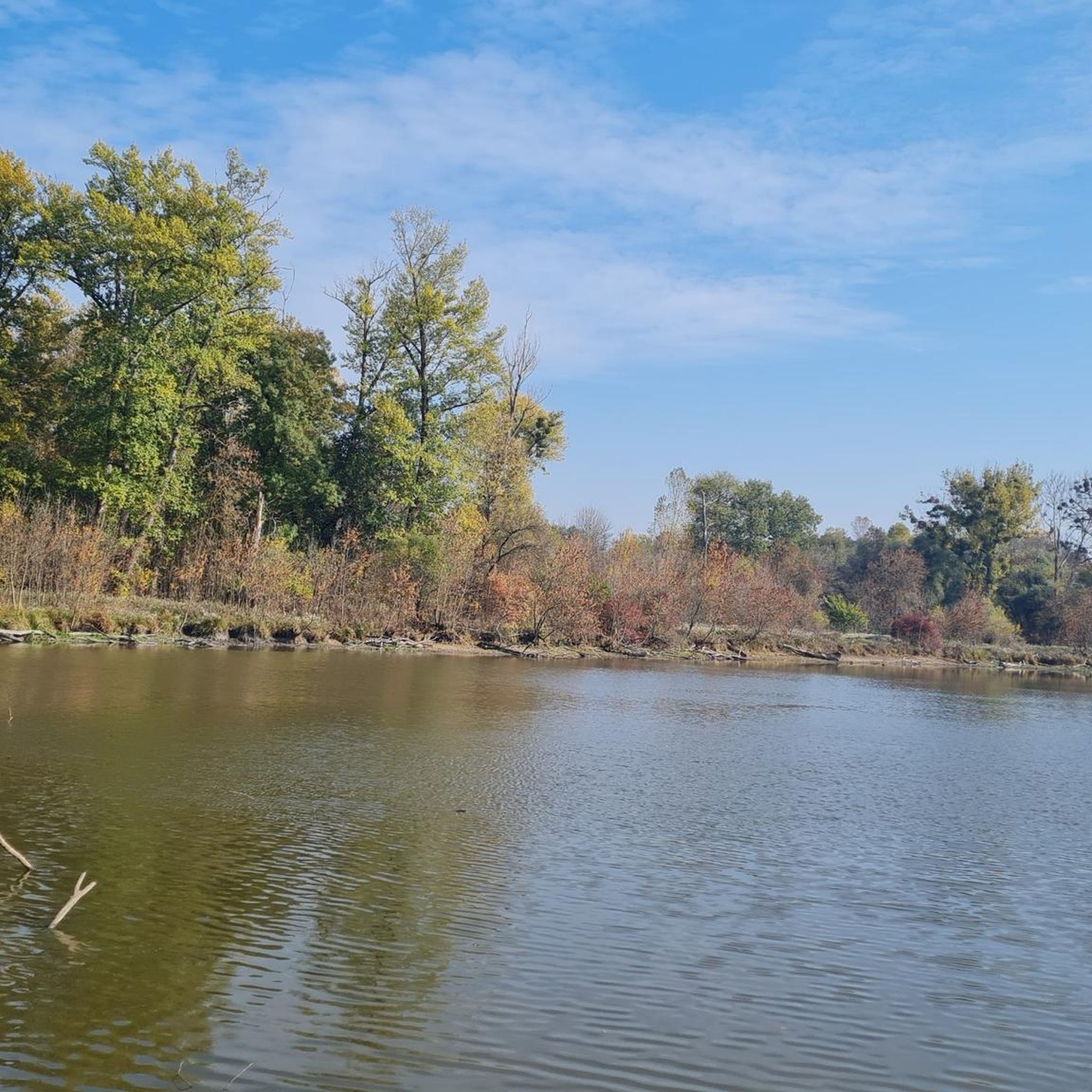
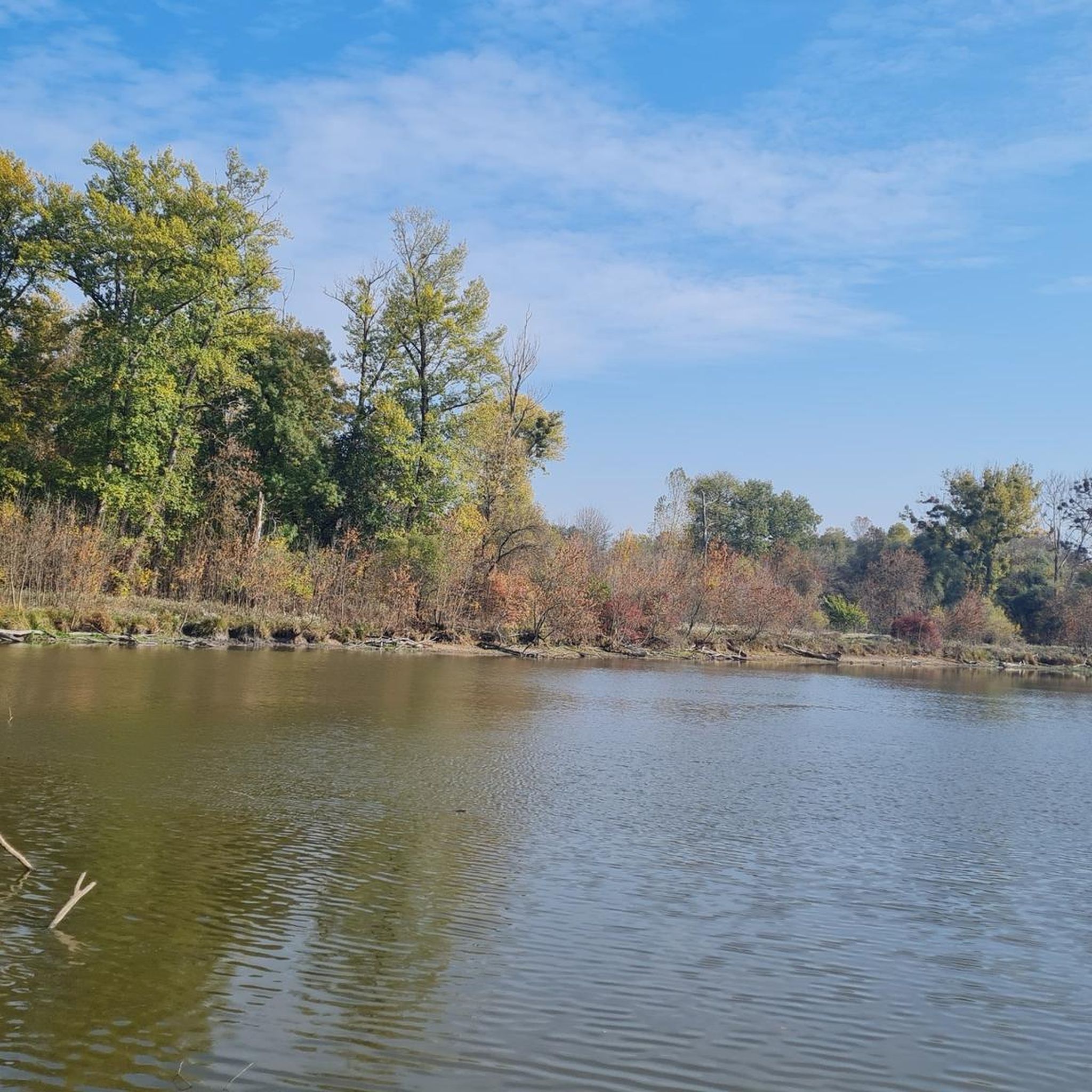
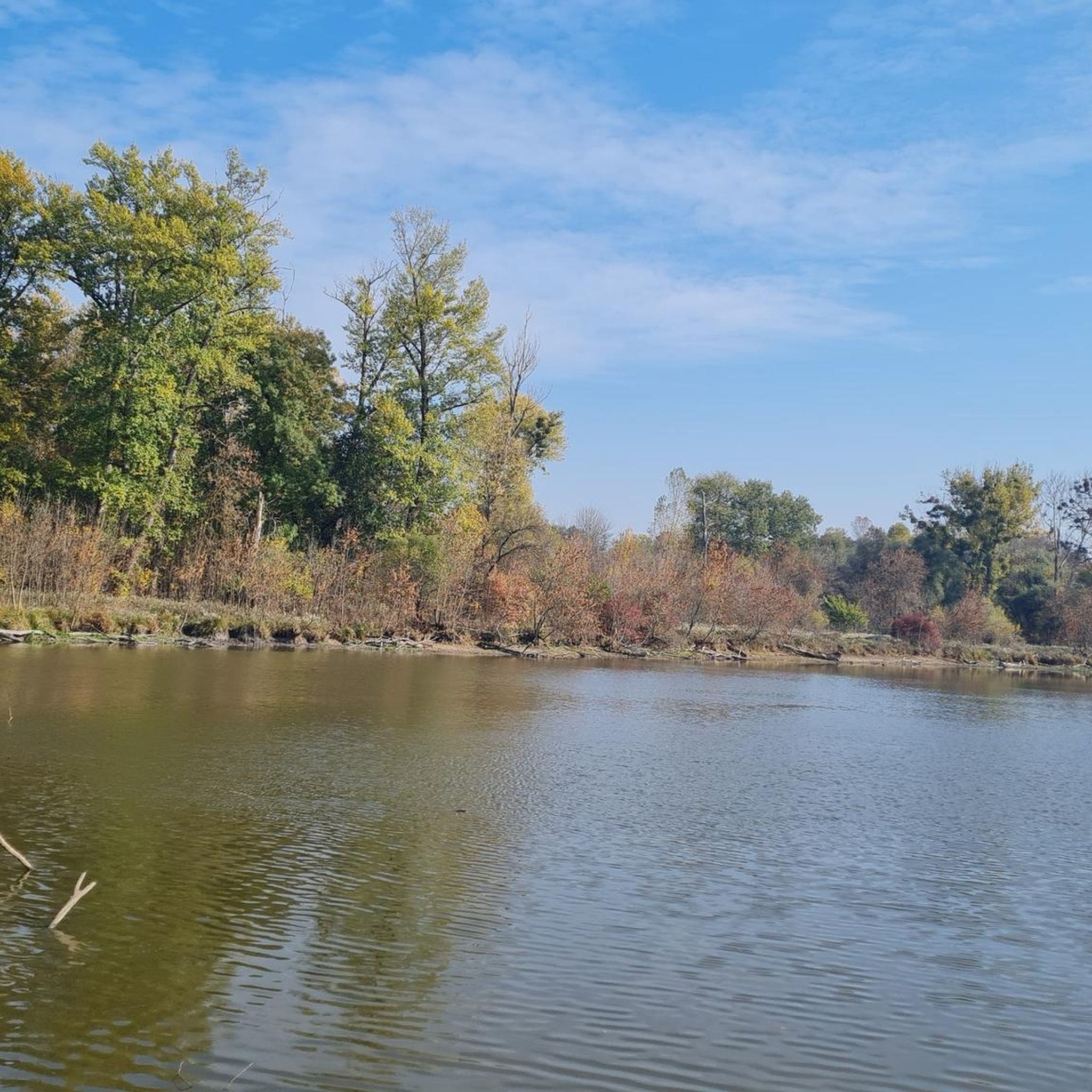
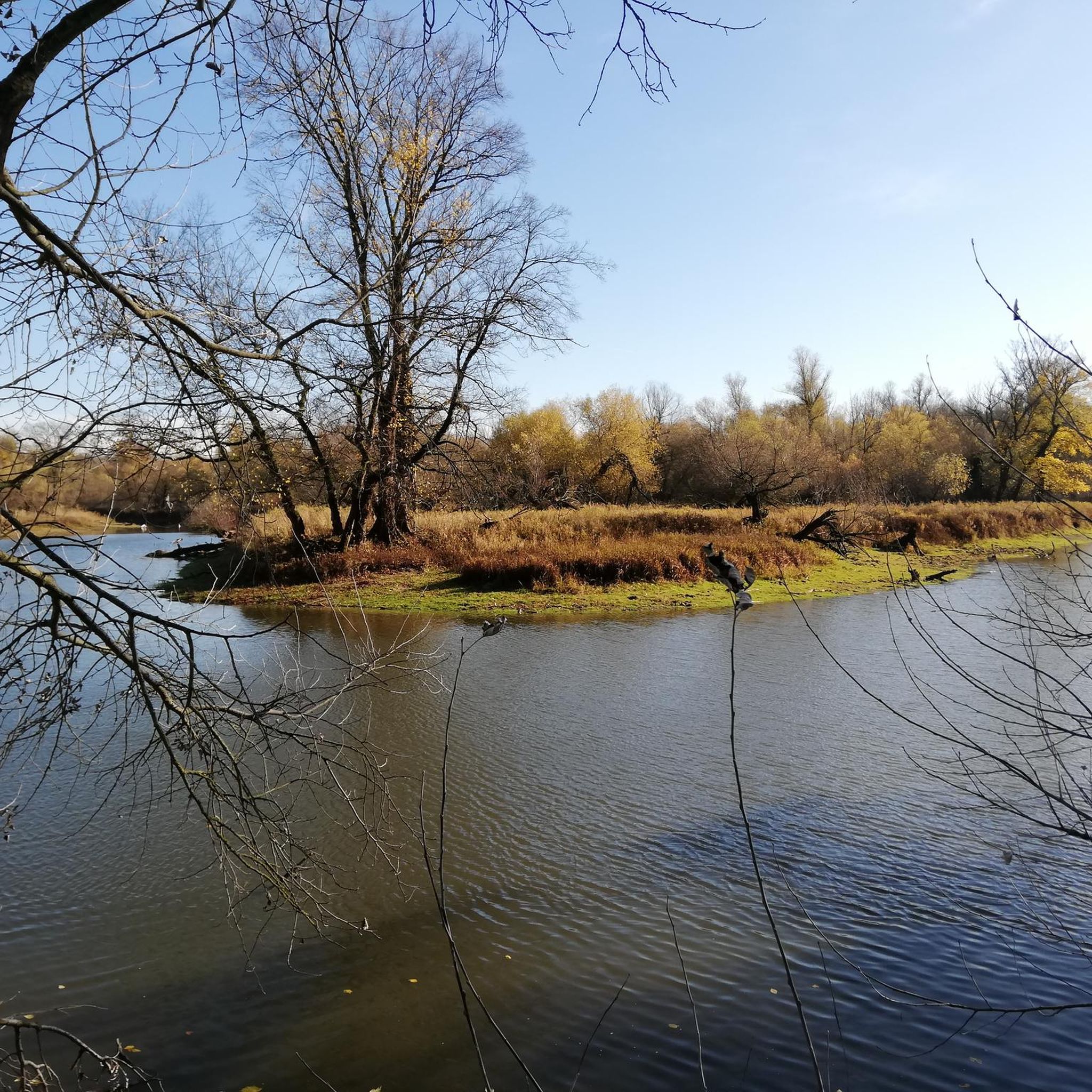
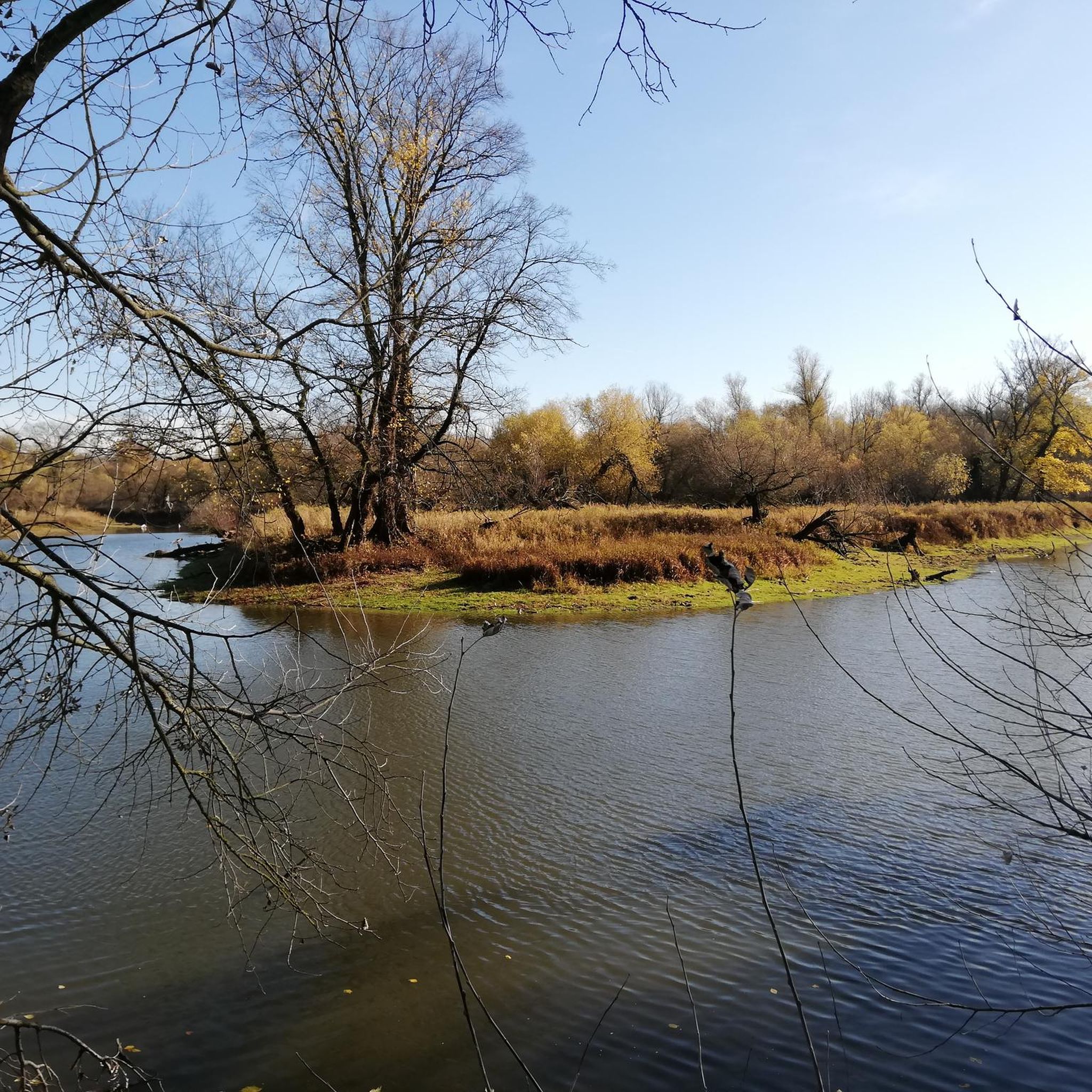

Other adventures around Marchegg

Tips from the Community

The renaturation of the Danube near Hainburg, particularly in the Johler Arm area, is one of the most important ecological projects in the Austrian Danube region. The goal was to return the heavily regulated Danube to its natural state and to restore valuable floodplain forest and river habitats. The Johler Arm, a former branch of the Danube near Hainburg, was reconnected to the main stream as part of the project. This reconnection ensures regular water flow through the branch, restoring dynamic river processes such as flooding, sediment relocation, and natural bank formation. As a result, many rare animal and plant species – including fish, amphibians, and waterfowl – benefit from new habitats. The project also improves ecological continuity for migratory aquatic organisms. A landscape-enhanced floodplain landscape was created along the Danube, where the natural diversity of the Danube can once again be seen and experienced – a successful example of near-natural watercourse development in the Danube Floodplains National Park.
0
0

Baroque Garden - The Garden Paradise, Hof Castle The area sloping down to the March lowlands to the east of the castle was predestined to create a garden based on the French model simply because of its location. In just a few years, Prince Eugene had the architect Johann Lucas von Hildebrandt and the garden engineer Anton Zinner create one of the most important gardens in the German-speaking world on a total of seven terraces. The vertical central axis, along which there are numerous fountains, divides the garden into two mirror-image areas on each level. A well-thought-out sculpture program created by the sculptor Johann Christoph Mader pays homage to the lord of the castle, Prince Eugene. The water required to operate the fountains and to supply the plants was derived from three ponds in the nearest village of Groißenbrunn. In the 19th and 20th centuries, the garden gradually fell into disrepair. The three paintings by Bernardo Belotto, known as Canaletto, were one of the most important sources for the gradual reconstruction of the individual terrace areas since 2002. These views of the palace complex were created on Maria Theresa's commission around 1760. Text / Source: Schloss Hof, 2294 Schloßhof 1 https://www.schlosshof.at/ueber-schloss-hof/garten
13
0
Baroque Garden - The revitalization of the Baroque Garden, Schloss Hof After 15 years of detailed reconstruction, the garden in Schloss Hof can now be experienced by our guests in its 18th century appearance right down to the last terrace! We have accompanied this journey for you and provide insights into the exciting period of restoration work. With the restoration of the seventh garden terrace in 2019 and the completed reconstruction of the Great Cascade in 2018, the 15-hectare Baroque Garden of Schloss Hof can once again be experienced in its entirety as it was in the 18th century. Text / Source: Schloss Hof, 2294 Schloßhof 1 https://www.schlosshof.at/ueber-schloss-hof/garten/revitalisierung-barockgarten
13
0

A river and forest setting that pleases. In Italy similar settings are found only in high mountain landscapes. Handsome.
1
0

With a bit of luck you can see kingfishers and beavers!
1
0

Beautiful here is also a beautiful Christmas market and Easter market that is worth a visit.
1
1

Here you can hike comfortably through the Au.
0
0

Weikendorf depot, wide country
3
0
Frequently Asked Questions
What unique natural features can I explore in the Marchegg area?
The Marchegg area is renowned for the expansive floodplains of the March River, forming the significant Untere Marchauen nature reserve. This region boasts ancient alluvial forests, diverse riverine environments, and is a crucial habitat for numerous species. You can also experience the natural jungle-like environment along the Danube at the Hainburger Au Trail.
What kind of wildlife can I expect to see in the natural monuments around Marchegg?
The Marchauen Nature Reserve is a haven for wildlife. It hosts the largest tree-nesting white stork colony in Central Europe, with up to 40-50 active nests from late March to mid-August. Beyond storks, you might spot beavers, kingfishers, fire-bellied toads, and even herds of Konik horses. The area is also home to various bird species like the black stork, grey heron, and white-tailed eagle. At the Danube River Restoration site, with a bit of luck, you can also see kingfishers and beavers.
When is the best time to visit the natural monuments, especially to see the storks?
The best time to visit the Marchauen Nature Reserve to observe the white storks is from late March to mid-August, when they are nesting and raising their offspring. Generally, spring and summer offer the most vibrant natural experiences with lush landscapes and active wildlife. Autumn provides beautiful foliage, while winter offers a different, quieter perspective, though some facilities might have reduced hours.
Are there family-friendly natural monuments or activities in Marchegg?
Yes, several natural monuments are suitable for families. The Weikendorfer Remise Nature Reserve offers forest landscapes ideal for nature observation. The Hainburger Au Trail provides a scenic and cooling experience on hot days, perfect for families. Additionally, the Danube River Restoration area is a river and forest setting that families can enjoy.
What hiking opportunities are available near Marchegg's natural monuments?
Marchegg offers various hiking opportunities. For instance, you can explore the Marchauen Nature Reserve with trails like the 'Marchauen Nature Reserve – Marchegg Castle loop', which is a moderate 8.2 km hike. Other easy options include the 'Baroque Garden of Schloss Hof – Hof Palace loop' (4.9 km) and the 'Schloss Hof Animal Farm – Schloss Hof Palace loop' (3.6 km). You can find more details and routes in the Hiking around Marchegg guide.
Are there any historical sites among the natural monuments?
While primarily natural, some sites offer a blend of history and nature. Devín Castle, though a historical site, is considered a natural monument due to its strategic location and scenic views of the confluence of the Morava and Danube rivers. It was an important historical crossroads used by Romans. The Baroque Garden of Schloss Hof is another example, a meticulously restored 18th-century garden that is a man-made monument within a natural setting.
Can I bring my dog to the natural monuments in Marchegg?
While specific rules can vary by exact location within the broader Marchauen area, generally, dogs are often permitted on trails in natural areas if kept on a leash. However, it's always recommended to check local signage or specific reserve guidelines, especially in sensitive wildlife breeding areas like parts of the Marchauen Nature Reserve, to ensure compliance and minimize disturbance to wildlife.
Are there accessible paths for visitors with limited mobility or wheelchairs?
The Marchauen Nature Reserve features well-maintained visitor trails and observation platforms designed to allow close-up views of flora and fauna. While many paths are natural, some areas, particularly around visitor centers like the Storchenhaus Marchegg, may offer more accessible routes. For specific accessibility information, it's advisable to contact the visitor information center directly.
What other outdoor activities, besides hiking, can I do near these natural monuments?
Beyond hiking, the region offers excellent opportunities for cycling. You can explore various MTB trails, such as the 'Devín Castle – Devín Castle Ruins loop' (14.1 km, easy) or the 'Marchegg Lake – Border bridge over the Morava loop' (40.8 km, moderate). Gravel biking is also popular, with routes like the 'March Gate, Schloss Hof – Schloss Hof Palace and Gardens loop' (34.5 km, easy). More options can be found in the MTB Trails around Marchegg guide and the Gravel biking around Marchegg guide.
Is public transport available to reach the natural monuments around Marchegg?
Marchegg is generally accessible by public transport, particularly to the town center and Marchegg Castle, which is adjacent to the Marchauen Nature Reserve. From there, many natural areas are within walking or cycling distance. For specific routes and schedules to individual natural monuments, it's best to consult local public transport information.
What do visitors enjoy most about the natural monuments in Marchegg?
Visitors particularly appreciate the unique opportunity to observe the large white stork colony in its natural breeding environment within the Marchauen. The immersive nature experience, with well-maintained trails through ancient alluvial forests and diverse wildlife, is also highly valued. Many enjoy the scenic views, especially from historical sites like Devín Castle, and the peaceful, natural settings for walking and observation.
Most popular routes around Marchegg
Most popular attractions around Marchegg

Get inspired with the komoot mobile app


Explore more
Extend your search for the best caves by checking out these guides of the top ones around Marchegg:
