Top 5 Natural Monuments around Hohenau an der March
Natural monuments around Hohenau an der March are defined by the March-Thaya Floodplains, a significant wetland area located at the tri-border region of Austria, Slovakia, and the Czech Republic. This landscape features extensive floodplain forests, oxbow lakes, and riverine environments. The area is recognized for its ecological importance, providing habitats for diverse flora and fauna. Visitors can explore various natural features, including tranquil ponds and natural springs.
Best natural monuments around Hohenau an der March
- The most popular natural monuments…
Last updated: July 7, 2026
Sulphur Spring
Highlight • Natural Monument
Translated by Google •
Tip by

Sulphur Spring Hauskirchen
Highlight • Natural Monument
Translated by Google •
Tip by
Sign up now to discover places like this
Get recommendations on the best single tracks, peaks, & plenty of other exciting outdoor places.
Sign up for free
Bernhardsthal Scenic Pond
Highlight • Lake
Translated by Google •
Tip by

Confluence of the Thaya and Morava rivers
Highlight • River
Translated by Google •
Tip by

Comrades' Spring
Highlight • Natural Monument
Translated by Google •
Tip by

Sign up for free to discover even more natural monuments around Hohenau an der March.
Sign up for free
Already have an account?
Start today with a free account
Your next adventure awaits.
Login or Signup
Popular around Hohenau an der March
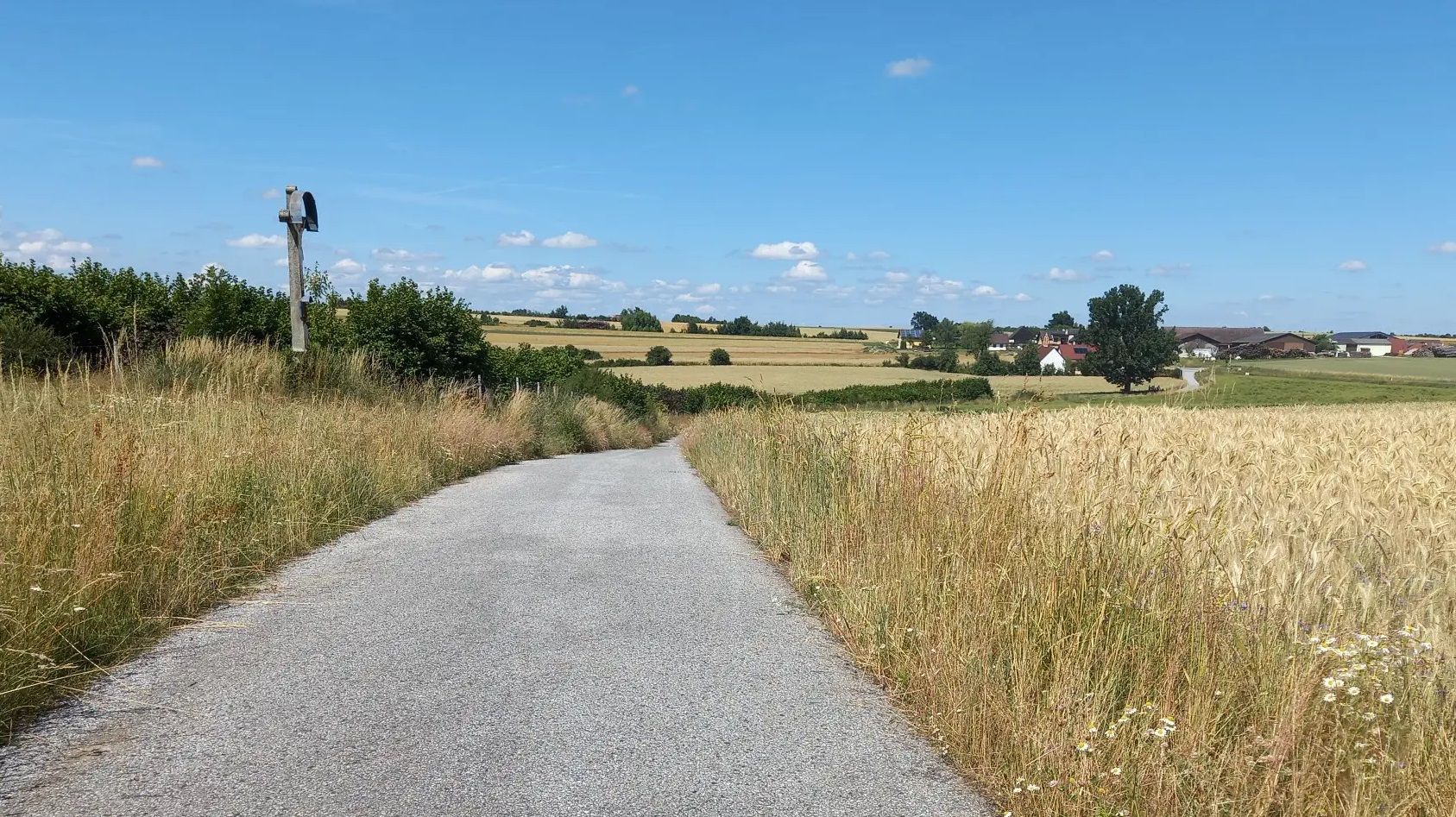
Cycling away from the crowds – Austria’s Kamp-Thaya-March Cycle Route
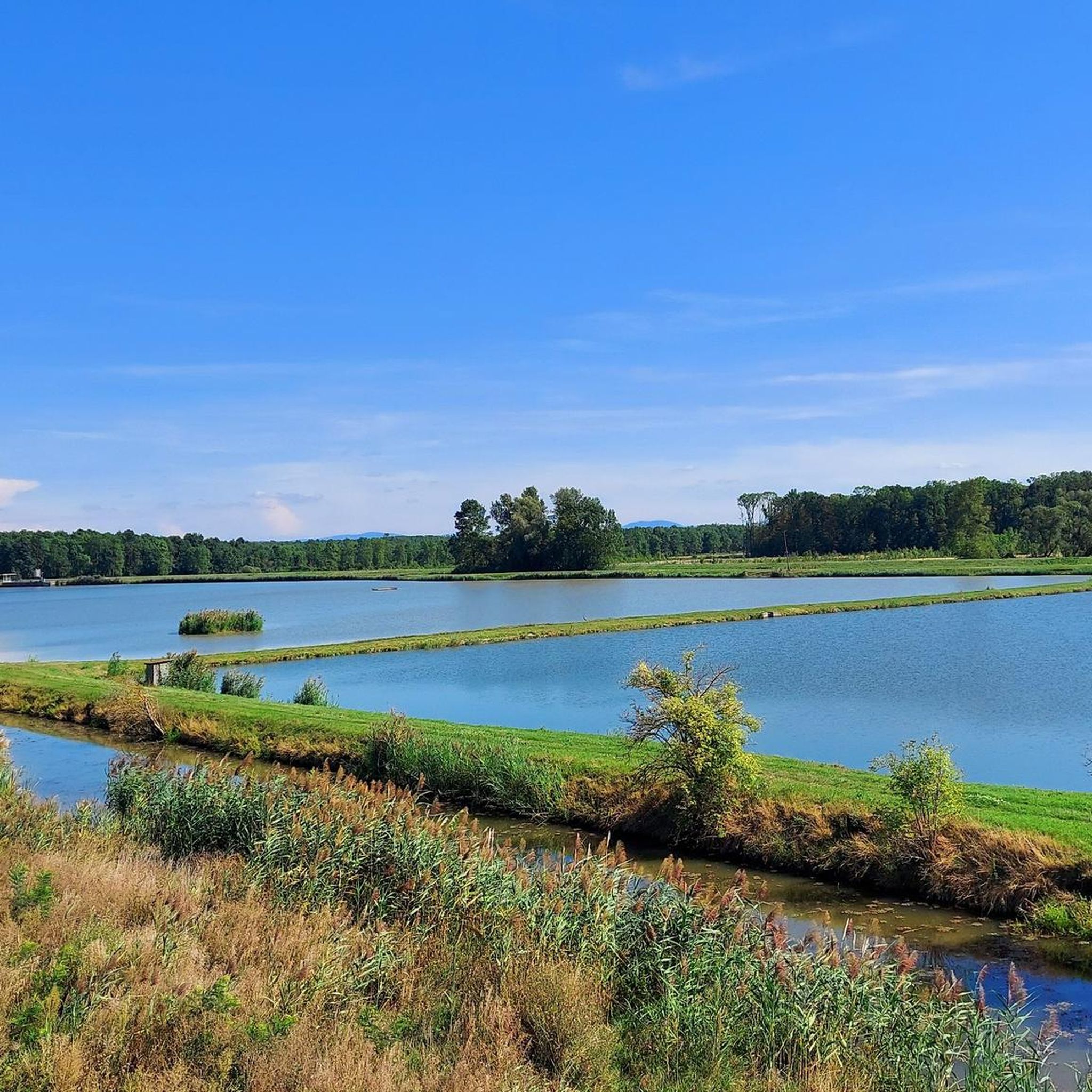
Cycling around Hohenau an der March
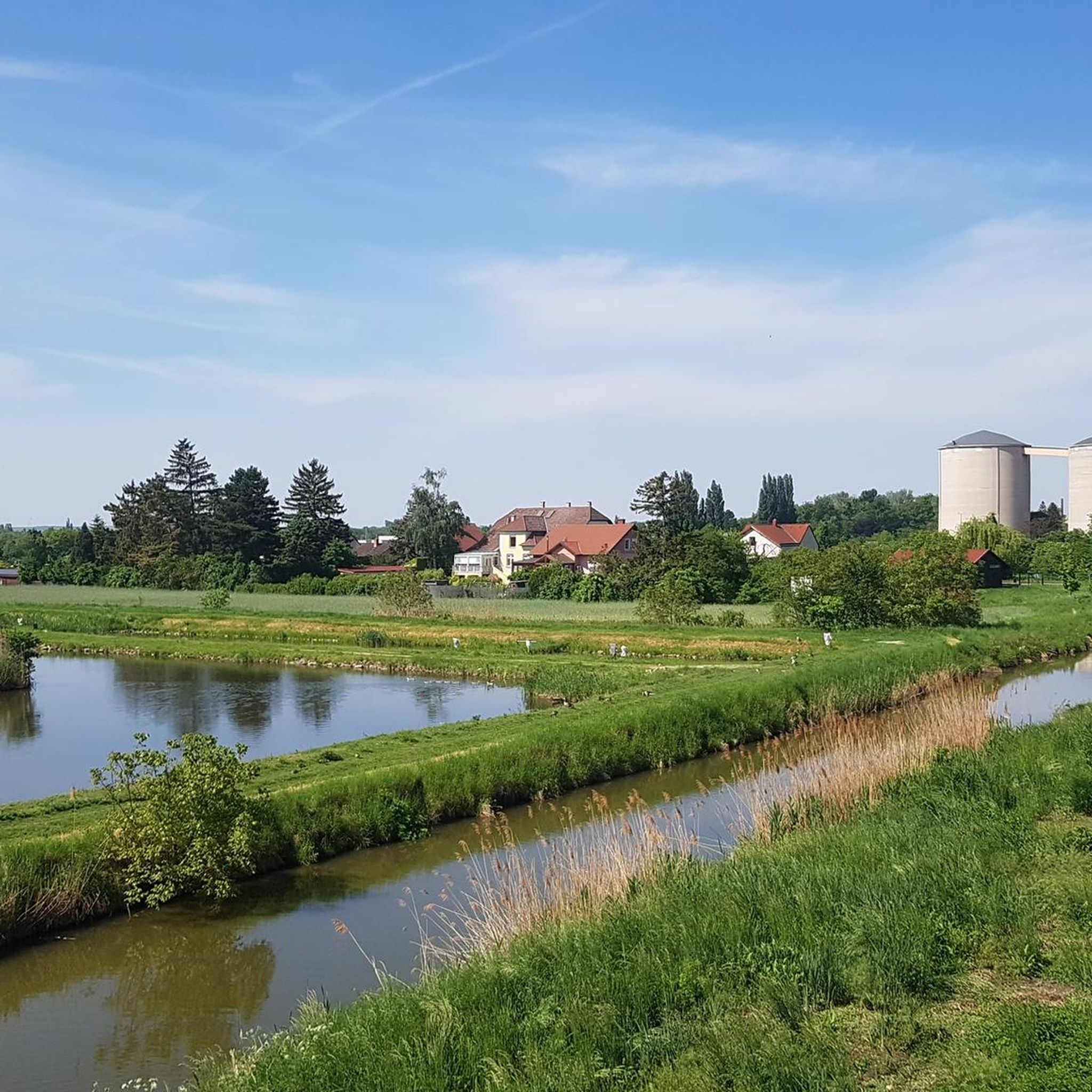
Hiking around Hohenau an der March
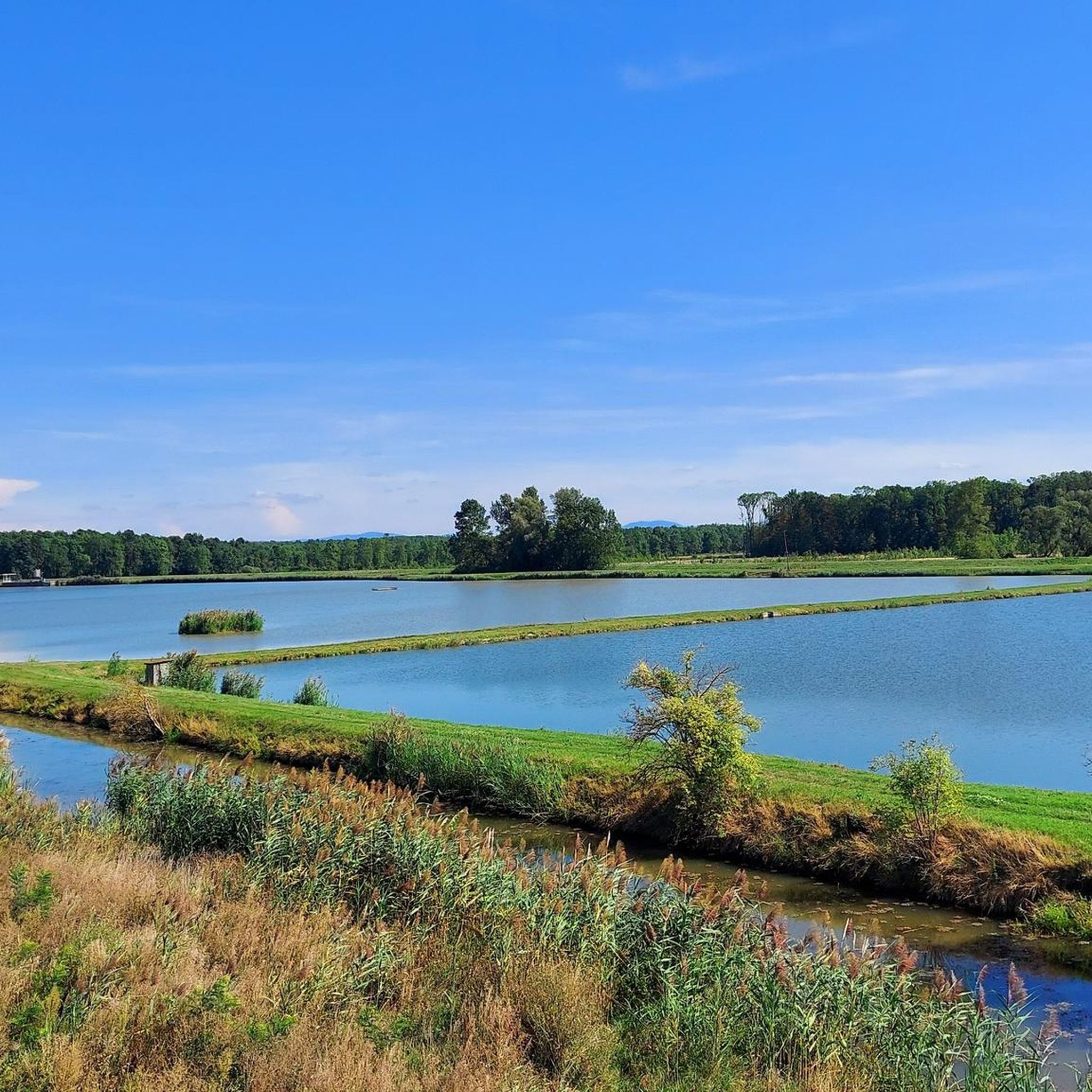
Road Cycling Routes around Hohenau an der March
MTB Trails around Hohenau an der March
Running Trails around Hohenau an der March

Gravel biking around Hohenau an der March
Other adventures around Hohenau an der March

Tips from the Community

Don't drink it under any circumstances ;)
0
0

Joke👆...a limping and a squinting go up a mountain. Says the scheaglade: if we go on as slowly as you, we'll never get up! What a shame: don't go to the mountain you're looking at !!!😉😀
0
1

A tranquil place, a little break is always good.
3
0

The sulfur spring is located directly on the Eurovelo 9 and Veltliner cycle paths. It is also an idyllic place where you can take a little rest. Right next to it over the bridge there are also 2 chapels
0
0

Pond with various places to rest, a boat rental and the rustic Teichstüberl (open from Friday to Sunday). Since the pond is a nature reserve, swimming is not allowed.
0
0

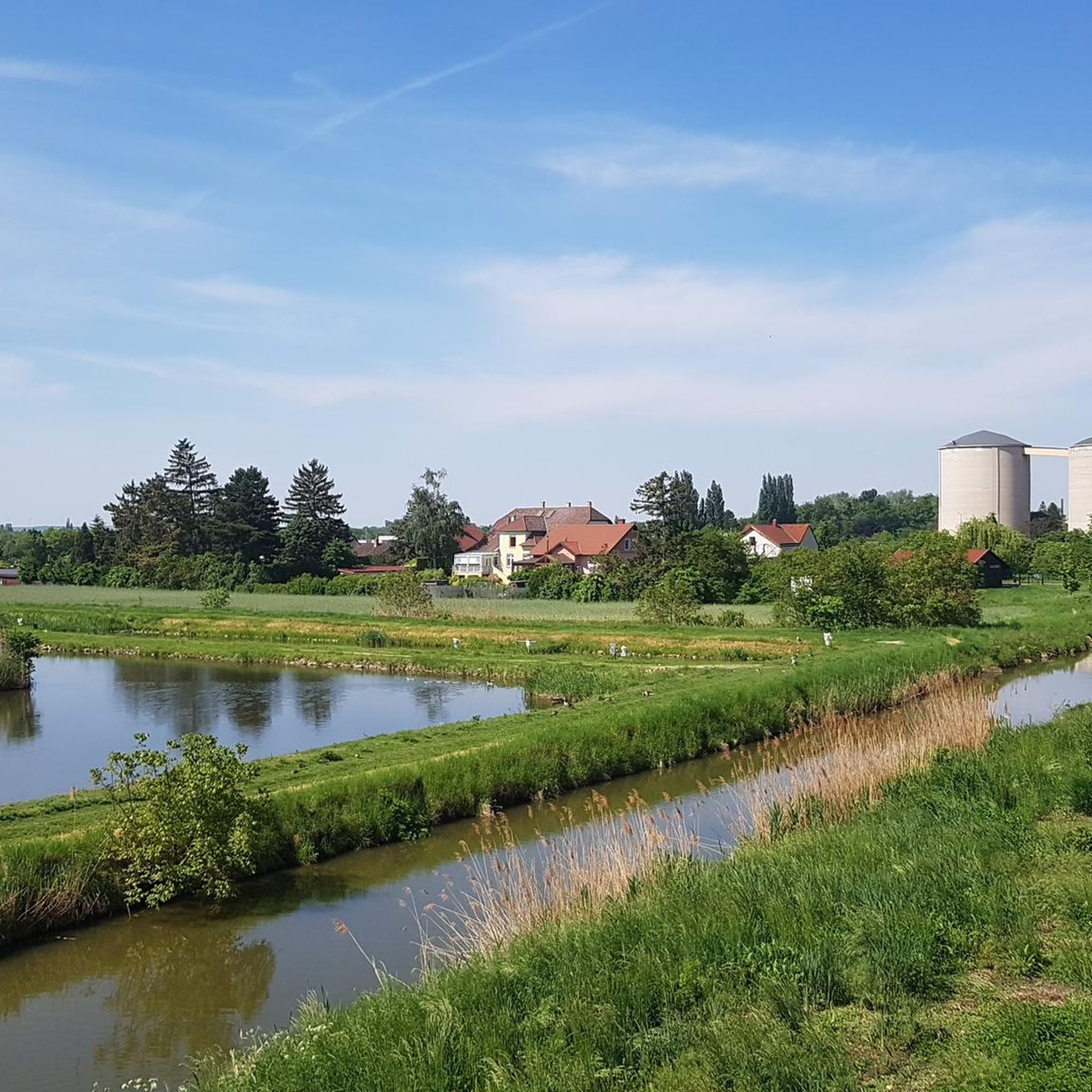
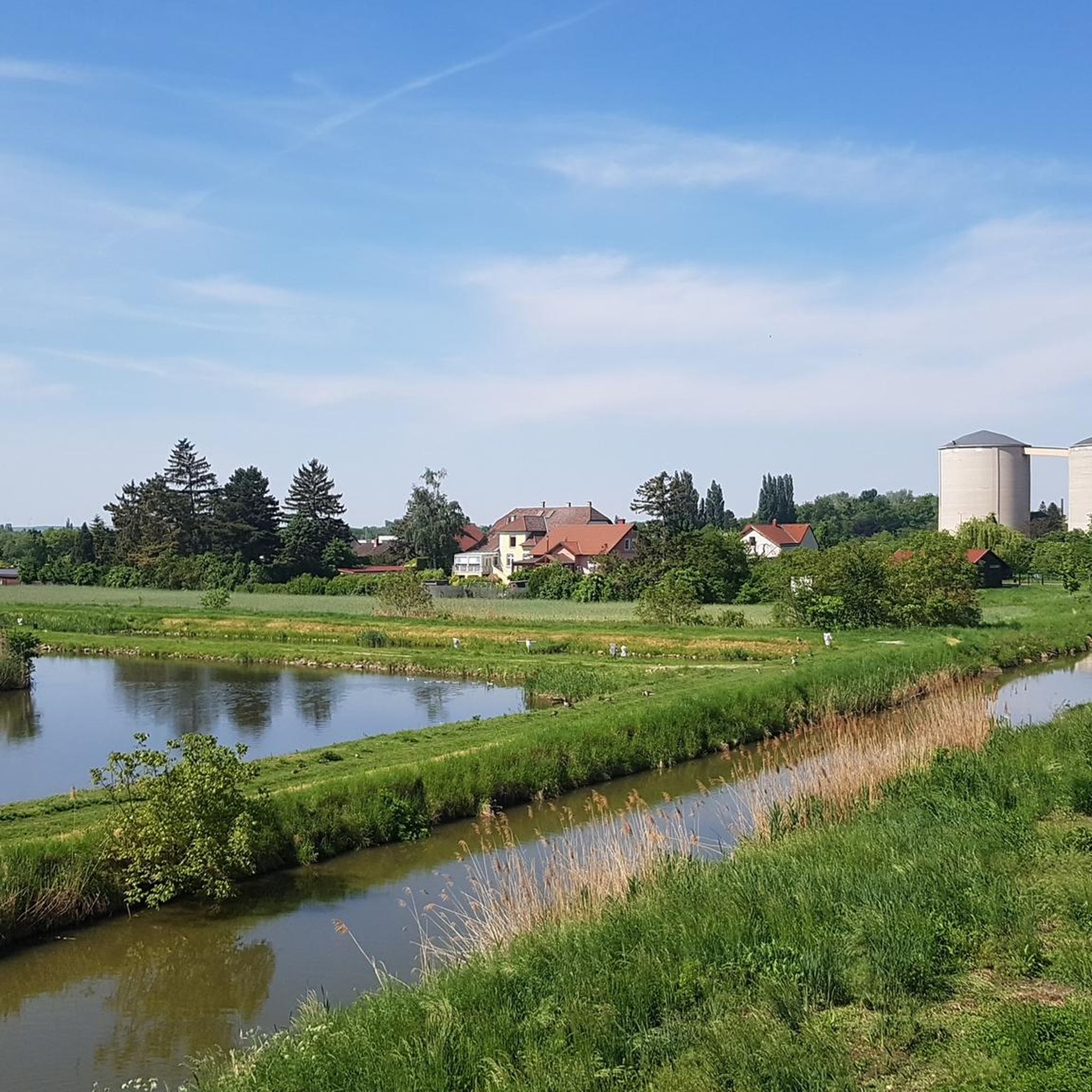
The village pond on the outskirts of Hauskirchen is fed by a sulfur spring with valuable old willows.
1
0
The village pond on the outskirts of Hauskirchen is fed by a sulfur spring with valuable old willows.
1
0
Frequently Asked Questions
What are the main natural features defining the Hohenau an der March region?
The region is primarily defined by the extensive March-Thaya Floodplains, a significant wetland area at the tri-border of Austria, Slovakia, and the Czech Republic. This landscape features vast floodplain forests, oxbow lakes, and riverine environments, recognized for its ecological importance as a Natura 2000 and Ramsar site.
Are there good spots for birdwatching in the area?
Yes, the March-Thaya Floodplains are excellent for birdwatching. Specifically, the Vogel.schau.plätze Hohenau-Ringelsdorf offer observation towers and hides, including one at a former sugar factory's cooling basin and another at landing pools. A bird ringing station is also active from July to October, providing opportunities to observe researchers at work.
Which natural monuments are suitable for a quiet break or relaxation?
For a tranquil spot, consider the Bernhardsthal Scenic Pond, a designated nature reserve with various resting places. Another peaceful option is the Sulphur Spring, which offers a quiet place for a break and is conveniently located on popular cycle paths.
Can I visit the confluence of the Thaya and Morava rivers?
Yes, the Confluence of the Thaya and Morava rivers is a notable natural monument. It offers an idyllic setting with a rest bench, providing a unique natural experience where the Thaya flows into the March.
Are there any family-friendly natural monuments to explore?
Many natural monuments in the region are family-friendly. The Bernhardsthal Scenic Pond offers resting places, and the Confluence of the Thaya and Morava rivers is also suitable for families. The Sulphur Spring is easily accessible and provides a nice spot for a short break during a family outing.
What kind of wildlife can I expect to see in the March-Thaya Floodplains?
The March-Thaya Floodplains are one of Central Europe's most species-rich areas. You might spot rare flora and fauna, including the Danube crested newt, corncrake, red kite, and primeval crustaceans. The area is particularly renowned for its diverse birdlife, especially during migration seasons.
Are there cycling routes near the natural monuments?
Yes, the region is well-suited for cycling. The Sulphur Spring, for example, is located directly on the Eurovelo 9 and Veltliner cycle paths. You can find various cycling routes, including road cycling, mountain biking, and touring bicycle options, around Hohenau an der March. Explore more at the Cycling around Hohenau an der March guide.
What is the best time of year to visit the natural monuments?
The March-Thaya Floodplains offer unique experiences throughout the year. Spring brings migratory birds like redshanks and bluethroats, while autumn is ideal for observing Nordic waders. Winter offers the impressive sight of geese returning to their roosts. For general exploration, spring and autumn often provide pleasant weather conditions.
Can I bring my dog to the natural monuments?
Some natural monuments are dog-friendly. For instance, the Confluence of the Thaya and Morava rivers is a place where dogs can go into the water. Always check local regulations and ensure your dog is on a leash where required, especially in nature reserve areas.
Are there any ancient trees or unique forests to see?
Yes, the March-Thaya Floodplains feature periodically inundated forests with ancient trees, some of which are 350 to 470 years old. The Ranšpurk National Nature Reserve, a Czech natural gem, is known for its idyllic oxbow lakes and beautiful old trees within its alluvial forest.
What is the Comrades' Spring?
The Comrades' Spring is a natural monument located at a village pond on the outskirts of Hauskirchen. It is fed by a sulfur spring and features valuable old willows, offering a cozy resting place.
Are there hiking opportunities near the natural monuments?
While the region is known for its cycling paths, there are also nature trails within the March-Thaya Floodplains for exploration. For more structured hiking options, you can look into the broader network of trails around Hohenau an der March. Check out the MTB Trails around Hohenau an der March guide for routes that may include walking sections.
Most popular routes around Hohenau an der March
Most popular attractions around Hohenau an der March

Get inspired with the komoot mobile app


Explore more
Extend your search for the best caves by checking out these guides of the top ones around Hohenau an der March:
