Top 16 Natural Monuments around Großhofen
Natural monuments around Großhofen offer diverse natural landscapes within the Marchfeld region of Austria. This area is characterized by its flat plains, historical reforestation efforts, and unique geological features like inland dunes. Visitors can explore preserved ecological areas and sites with historical significance. The region provides opportunities to connect with local history and appreciate varied natural environments.
Best natural monuments around Großhofen
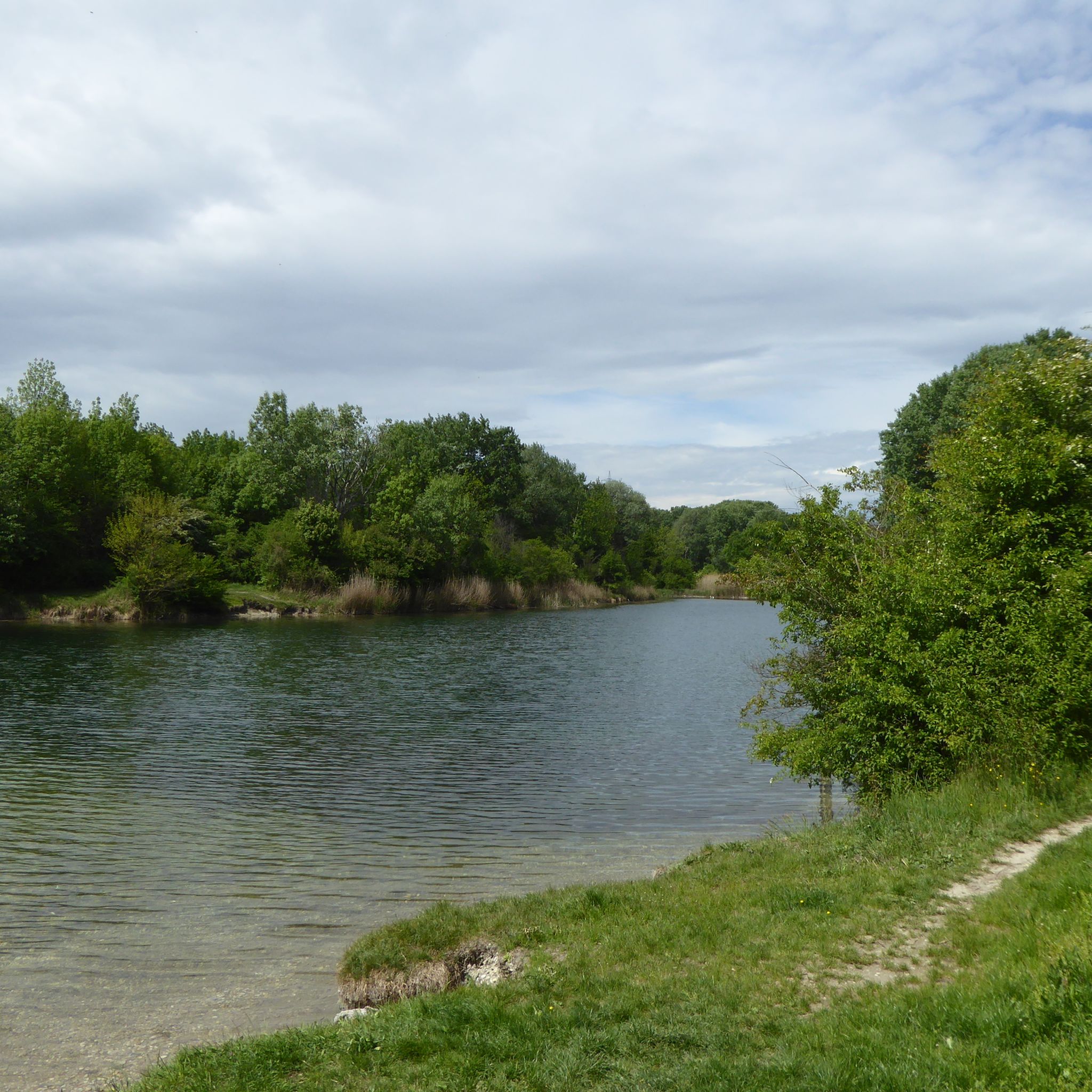
- The most popular natural monuments is Himmelteich Natural Monument, a natural monument and lake. This biotope was…
Last updated: June 24, 2026
Danube-Auen National Park
Highlight (Segment) • Cycleway
Translated by Google •
Tip by

Himmelteich
Highlight • Lake
Translated by Google •
Tip by

Sign up now to discover places like this
Get recommendations on the best single tracks, peaks, & plenty of other exciting outdoor places.
Sign up for free
Himmelteich Natural Monument
Highlight • Natural Monument
Translated by Google •
Tip by

Aspern Memorial Forest — Memorial Stone
Highlight • Monument
Translated by Google •
Tip by

Hirschstetten Zoo
Highlight • Structure
Translated by Google •
Tip by
Sign up for free to discover even more natural monuments around Großhofen.
Sign up for free
Already have an account?
Start today with a free account
Your next adventure awaits.
Login or Signup

Tips from the Community

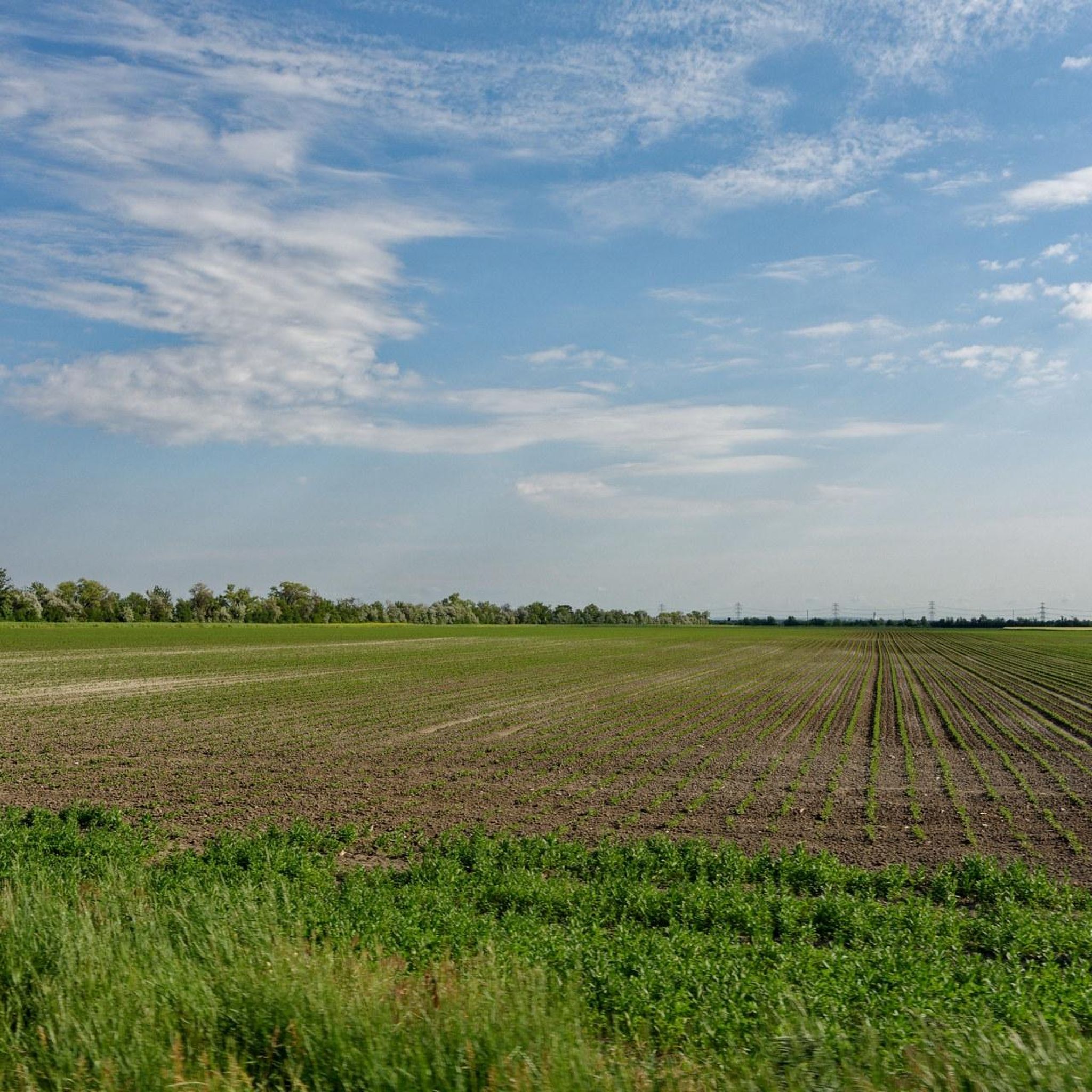
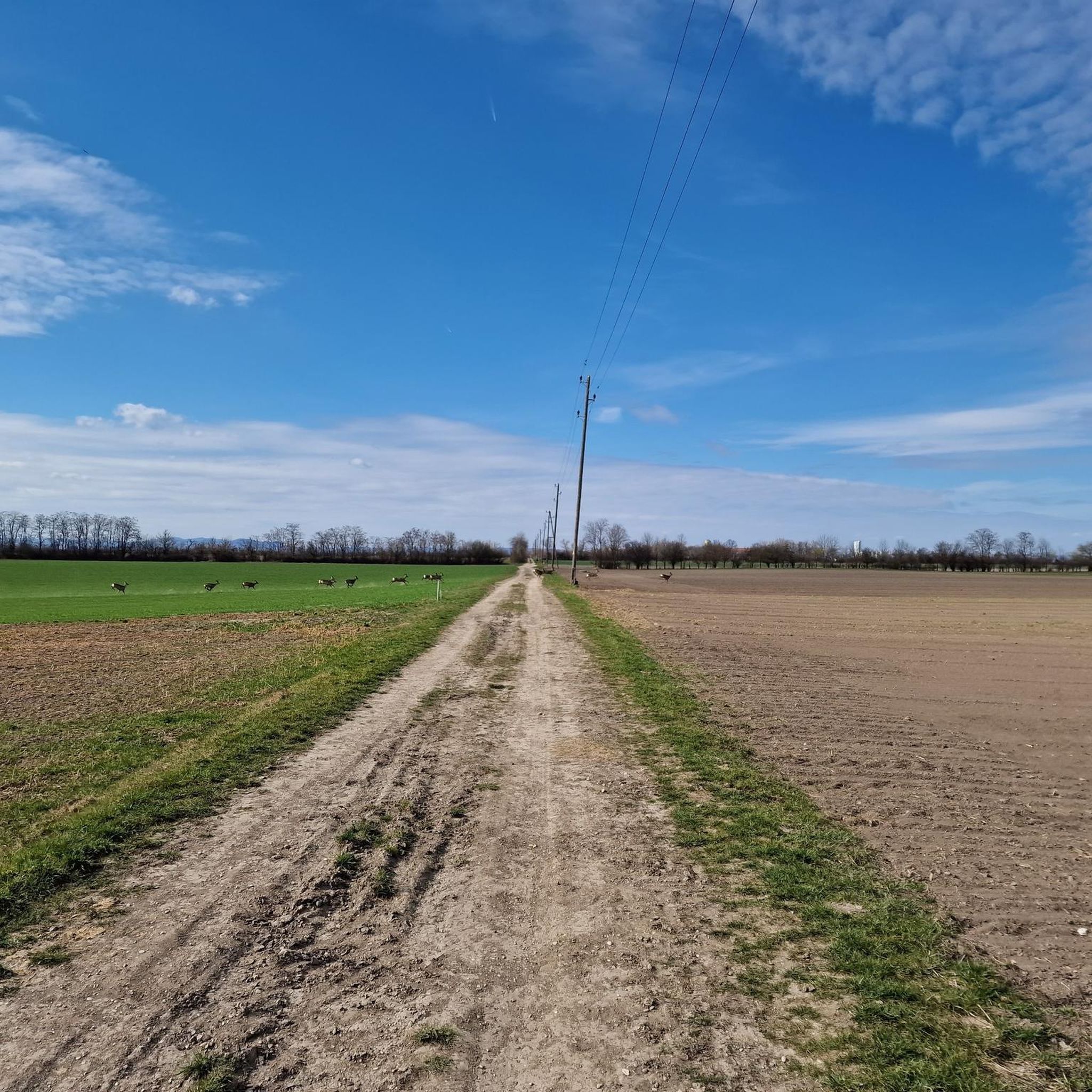
The Danube-Auen National Park is one of the last large, intact floodplain landscapes in Central Europe. It stretches along the Danube between Vienna and Bratislava and covers an area of around 9,600 hectares. The national park protects this unique river landscape, which is characterized by a dynamic interplay of floods, gravel banks, old watercourses and floodplain forests. The national park was created after the successful protests against the construction of a hydroelectric power plant in Hainburg in the 1980s. The protection of the floodplains became a milestone in the Austrian environmental movement. The Danube flows largely unregulated in this section, which means that natural flooding and changes in the course of the river remain possible. This dynamic creates diverse habitats.
2
1

The Aspern Memorial Forest is an important memorial site in Austria that commemorates the victims of National Socialism. This site is part of the national commemoration and culture of remembrance, which aims to ensure that the atrocities of the Nazi era are not forgotten and that the memory of the victims is kept alive.
0
0

Great cycle paths and beautiful nature
0
1


The Donau-Auen National Park stretches from Vienna to the mouth of the March at the Slovakian border near Bratislava. With a total length of the protected floodplain area of 38 kilometers, the national park is barely 4 kilometers at its widest point, because floodplains are only found in the immediate vicinity of the river. In the north lies the wide plain of the Marchfeld and the protective dam, built in the 19th century, runs through the national park area. In the south, the border is formed by the edge of the Vienna Basin.
4
0
With the founding of the Donau-Auen National Park in 1996, this jewel was placed under international protection. Since then, nature has been able to develop here free of economic constraints and be experienced by guests to the area.
4
0
The Donau-Auen National Park in Austria preserves the last large floodplain landscape in Central Europe on an area of more than 9,600 hectares. The Danube, which is still free-flowing here, is the lifeline of the national park for about 36 km. Their dynamic interplay with level fluctuations of up to 7 m redesigns the floodplains again and again. In this way, the Danube River creates habitats for a large number of animals and plants.
4
0
On an area of 60,000 square meters, different themed gardens, the Hirschstetten zoo, a historic farm and the palm house give an insight into the diverse world of flowers and plants on our planet.
25
4
Frequently Asked Questions
What are some of the most popular natural monuments around Großhofen?
Among the most popular natural monuments in the area are the Himmelteich Natural Monument, a redeveloped biotope and lake, and the Himmelteich itself, known for its beautiful small wood and recreational value. The Danube-Auen National Park, preserving Central Europe's last large floodplain landscape, is also highly regarded.
Are there natural monuments with historical significance near Großhofen?
Yes, the region features sites with historical importance. The Aspern Memorial Forest — Memorial Stone commemorates Jewish victims of National Socialism with 65,000 trees. Additionally, the 'Proud Pine' in Strasshof, though not listed in the highlights, is a black pine with over 220 years of history, part of a reforestation effort initiated by Empress Maria Theresa.
Which natural monuments are suitable for families with children?
Several natural monuments are family-friendly. The Himmelteich Natural Monument and the Himmelteich are great for walks and relaxation. The Danube-Auen National Park offers extensive areas for exploration, and the Hirschstetten Zoo, with its themed gardens, is also a popular family destination.
What unique natural features can I expect to see in the Großhofen area?
The region is notable for its diverse natural features. You can find unique inland dunes at the 'Weikendorfer Remise,' which is Austria's oldest nature reserve. The Danube-Auen National Park showcases a dynamic floodplain landscape with a free-flowing Danube, creating habitats for numerous animals and plants. The Himmelteich Natural Monument is a redeveloped biotope, offering a glimpse into preserved ecological areas.
Are there hiking opportunities near these natural monuments?
Yes, there are various hiking opportunities. You can find easy hikes around Großhofen, such as the 'Muscovy Ducks at the Rußbach – Marchfeldkanal Path loop from Deutsch-Wagram' or the 'Hiking loop from Strasshof an der Nordbahn.' For more options, explore the Hiking around Großhofen guide.
What kind of cycling routes are available near the natural monuments?
The area offers several cycling routes, including MTB trails. You can find routes like the 'Steinspornbrücke bridge – Vienna Giant Ferris Wheel loop from Groß-Enzersdorf' or the 'Marchfeld Canal – Steinspornbrücke bridge loop from Siebenbrunn-Leopoldsdorf.' For more details, check the MTB Trails around Großhofen guide.
What is the 'Weikendorfer Remise' and why is it significant?
The 'Weikendorfer Remise' is Austria's oldest nature reserve, established in 1927. It is significant for preserving rare inland dunes, which are a unique geological feature in the Marchfeld region. This area offers a glimpse into the past landscape of the Marchfeld, which was historically a barren, steppe-like environment.
What do visitors particularly enjoy about the natural monuments around Großhofen?
Visitors appreciate the diverse natural landscapes, from redeveloped biotopes like the Himmelteich Natural Monument to significant historical forests such as the Aspern Memorial Forest — Memorial Stone. The opportunity to connect with local history and experience unique geological formations, like those found in the 'Weikendorfer Remise,' is also highly valued.
Is the Danube-Auen National Park easily accessible from Großhofen?
The Danube-Auen National Park stretches from Vienna to the mouth of the March near the Slovakian border, encompassing a significant area of floodplain landscape. While not directly in Großhofen, it is part of the broader regional natural heritage and accessible for day trips to experience its unique ecosystem.
Are there any hidden natural gems or lesser-known biotopes to explore?
Beyond the well-known sites, the 'Rautenweg Biotope' is described as a 'nice place' and an unexpected natural gem in the area. While specific details are limited, its designation as a biotope suggests it is an ecologically interesting spot likely hosting diverse plant and animal life in a contained environment, offering a quieter natural experience.
What is the 'Proud Pine' and where is it located?
The 'Proud Pine' (Die Stolze Föhre) is a black pine located in Strasshof, near Großhofen. It holds historical significance as part of a reforestation effort initiated by Empress Maria Theresa over 220 years ago to protect the Marchfeld region from drifting sands. It has been a designated nature protection site since 1968.
Can I combine a visit to a natural monument with other outdoor activities?
Absolutely. Many natural monuments, like the Himmelteich, serve as stops on longer routes such as the umdadum – Vienna circumnavigation route. The extensive Danube-Auen National Park offers opportunities for cycling and hiking, allowing you to integrate nature exploration with active outdoor pursuits.
Most popular attractions around Großhofen

Get inspired with the komoot mobile app


Explore more
Extend your search for the best caves by checking out these guides of the top ones around Großhofen:
