Top 20 Natural Monuments around Raasdorf
Best natural monuments around Raasdorf are found within the broader Lower Austria region, offering diverse natural landscapes. While Raasdorf itself does not host designated natural monuments, its proximity to the Donau-Auen National Park provides access to extensive floodplains and riverine ecosystems. The area features a mix of protected natural reserves, river sections, and lakes. These natural areas support varied flora and fauna, providing opportunities for outdoor activities.
Best natural monuments around Raasdorf
- The most popular natural monuments is Southern tip…
Last updated: June 24, 2026
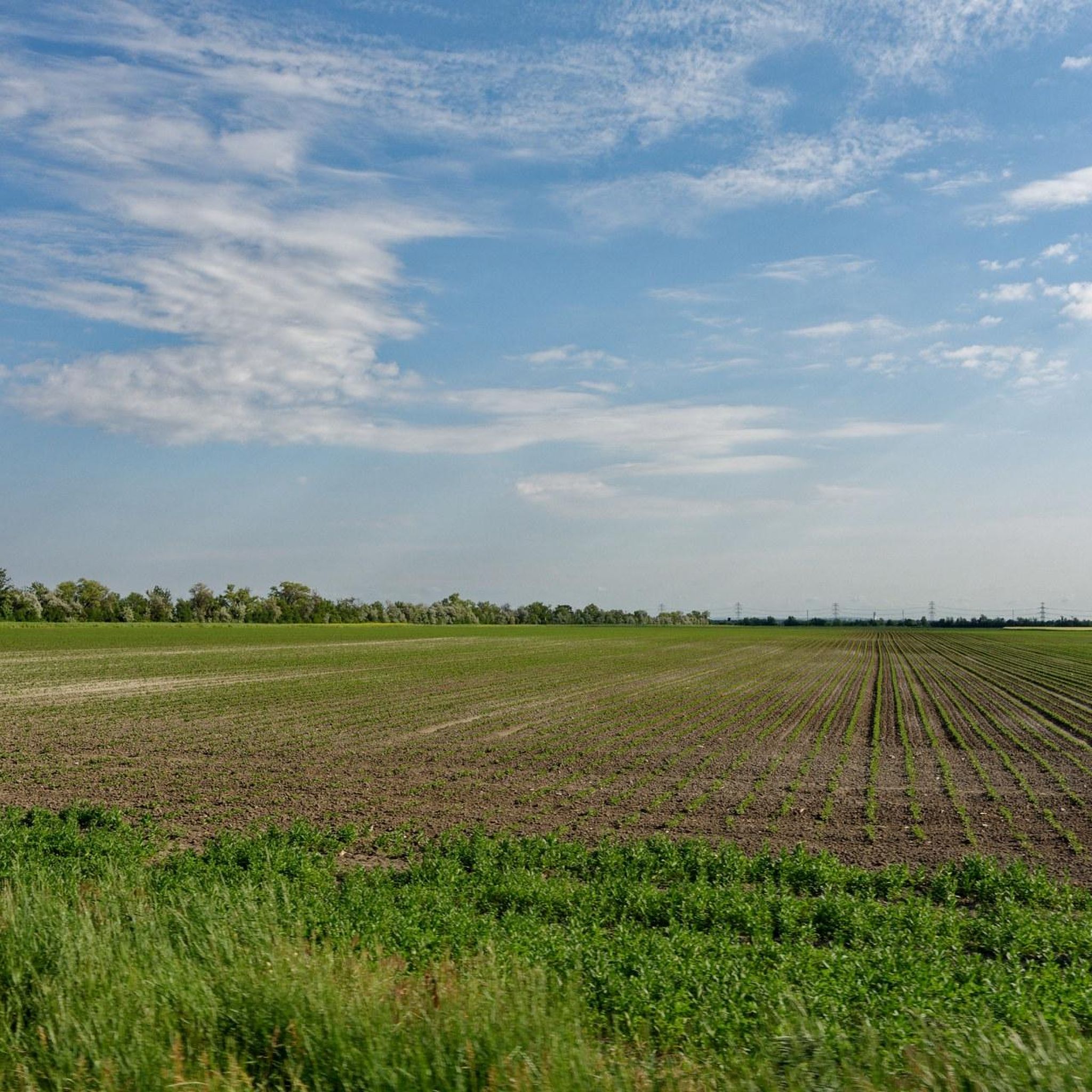
Danube-Auen National Park
Highlight (Segment) • Cycleway
Translated by Google •
Tip by

Southern tip of the Danube Island (Donauinsel)
Highlight • Viewpoint
Translated by Google •
Tip by

Sign up now to discover places like this
Get recommendations on the best single tracks, peaks, & plenty of other exciting outdoor places.
Sign up for free
Orth an der Donau in the Donau-Auen National Park
Highlight (Segment) • Settlement
Translated by Google •
Tip by

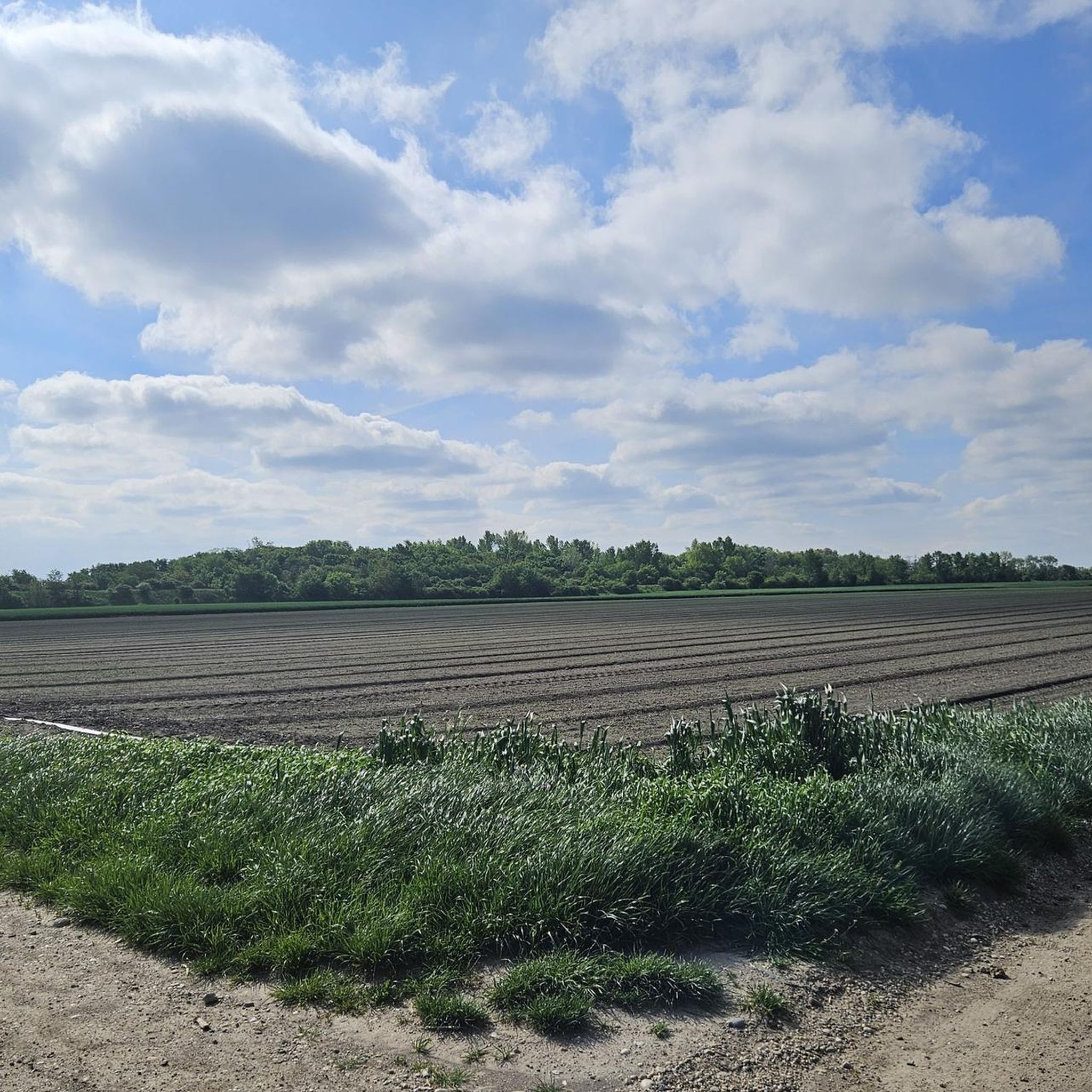
Donauradweg Gravel Section, Nationalpark Donau-Auen
Highlight • Cycleway
Translated by Google •
Tip by

Mauthnerwasser
Highlight • Natural Monument
Translated by Google •
Tip by
Sign up for free to discover even more natural monuments around Raasdorf.
Sign up for free
Already have an account?
Start today with a free account
Your next adventure awaits.
Login or Signup

Tips from the Community

The almost standing body of water offers great photo opportunities with reflections.
0
0

The forest smells of mushrooms, and some fungi are also growing on the tree trunks around the water in the floodplain forest of the Grüner Prater.
1
0

The Mauthnerwasser is an idyllic body of water in the Wiener Prater and is considered a remnant of an old Danube side-arm – like many bodies of water there, a relic of the original floodplain landscape in the middle of the city. Particularly exciting is its protected natural monument status and the rich vegetation on its banks, which offers habitat for numerous plants and animals. Visitors can stroll along natural paths or enjoy relaxed breaks by the water, far from the urban hustle and bustle.
2
0

The Danube-Auen National Park is one of the last large, intact floodplain landscapes in Central Europe. It stretches along the Danube between Vienna and Bratislava and covers an area of around 9,600 hectares. The national park protects this unique river landscape, which is characterized by a dynamic interplay of floods, gravel banks, old watercourses and floodplain forests. The national park was created after the successful protests against the construction of a hydroelectric power plant in Hainburg in the 1980s. The protection of the floodplains became a milestone in the Austrian environmental movement. The Danube flows largely unregulated in this section, which means that natural flooding and changes in the course of the river remain possible. This dynamic creates diverse habitats.
2
1

Great cycle paths and beautiful nature
0
1

The Danube-Auen National Park is a 9,600 hectare national park that stretches from Vienna to the mouth of the March in Lower Austria on the border with Slovakia. It is one of the largest, largely intact floodplain landscapes in Central Europe along the Danube. The area is 38 kilometers long and measures barely four kilometers at its widest point.
3
0

EuroVelo 6 always a pleasure
1
0

The Donau-Auen National Park stretches from Vienna to the mouth of the March at the Slovakian border near Bratislava. With a total length of the protected floodplain area of 38 kilometers, the national park is barely 4 kilometers at its widest point, because floodplains are only found in the immediate vicinity of the river. In the north lies the wide plain of the Marchfeld and the protective dam, built in the 19th century, runs through the national park area. In the south, the border is formed by the edge of the Vienna Basin.
4
0
Frequently Asked Questions
What are the main natural attractions near Raasdorf?
While Raasdorf itself does not host officially designated natural monuments, it is ideally situated near several significant natural areas in Lower Austria. These include the Donau-Auen National Park, known for its extensive floodplains and diverse wildlife; the Wachau Valley, a UNESCO World Heritage Site famous for its vineyards and the Danube River; the Hohe Wand Nature Park, offering rugged cliffs and panoramic views; and the Vienna Woods (Wienerwald), a UNESCO Biosphere Reserve perfect for hiking and biking.
What specific natural features can I explore within the Donau-Auen National Park?
The Donau-Auen National Park, a vital floodplain landscape, offers a rich ecosystem. You can experience the dynamic interplay of the Danube River with its changing water levels, creating diverse habitats. A notable point of interest is the Donau-Auen National Park itself, which preserves the last large floodplain landscape in Central Europe. The park is excellent for birdwatching, canoeing, and guided nature tours. The Josefsteg Bridge, mentioned in regional research, provides access and views of this important natural landscape.
Are there any family-friendly natural monuments or activities around Raasdorf?
Yes, several natural areas near Raasdorf are suitable for families. The Southern tip of the Danube Island (Donauinsel) offers open spaces and views, while Iris Lake in the Danube Park is a renaturalized lake with abundant waterfowl, making it an engaging spot for children. The Hohe Wand Nature Park, though further afield, features a petting zoo alongside its natural beauty, providing an additional family-friendly option.
What kind of outdoor activities can I do near these natural monuments?
The region around Raasdorf and its natural monuments offers a variety of outdoor activities. You can find numerous cycling routes, such as those in the Cycling around Raasdorf guide, including paths along the Danube. There are also easy hiking trails, for instance, those listed in the Easy hikes around Raasdorf guide, which can take you through areas like the Lobau Riverside House or to the Himmelteich Natural Monument. The Donau-Auen National Park is excellent for canoeing and birdwatching.
What is the best time to visit the natural monuments around Raasdorf?
The best time to visit largely depends on the activities you plan. Spring and autumn offer pleasant temperatures for hiking and cycling, with vibrant flora in spring and beautiful foliage in autumn. Summer is ideal for water-based activities in the Donau-Auen National Park. While winter can be cold, some areas might offer unique snowy landscapes for quiet walks, though accessibility to certain paths might be limited.
Are there any historical or cultural sites integrated with the natural monuments?
Yes, the region combines natural beauty with historical significance. For example, Orth an der Donau in the Donau-Auen National Park is a settlement with a rich history, featuring Orth Castle which now serves as a visitor center for the National Park. The Wachau Valley, a UNESCO World Heritage Site, is renowned for its historic villages, terraced vineyards, and landmarks like Melk Abbey and Dürnstein Castle, offering a blend of natural and cultural experiences.
What are some less crowded natural spots near Raasdorf?
For a quieter experience, consider visiting the Toter Grund Nature Reserve on Danube Island. This section is characterized by its wilder, natural processes and offers a peaceful environment away from more frequented areas. The extensive floodplains of the Donau-Auen National Park also provide many opportunities to find solitude, especially on less-trafficked trails.
How can I get to the Donau-Auen National Park from Raasdorf using public transport?
From Raasdorf, you can typically use local bus routes to reach towns like Gross-Enzersdorf or Orth an der Donau, which serve as gateways to the Donau-Auen National Park. Specific bus routes and schedules should be checked with local transport providers for the most current information, as connections can vary. From these towns, access points to the park are often within walking or cycling distance.
What kind of wildlife can I expect to see in the natural monuments near Raasdorf?
The Donau-Auen National Park is a haven for diverse wildlife, particularly birds. It's an excellent spot for birdwatching, with numerous species inhabiting the floodplains. The Iris Lake, for instance, is known for supporting numerous waterfowl. The extensive forests and wetlands also provide habitats for various mammals, amphibians, and insects, reflecting the rich biodiversity of the region.
Are there any viewpoints offering panoramic scenery?
Yes, the region offers several spots for impressive views. The Southern tip of the Danube Island (Donauinsel) provides a gigantic view towards Schwechat and the airport, where the New Danube meets the main river. Further afield, the Hohe Wand Nature Park features a 'Skywalk,' a glass platform that offers sweeping panoramic views of the surrounding natural beauty.
What do visitors enjoy most about the natural monuments around Raasdorf?
Visitors frequently appreciate the tranquility and natural beauty of the area. Many enjoy the peaceful atmosphere of places like the Toter Grund Nature Reserve, noting how wild and untouched it feels despite its proximity to urban areas. The extensive opportunities for cycling and hiking, combined with the rich biodiversity and scenic river landscapes, are also highly valued by the komoot community.
Are there options for food and drink near the natural monuments?
Yes, towns and settlements bordering the natural areas, such as Orth an der Donau near the Donau-Auen National Park, offer cafes, pubs, and restaurants. Additionally, along popular cycling and hiking routes, you may find riverside inns or small eateries. For specific locations, it's advisable to check local listings or visitor information centers in the respective towns.
Most popular attractions around Raasdorf

Get inspired with the komoot mobile app


Explore more
Extend your search for the best caves by checking out these guides of the top ones around Raasdorf:
