Neudorf im Weinviertel
Neudorf im Weinviertel
Top 17 Natural Monuments around Neudorf im Weinviertel
Best natural monuments around Neudorf im Weinviertel offer a blend of unique geological features and culturally significant landscapes. The region is characterized by its distinctive Kellergassen, or cellar lanes, which are carved into hillsides and represent a fusion of human tradition and natural terrain. Prominent natural elevations, such as the rocky cone of Burgruine Staatz, provide expansive views and showcase the area's geological formations. These sites offer insights into the Weinviertel's natural environment and its historical interaction with human activity.
…Last updated: July 7, 2026
Mistelquelle (Source of the Mistelbach)
Highlight • Natural Monument
Translated by Google •
Tip by

Lourdes Grotto Falkenstein
Highlight • Religious Site
Translated by Google •
Tip by
Sign up now to discover places like this
Get recommendations on the best single tracks, peaks, & plenty of other exciting outdoor places.
Sign up for free
Calvary Hill
Highlight • Religious Site
An extraordinary sight of the market town of Staatz is the Calvary, the "Holy Mountain" in the town of Enzersdorf, located in the west on the federal highway 46. …
Translated by Google •
Tip by

South Moravian Cross
Highlight • Monument
Translated by Google •
Tip by

Hanfthaler Our Lady's Chapel
Highlight • Religious Site
Translated by Google •
Tip by

Sign up for free to discover even more natural monuments around Neudorf im Weinviertel.
Sign up for free
Already have an account?
Start today with a free account
Your next adventure awaits.
Login or Signup
Tips from the Community

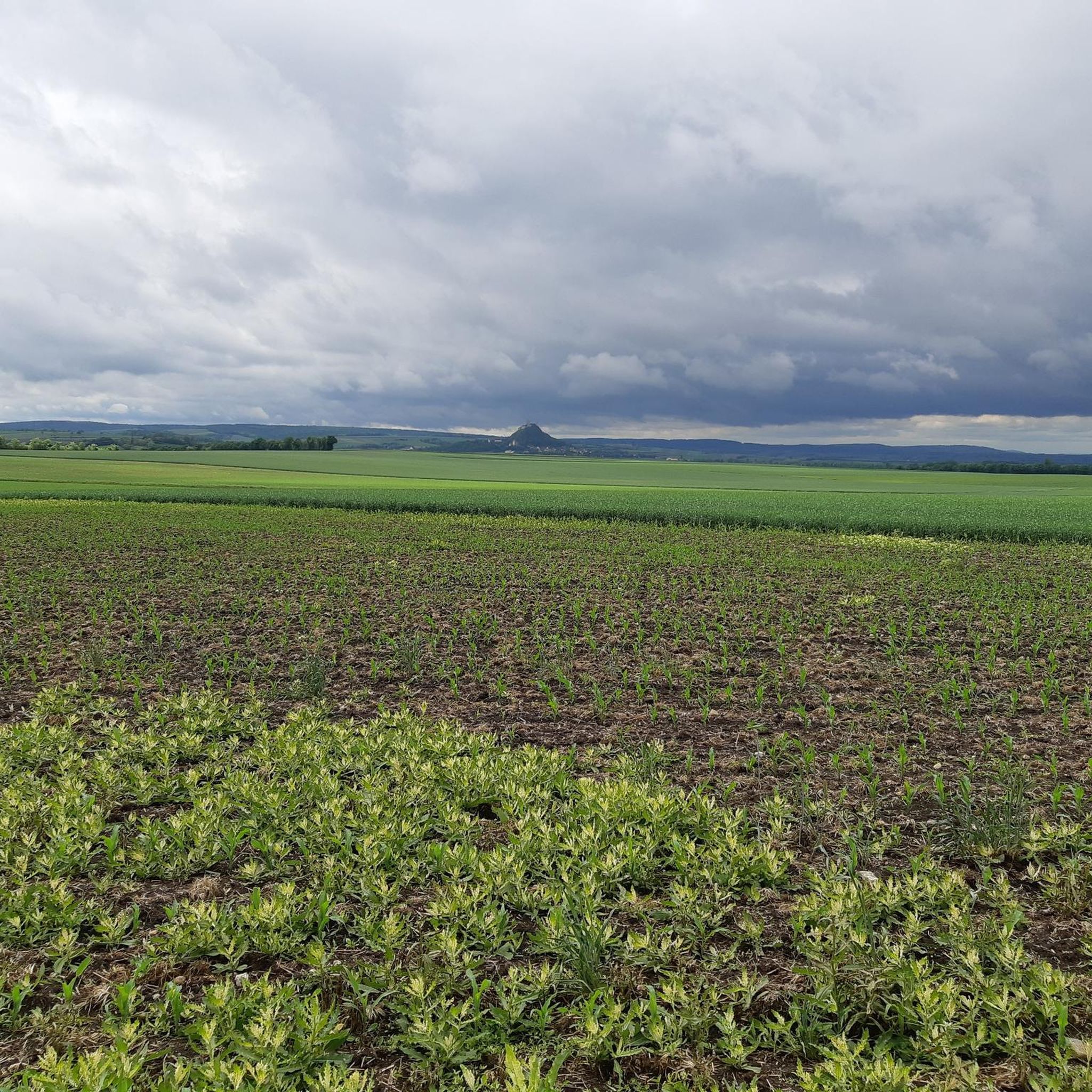
First of all, we would like to thank you for your extremely interesting comments and now share our opinion. As a nature- and culture-friendly community, we have come to the conclusion that the term "desertification" is, in our opinion, a mere exaggeration and that you, dear Mr. Laurenz, have merely used it as a vague umbrella term for the precious, fertile agricultural soil of the Weinviertel. Consider this fountain in this little corner of Eden, but as a timeless testament to the important agricultural advances that have taken place in northern Lower Austria in recent decades. Technical advances in these sectors have revolutionized agriculture and forestry and made life in the countryside easier. Let us leave these primitive times behind us, and with them this spring, which serves as a monument to the past, and look forward with joy to a future full of luxury and abundance.
0
0

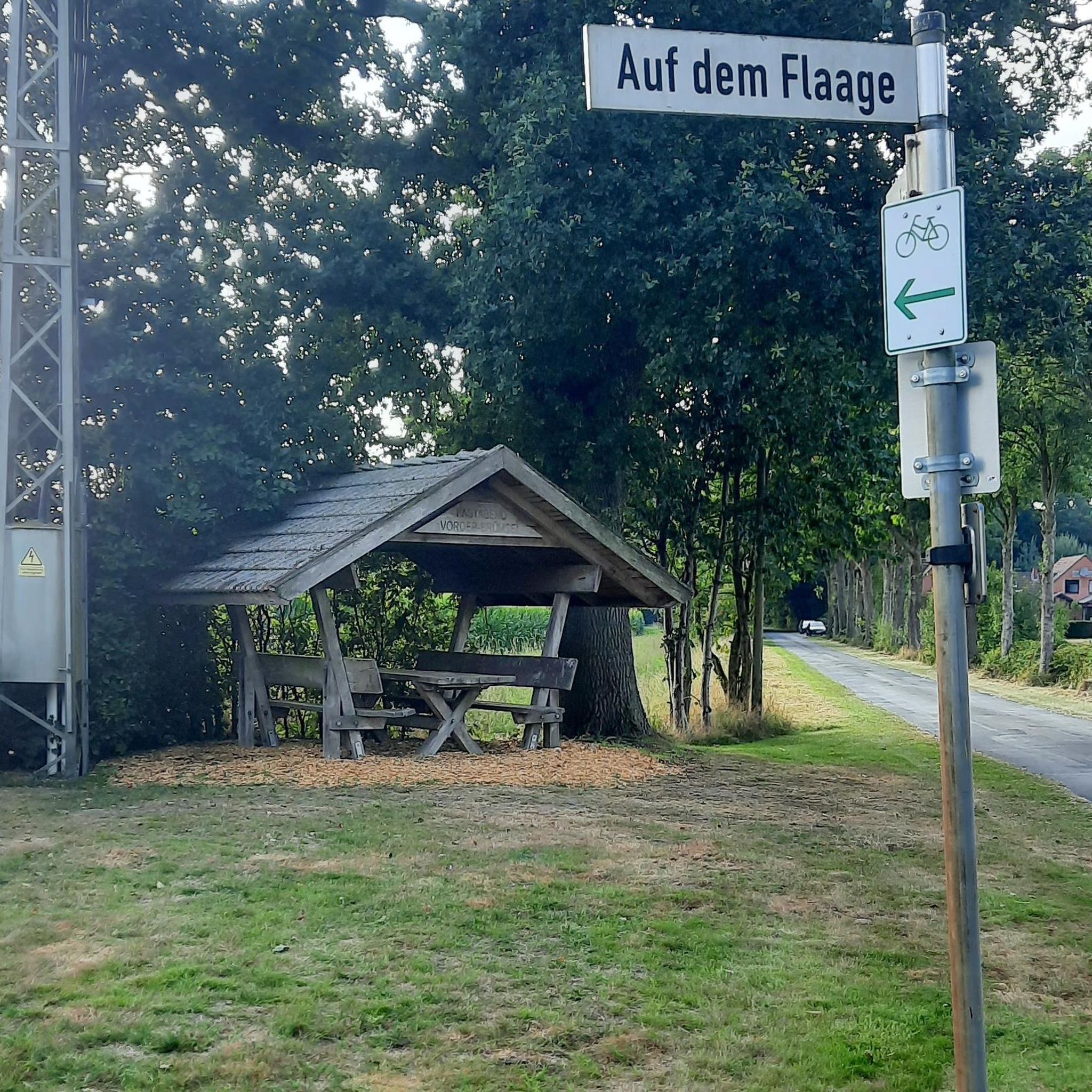
The chapel was first mentioned by Schweickhardt von Sickingen in 1833. This was, however, still a wooden chapel, which was renovated in 1843 and 1847.
0
0

The Mariengrotte is a 15-meter-high half-cave beneath the Falkenstein castle ruins, which was designed as a Lourdes grotto in 1889. The larger-than-life statues - of the Mother of God and St. Bernadette - are the work of Theodor Haf from Pfronten, a sculptor in Munich.
1
0

http://www.staatz.at/Kalvarienberg_Heiliger_Berg_ An extraordinary sight of the market town of Staatz is the Calvary, the "Holy Mountain" in the town of Enzersdorf, located in the west on the federal highway 46. A Calvary was erected in 1743 on the probable local mountain from the 11th century. The "Holy Mountain" is a mound of earth of unknown origin. Two assumptions: The first assumption says that the mound is a burial mound from the Hallstatt period around 750 BC. The second: it is a local mountain from the 11th century. Both possibilities have already been documented with finds, but not proven with certainty.
2
0
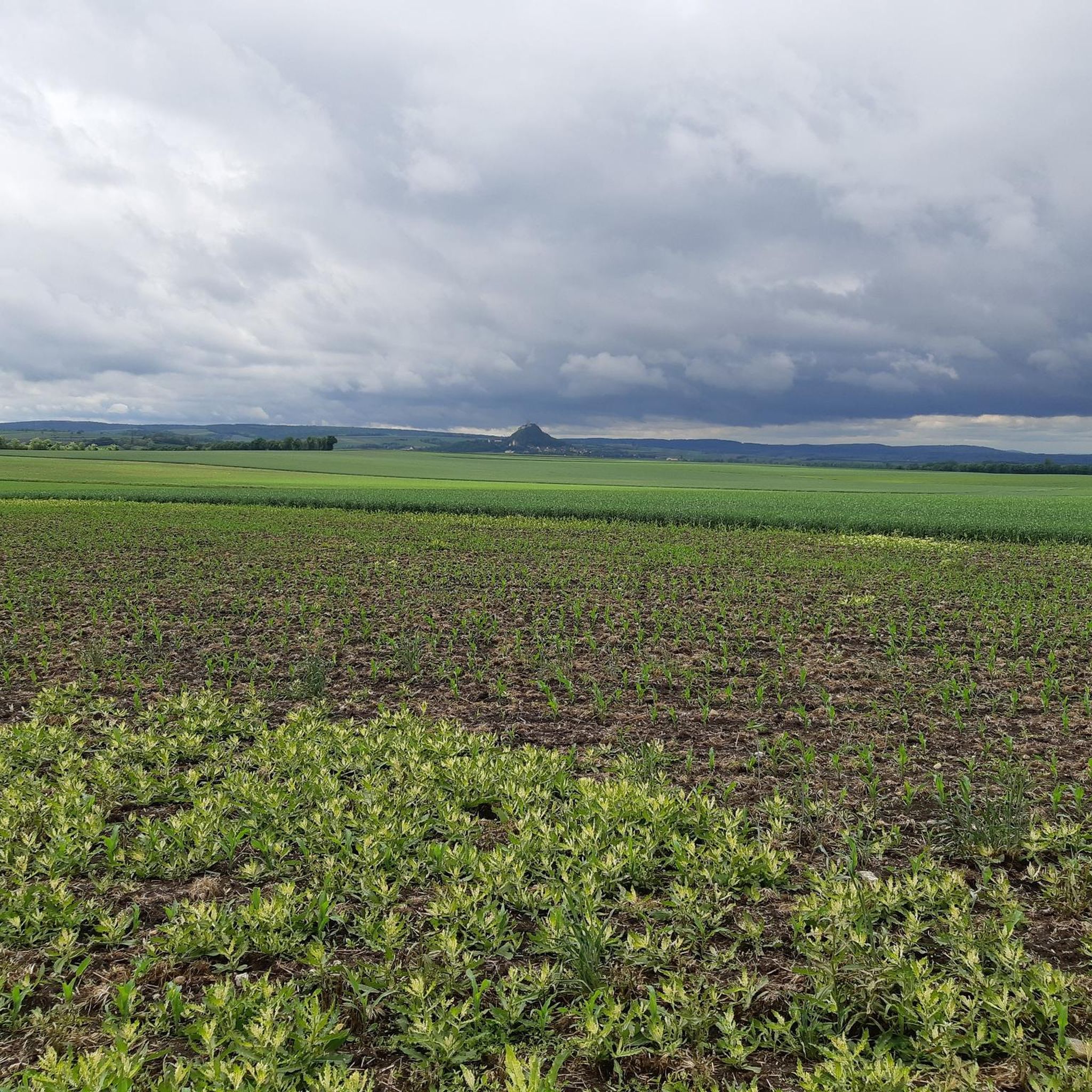
Today, intensive use tends to squeeze the water into narrow, deepened channels already in the spring area – like the mistletoe creek bed. Some Frättingsdorfer still remember the cup that was attached to a string at the spring to invite people to drink. In the meantime, no water is visible in the Mistelbach at the place of the Mistelstein. At around 3 m below the surface, the source area is deeper than in previous years. The small stream begins a little below. Drainage and stream regulation lowered the water level in the ground. A dry microclimate was promoted by rapid water drainage in the regulated stream and the lack of water reservoirs such as meadows. Intensive farming above the mistletoe source without permanent ground cover caused the soil to shift and thus be deposited in the source area.
0
0

The memorial commemorates the expelled German-speaking South Moravian people after the Second World War. More info at https://de.wikipedia.org/wiki/S%C3%BCdm%C3%A4hrenkreuz
0
0

Nice little chapel, right next to the Mühlbach
0
1
The Mistel has a catchment area of 41.4 km² and is fed by several feeders.
0
0
Frequently Asked Questions
What unique natural features can I explore in Neudorf im Weinviertel?
Neudorf im Weinviertel offers a blend of natural geological formations and culturally significant landscapes. You can explore the dramatic 100-meter-high rocky cone of Ruins of Staatz Castle, which provides panoramic views. The region is also known for its unique Kellergassen (cellar lanes), which are carved into hillsides and represent a fascinating interaction between human tradition and natural terrain. The "Kellerberg" in Neudorf, for instance, features over 120 press houses with cellar tubes extending into the hill.
Are there any historical natural monuments in the area?
Yes, several sites combine natural features with rich history. The Staatz Castle Ruins and Staatzer Berg is a prime example, where an 11th-century castle was built atop a significant 100-meter-high rock cone. Another historical site is Calvary Hill, an ancient mound of unknown origin, possibly a Hallstatt burial mound or an 11th-century local mountain, where a Calvary was erected in 1743.
What kind of views can I expect from the natural monuments?
The natural monuments around Neudorf im Weinviertel offer expansive and rewarding views. From the top of the Ruins of Staatz Castle, you can enjoy magnificent panoramic views of the surrounding landscape, including the vastness of the Laaer Ebene and the Falkensteiner Hügelland, and even glimpse into the Czech Republic on clear days. Calvary Hill also serves as a viewpoint.
Are there family-friendly natural monuments to visit?
Yes, there are options suitable for families. The Mistelquelle (Source of the Mistelbach) is a family-friendly natural monument, marking the source of the Mistelbach stream. While the spring is underground, it's an interesting geological site. The Lourdes Grotto Falkenstein, a 15-meter-high half-cave beneath the Falkenstein castle ruins, is also considered family-friendly. Additionally, the Staatz Castle Ruins and Staatzer Berg offers a Betty Bernstein family hike on the last Sunday of every month from May to October.
What outdoor activities can I do near these natural monuments?
The region around Neudorf im Weinviertel is excellent for outdoor activities. You can find numerous hiking and road cycling routes. For hiking, consider trails like the 'Falkenstein Castle Ruins loop' or the 'Jungfrau pines loop'. If you prefer road cycling, routes such as 'Kellergasse Hadres – Laa Castle loop' or 'Main Square Mistelbach – Scenic Vineyard Path loop' are available. You can find more details on these activities in the hiking guide and road cycling guide for Neudorf im Weinviertel.
Can I visit the Kellergassen as a natural monument, and what makes them special?
While not strictly natural monuments in the traditional sense, the Kellergassen (cellar lanes) are a unique cultural landscape that integrates human ingenuity with natural topography, making them a significant feature of the region. They consist of rows of wine cellars carved into hillsides, forming picturesque lanes. The "Kellerberg" in Neudorf, for example, has over 120 press houses. These lanes offer a glimpse into the region's winemaking traditions and a charming atmosphere. The Kellergasse in Zlabern is particularly idyllic due to its proximity to the forest. You can learn more about them on Wikipedia.
What is the best time to visit the natural monuments in Neudorf im Weinviertel?
The natural monuments and cultural landscapes around Neudorf im Weinviertel can be visited year-round. The Staatz Castle Ruins and Staatzer Berg, for instance, is open to visitors all year. Guided hikes to the ruins are offered regularly from May to October. For strolling through the Kellergassen, spring and autumn offer pleasant weather, and these areas often host festivals during warmer months.
Is there parking available near the natural monuments?
Generally, parking is available near the main natural monuments and attractions. For sites like the Ruins of Staatz Castle and the Kellergassen, you will typically find designated parking areas within reasonable walking distance. Specific parking details might vary, so it's advisable to check local signage upon arrival.
What should I wear when visiting these sites?
Given the varied terrain, especially at sites like the Ruins of Staatz Castle where paths can be a bit bumpy and rocky, comfortable and sturdy footwear is recommended. Layered clothing is also advisable, as viewpoints can be exposed to wind, and temperatures can change throughout the day, especially during spring and autumn.
Are there any less crowded natural monuments or hidden gems?
While popular sites like the Staatz Castle Ruins attract visitors, the region offers many charming spots. Exploring the various Kellergassen beyond the main ones, such as those in Zlabern, can provide a more tranquil experience. These offer a unique atmosphere and a glimpse into local culture away from larger crowds. The Mistelquelle (Source of the Mistelbach) is also a quieter, reflective spot.
How long does it take to visit the natural monuments?
The duration of your visit depends on the specific site and your interest. A visit to the Staatz Castle Ruins and Staatzer Berg, including exploring the ruins and enjoying the views, can take 1.5 to 2 hours, especially if you join a guided hike. Strolling through a Kellergasse might take anywhere from 30 minutes to an hour or more if you stop to explore. For sites like the Mistelquelle or Lourdes Grotto Falkenstein, a shorter visit of 30-60 minutes might suffice.
Most popular routes around Neudorf im Weinviertel
Most popular attractions around Neudorf im Weinviertel

Get inspired with the komoot mobile app


Explore more
Extend your search for the best caves by checking out these guides of the top ones around Neudorf im Weinviertel:
