Top 20 Natural Monuments around Kolsass
Natural monuments around Kolsass are characterized by the region's alpine landscape, featuring gorges, mountain summits, and expansive meadows. The area is situated within the Tux Alps, providing a setting for outdoor activities. Kolsass and Kolsassberg offer diverse natural features, from the Inn Valley to higher alpine terrain. These natural attractions contribute to the region's appeal for those seeking scenic outdoor experiences.
Best natural monuments around Kolsass
- The most popular natural monument is Wolf Gorge, a gorge known for its…
Last updated: June 24, 2026
Wolf Gorge
Highlight • Gorge
Translated by Google •
Tip by

Walderalm
Highlight • Mountain Hut
Translated by Google •
Tip by

Sign up now to discover places like this
Get recommendations on the best single tracks, peaks, & plenty of other exciting outdoor places.
Sign up for free
Großer Gilfert
Highlight • Summit
Translated by Google •
Tip by

Lamsenspitze Summit
Highlight • Summit
Tip by

East Lamsenjoch
Highlight • Mountain Pass
Translated by Google •
Tip by

Sign up for free to discover even more natural monuments around Kolsass.
Sign up for free
Already have an account?
Start today with a free account
Your next adventure awaits.
Login or Signup
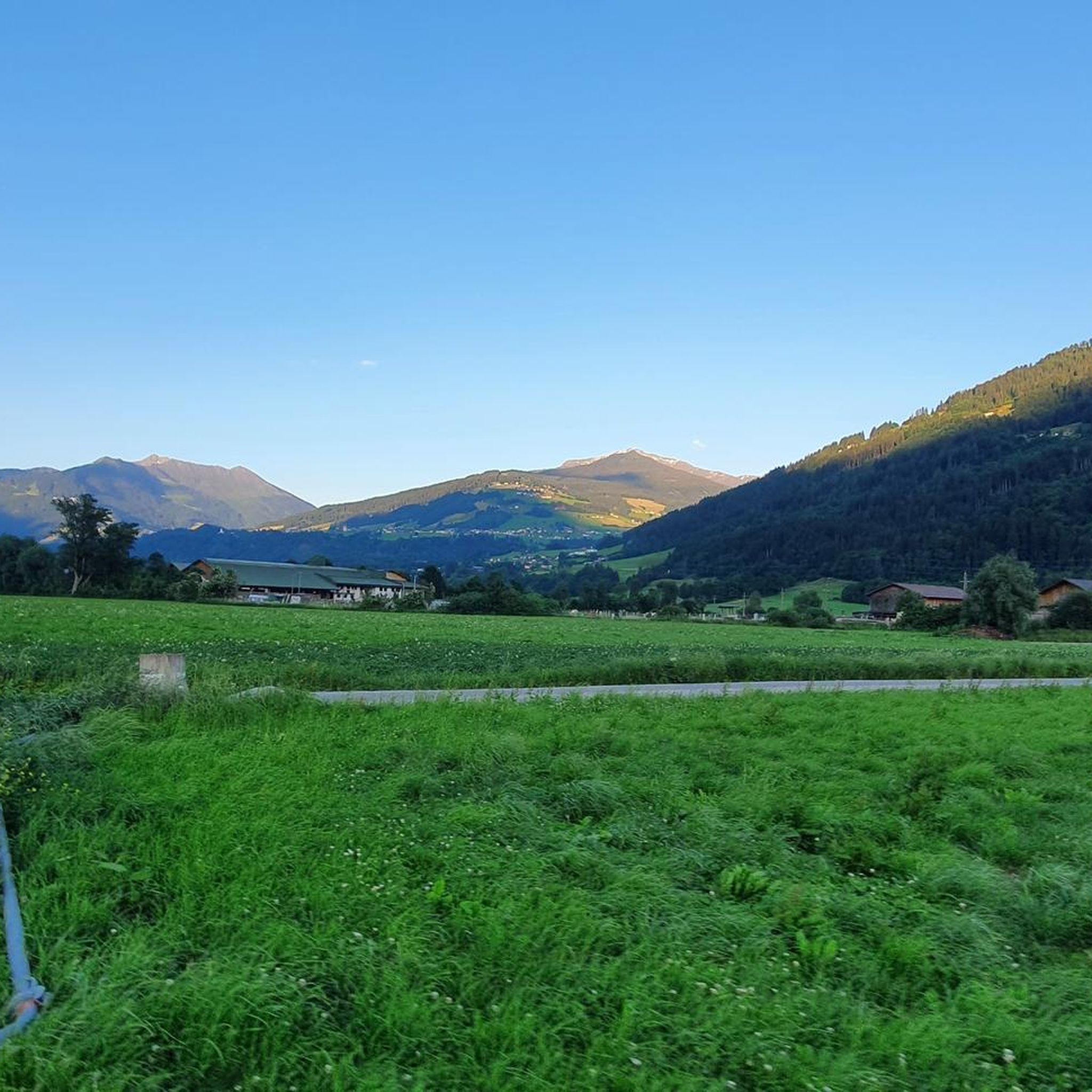
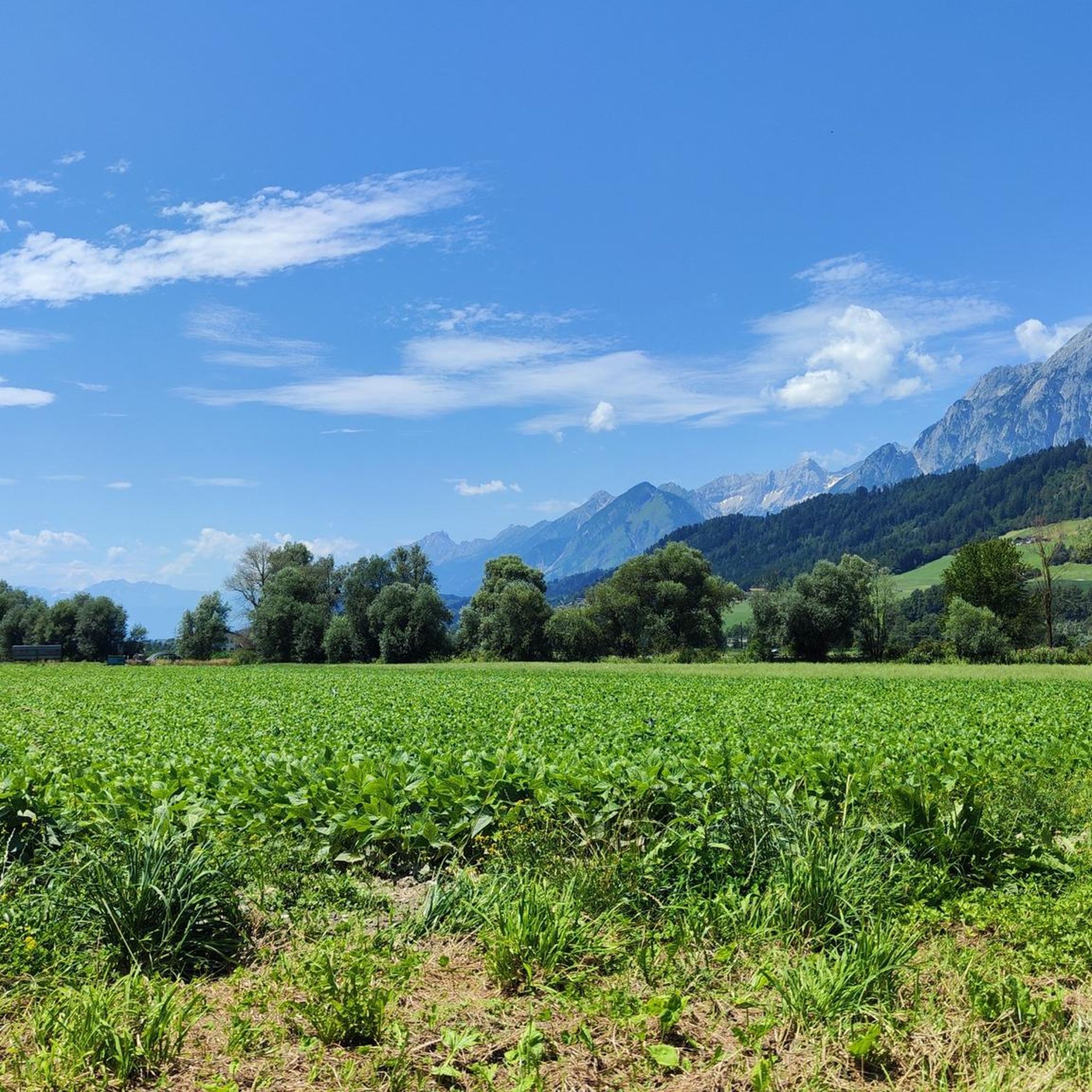
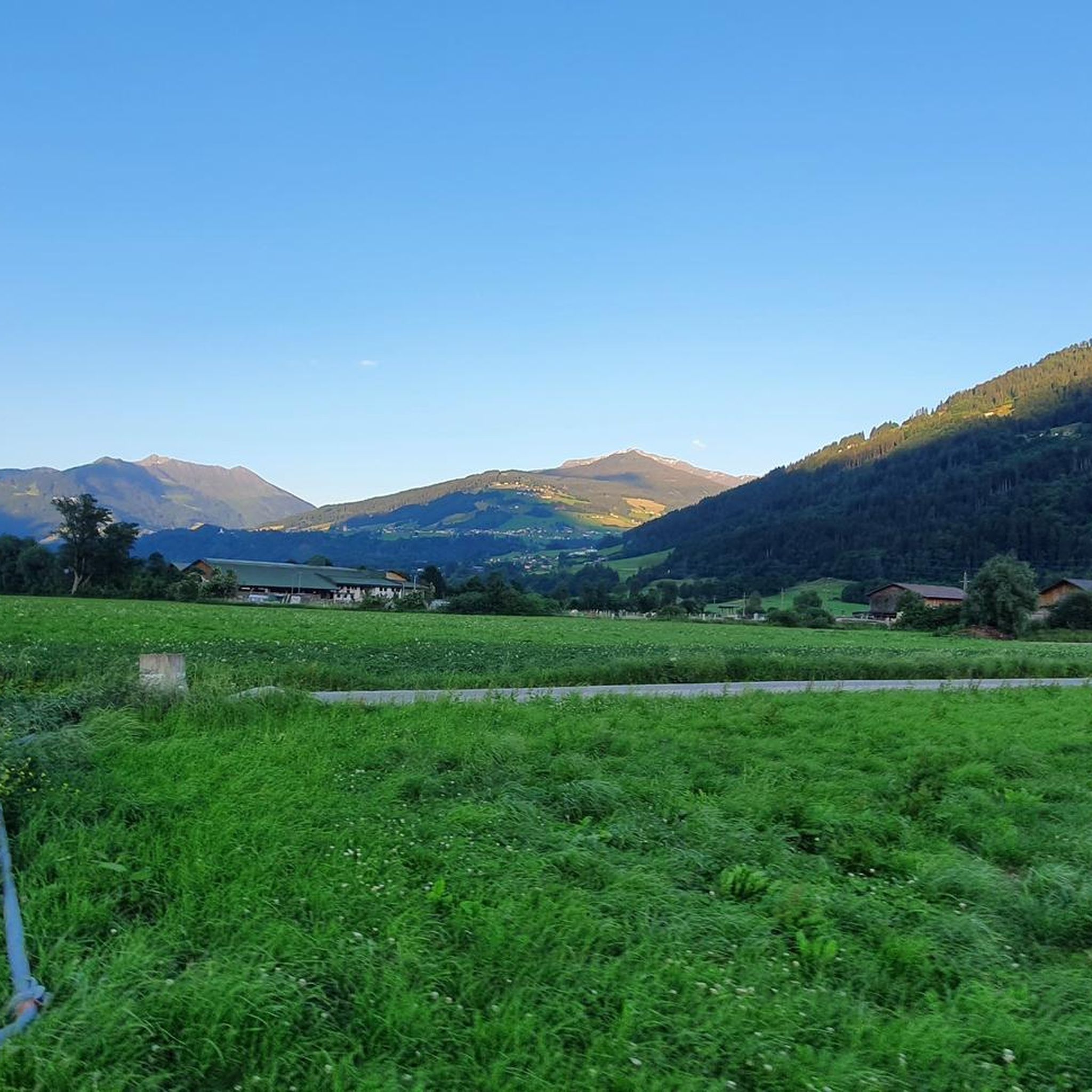
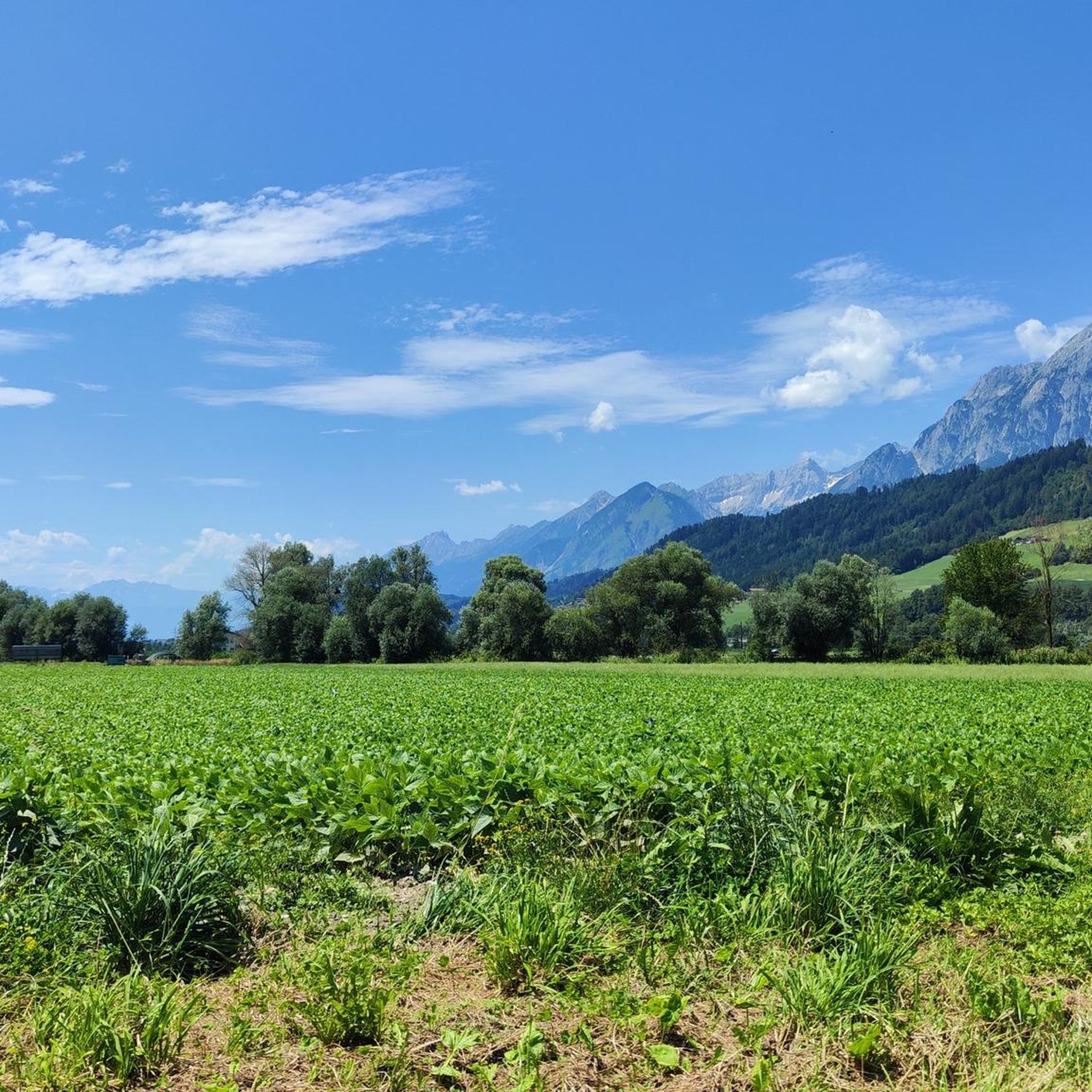

Tips from the Community


Beautiful climb with a mega panorama. Bring a helmet. Via ferrata set important (except for very experienced climbers)
0
0

From up here you have a majestic view down into the valley to the Gramaialm. And right in front of you is the Sonnjoch, a good destination for the day.
7
0

Always nice up here. Varied climb with two easy KS.
0
0


On the Gilfert you stand almost 2,000m above the Inn Valley. The summit is free and therefore you have a perfect 360 degree panorama.
0
0
Very good food and large portions.
2
0

The Walderalm is located at 1,501m above sea level and can be reached via various paths. The easiest way is to take the toll road to Hinterhornalm by car and then walk about 25 minutes to Walderalm. The variants by bike or on foot are more interesting - either via the Hinterhornalm or via the Ganalm.
2
1
Frequently Asked Questions
What are some of the most highly-rated natural monuments around Kolsass?
Beyond the well-known Wolf Gorge, visitors highly appreciate Walderalm, a mountain meadow with a snack station and farm buildings, offering views of the Karwendel peaks. Another favorite is East Lamsenjoch, a mountain pass providing majestic views into the Falzthurntal valley and of the Sonnjoch.
What is the best time of year to visit the natural monuments in the Kolsass region?
The best seasons for visiting are typically spring, summer, and autumn. During these months, the weather is mild, and the landscape is vibrant, making it ideal for exploring gorges, alpine meadows, and mountain passes. The Wolf Gorge, for example, is generally open from May to October.
Are there family-friendly natural attractions around Kolsass?
Yes, the region offers options suitable for families. The Walderalm is considered family-friendly, with its wide mountain meadow and snack station. Additionally, the broader Kolsassberg area features options like the 'Wasserfallweg' (waterfall trail), which allows children to interactively explore nature.
What kind of outdoor activities can I do near these natural monuments?
The Kolsass region is excellent for various outdoor activities. You can find numerous hiking opportunities, from moderate trails like the 'Suspension bridge loop' to more challenging routes. The area also offers road cycling routes, such as the 'Triumphal Arch, Innsbruck – Gnadenwald Plateau loop'. For more details on routes, you can explore the Hiking around Kolsass guide or the Road Cycling Routes around Kolsass guide.
Can I bring my dog to the natural monuments around Kolsass?
While specific regulations for each natural monument vary, generally, dogs are welcome on trails in the alpine landscape, provided they are kept on a leash and owners clean up after them. It's always advisable to check local signage or specific highlight details for any restrictions before visiting with your dog.
What makes the Wolf Gorge a unique natural monument?
The Wolf Gorge is renowned for its wildly romantic rocky mountains, a roaring mountain stream, and striking emerald green water. It offers a refreshing hiking experience, particularly on warm days, and is considered a true natural jewel in the region. Historically, pilgrims placed stone cairns here, a practice continued by visitors today.
Are there any challenging natural monuments for experienced hikers?
Yes, for experienced hikers seeking a challenge, the region offers destinations like Großer Gilfert, a 2,506-meter high pre-summit of the Tux Alps, offering wonderful panoramic views. Another demanding option is the Lamsenspitze Summit, which involves a challenging climb but rewards with an amazing mountain landscape at over 2,500 meters.
What kind of views can I expect from the mountain passes and summits?
From mountain passes like East Lamsenjoch, you can expect majestic views down into valleys such as the Falzthurntal, with prominent peaks like the Sonnjoch towering nearby. Summits like Großer Gilfert provide a perfect 360-degree panorama of the Inn Valley, the Karwendel Mountains, and the Zillertal.
Are there easy hiking trails to access some of the natural monuments?
Yes, there are easy hiking options available. For instance, the Easy hikes around Kolsass guide lists routes like the 'Rettenberg Castle Ruins – Vordere Suspension Bridge loop from Kolsassberg', which is an easy 2.6 km trail, allowing for accessible exploration of the natural surroundings.
What do visitors enjoy most about the natural monuments in Kolsass?
Visitors consistently praise the stunning natural beauty, the refreshing experience of hiking through gorges, and the breathtaking panoramic views from summits and mountain meadows. The combination of wild, romantic landscapes and the opportunity for invigorating outdoor activity is a major draw, as evidenced by over 2100 upvotes and 3800 photos from the komoot community.
Is public transport available to reach the natural monuments?
While Kolsass itself is accessible, direct public transport to every specific natural monument might be limited. It's often recommended to combine public transport to Kolsass or Kolsassberg with hiking or cycling to reach the more remote natural attractions. For detailed planning, local bus schedules should be consulted.
Are there any natural monuments that are particularly good for photography?
Many natural monuments in the region offer fantastic photographic opportunities. The Wolf Gorge, with its emerald green water and rocky formations, is highly photogenic. Similarly, the panoramic views from Großer Gilfert and East Lamsenjoch provide stunning landscape shots, especially during sunrise or sunset.
Most popular routes around Kolsass
Most popular attractions around Kolsass

Get inspired with the komoot mobile app


Explore more
Extend your search for the best caves by checking out these guides of the top ones around Kolsass:
