Top 20 Natural Monuments around Roppen
Best natural monuments around Roppen showcase the alpine landscape and geological features of the Tirol region in Austria. The area offers a variety of natural formations, from powerful waterfalls to unique geological structures. Visitors can explore diverse environments, including gorges, lakes, and viewpoints. The natural monuments provide opportunities for outdoor activities and geological observation.
Best natural monuments around Roppen
- The most popular natural monuments is Stuibenfall Viewing Platform, a viewpoint that allows observation of Tyrol's largest waterfall. A comfortable…
Last updated: September 27, 2026
Rosengarten Gorge
Highlight (Segment) • Gorge
Translated by Google •
Tip by

Stuibenfall Viewing Platform
Highlight • Viewpoint
Translated by Google •
Tip by

Sign up now to discover places like this
Get recommendations on the best single tracks, peaks, & plenty of other exciting outdoor places.
Stuiben Power Bridge
Highlight • Bridge
Translated by Google •
Tip by

Lake Piburg
Highlight • Lake
Bathing facilities …
Translated by Google •
Tip by

Weller Bridge over the Ötztaler Ache
Highlight • Bridge
Translated by Google •
Tip by
Sign up for free to discover even more natural monuments around Roppen.
Already have an account?
Start today with a free account
Your next adventure awaits.
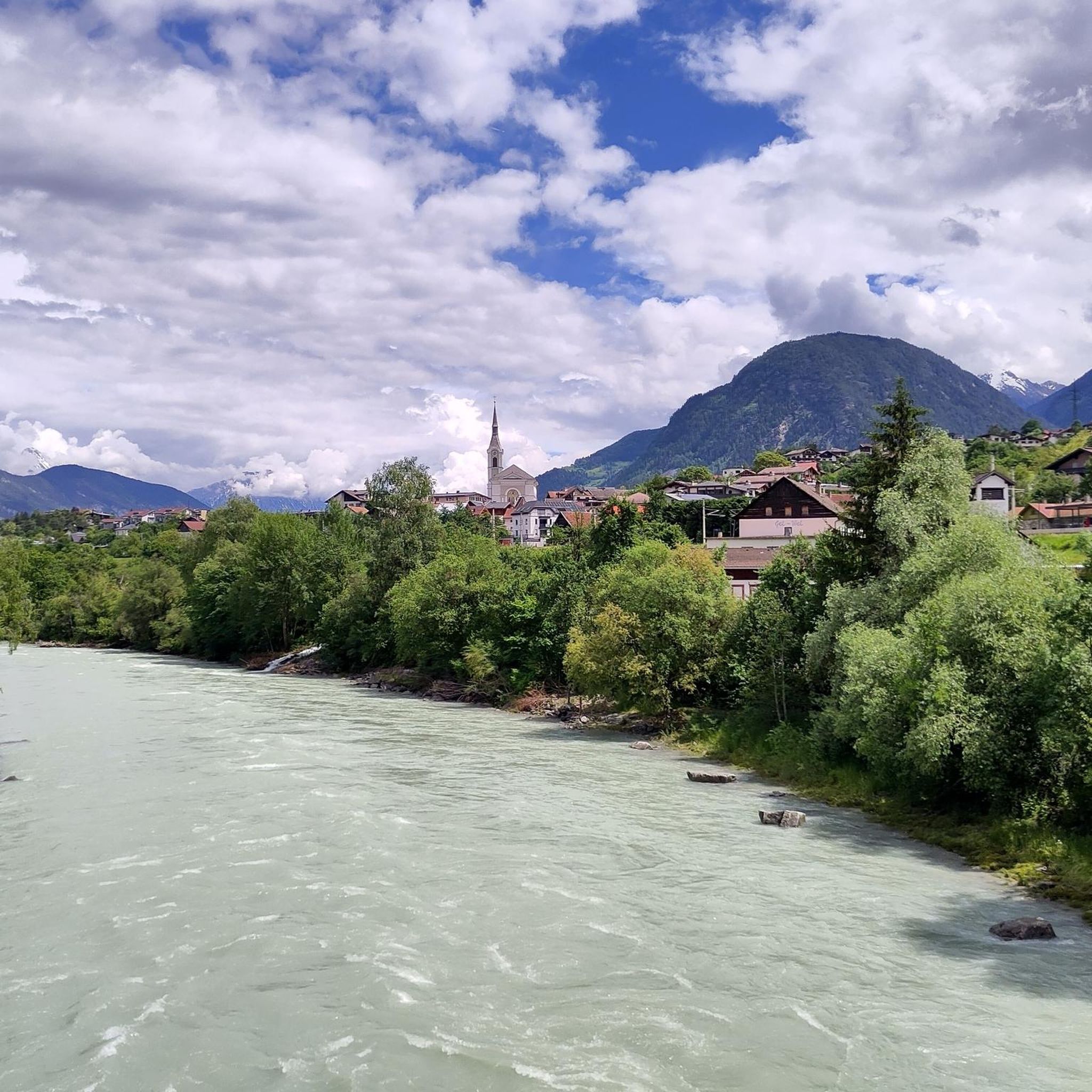
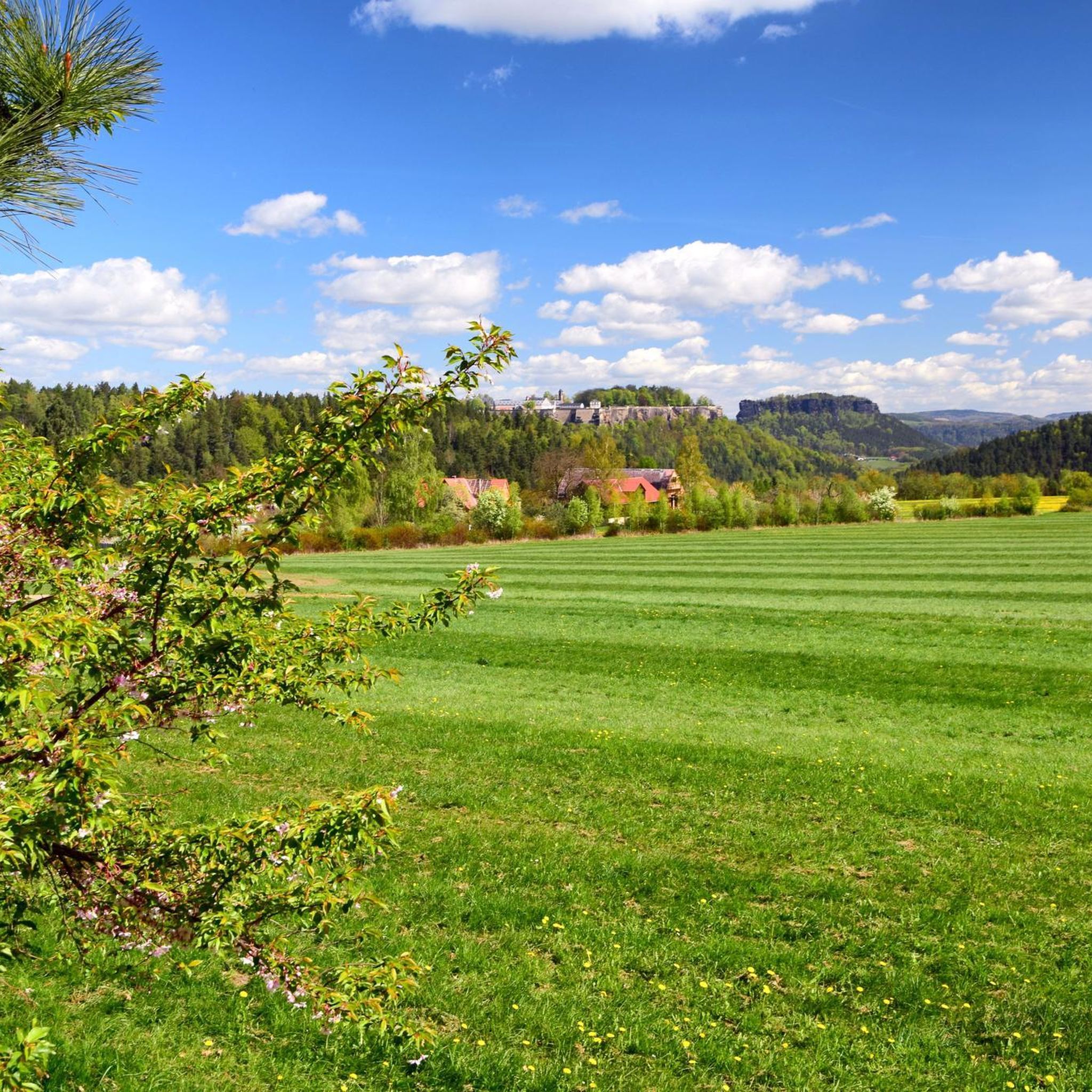
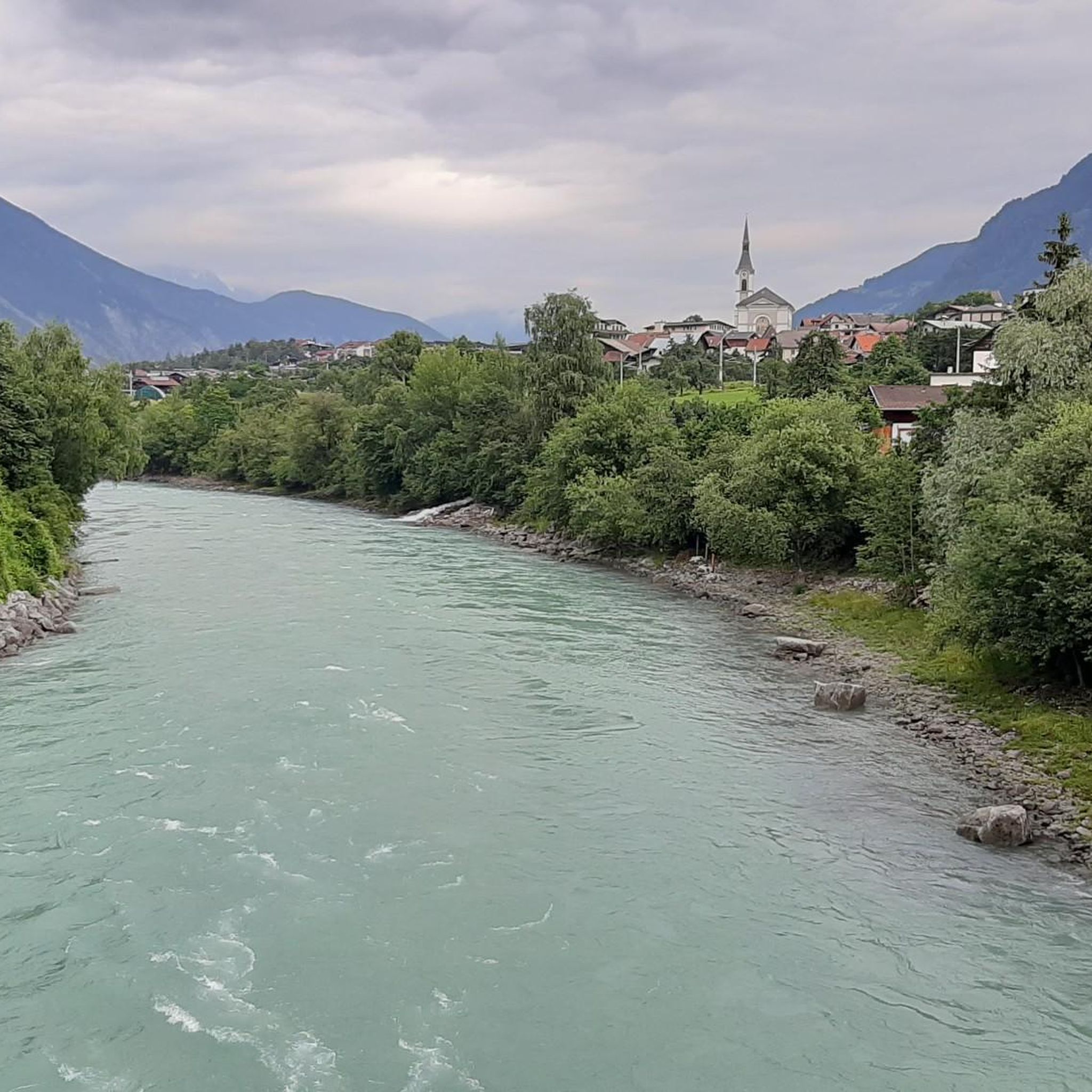
Tips from the Community

Schinderbach / Rosengartenschlucht In the middle of Imst is the entrance to one of the most beautiful gorges in Austria and one of the most valuable biotopes in Tyrol. The Schinderbach roars through the 2 km long Rosengarten gorge - a spectacle that can be observed from the path that leads through the gorge. The Rosengartenschlucht is highly valued as one of the most valuable biotopes in Tyrol. It is also a treasure trove, especially for geologists, as millions of years of earth's history are reflected here. The Rosengartenschlucht begins at the Johanneskirche right in the city center of Imst. The gorge, which is bordered by a 100 m high rock wall, becomes increasingly narrower and leads to the Blue Grotto, a small cave in which silver-containing galena was searched for as early as Roman times. From the Blue Grotto you then reach Hoch-Imst and can either hike back to Imst via the Wetterkreuz or continue your tour with the Imster Bergbahnen and the Alpine Coaster Imst. Text / Source: Tirol.Tl https://www.tirol.tl/de/highlights/natur-landschaft/naturschauspiele/rosengartenschlucht/
14
1
The entrance to the Rosengartenschlucht The entrance to the Rosengartenschlucht is right in the center of the city and entry is free! Deep down there is the crystal clear, roaring water, vertically rising rock walls to the right and left, covered in mosses and ferns. ... Text / Source: Imst Tourism https://www.imst.at/urlaubserlebnisse/sommer/rosengartenschlucht
15
0

An interesting construction. Also to the photographed
3
1

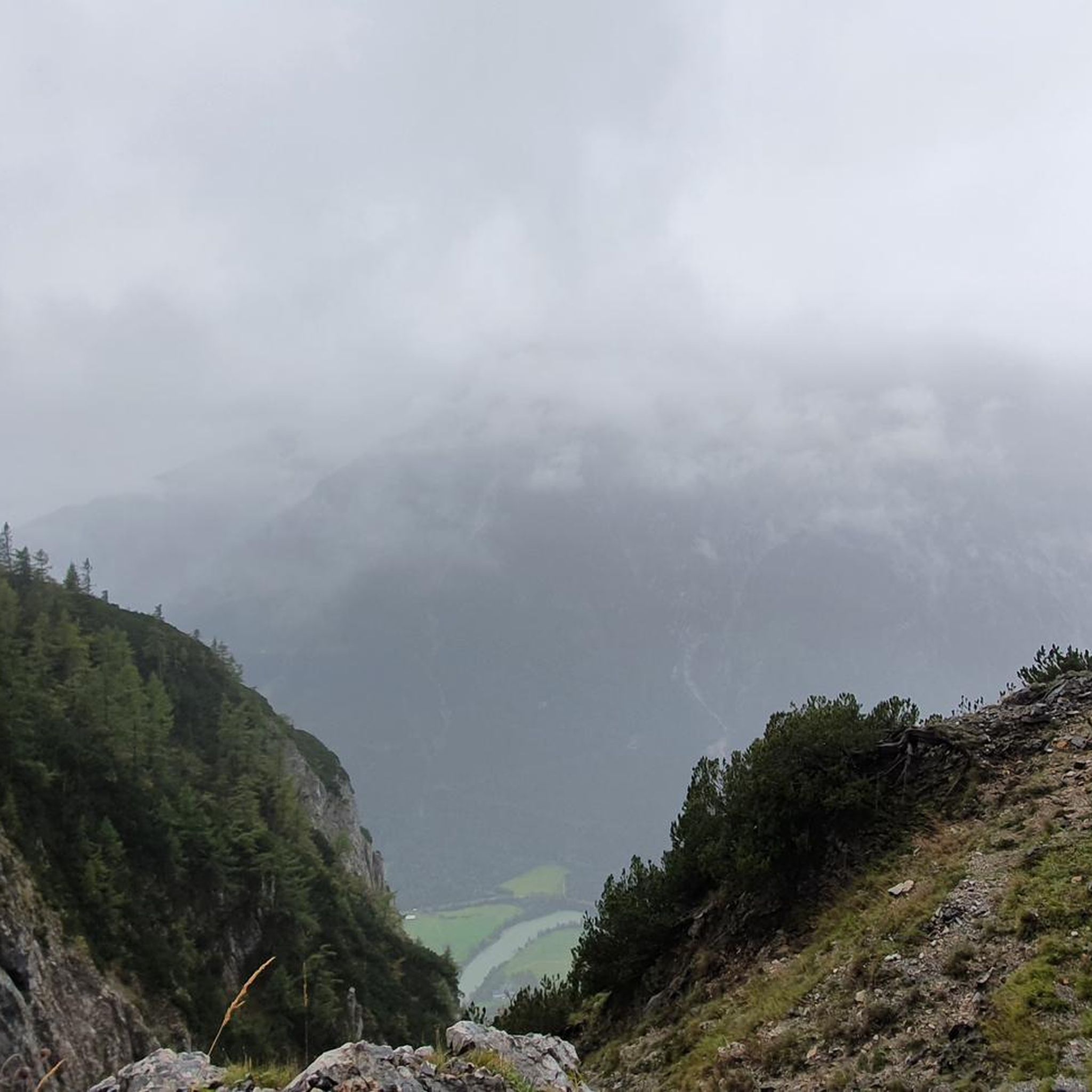
More of a hike than a climb, but this is where you come down from the via ferrata.
8
1

720 steps await us, and in between there is a spectacular view of the valley and the Stuibenfall. The bridge swings a little - so it's best not to have a (great) fear of heights. But it's definitely worth it! Attention dog owners: The steps and platforms are large grates and not suitable for dogs. Small dogs should be carried as they can fall between the steps.
2
0

Also and especially worth a visit in winter.
6
0

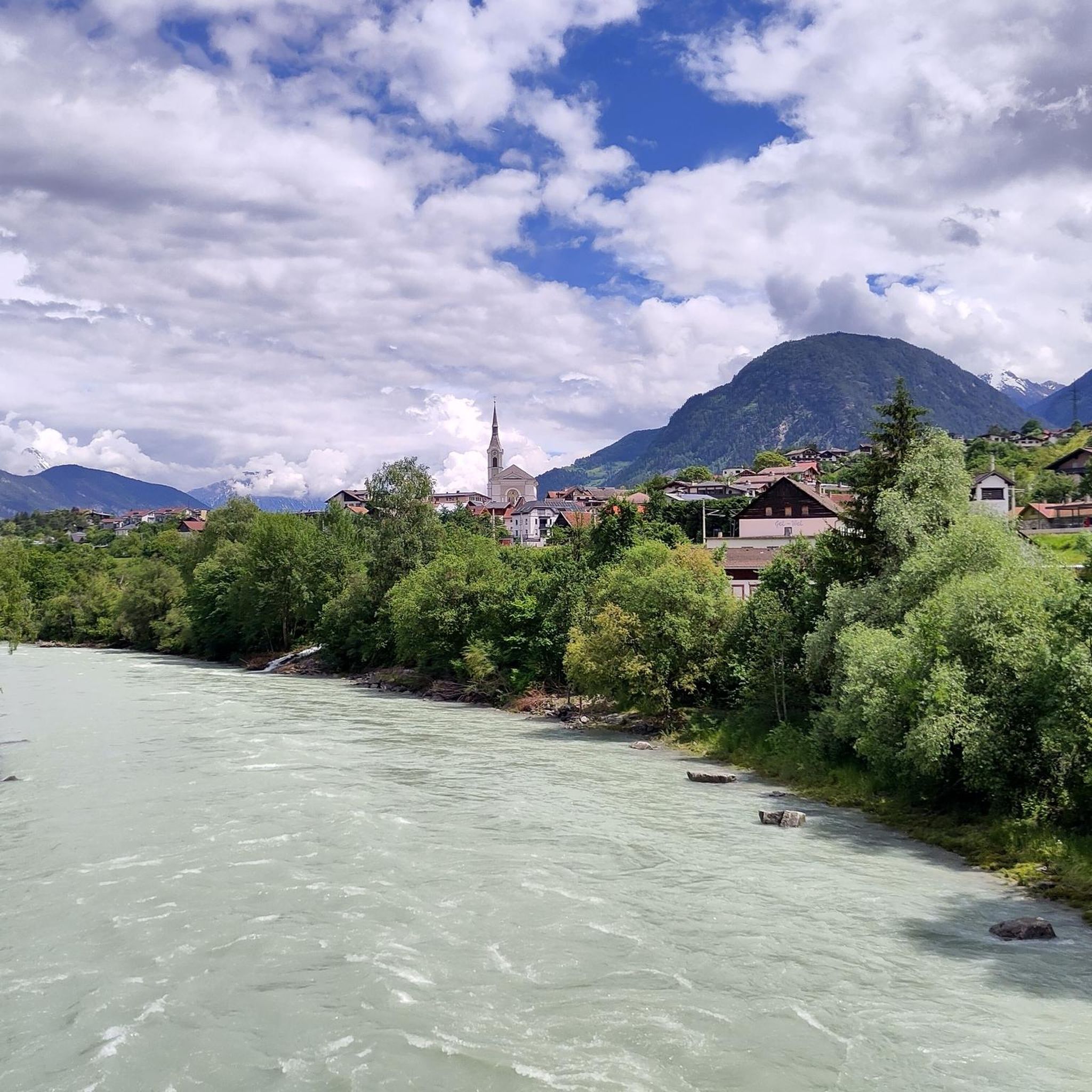
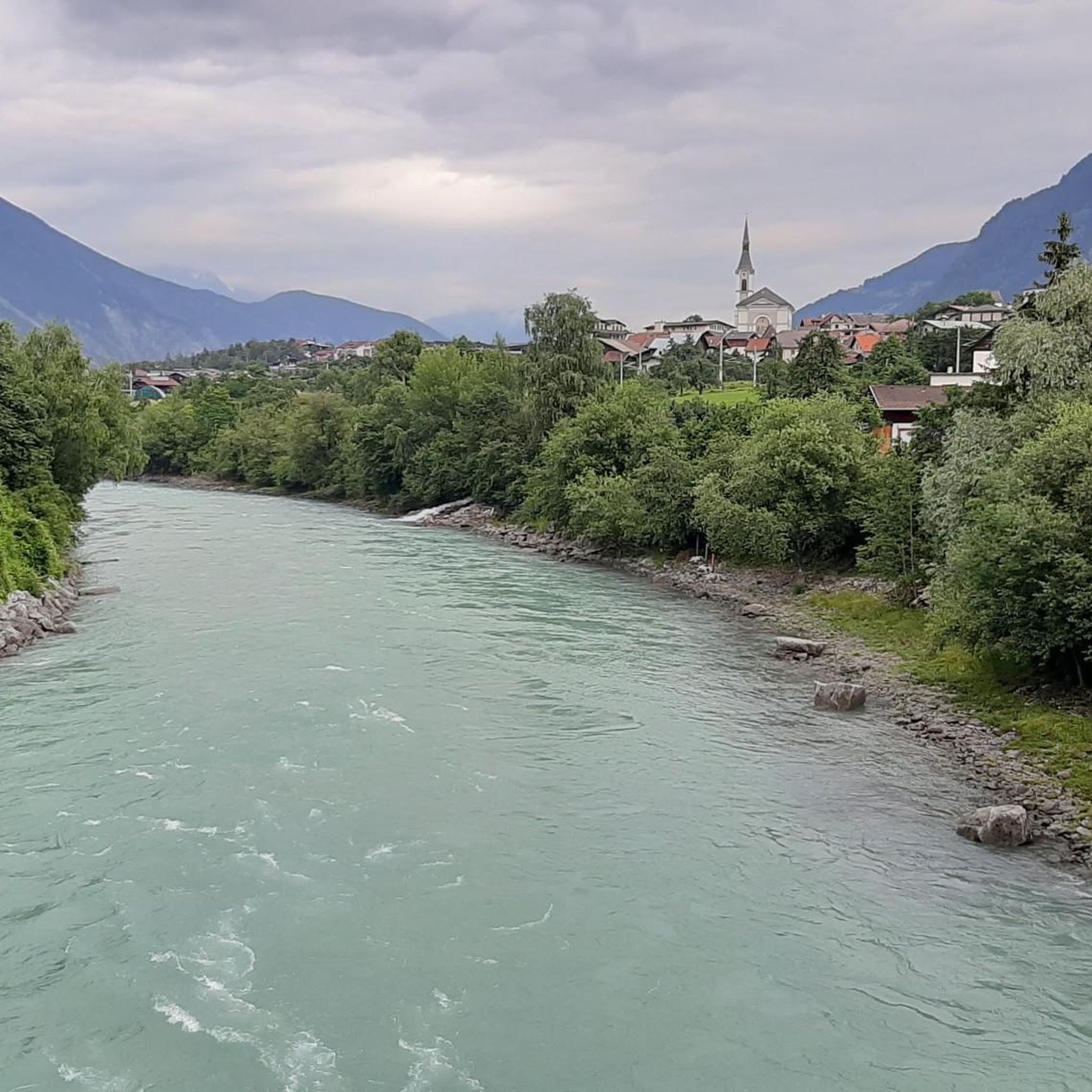
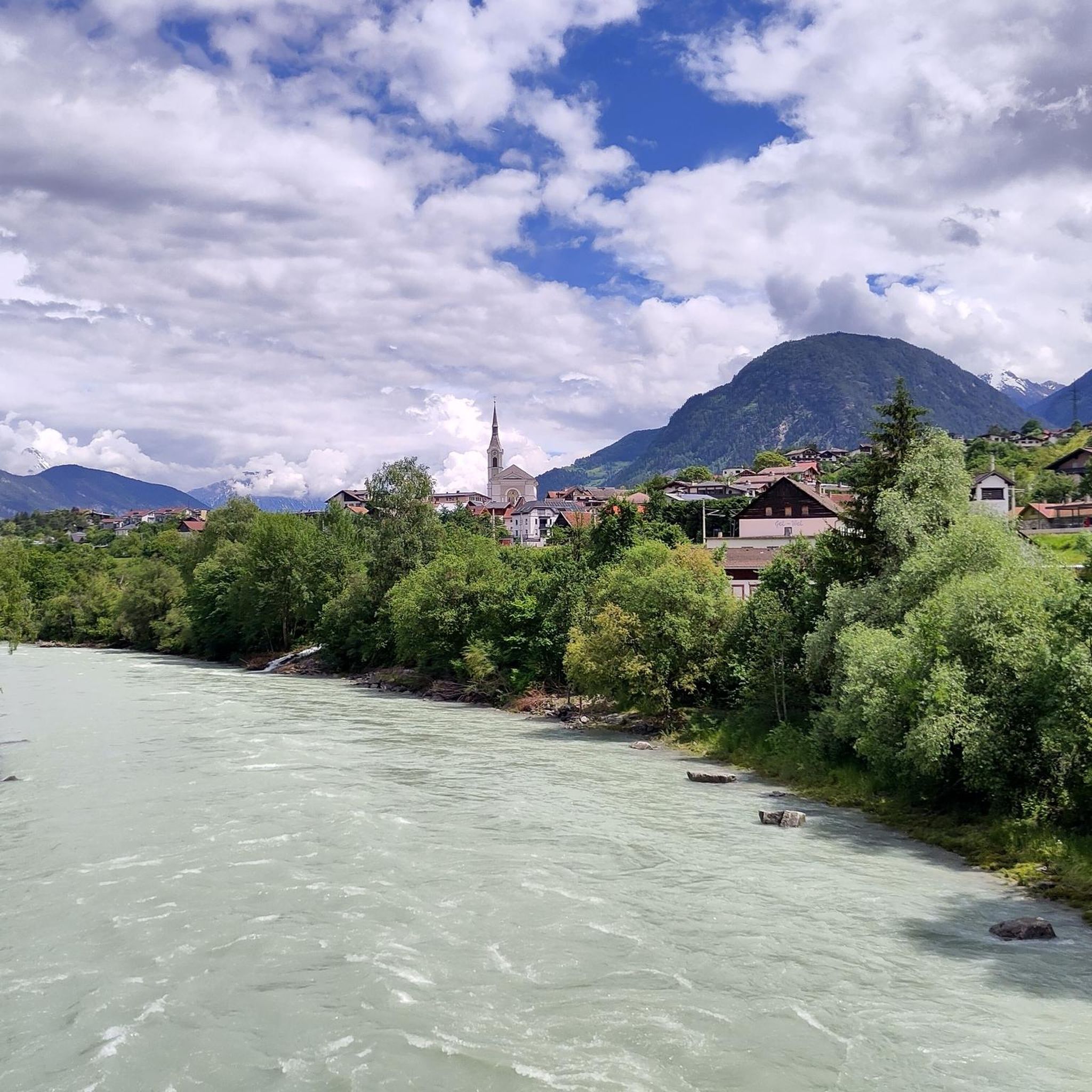
Beautiful area. Even when there is snow, the rocks in the water look very beautiful. However, one should tread carefully, the paths around the Weller Bridge can be quite slippery.
5
0

The sloping hanging staircase is 89 m long and 31 m high, followed by stair towers all the way to the top. Totally over 700 levels.
5
4
Frequently Asked Questions
What are some of the most popular natural monuments around Roppen?
Among the most popular natural monuments, visitors frequently highlight the Stuibenfall Viewing Platform, which offers impressive views of Tyrol's largest waterfall. Another favorite is Lake Piburg, known as one of Tyrol's warmest bathing lakes. The Weller Bridge over the Ötztaler Ache also draws attention, especially during snowmelt when the river gushes powerfully.
What kind of natural features can I expect to see in the Roppen area?
The Roppen area is rich in diverse natural features, including powerful waterfalls like the Stuibenfall, unique geological formations such as the Earth Pyramids in the Waldertal valley, and extensive rockslide areas like the Sautener Forchet. You can also explore beautiful gorges like the Rosengarten Gorge, serene lakes such as Lake Piburg, and enjoy panoramic views from elevated points like Mutkopf.
Are there family-friendly natural attractions near Roppen?
Yes, several natural monuments are suitable for families. Lake Piburg is ideal for families, offering bathing facilities and a beautiful, easy circular route. The Stuibenfall is accessible via a family-friendly hike with wooden steps and viewing platforms. The Earth Pyramids in the Waldertal valley also feature an informative and relatively easy circular trail, making them a good option for families.
What makes the Stuibenfall a must-visit natural monument?
The Stuibenfall is Tyrol's largest and tallest waterfall, cascading 159 meters. It offers a breathtaking and interactive experience with around 700 wooden steps and several viewing platforms that lead alongside the roaring water. A highlight is the 80-meter-long Stuiben Power Bridge, providing a unique perspective. On Wednesday evenings, the waterfall is beautifully illuminated, creating a magical atmosphere.
Where can I see unique geological formations around Roppen?
For unique geological formations, visit the Earth Pyramids in the Waldertal valley. These 'tent rocks' or 'fairy chimneys' are fascinating sand and stone pillars formed by erosion, offering an insight into the area's geological past. An informative circular trail allows visitors to observe these bizarre formations up close.
What is the Sautener Forchet and what can I do there?
The Sautener Forchet is an extensive forested rockslide area, a result of the Tschirgant rockslide approximately 3,000 years ago. It's a unique ecological zone characterized by stunted pines. You can explore a geological nature trail that connects Sautens, Haiming, and Roppen, featuring 25 signs explaining the landscape's geological background, flora, and fauna, offering an educational experience.
Are there any natural monuments with panoramic views?
Yes, Mutkopf offers remarkable panoramic views. This summit provides an astonishing viewpoint approximately 1,300 meters above the Inn Valley, with magnificent vistas of the Inn Valley and the Mieming Plateau. Reaching Mutkopf typically involves a rewarding hike, and anatomically shaped giant benches at the summit invite visitors to relax and take in the expansive scenery.
What outdoor activities can I do near these natural monuments?
The region around Roppen offers a variety of outdoor activities. You can find numerous mountain hikes, such as challenging routes to the Tschirgant Summit, by exploring the Mountain Hikes around Roppen guide. For running enthusiasts, there are moderate trails like the Inn Cycle Path loop, detailed in the Running Trails around Roppen guide. Gravel biking is also popular, with routes like the Inn River at Gacher Blick, which you can find in the Gravel biking around Roppen guide.
What do visitors enjoy most about the natural monuments around Roppen?
Visitors particularly enjoy the breathtaking views and the immersive experience of nature. Many appreciate the well-maintained paths and viewing platforms that allow close encounters with powerful natural phenomena like the Stuibenfall. The geological insights offered by sites like the Earth Pyramids and Sautener Forchet are also highly valued, as are the opportunities for peaceful contemplation by lakes or from panoramic viewpoints.
Is the Rosengarten Gorge suitable for all visitors?
The Rosengarten Gorge is generally suitable for children and dogs, but it requires sturdy shoes, good physical condition, and surefootedness. The path leads through a spectacular landscape with vertically rising rock walls and the roaring Schinderbach. It is not recommended for people with physical impairments due to the terrain.
What is the best time to visit the natural monuments around Roppen?
The best time to visit the natural monuments around Roppen largely depends on the activity. For hiking and exploring waterfalls like the Stuibenfall, spring to autumn (May to October) offers pleasant weather. During spring, especially after snowmelt, waterfalls and rivers like the Ötztaler Ache are particularly impressive. Summer allows for swimming in Lake Piburg. Some attractions, like the Stuibenfall, also offer special illuminated nights on Wednesdays, which can be enjoyed in the warmer months.
Are there any natural monuments that are particularly impressive after snowmelt?
Yes, the Weller Bridge over the Ötztaler Ache offers a particularly impressive sight after the snow has melted. The water from the Ötztaler Ache gushes down the mountain with immense power, creating a spectacular display that can be safely observed from the bridge.
Most popular routes around Roppen
Most popular attractions around Roppen

Get inspired with the komoot mobile app


Explore more
Extend your search for the best caves by checking out these guides of the top ones around Roppen:
