Top 20 Natural Monuments around Traismauer
Best natural monuments around Traismauer are found in a region where the Danube and Traisen rivers converge, surrounded by vineyards. This area offers a blend of historical significance and serene natural landscapes. The natural monuments provide opportunities for outdoor activities like hiking and cycling, contributing to local biodiversity. The interplay of rivers, vineyards, and dedicated natural areas creates a diverse environment for nature enthusiasts.
Best natural monuments around Traismauer
- The most popular natural monuments is Giant Sequoias of Paudorf,…
Last updated: June 24, 2026
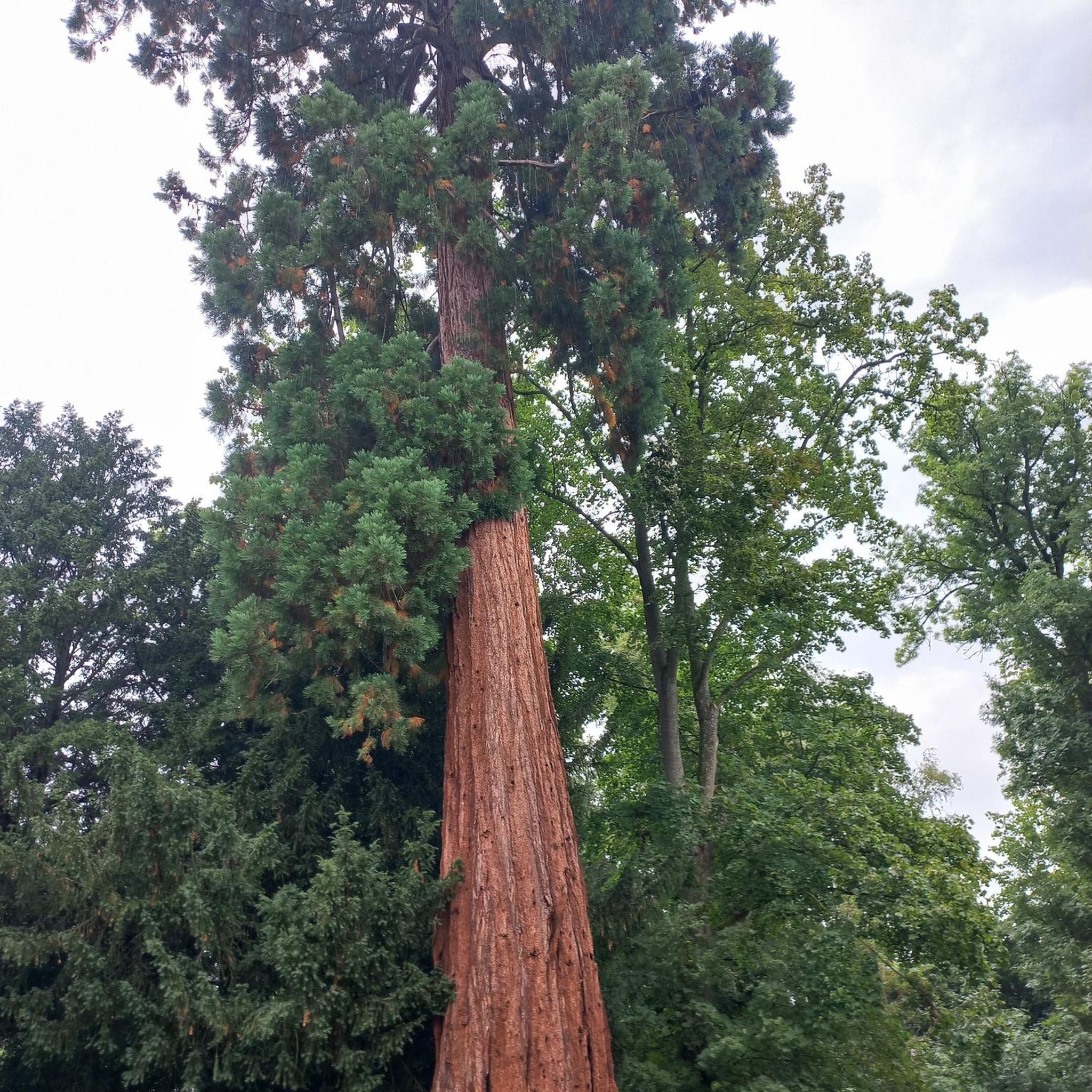
Giant Sequoias of Paudorf
Highlight • Forest
Translated by Google •
Tip by

Altenwörth fish pass
Highlight • Structure
Translated by Google •
Tip by

Sign up now to discover places like this
Get recommendations on the best single tracks, peaks, & plenty of other exciting outdoor places.
Sign up for free
Fountain in Krems City Park
Highlight • Monument
In the park you …
Translated by Google •
Tip by
Loess terraces – Stein an der Donau
Highlight • Natural Monument
Translated by Google •
Tip by

Mouth of the Traisen River at the Danube
Highlight • River
Translated by Google •
Tip by

Sign up for free to discover even more natural monuments around Traismauer.
Sign up for free
Already have an account?
Start today with a free account
Your next adventure awaits.
Login or Signup
Popular around Traismauer
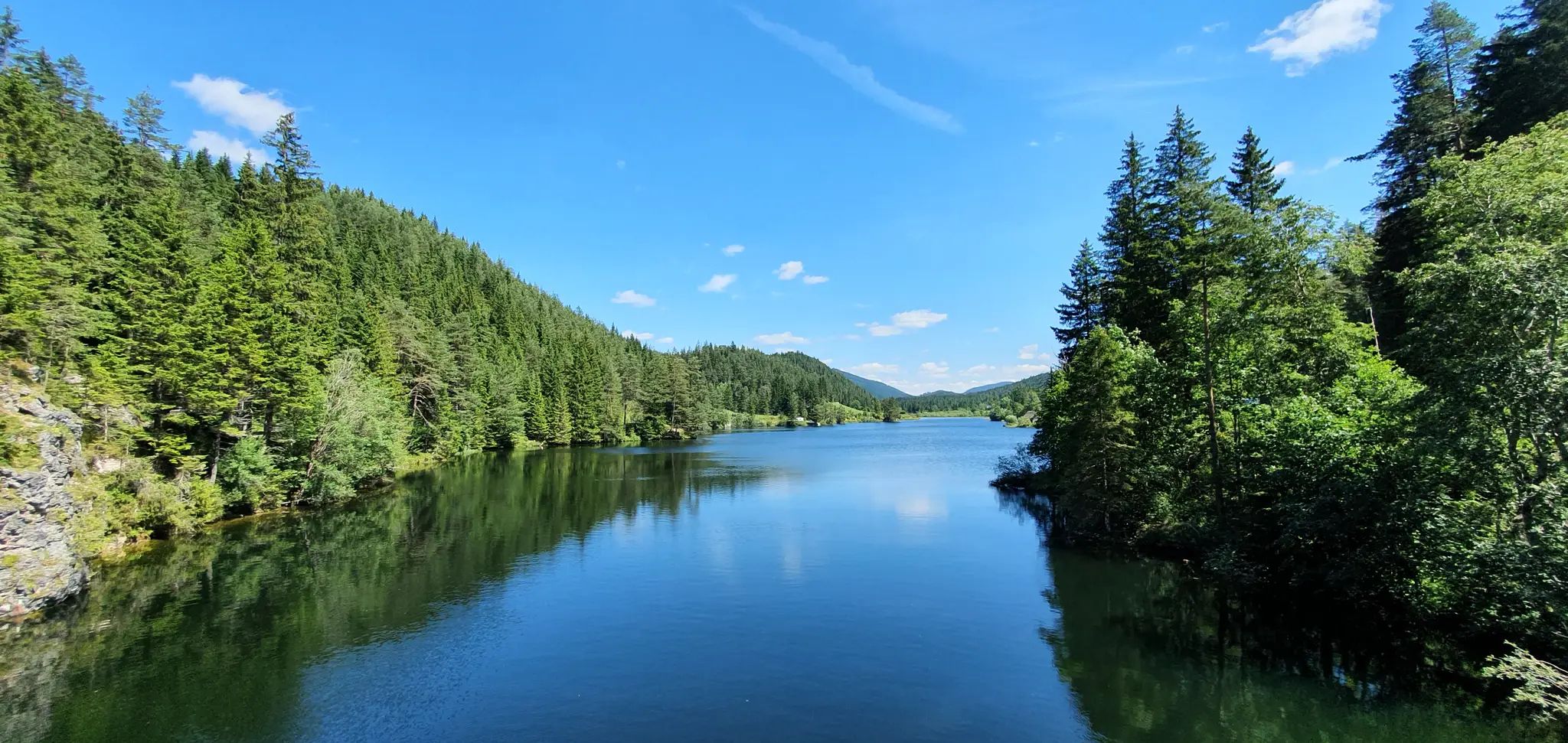
The Traisental cycle path – on a pilgrimage through the Mostviertler Alps
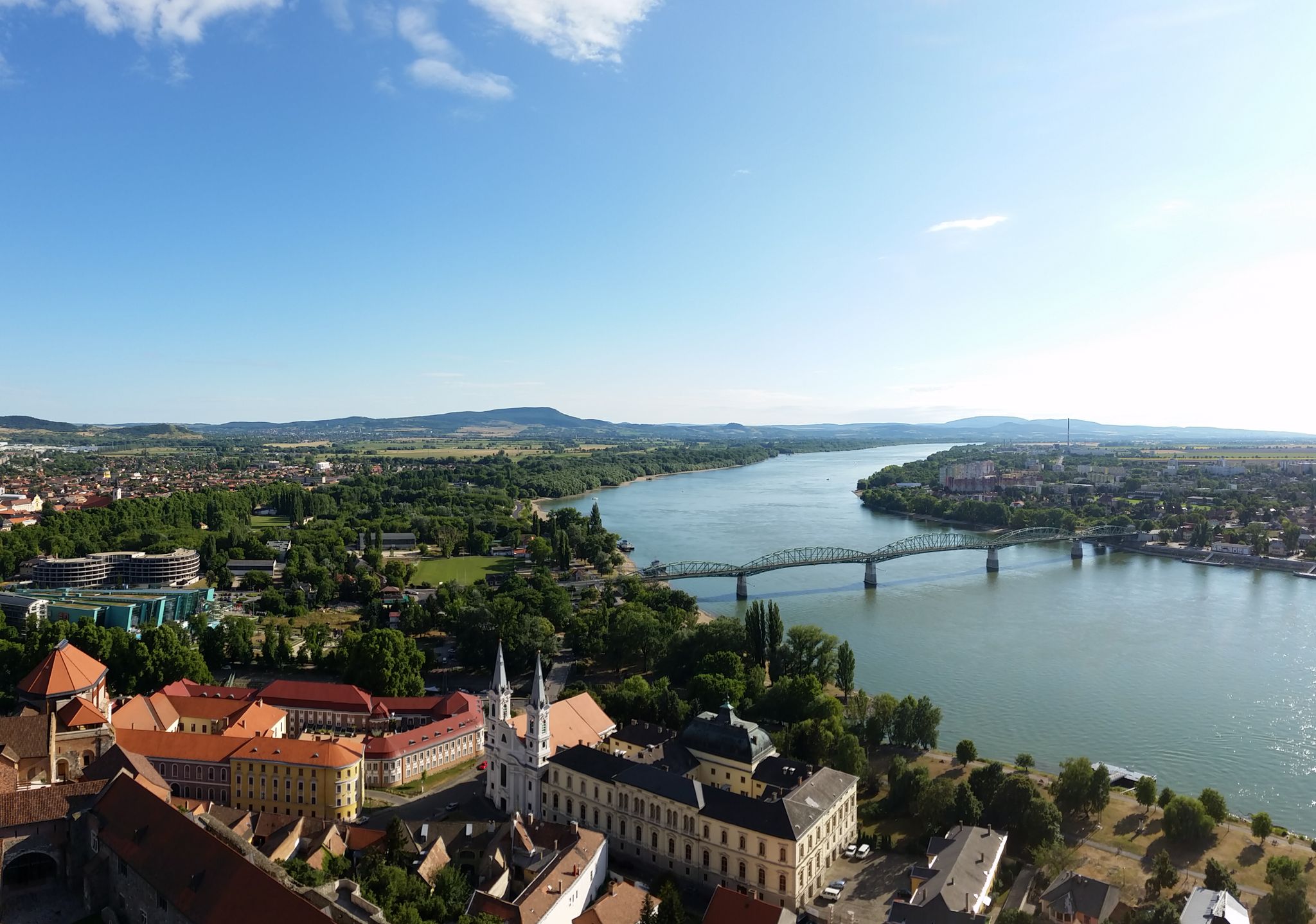
The Danube Cycle Path – From Donaueschingen to Budapest
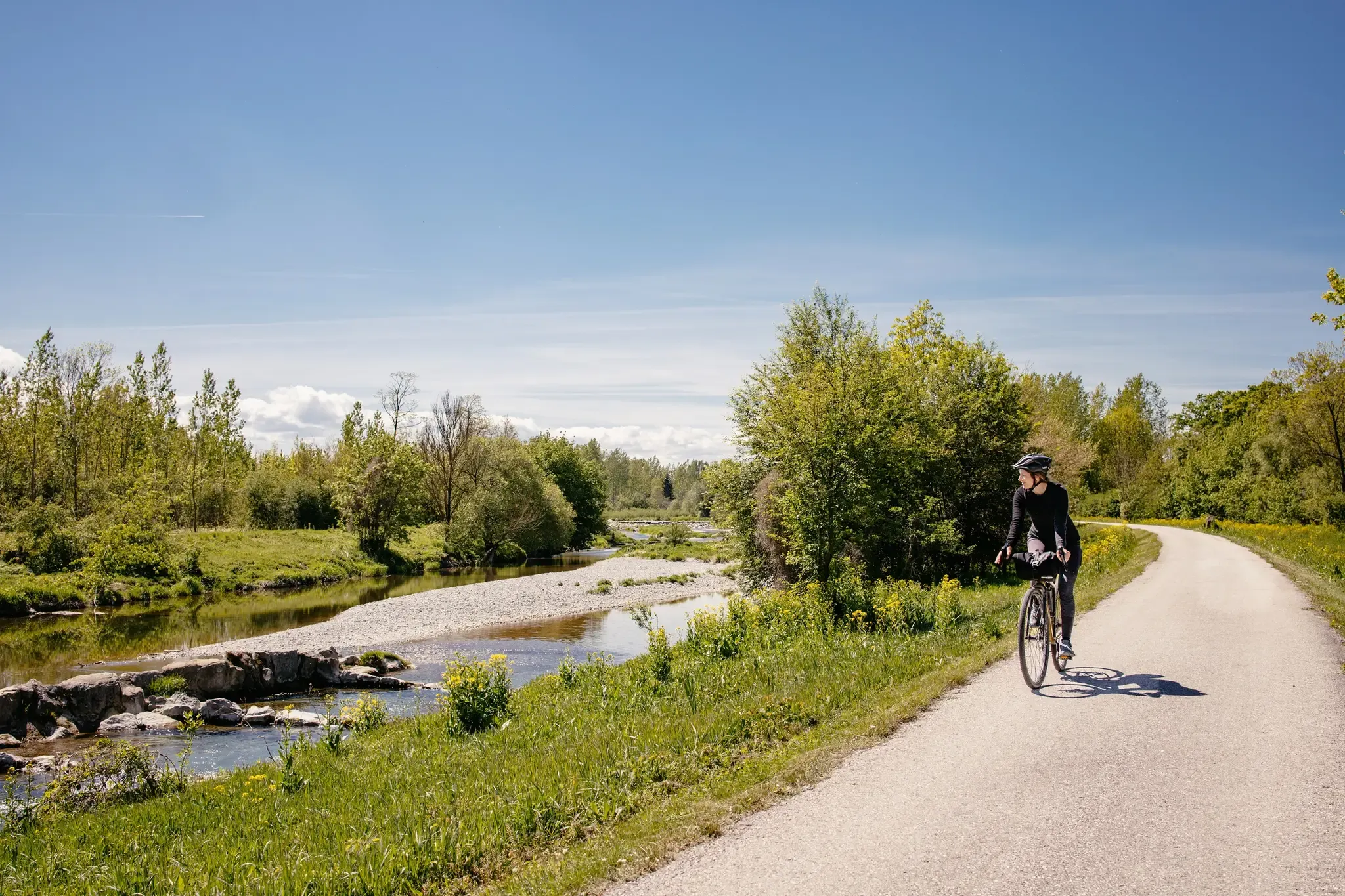
Traisental Cycle Path – river cycling through the Mostviertel Alps
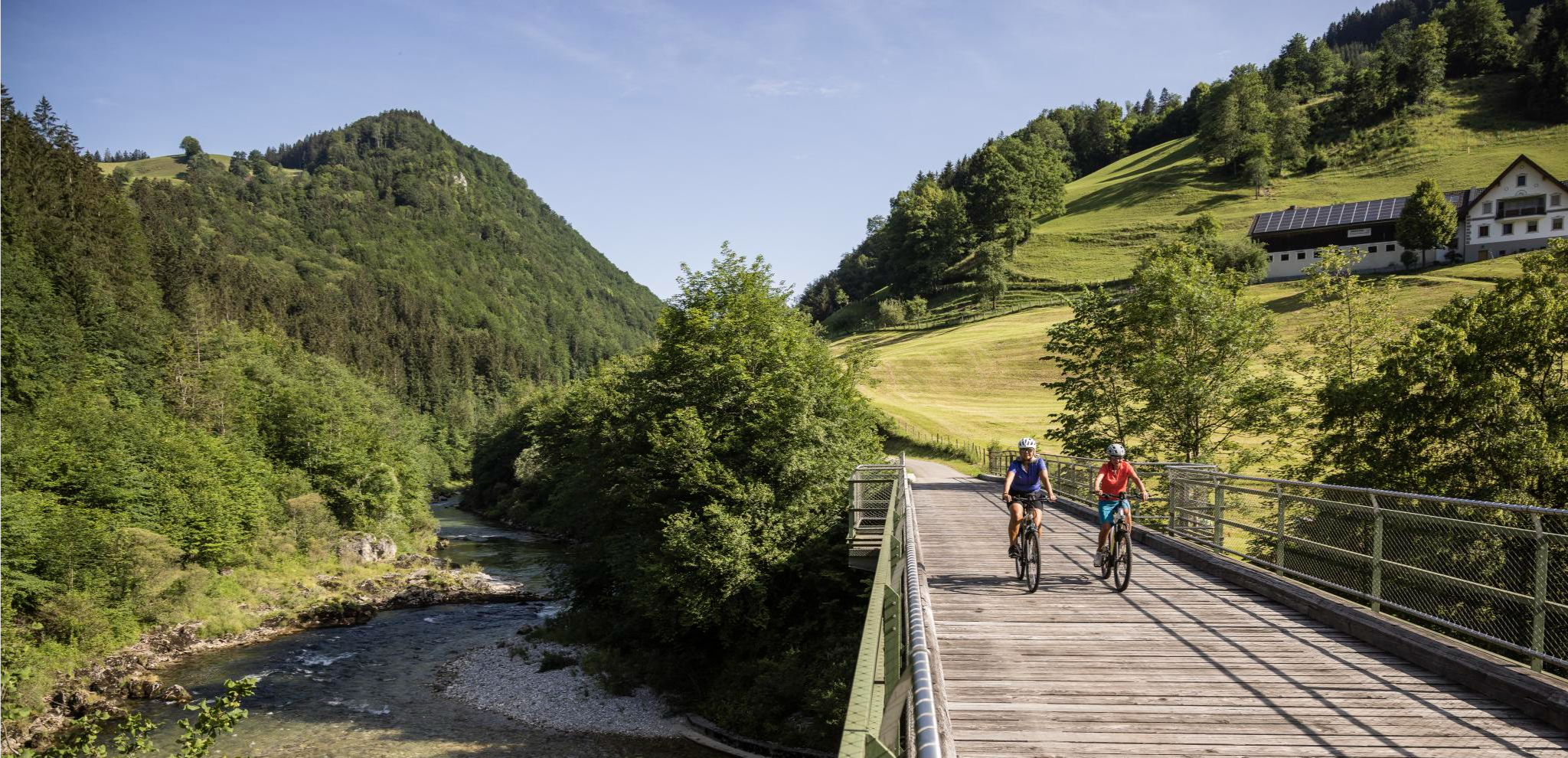
Flussradeln im Mostviertel: Genussvolle Touren entlang klarer Flüsse
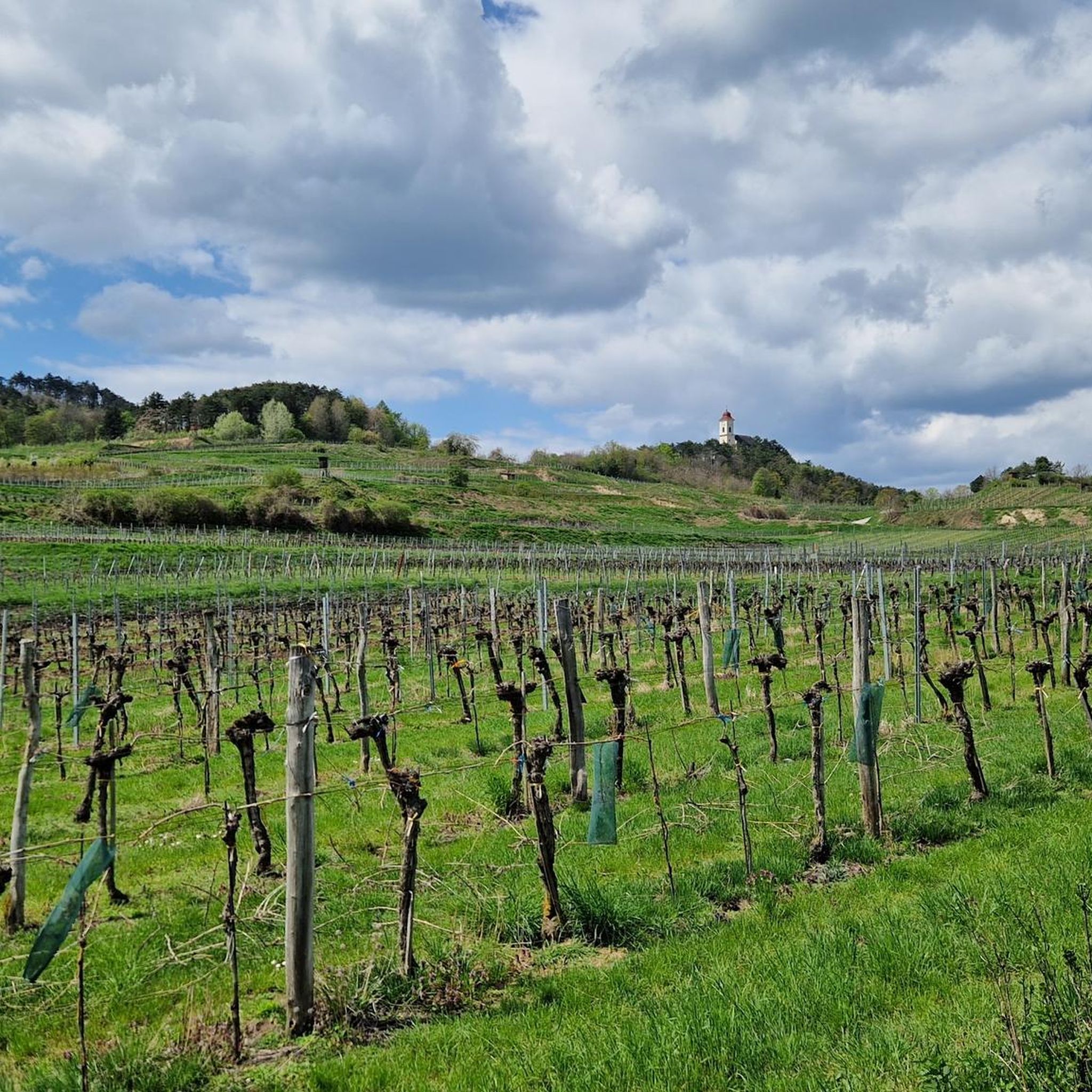
Cycling around Traismauer
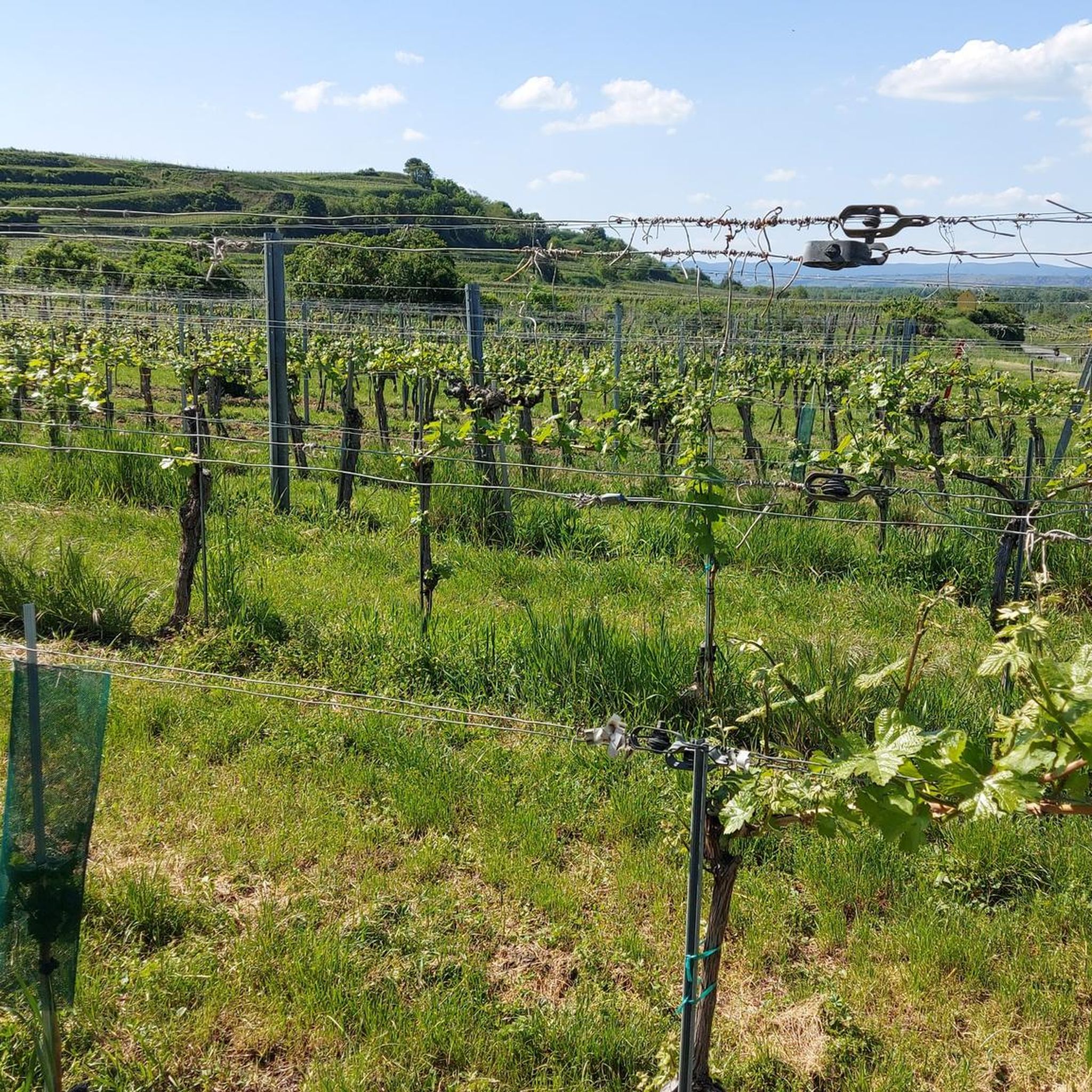
Hiking around Traismauer
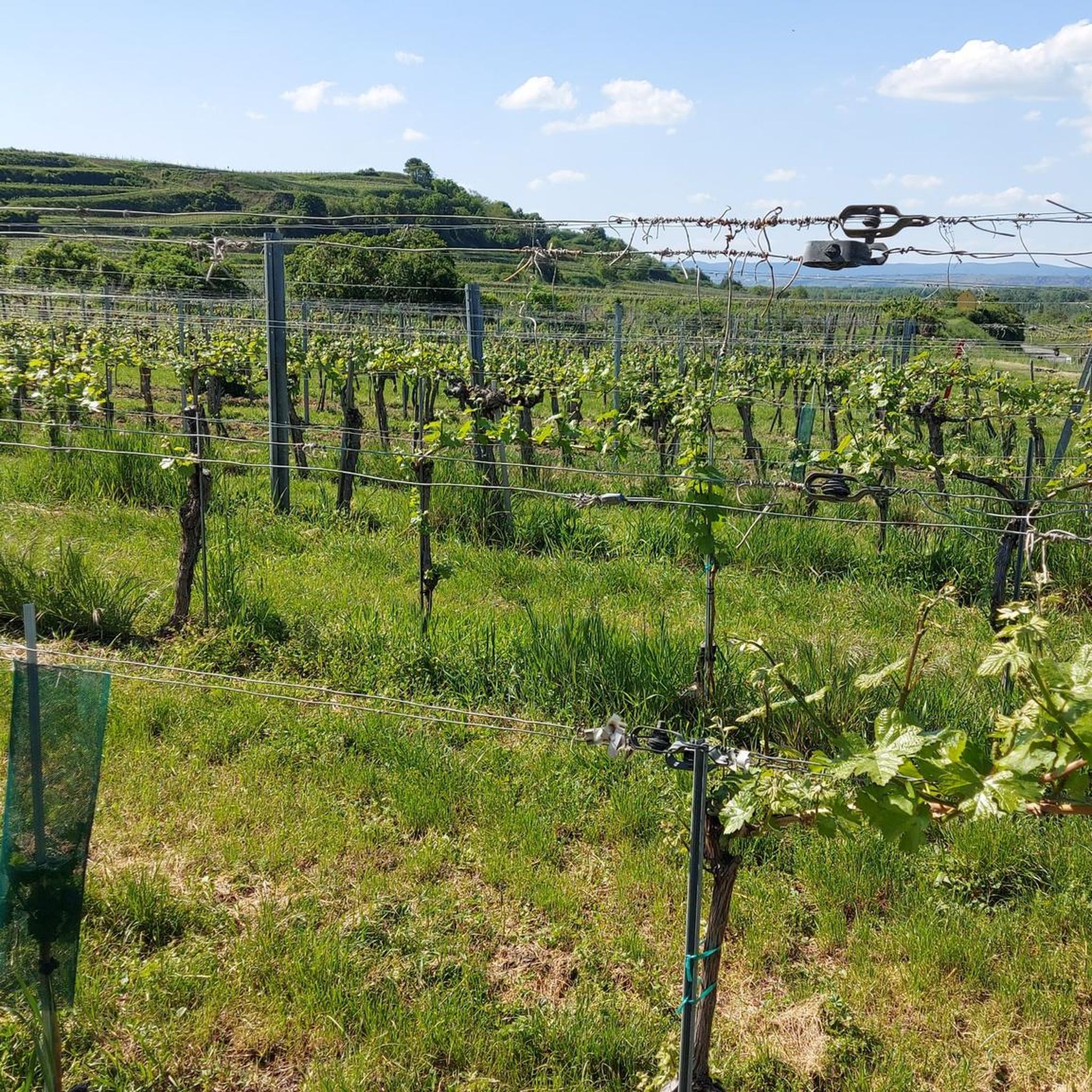
Road Cycling Routes around Traismauer
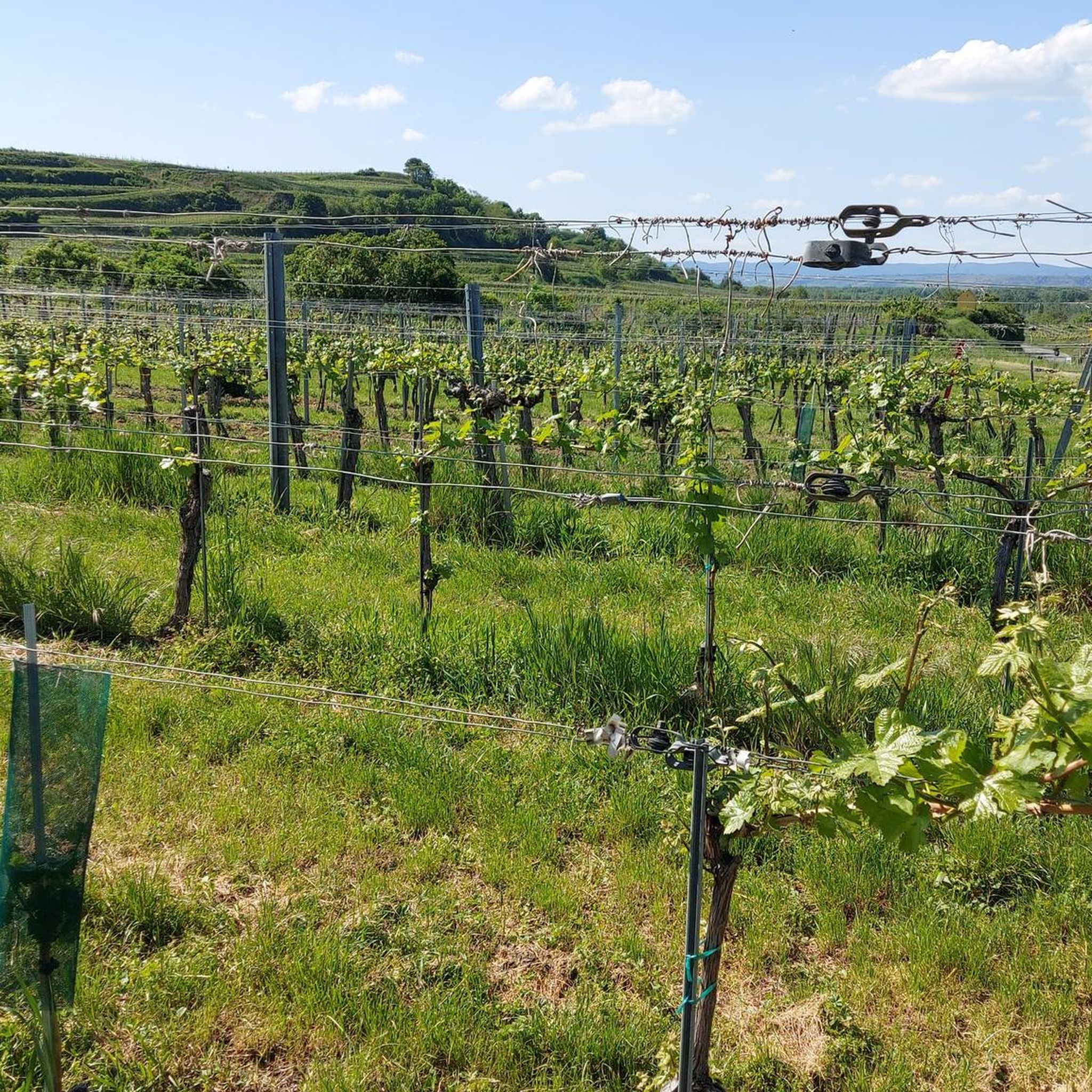
MTB Trails around Traismauer
Running Trails around Traismauer
Gravel biking around Traismauer
Other adventures around Traismauer


Tips from the Community

The Traisen renaturation was a very interesting project
0
0
very well done and nice to look at
0
0

The mouth of the Traisen river near Traismauer in Lower Austria is a fascinating example of how technology and nature can successfully come together. Here, the Traisen river meets the Danube, but it wasn't always as idyllic as it is today. Originally, the Traisen flowed into the Danube about 7.5 kilometers further upstream. With the construction of the Altenwörth Danube power plant in the 1970s, everything changed: As the water level of the Danube was raised for the power plant, the Traisen could no longer flow naturally. Therefore, a completely new riverbed had to be dug for it.
1
0

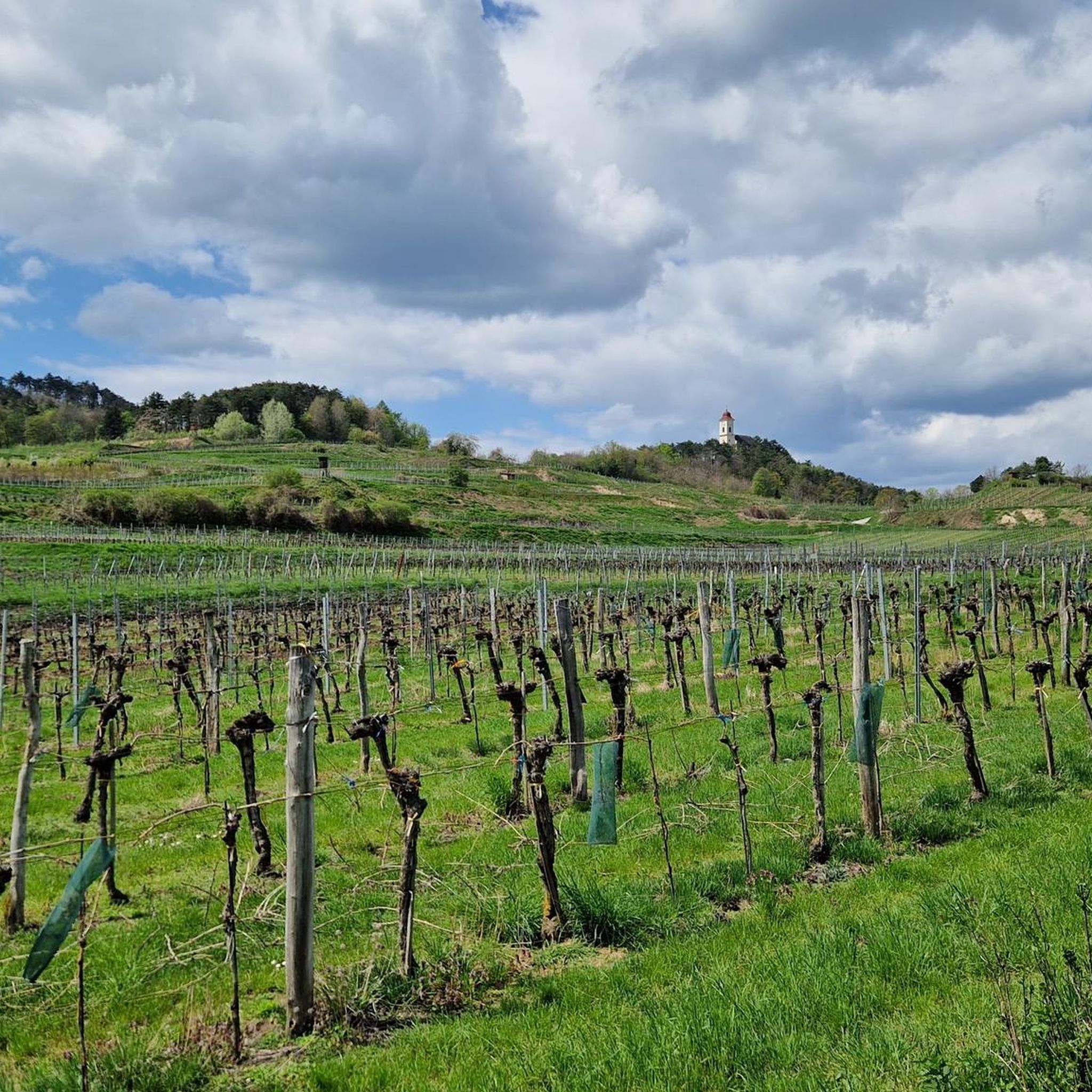
A beautiful wine-growing region crisscrossed by numerous hiking trails. Here, up to the Danube lookout point, you can hike the Great Tullnerfeld Circular Trail 475/675, the Waldviertel Long-Distance Hiking Trail 606, or the Mariazell Trail 06 – all at the same time!
0
0

At approximately 12.5 kilometers, the Altenwörth Fish Bypass is the longest of its kind in Austria and was built between 2019 and 2022 as part of the LIFE Network Danube Plus project. It allows fish such as huchen, schied, and zingel to bypass the Altenwörth Danube power plant and provides a continuous connection to the tributaries, the Kamp and Krems. The near-naturally designed bypass stream, with shallow water zones, gravel banks, and deadwood, also creates new habitats for numerous animal and plant species. The facility is also of interest to cyclists: Along the Danube and its adjacent waterways, natural paths offer views of renaturalized landscapes, small bays, and ecologically valuable rest areas. It is a successful example of how flood protection, energy use, and biodiversity can be reconciled.
3
0
One of Austria's longest fish bypasses was created between Altenwörth and Greifenstein as part of the "LIFE Network Danube Plus" project. The approximately 12.5-kilometer-long, near-naturally designed bypass stream allows fish such as huchen, zebrafish, and schied to migrate freely along the Danube and connects important habitats in the tributaries of the Kamp and Krems. Between 2019 and 2022, approximately 34 hectares of new aquatic areas were created, featuring shallow water zones, gravel banks, and deadwood areas – also for kingfishers, otters, and other protected species. In addition to its ecological benefits, the area is now also attractive to recreational travelers: Along the waterway corridor, natural banks, small bays, and viewpoints invite visitors to linger – a successful example of the combination of nature conservation, water development, and sustainable tourism.
1
0


The Altenwörth fish bypass is an important ecological measure at the Altenwörth Danube power plant in Lower Austria. It was implemented as part of the LIFE Network Danube Plus project and, with a length of 12.5 kilometers, is recognized as the longest of its kind in Lower Austria.
3
0
Frequently Asked Questions
What unique natural monuments can I explore around Traismauer?
Traismauer offers a variety of unique natural monuments. You can visit the impressive Giant Sequoias of Paudorf, a forest where North American giant sequoia seeds were planted over a century ago, now towering over local trees. Another must-see is Zellergraben, a stunning loess gorge with walls up to 12 meters high, often called the 'Grand Canyon' of the Wachau.
What kind of natural features are prominent in the Traismauer region?
The Traismauer region is characterized by a diverse landscape where the Danube and Traisen rivers converge, surrounded by vineyards. You'll find ancient forests, unique geological formations like loess terraces and gorges, and significant riverine landscapes. The area also features ecological showcase areas along the Traisen river, designed to enhance natural diversity with local flora.
Are there family-friendly natural monuments or activities in Traismauer?
Yes, several natural monuments are suitable for families. The Giant Sequoias of Paudorf offer an impressive nature trail. The Altenwörth fish pass and the Mouth of the Traisen River at the Danube are also family-friendly, offering opportunities for relaxed cycling or walking. Additionally, during summer, Traismauer features beautiful natural lakes with spacious sunbathing and play areas.
When is the best time to visit the natural monuments in Traismauer?
The natural monuments around Traismauer can be enjoyed throughout the year, but each season offers a different experience. Spring and autumn are ideal for hiking and cycling due to pleasant temperatures and vibrant scenery. Summer is perfect for visiting the natural lakes and enjoying outdoor recreation, while winter offers a serene, quiet atmosphere for those who enjoy winter walks.
What outdoor activities can I do near these natural monuments?
The region around Traismauer is excellent for various outdoor activities. You can enjoy gravel biking, mountain biking, and road cycling on numerous routes. For example, there are many routes for gravel biking around Traismauer, MTB trails, and road cycling routes. The ecological showcase areas along the Traisen river also provide flood protection zones perfect for cycling or walking tours.
Are there any natural monuments that offer panoramic views?
Yes, the region boasts several spots with magnificent views. The 'LOAMSTÜCKL', part of a scenic circular hike originating from the wine village of Wagram, offers panoramic views of the Alpine foothills, the forest and wine quarter, the Tullnerfeld, and the Danube valley. The Loess terraces – Stein an der Donau also provide great viewpoints over the surrounding wine-growing region.
Can I find hiking trails near the natural monuments in Traismauer?
Absolutely. Many natural monuments are integrated into hiking networks. The 'LOAMSTÜCKL' is part of a scenic circular hike through terraced vineyards. The Loess terraces – Stein an der Donau are located in a wine-growing region crisscrossed by numerous hiking trails, including sections of the Great Tullnerfeld Circular Trail and the Wachau World Heritage Trail.
What are the geological highlights among Traismauer's natural monuments?
The most prominent geological features are the loess formations. The Loess terraces – Stein an der Donau feature loess formations up to 25 meters high, formed by wind-blown dust from the ice ages. Similarly, Zellergraben is a loess gorge with impressive walls up to twelve meters high, providing a unique insight into the region's geological past.
What do visitors particularly enjoy about the natural monuments in Traismauer?
Visitors appreciate the diverse natural beauty and the opportunities for outdoor activities. The impressive scale of the Giant Sequoias of Paudorf and the unique geological formations of Zellergraben are frequently highlighted. The renatured river landscapes, such as the Mouth of the Traisen River at the Danube, are also praised for their ecological significance and tranquil atmosphere.
Are there any natural areas focused on ecological preservation in Traismauer?
Yes, Traismauer features ecological showcase areas directly on the Traisen river. These areas exemplify sustainable landscaping, with less-used sections planted with local flora to enhance natural diversity. They also serve as shaded rest and relaxation zones, contributing to local recreation and environmental preservation.
Can I combine a visit to a natural monument with wine tasting?
Absolutely. The region around Traismauer is known for its vineyards. The 'LOAMSTÜCKL' is embedded within terraced vineyards, and the Loess terraces – Stein an der Donau are part of a wine-growing region. Many hiking trails crisscross these areas, offering the perfect opportunity to combine a nature walk with a visit to a local winery.
Most popular routes around Traismauer
Most popular attractions around Traismauer

Get inspired with the komoot mobile app


Explore more
Extend your search for the best caves by checking out these guides of the top ones around Traismauer:
