Top 17 Natural Monuments around Puch bei Weiz
Best natural monuments around Puch bei Weiz are situated amidst the gentle hills and green meadows of Eastern Styria, Austria. The region offers natural attractions characterized by unique features and scenic beauty. Visitors can explore a landscape that transitions from river gorges to prominent peaks, providing diverse outdoor experiences. This area is a destination for those seeking natural landmarks and hiking trails.
Best natural monuments around Puch bei Weiz
- The most popular natural monuments is Hoher Zetz summit cross,…
Last updated: August 17, 2026
Hoher Zetz summit cross
Highlight • Summit
Translated by Google •
Tip by

Kulm Summit
Highlight • Summit
Translated by Google •
Tip by

Sign up now to discover places like this
Get recommendations on the best single tracks, peaks, & plenty of other exciting outdoor places.
Sign up for free
Raas Summit Cross
Highlight • Summit
Ticks are not uncommon!
Translated by Google •
Tip by

Summit Cross at Schießhütte
Highlight • Summit
Translated by Google •
Tip by

Rope protection
Highlight • Gorge
Translated by Google •
Tip by

Sign up for free to discover even more natural monuments around Puch bei Weiz.
Sign up for free
Already have an account?
Start today with a free account
Your next adventure awaits.
Login or Signup
Popular around Puch bei Weiz
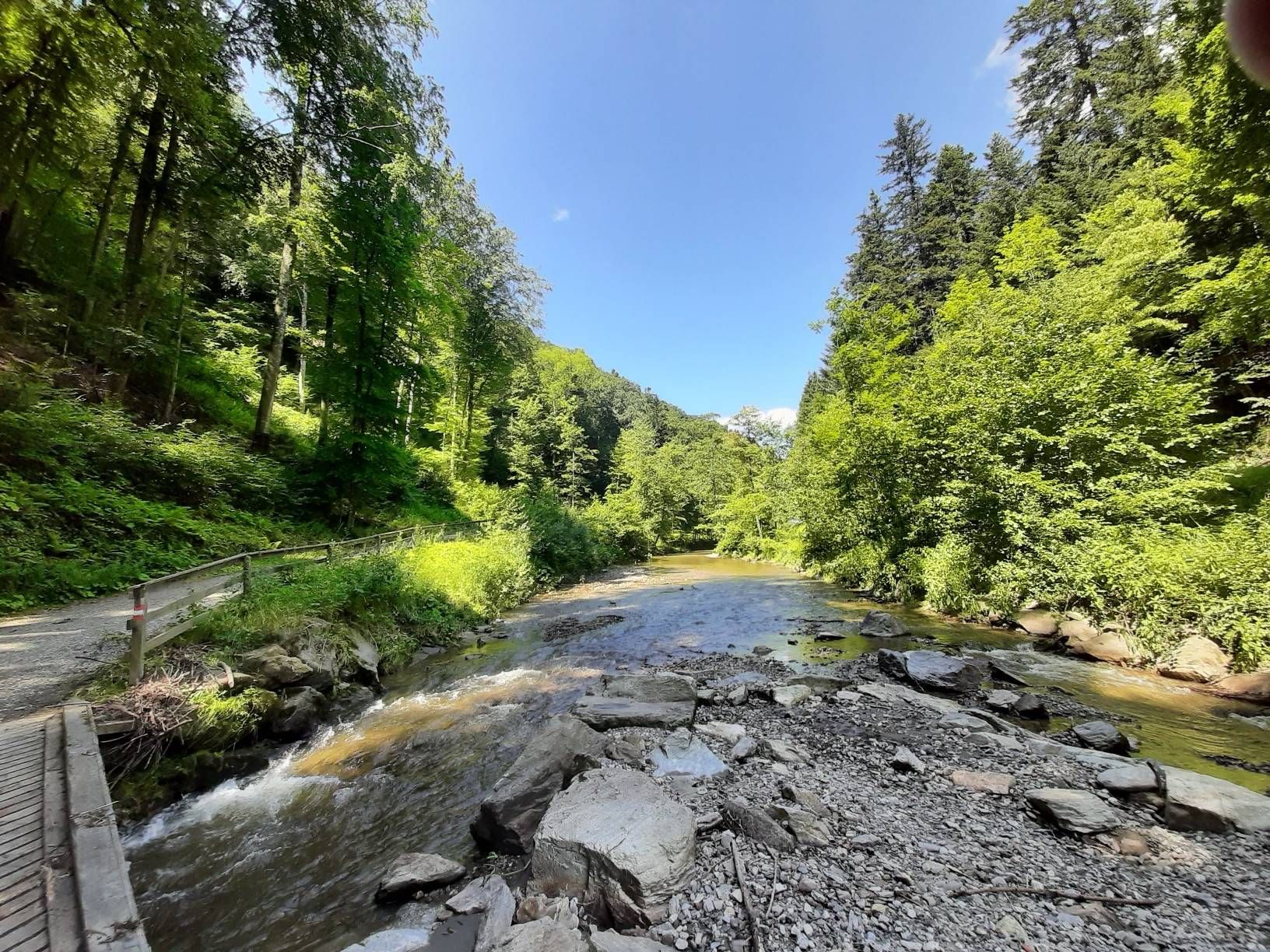
The Styrian Wine Country Cycle Trail – exploring Austria's wine culture
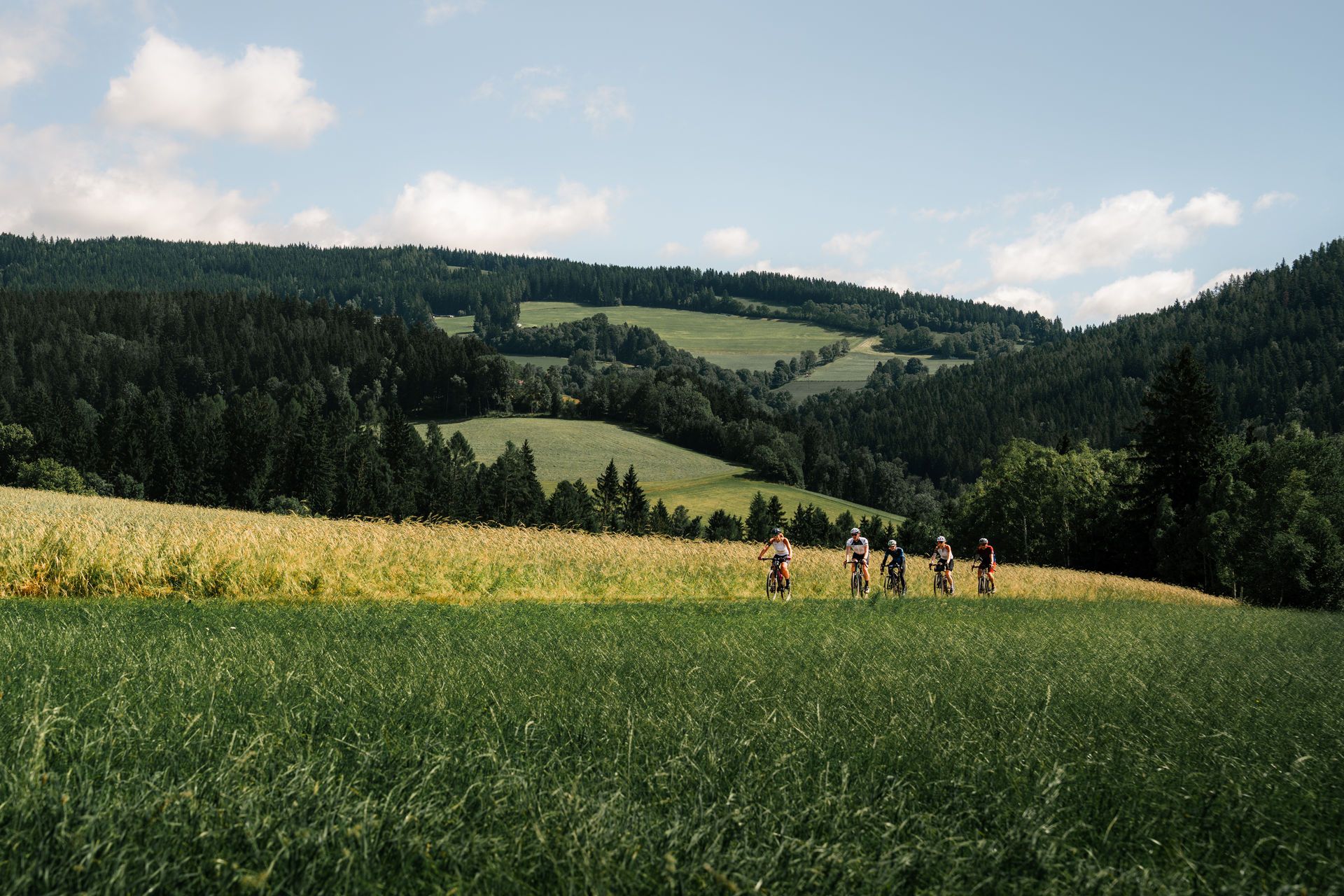
Spring awakening – through Eastern Styria on two wheels
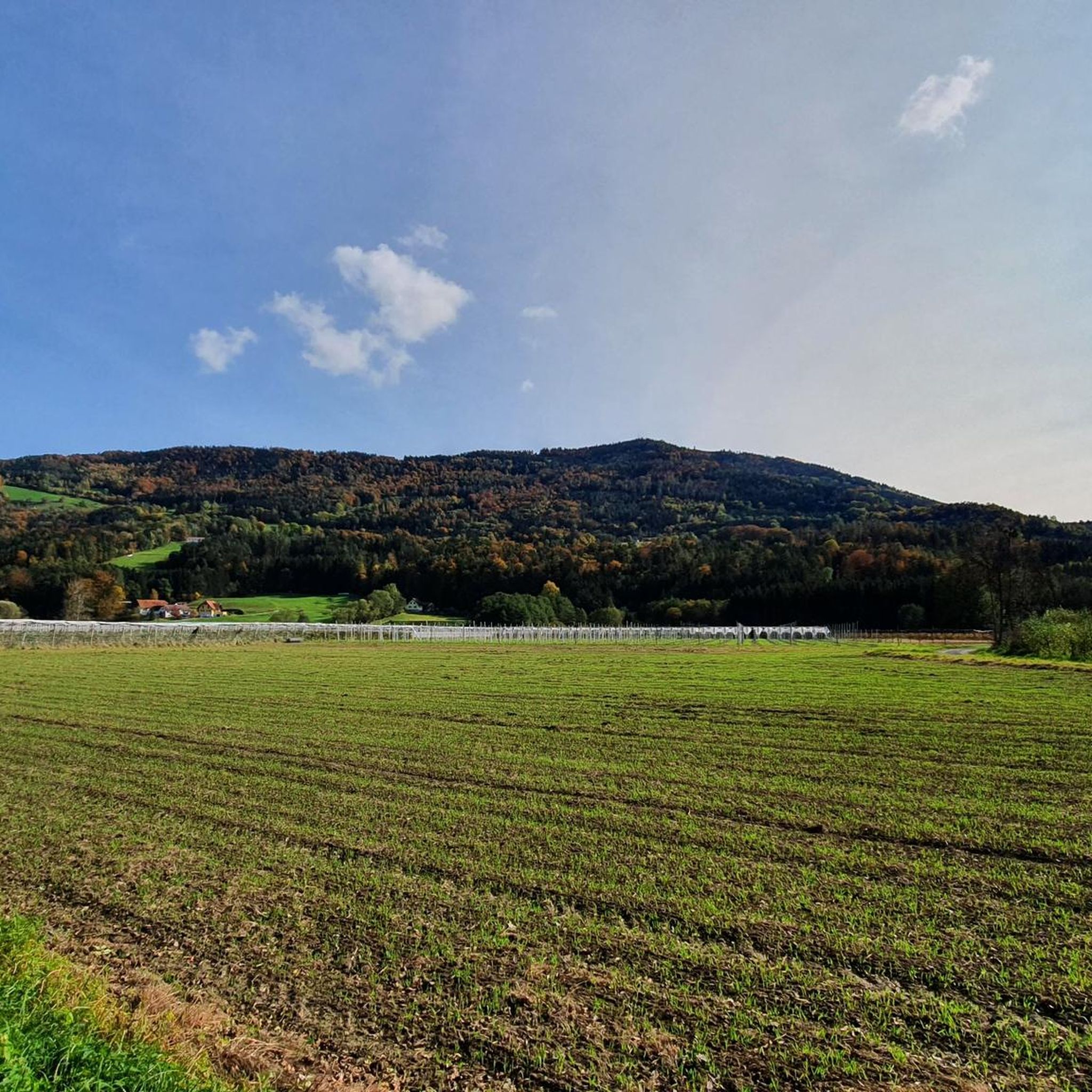
Road Cycling Routes around Puch bei Weiz
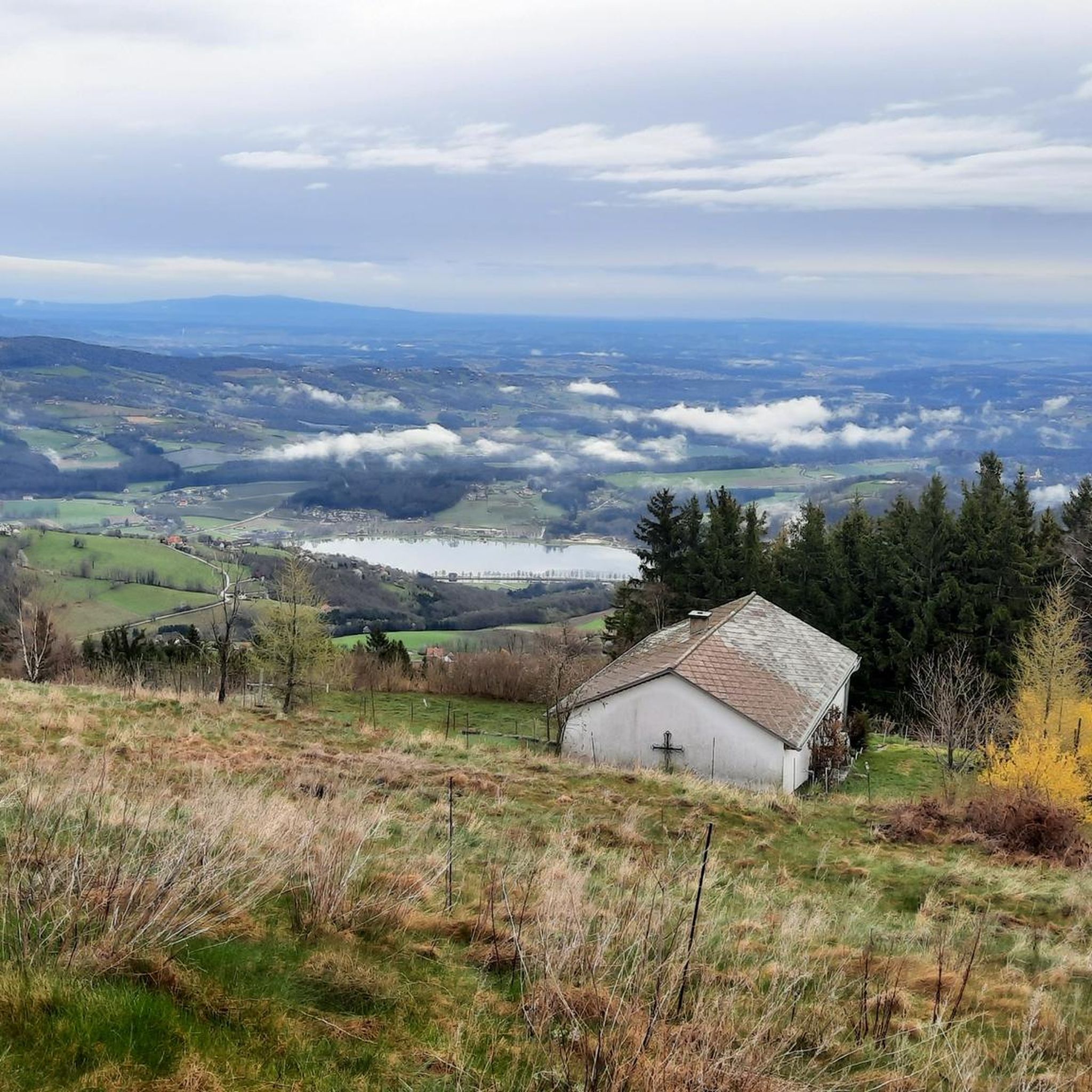
Hiking around Puch bei Weiz
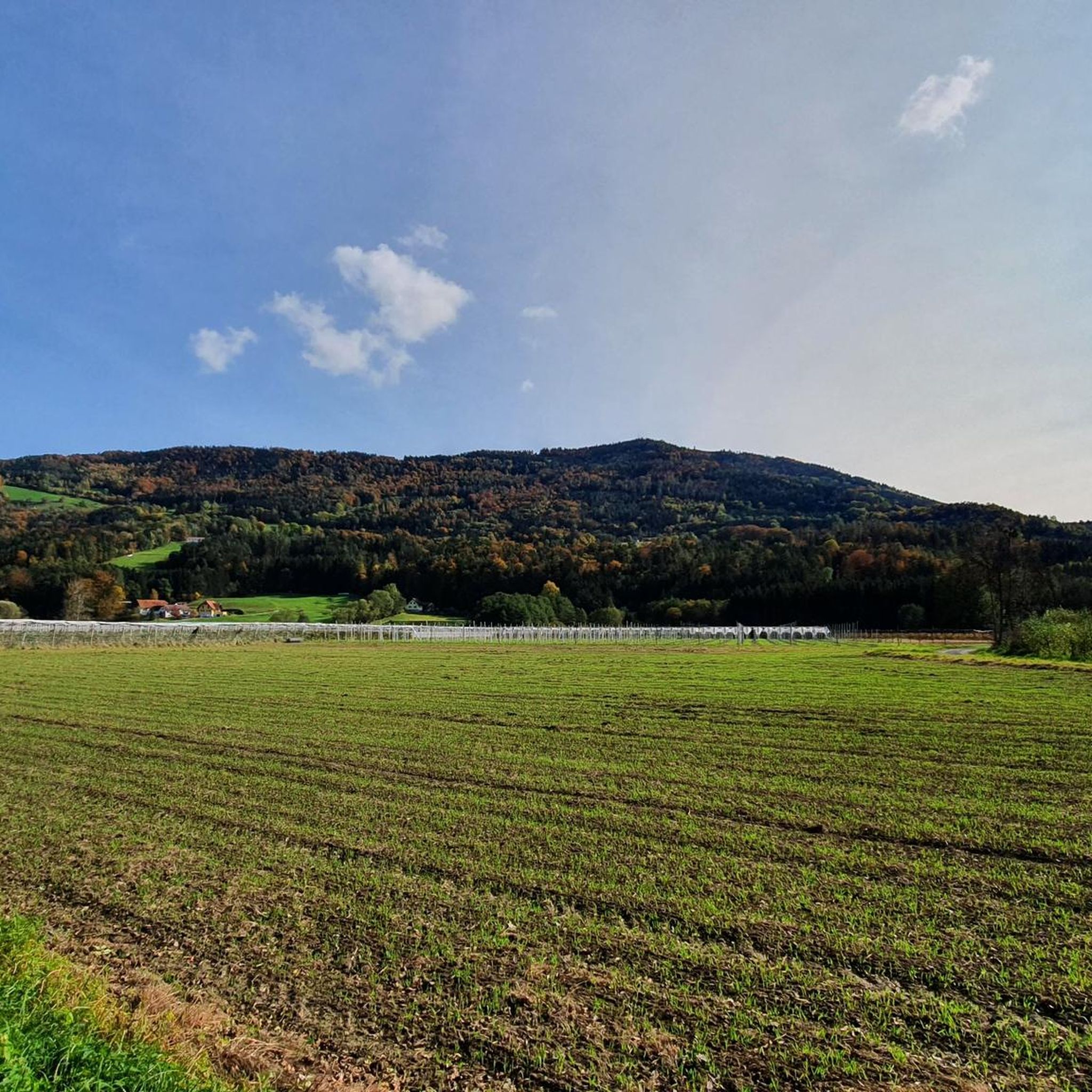
Cycling around Puch bei Weiz
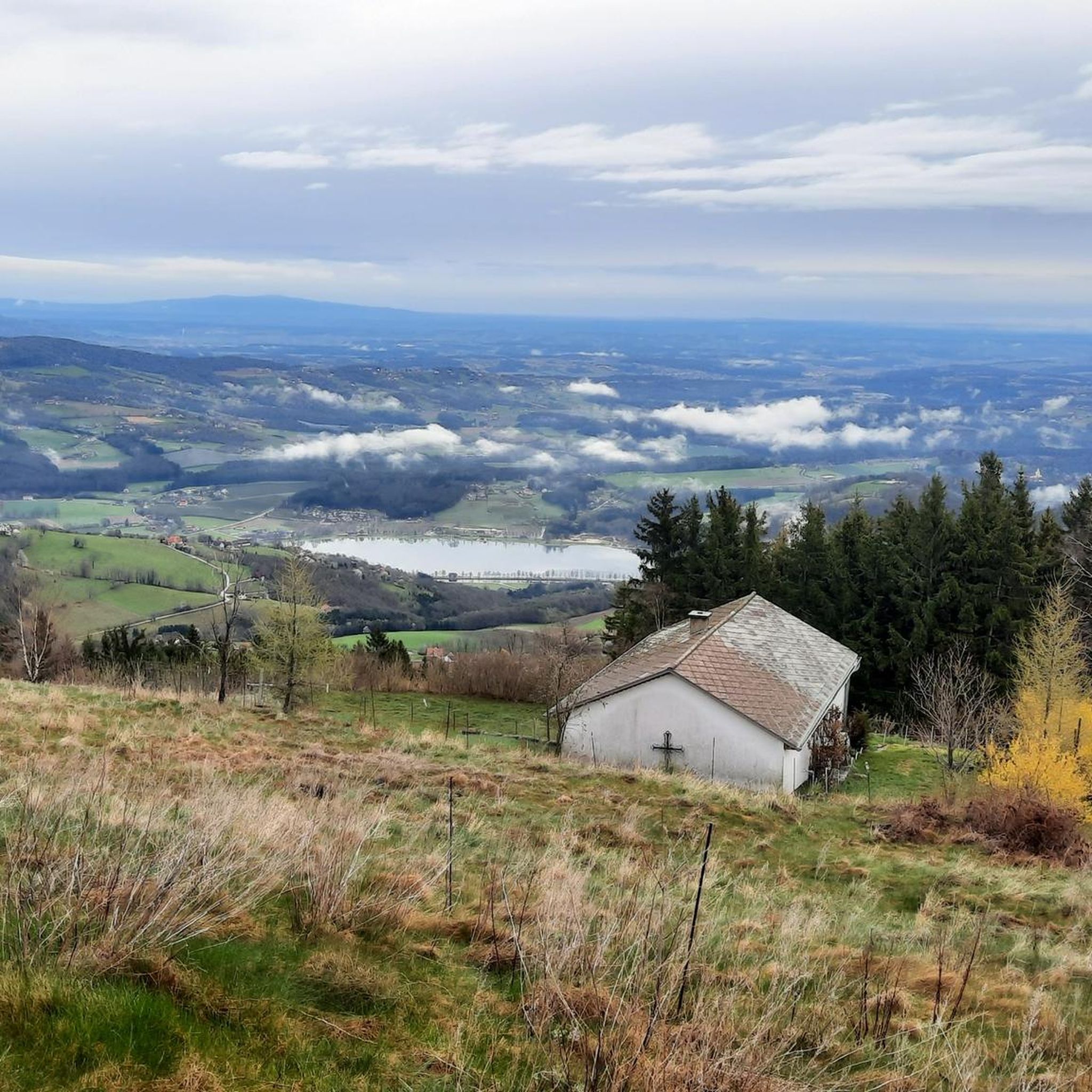
Running Trails around Puch bei Weiz
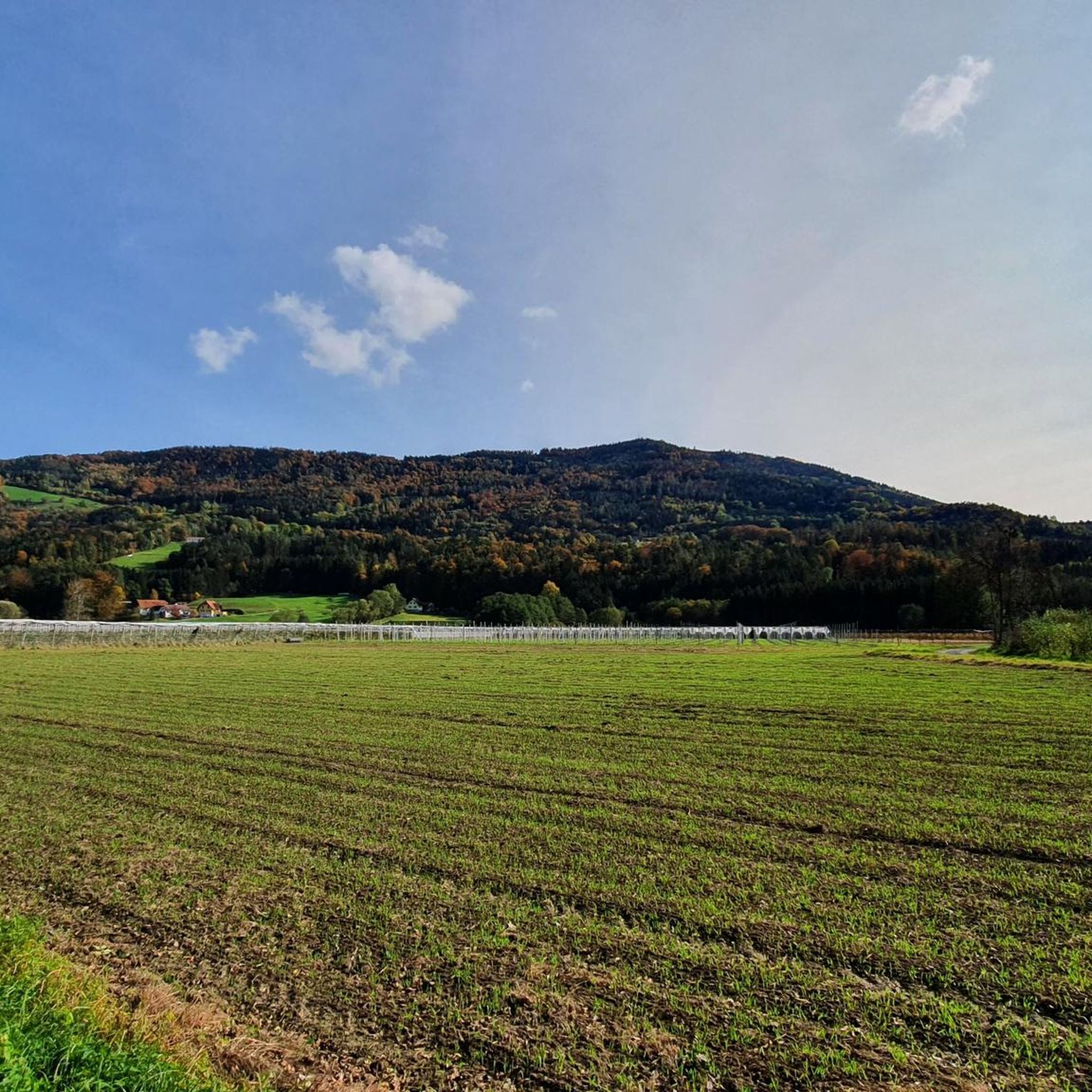
MTB Trails around Puch bei Weiz

Gravel biking around Puch bei Weiz
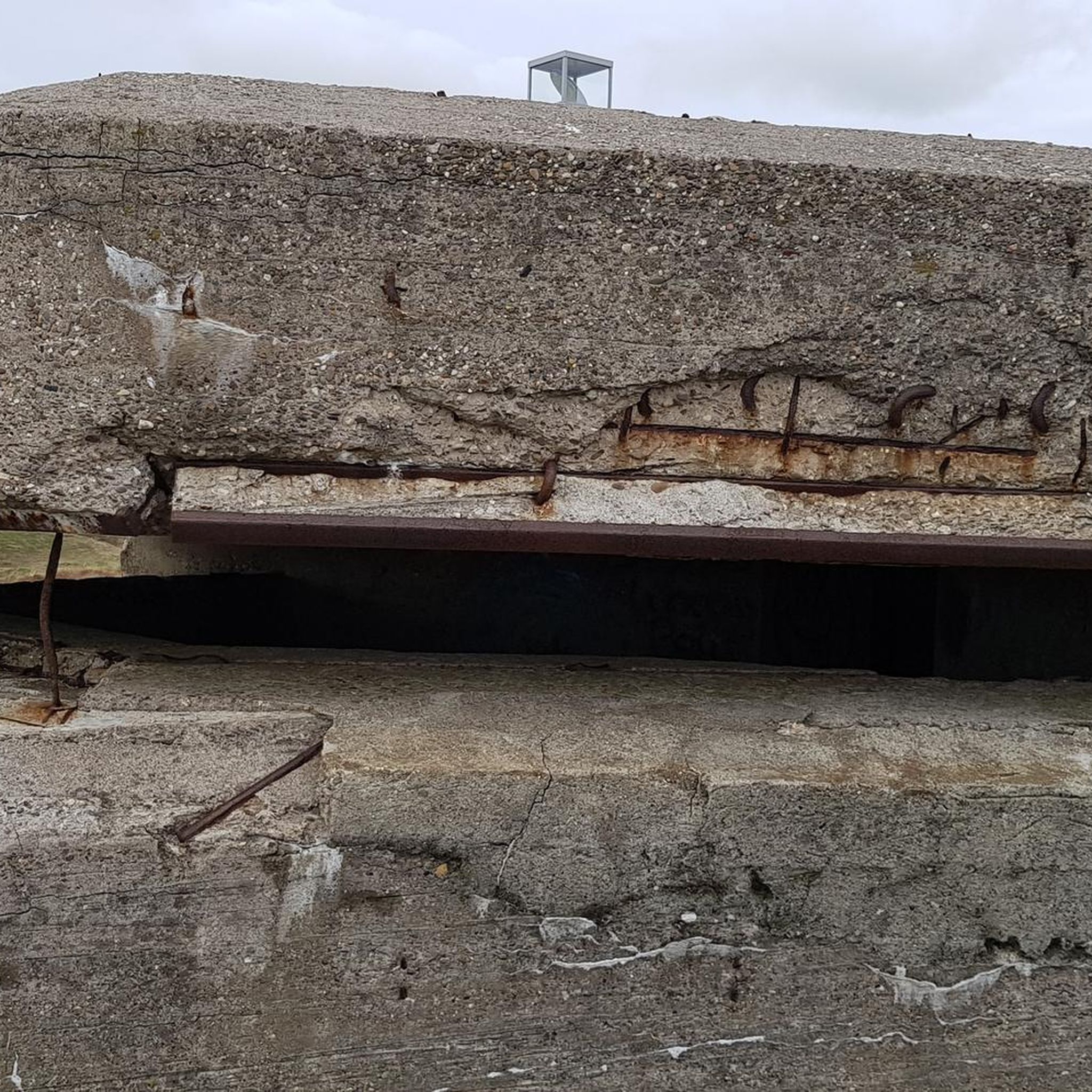
Mountain Hikes around Puch bei Weiz


Tips from the Community

A visit here is worthwhile for the view alone. The summit itself looks a bit unkempt and dated. The many empty "Lost Place" chapels do their part. During my tour, the summit cross was also missing, although the pedestal is still there. But never mind... just don't let it spoil your good mood and enjoy the view.
0
0

„The third ray of grace strikes one of the soldiery, the centurion.“, Bishop Reinhold STECHER once said in a Good Friday sermon. He speaks of four flashes of lightning which – like heat lightning in the mountains – illuminate the darkness of Christ's dying hour in advance with the Easter light of the resurrection. The popular pastor continues: „He has already witnessed many executions, and it was always the case that the tortured condemned cursed their tormentors to their last breath. The curse was the last magical weapon. But he had never experienced a crucified person praying: 'Father, forgive them, for they know not what they do.' When he spoke the words 'Truly, this was God's Son,' he probably wanted to say from his perspective: 'This was not a criminal, this was a God-fearing man.' Here the ray [of recognition] has penetrated the Roman armor.“
0
0
The classic cross shape with a longitudinal and a transverse beam, as we encounter it here on the Raas, can also be visually seen as a plus sign. The popular Innsbruck bishop Reinhold Stecher once explained this in one of his sermons as follows: "The small vertical stroke from minus to plus, which means so much in the mathematical equation, is in God's salvation algebra in its consequences not at all to be underestimated. Our existence is torn upwards, just as a whirlwind tears up leaves and branches. The great equation is therefore: Plus, parenthesis open, and then comes the long list with fate and guilt, darkness and light, merit and failure, fumbling faith and glimmering hope, parenthesis closed, is equal to: redeemed human."
0
0
Before the cross crowning the summit of the 'Hoher Zetz' here, I would like to recall a fitting thought from Bishop Reinhold Stecher (*1921, + 2013). Martin Kolozs, in a podcast by ORF, paid tribute to the beloved pastor: „Above all, the mountains... he preferably chose them as a symbol of the often questioned, often burdened, but equally often confirmed relationship between man and God, which manifests itself wonderfully and healingly in experiences with nature. For Reinhold Stecher, who climbed all the peaks around Innsbruck and celebrated countless mountain masses, respect for and protection of God's creation were equivalent to divine worship, as he was rock-solidly convinced: »Many paths lead to God. One leads over the mountains.« (Source: https://oe1.orf.at/programm/20180202/503400/Martin-Kolozs-ueber-Reinhold-Stecher )
0
0

From the summit cross of the Hoher Zetz you have a beautiful view towards Schöckl, the Sommeralm with the Plankogel 🗻 and to the east of the Kulm and Burgenland 🌞 On very clear days all the way to Hungary 🌏 Since you are allowed to park at the Gschnaidter Kreuz at around 825 meters above sea level, it is also possible to stay there until sunset 🌄, as on the way back you can also choose forest paths for the descent, with the exception of the first hundred meters in altitude 🌜🦊
8
0

The high Zetz is an easily accessible mountain in the Weiz district. When we were there on a beautiful autumn day, it was very busy. There is a summit cross and a few opportunities to sit down (stones, meadow). View not completely clear due to trees.
2
0
A few parts of the large Raabklamm are secured with rope so that you can stop. But there are no difficult passages
0
0
Nice mountain that is easy to walk in winter. For the last piece you may need Grödel with ice cream. Great views in several directions. At the top the paths are a bit confusing, with barriers - but you can find your way around.
1
0
Frequently Asked Questions
What are some of the most popular natural monuments to visit around Puch bei Weiz?
The region around Puch bei Weiz offers diverse natural monuments. Highly rated by visitors are the Hoher Zetz summit cross, which provides expansive views towards Schöckl and the Sommeralm, and the challenging Jägersteig in Weiz Gorge. Another notable spot is the Patscha Summit Cross, offering an idyllic, wooded setting.
Are there any notable gorges or ravines to explore near Puch bei Weiz?
Yes, the region is known for its impressive gorges. The Jägersteig in Weiz Gorge offers a challenging trail with varied impressions. Further afield, the Feistritzklamm (Feistritz Gorge) provides wild, untouched nature along the Feistritz river, ideal for cycling. The Raabklamm (Raab Gorge), located in the Almenland Nature Park, is renowned as Austria's longest gorge, featuring rugged ravines and romantic footbridges.
What kind of views can I expect from the summits around Puch bei Weiz?
The summits in the area offer rewarding panoramic views. From the Hoher Zetz summit cross, you can enjoy beautiful vistas towards Schöckl, the Sommeralm, and the Kulm, with views extending to Burgenland and even Hungary on clear days. The Kulm Summit, due to its prominent position on the southeastern edge of the Alps, also provides excellent views over the Eastern Styrian hill country.
What outdoor activities can I do near the natural monuments around Puch bei Weiz?
The area is excellent for various outdoor activities. You can enjoy mountain hikes, with routes like the Hoher Zetz Summit loop. For cyclists, there are extensive MTB trails, including those through the Feistritz Gorge, and numerous road cycling routes. You can find more details on these activities in the Mountain Hikes around Puch bei Weiz, MTB Trails around Puch bei Weiz, and Road Cycling Routes around Puch bei Weiz guides.
Are there family-friendly natural attractions or activities in the region?
While specific natural monuments may vary in difficulty, the wider region offers family-friendly options. The Stubenbergsee, known as Austria's warmest swimming lake, is a popular spot for families, offering recreational activities in a natural setting. Many of the cycling paths, such as sections of the Feistritztalradweg through the Feistritzklamm, can also be enjoyed by families.
What is the best time of year to visit the natural monuments around Puch bei Weiz?
The natural monuments around Puch bei Weiz are beautiful year-round. Spring and autumn offer pleasant temperatures for hiking and cycling, with vibrant foliage or blooming landscapes. Summer is ideal for enjoying the Stubenbergsee and longer outdoor excursions. Even in winter, some trails might be accessible for winter hikes, though conditions can be muddy or slippery, especially in gorges like the Rope protection section of the Raabklamm.
Are there any natural monuments that are particularly good for scenic viewpoints?
Absolutely. The Hoher Zetz summit cross is a prime location for scenic views, offering broad panoramas. The Kulm Summit also provides excellent vistas over the surrounding landscape. Even challenging trails like the Jägersteig in Weiz Gorge can reward visitors with 'aha moments' and great impressions from various viewpoints along the way.
What should I bring for a hike around the natural monuments?
For hiking in the region, it's advisable to wear sturdy footwear, especially for trails in gorges or on summits where surefootedness might be required. Depending on the weather, bring appropriate layers, rain gear, and sufficient water. For challenging routes like the Jägersteig, consider bringing trekking poles. After rain, trails can be muddy and slippery, so be prepared.
Are there any natural monuments with historical significance?
While many natural monuments in the region are appreciated for their geological or ecological value, the Kulm Summit is also noted as a historical site. The broader Weiz district also protects individual ancient trees, such as the oldest protected yew in Styria, which hold historical and natural significance.
What is the difficulty level of hiking trails near these natural monuments?
Hiking difficulties vary. Many summit trails, like those leading to Hoher Zetz or Patscha Summit Cross, are generally considered moderate. However, gorge trails such as the Jägersteig in Weiz Gorge can be challenging and require surefootedness, sometimes even a head for heights. Always check route descriptions for specific difficulty ratings.
Can I bring my dog to the natural monuments and hiking trails?
Many hiking trails in the region are dog-friendly, allowing you to explore the natural monuments with your canine companion. However, it's always recommended to keep dogs on a leash, especially in nature protection areas or near wildlife. Specific rules may apply in certain gorges or protected areas, so it's best to check local signage.
Are there cafes or restaurants near the natural monuments for refreshments?
While specific cafes directly at every natural monument might be limited, the towns and villages surrounding Puch bei Weiz, such as Puch bei Weiz itself, Weiz, and Stubenberg, offer various restaurants, pubs, and cafes where you can find refreshments and local cuisine after your outdoor adventures. Some popular hiking routes may also pass by traditional inns or mountain huts.
Most popular routes around Puch bei Weiz
Most popular attractions around Puch bei Weiz

Get inspired with the komoot mobile app


Explore more
Extend your search for the best caves by checking out these guides of the top ones around Puch bei Weiz:
