Sankt Johann in der Haide
Sankt Johann in der Haide
Top 12 Natural Monuments around Sankt Johann in der Haide
Natural monuments around Sankt Johann in der Haide showcase a diverse natural landscape, featuring significant trees, wetlands, and unique geological formations. The area is characterized by its ecological value and natural beauty, offering opportunities for quiet contemplation and nature observation. These designated sites represent the region's natural heritage, providing insights into local ecosystems and historical significance.
Best natural monuments around Sankt Johann in der Haide
- The most popular natural monuments is Hartberger Gmoos, a wetland that is a European protected area and the last large wetland in East Styria. It serves as a natural recreation and rest area for numerous plant and animal species.
- Another must-see spot is Heiligenbrunn Chapel and Holy Spring, a religious site featuring a healing spring. Visitors can find a quiet, contemplative place here, with the spring's water traditionally believed to have positive effects.
- Visitors also love Fuchsschweifteich Pond, one of two ponds in a European protected area. This beautiful spot offers an easy circular trail for walks and is worth visiting throughout the year.
- Sankt Johann in der Haide is known for impressive trees like the Stieleiche (Pedunculate Oak) and Winterlinde (Small-leaved Lime), as well as wetlands and ponds. The region offers a variety of natural monuments to see and explore, highlighting its rich biodiversity.
- The natural monuments around Sankt Johann in der Haide are appreciated by the komoot community, with 123 upvotes and 12 photos shared by visitors.
Last updated: July 7, 2026
Hartberger Gmoos
Highlight • Natural
Translated by Google •
Tip by

Heiligenbrunn Chapel and Holy Spring
Highlight • Religious Site
sagen.at/doku/quellen/quellen_stmk/Limberg_Heiligenbrunn.html
Translated by Google •
Tip by

Sign up now to discover places like this
Get recommendations on the best single tracks, peaks, & plenty of other exciting outdoor places.
Sign up for free
Fuchsschweifteich Pond
Highlight (Segment) • Lake
Translated by Google •
Tip by

Allmerfelsen
Highlight • Climb
Source: Wikipedia
Translated by Google •
Tip by

300-year-old oak
Highlight • Natural Monument
Source: The border guard circular hiking trail - information brochure
Translated by Google •
Tip by

Sign up for free to discover even more natural monuments around Sankt Johann in der Haide.
Sign up for free
Already have an account?
Start today with a free account
Your next adventure awaits.
Login or Signup
Popular around Sankt Johann in der Haide
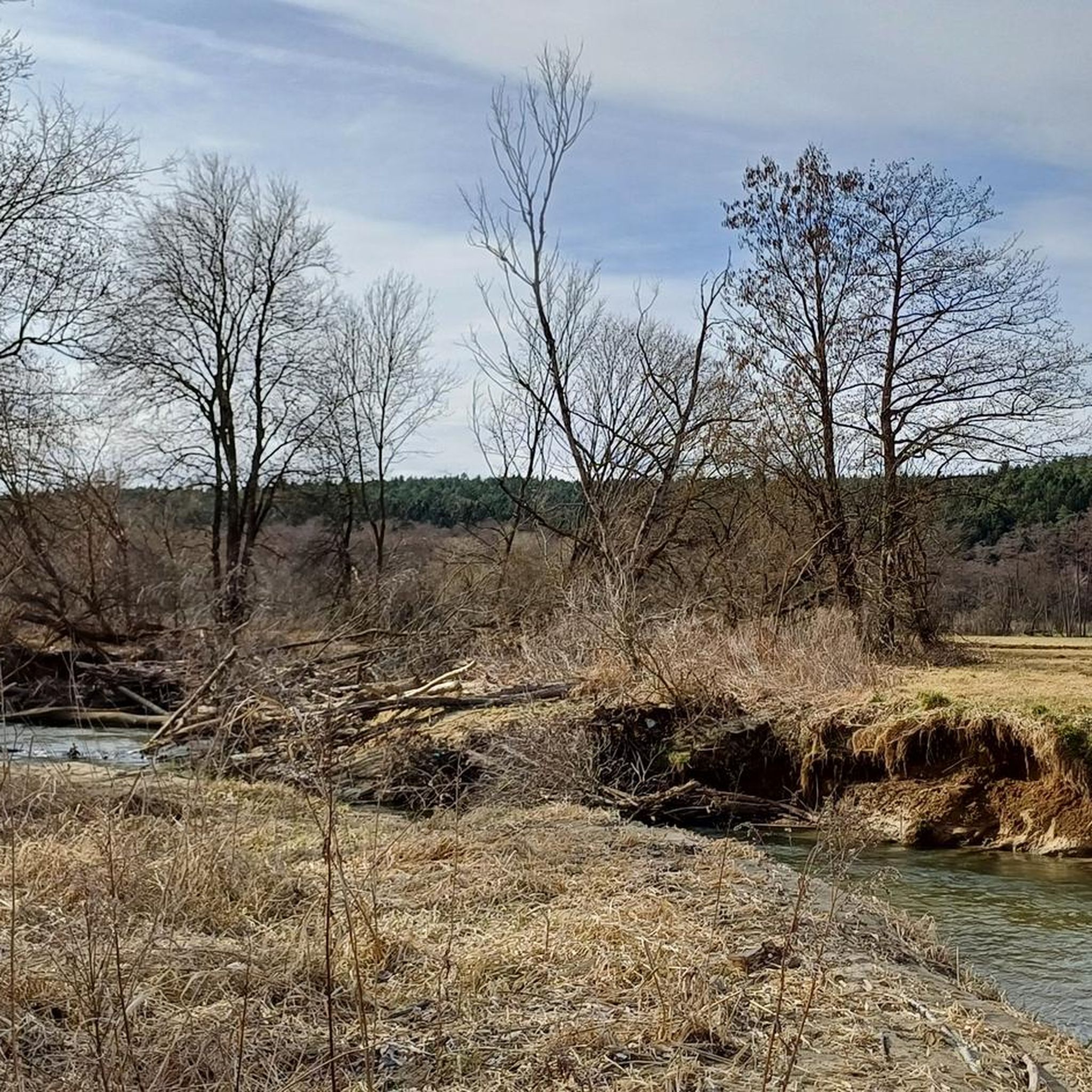
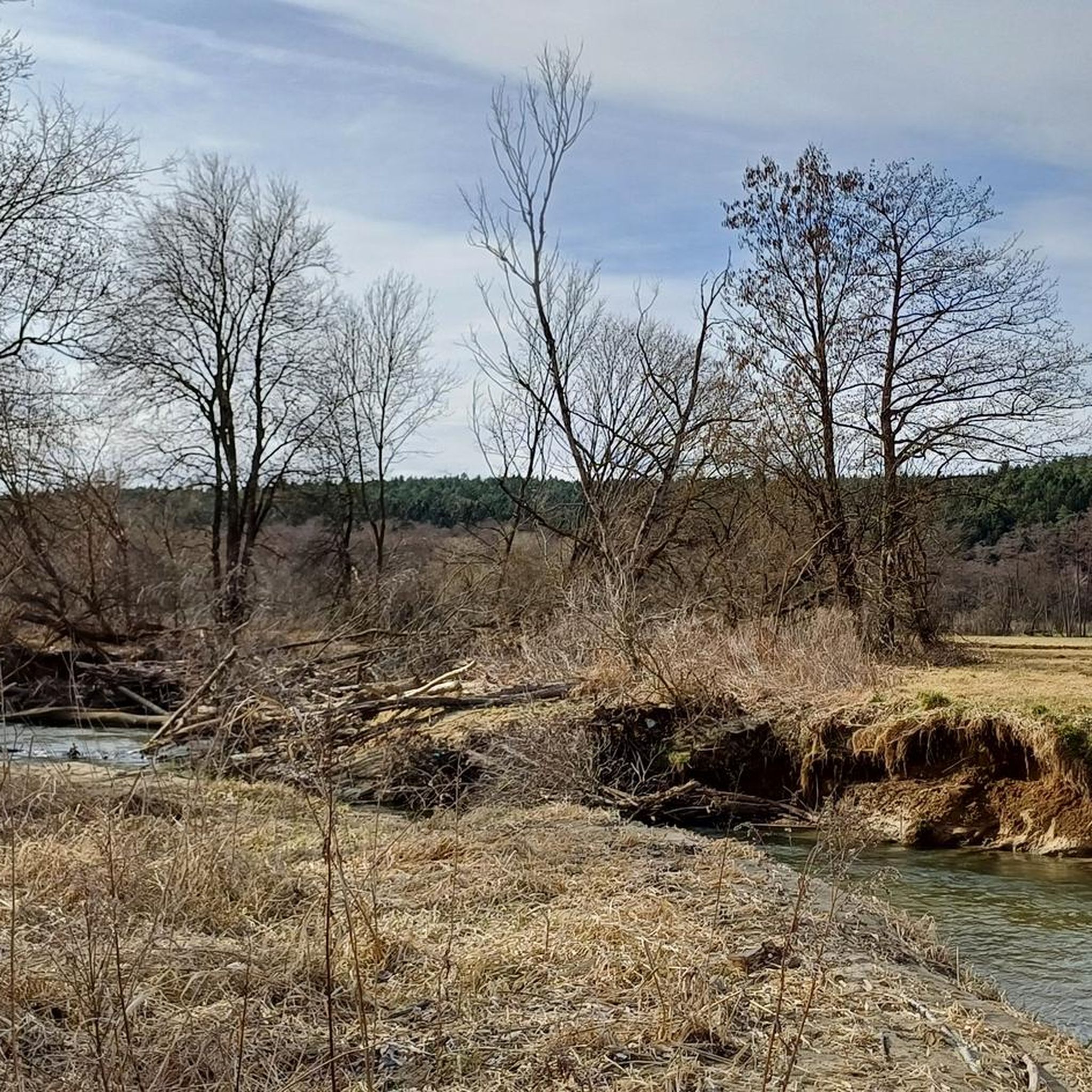
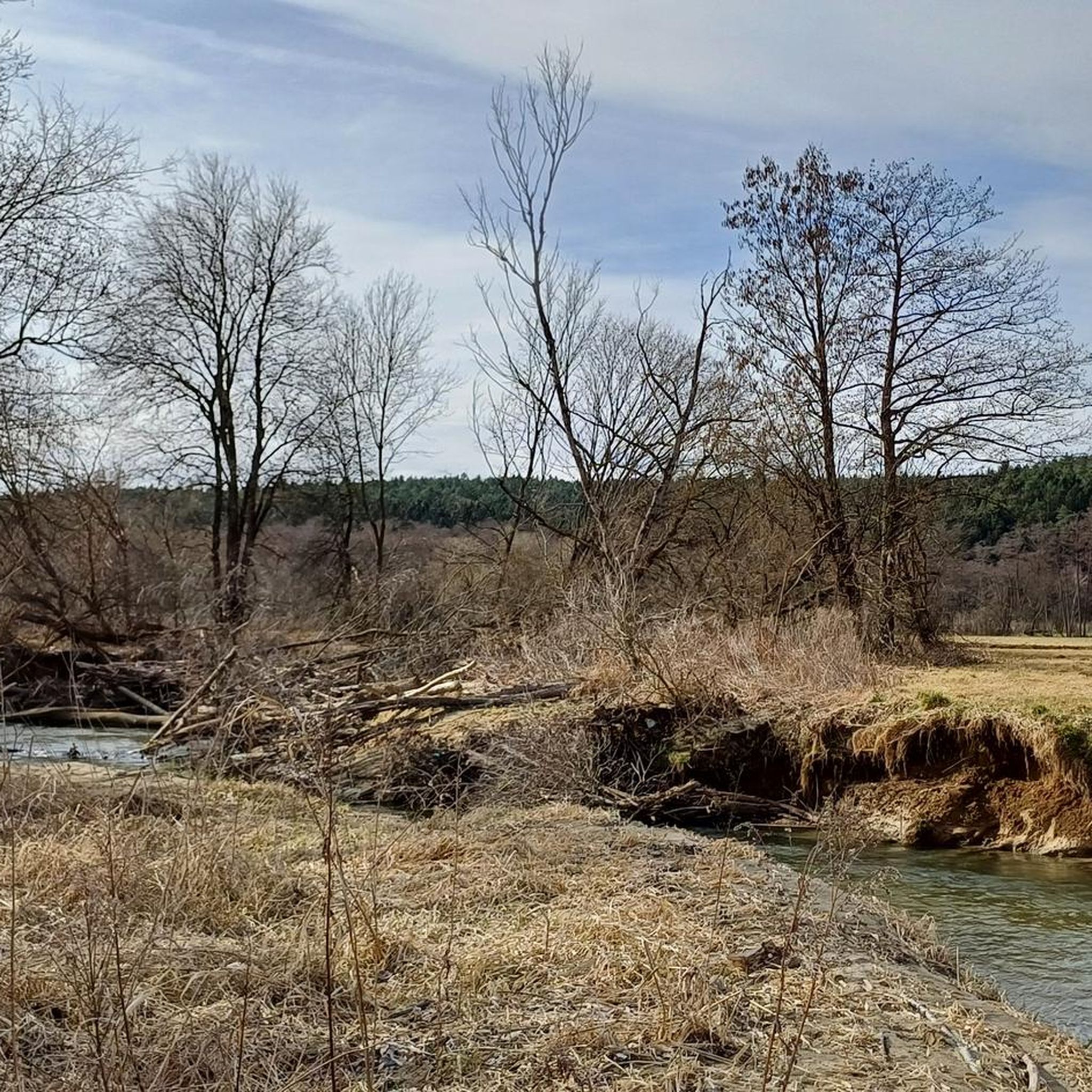
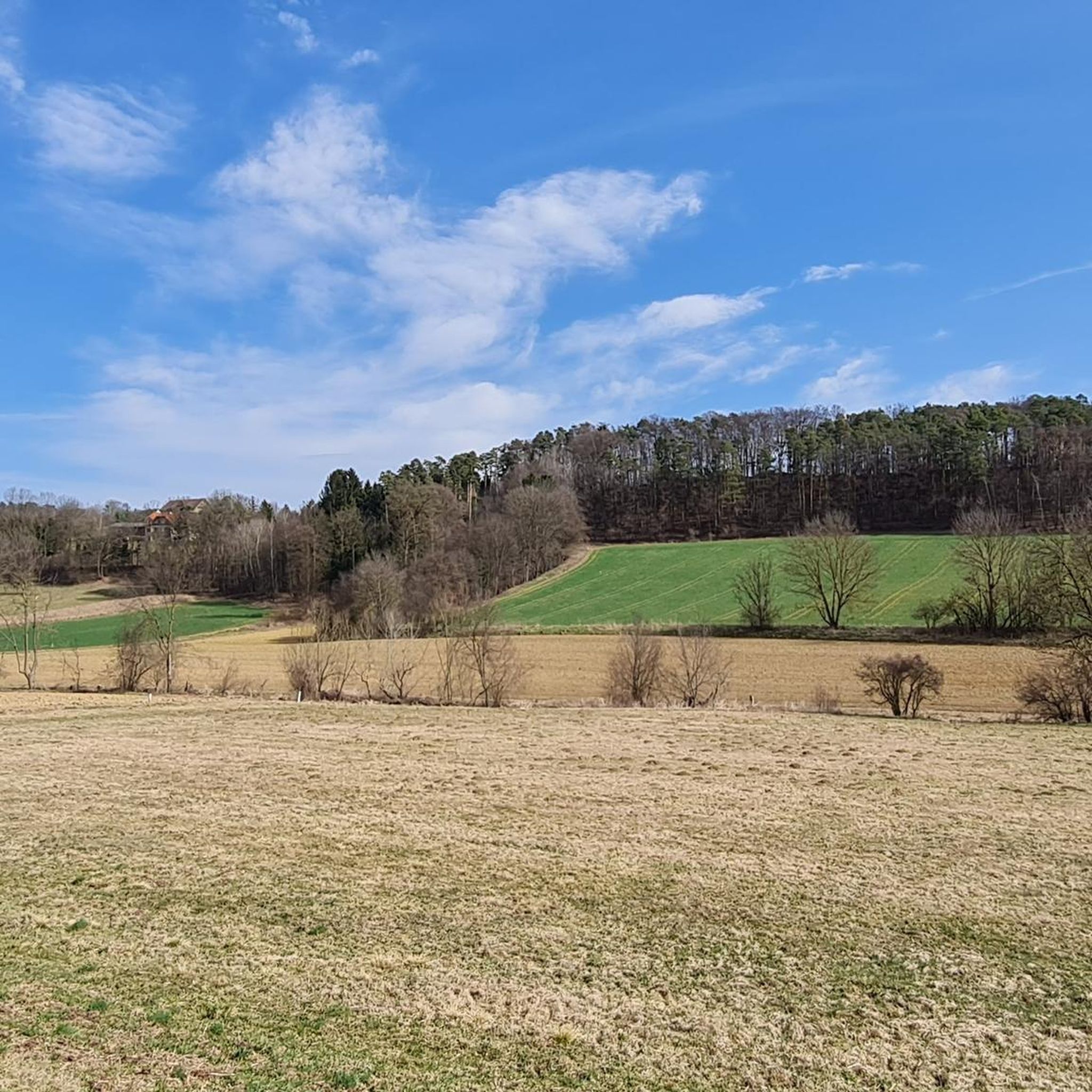

Tips from the Community

Beautiful ponds. An easy circular trail. However, it's not wheelchair accessible. Accessible with strollers, but not with wheelchairs. Free parking is available.
0
0


Wonderful chapel located in the forest, for inner reflection, relaxation and unwinding. According to legend, the water that springs from there has a positive effect on eye diseases when you clean your eyes.
0
0

The Neudauer ponds are worth a visit at any time of the year - for a walk or a hike
0
0

The foxtail pond is one of the two ponds in this European protected area. The owner is Count Kottulinsky. Hiking is of course allowed on this beautiful spot.
2
0

Large rest area with barbecue area and benches and funny wooden figures.
0
0

The "Nature experience - Hartberger Gmoos" gives insights into the local natural diversity. Europe-wide endangered and therefore protected species such as the blue buffalo, the kingfisher, the red-backed shrike or the greater mouse-eared bat find a home here.
3
1
In the shade of this mighty tree you can watch the lively insects at the show beehive or watch the numerous birds at the nesting boxes. The Kemeter wood carver Martin Bauer designed benches and sculptures, and there is also a barefoot course to try out. Source: The border guard circular hiking trail - information brochure
0
0
Frequently Asked Questions
What are some of the most popular natural monuments to visit around Sankt Johann in der Haide?
Among the most popular natural monuments are the Hartberger Gmoos, a significant wetland and European protected area, and the serene Heiligenbrunn Chapel and Holy Spring. Visitors also highly appreciate Fuchsschweifteich Pond, known for its easy circular trail and natural beauty.
Are there any unique tree natural monuments in Sankt Johann in der Haide?
Yes, Sankt Johann in der Haide is home to impressive tree natural monuments. These include a designated Stieleiche (Pedunculate Oak), recognized since 1982, known for its potential to live for centuries and its ecological importance. Another notable tree is a Winterlinde (Small-leaved Lime) in Unterlungitz, designated in 2016, which is significant for its age, fragrant flowers, and role as a bee habitat. You can also find a 300-year-old oak with a rest area and wooden figures.
What kind of natural features can I expect to see at these monuments?
The natural monuments around Sankt Johann in der Haide showcase diverse features. You can explore significant wetlands like the Hartberger Gmoos, tranquil ponds such as Fuchsschweifteich Pond, and impressive ancient trees like the Stieleiche and Winterlinde. Additionally, you can encounter unique geological formations like the Allmerfelsen, a large rock formation also used for climbing.
Are there family-friendly natural monuments suitable for children?
Many natural monuments in the area are family-friendly. The Hartberger Gmoos offers insights into local natural diversity, while Fuchsschweifteich Pond has an easy circular trail perfect for walks. The Heiligenbrunn Chapel and Holy Spring provides a peaceful setting, and the 300-year-old oak features a rest area with wooden figures and a barefoot course, making it engaging for younger visitors.
What outdoor activities can I do near these natural monuments?
The region around Sankt Johann in der Haide offers various outdoor activities. You can enjoy hiking on routes like the 'Abandoned Tennis Court loop' or 'Hartberg Town Hall – Ringwarte Observation Tower loop'. For cycling enthusiasts, there are options for gravel biking and touring, with routes such as 'Lafnitz Valley loop' or 'St. Johann in der Haide – Thalberg Castle loop'. You can find more details on these activities and routes in the hiking guide, gravel biking guide, and cycling guide for the area.
Are there any hiking trails directly associated with these natural monuments?
Yes, for instance, Fuchsschweifteich Pond offers an easy circular trail that is suitable for walks. While not all monuments have dedicated trails, they are often integrated into broader hiking networks. You can explore various hiking routes in the region through the hiking guide for Sankt Johann in der Haide.
What do visitors enjoy most about the natural monuments in Sankt Johann in der Haide?
Visitors frequently highlight the tranquility and natural beauty of these sites. The Hartberger Gmoos is appreciated as a natural recreation and rest area, while the Heiligenbrunn Chapel and Holy Spring is described as a wonderfully relaxing and contemplative place. The Fuchsschweifteich Pond is loved for its beautiful scenery and easy walks, making it a pleasant experience throughout the year.
Is there parking available near the natural monuments?
For some natural monuments, parking is available. For example, free parking is provided near Fuchsschweifteich Pond. It is advisable to check specific locations or local signage for parking options when planning your visit to other sites.
What is the best time of year to visit the natural monuments?
The natural monuments around Sankt Johann in der Haide can be enjoyed throughout the year, depending on your preferences. For instance, Fuchsschweifteich Pond is noted as being worth visiting at any time of the year. Spring and summer offer lush greenery and blooming flora, while autumn brings vibrant colors. Winter can provide a serene, quiet experience, especially in areas like the Hartberger Gmoos.
Are any of the natural monuments wheelchair accessible?
While many natural areas offer paths, not all are fully wheelchair accessible. For example, the circular trail around Fuchsschweifteich Pond is accessible with strollers but not with wheelchairs. It is recommended to check specific accessibility details for each monument if this is a requirement for your visit.
Can I bring my dog to the natural monuments?
Generally, natural areas in the region are dog-friendly, but it's always best to keep dogs on a leash and follow local regulations, especially in protected areas like the Hartberger Gmoos to protect wildlife. Always ensure to clean up after your pet.
What is the significance of the Stieleiche and Winterlinde trees as natural monuments?
The Stieleiche (Pedunculate Oak) and Winterlinde (Small-leaved Lime) are designated natural monuments due to their impressive age, size, and ecological and cultural significance. Oaks symbolize strength and longevity, often living for hundreds of years and supporting diverse ecosystems. Linden trees, historically central to village life, are known for their beauty, fragrant flowers, and importance as a food source for pollinators. Their designation highlights their outstanding natural beauty and value to the region's heritage.
Most popular routes around Sankt Johann in der Haide
Most popular attractions around Sankt Johann in der Haide

Get inspired with the komoot mobile app


Explore more
Extend your search for the best caves by checking out these guides of the top ones around Sankt Johann in der Haide:
