Top 20 Natural Monuments in Russia
Natural monuments in Russia span a vast geographical area, from the Arctic Ocean to the Caucasus Mountains. The country features diverse landscapes, including ancient lakes, active volcanoes, extensive forests, and unique rock formations. These sites showcase significant geological processes and support a wide array of ecosystems and biodiversity. Russia's natural monuments offer opportunities to observe varied natural phenomena and wildlife.
Best natural monuments in Russia
- The most popular natural monuments is Torfyanka Lake, a lake lost in the depths of Losiny Island. This picturesque peat lake is considered a great place to relax.
- Another must-see spot is Maloye Goluboye Lake and Waterfall, a natural karst lake. This site is equipped for swimming, walking, and picnics, featuring a small waterfall that drains into the Kazanka River.
- Visitors also love Lebyazhye Lake, a lake within a forest setting. This area provides an outdoor experience, with trails available for exploration.
- Russia is known for its lakes, forests, and unique geological formations. The country's natural monuments include a variety of landscapes, from ancient freshwater bodies to vast coniferous forests and dramatic rock pillars.
- The natural monuments in Russia are appreciated by the komoot community, with 13 upvotes and 11 photos shared by visitors.
Last updated: October 11, 2026
Fountain of the Four Seasons, Alexander Garden
Highlight • Monument
Translated by Google •
Tip by

Losiny Ostrov Sign
Highlight • Monument
Translated by Google •
Tip by

Sign up now to discover places like this
Get recommendations on the best single tracks, peaks, & plenty of other exciting outdoor places.
Novo-Orlovsky Nature Reserve
Highlight • Forest
Translated by Google •
Tip by

Spring of Saint Mulla-Khadzhi
Highlight • Natural Monument
Translated by Google •
Tip by

Grebnevo Estate, Bar Ponds
Highlight • Historical Site
Translated by Google •
Tip by

Lone Pine Tree in the Field
Highlight • Natural Monument
Translated by Google •
Tip by

Torfyanka Lake Beach, Losiny Ostrov National Park
Highlight • Beach
Translated by Google •
Tip by

Shchuchye Lake
Highlight • Lake
Translated by Google •
Tip by

Rubezh Slavy Memorial Complex
Highlight • Monument
Translated by Google •
Tip by

Maloye Goluboye Lake and Waterfall
Highlight • Lake
My channel with ready-made interesting routes around Kazan - t.me/kazantracks
Translated by Google •
Tip by

Sign up for free to discover even more natural monuments in Russia.
Already have an account?
Start today with a free account
Your next adventure awaits.





Tips from the Community

Стоит того чтобы поехать: как и замечательное деревце, так и весь остров. 🏝️
0
0

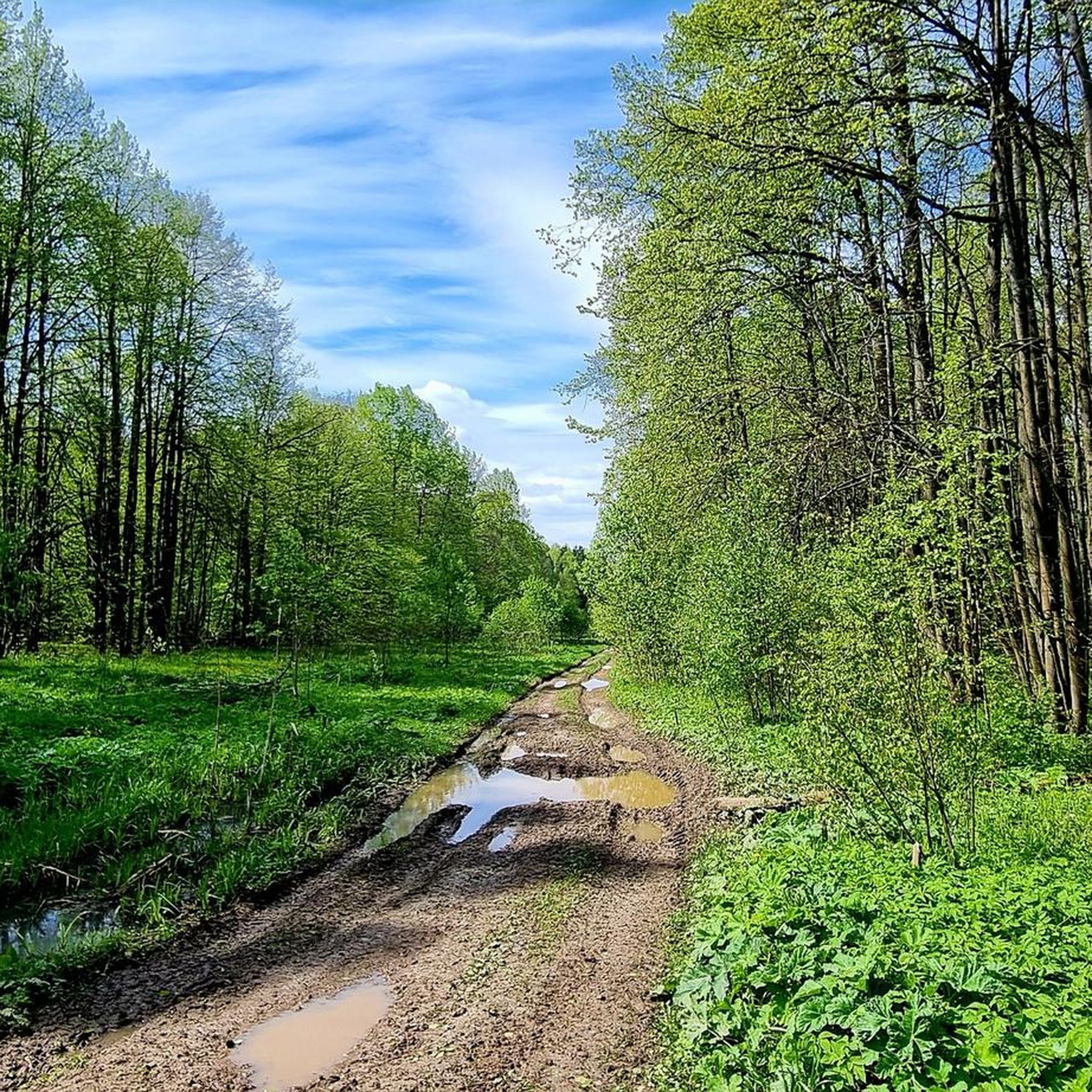
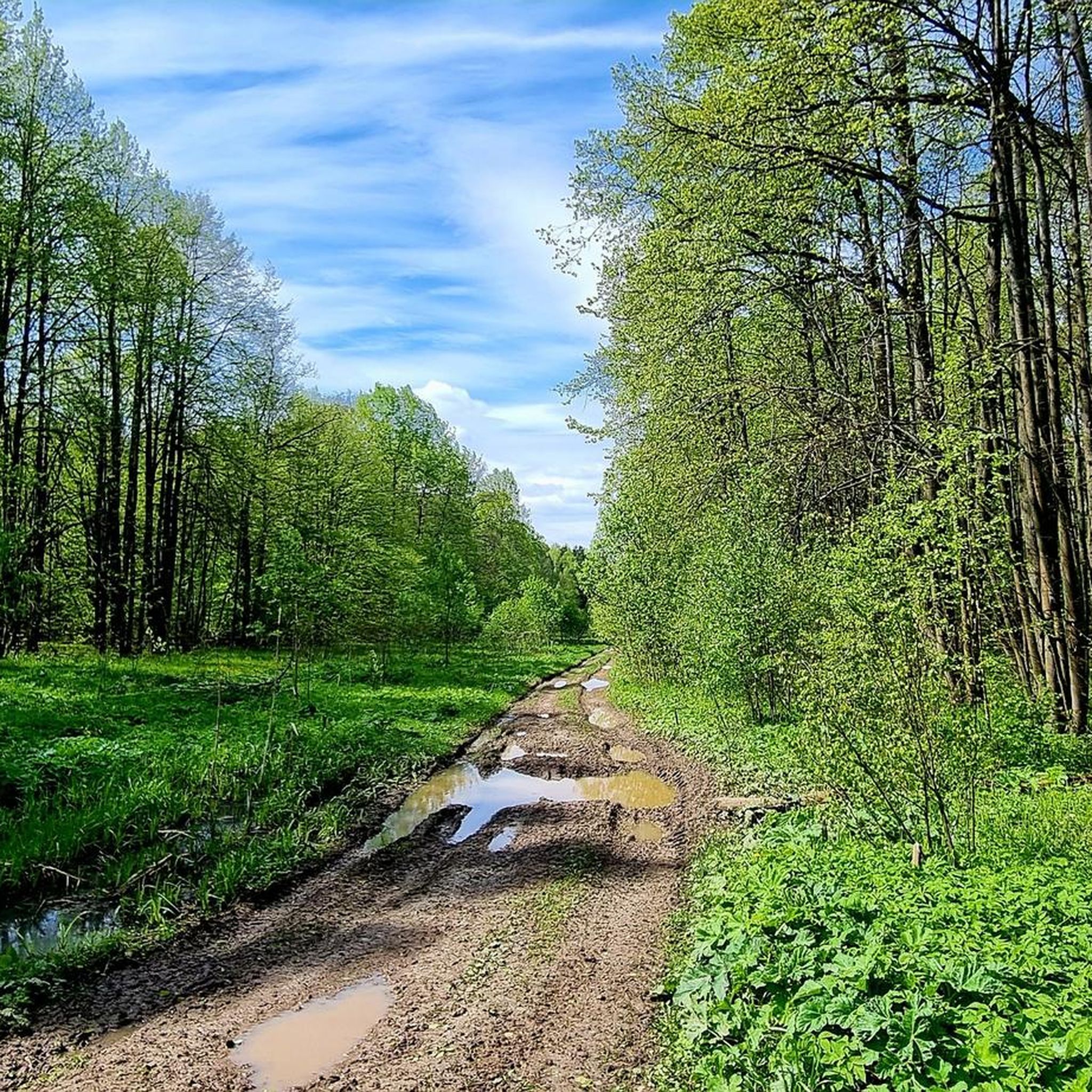
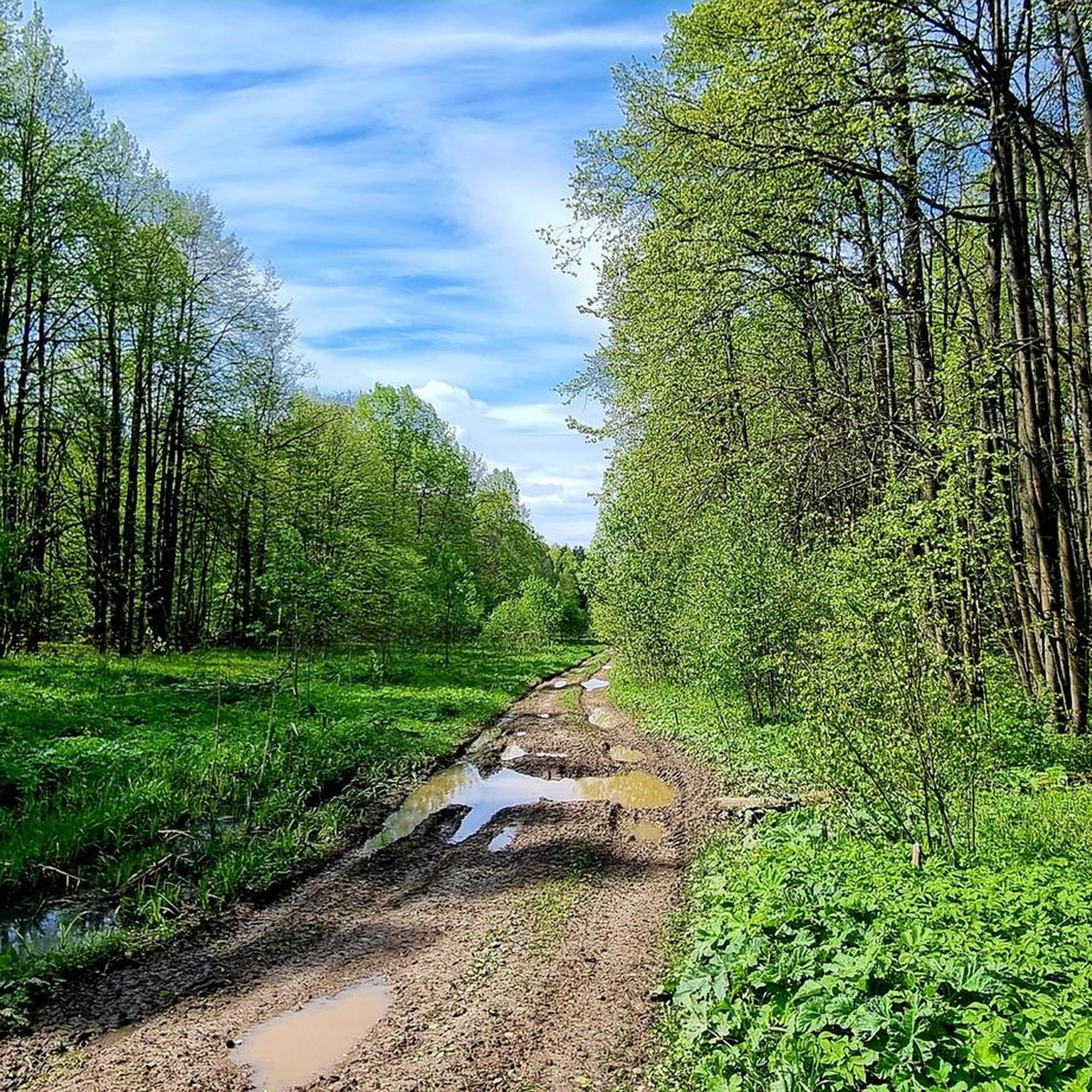
Дорога через лес после дождей может быть непролазной, дорога от пляжа в сторону Акуловского канала - рытвина на рытвине
0
0

чудесная грунтовка от Торфянки до канал
0
0

Чудо чудесное! Как и весь остров. Точно стоит побывать, равнодушным не оставит.
2
0

A wonderful place to gather, relax and generally a beautiful place in itself.
0
0

The highway to the illegal housing estate in Losinka is closed for now. Use it to enjoy the wide, empty highway)
0
0

Well-maintained paved paths run through the park. You can always get off at the Moscow Central Circle (MCC) station. Incidentally, nearby, you can travel through a pipe under the railway and the expressway to the other side, which is easier than the underpass. In the center of the park, on the Moscow side, there's a pond and a sports ground, along with a birch grove. On the other side, there's a swimming lake and wild, protected areas with pre-revolutionary buildings.
1
0

The tree has a great view, but the road is bumpy and shaky.
1
0
Frequently Asked Questions
What are some unique geological formations to explore in Russia?
Russia offers several striking geological formations. The Maloye Goluboye Lake and Waterfall is a natural karst lake with a small waterfall. Further afield, the Lena Pillars Nature Park features majestic rock pillars up to 100 meters high along the Lena River, and the Manpupuner Rock Formations are massive stone pillars shaped by erosion, offering a surreal landscape.
Are there family-friendly natural monuments in Russia?
Yes, several natural monuments are suitable for families. Torfyanka Lake, nestled in Losiny Island, is considered a great place to relax. The Maloye Goluboye Lake and Waterfall is equipped for swimming, walking, and picnics. Additionally, the Spring and Water Source Near Log Cabin is another family-friendly natural monument.
What kind of natural features can I expect to see at Russia's natural monuments?
Russia's natural monuments showcase a wide array of features. You can find ancient freshwater bodies like Lake Baikal, the world's deepest lake, and picturesque lakes such as Shchuchye Lake and Lebyazhye Lake. There are also vast coniferous forests like the Virgin Komi Forests, active volcanoes and geyser fields on the Kamchatka Peninsula, and unique coastal dunes at the Curonian Spit.
What outdoor activities can I do near these natural monuments?
Many natural monuments in Russia offer opportunities for outdoor activities. You can find various hiking trails, including easy hikes like the Сестрорецкое болото loop. For cyclists, there are cycling routes such as the Strannopriimny House loop. Mountain biking enthusiasts can explore MTB trails like the Khatabych Trail. Mount Elbrus is also a prime destination for mountaineering and winter sports.
What is the best time of year to visit Russia's natural monuments?
The best time to visit varies greatly depending on the specific monument and desired activity. For instance, Lake Baikal offers spectacular views of its clear winter ice, often called 'Baikal diamonds,' making winter a unique time to visit. Areas like the Golden Mountains of Altai are beautiful in summer for hiking, while the Kamchatka Peninsula is best explored in warmer months for volcanic activity and wildlife viewing. Winter sports are popular around Mount Elbrus.
Are there any natural monuments in Russia known for their biodiversity or unique ecosystems?
Absolutely. Lake Baikal is renowned for its exceptional biodiversity, with over 2,000 species, nearly 70% of which are endemic. The Volga Delta, Europe's largest river delta, is a vital stopover for over 280 species of migratory birds and home to unique plants. Wrangel Island Reserve in the Arctic Ocean is a critical habitat for walrus, polar bears, and a nesting ground for numerous bird species, showcasing rich Arctic biodiversity.
Where can I find natural monuments that also have historical significance?
Some natural monuments in Russia are intertwined with historical elements. The Grebnevo Estate, Bar Ponds combines a historical site with natural lake features. The Spring of Saint Mulla-Khadzhi is a natural monument with historical and religious significance. The Curonian Spit also demonstrates how human efforts have helped preserve its distinctive landscape over time.
Are there any natural monuments suitable for advanced hikers or mountaineers?
Yes, for advanced hikers and mountaineers, Mount Elbrus in the Caucasus Mountains is a significant destination. It is the highest peak in Russia and Europe, attracting numerous climbers. While cable cars and chairlifts provide access to higher elevations, the ascent to its summits offers a challenging and rewarding experience.
What are some lesser-known natural monuments or hidden gems in Russia?
While many natural monuments are famous, some offer a more secluded experience. The Novo-Orlovsky Nature Reserve is a forest park that provides a quiet escape, though some paths can be overgrown. The Manpupuner Rock Formations, despite their striking appearance, are challenging to reach, offering a sense of remote discovery and preternatural calm.
What kind of wildlife can be observed at Russia's natural monuments?
The diverse natural monuments of Russia support a wide range of wildlife. Lake Baikal is home to unique endemic species. The Kamchatka Peninsula offers abundant and diverse wildlife in its pristine setting. The Volga Delta is a birdwatcher's paradise, with over 280 species of migratory birds, including flamingos and pelicans. Wrangel Island Reserve is crucial for Arctic wildlife like walrus, polar bears, and various bird species.
Are there natural monuments in Russia that are particularly good for photography?
Many of Russia's natural monuments offer stunning photographic opportunities. Lake Baikal's crystal-clear winter ice and vast mountain landscapes are highly photogenic. The dramatic contrasts of the Kamchatka Peninsula, with its volcanoes and geysers, provide unique shots. The towering Lena Pillars and the surreal Manpupuner Rock Formations also offer visually striking and memorable scenes for photographers.
Most popular routes in Russia
Most popular attractions in Russia

Get inspired with the komoot mobile app


Didn’t find what you were looking for?
Find even more amazing natural monuments in Russia by checking out the top Highlights region by region:
Explore more
Extend your search for the best caves by checking out these guides of the top ones in Russia:
