Top 20 Natural Monuments in Mexico
Best natural monuments in Mexico feature a diverse range of geological formations and ecosystems. The country presents vast canyons, ancient sinkholes, and unique rock formations. These sites provide opportunities to explore varied landscapes, from coastal areas to high-altitude summits. Mexico's natural monuments are recognized for their ecological significance and geological interest.
Best natural monuments in Mexico
- The most popular natural monuments is Tulum Mayan Ruins, a historical site that offers views of ancient structures alongside the Caribbean Sea. This site provides beach access and is suitable for visitors of all ages.
- Another must-see spot is Cruz del Marqués, a summit and natural monument. Visitors can experience a hike up Cerro Ajusco, offering panoramic views.
- Visitors also love La Virgen del Ajusco, a viewpoint and natural monument. This location provides spectacular views and is a popular cycling destination.
- Mexico is known for volcanic summits, historical sites, and unique viewpoints. The country offers a variety of natural monuments to see and explore, from coastal areas to mountain ranges.
- The natural monuments in Mexico are appreciated by the komoot community, with more than 100 highlights and over 30 photos shared by visitors.
Last updated: October 11, 2026
Nevado de Toluca Summit
Highlight • Summit
Tip by

Tulum Mayan Ruins
Highlight (Segment) • Historical Site
(As of 05/2018) - The journey from Tulum is easily possible by car or bicycle, of course it is also on foot. The bike has a clear advantage here, you can rent this for already 100 pesos for 24 hours and is very flexible. If you come by car, you can pay 180 pesos for the parking. Admission is very cheap at 70 pesos per adult. The ruin is open from 08:00 to 17:00 o'clock, early appearance secures as always the best places (say, there is hardly anyone there and the sun is not burning quite so strongly). In the area of the parking lot you will find everything you need in terms of amenities (food, drinks, souvenirs, toilets), on the premises you will not find such facilities.
For all bathing friends, you have the area also directly via a staircase access to the beach. So if you need a little cooling in between, pack bathing suits.
Translated by Google •
Tip by

Sign up now to discover places like this
Get recommendations on the best single tracks, peaks, & plenty of other exciting outdoor places.
Pico del Águila and Cruz del Marqués (Ajusco)
Highlight • Summit
Basic equipment and route knowledge are required. I've seen experienced hikers descend on the wrong paths without any serious consequences, but it will take them longer to get back to the road. There are several wooded rest areas along the route for easy stops if needed.
Currently, it's heavily visited, so it's easy to find someone to help if necessary. It's very important to take your waste with you and respect the area so it can last for generations.
There are some higher-risk passes that should be taken into account. It's best to bring safety equipment. You can connect to the next summit of Ajusco (Cruz del Marqués).
Don't forget that the weather on the mountain can change suddenly, and it's best not to get too confident and bring only the essentials, such as sunscreen, a jacket, water, and food.
The view is spectacular and worth the climb! 🤩
A sunrise there is incredible.
> ROUTE: komoot.com/en-us/tour/189363815
Translated by Google •
Tip by

Summit of Nevado de Colima
Highlight • Summit
Tip by
La Malinche Summit
Highlight • Summit
Tip by
Sacred Cenote (Cenote Sagrado), Chichén Itzá
Highlight • Natural Monument
To one side of the south bank of the well they built some platforms on two levels, which perhaps were used as seats for those who witnessed the ceremonies. Beside this one can see the ruins of a building that was adapted into a steam bath or temazcal, where it is supposed that the victims were purified. Placed against this building is another platform that hangs over the edge of the cenote, from which the offerings would have been made.
Tip by

Cruz del Marqués
Highlight • Summit
Tip by
La Virgen del Ajusco
Highlight • Religious Site
Translated by Google •
Tip by

Cycleway from Valladolid to Cenotes X'kekén and Samulá
Highlight (Segment) • Cycleway
You can bath in them so you can cool down after your ride. the cenotes themselves are very impressive, don't miss them!
Tip by

Sandbank Trail to Punta Mosquito
Highlight • Trail
Translated by Google •
Tip by

Sign up for free to discover even more natural monuments in Mexico.
Already have an account?
Start today with a free account
Your next adventure awaits.
Popular around Mexico

Triathlon 360 – my journey around the world

Pacific Crest Trail from Mexico to Canada – 4,200 kilometres of wilderness
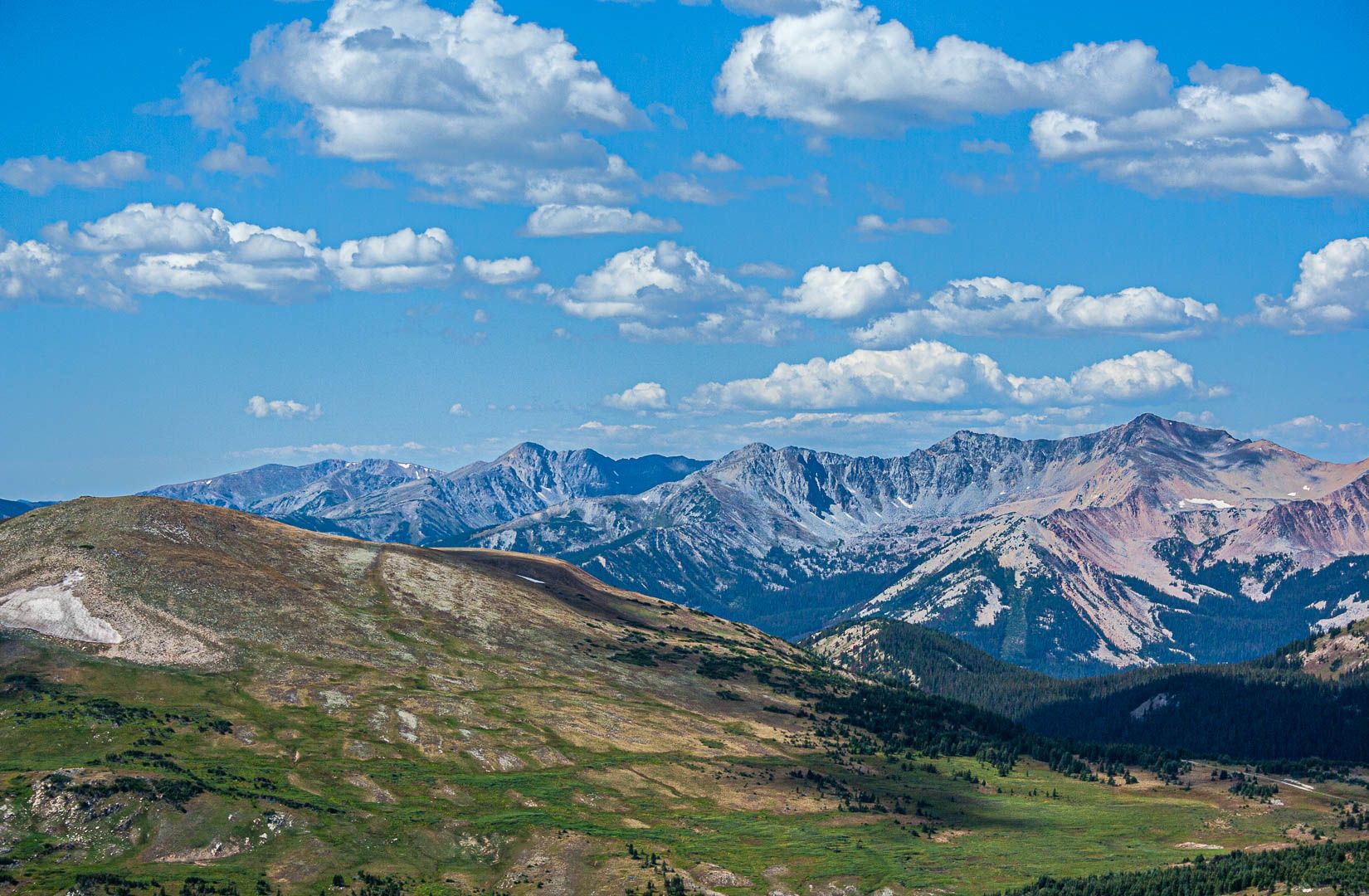
The Continental Divide Trail — Across the sky of America
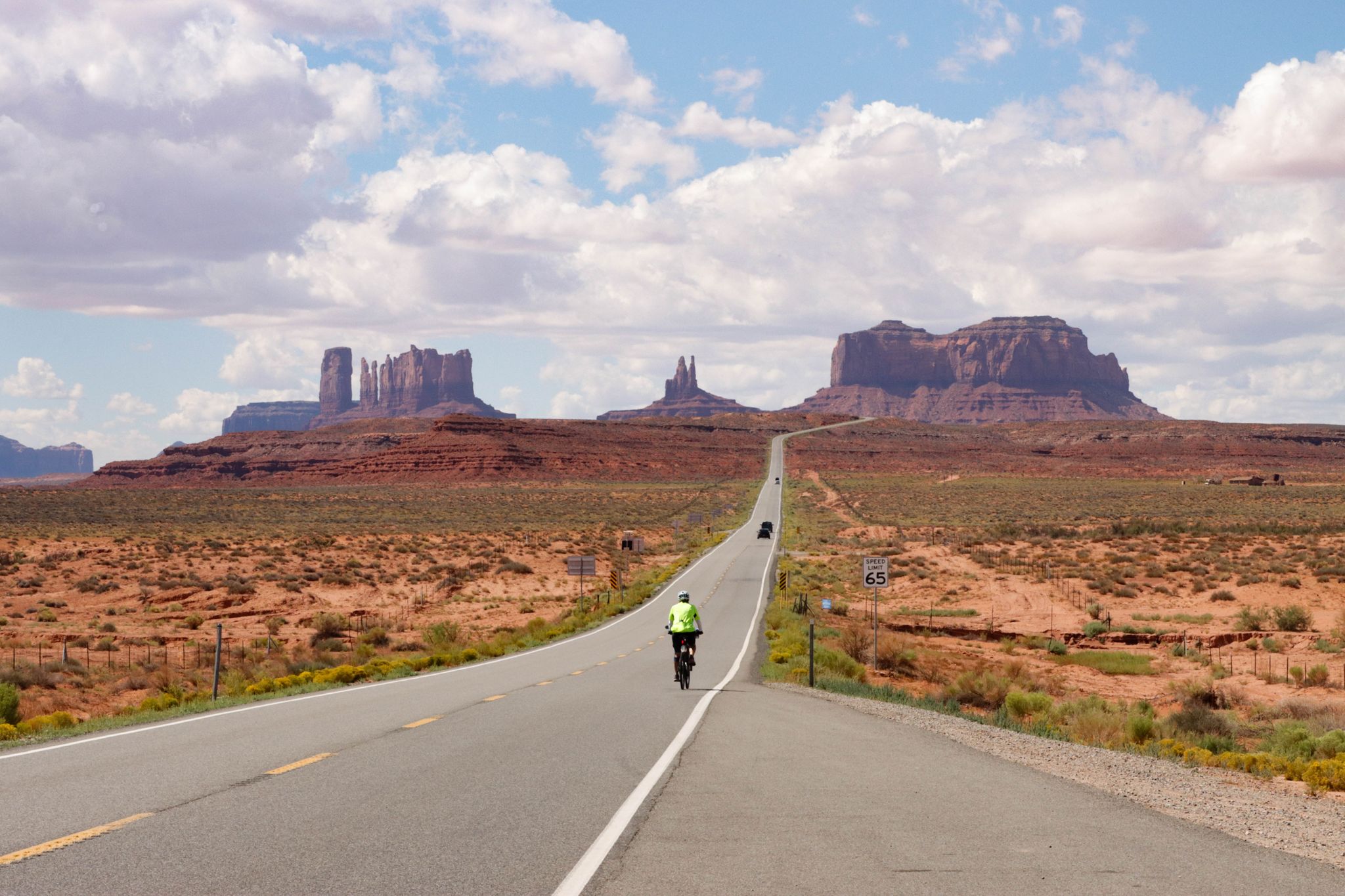
From the Arctic Ocean to the Panama Canal — North American Epic
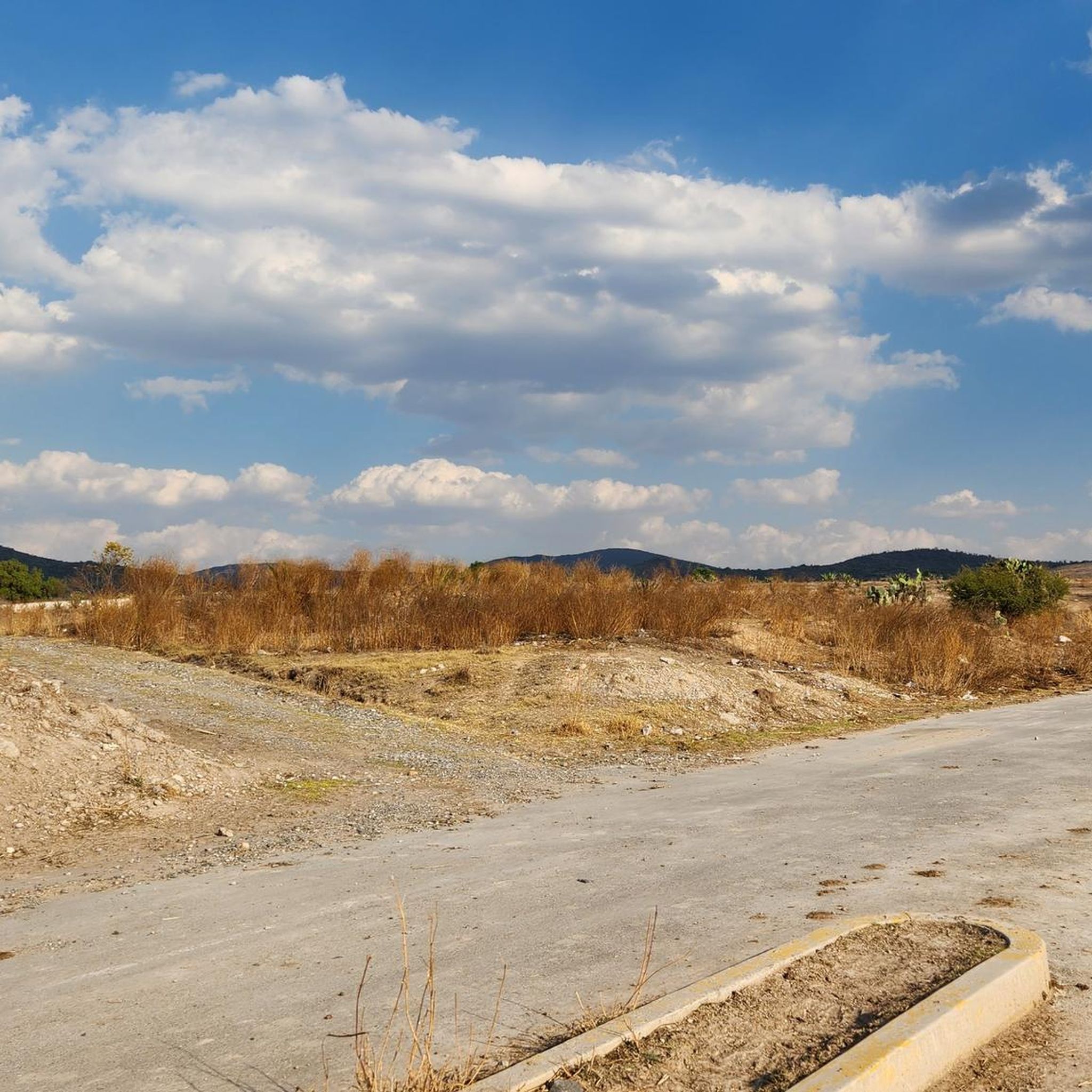
Hiking in Mexico
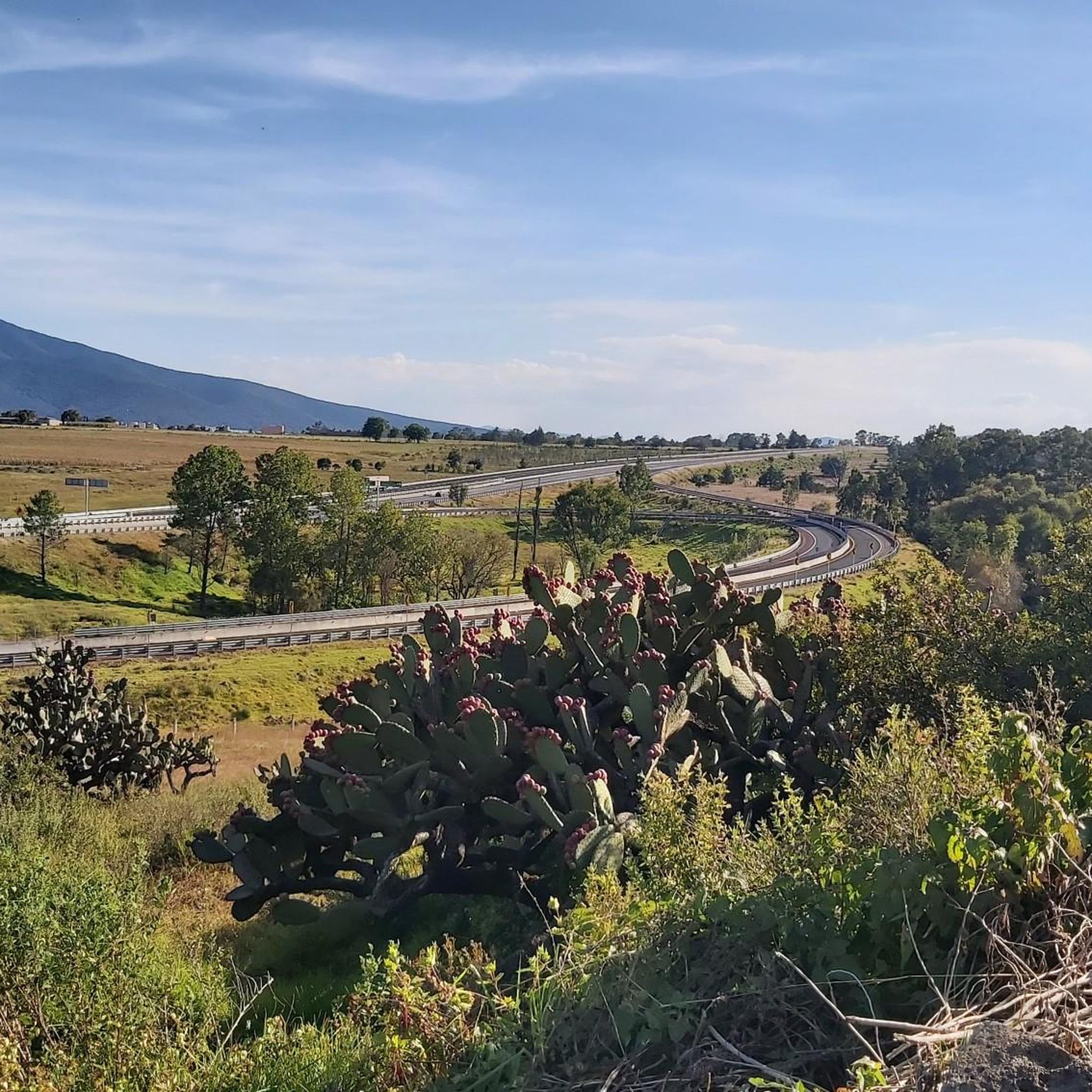
Running Trails in Mexico
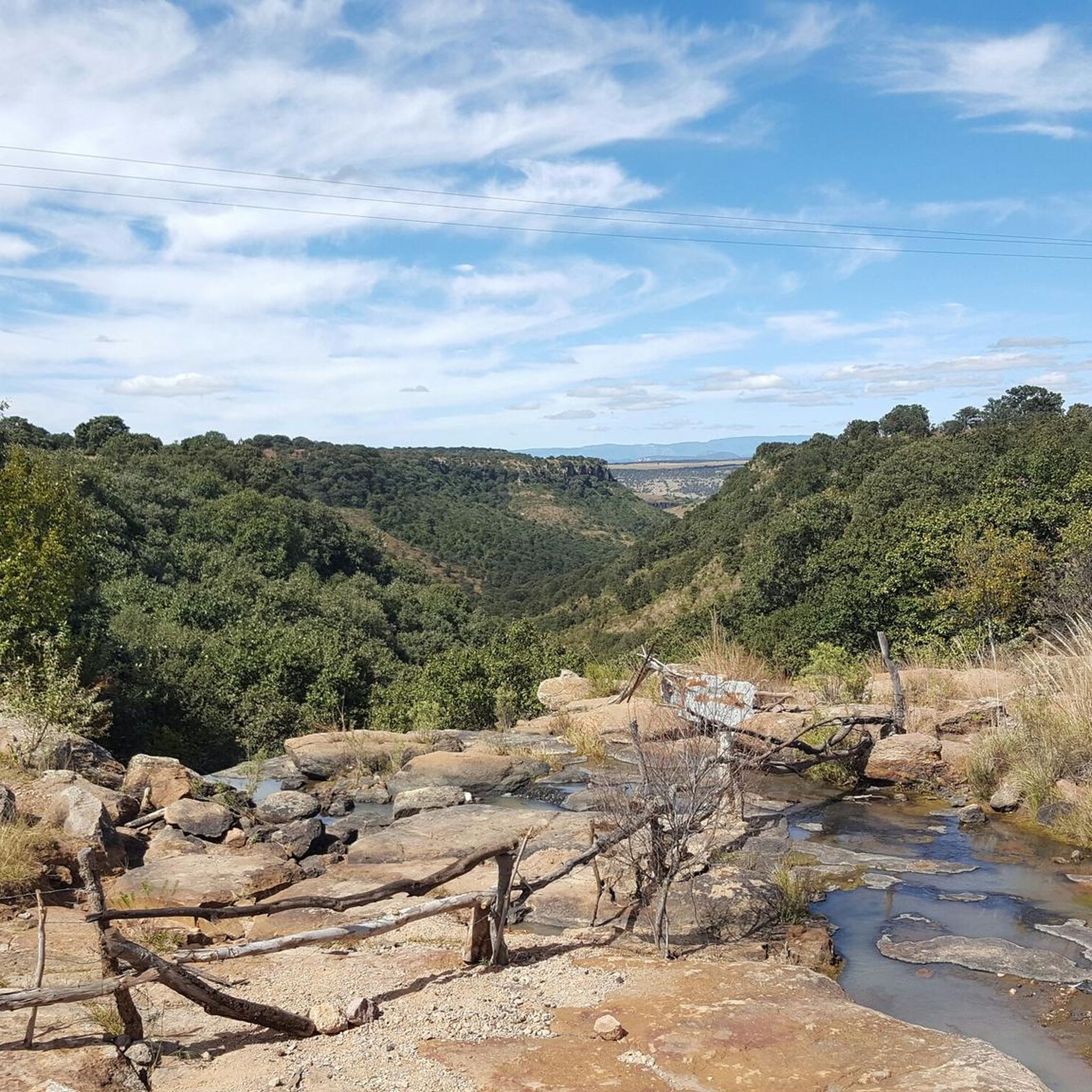
Road Cycling Routes in Mexico
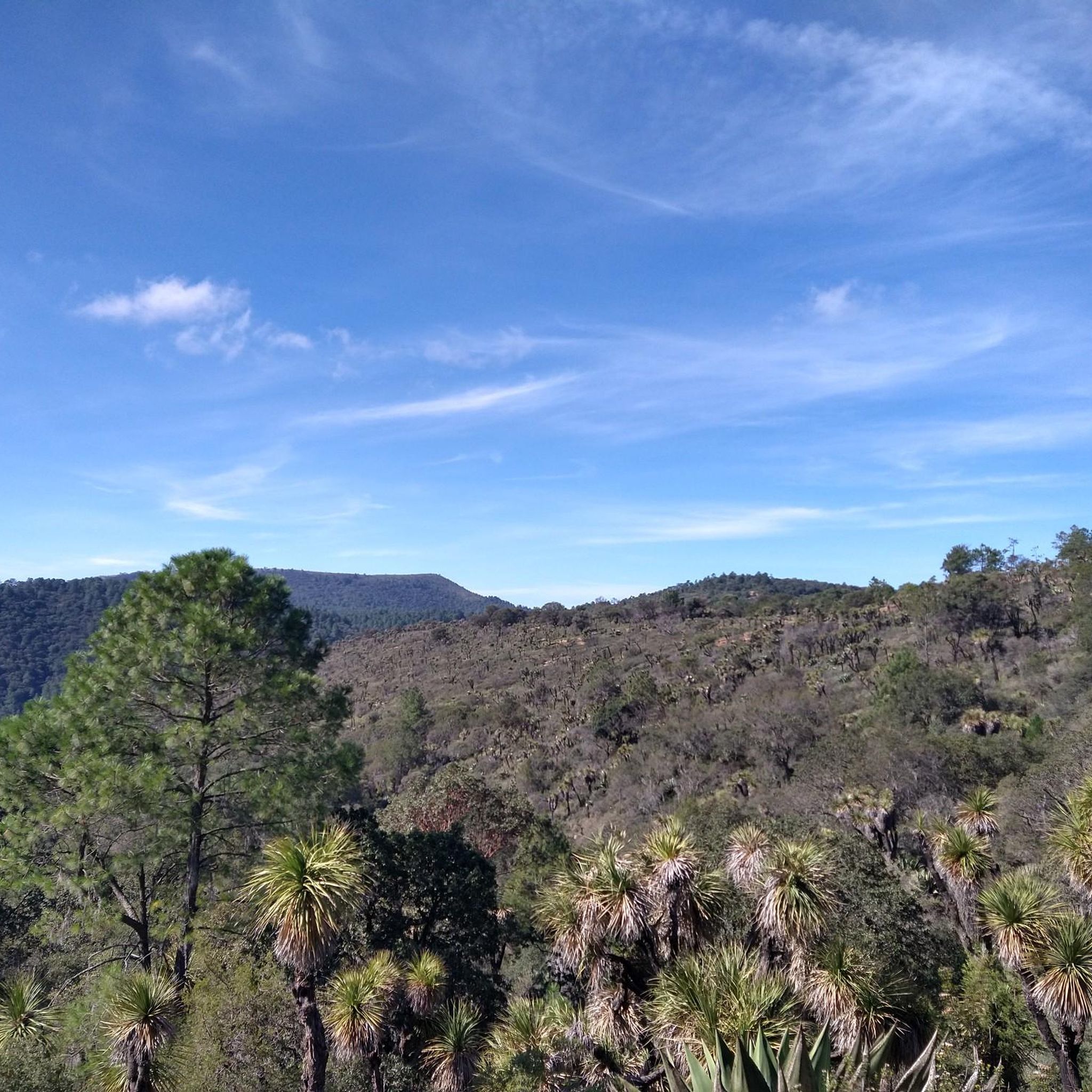
Cycling in Mexico
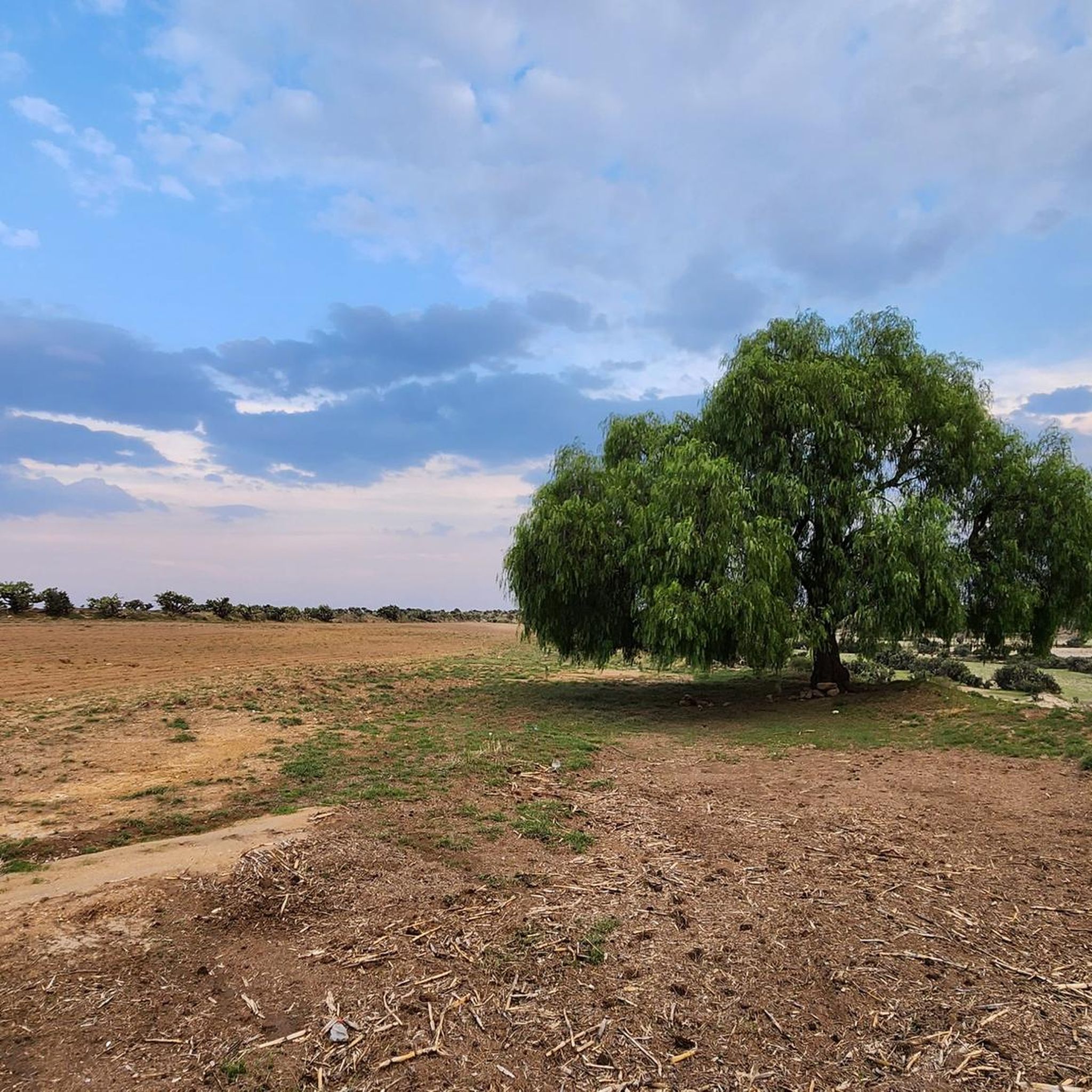
MTB Trails in Mexico

Mountain Hikes in Mexico
Other adventures in Mexico


Tips from the Community

Challenging, great views, easy to navigate.
0
0

This iconic spot, known as La Virgen del Ajusco, is located within the San Nicolás Totolapan Ejidal Park, in the area popularly known as Las Llantas. It is one of the most visited spots by mountain bikers, trail runners, and hikers in Mexico City. The site houses an image of the Virgin of Guadalupe carved into volcanic rock and surrounded by offerings, flowers, and banners. More than just an altar, it has become a meeting point and spiritual reference for those training or hiking in the Ajusco forests. Why visit? • It is a moderate but challenging access route: approximately 2.5 km uphill with a positive gradient of more than 600 meters, reaching 3,400 meters above sea level. • It is surrounded by a dense and cool forest, ideal for escaping the city heat. • From here, you can extend your route to longer routes, such as the Marlboro Valley, or even connect with Los Dinamos. • The park has signage, security, camping areas, and constant maintenance thanks to the recovery fee. What you'll see • The altar of the Virgin is moving for its simplicity and context: carved directly into stone, surrounded by silence and nature. • Abundant coniferous vegetation, red-earth trails, seasonal streams, and wildlife such as squirrels, birds, and butterflies. • Spectacular views of the forest and, on clear days, panoramic views that allow you to see part of the southern part of the city. Recommendations Bring enough water, some energy-boosting food, mountain clothing, and, if you're riding a bike, make sure your brakes are in top condition: the descent can be technical. Respect the environment, avoid leaving trash, and, if you reach the Virgin, treat yourself to a few minutes of silence. A short but intense route, both physically and symbolically. Ideal for training at altitude, reconnecting with the mountains, or simply breathing better.
1
0

A wonderful place to visit, it's currently easier to access by vehicle (to a certain extent) and with parking. However, if you're someone who enjoys climbing mountains over 4,000 meters from the bottom, I'm sure you'll love the challenge. Don't forget that these are mountains, and weather changes can happen at unexpected times, so it's best to be prepared for anything, bringing hydration and food necessary for the effort and the weather. In the craters, you'll find two bodies of fresh water that form the Laguna del Sol and Laguna de la Luna. In the 1990s, you could dive at altitude in the icy waters. Visibility is very low, so it was done with instruments and good orientation, a dry suit, or a wetsuit for icy waters. Currently, only research personnel can do so with a special permit, as it is an ecological and archaeological reserve. Admission is fee-based, and on weekends, it's very crowded, so be patient and always respect the place. Leave it better than you found it, and enjoy! You can also get there by gravel bike or mountain bike, but achieving this requires good training due to the incline and altitude. Always remember: Respect the Mountain.
2
0

A breathtaking view of Mexico City from the rest area at the Virgen/Jungfrau at 3190m altitude
1
0

Your trash goes back with you.
1
0

Unfortunately, on the way from the pyramids you will be annoyed by many salespeople. This somewhat destroys the overall appearance of the facility.
0
0
Just because this place is one of the 7 wonders of the world, you have to see it.
1
0

The Sacred Cenote (American Spanish: Senote saˈɣɾaðo, "sacred well"; also known as the "Well of Sacrifices") is a water-filled cenote at the pre-Columbian Mayan archaeological site of Chichén Itzá in the northern Yucatán Peninsula. It is located north of the Chichen Itza civic district, to which it is connected by a 300-meter sacbe, or raised, paved path. According to post-conquest sources (Mayan and Spanish), the pre-Columbian Maya sacrificed objects and humans in the cenote as a form of worship to the Mayan rain god, Chaac. Edward Herbert Thompson dredged the sacred Cenote, from 1904 to 1910, and recovered artifacts of gold, jade, pottery, and incense, as well as human remains. A study of human remains taken from the sacred Cenote revealed that they had wounds compatible with human sacrifice taken from Wikipedia
2
0
Frequently Asked Questions
What are some of Mexico's most iconic natural monuments?
Mexico is home to a diverse range of iconic natural monuments. The Yucatán Peninsula features stunning Cenotes like Ik Kil and Azul, ancient freshwater sinkholes perfect for swimming. The Sierra Madre Mountains boast the immense Copper Canyon, offering spectacular views and adventure. Oaxaca is home to Hierve el Agua, famous for its unique 'petrified waterfalls'. Other notable sites include the Marietas Islands with their 'Hidden Beach' and the breathtaking Sumidero Canyon in Chiapas.
Are there any natural monuments in Mexico that are particularly family-friendly?
Yes, several natural monuments in Mexico are great for families. The Cenotes of the Yucatán Peninsula, such as those accessible via the Cycleway from Valladolid to Cenotes X'kekén and Samulá, offer clear waters for swimming and snorkeling. The Tulum Mayan Ruins combine historical exploration with beach access, making it an engaging experience for all ages. The Monarch Butterfly Biosphere Reserve provides an awe-inspiring natural spectacle that children often find magical.
What kind of unique geological formations can I expect to see?
Mexico's natural monuments showcase incredible geological diversity. You can witness the 'petrified waterfalls' of Hierve el Agua in Oaxaca, formed by mineral-rich springs. The Grutas de Cacahuamilpa in Guerrero offer vast cave systems with magnificent stalactites and stalagmites. The Peña de Bernal in Querétaro is one of the world's tallest monoliths, and El Arco in Cabo San Lucas is an iconic natural rock arch at the meeting of two oceans. The vibrant pink lagoons of Las Coloradas are another surreal geological wonder.
When is the best time to visit the Monarch Butterfly Biosphere Reserve?
The best time to visit the Monarch Butterfly Biosphere Reserve in Michoacán is between November and March. During these months, millions of monarch butterflies migrate from Canada and the United States to overwinter in the reserve, creating an incredible spectacle as they blanket the trees.
What outdoor activities are available near Mexico's natural monuments?
Many natural monuments offer opportunities for outdoor activities. In the Copper Canyon, you can enjoy hiking, biking, or a scenic ride on the Chihuahua al Pacífico railway. The Huasteca Potosina region is a paradise for adventure, with lush mountains, emerald rivers, and spectacular waterfalls like Tamul, perfect for rafting and swimming. For hiking, you can explore various trails, including those found in the Mountain Hikes in Mexico guide, which features routes near summits like Nevado de Toluca and La Malinche.
Are there any natural monuments suitable for cycling enthusiasts?
Absolutely. The Mirador de la Virgen is a popular cycling destination offering spectacular views. The Cycleway from Valladolid to Cenotes X'kekén and Samulá provides a pleasant route to explore cenotes. For more extensive cycling, you can find various routes in the Cycling in Mexico guide, which includes options like the 'Circular por Desierto de los Leones'.
Can I find easy hiking trails at Mexico's natural monuments?
Yes, there are options for easy hikes. While some natural monuments involve challenging terrain, you can find more accessible paths. For instance, the Sandbank Trail to Punta Mosquito offers an easy water hike with birdwatching opportunities. For more general easy hiking options, consult the Easy hikes in Mexico guide, which features trails like the 'Malecón de Puerto Vallarta'.
What is the best way to experience Sumidero Canyon?
The best way to experience the breathtaking Sumidero Canyon in Chiapas is by taking a boat tour. This allows you to navigate the Grijalva River, marvel at the towering cliffs over 1,000 meters deep, and observe abundant waterfalls, including the notable 'Christmas Tree Waterfall'. You might also spot local wildlife such as crocodiles, monkeys, and various bird species.
Are there any natural monuments with historical significance?
Yes, several natural monuments in Mexico hold significant historical value. The Tulum Mayan Ruins are a prime example, combining ancient structures with a stunning coastal setting. The Cenotes, particularly the Sacred Cenote (Cenote Sagrado) at Chichén Itzá, were considered sacred by the ancient Maya and used for rituals, offering a glimpse into their spiritual world.
What should I know about visiting the high-altitude natural monuments like volcanoes?
When visiting high-altitude natural monuments such as the Nevado de Toluca Summit or La Malinche Summit, it's crucial to be prepared for challenging conditions. These are often demanding climbs requiring basic equipment and route knowledge. The weather can change suddenly, so bring essentials like sunscreen, a jacket, water, and food. Always check local conditions and consider your fitness level before attempting these ascents. The views from summits like Cruz del Marqués are spectacular and worth the effort.
Are there natural monuments near Cancun or the Yucatán Peninsula?
Yes, the Yucatán Peninsula, including areas near Cancun, is rich in natural monuments. The most famous are the Cenotes, such as Ik Kil and Azul, which are freshwater sinkholes perfect for swimming and diving. Las Coloradas, with its vibrant pink lagoons, is another surreal destination in the Yucatán. Additionally, the Tulum Mayan Ruins offer a unique combination of historical site and natural coastal beauty.
What kind of wildlife can I expect to see at Mexico's natural monuments?
Mexico's natural monuments are home to diverse wildlife. At the Monarch Butterfly Biosphere Reserve, you'll witness millions of monarch butterflies. In Sumidero Canyon, boat tours often reveal crocodiles, monkeys, and various bird species. The Marietas Islands are a haven for marine life and seabirds, while El Arco in Cabo San Lucas is a popular spot for sea lions and whales during migration seasons. Even at Tulum Mayan Ruins, visitors often spot free-roaming lizards.
Most popular routes in Mexico
Most popular attractions in Mexico

Get inspired with the komoot mobile app


Didn’t find what you were looking for?
Find even more amazing natural monuments in Mexico by checking out the top Highlights region by region:
Explore more
Extend your search for the best caves by checking out these guides of the top ones in Mexico:
