Top 20 Natural Monuments in Cuba
Natural monuments in Cuba showcase diverse landscapes, including dramatic karst formations, extensive wetlands, and mountainous regions. The island's geography features unique geological formations like *mogotes* and elevated marine terraces, alongside lush cloud forests and coastal ecosystems. These areas are home to a rich biodiversity, with numerous endemic plant and animal species. Cuba's commitment to conservation is evident in its protected areas, offering varied natural environments for exploration.
Best natural monuments in Cuba
- The most popular natural monuments is Viñales Valley…
Last updated: May 11, 2026
Mural of Prehistory
Highlight • Monument
Amidst the fertile landscape, a Mexican artist painted a gigantic picture on a rock, the Mural de la Prehistoria, the Prehistoric Wall. It was completed in …
Translated by Google •
Tip by

Viñales Valley
Highlight • Natural Monument
Translated by Google •
Tip by

Sign up now to discover places like this
Get recommendations on the best single tracks, peaks, & plenty of other exciting outdoor places.
Sign up for free
Christ of Havana
Highlight • Monument
Translated by Google •
Tip by

Vegas Grande Waterfall
Highlight • Waterfall
Translated by Google •
Tip by
Cueva de la Vaca
Highlight • Cave
Tip by

Beautiful stalactites in Cueva del Indio
Highlight • Cave
Translated by Google •
Tip by

El Patriarca Cactus
Highlight • Natural Monument
Translated by Google •
Tip by

Waterfall in Topes de Collantes Protected Area
Highlight • Waterfall
Translated by Google •
Tip by

El Nicho Waterfall
Highlight • Waterfall
Tip by

Bella Vista Viewpoint, Viñales Valley
Highlight • Viewpoint
Tip by
Sign up for free to discover even more natural monuments in Cuba.
Sign up for free
Already have an account?
Start today with a free account
Your next adventure awaits.
Login or Signup
Tips from the Community

The Christ the Redeemer statue in Havana (Spanish: El Cristo de La Habana) is a 20-meter-high sculpture on a hill in the Casablanca district.
1
0
The Christ the Redeemer of Havana, also known as Cristo de la Habana, is a large white Carrara marble sculpture of Christ standing on a hill near Havana, Cuba, overlooking the city's bay. Created in 1958 by Cuban artist Jilma Madera, the statue is considered the largest statue of Christ in the world created by a woman.
1
0
A short cave through the Mongotes, which is also home to bats.
1
0
The Cueva del Indio has beautiful limestone formations on the ceiling
1
0
Most of the travel in the Cueva del Indio is done by small boat. Unfortunately, this boat has a gasoline engine, which makes it extremely loud and fills the entire cave with a stink.
1
0
El Nicho in Cuba is a protected natural park with a system of waterfalls and natural pools that flow from the Hanabanilla River, creating a lush, tropical landscape. The region in the province of Cienfuegos is ideal for hiking and swimming in the cooler Caribbean waters, but it's also a popular destination for tourists and locals alike, so it's worth visiting early in the morning.
1
0
El Nicho waterfall with natural pool for swimming
0
0
The Vegas Grande Waterfall is a waterfall in Cuba's Topes de Collantes National Park, accessible via a challenging jungle hike and ideal for swimming and exploring the Cuban wilderness.
1
0
Frequently Asked Questions
Which natural monuments are most popular with visitors in Cuba?
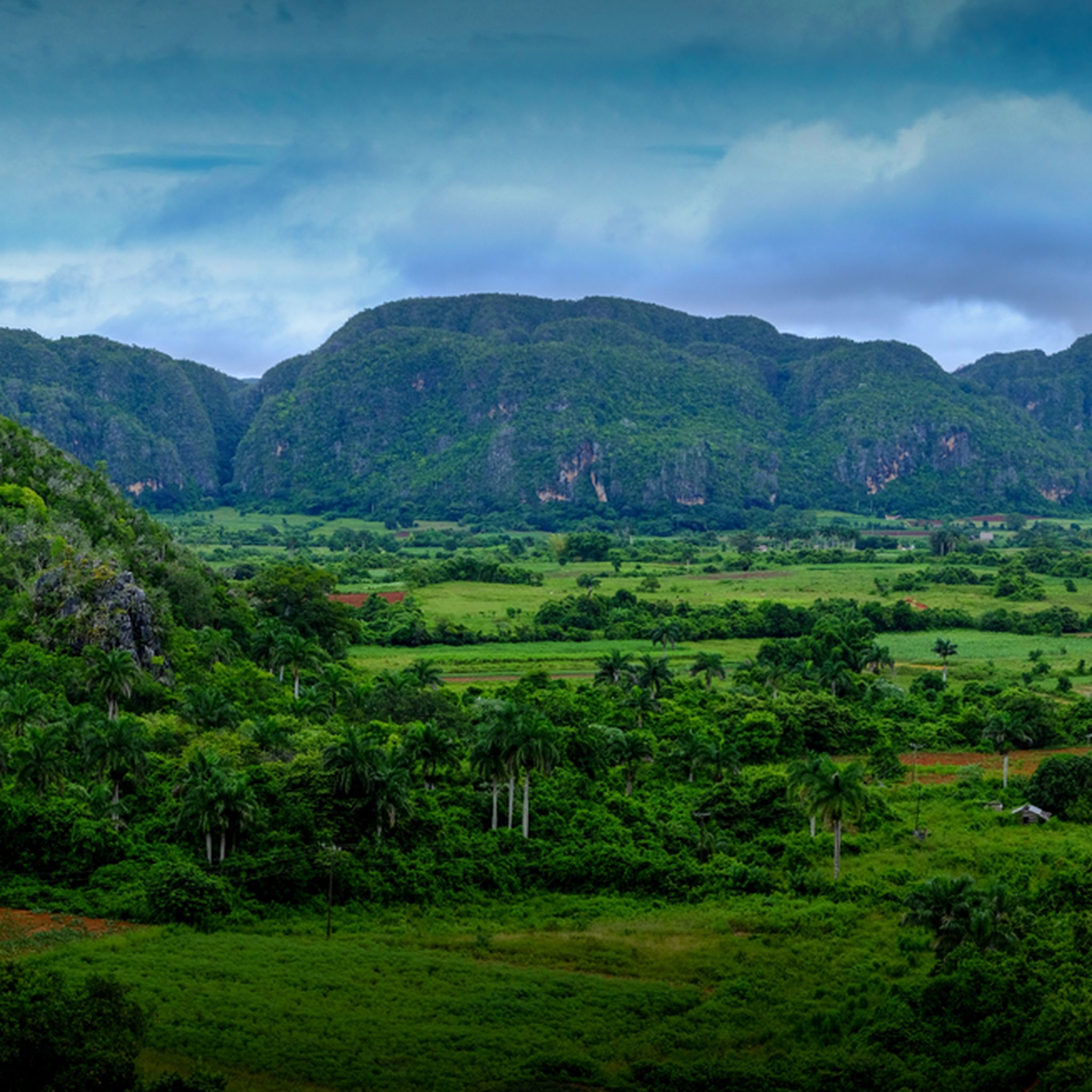
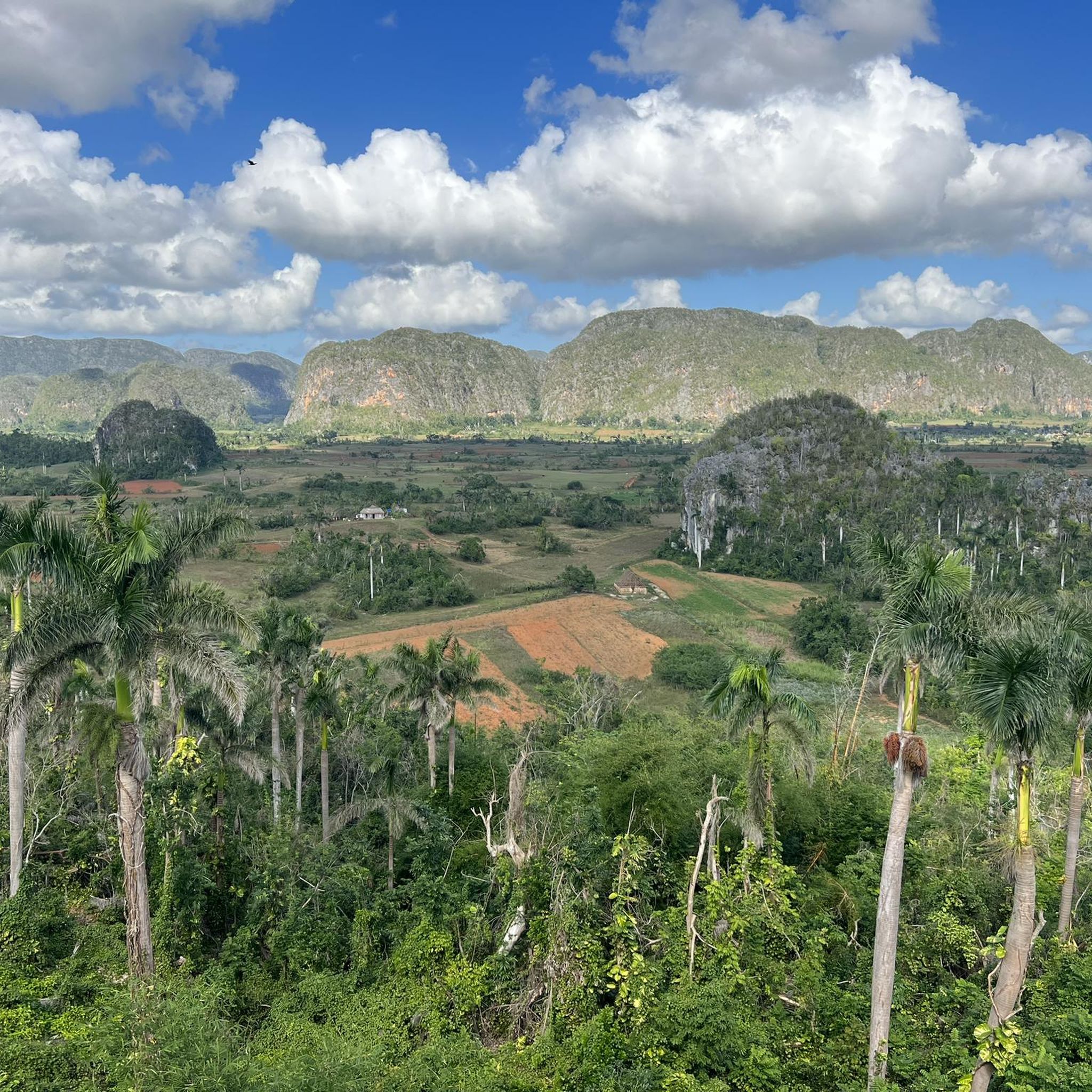
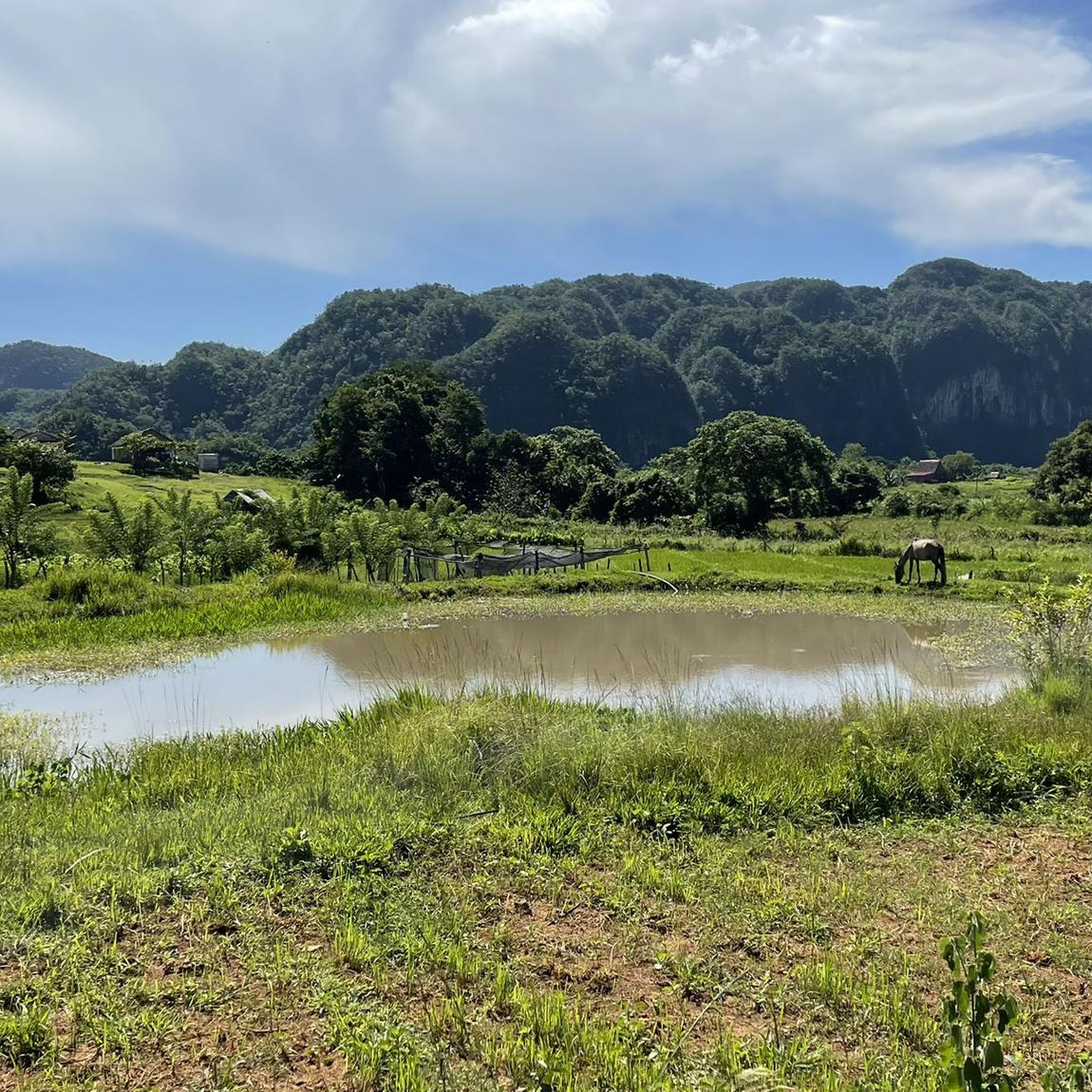
Among the most popular natural monuments in Cuba, the Viñales Valley stands out for its dramatic karst landscape and unique *mogotes*. Visitors also highly appreciate the Vegas Grande Waterfall in Topes de Collantes National Park, known for its challenging jungle hike and refreshing swimming pool. Another favorite is Cueva de la Vaca, a traversable cave near Viñales that allows hikers to continue their journey through the valley.
What unique geological features can I explore at Cuba's natural monuments?
Cuba's natural monuments boast diverse geological formations. The Viñales Valley is famous for its distinctive *mogotes* (steep-sided limestone hills) and extensive cave systems like Cueva del Indio. In southeastern Cuba, Desembarco del Granma National Park features dramatic coastal cliffs and exceptionally well-preserved elevated marine terraces, forming unique stair-like geological formations. The Escambray Mountains, home to Topes de Collantes National Park, offer numerous waterfalls and intriguing cave systems.
Are there family-friendly natural monuments to visit in Cuba?
Yes, several natural monuments in Cuba are suitable for families. The Cueva del Indio in Viñales, with its boat ride through the cave, is often enjoyed by all ages. The El Patriarca Cactus, a centuries-old giant, offers an interesting stop. Additionally, the Mural of Prehistory, while man-made, is set against the natural backdrop of the Viñales Valley and is a popular family attraction. The Bella Vista Viewpoint in Viñales Valley provides stunning panoramic views accessible to families.
What kind of wildlife can I expect to see at Cuba's natural monuments?
Cuba's natural monuments are rich in biodiversity. Ciénaga de Zapata National Park, the Caribbean's largest wetland, is a critical habitat for over 200 bird species, Cuban crocodiles, and West Indian manatees. Alejandro de Humboldt National Park is renowned for its high endemism, housing a third of Cuba's mammal species and a quarter of its birds. Guanahacabibes National Park is a crucial nesting ground for four species of marine turtles and boasts diverse birdlife. Even in the Viñales Valley, you might spot endemic birds like the bee hummingbird and Cuban trogon.
What outdoor activities can I enjoy near Cuba's natural monuments?
Beyond exploring the monuments themselves, Cuba offers a range of outdoor activities. Hiking is popular, with trails ranging from easy to challenging, such as those leading to the Vegas Grande Waterfall. You can find more hiking options in the Waterfall hikes in Cuba guide. Cycling is also a great way to see the landscapes, particularly in areas like the Viñales Valley, and you can discover routes in the Road Cycling Routes in Cuba guide. For those interested in running, the Running Trails in Cuba guide offers various options. Additionally, areas like Ciénaga de Zapata and Jardines de la Reina are excellent for birdwatching, snorkeling, and diving.
Are there challenging hiking trails at Cuba's natural monuments?
Yes, Cuba offers challenging hikes, especially in its mountainous regions. The trek to Vegas Grande Waterfall involves an arduous jungle hike. For experienced hikers, Pico Turquino National Park offers demanding ascents to Cuba's highest peak, Pico Turquino, and other high elevations in the Sierra Maestra. Desembarco del Granma National Park also features trails with stunning coastal views that can be quite strenuous. You can find more challenging options in the Waterfall hikes in Cuba guide.
What is the best time to visit Cuba's natural monuments?
The best time to visit Cuba's natural monuments is generally during the dry season, from November to April. During these months, the weather is cooler and less humid, making outdoor activities like hiking and exploring more comfortable. The rainy season, from May to October, can bring heavy downpours, which might make some trails muddy or inaccessible, though it also makes the vegetation particularly lush. For marine activities like turtle nesting observation in Guanahacabibes, May to September is the key period.
What should I wear for hiking at natural monuments in Cuba?
For hiking in Cuba's natural monuments, it's advisable to wear lightweight, breathable clothing, preferably long sleeves and pants to protect against sun and insects. Sturdy, comfortable hiking shoes are essential, especially for trails that can be muddy or uneven. Don't forget a hat, sunglasses, and plenty of sunscreen. If you plan to swim in natural pools, pack a swimsuit and a towel. For cave explorations, a headlamp or flashlight can be useful.
Do I need a permit to visit natural monuments in Cuba?
Access to many natural monuments and protected areas in Cuba, especially national parks like Ciénaga de Zapata, Desembarco del Granma, and Topes de Collantes, often requires an entrance fee or a permit. It's best to check specific requirements for each site you plan to visit, as regulations can vary. Some areas may also require a local guide for certain trails or excursions.
What are some lesser-known or 'hidden' natural monuments in Cuba?
While places like Viñales Valley are well-known, Cuba has many other natural gems. The intricate cave systems within Topes de Collantes National Park, such as Cueva Batata and Gruta La Batata, offer unique underground exploration. The remote and highly biodiverse Alejandro de Humboldt National Park, though a UNESCO site, is less frequented by general tourists due to its protected status and dense terrain, offering a truly immersive natural experience. The pristine marine ecosystems of Jardines de la Reina, often called Cuba's Coral Garden, are world-class for diving but remain relatively untouched.
How do Cuba's natural monuments compare to its national parks?
In Cuba, natural monuments are specific, often smaller, natural features or areas recognized for their unique geological, ecological, or aesthetic value, such as a particular cave, waterfall, or rock formation. National parks, on the other hand, are typically larger protected areas encompassing diverse ecosystems, often including multiple natural monuments, and are managed for conservation, recreation, and scientific research. For example, the Vegas Grande Waterfall is a natural monument located within the broader Topes de Collantes National Park, which itself is part of the Escambray Mountains region.
Are there natural monuments in western Cuba that are particularly worth visiting?
Western Cuba is home to some of the island's most iconic natural monuments. The Viñales Valley, a UNESCO World Heritage site, is a prime example, famous for its dramatic *mogotes* and traditional tobacco farms. Further west, Guanahacabibes National Park, a UNESCO Biosphere Reserve, offers pristine beaches, extensive mangrove wetlands, and is a crucial nesting ground for marine turtles, making it ideal for nature enthusiasts and divers.
Most popular attractions in Cuba

Get inspired with the komoot mobile app


Didn’t find what you were looking for?
Find even more amazing natural monuments in Cuba by checking out the top Highlights region by region:
Explore more
Extend your search for the best caves by checking out these guides of the top ones in Cuba:
