Top 20 Natural Monuments in Thailand
Natural monuments in Thailand showcase diverse landscapes, from towering limestone karsts to lush rainforests and pristine marine ecosystems. The country's geography includes rugged mountains, extensive coastlines, and ancient forests. These sites are recognized for their unique geological formations and rich biodiversity, offering varied natural experiences.
Best natural monuments in Thailand
- The most popular natural monuments is Little Sandy Beach (Khao Lak–Lam Ru National Park), a beach that can be reached via a nature trail or adjacent road. It offers a welcome refreshment at the end of a small hike through the jungle.
- Another must-see spot is Ton Chong Fa Waterfall, a 5-stage waterfall surrounded by lush rainforest. Visitors can observe rare bird species and orchid flowers on the ascent, with higher levels offering more challenging climbs.
- Visitors also love Khao Sok National Park, a natural monument featuring steep limestone mountains, rivers, and waterfalls. It is home to one of the oldest evergreen rainforests in the world, with a notable man-made lake.
- Thailand is known for its impressive waterfalls, pristine beaches, and vast national parks. These natural monuments offer a variety of landscapes to explore, from jungle trails to coastal views.
- The natural monuments in Thailand are appreciated by the komoot community, with more than 100 upvotes and 55 photos shared across various highlights.
Last updated: October 24, 2026
Khao Ra Summit
Highlight • Summit
Tip by

Little Sandy Beach (Khao Lak–Lam Ru National Park)
Highlight • Beach
Translated by Google •
Tip by

Sign up now to discover places like this
Get recommendations on the best single tracks, peaks, & plenty of other exciting outdoor places.
Ton Chong Fa Waterfall
Highlight • Waterfall
The entrance ticket, which you buy at the entrance to the national park, can be used several times within 72 hours. From the entrance you walk to the first cascade. Up to the first level of the waterfall, which is fed from the Bang Niang Canal, is the climb for every healthy man to create. Wear appropriate shoes, in some places the climbing path is quite steep. If you want to climb to the fifth level, you should bring a degree of fitness. The higher you climb, the more challenging the climb becomes.
expedia.de/vc/reisefuehrer/ton-chong-fa-waterfall-ban-khao-lak-67348
Translated by Google •
Tip by

Khao Sok National Park
Highlight • Natural Monument
Translated by Google •
Tip by

Big Buddha Phuket
Highlight • Monument
Translated by Google •
Tip by

Buddha Head in Tree Roots, Wat Mahathat
Highlight • Historical Site
Most popular photo motive is the smiling Buddha head in the tree. Make sure you won’t stand in front of it, means be lower then the head.
Tip by

Khao Lak Lam Ru Nature Trail
Highlight • Trail
Located about 80 km north of Phuket, Khao Lak Lamru National Park is a small park covering an area of 125 km². While less than a few km2 of the park stretches along the coast to the Andaman Sea, the park comprises mostly tropical evergreen montane forests with the highest peak a little further inland at 1,077 metres.
As of June 2022, entrance fees are 100 baht for adults and 50 baht for children aged 3-14. Entrance fees can be paid at the visitor center or at the entrance.
Translated by Google •
Tip by

Khlong Phlu Waterfall
Highlight • Waterfall
Translated by Google •
Tip by

Railay West Beach
Highlight • Beach
Translated by Google •
Tip by

Bang Hua Rat Swimming Spot, Khao Sok National Park
Highlight • River
Translated by Google •
Tip by

Sign up for free to discover even more natural monuments in Thailand.
Already have an account?
Start today with a free account
Your next adventure awaits.
Popular around Thailand


Tips from the Community

A scenic coastal trail through lush rainforest with ocean views and rocky paths leading to Little Sandy Beach. Wear sturdy shoes or good sandals as the trail can be slippery and steep in parts. Bring plenty of water and make sure to pay the national park entrance fee at the visitor center before starting.
0
0
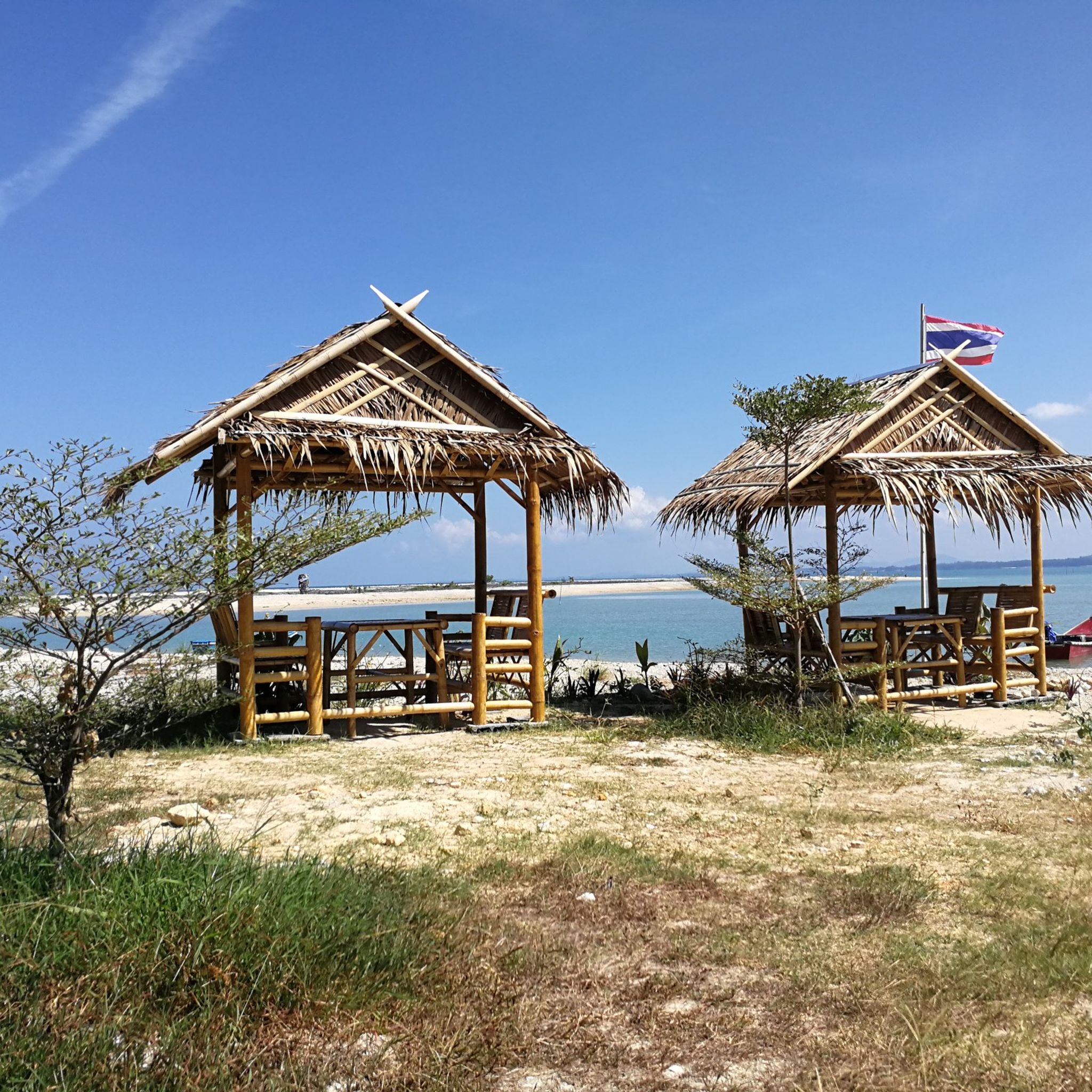
A beautiful beach tucked into the jungle featuring showers, toilets, a picnic area with a covered pavilion, and a small bar (hours can be unpredictable). Vinegar for potential jellyfish stings is provided on-site.
0
0

Beautiful beach, but you need to arrive early to enjoy it properly. Very crowded during the day. Where to stay to make the most of it?
1
0

A very well-known photographic subject
0
0
You absolutely need a guide for this night safari.
0
0

Legend has it that at some point, Burmese troops also beheaded statues to demonstrate their power. And so, a valuable stone Buddha was also decapitated. To save it from the enemy, who almost completely destroyed Ayutthaya by 1767, devout Buddhists buried it near the temple. As if Mother Nature didn't want it buried, the roots of a mighty tree ensured that the Buddha's face resurfaced, and thus the sacred statue could once again "see the light of day."
2
0

Today we went on a night jungle trip in Khao Sok with our family. We were given a flashlight and a guide took care of us. It wasn't difficult. We only saw small animals - snakes, centipedes, spiders, monkeys and moths. But it was still very interesting. Tomorrow we will go on a day trek 😃👍🙋🏼
2
0
The name of this national park comes from the combination of Ban Sop, the house of dead bodies, but Khao Sok is full of life and breathtaking nature. It would have been enough for visitors to never know the beauty of the tropical jungle here. However, the local ecosystem was saved by disease and the turbulent events that Thailand went through in the mid-1970s. In 1944, an epidemic hit the Khao Sok area, killing a large part of the local population, the rest then left and the local landscape remained deserted.
4
0
Frequently Asked Questions
What are some of the most popular natural monuments in Thailand?
Thailand offers a diverse range of natural monuments. Among the most popular are Little Sandy Beach (Khao Lak–Lam Ru National Park), known for its refreshing beach at the end of a jungle hike, and Khao Sok National Park, home to one of the world's oldest evergreen rainforests and striking limestone mountains. Visitors also highly rate Ton Chong Fa Waterfall, a five-stage waterfall surrounded by lush rainforest.
Are there family-friendly natural monuments in Thailand?
Yes, several natural monuments in Thailand are suitable for families. Little Sandy Beach (Khao Lak–Lam Ru National Park) is considered family-friendly, offering a pleasant reward after a short hike. Khlong Phlu Waterfall is another great option for families, providing accessible natural beauty. Additionally, Railay West Beach offers stunning scenery and a relaxed atmosphere that families can enjoy.
What kind of terrain and difficulty can I expect on trails near Thailand's natural monuments?
The terrain varies significantly across Thailand's natural monuments. For instance, the trail to Little Sandy Beach is an intermediate nature trail through the jungle, which can be hot and humid. The ascent to the upper levels of Ton Chong Fa Waterfall becomes progressively more challenging, requiring a good degree of fitness for the higher stages. For a more strenuous climb with rewarding views, Khao Ra Summit involves narrow jungle paths and is considered challenging.
What are some unique natural features to explore in Thailand's natural monuments?
Thailand's natural monuments boast unique features. Khao Sok National Park is renowned for its ancient evergreen rainforest, steep limestone mountains, and a notable man-made lake. Phang Nga Bay, located between Phuket and the mainland, is famous for its dramatic limestone karsts that jut out of emerald-green waters, including James Bond Island. Erawan Falls in Kanchanaburi features a breathtaking seven-tiered waterfall with natural pools.
What outdoor activities can I do near these natural monuments?
Many natural monuments offer opportunities for outdoor activities. Near various natural monuments, you can find excellent routes for cycling and hiking. For example, you can explore easy hikes like the 'View of Doi Inthanon loop' or the 'Erawan Waterfall – Fifth Level loop'. For cycling enthusiasts, there are routes such as the 'Elephant Camp – Doi Hang Treehouse Café loop'. You can find more details on these activities in the easy hikes in Thailand guide or the cycling in Thailand guide.
Are there any natural monuments with significant viewpoints?
Yes, many natural monuments in Thailand offer spectacular viewpoints. Khao Ra Summit provides a great view of Chalukum Beach after a strenuous climb. Railay West Beach is known for its stunning sunsets and dramatic cliff scenery. Additionally, Khao Sok National Park features various viewpoints overlooking its limestone formations and lake.
What is the best time to visit Thailand's natural monuments?
The best time to visit Thailand's natural monuments generally depends on the region and specific activity. For many areas, the cool and dry season from November to February is ideal, offering pleasant temperatures for hiking and exploring. Marine parks like Mu Ko Ang Thong National Marine Park are best visited during the dry season for optimal snorkeling and diving conditions. However, some waterfalls, like Erawan Falls, are particularly impressive during the rainy season when water levels are high, though trails can be slippery.
Can I find natural monuments that are also historical or cultural sites?
While primarily natural, some sites in Thailand blend natural beauty with historical or cultural significance. For example, the Buddha Head in Tree Roots, Wat Mahathat, in Ayutthaya, is a unique blend of nature and history, where a Buddha head is intertwined with tree roots. Although not strictly a natural monument, Big Buddha Phuket offers panoramic views from a natural elevation, combining a man-made monument with a natural setting.
What are some notable waterfalls to visit in Thailand?
Thailand is famous for its impressive waterfalls. Ton Chong Fa Waterfall in Khao Lak Lam Ru National Park is a five-stage cascade surrounded by lush rainforest, offering opportunities to observe rare birds. Another popular choice is Khlong Phlu Waterfall, which is family-friendly. Erawan Falls in Kanchanaburi is a stunning seven-tiered waterfall with emerald-green pools perfect for swimming.
Are there opportunities for wild swimming near natural monuments?
Yes, several natural monuments offer opportunities for refreshing wild swimming. Erawan Falls is well-known for its natural pools at each of its seven tiers, perfect for a dip. In Khao Sok National Park, you can find swimming spots like Bang Hua Rat Swimming Spot, offering a cool respite in a natural river setting. Little Sandy Beach also provides a welcome refreshment at the end of its nature trail.
What kind of wildlife can I expect to see in Thailand's national parks and natural monuments?
Thailand's natural monuments are rich in biodiversity. In Khao Sok National Park, you might spot elephants, macaques, and various bird species. Khao Yai National Park, a UNESCO World Heritage Site, is home to over 300 species of birds, as well as elephants and gibbons. Near Ton Chong Fa Waterfall, visitors can observe rare bird species and orchid flowers, and there's even a chance to see a tapir.
Are there any marine natural monuments in Thailand?
Absolutely, Thailand is renowned for its stunning marine natural monuments. Mu Ko Ang Thong National Marine Park, an archipelago in the Gulf of Thailand, features towering limestone mountains, white-sand beaches, and hidden coves, perfect for snorkeling and kayaking. The Similan Islands in the Andaman Sea are a world-class destination for diving and snorkeling due to their crystal-clear waters and vibrant coral reefs. The Phi Phi Islands are also famous for their dramatic cliffs and transparent waters, including Maya Bay.
Most popular routes in Thailand
Most popular attractions in Thailand

Get inspired with the komoot mobile app


Didn’t find what you were looking for?
Find even more amazing natural monuments in Thailand by checking out the top Highlights region by region:
Explore more
Extend your search for the best caves by checking out these guides of the top ones in Thailand:
