Top 20 Natural Monuments in Egypt
Natural monuments in Egypt encompass a diverse range of landscapes, from vast deserts to marine ecosystems. The country features significant geological formations, ancient historical sites, and unique natural phenomena. These locations offer insights into Earth's history and support varied wildlife. Egypt's natural monuments provide opportunities for exploration and appreciation of its varied terrain.
Best natural monuments in Egypt
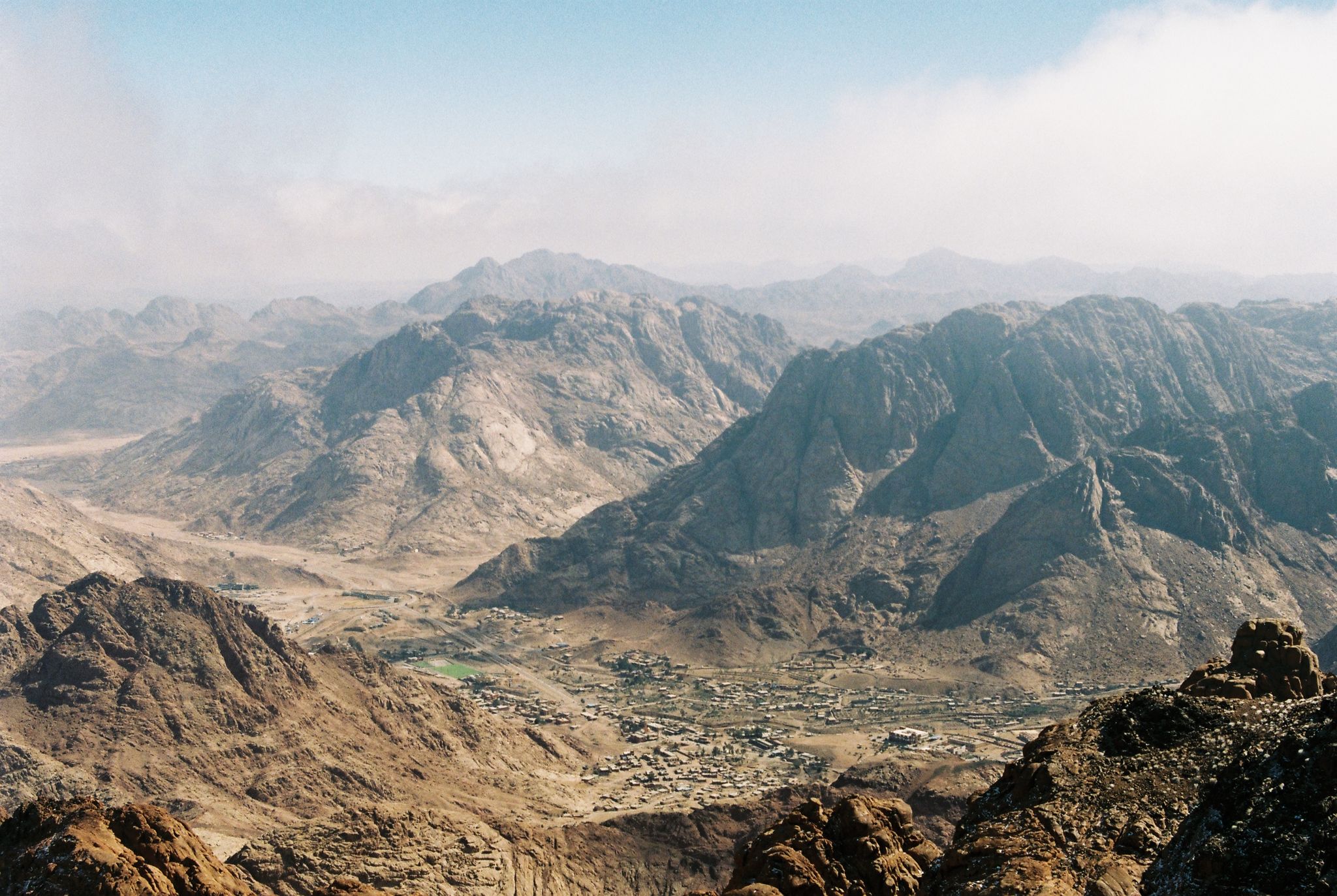
- The most popular natural monuments is Mount Sinai Summit, a summit that is one of the most sacred mountains on the African continent. It culminates at 2,285 meters above sea level and is known for its sunrise views.
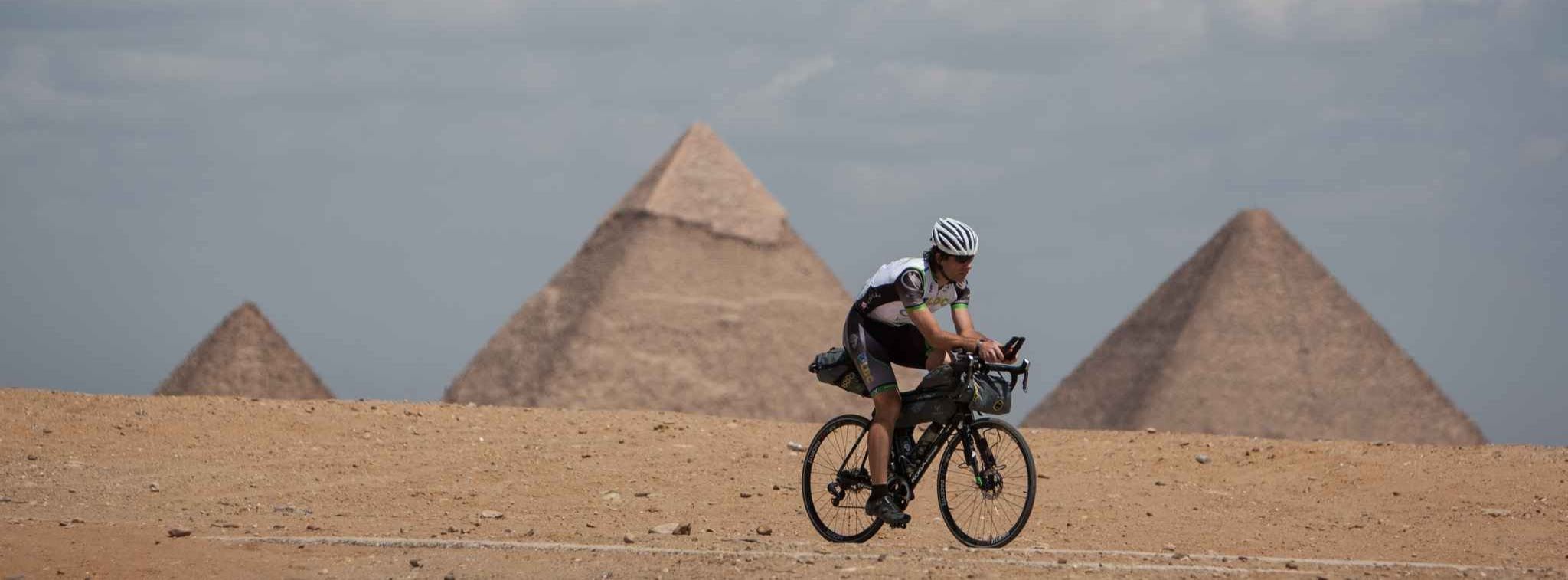
- Another must-see spot is Pyramids of Giza, a man-made monument. Visitors can expect to see the impressive structures of the Pyramids, which are also a popular photo motif.
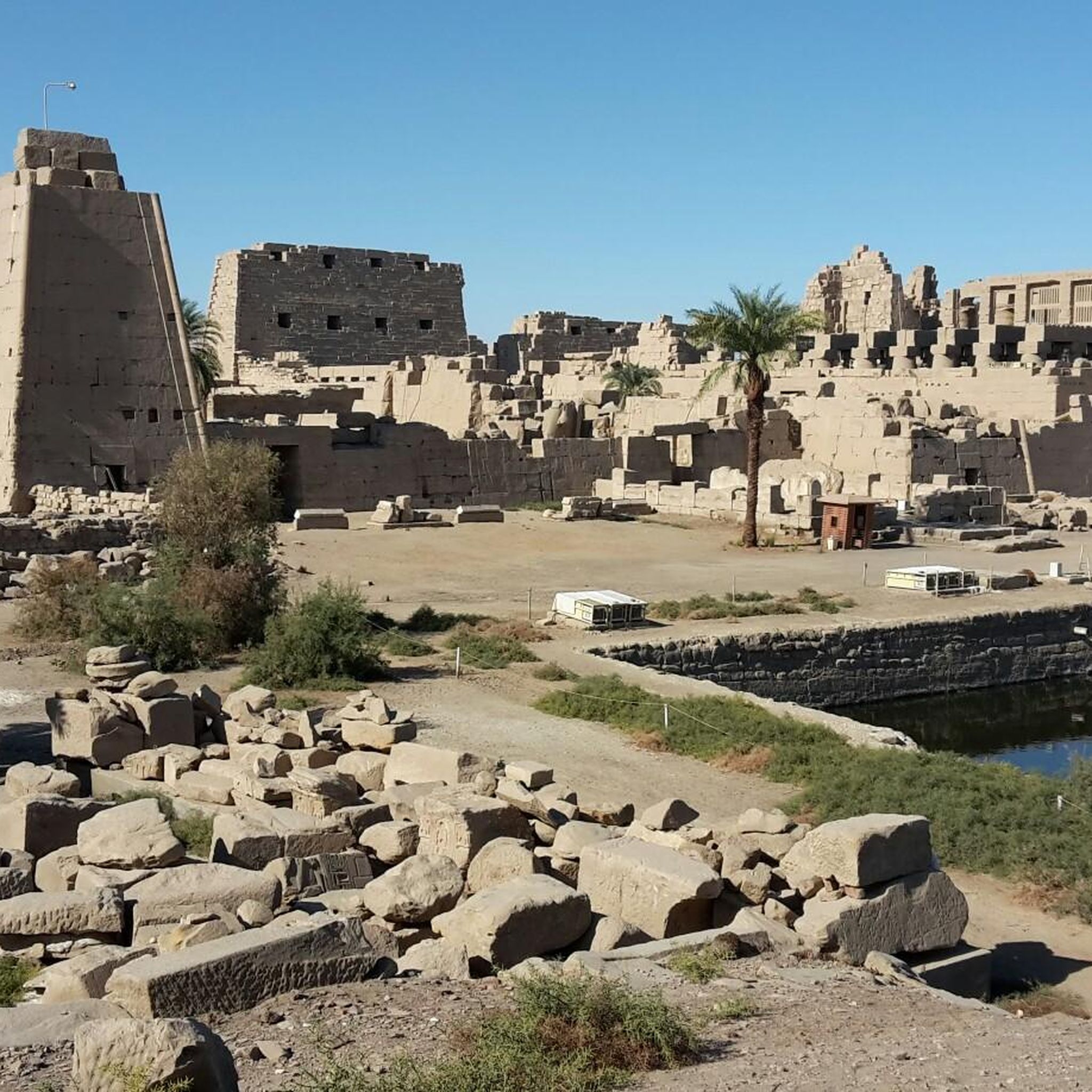
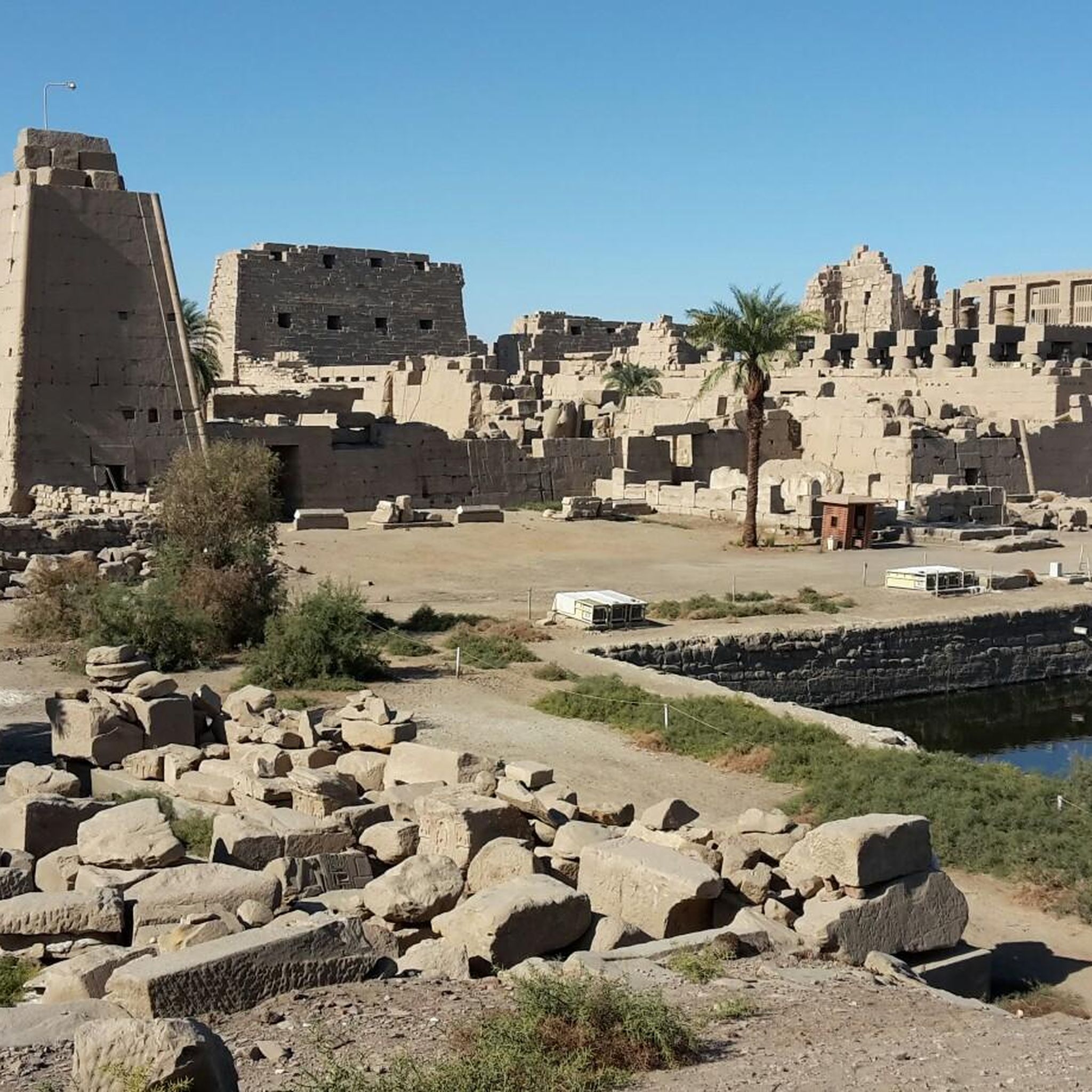
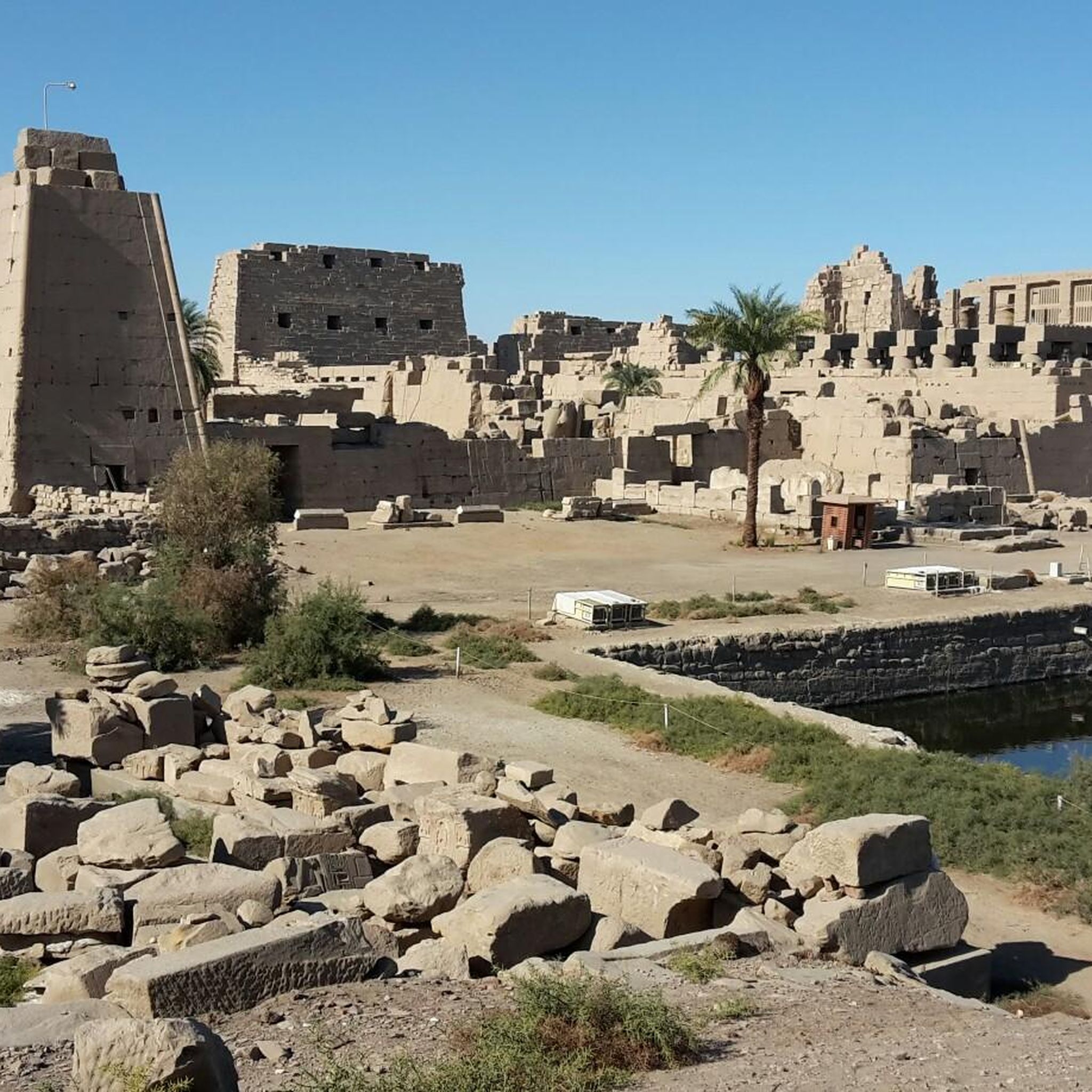
- Visitors also love Valley of the Kings, a historical site. This site is visited by many tourists daily due to its historical significance and numerous tombs.
- Egypt is known for its deserts, mountains, and marine sites. The country offers a variety of natural monuments to see and explore, including unique geological formations and ancient historical landscapes.
- The natural monuments in Egypt are appreciated by the komoot community, with 38 upvotes and 70 photos shared across 18 highlights.
Last updated: October 24, 2026
Mount Sinai Summit
Highlight • Summit
The one that is renamed the mountain of Moses culminates at 2,285 meters above sea level. She owes this nickname to the biblical episode which relates the moment when Moses received the Ten Commandments from the hands of God. A chapel and a mosque top the summit.
Now, the summit is popular with pilgrims and tourists. One of the key activities offered by the Bedouin guides is the ascent of the mountain for the majestic observation of the sunrise.
Translated by Google •
Tip by

Valley of the Kings
Highlight • Historical Site
It's best to go in the winter months, otherwise it becomes unbearable, as the sun blazes down here.
Translated by Google •
Tip by

Sign up now to discover places like this
Get recommendations on the best single tracks, peaks, & plenty of other exciting outdoor places.
Elijah's Basin
Highlight • Natural Monument
Below Mount Sinai, the place is popular with guides who want to bivouac to enjoy the first light of day on the sacred mountain early the next day.
Translated by Google •
Tip by
The Great Sphinx of Giza
Highlight • Monument
The Great Sphinx of Giza, commonly referred to as the Sphinx of Giza or just the Sphinx, is a limestone statue of a reclining sphinx, a mythical creature.
Facing directly from west to east, it stands on the Giza Plateau on the west bank of the Nile in Giza, Egypt.
The face of the Sphinx appears to represent the pharaoh Khafre.
Tip by

Pyramids of Giza: Sound and Light Show
Highlight • Historical Site
Translated by Google •
Tip by

Pier to the Coral Reef
Highlight • Bridge
Translated by Google •
Tip by

Wadi Degla Protected Area
Highlight • Gorge
Best to avoid mid day heat, the route gives you views across the spectacular Wadi Degla.
For those of you that find running a little too easy there is fitness stations every few hundred meters.
Definitely worth a look.
Tip by

Galt al Azraq
Highlight • Lake
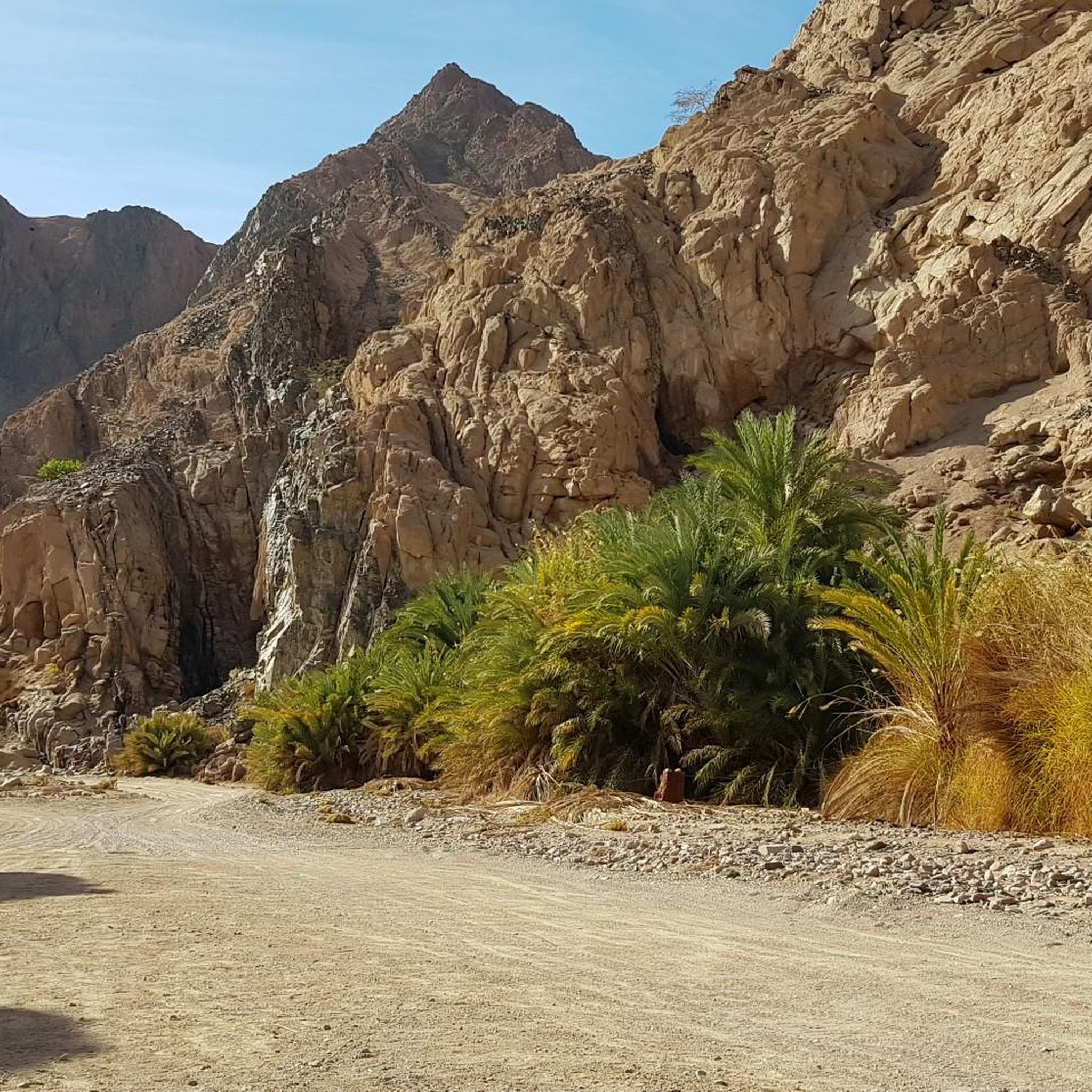
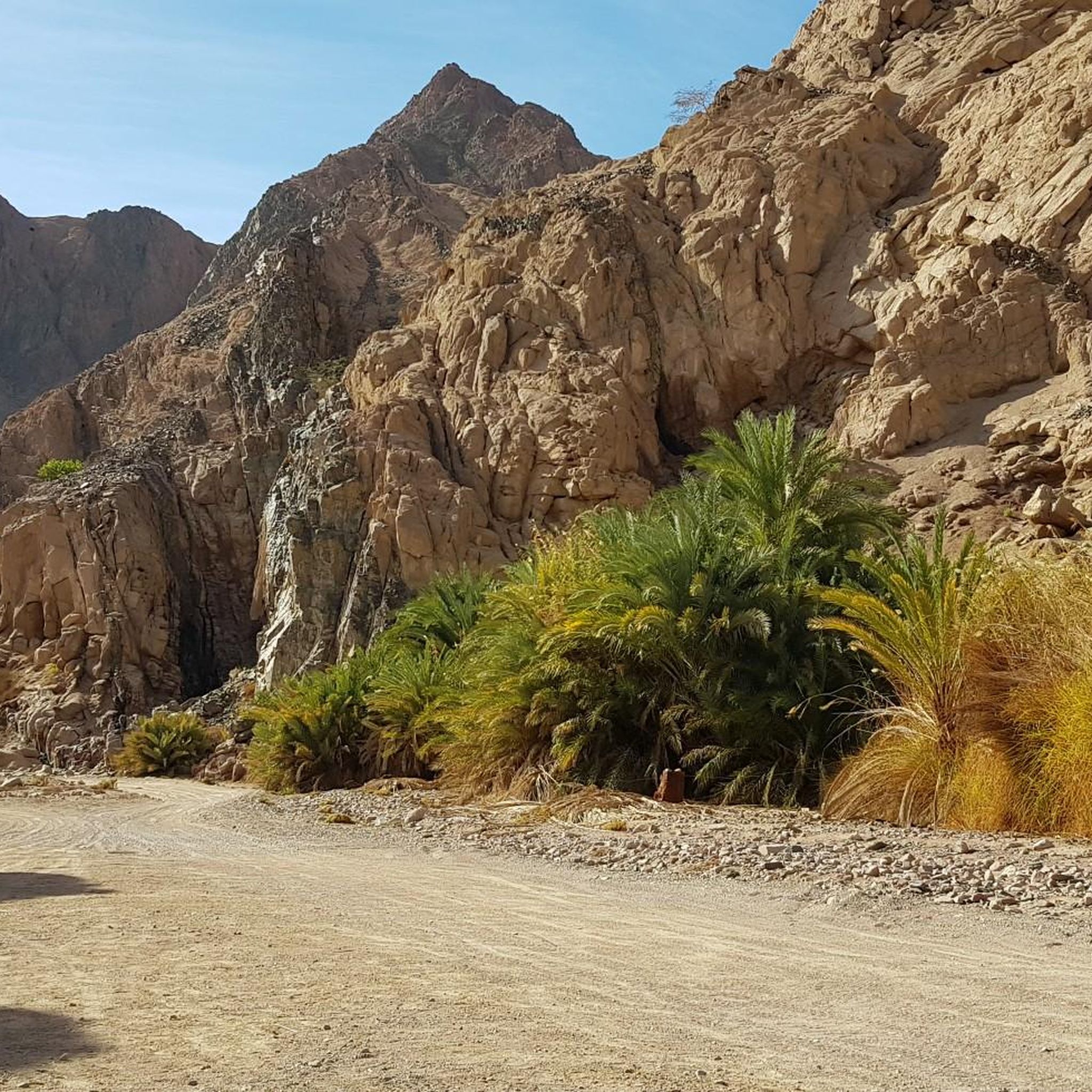
Wedged behind huge boulders of granite, the lake appears like an oasis. In the midst of hot days, its presence is a matter of Providence.
Translated by Google •
Tip by
Gebel Naja
Highlight • Summit
From the top of its 1,846 meters, the view of the north of the territory is impressive.
In a notebook, I wrote about it: “Ahead, for tens of kilometers, the desert stretched as far as the eye could see, biting into a sparkling sky. In the distance, flanked on the shore by a wide bar of rough sand, small dunes rippled like waves in a swirl of dust. Their crests were capped with dust of magnetite and ilmenite, two rocks with black hues and made up of iron oxide which Sinai abounded in.
Closer, the small village of Sheikh Awad bustled to the ceremonial rhythm of the desert. The minaret of his mosque pointed to the sky. A fire had been started. Exhaust from a vehicle disappeared into thin air. Men were chatting with a herd of goats.
Closer still, we watched the foot of our mountain, split to the west by Wadi Talah and to the east by Wadi Ginab. Both converged towards a small garden, withered, "that of Sheikh Ahmed" indicated to us our guide".
Translated by Google •
Tip by
View of Cairo from the Giza Plateau
Highlight • Viewpoint
Tip by

Sign up for free to discover even more natural monuments in Egypt.
Already have an account?
Start today with a free account
Your next adventure awaits.


Tips from the Community

☀️ Summer IN WADI – MTB & Trail Running Water is essential during long activities such as MTB and Trail Running. 💧 Carry enough water — there may be no water supply or support along the route. ☀️ Be prepared for the Egyptian summer heat — temperatures and direct sun can significantly increase the risk of dehydration and heat exhaustion. 🧂 Use electrolytes during long activities, especially when sweating heavily. 🎒 Do not rely on support stations — plan your own water and hydration needs before starting. 🧢 Protect yourself from the sun with suitable clothing, a cap/helmet, and sunscreen. ⚠️ Know your limits — if you feel dizzy, unusually weak, confused, or stop sweating despite feeling very hot, stop the activity and seek help immediately. 📱 Safety first — carry a charged phone and let someone know your route and expected return time.
0
0


Galt al Azraq, meaning “The Blue Pool,” is a breathtaking natural water pool nestled in the heart of Sinai’s rugged landscape. After hiking through rocky canyons and valleys, arriving at this cool, clear pool is a perfect reward — ideal for swimming or simply relaxing by the water. Surrounded by towering cliffs and desert scenery, the pool offers a refreshing break, especially in warmer months. It’s one of the most scenic spots on the trails between Saqar Canyon and Farsh Um Sela. What to know: Great for swimming if weather permits Bring swimwear and towels No facilities — pack out all trash Best visited in spring and autumn for pleasant temperatures Galt al Azraq is a must-visit oasis that combines natural beauty with a refreshing pause on your Sinai adventure.
0
0
Gebel Naja is a prominent mountain peak in the Saint Catherine Highlands, known for its rugged beauty and panoramic views. The hike to Gebel Naja offers a rewarding challenge, taking you over rocky trails and past unique desert flora. From the summit, you can admire sweeping vistas of the Sinai mountains and distant valleys, making it a favorite spot for photographers and nature lovers alike. What to know: Moderate to challenging hike Rocky terrain with some scrambling No water sources on the trail — carry enough water Best visited early in the day to avoid afternoon heat Gebel Naja is a must-visit for hikers seeking adventure and spectacular landscapes in Sinai.
0
0
Elijah’s Basin is a wide, open plateau just below the summit of Mount Sinai. According to tradition, this is where the Prophet Elijah hid and heard the voice of God. Today, it serves as a natural resting place before the final ascent to the summit. Surrounded by steep granite walls, the basin offers shelter from the wind and a peaceful place to pause, reflect, or gather before sunrise. Many hikers stop here to rest after climbing the camel path, and some they choose it to camp and spend a night in it, especially if they’re continuing up the Steps of Repentance to reach the summit. What to know: Ideal for short breaks or group gatherings Located just 20–30 minutes below the summit Some camel routes end here Often used as a safe place to wait for sunrise before climbing the last steps Elijah’s Basin is more than a stop — it’s a place where many hikers feel the quiet, spiritual presence of Sinai.
0
0
Mount Ahmar, meaning “The Red Mountain” in Arabic, is one of the hidden gems of the Saint Catherine Highlands. It stands out with its deep red granite rock and panoramic views stretching across the high mountains and down into the wide desert valleys. The trail to the summit passes through Wadi Ahmar, a narrow valley of smooth boulders and dry waterfalls. It’s a fun route that includes light scrambling, stone jumping, and walking over polished rock — challenging, but not too technical. From the top, you’ll see far beyond Wadi El-Mathar, across the central Sinai massif. On a clear day, the colors of the rocks shift with the sun — red, orange, grey, and gold. It’s a perfect spot for a long break, photos, or just quiet reflection.
1
1

The Great Sphinx of Giza, a colossal limestone statue with the body of a crouching lion and the head of a human, stands as a silent sentinel on the Giza Plateau in Egypt. Its sheer scale is breathtaking; it stretches approximately 240 feet long, 66 feet high, and 62 feet wide, making it one of the largest and oldest monolithic statues in the world. Carved from a single ridge of natural bedrock, the Sphinx has witnessed millennia of Egyptian history unfold around it. While the exact date of its construction and the identity of the pharaoh it depicts remain subjects of scholarly debate, it is generally believed to have been built during the Old Kingdom, around the reign of Khafre (circa 2558–2532 BC), the pharaoh also associated with the second-largest pyramid at Giza. The human face is often thought to represent Khafre himself, although some Egyptologists propose other possibilities. One of the most distinctive and intriguing features of the Sphinx is its missing nose. Various accounts and legends attempt to explain its absence. Popular folklore often attributes its removal to cannon fire by Napoleon's army in the late 18th century, but historical evidence suggests the nose was likely damaged much earlier, possibly by iconoclastic attacks in the medieval period. Drawings from before Napoleon's time already depict the Sphinx without its nose. Over the centuries, the Sphinx has been buried up to its neck in sand multiple times, requiring extensive excavation efforts to reveal its full grandeur. Today, it remains a powerful symbol of ancient Egypt, drawing countless visitors who marvel at its enigmatic presence and ponder the mysteries it still holds. The weathering of its limestone body over thousands of years serves as a tangible reminder of the relentless passage of time and the enduring legacy of this remarkable monument.
3
0

Best to go with a guide and always say no to street vendors
1
0
Frequently Asked Questions
What are some of the most unique natural monuments to visit in Egypt?
Egypt offers a diverse range of unique natural monuments. For a truly otherworldly experience, the Mount Sinai Summit is renowned for its majestic sunrise views. The White Desert National Park features surreal, wind-sculpted chalk formations, while Wadi El Hitan (Whale Valley) is a UNESCO World Heritage site preserving ancient whale fossils. For marine wonders, the Blue Hole in Dahab and Ras Mohammed National Park offer world-class diving and snorkeling among vibrant coral reefs.
What kind of landscapes can I expect to see among Egypt's natural monuments?
Egypt's natural monuments showcase a remarkable variety of landscapes. You can explore vast, dramatic deserts like the White Desert with its unique chalk formations and the contrasting Black Desert with volcanic hills. There are also significant mountain ranges, such as the one surrounding Mount Sinai Summit. Along the coast, you'll find stunning marine ecosystems, including vibrant coral reefs and underwater sinkholes like the Blue Hole, as well as coastal features like mangrove forests and salt lakes in areas like Ras Mohammed National Park.
Are there family-friendly natural monuments in Egypt?
Yes, several natural monuments in Egypt are suitable for families. The Pyramids of Giza, while man-made, are often included in natural monument discussions and offer an awe-inspiring experience for all ages, including a popular Sound and Light Show. Coastal areas like the Pier to the Coral Reef provide easy access for snorkeling, which is a great family activity. The Valley of the Kings is also considered family-friendly, offering a fascinating historical journey.
What is the best time to visit Egypt's natural monuments?
Generally, the cooler months from October to April are ideal for visiting Egypt's natural monuments, especially desert and historical sites. During this period, temperatures are more comfortable for outdoor activities like hiking and exploring. For marine sites like Ras Mohammed National Park and the Blue Hole, diving and snorkeling are excellent year-round, though the summer months (June-August) can be very hot, making water activities a welcome relief.
What outdoor activities can I do near Egypt's natural monuments?
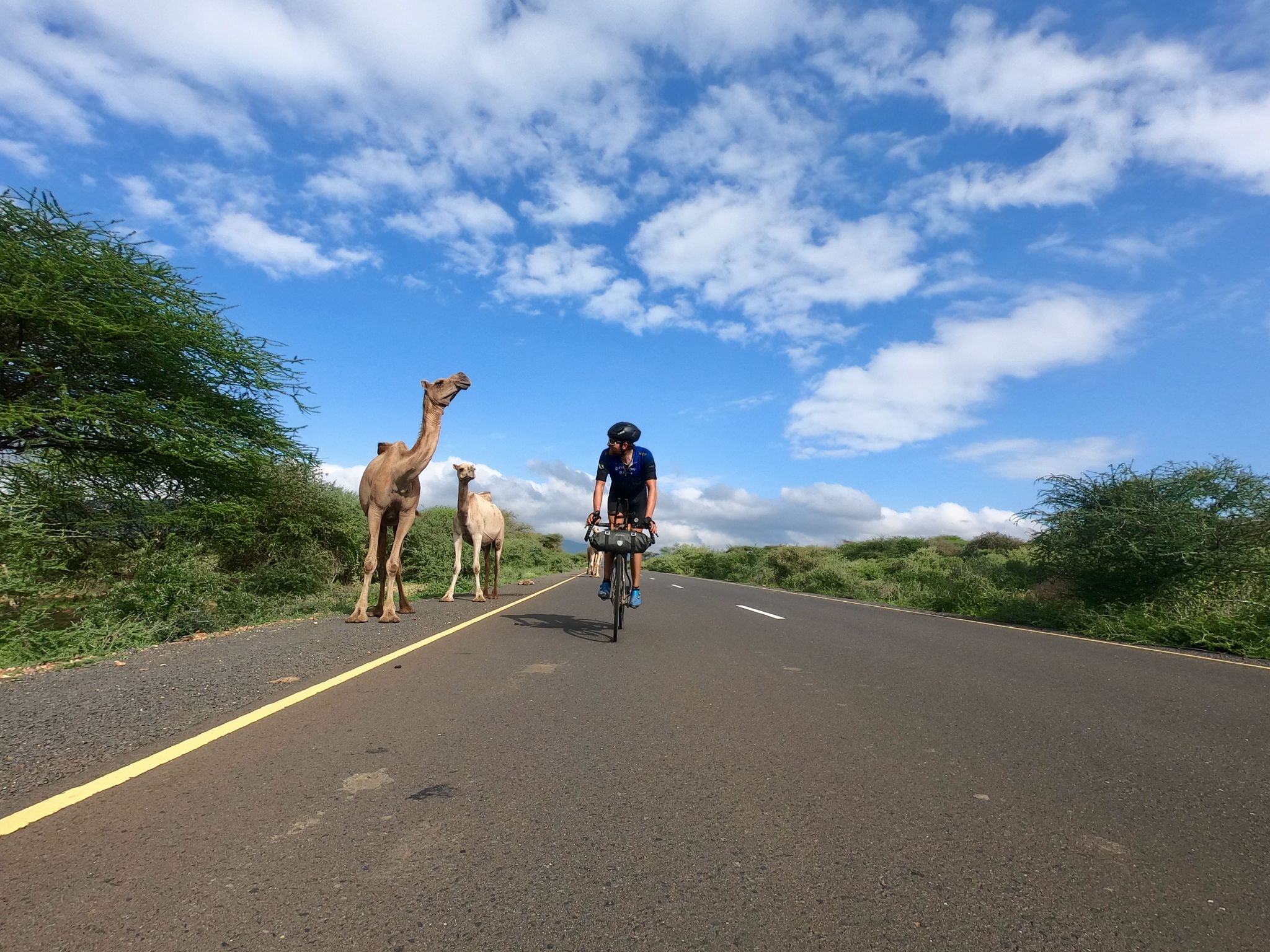
Many natural monuments in Egypt offer opportunities for outdoor activities. Near sites like Mount Sinai Summit, you can find excellent hiking trails, including the popular ascent for sunrise. Desert areas like the White Desert are perfect for off-road drives, camping, and stargazing. Coastal regions, particularly around the Blue Hole and Ras Mohammed National Park, are world-renowned for diving and snorkeling. You can also explore various hiking trails, MTB trails, and road cycling routes throughout Egypt.
Are there any historical or religious sites among Egypt's natural monuments?
Yes, Egypt's natural monuments often intertwine with rich history and religious significance. Mount Sinai Summit is considered one of the most sacred mountains, where Moses is said to have received the Ten Commandments. At its foot lies Saint Catherine's Monastery, home to the legendary Burning Bush. The Valley of the Kings, while a historical site, is set within a natural desert landscape and is famous for its ancient tombs.
What wildlife can I expect to see in Egypt's natural monuments?
The wildlife varies greatly depending on the monument's ecosystem. In marine protected areas like Ras Mohammed National Park, you can encounter over 1000 species of fish, 220 species of coral, and rare creatures like dugongs and green turtles. Desert regions, such as the White Desert, are home to desert foxes and various bird species. Wadi El Hitan is unique for its ancient fossilized whale skeletons, offering a glimpse into prehistoric marine life.
What should I wear when visiting natural monuments in Egypt?
When visiting natural monuments in Egypt, it's advisable to wear light, breathable clothing, especially during warmer months. For desert and mountain excursions, comfortable walking shoes or hiking boots are essential. If visiting religious sites like Saint Catherine's Monastery, modest attire covering shoulders and knees is recommended. For cooler desert nights or early morning ascents like Mount Sinai Summit, bring extra layers as temperatures can drop significantly.
Are there any UNESCO World Heritage sites among Egypt's natural monuments?
Yes, Egypt is home to several UNESCO World Heritage sites that are natural monuments or incorporate significant natural elements. Wadi El Hitan (Whale Valley) is a prime example, recognized for its exceptional fossil remains illustrating whale evolution. Saint Catherine's Monastery, located at the foot of Mount Sinai, is also a UNESCO site, valued for its religious and historical significance within a striking natural setting.
What is the significance of Wadi El Hitan (Whale Valley)?
Wadi El Hitan, or Whale Valley, is a UNESCO World Heritage Site of immense paleontological significance. It preserves hundreds of exceptionally well-preserved fossils of the earliest, now extinct, suborder of whales (Archaeoceti). These fossils, some with vestigial hind limbs, provide crucial evidence for the evolutionary transition of whales from land-based animals to ocean-dwelling mammals. It's often referred to as a 'living museum' of Earth's ancient history, dating back over 40 million years.
Can I go diving or snorkeling at Egypt's natural marine monuments?
Absolutely. Egypt is world-renowned for its spectacular marine natural monuments, offering some of the best diving and snorkeling experiences globally. The Blue Hole near Dahab is a famous underwater sinkhole with crystal-clear waters and vibrant coral reefs. Ras Mohammed National Park, at the tip of the Sinai Peninsula, is Egypt's first national park and a premier marine reserve, boasting incredible biodiversity and pristine coral gardens. You can easily access the reefs from jetties like the Pier to the Coral Reef.
What are the challenges of visiting natural monuments in Egypt?
Visiting natural monuments in Egypt can present some challenges, primarily related to the environment. Desert areas like the White Desert can have extreme temperatures, especially in summer, and require careful preparation for water and sun protection. Some mountain ascents, such as Mount Sinai Summit, are challenging due to altitude and require physical fitness. Crowds can also be a factor at very popular sites, particularly during peak season. It's always wise to check local conditions and guidance before your visit.
Most popular attractions in Egypt

Get inspired with the komoot mobile app


Explore more
Extend your search for the best caves by checking out these guides of the top ones in Egypt:
