Top 14 Natural Monuments in Guernsey
Best natural monuments in Guernsey showcase the island's diverse natural environment, from dramatic coastal cliffs to serene beaches and unique geological formations. Guernsey, a Channel Island, features a landscape shaped by its maritime location and ancient history. These sites offer varied experiences, including walking trails, scenic viewpoints, and opportunities to observe local flora and fauna. The island's natural monuments are integral to its character and provide insight into its ecological and geological significance.
Best natural monuments in Guernsey
- The most…
Last updated: July 7, 2026
Venus Pool
Highlight • Natural Monument
Tip by

Le Déhus Dolmen
Highlight • Historical Site
Tip by

Sign up now to discover places like this
Get recommendations on the best single tracks, peaks, & plenty of other exciting outdoor places.
Sign up for free
La Table des Pions (Fairy Ring)
Highlight • Historical Site
Translated by Google •
Tip by
Baie du Moulin Huet
Highlight • Beach
Translated by Google •
Tip by
La Coupée
Highlight (Segment) • Natural Monument
Translated by Google •
Tip by

La Varde Signal Rock and Les Hanois Lighthouse
Highlight • Monument
Translated by Google •
Tip by
Window in the Rock
Highlight • Natural Monument
Translated by Google •
Tip by

La Corbière Headland
Highlight • Viewpoint
Translated by Google •
Tip by
View from Jerbourg Point
Highlight • Viewpoint
Translated by Google •
Tip by

Courtes Fallaizes Abreuvoir and Fountain
Highlight • Structure
Translated by Google •
Tip by

Sign up for free to discover even more natural monuments in Guernsey.
Sign up for free
Already have an account?
Start today with a free account
Your next adventure awaits.
Login or Signup
Tips from the Community

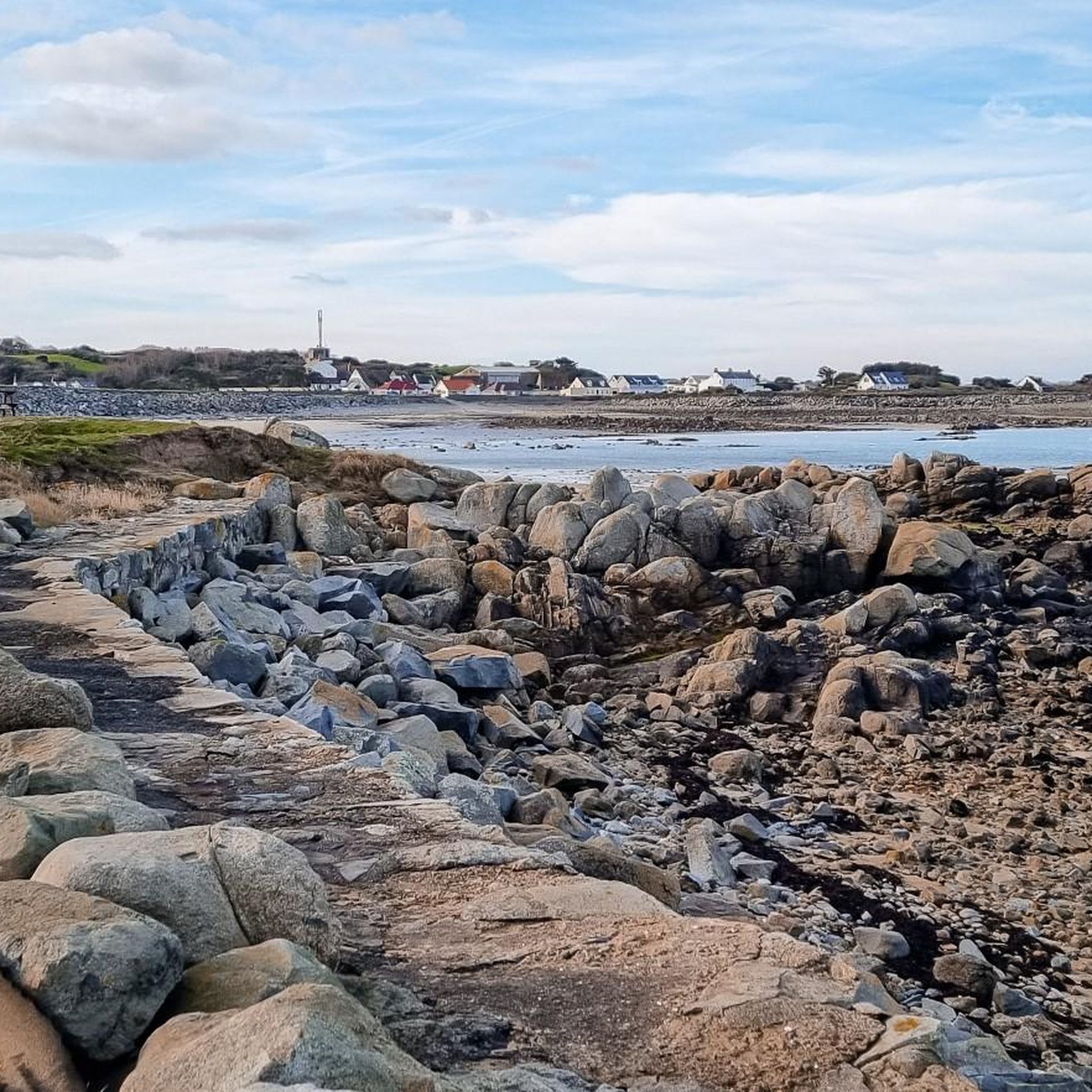
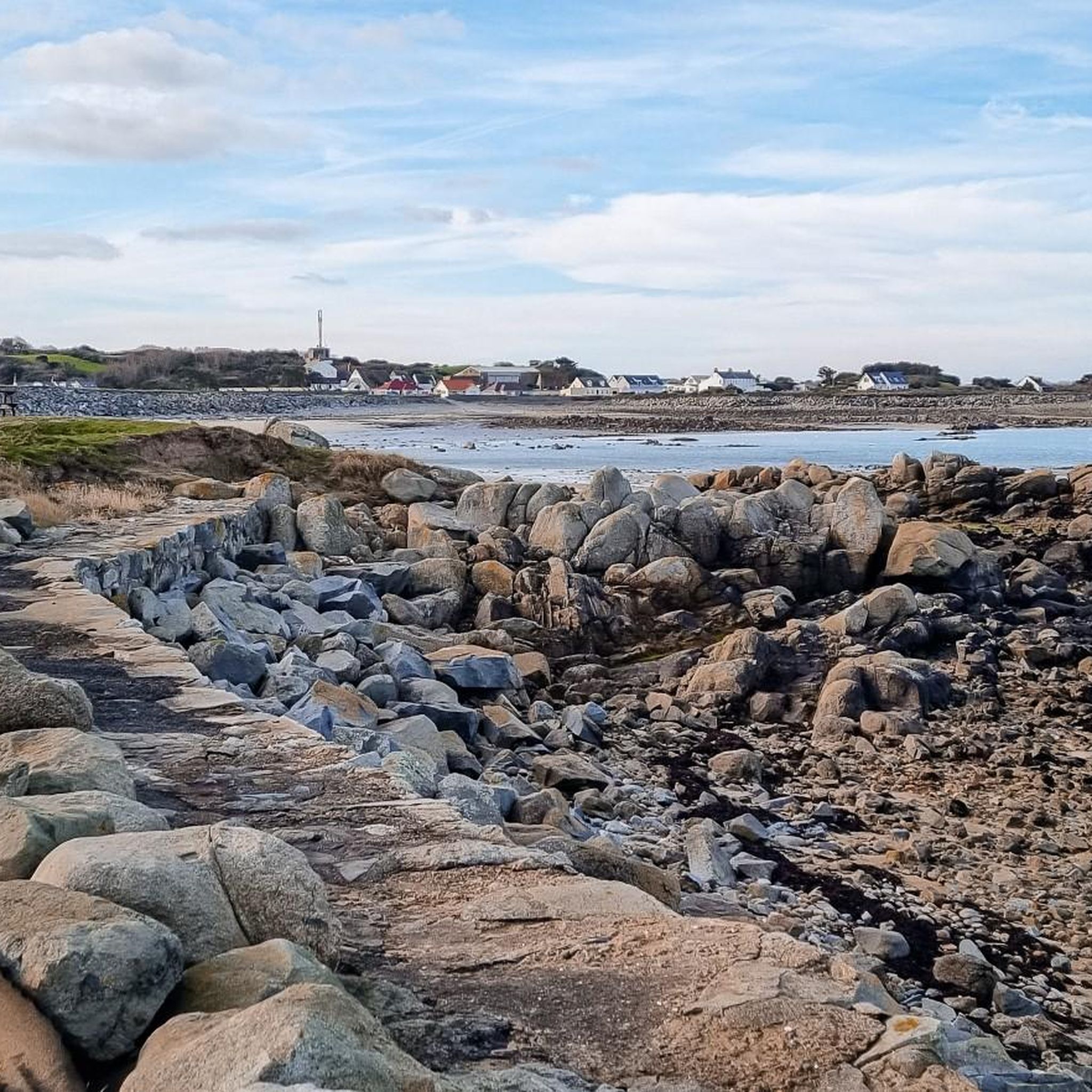
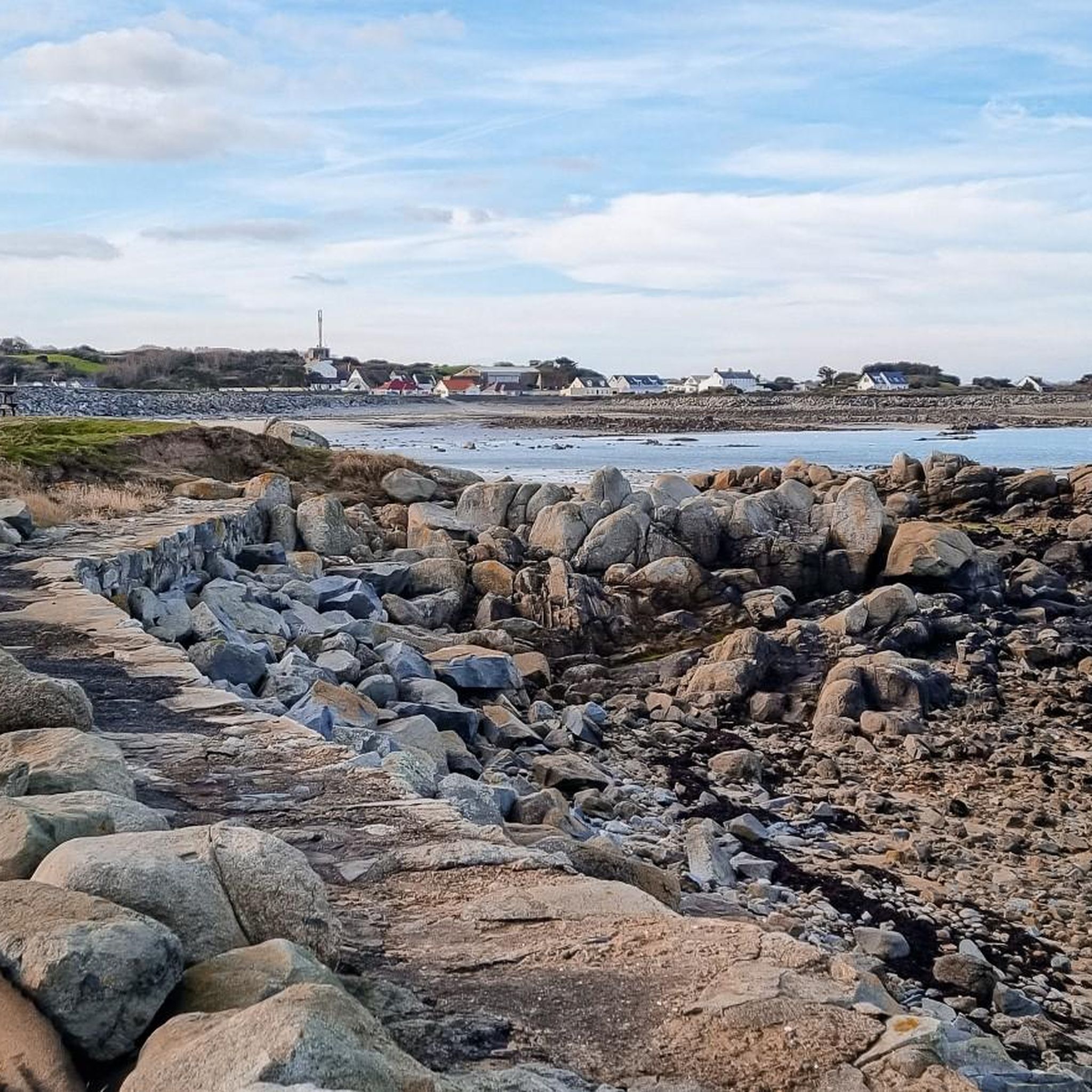
Please note: The Venus Pool is only visible 2 hours before and after low tide. At high tide, it is underwater!
0
0

It is said that if you walk around the stone circle three times and make a wish it will come true!
0
0
Locally known as the fairy ring as it was reputed that fairies and elves danced around it at night wearing out a path. In reality it was where the ‘pions’ (valets) of the officials of the Royal court sat to eat their lunch when the Royal party did their annual roads inspection known as the Chevauchee.
0
0
Neolithic passage grave with a carving of what looks like a bearded man on the underside of one of the capstone. Inside there is alight which, once switched on, sends a beam across the carving to bring it to ‘life’ much as the sun would have done on certain days.
0
0

Although we are here on the island of Sark in the English Channel, this name takes the viewer to far more southerly climes: The Mediterranean region is known for its world of gods dating back to ancient, pre-Christian times. At least the corresponding names from Greek and Roman mythology, which are still popular today, have been preserved over the millennia. For example, this rock formation on the coast, "Venus Pool", was named after the Roman goddess of beauty and love: VENUS, born of foam, who emerges from the sea. Her Greek counterpart is the goddess APHRODITE in the local mythology.
0
0

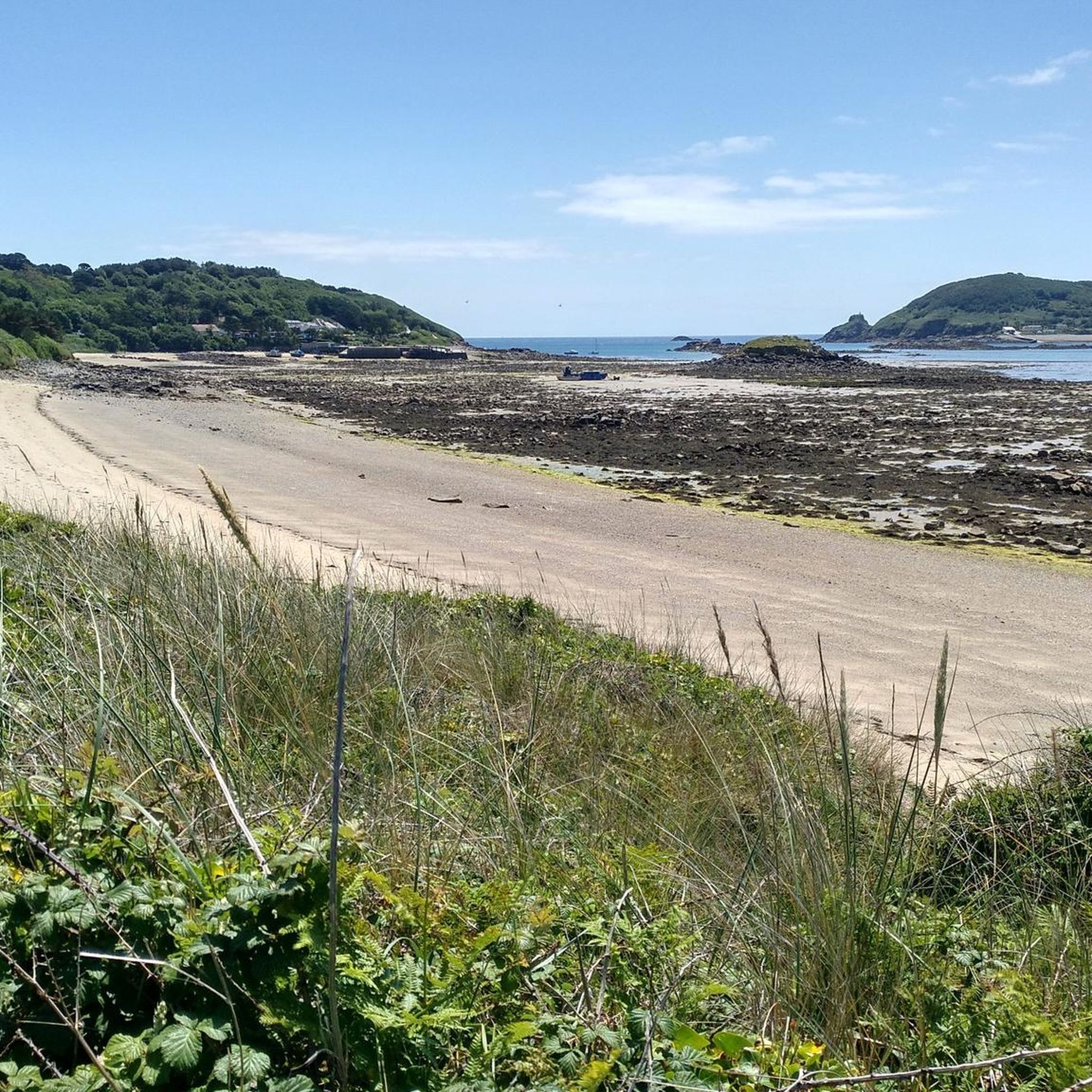
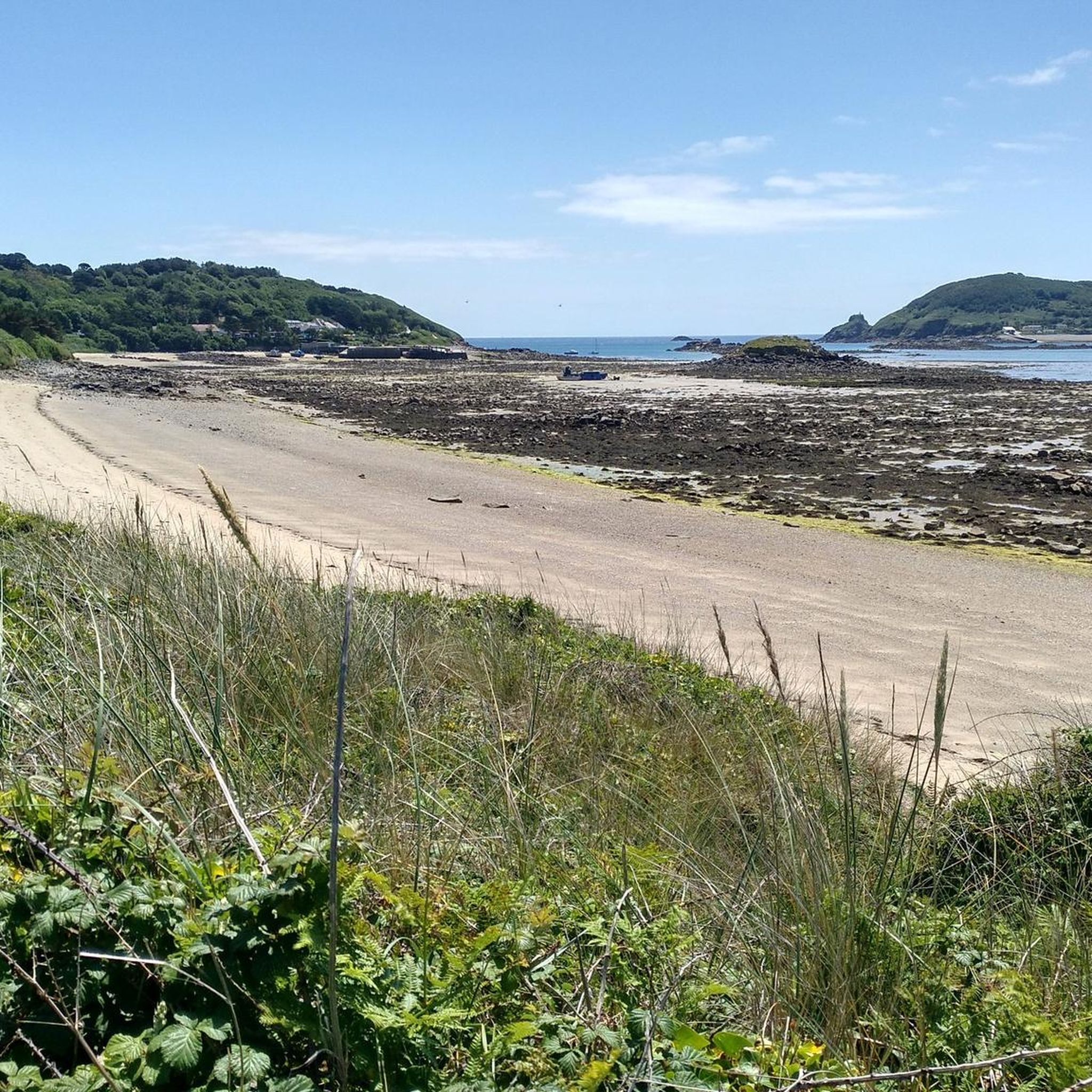
One of Guernsey's quieter corners with dramatic coastline. There is a large parking lot near the tower
0
0
There is a good, large parking lot for cars and bikes. The hikes are rewarding in all directions! The views are among the best on the island. The kiosk (enough picnic benches) is good, but the cake buffet opposite in the hotel is sensational.
1
0
Frequently Asked Questions
What are some of the most unique natural monuments to visit in Guernsey?
Guernsey offers several unique natural monuments. For a truly distinctive experience, visit La Coupée, a narrow crossing connecting two parts of the island, offering photogenic scenery that can only be traversed on foot. Another remarkable spot is the Venus Pool, a rock pool on Sark that requires a scramble to reach but offers a refreshing dip at low tide. Additionally, the intertidal zone around Lihou Island and La Claire Mare Nature Reserve is a Ramsar site, showcasing one of the world's largest tidal ranges and diverse marine life.
Which natural monuments in Guernsey are best for coastal walks and dramatic views?
Guernsey's south coast cliffs are ideal for dramatic coastal walks. Areas near Le Gouffre offer strenuous yet rewarding paths with expansive sea views and glimpses of Nazi-era range-finding towers. View from Jerbourg Point provides extensive vistas, allowing you to see France, Sark, and Jersey. Pleinmont Headland on the southwest coast also offers magnificent views, including the Hanois lighthouse and Lihou Island, embodying a wild, untamed beauty.
Are there any natural monuments in Guernsey with historical or ancient significance?
Yes, several natural monuments in Guernsey hold historical significance. The Le Déhus Dolmen is a prehistoric passage grave, offering a fascinating look into the island's ancient past. Similarly, La Table des Pions (Fairy Ring) is another ancient monument with historical roots. The L'Ancresse and Pembroke Bays area also features historic and ancient burial sites alongside its natural beauty.
What are some family-friendly natural monuments or activities in Guernsey?
For families, Baie du Moulin Huet is a beautiful beach with crystal-clear waters and rock pools to explore at low tide. Cobo Bay is another popular family spot, known for its clear waters, white sand, and amenities. Petit Port, while requiring a descent of 270 steps, rewards visitors with a serene beach perfect for swimming, picnicking, and sunbathing. The Courtes Fallaizes Abreuvoir and Fountain is also noted as family-friendly.
Where can I find woodlands or nature reserves among Guernsey's natural monuments?
Guernsey boasts beautiful woodlands and nature reserves. Bluebell Wood (Le Petit Bois), located near St Peter Port, is an extraordinary woodland, especially in springtime when it's carpeted with bluebells. It's considered the finest example of native woodland and a Site of Nature Conservation Importance. Vale Pond Nature Reserve offers a peaceful oasis for bird-watching and walking, while Guernsey's Forest in St. Martin is an ancient woodland spanning over 270 acres, providing a sanctuary for diverse plant and animal species.
What is the best time of year to visit Guernsey's natural monuments?
The best time to visit Guernsey's natural monuments is generally during the spring and summer months (April to September). Spring offers the magical sight of bluebells in Bluebell Wood and pleasant temperatures for coastal walks. Summer provides ideal conditions for enjoying the beaches, swimming, and exploring the island's diverse landscapes. The weather is typically milder and more conducive to outdoor activities during these seasons.
Are there opportunities for cycling near Guernsey's natural monuments?
Yes, Guernsey offers various cycling opportunities. You can find numerous road cycling routes, such as the 'Le Déhus Dolmen – Plage de Port Soif loop' or the 'Cobo Bay – Grande Rocque Battery loop'. For mountain biking, there are trails like the 'St Saviour's Reservoir – Fort Grey loop'. These routes often pass by or are close to natural monuments, allowing you to combine sightseeing with cycling. You can explore more options on the Road Cycling Routes in Guernsey guide and the MTB Trails in Guernsey guide.
What kind of wildlife can I expect to see at Guernsey's natural monuments?
Guernsey's natural monuments are home to diverse wildlife. The intertidal zone around Lihou Island and La Claire Mare Nature Reserve is particularly rich in marine life due to the large tidal range. In woodlands like Guernsey's Forest, you might spot the elusive Guernsey partridge and red squirrels. The island's cliff paths and nature reserves also provide habitats for various bird species and unique flora, especially wildflowers along the hedgerows and grasslands.
Are there any natural monuments in Guernsey that are less crowded?
While popular spots can attract visitors, some natural monuments offer a more tranquil experience. Petit Port, despite its beauty, requires descending 270 steps, which can deter some visitors, making it a quieter spot for relaxation. Bluebell Wood (Le Petit Bois) offers a serene retreat, especially outside of peak bluebell season. Exploring the extensive cliff paths away from main viewpoints can also lead to more secluded sections.
What should I wear when visiting Guernsey's natural monuments?
When visiting Guernsey's natural monuments, it's advisable to wear comfortable walking shoes or hiking boots, especially if you plan to explore the cliff paths or areas with uneven terrain. Layers of clothing are recommended as the weather can change quickly, particularly along the coast. A waterproof jacket is also a good idea. For sunny days, bring sun protection like a hat and sunscreen.
Can I find cafes or refreshments near Guernsey's natural monuments?
Yes, several natural monuments have amenities nearby. For instance, View from Jerbourg Point has a cafe available for refreshments. Cobo Bay, a popular beach, also has amenities nearby. While exploring, you may find cafes or pubs in nearby villages or towns, especially along popular routes. It's always a good idea to check local listings for specific locations.
What are the options for public transport to reach Guernsey's natural monuments?
Guernsey has a comprehensive bus network that can take you to many of the island's natural monuments and walking trailheads. The bus service is a convenient way to explore without a car. Routes often connect major towns like St Peter Port with coastal areas and villages where many natural sites are located. For detailed routes and schedules, it's best to consult the local public transport website or information points upon arrival.
Are there running trails available near Guernsey's natural monuments?
Yes, Guernsey offers a variety of running trails that often pass through or near its natural monuments. You can find routes like the 'Running loop from Saint Peter Port' or longer, more challenging options such as the 'Cobo Bay – Plage de Port Soif loop'. These trails allow you to experience the island's natural beauty while enjoying a run. More details can be found in the Running Trails in Guernsey guide.
Most popular attractions in Guernsey

Get inspired with the komoot mobile app


Explore more
Extend your search for the best caves by checking out these guides of the top ones in Guernsey:
