Top 20 Natural Monuments in Iceland
Natural monuments in Iceland are a product of the country's volcanic and glacial activity, creating a unique and dramatic landscape. This geological diversity offers a wide array of features, from active geothermal areas and powerful waterfalls to stunning coastal formations and glacial lagoons. The island's terrain provides opportunities to explore visible tectonic plate boundaries and ancient historical sites.
Best natural monuments in Iceland
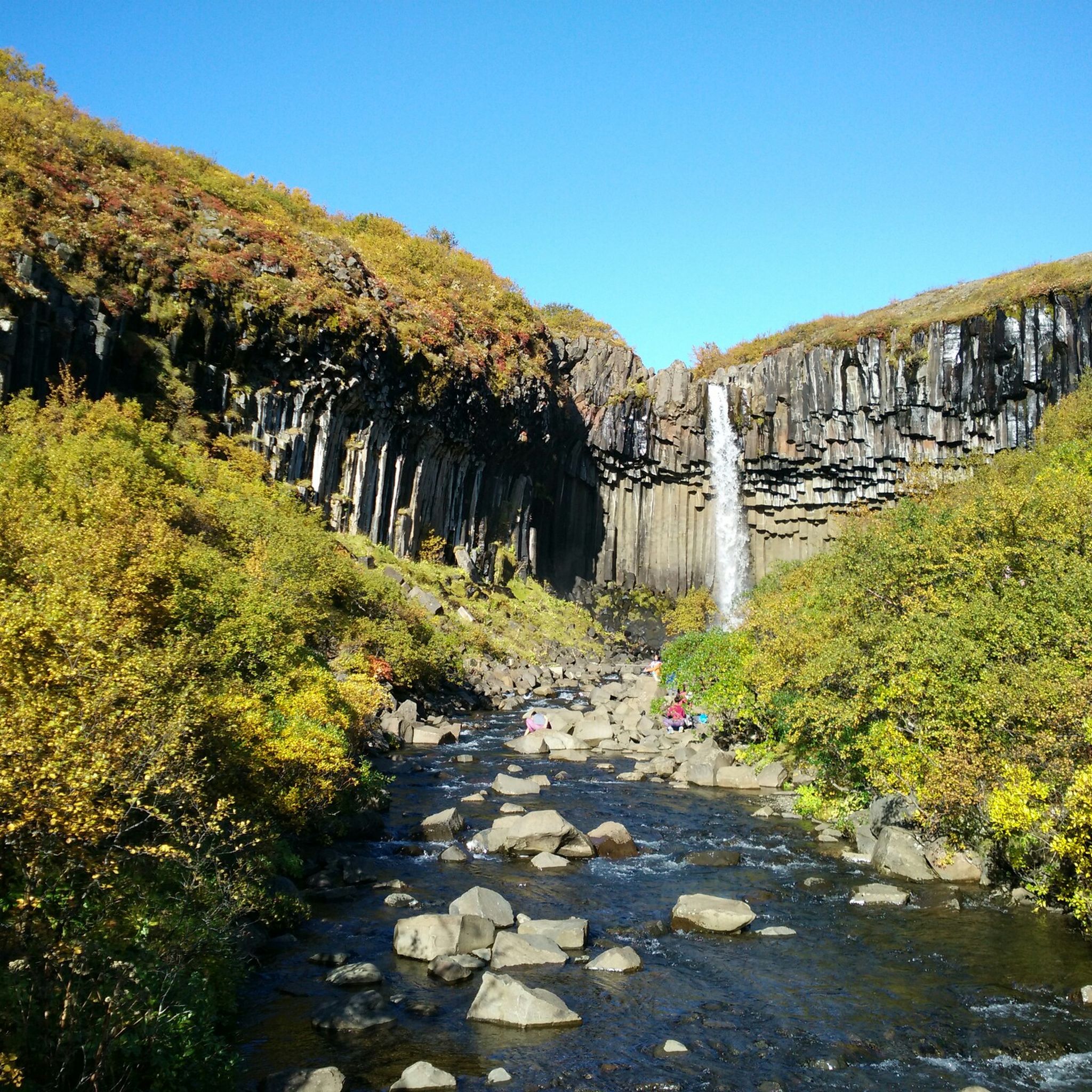
- The most popular natural monuments is Svartifoss, a waterfall known for its hexagonal basalt columns. These…
Last updated: August 17, 2026
Svartifoss
Highlight • Waterfall
Translated by Google •
Tip by

Brúar Falls (Brúarfoss)
Highlight • Waterfall
Translated by Google •
Tip by

Sign up now to discover places like this
Get recommendations on the best single tracks, peaks, & plenty of other exciting outdoor places.
Sign up for free
Dettifoss
Highlight • Waterfall
Translated by Google •
Tip by

Seljalandsfoss Waterfall
Highlight • Waterfall
Translated by Google •
Tip by
Öxarárfoss
Highlight • Waterfall
Translated by Google •
Tip by

Thingvellir National Park
Highlight • Natural Monument
Translated by Google •
Tip by

Reykjadalur - The "Steam" Valley
Highlight (Segment) • Natural Monument
Translated by Google •
Tip by
Flosagjá Fissure
Highlight • Gorge
Translated by Google •
Tip by
Skógafoss
Highlight • Waterfall
Translated by Google •
Tip by
Almannagjá Rift
Highlight (Segment) • Gorge
You will …
Translated by Google •
Tip by
Sign up for free to discover even more natural monuments in Iceland.
Sign up for free
Already have an account?
Start today with a free account
Your next adventure awaits.
Login or Signup
Popular around Iceland
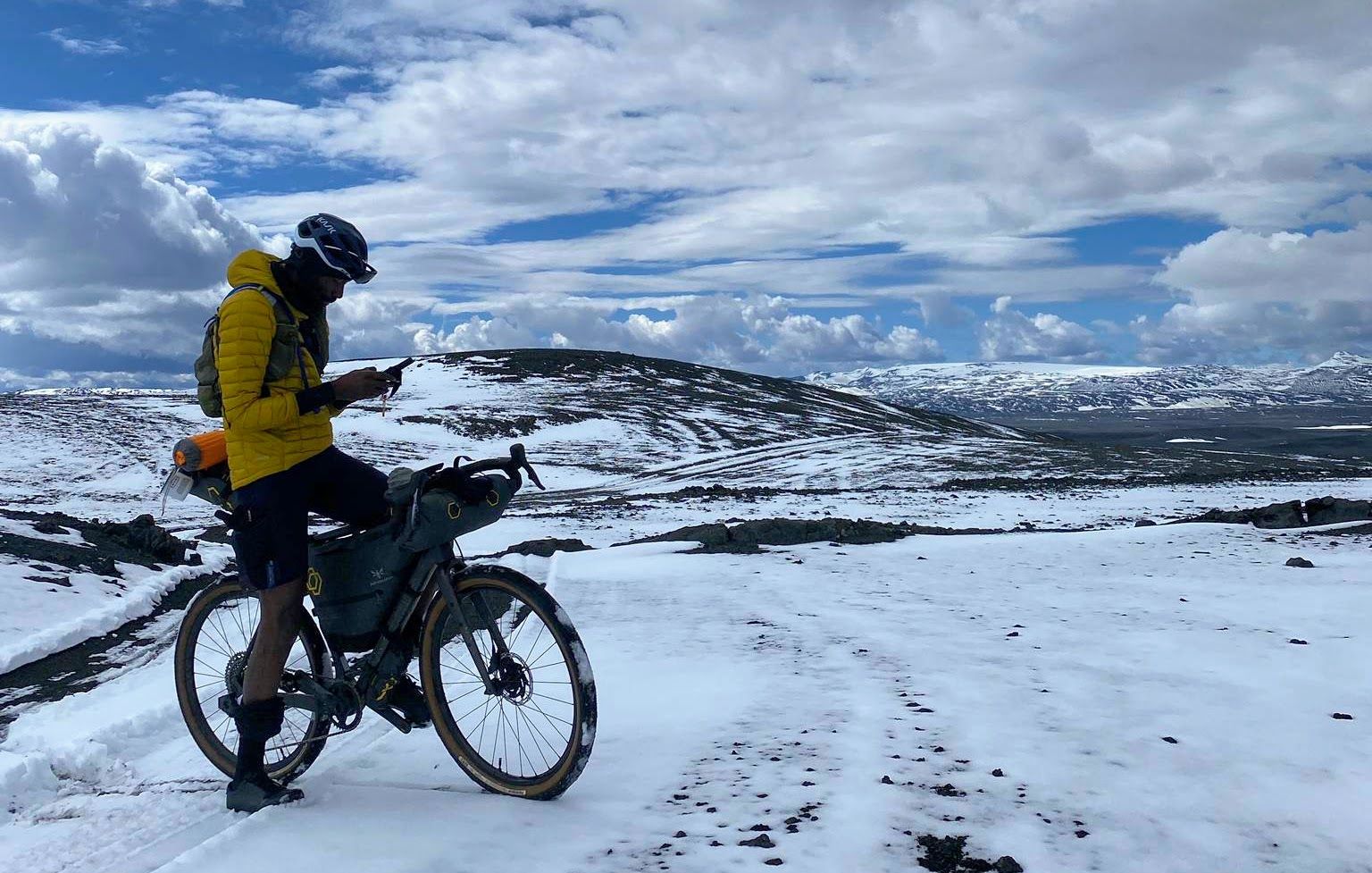
Iceland Divide – Lava fields, icy glaciers and river crossings
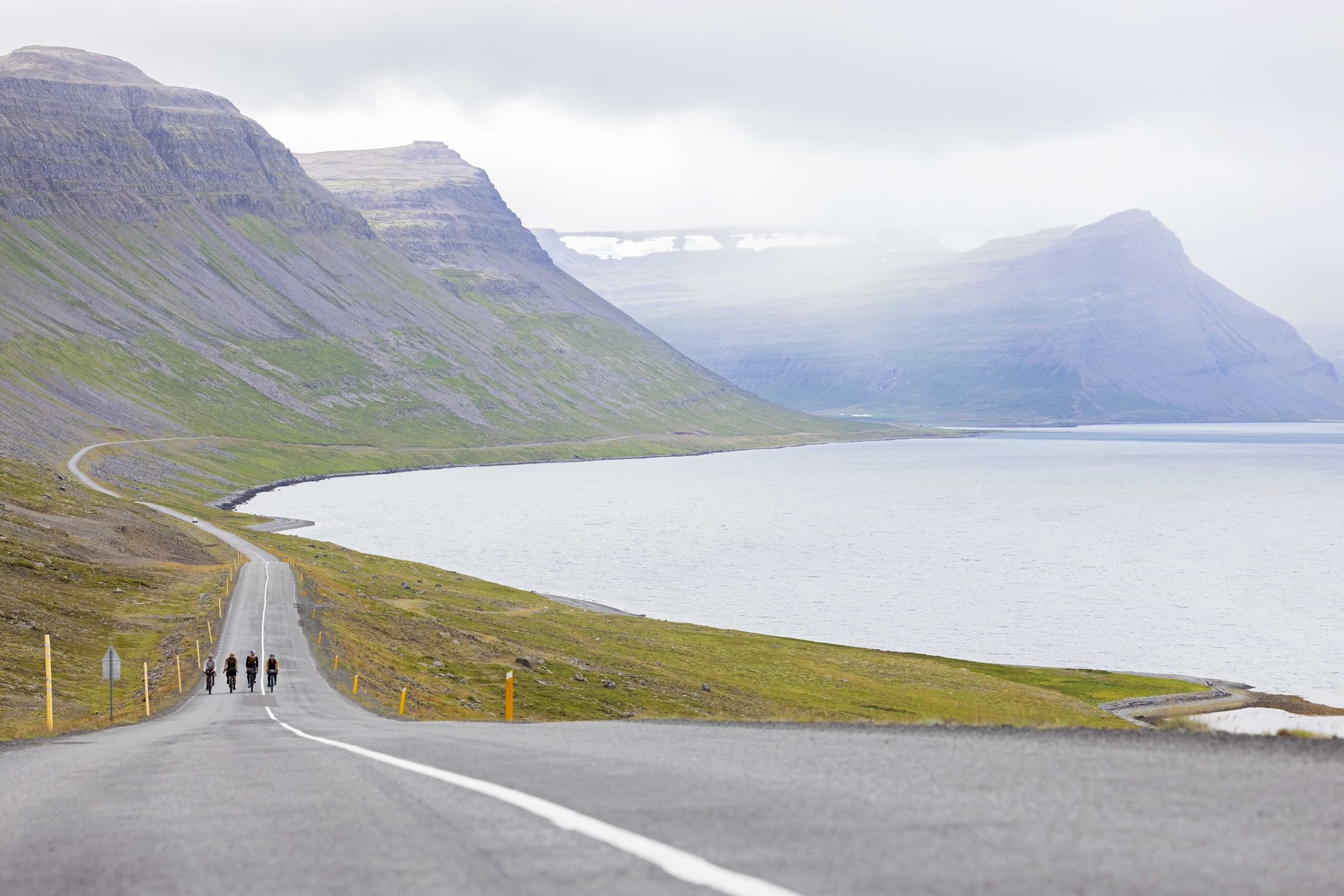
The Westfjords Way — Bikepacking Iceland's most remote coastline
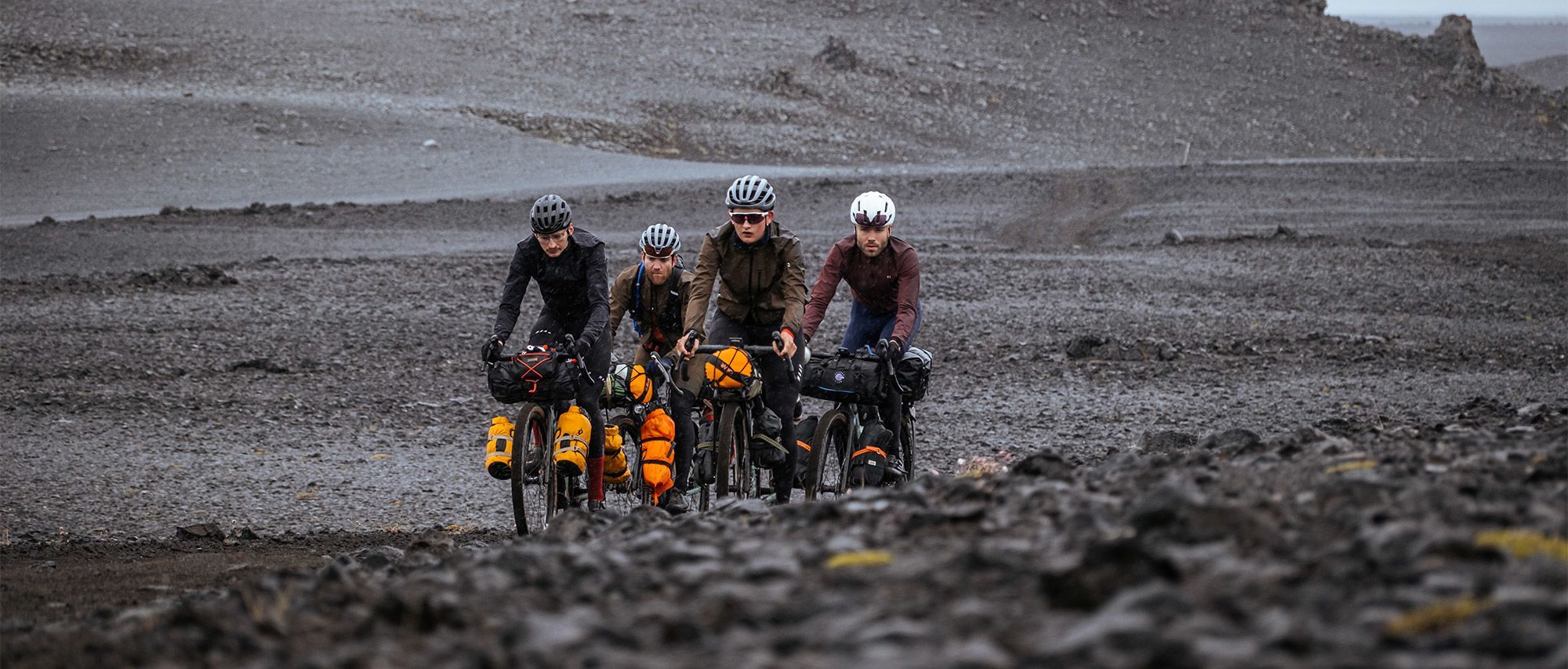
Iceland Divide — Ride Beyond Crew: between fire and ice
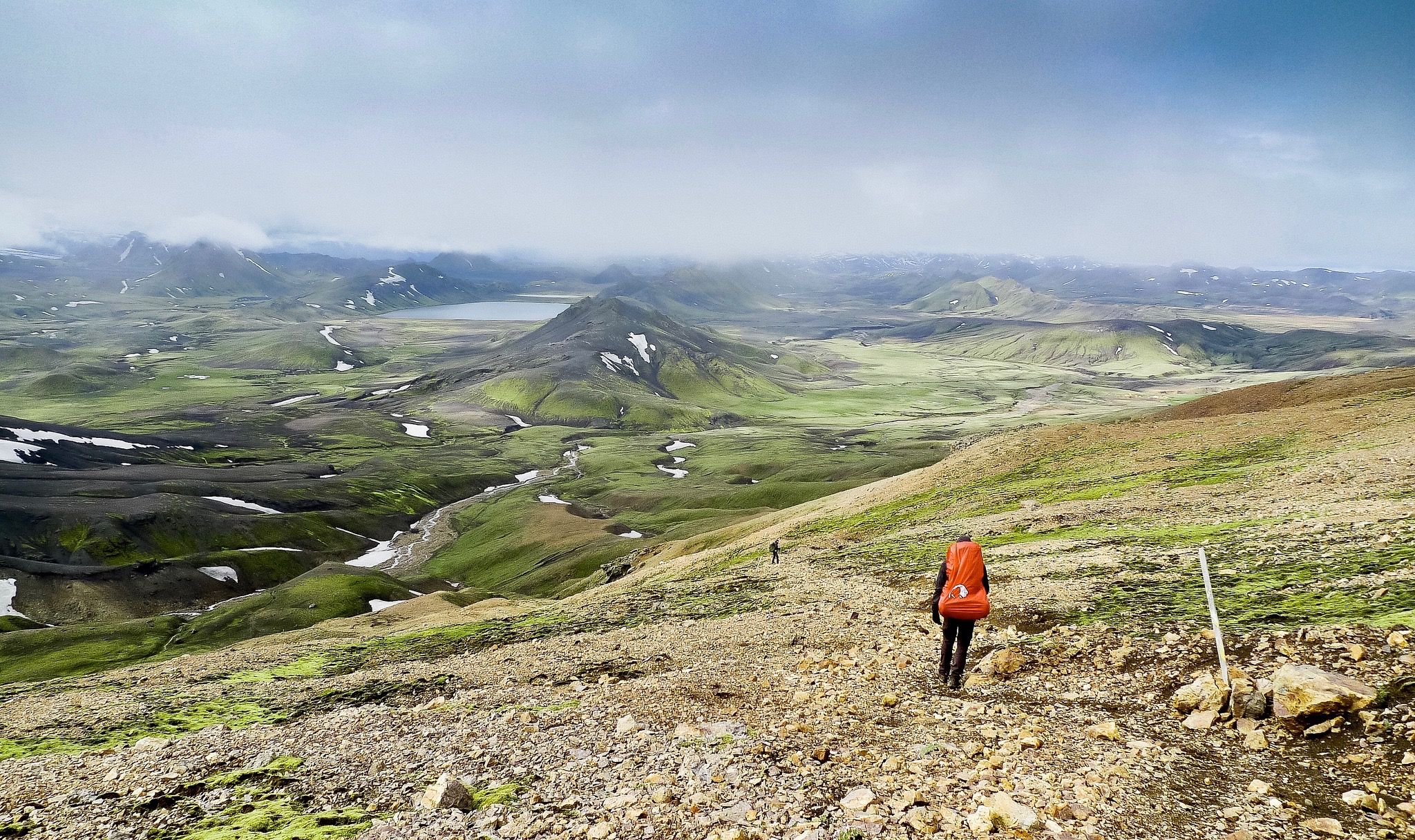
Laugavegur — 6 days trekking through Iceland
Glamping Adventures on Foot
Solitude in the saddle – Iceland Divide
Icelandic Highlands – Kjölur and the northwest fjords
Gravel: Islands Westfjorde
Holy mountains and their stories
Hiking in Iceland
Other adventures in Iceland


Tips from the Community

A very nice hike in itself, BUT: mosquitoes are everywhere. It's best to wear a net over your head and face.
0
0

As of July 2024, there is a road leading directly to the waterfall. Parking costs 750 ISK for small cars, while VW buses and the like cost 2000 ISK for a maximum of 4 hours. Each additional hour costs an additional 2000 ISK, regardless of the vehicle type.
2
0

Þingvellir (or Thingvellir) National Park in Iceland is a unique geological location. It is the place where the North American and Eurasian tectonic plates move apart. This separation is very clearly visible in the park, making it one of the few places in the world where you can see this phenomenon so clearly. The park is located on the Mid-Atlantic Ridge and the plates here are drifting apart at a rate of about 2 to 2.5 centimeters per year. This results in spectacular geological features such as deep gorges filled with very cold and clear water, fissures, cracks, waterfalls, subsidence and fault surfaces.
14
1

Very nice place with lots of parking spaces and entrances. The P2 parking lot is generally very full, as most people intuitively use it due to its proximity to the waterfall. All the places you can visit there are therefore very well distributed. There are also good quality toilets there. Many tour operators offer day trips in small group buses.
5
0

It is unimaginable what forces must have been at work here when these continental plates formed. Why do people always think they are above everything? When nature uses its powers, people are insignificant 😉. I was very impressed by this short hike between the continental plates.
6
0
Snorrabud is an important historical site, located in Þingvellir National Park. It is the founding location of Iceland as it was the site of the country's first parliament. The views from here are absolutely stunning. You can even go diving here if you're brave enough to brave the icy waters, where you can see the tectonic plates from a completely different perspective.
9
0
Located in the Þingvellir National Park, Flosagjá is an impressive gorge that is part of the Mid-Atlantic Ridge. This gorge, which contains crystal clear water that maintains a constant temperature of 3-4°C all year round, is a remarkable natural wonder. Flosagjá is about 730 meters long and reaches a depth of about 25 meters. It is named after Flosi Þórðarson, an important character in the Brennu-Njáls saga, who is said to have jumped the gorge to escape his enemies.
10
0
'Peningagjá' is a term from Icelandic and can be split into two parts: 'peninga' and 'gjá'. 'Peninga' means 'coin' and 'gjá' means 'crack' or 'gorge'. So, 'Peningagjá' can be translated as 'Cracked Coin'. This name comes from the tradition where visitors throw coins into the clear waters of the crevice in the hope of luck and fortune. It is important to note that authorities have now decided to stop this practice to preserve nature.
8
0
Frequently Asked Questions
What are some of the most popular natural monuments in Iceland?
Iceland is home to many breathtaking natural monuments. Among the most popular are Svartifoss, known for its unique hexagonal basalt columns, and Seljalandsfoss Waterfall, where you can walk behind the cascade for a unique perspective. Visitors also highly rate Skógafoss, a powerful waterfall often adorned with rainbows on sunny days.
What unique geological features can I expect to see at Iceland's natural monuments?
Iceland's natural monuments showcase incredible geological diversity. You can witness the visible separation of tectonic plates at Thingvellir National Park, explore the dramatic basalt columns at Reynisfjara Black Sand Beach, or marvel at the floating icebergs in the Jökulsárlón Glacial Lagoon. The country is also famous for its active geothermal areas, like the Geysir Hot Springs, where Strokkur erupts regularly.
Are there family-friendly natural monuments in Iceland?
Yes, many of Iceland's natural monuments are suitable for families. Seljalandsfoss Waterfall and Skógafoss are easily accessible and offer exciting experiences. Thingvellir National Park provides gentle trails and historical intrigue for all ages. The Blue Lagoon, while partially man-made, is also a popular family destination for its relaxing geothermal waters.
When is the best time to visit Iceland's natural monuments?
The best time to visit Iceland's natural monuments largely depends on what you want to experience. Summer (June to August) offers milder weather, longer daylight hours, and full accessibility to most sites. Winter (November to March) provides a dramatic, snow-covered landscape and opportunities to see the Northern Lights, though some areas might have limited access due to weather conditions. Many waterfalls, like Svartifoss, are particularly mystical with ice formations in winter.
How accessible are Iceland's natural monuments, and what about parking?
Many of Iceland's major natural monuments are quite accessible, often located near the Ring Road. Most popular sites, such as Skógafoss and Seljalandsfoss Waterfall, have dedicated parking facilities. However, some locations, like Brúar Falls (Brúarfoss), might require a short hike from the parking area, and paths can be slippery in wet conditions.
Are there any historical sites among Iceland's natural monuments?
Absolutely. Thingvellir National Park is not only a geological wonder but also a UNESCO World Heritage site of immense historical significance. It was the founding location of Iceland's first parliament, Almannagjá, where the ancient assembly met. You can walk through the Almannagjá Rift, which is both a geological and historical landmark.
What outdoor activities can I do near these natural monuments?
The areas around Iceland's natural monuments offer fantastic opportunities for outdoor activities. You can find numerous hiking trails, such as those leading to Svartifoss or exploring the Reykjadalur - The "Steam" Valley, where you can even bathe in a warm river. For more options, explore waterfall hikes or easy hikes in Iceland. Gravel biking is also popular, with routes like those found in Gravel biking in Iceland.
How long does it typically take to explore or hike around these natural monuments?
The time required varies greatly. Many roadside attractions like Seljalandsfoss Waterfall can be enjoyed in 30-60 minutes. However, exploring larger areas like Thingvellir National Park or hiking to Svartifoss might take 2-3 hours or more, depending on the trails you choose. For the Reykjadalur Hot Spring River, the walk is approximately 3 km one way, taking 45-60 minutes to reach the bathing area.
What are the most striking geological features found among Iceland's natural monuments?
Iceland's landscape is a geological marvel. You'll encounter dramatic basalt columns at Svartifoss and Reynisfjara Black Sand Beach, which were formed by cooling lava. The country is also famous for its fissures and rifts, such as the Flosagjá Fissure and Almannagjá Rift in Thingvellir, where the continental plates are visibly pulling apart. Geothermal activity is evident in the erupting geysers and hot springs of the Geysir area.
What do visitors enjoy the most about Iceland's natural monuments?
Visitors are consistently captivated by the raw power and unique beauty of Iceland's natural monuments. Many highlight the immersive experience of walking behind Seljalandsfoss Waterfall, the grandeur of Skógafoss, and the surreal landscapes of floating icebergs at Jökulsárlón. The geological formations, like the basalt columns at Svartifoss, also receive high praise for their distinctive appearance.
Are there natural monuments in Iceland with varying terrain or difficulty levels for exploration?
Yes, Iceland offers a range of terrain and difficulty levels. While many popular sites are easily accessible, others require more effort. For instance, the hike to Svartifoss is a well-developed trail, but continuing further to the plateau can be rougher. The path to Brúar Falls (Brúarfoss) can be slippery in bad weather. The walk to the Reykjadalur Hot Spring River involves a moderately challenging 3 km hike with some steep and narrow sections.
Most popular routes in Iceland
Most popular attractions in Iceland

Get inspired with the komoot mobile app


Didn’t find what you were looking for?
Find even more amazing natural monuments in Iceland by checking out the top Highlights region by region:
Explore more
Extend your search for the best caves by checking out these guides of the top ones in Iceland:
