Top 20 Natural Monuments around Andermatt
Best natural monuments around Andermatt are found in the Swiss Alps, a region characterized by its high mountain passes, deep gorges, and alpine lakes. This area serves as a significant geographical crossroads, historically connecting different cantons and cultures. The landscape features dramatic rock formations, river valleys, and elevated plateaus. It offers a diverse natural environment for exploration.
Best natural monuments around Andermatt
- The most popular natural monuments is Source of the Rhine – Lai da Tuma, a lake that…
Last updated: October 11, 2026
Source of the Rhine – Lai da Tuma
Highlight • Lake
Translated by Google •
Tip by

Schöllen Gorge
Highlight • Bridge
Showing Translation
Tip by

Sign up now to discover places like this
Get recommendations on the best single tracks, peaks, & plenty of other exciting outdoor places.
Devil's Bridge (Teufelsbrücke) in Schöllenen Gorge
Highlight • Bridge
Translated by Google •
Tip by

Lake Oberalp
Highlight • Lake
Translated by Google •
Tip by

Lake Lucendro
Highlight • Lake
Translated by Google •
Tip by

Sign up for free to discover even more natural monuments around Andermatt.
Already have an account?
Start today with a free account
Your next adventure awaits.
Popular around Andermatt
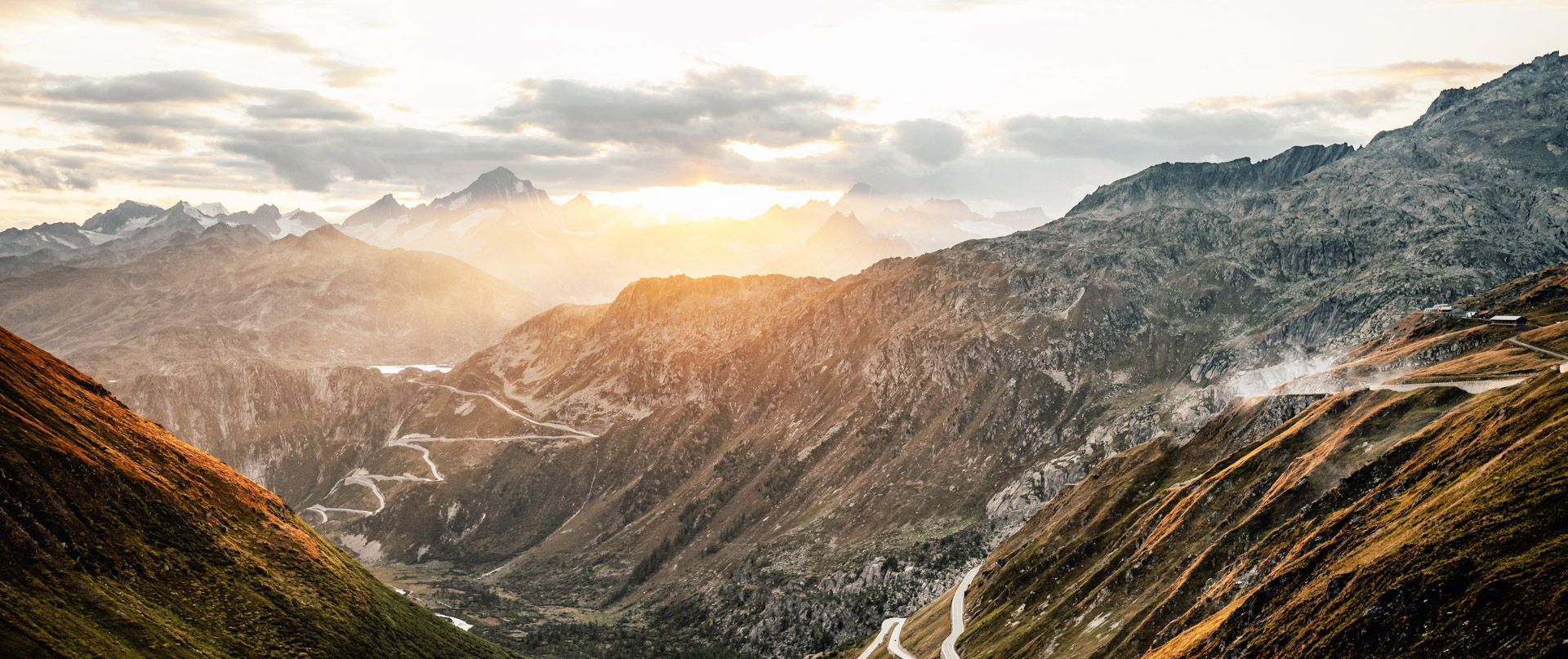
The Rhone Route – from glaciers to Lake Geneva
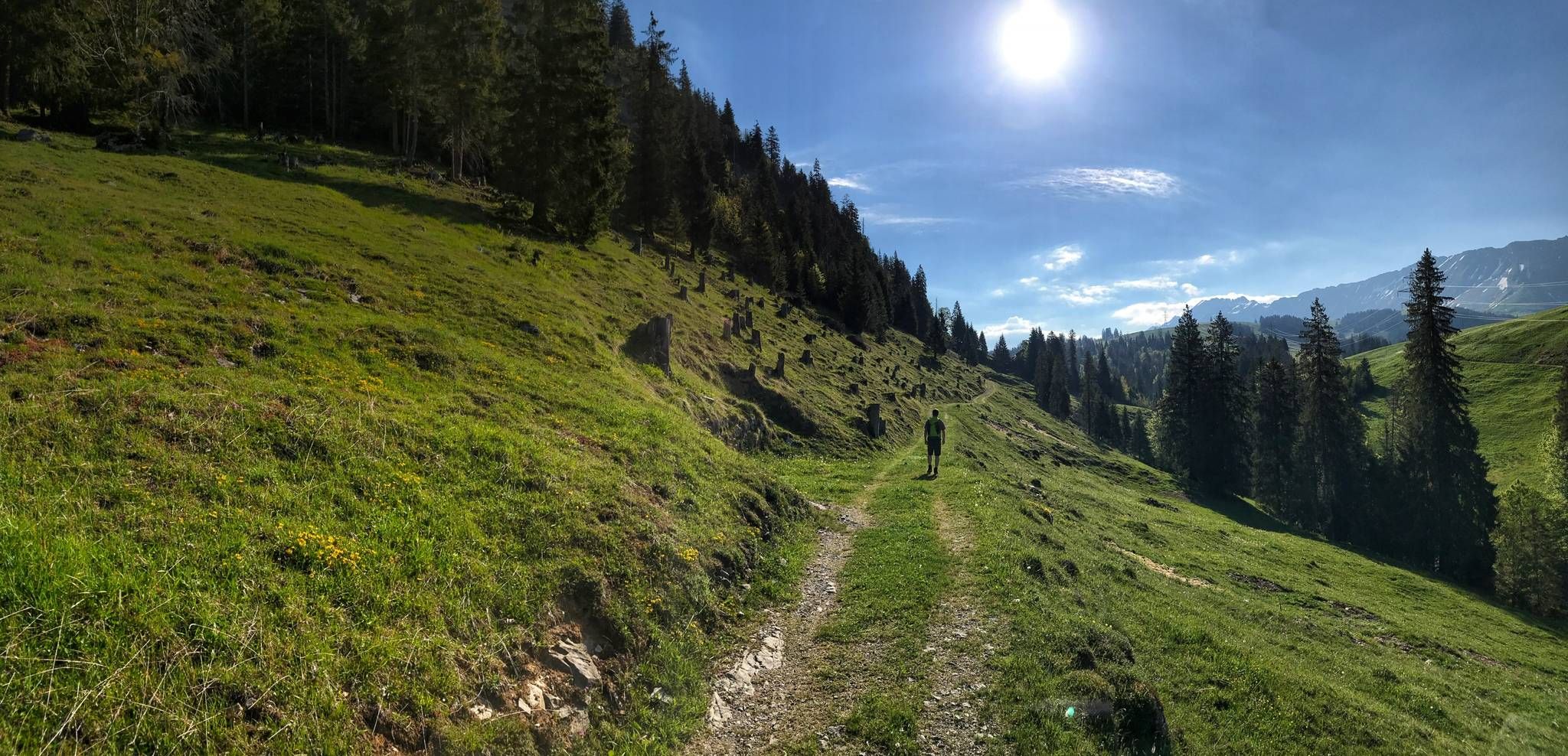
Trans Swiss Trail – Hiking across Switzerland
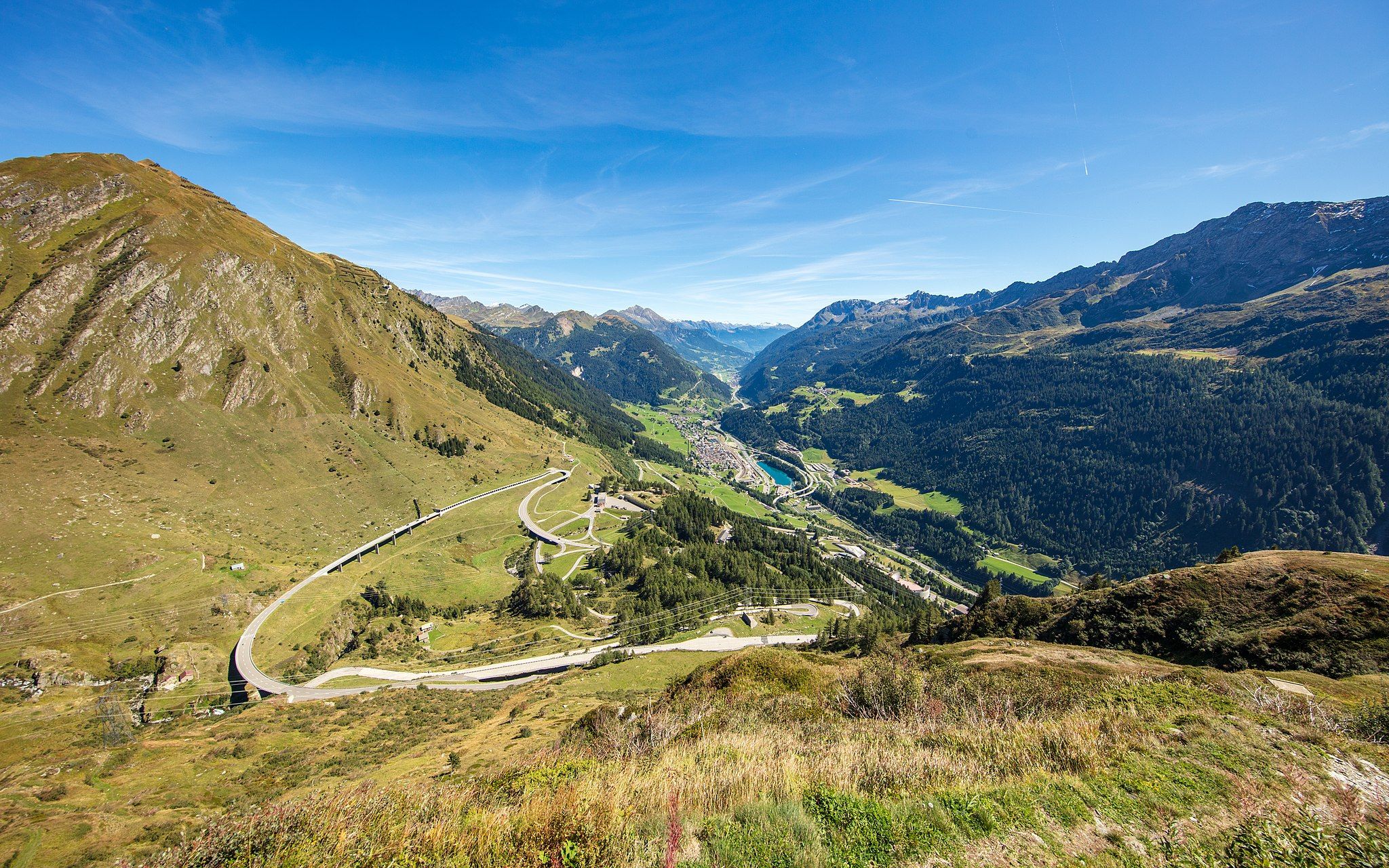
Via Gottardo – Following historic trails
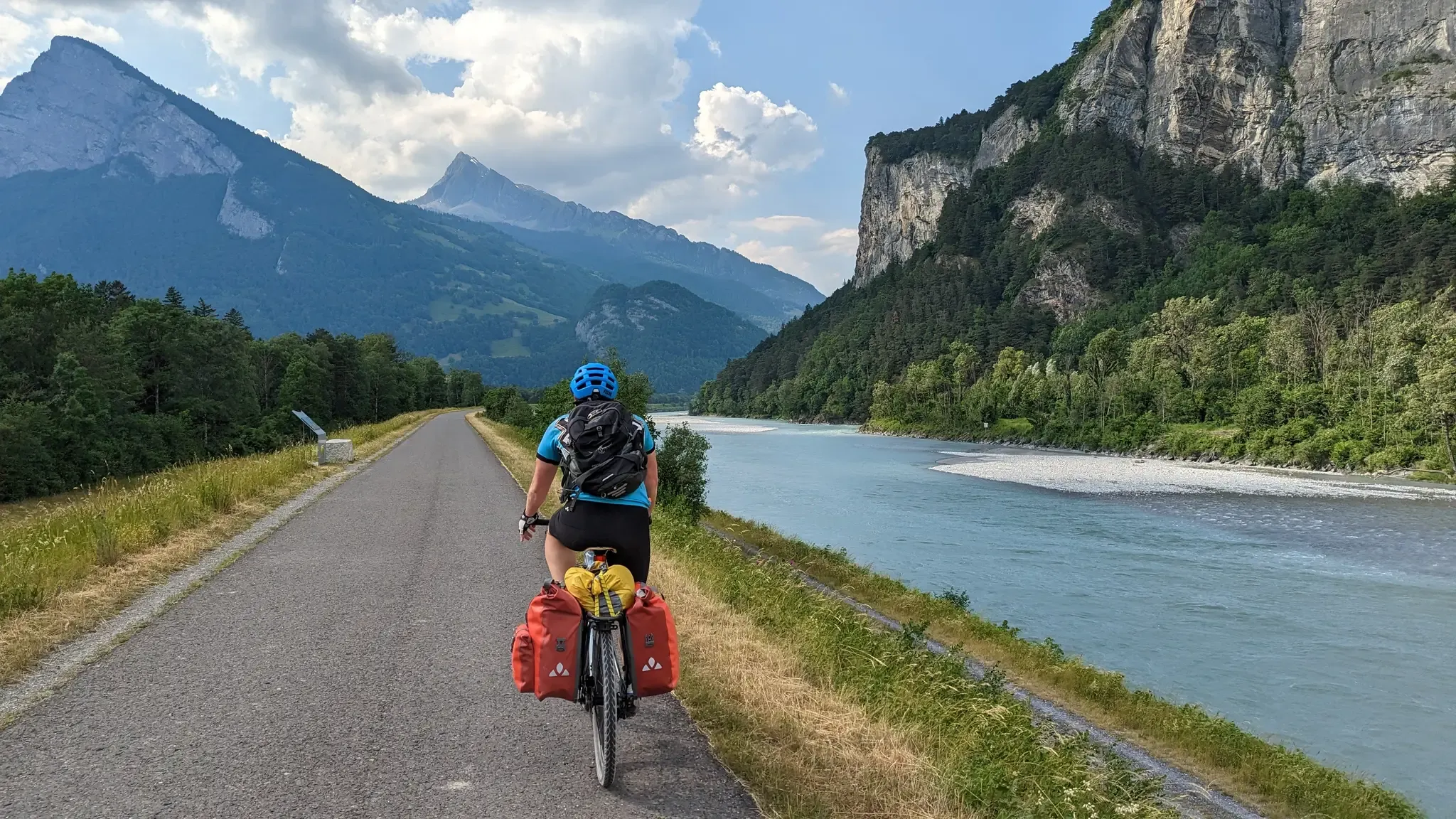
The Rhine Cycle Path — From the source to the North Sea
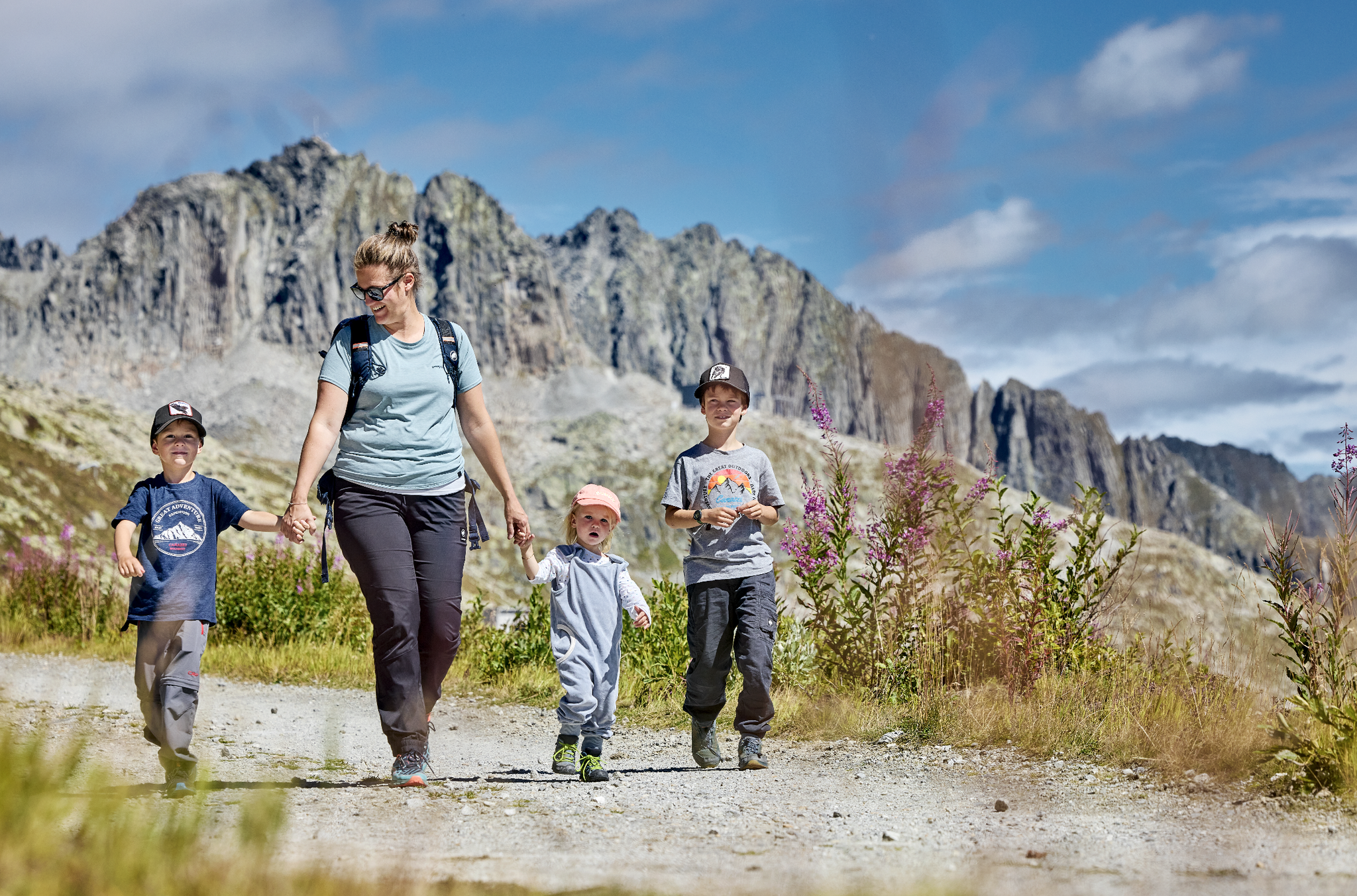
Mountain Playground – family adventures in Andermatt-Sedrun-Disentis
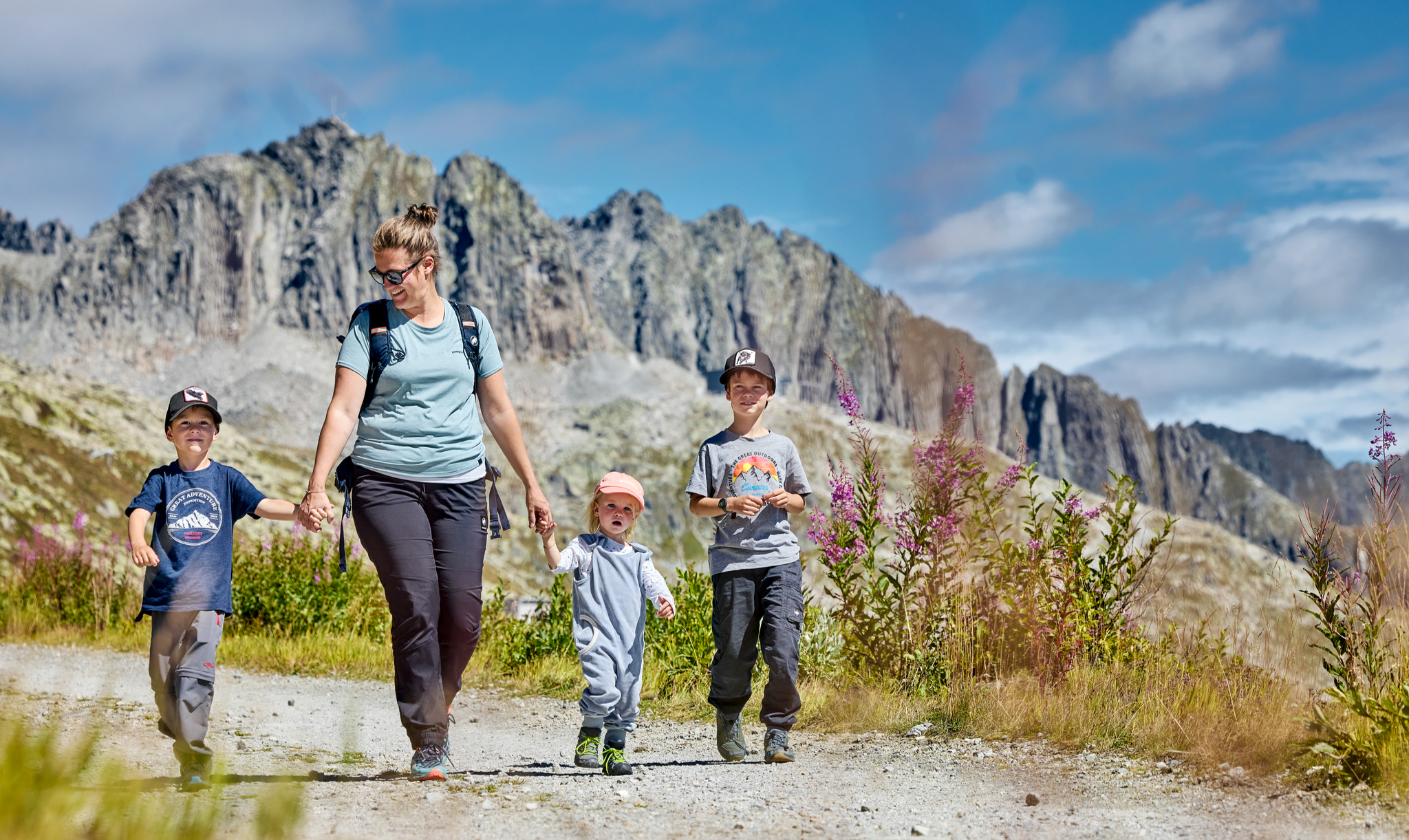
Mountain Playground – family adventures in Andermatt-Sedrun-Disentis
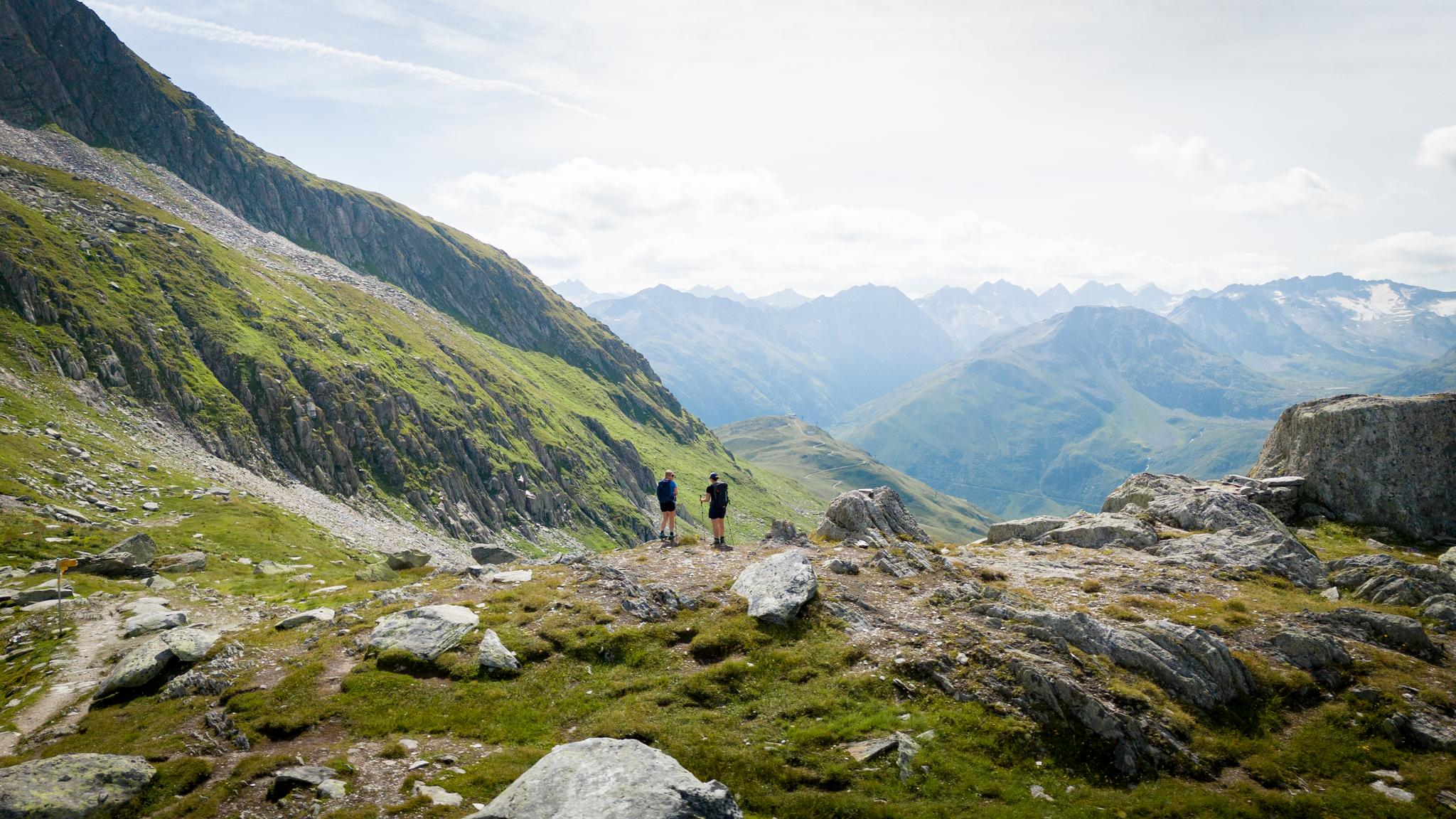
On the hunt for crystals and alpine lake magic – Gotthard Crystal Trek
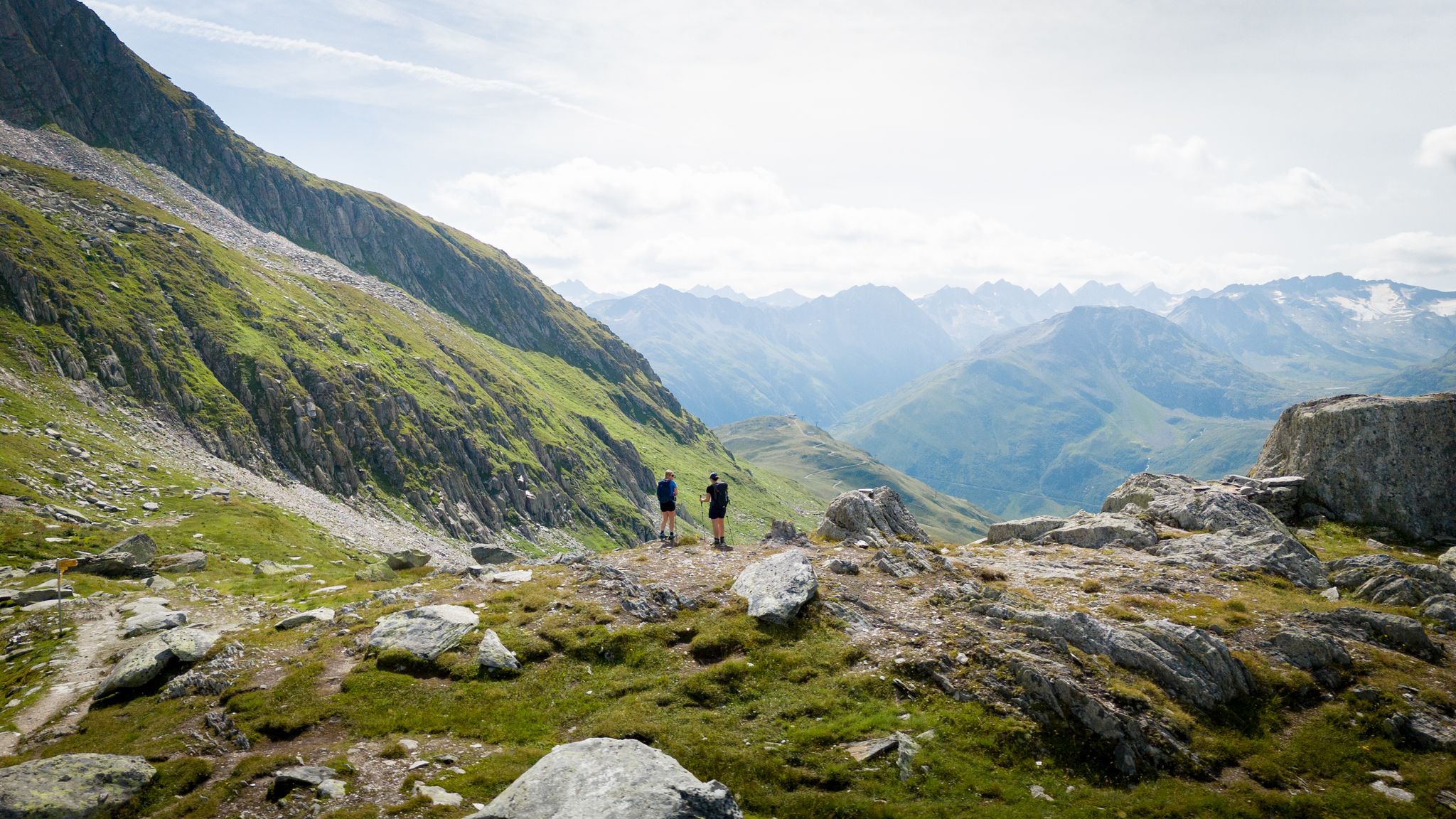
On the hunt for crystals and alpine lake magic – Gotthard Crystal Trek
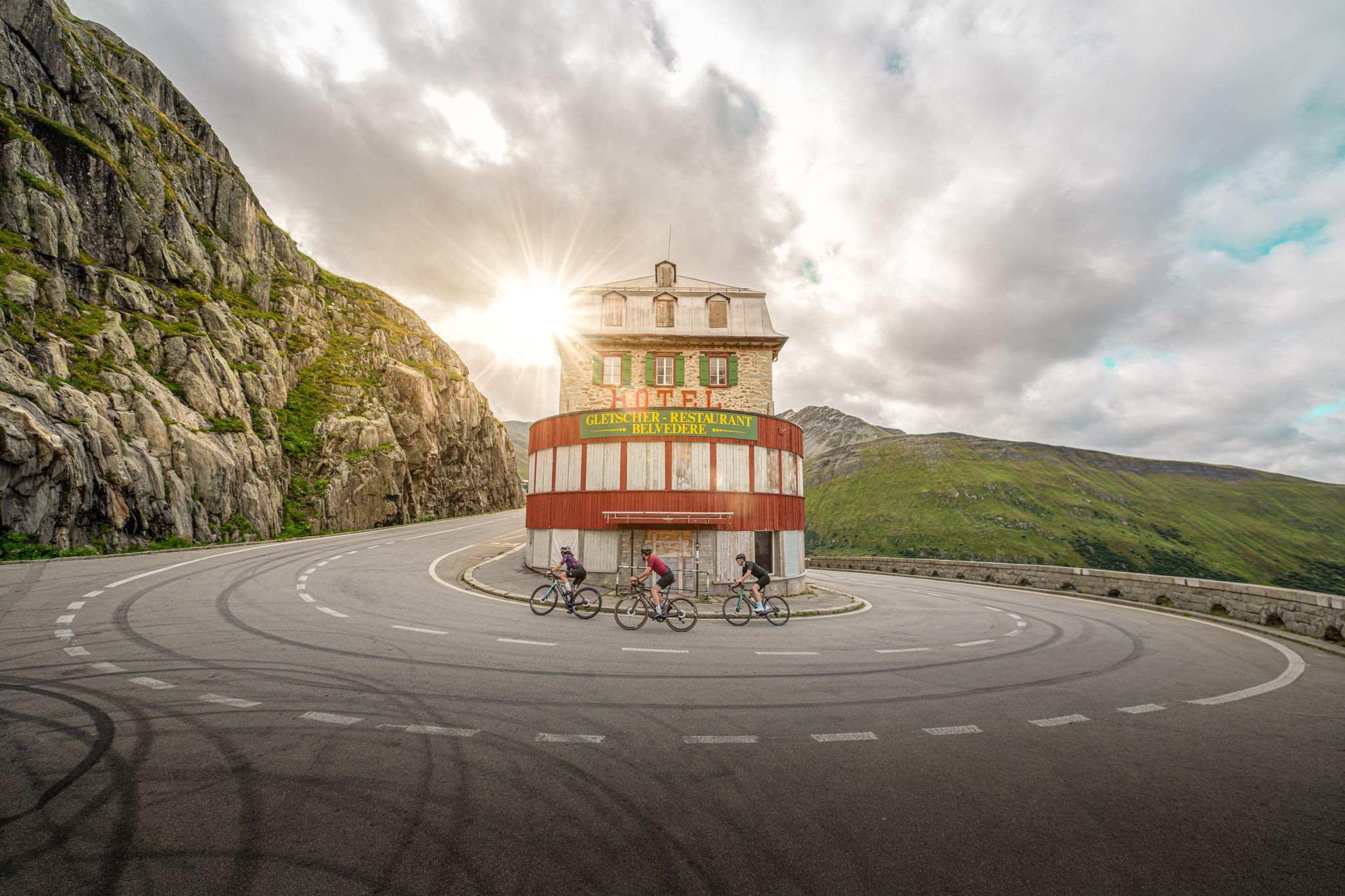
Road cycling to the alpine passes – routes around Andermatt
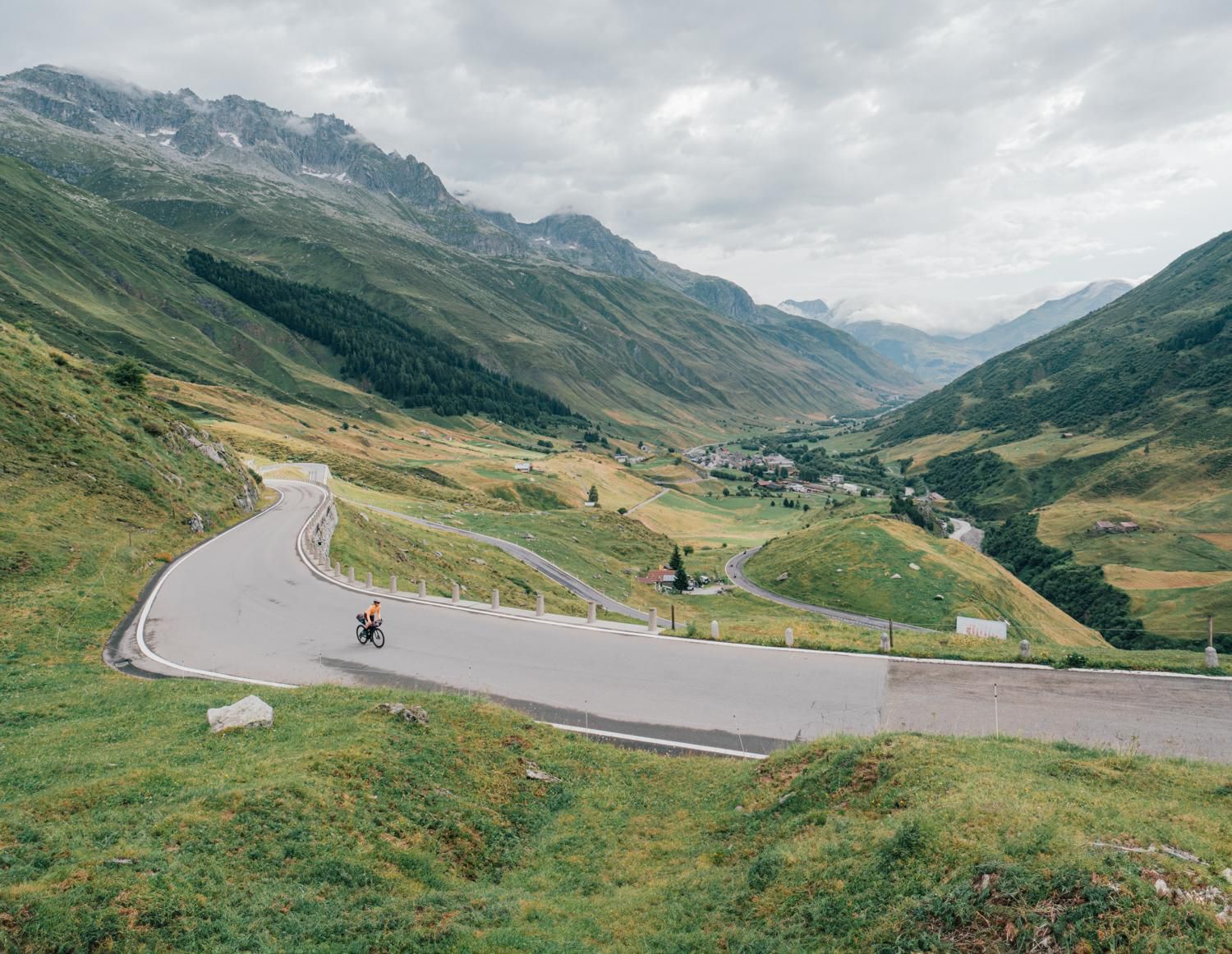
Discover Central Switzerland – ride Route 1291
Other adventures around Andermatt


Tips from the Community

It's always nice to ride through there!
0
0

The gurgling of the water adds a sense of grandeur to this beautiful place
5
0

The Oberalpsee is located at an altitude of 2,028 meters directly on the Oberalp Pass between Uri and Graubünden. The clear mountain lake is the source of the Vorderrhein and a popular destination for hikers. Surrounded by alpine landscape, it invites you to linger, take photos, and enjoy the impressive mountain scenery.
7
0

Simply outstanding!!! If you arrive up here by bike from the north side, you have almost reached Andermatt and then this natural spectacle, no one can take that away from you ;) beautiful
0
0

Oh yes: the spray from the Reuss provides you with a welcome cooling down when cycling uphill 💦
0
0
A wild tangle of bridges: the old Devil's Bridge for pedestrians and cyclists, the bridge for cars and a bridge for the train. Interesting to look at.
1
0

When the lake is still, the mountain range is reflected in it. Beautiful.
3
0

The rugged Schöllenen Gorge, through which the Reuss flows deep below, has always been a difficult obstacle to overcome on the Gotthard Pass route. It was probably the Walsers who tried to open up the mule track to the south by building daring bridges around 1200. The attempt to build a bridge over the Reuss failed several times over the centuries - until, according to legend, a pact was made with the devil.
3
1
Frequently Asked Questions
Which natural monuments around Andermatt are suitable for families?
Several natural monuments in the Andermatt region are family-friendly. The Devil's Bridge (Teufelsbrücke) in Schöllenen Gorge offers an exciting historical experience with a short circular walk. Lake Oberalp is also great for families, providing easy access, scenic views, and opportunities for gentle strolls or even fishing. The Guex Monument at Gotthard Pass is another accessible spot with historical context and beautiful surroundings.
What historical significance do the natural monuments in Andermatt hold?
The natural monuments around Andermatt are rich in history. The Devil's Bridge (Teufelsbrücke) in Schöllenen Gorge was a crucial obstacle on the Gotthard Pass route for centuries and is associated with a famous legend. Near it, the Suvorov Monument commemorates a battle from 1799. The Gotthard Pass itself was a vital trade and pilgrim route, with the San Gottardo hospice founded in 1237, and its old pass road, the Tremola, is a historical hiking trail.
Are there hiking trails near the natural monuments in Andermatt?
Yes, the region offers numerous hiking trails. From Lake Oberalp, you can hike to Lake Tomasee, the source of the Rhine. The old pass road at the Gotthard Pass is also a beautiful hiking trail. For more options, explore the hiking routes around Andermatt, which include trails like the 'Waterfall at Teufelsbrücke – Häderlisbrücke loop'.
What natural features can I expect to see around Andermatt?
Andermatt is characterized by diverse natural features. You'll find deep gorges like the Schöllen Gorge with its impressive rock formations and waterfalls. High mountain passes such as Gotthard Pass and Oberalp Pass offer expansive views. Alpine lakes like Lake Oberalp and Lake Tomasee are also prominent, with the latter being the source of the Rhine River.
What is the best time of year to visit the natural monuments in Andermatt?
The best time to visit the natural monuments around Andermatt largely depends on your desired activities. Summer and early autumn (June to October) are ideal for hiking and exploring the passes when they are clear of snow. During these months, you can fully enjoy the scenic beauty of places like Lake Tomasee and the various mountain passes. Winter offers opportunities for skiing and snowboarding on peaks like Gemsstock and Schneehüenerstock.
Are there any circular walks available near the natural monuments?
Yes, there are circular walks that allow you to experience the natural monuments. A short circular walk is available around the Devil's Bridge in Schöllenen Gorge, offering historical insights and impressive views. Many of the hiking routes in the region, such as those found in the hiking guide for Andermatt, are designed as loops.
What outdoor activities can I do near these natural monuments?
The natural monuments around Andermatt are excellent starting points for various outdoor activities. You can enjoy extensive cycling tours, including challenging routes like the 'Gotthard Pass – View of Gries Glacier loop' from Nätschen, as detailed in the cycling guide for Andermatt. Hiking is also very popular, with options ranging from moderate walks around the Devil's Bridge to difficult mountain hikes to Lake Toma, as seen in the hiking guide and mountain hikes guide.
Can I reach the natural monuments using public transport?
Many natural monuments in the Andermatt region are accessible by public transport. For instance, the Oberalp Pass, which leads to Lake Oberalp and the trail to Lake Tomasee, is well-served by trains and buses. The Schöllenen Gorge area is also easily reachable. It's advisable to check local transport schedules for specific routes and timings.
Are there cafes or amenities near the natural monuments?
Yes, you can find amenities near some of the natural monuments. At Lake Oberalp, there are terraces where you can enjoy coffee and cake. The Gotthard Pass summit also features restaurants and the San Gottardo hospice, offering refreshments and accommodation. For other locations, it's best to plan ahead or bring your own provisions.
What do visitors enjoy most about the natural monuments around Andermatt?
Visitors frequently praise the breathtaking scenery and the sense of achievement after exploring the region's natural monuments. The dramatic landscapes of the Schöllen Gorge, the historical significance of the Devil's Bridge, and the unique experience of reaching the Source of the Rhine – Lai da Tuma are often highlighted. The komoot community has shared over 400 photos and given more than 500 upvotes, reflecting the strong appreciation for these natural wonders.
Are the natural monuments around Andermatt suitable for dog owners?
Many trails and natural areas around Andermatt are dog-friendly. For example, the path from Oberalp Pass to Lake Tomasee is suitable for dogs, with one komoot user mentioning a great experience with a large dog on this route. Always ensure your dog is on a leash where required and be mindful of local regulations, especially in protected areas or near livestock.
Most popular routes around Andermatt
Most popular attractions around Andermatt

Get inspired with the komoot mobile app


Explore more
Extend your search for the best caves by checking out these guides of the top ones around Andermatt:
