Top 20 Natural Monuments around Weiz
Best natural monuments around Weiz include a diverse range of geological formations, protected areas, and unique ecosystems within the Austrian region. The landscape features dramatic gorges, ancient forests, and high moors, providing varied natural beauty. This area is characterized by its intact water structures, significant forest stands, and notable rock formations. The natural monuments offer opportunities to experience untouched natural landscapes and observe diverse flora and fauna.
Best natural monuments around Weiz
- The most popular natural monuments is Hochlantsch Summit…
Last updated: September 27, 2026
Heulantsch Summit
Highlight • Summit
Translated by Google •
Tip by

Lake Teichalm
Highlight • Lake
Translated by Google •
Tip by

Sign up now to discover places like this
Get recommendations on the best single tracks, peaks, & plenty of other exciting outdoor places.
Hochlantsch Summit
Highlight • Summit
Translated by Google •
Tip by

Rote Wand Summit
Highlight • Summit
Although the red wall can also be …
Translated by Google •
Tip by

Teufelstein summit and rock formation
Highlight • Summit
Translated by Google •
Tip by

Hochwechsel
Highlight • Summit
Translated by Google •
Tip by

Stuhleck Summit
Highlight • Summit
Translated by Google •
Tip by

Raabklamm Nature Reserve
Highlight (Segment) • Gorge
Translated by Google •
Tip by

Plankogel Summit Cross
Highlight • Summit
Translated by Google •
Tip by
Hoher Zetz summit cross
Highlight • Summit
Translated by Google •
Tip by
Sign up for free to discover even more natural monuments around Weiz.
Already have an account?
Start today with a free account
Your next adventure awaits.
Popular around Weiz
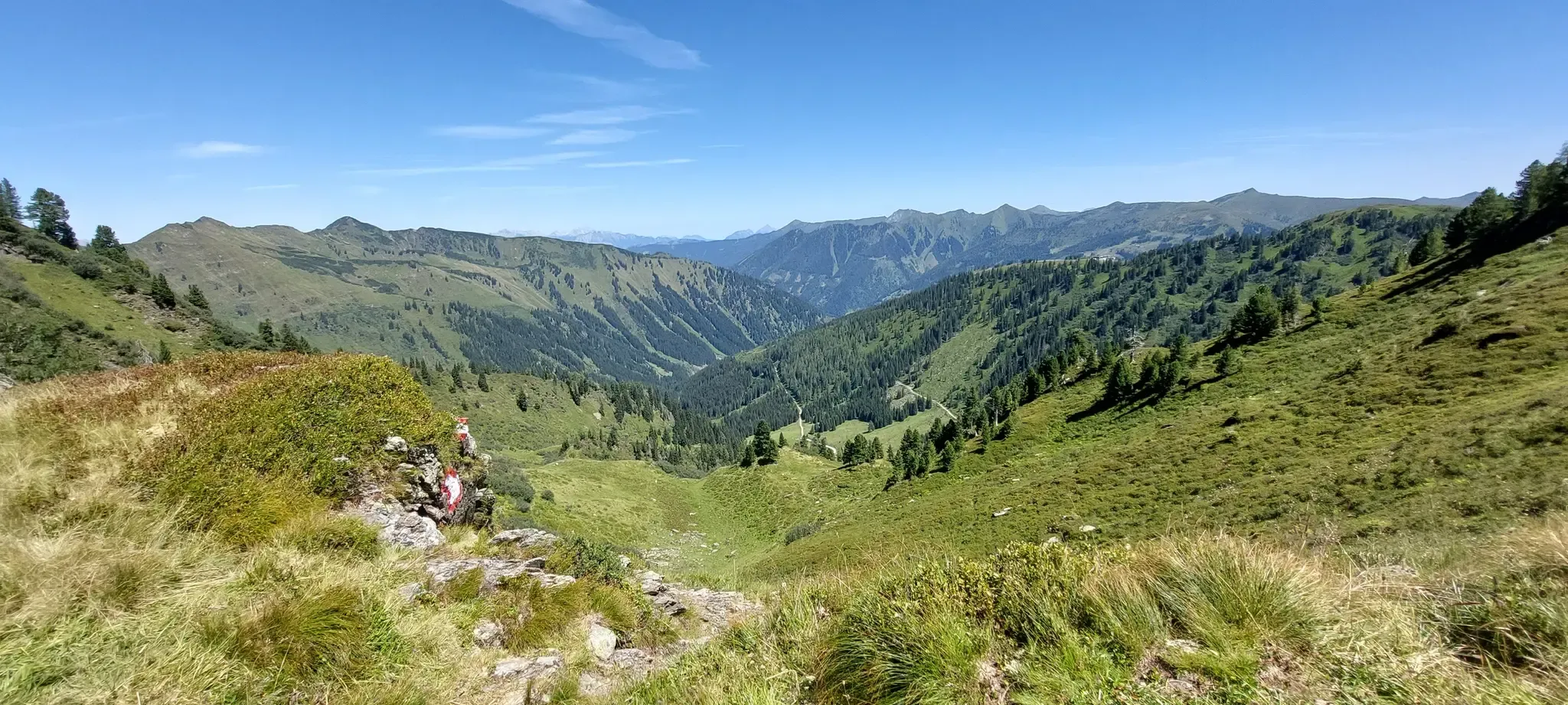
Central Alps Trail Eastern Section – Discover Austria
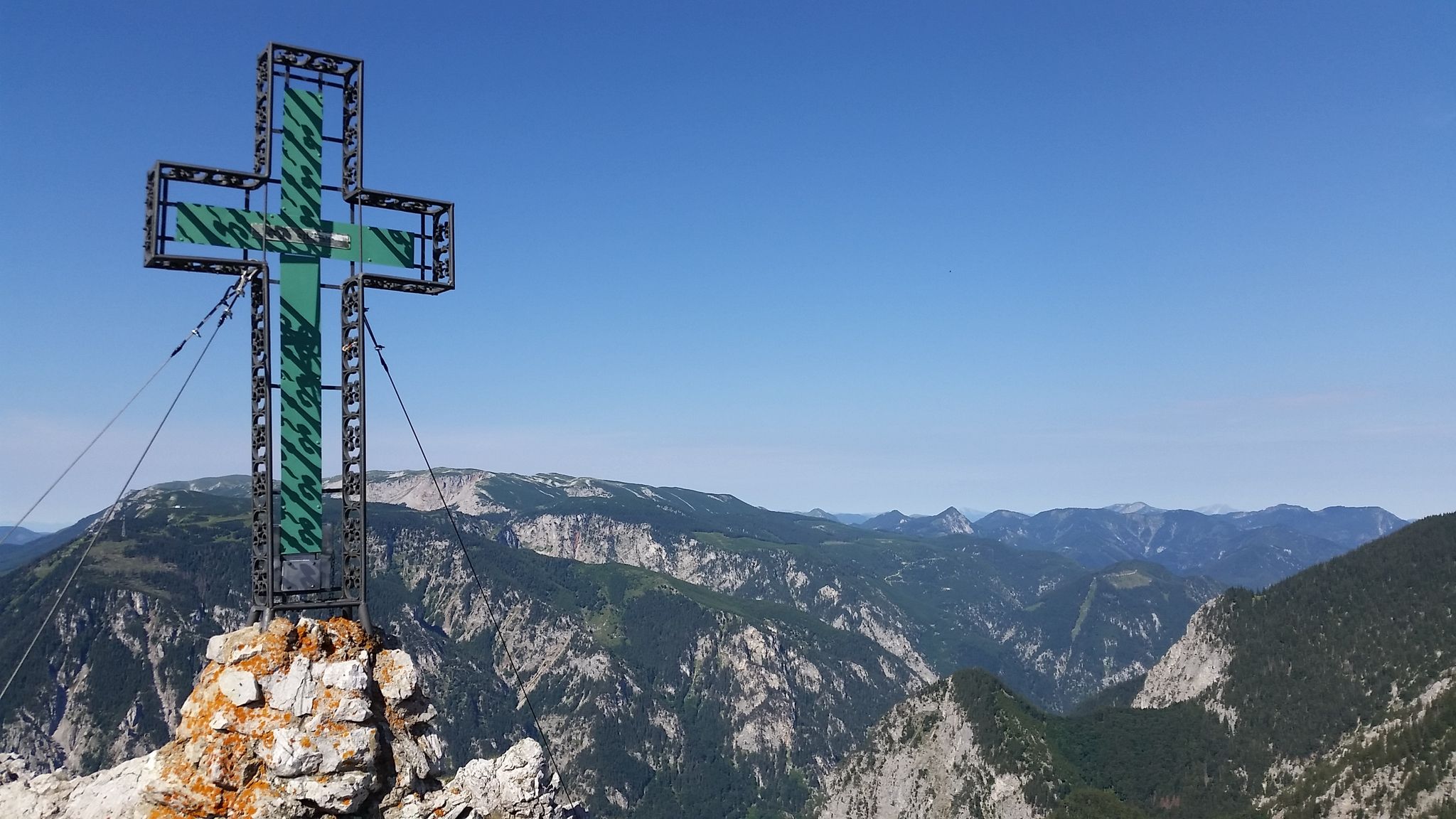
Viennese Alpenbogen – Lower Austria's most beautiful peaks
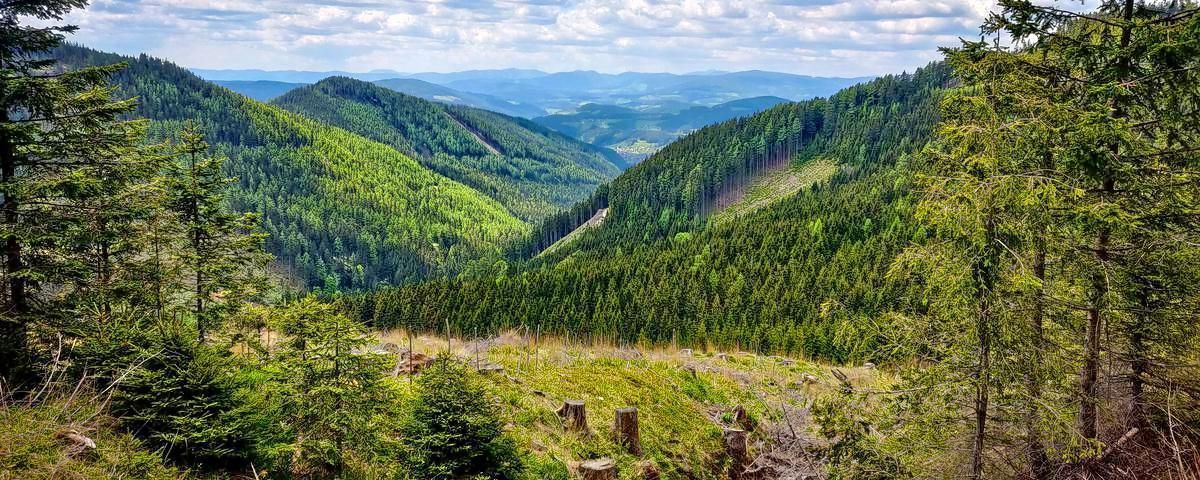
Alpannonia – Crossing borders from Austria to Hungary
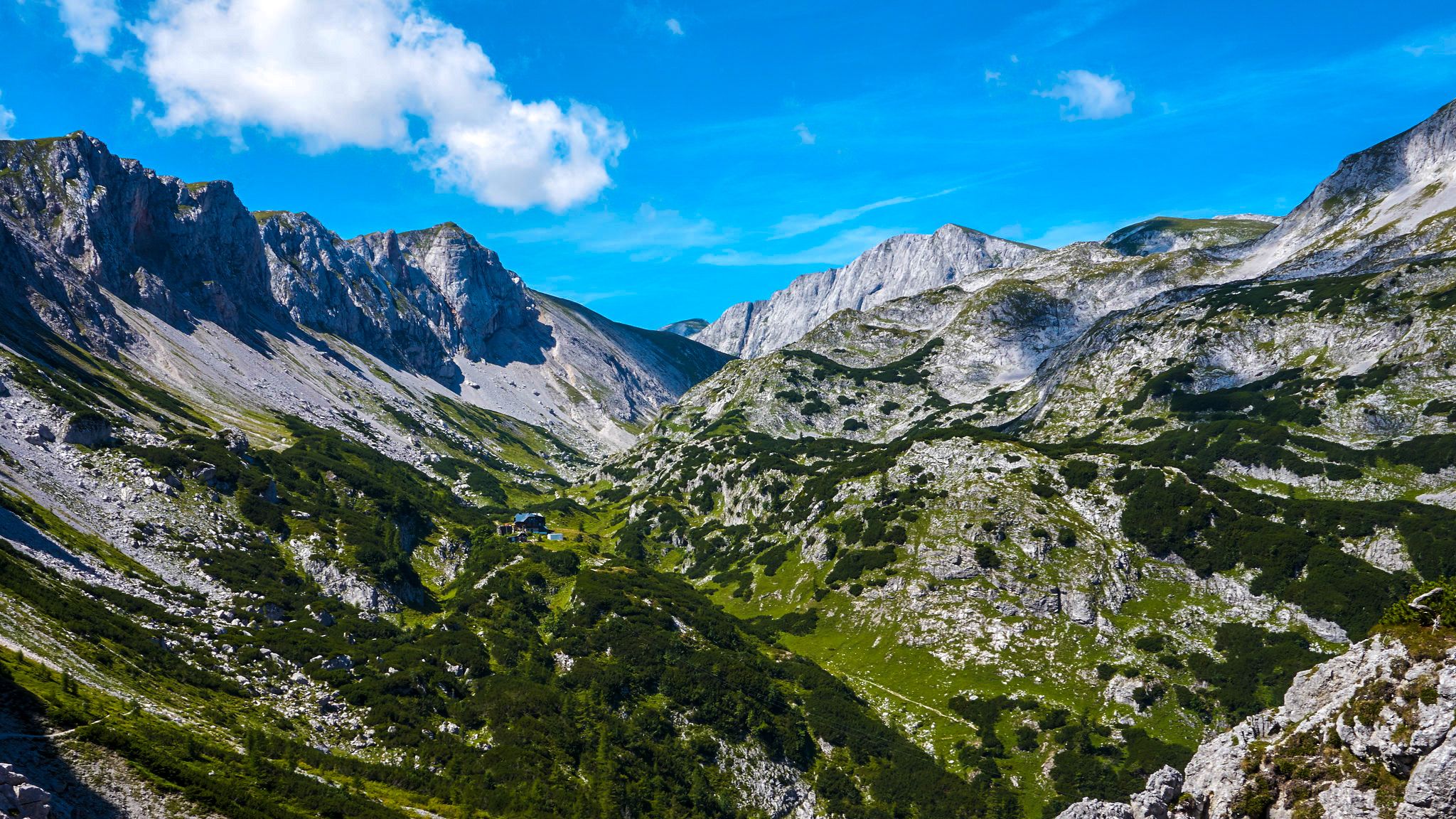
The BergZeitReise – a beautiful long-distance hiking trail across Styria
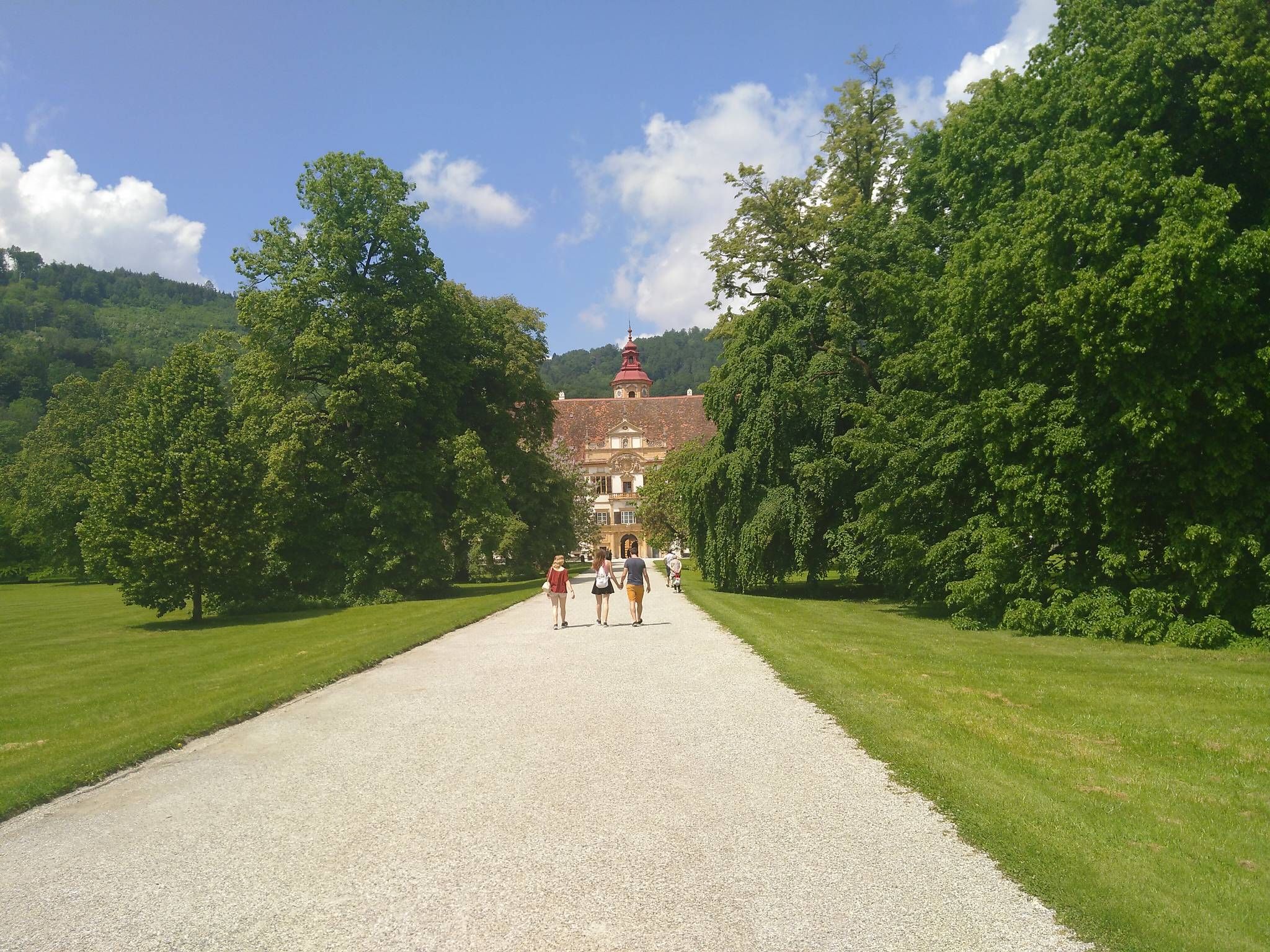
The Styrian Mariazell Way – a pilgrim's hike through southeastern Austria
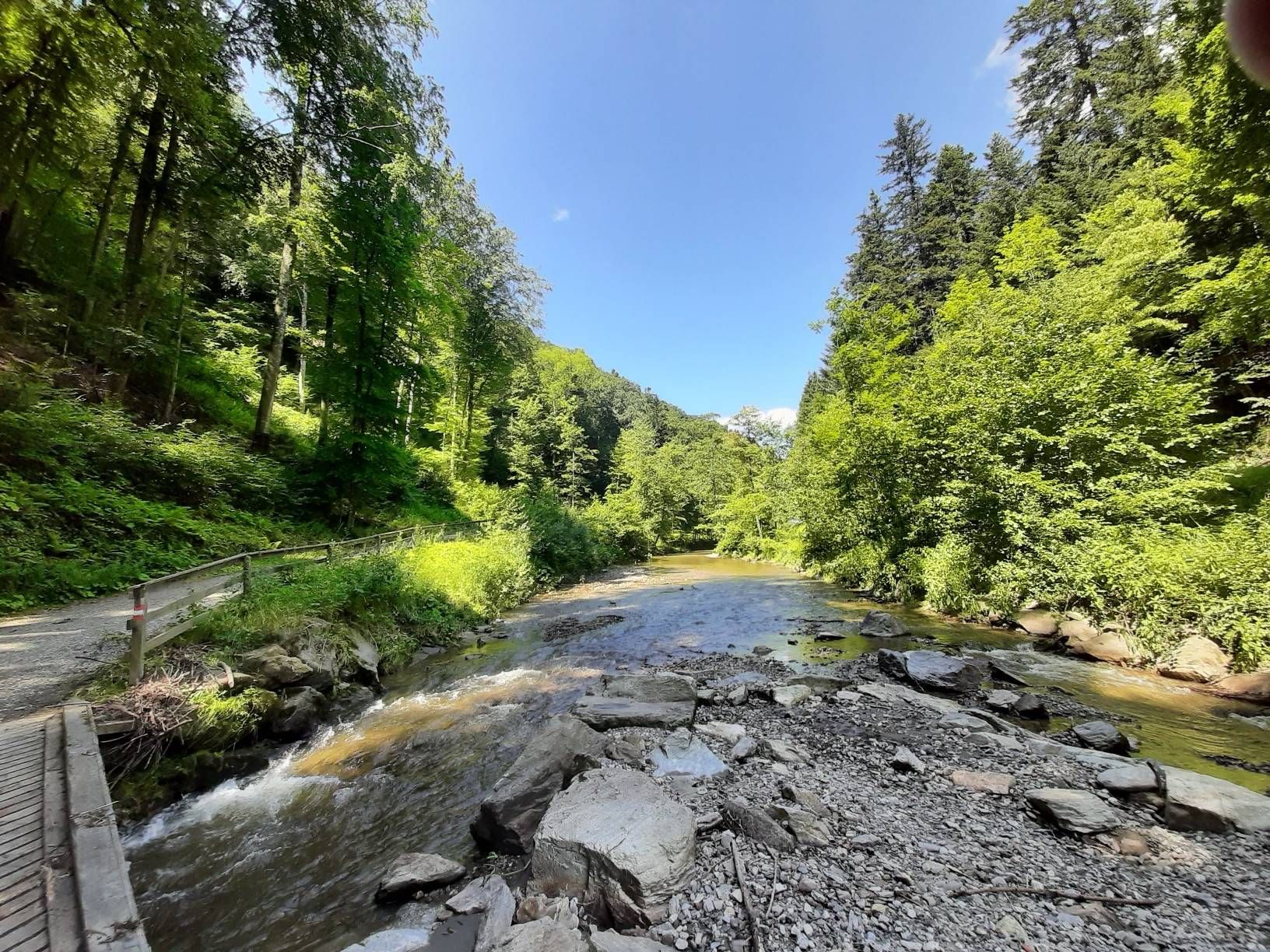
The Styrian Wine Country Cycle Trail – exploring Austria's wine culture
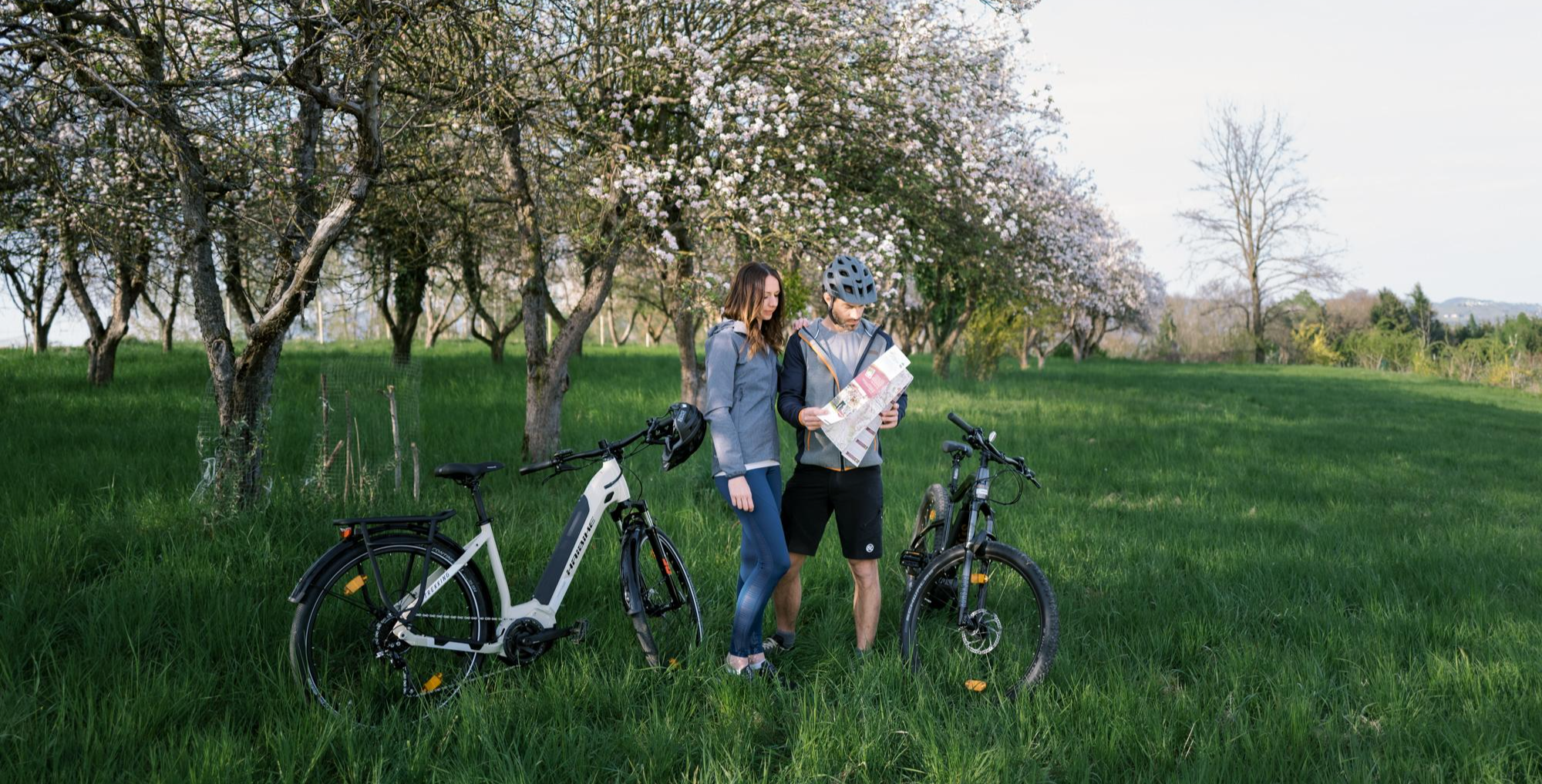
East Styria Loop – Styria Wine Country Cycle Tour
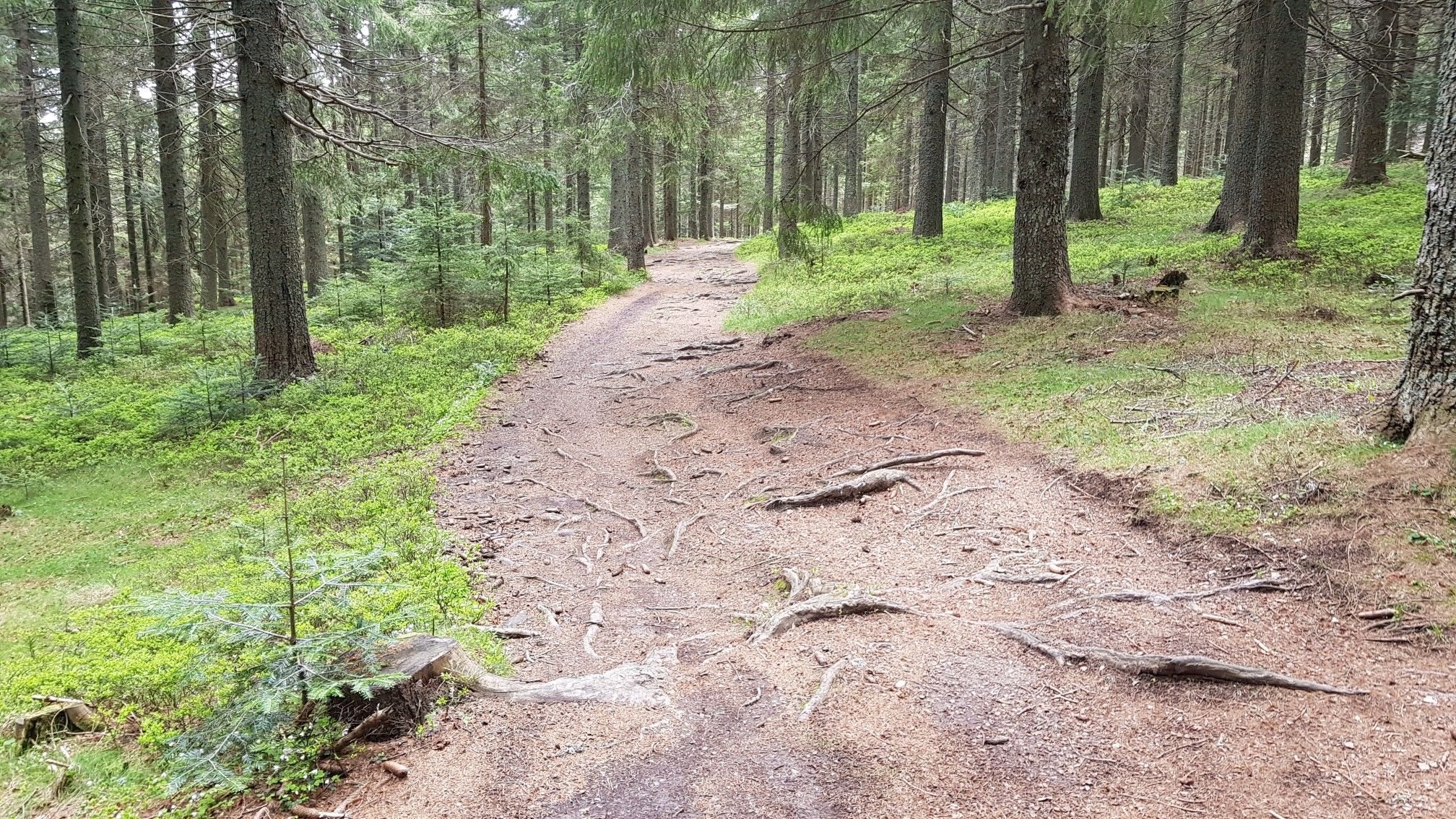
Mountain bike tours around the Pöllauer Tal nature park
Summit the Schöckl – hiking trails on Graz’s local mountain
Discover Styria in Austria on foot – ‘From Glacier to Wine’ North Route
Other adventures around Weiz


Tips from the Community

Here are the tour data for this highlight: https://www.komoot.com/de-de/user/2058612300722
0
0

Before the cross crowning the summit of the 'Hoher Zetz' here, I would like to recall a fitting thought from Bishop Reinhold Stecher (*1921, + 2013). Martin Kolozs, in a podcast by ORF, paid tribute to the beloved pastor: „Above all, the mountains... he preferably chose them as a symbol of the often questioned, often burdened, but equally often confirmed relationship between man and God, which manifests itself wonderfully and healingly in experiences with nature. For Reinhold Stecher, who climbed all the peaks around Innsbruck and celebrated countless mountain masses, respect for and protection of God's creation were equivalent to divine worship, as he was rock-solidly convinced: »Many paths lead to God. One leads over the mountains.« (Source: https://oe1.orf.at/programm/20180202/503400/Martin-Kolozs-ueber-Reinhold-Stecher )
0
0

Great view, challenging to drive, really fun
4
0
Great view, challenging to drive
4
0

The mountain ridge of the Wechsel stretches for over 15 km - the eastern Austrian low mountain range on the border between Lower Austria and Styria 🌲 Its three most lofty peaks each rise over 1,700 m ⛰️ Thanks to its mountain landscapes, which range from lovely to challenging, the Wechsel is considered a hiking destination for families on the one hand - and a local recreation area for experienced hikers and climbers on the other 🥾 The Hochwechsel, as the highest peak, offers particularly worthwhile views: the panoramic view stretches from Semmering and Rax to the Schneeberg 🌄 In good weather, even Burgenland, Styria, Hungary and Slovenia can be seen 😎 From mid-May to mid-November, a wonderful rest in the Wetterkoglerhaus is also tempting 🧃 www.wieneralpen.at/ausflugsziel-in-den-wiener-alpen-entdecken/a-hochwechsel-im-wechselgebirge
11
0

A slightly longer but beautiful tour from Breitenau, for example with a descent to Mixnitz. This is also possible without a car using public transport 👌 https://www.bahn-zum-berg.at/randgebirge-oest-der-mur/wanderung-hochlantsch-ranerwand/
3
0

Wonderful place for hiking with good gastronomic surroundings
0
0
The Stuhleck is, together with the Wechsel, one of the easternmost peaks in the Alps that still rises above the tree line. The Alois Günther House is located at the summit. From the Pfaffensattel, a mountain pass (1372 m) between the towns of Rettenegg and Steinhaus am Semmering, an unpaved toll road that is only open in summer leads to the summit. The Alpannonia Central Alpine Trail, an Austrian long-distance hiking trail, also leads up and over the summit. 📖 www.de.wikipedia.org/wiki/Stuhleck
7
1
Frequently Asked Questions
What are some of the most unique natural monuments to explore around Weiz?
Beyond the well-known summits, the region offers diverse natural wonders. The Raabklamm Nature Reserve is considered the most pristine landscape in the Weiz uplands, known for its exceptionally diverse flora and intact water structures. Another unique site is the Latschen-Hochmoor (Pine Moor) in Fladnitz, an 8,000-year-old high moor with protected vegetation like bog-cotton and sundew, accessible via a wooden boardwalk.
Are there natural monuments suitable for family outings with children?
Yes, several natural monuments are family-friendly. Lake Teichalm offers easy trails and facilities, making it ideal for families. The Teufelstein summit and rock formation is also considered family-friendly, offering an interesting geological formation and a legendary cult site to explore. The Moor Nature Trail at the Latschen-Hochmoor is also suitable for families due to its well-maintained boardwalk.
What kind of hiking trails can I find near the natural monuments in Weiz?
The region around Weiz offers a wide range of hiking experiences. You can find challenging routes like those leading to Hochlantsch Summit, which is the highest mountain in the Grazer Bergland. For more moderate options, consider trails around Heulantsch Summit or Plankogel Summit Cross. The Hiking around Weiz guide provides many options, including the 'Teichalm-Runde with Moorlehrpfad' which is a moderate loop.
Are there any natural monuments with significant geological features?
Absolutely. The Teufelstein summit and rock formation is a prime example, consisting of three large, stacked blocks of rock formed by natural weathering. The Katerloch, while not a typical 'monument,' is an impressive show cave near Weiz, renowned as one of Austria's most stalactite-rich caves, showcasing bizarre dripstone formations and vast halls like the 'Fantasy Hall'.
What is the best time of year to visit the natural monuments around Weiz?
The natural monuments around Weiz are beautiful year-round, but the best time depends on your activity. Spring and autumn offer pleasant temperatures for hiking and exploring the gorges and moors. Winter provides opportunities for snowshoeing or winter hiking, especially in higher areas like Stuhleck Summit, which often rises above the tree line. Always check local conditions before visiting, especially in winter.
Can I bring my dog to the natural monuments?
Many natural areas and trails around Weiz are dog-friendly. For instance, the trails leading to Königskogel Summit Cross are suitable for dogs. However, it's always recommended to keep dogs on a leash, especially in nature reserves like the Raabklamm, to protect wildlife and ensure a pleasant experience for all visitors. Always check specific regulations for each site.
Are there any viewpoints offering panoramic views of the region?
Yes, several natural monuments double as excellent viewpoints. Hochlantsch Summit offers beautiful views over the race field, Teichalm, and Gleinalm. The Rote Wand Summit provides an excellent view of the surrounding mountains, despite its steep drop. Stuhleck Summit also offers an indescribable panorama, with a round billboard indicating distant sights.
What kind of forests and unique plant life can be found in the natural monuments?
The region is rich in diverse forest types and unique plant communities. The Weizklamm features significant mixed ravine and slope forests, extensive beech stands, and specific relict pine forests. The Raabklamm is known for its exceptionally diverse flora. The Latschen-Hochmoor in Fladnitz hosts protected moor vegetation, including bog-cotton, sphagnum moss, and sundew. The broader Landscape Protection Area Nr. 41 also protects rare species like Daphne mezereum and Lilium martagon.
Are there opportunities for cycling or gravel biking near these natural monuments?
Yes, the region offers cycling opportunities. A section of the Feistritztal cycle path leads through a fascinating gorge along the Feistritz river, showcasing wild nature. For gravel biking enthusiasts, the Gravel biking around Weiz guide lists routes like the 'Kleine Raabklamm – Gutenberg an der Raabklamm loop' which explores the area's natural beauty.
What makes the Raabklamm Nature Reserve special?
The Raabklamm Nature Reserve is special because it's considered the most pristine landscape in the Weiz uplands. It boasts an exceptionally diverse and unique flora, along with a variety of interesting and protected animal and plant communities. Its largely intact water structure and flowing water sections are of national importance for their rich biodiversity, making it a significant natural attraction.
Is there a natural monument within the town of Weiz itself?
Yes, within the town of Weiz, a specific Red Beech tree located in Offenburgergasse (near the Protestant church) is recognized as a natural monument. This ancient tree, estimated to be 120-150 years old, is valued for its ecological importance to the urban climate, offering a direct connection to nature within the urban landscape.
What are some of the challenges or difficulties when hiking to certain natural monuments?
Some natural monuments, particularly summits, can present challenges. For example, the Hochlantsch Summit involves a climb and is rated as challenging, with the last piece to the cross requiring some scrambling. The Raabklamm Nature Reserve also has sections rated as challenging, with steep cliffs and boardwalks, and can be affected by the water level of the Raab river.
Most popular routes around Weiz
Most popular attractions around Weiz

Get inspired with the komoot mobile app


Didn’t find what you were looking for?
Find even more amazing natural monuments around Weiz by checking out the top Highlights region by region:
Explore more
Extend your search for the best caves by checking out these guides of the top ones around Weiz:
