Top 12 Natural Monuments around Hartberg
Best natural monuments around Hartberg include diverse ecological features and scenic landscapes within Styria, Austria. The region is characterized by its natural areas, such as wetlands and gorges, offering insights into local biodiversity. These sites provide opportunities for nature observation and outdoor recreation. The landscape features a mix of forests, lakes, and unique geological formations.
Best natural monuments around Hartberg
- The most popular natural monuments is Großhart Natural Pond, a lake that was established around the 17th century. This…
Last updated: May 11, 2026
Hartberger Gmoos
Highlight • Natural
Translated by Google •
Tip by

Großhart Natural Pond
Highlight (Segment) • Lake
Translated by Google •
Tip by

Sign up now to discover places like this
Get recommendations on the best single tracks, peaks, & plenty of other exciting outdoor places.
Sign up for free
Heiligenbrunn Chapel and Holy Spring
Highlight • Religious Site
sagen.at/doku/quellen/quellen_stmk/Limberg_Heiligenbrunn.html
Translated by Google •
Tip by

Three Remarkable Birch Trees
Highlight • Natural Monument
Translated by Google •
Tip by

Schönauklamm Gorge
Highlight (Segment) • Gorge
Schönau Gorge © Helmut Schweighofer
In this beech-maple-ash forest it is cool, damp and a bit dusky - that is a welcome cooling off on hot summer days.
Translated by Google •
Tip by
Sign up for free to discover even more natural monuments around Hartberg.
Sign up for free
Already have an account?
Start today with a free account
Your next adventure awaits.
Login or Signup
Popular around Hartberg
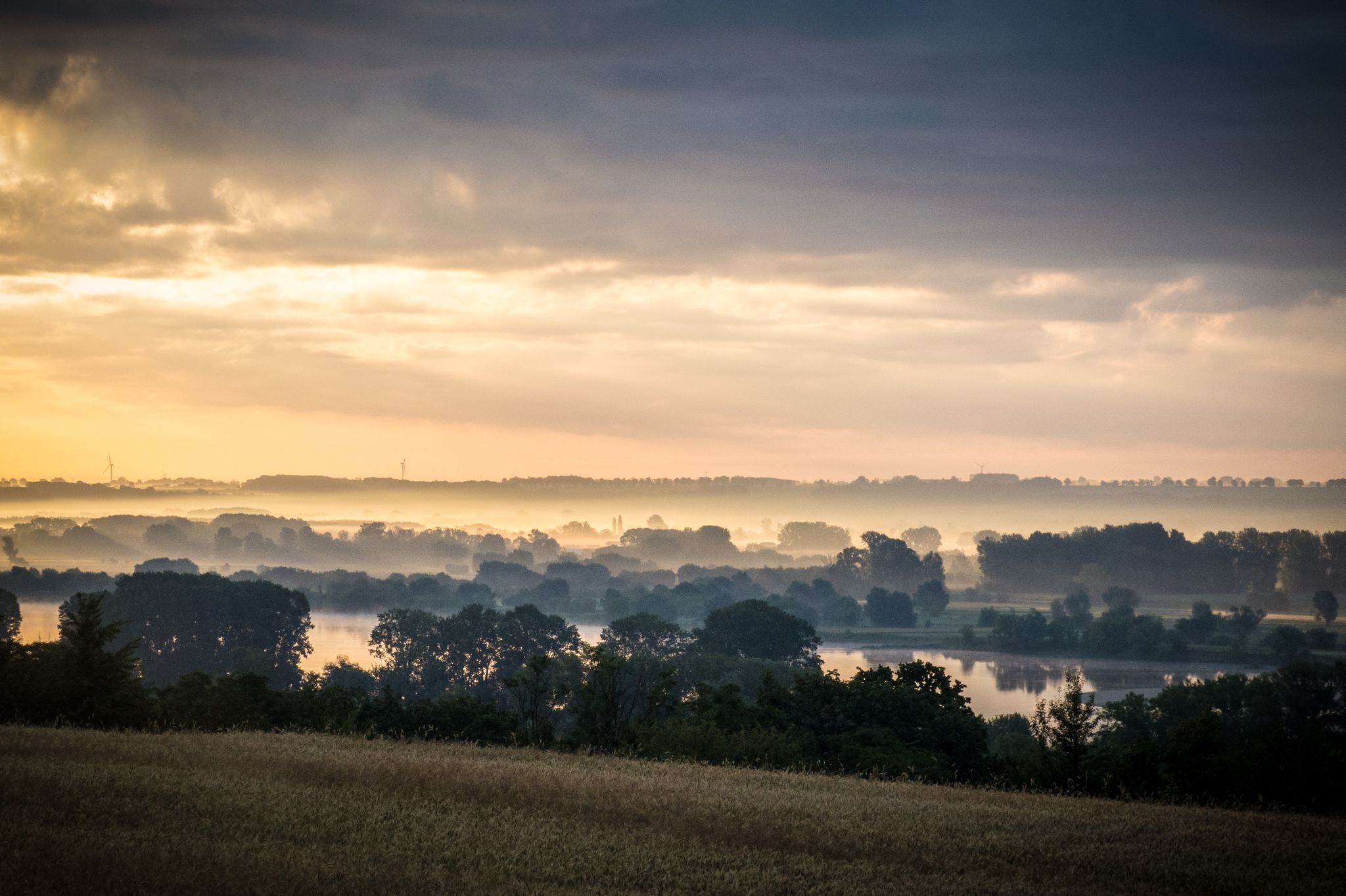
EuroVelo 9 – The Amber Route from the Baltic to Adriatic Sea
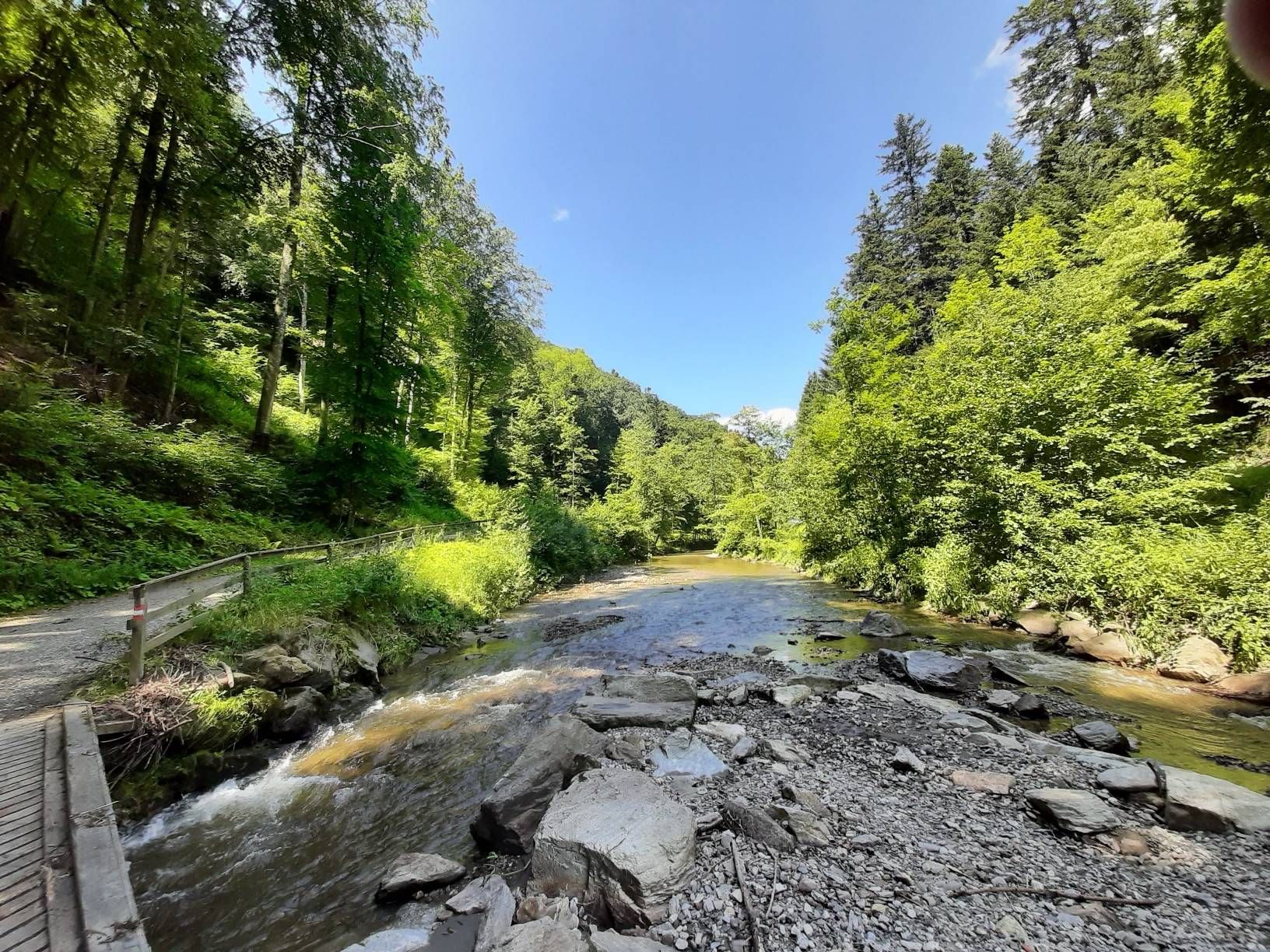
The Styrian Wine Country Cycle Trail – exploring Austria's wine culture
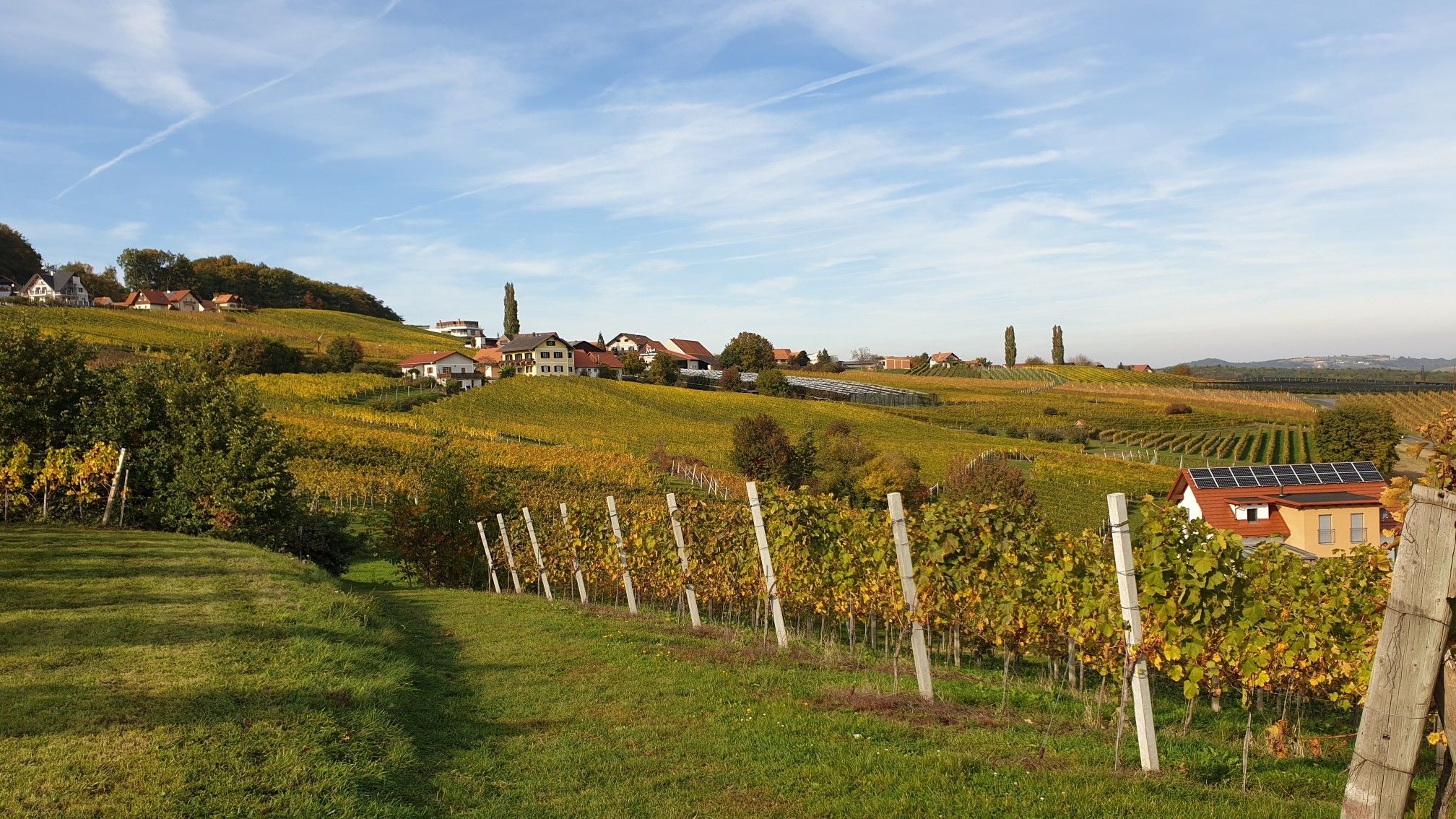
Hiking in Eastern Austria – Culinary delights, culture and charm
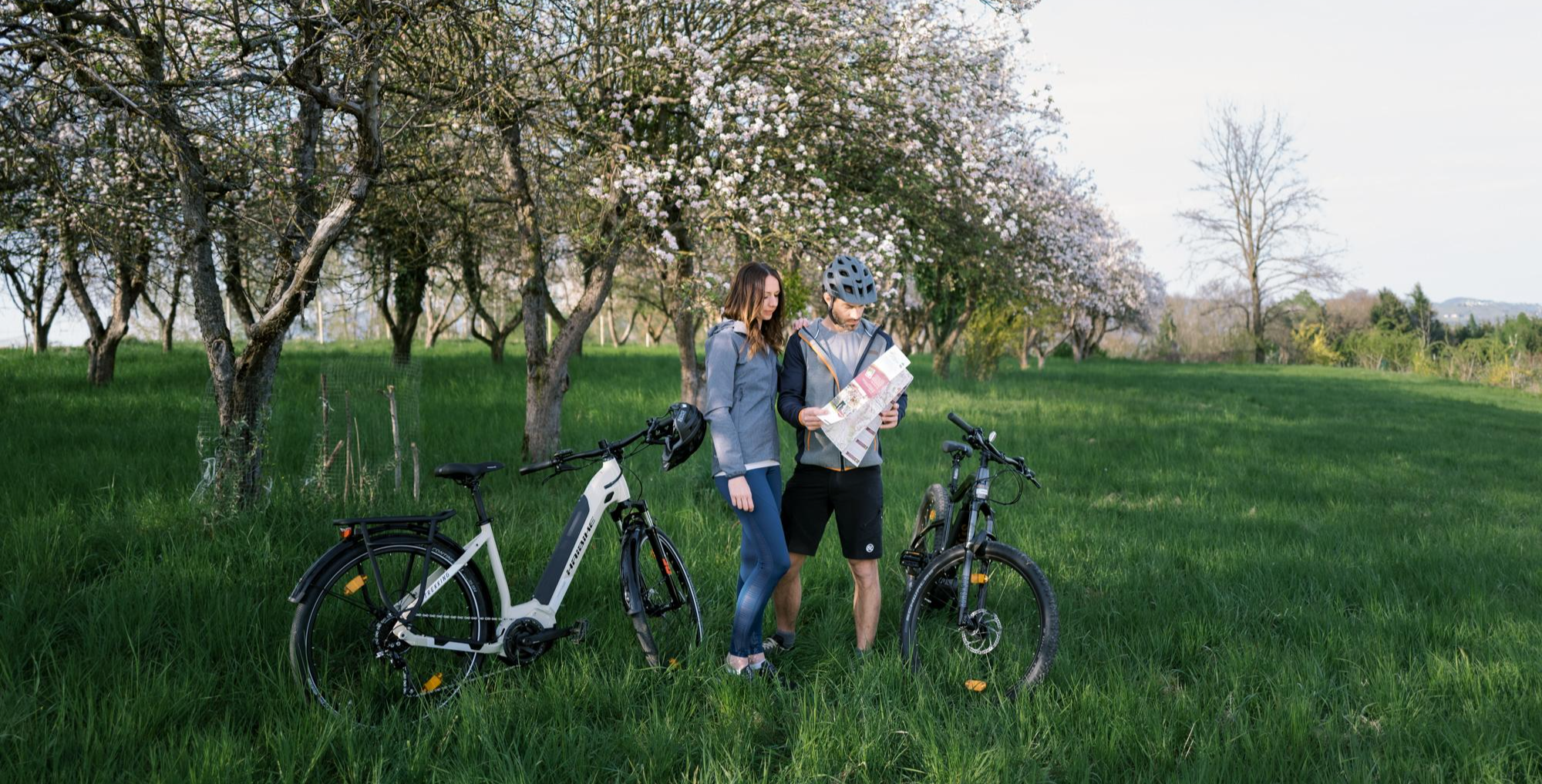
East Styria Loop – Styria Wine Country Cycle Tour
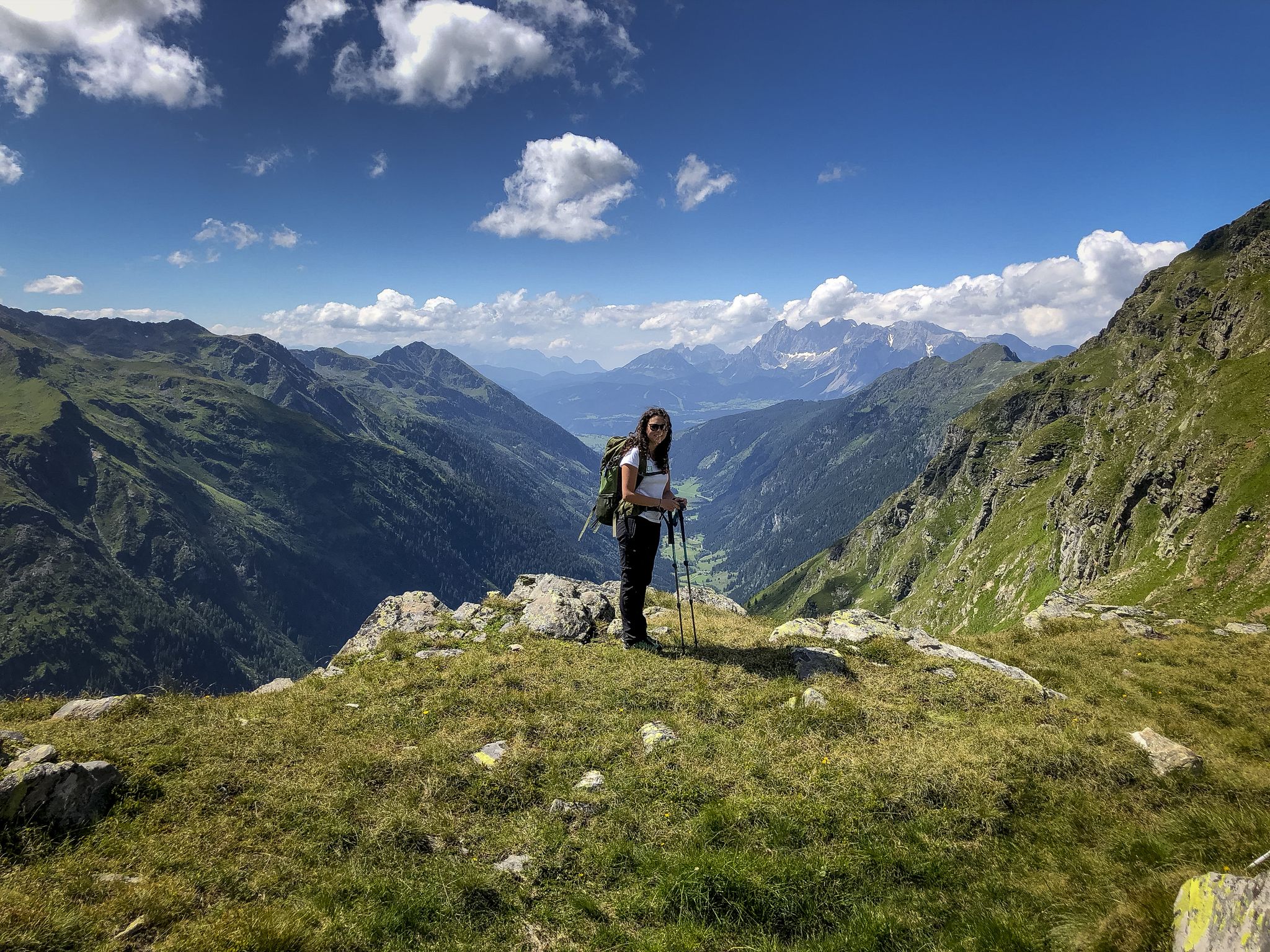
Discover Styria in Austria on foot – ‘From Glacier to Wine’ North Route
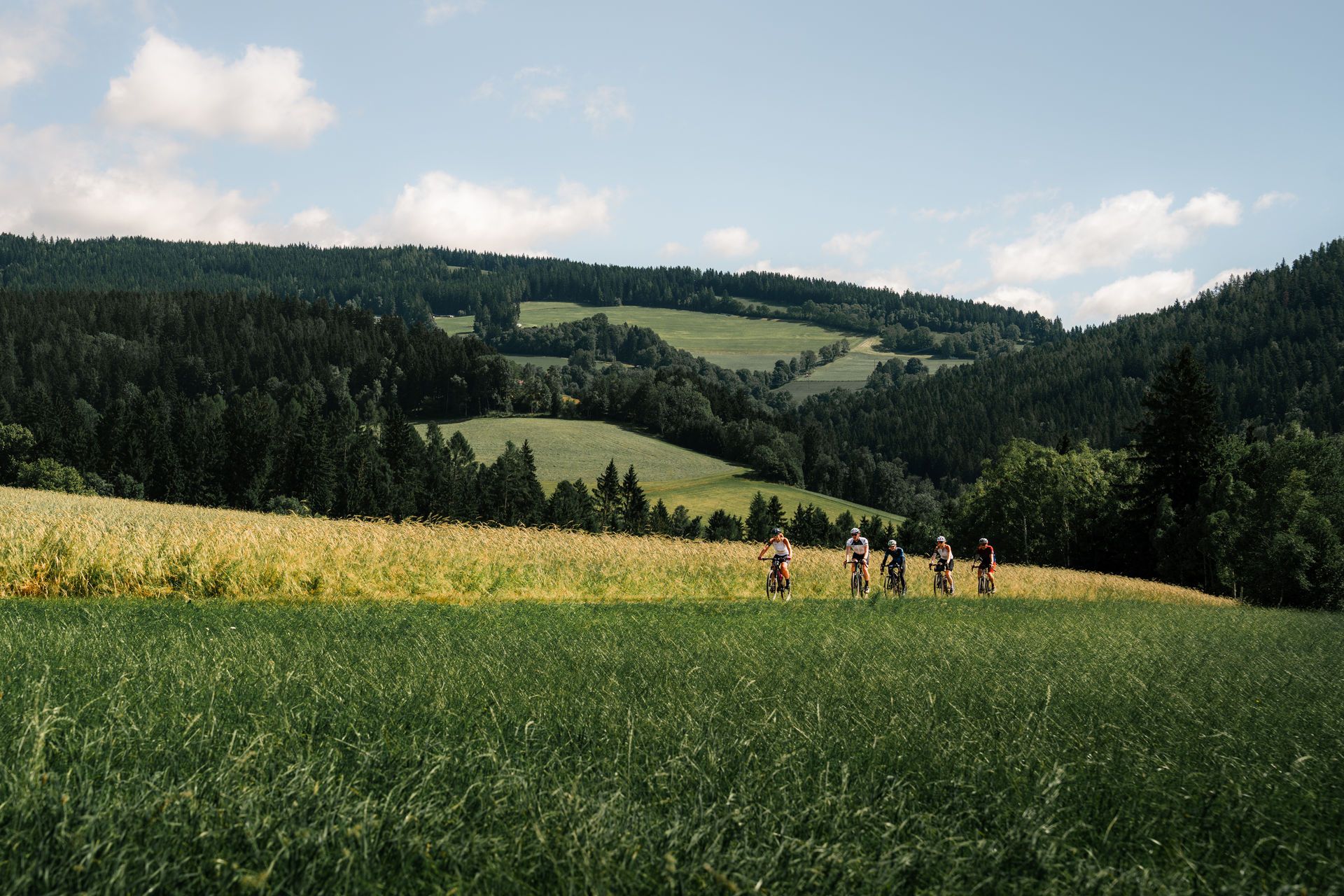
Spring awakening – through Eastern Styria on two wheels
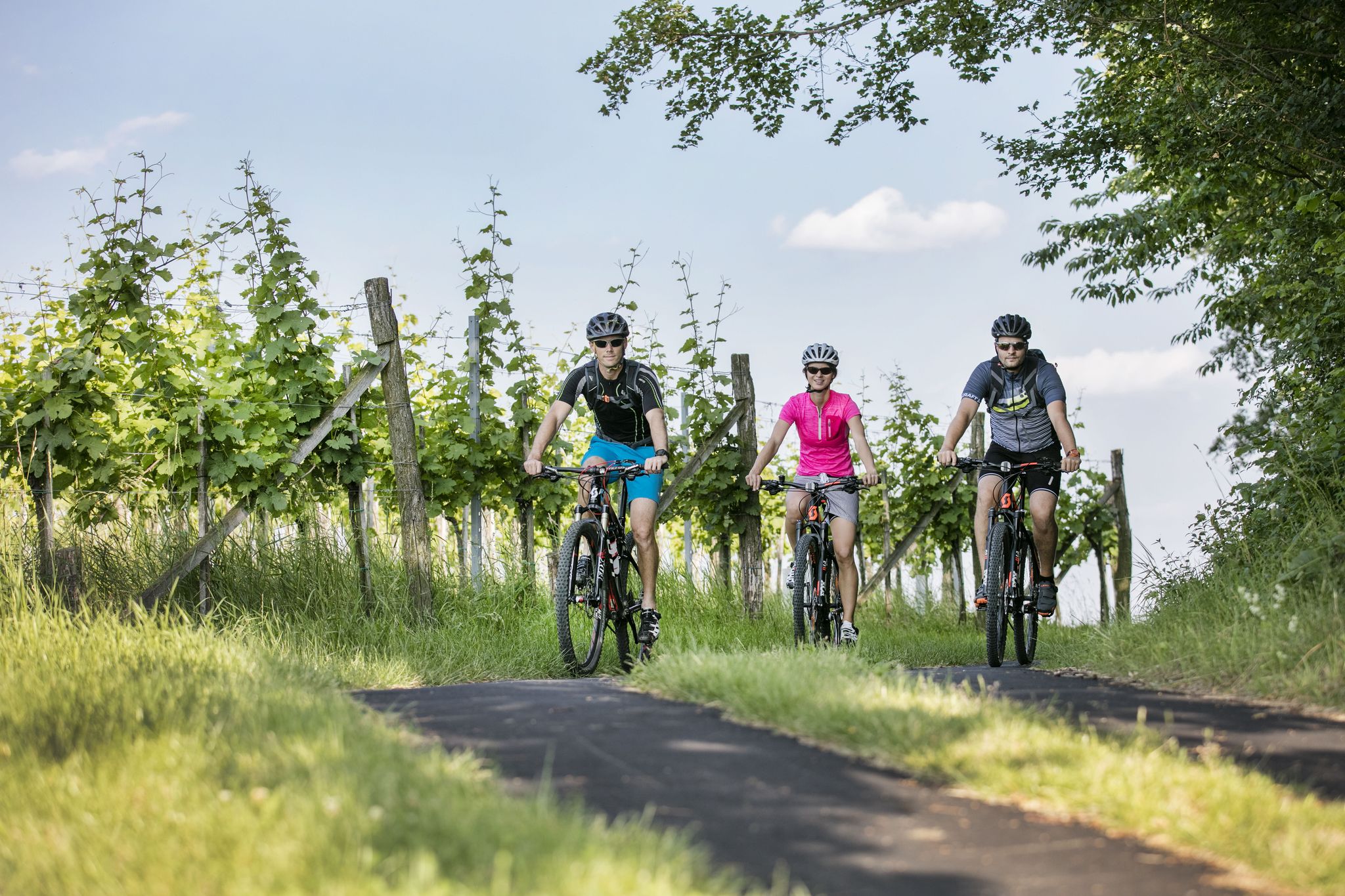
6 gourmet rides in East and Southeast Styria
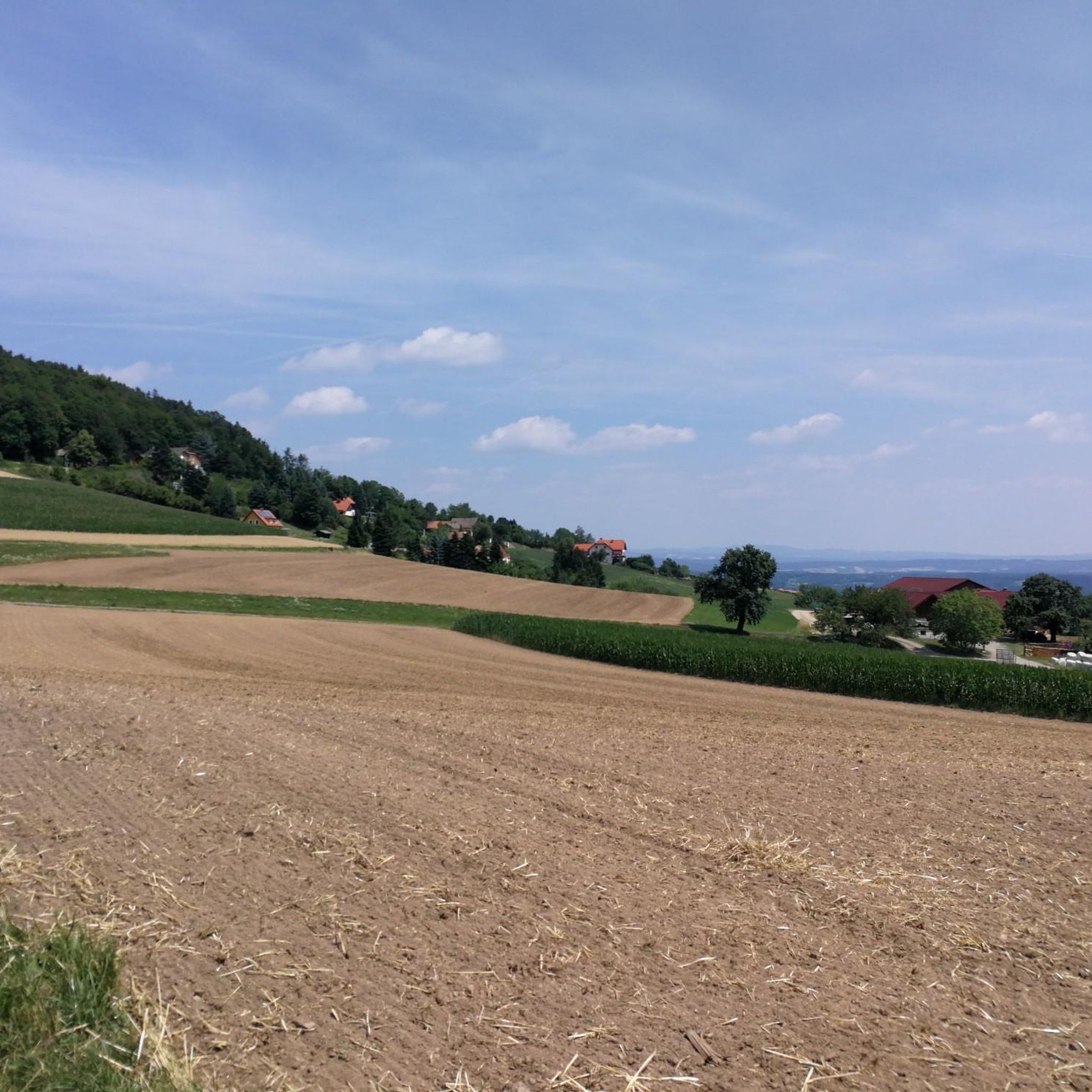
Cycling around Hartberg
Hiking around Hartberg
Road Cycling Routes around Hartberg
Other adventures around Hartberg


Tips from the Community

A really beautiful pond. A leisurely 1.5 km walk is always a good idea :)
0
0

Wonderful chapel located in the forest, for inner reflection, relaxation and unwinding. According to legend, the water that springs from there has a positive effect on eye diseases when you clean your eyes.
0
0

A wonderful comparison to our own life is drawn here in the form of 3 over 100 year old beeches to our own life. Excerpt from the description of these 3 books as "artists of life": "These 3 wonderful beeches want to remind us of "survival". Difficult living conditions and weather conditions have moved and drawn them..."
0
0

The "Nature experience - Hartberger Gmoos" gives insights into the local natural diversity. Europe-wide endangered and therefore protected species such as the blue buffalo, the kingfisher, the red-backed shrike or the greater mouse-eared bat find a home here.
3
1

Three wonderful birch trees to remind us of survival.
0
0
The Schönauklamm lies around one kilometer northwest of Schönaudorf. Schönau Gorge © Helmut Schweighofer In this beech-maple-ash forest it is cool, damp and a bit dusky - that is a welcome cooling off on hot summer days. But a visit is also worthwhile in other ways: Fire salamanders can be observed - especially during and after rain - and the yellow-bellied toad likes to hang out in pools. Common bird species are great spotted woodpecker, greenling, cuckoo, great tit, blackcap, wood pigeon, robin and coal tit. On the other hand, the black woodpecker and tawny owl are rarer. The undergrowth of the shady trees is partly lush with the yellow-flowered tuberous comfrey, the first pink, then bluish spot lungwort (Hansel & Gretel) and the white-flowered bitter foam herb. The tall ostrich fern looks original. The starting point of the hike is the parking facility at the upper (northern) end of the Schönauklamm one kilometer northwest of Schönaudorf: The path (Fieberbründlweg 945) leads south from the parking facility - initially flat downhill, then, increasingly steeper, into the canyon forest of the Schönauklamm to lead down. With the connecting road via Schönaudorf it becomes a circular route. Source: https://www.naturpark-poellauertal.at/natur/naturpark/natur-juwele/schoenauklamm/
1
0
Nice natural area near the center. Perfect to escape the stressful everyday life.
2
0

The Großhart natural pond was built around the beginning of the 17th century. The pond was mentioned for the first time in the sales bar of the Count of Thannhausen to the Count of Herberstein in 1657. The pond remained in the possession of the Counts Herberstein until 1954. In 1954 the pond was bought by the Großhart community. In 1974 the Styrian state government declared the pond a nature reserve - a protected part of the landscape. The pond was leased for fish farming until 1975. In 1976 the community began to manage the pond itself in the form of fishing and continuously expanded it. Today, the pond is a tourist figurehead of the community and also contributes greatly to its economic success. Refreshments in the Harter Teichschenke. https://www.hartl.gv.at/de/tourismus/naturteich-grosshart/ http://www.harter-teichschenke.at/
2
0
Frequently Asked Questions
What unique natural features can I expect to see among Hartberg's natural monuments?
The Hartberg region offers a diverse range of natural features. You can explore significant wetlands like the Hartberger Gmoos, which is a European protected area, or discover the unique ecosystem of the Schönauklamm Gorge with its beech-maple-ash forest and diverse wildlife. Additionally, there are natural ponds such as the Großhart Natural Pond, which is a protected landscape.
Are there any significant wetlands or protected areas to visit in Hartberg?
Yes, the most prominent wetland is the Hartberger Gmoos. This expansive flat moor is the last large wetland in East Styria and is designated as a European protected area. It's a vital habitat for numerous plant and animal species, including endangered ones, and offers a themed trail for exploration.
Where can I find impressive viewpoints in the Hartberg region?
While not a natural monument itself, the Ringwarte Observation Tower in Hartberg provides magnificent panoramic views of the Eastern Styrian hill country. After ascending 99 steps, you can appreciate the expansive natural surroundings and picturesque landscapes.
Are there family-friendly natural monuments around Hartberg?
Absolutely. The Hartberger Gmoos is ideal for families, featuring paths, artificial ponds, and a playground within a park-like landscape. The Großhart Natural Pond is also considered family-friendly, offering a leisurely walk around its perimeter.
What kind of outdoor activities can I do near these natural monuments?
The natural monuments are often integrated into various outdoor activities. For instance, you can find numerous hiking and running trails nearby. For hiking, explore options like the 'Rest Area in Gmoos – Hartberger Gmoos loop' or the 'Historic town of Hartberg – Ringwarte rest stop loop' which can be found in the Hiking around Hartberg guide. For running, routes like the 'Hartberger Gmoos loop' are available in the Running Trails around Hartberg guide.
Are there specific hiking trails associated with these natural monuments?
Yes, for example, the Hartberger Gmoos has a themed trail that gives insights into local natural diversity. The Schönauklamm Gorge offers a circular route for exploration. You can find more detailed routes, including an easy 'Rest Area in Gmoos – Hartberger Gmoos loop', in the Hiking around Hartberg guide.
When is the best time of year to visit the natural monuments around Hartberg?
Many natural monuments, especially wetlands like the Hartberger Gmoos, are beautiful year-round for nature observation. Spring and summer are ideal for seeing diverse plant and animal life, while autumn offers vibrant colors. The Schönauklamm Gorge is particularly pleasant on hot summer days due to its cool, damp environment.
Do any natural monuments in Hartberg have historical significance?
The Großhart Natural Pond has a rich history, established around the 17th century and mentioned in historical sales records from 1657. It remained in the possession of the Counts Herberstein until 1954. Additionally, the area around the Ringwarte Observation Tower includes an archaeological circular route detailing the history of settlement and an important Celtic settlement.
What do visitors particularly enjoy about the natural monuments in Hartberg?
Visitors appreciate the tranquility and natural beauty. The Hartberger Gmoos is praised as a natural recreation area perfect for escaping everyday stress. The Großhart Natural Pond is enjoyed for its beautiful scenery and leisurely walks. The Heiligenbrunn Chapel and Holy Spring is noted as a wonderfully relaxing and contemplative place.
Are there places to eat or drink near the natural monuments?
Yes, for instance, near the Großhart Natural Pond, you can find refreshments at the Harter Teichschenke. The wider Hartberg region also features Buschenschänke (traditional wine taverns) along many hiking routes, offering local food and drink.
What are the parking options near Hartberg's natural monuments?
Parking facilities are generally available near the main natural monuments. For example, the Schönauklamm Gorge has a parking facility at its upper (northern) end, one kilometer northwest of Schönaudorf, serving as a starting point for the circular route.
Is public transport available to reach these natural attractions?
While specific public transport details for each monument vary, the Hartberg region generally has bus connections. It is advisable to check local bus schedules for routes that pass near your desired natural monument, as some might require a short walk from the nearest stop.
Are there any unique trees or geological formations to observe?
Yes, you can find the Three Remarkable Birch Trees, which are over 100 years old and serve as a natural reminder of resilience. The Schönauklamm Gorge itself is a geological formation, offering insights into the region's unique forest ecosystems.
Most popular routes around Hartberg
Most popular attractions around Hartberg

Get inspired with the komoot mobile app


Explore more
Extend your search for the best caves by checking out these guides of the top ones around Hartberg:
