Top 20 Natural Monuments around Gratkorn
Natural monuments around Gratkorn, a market town north of Graz in Styria, Austria, are set amidst wooded hills and the Mur River. This region offers a rich natural landscape, providing opportunities for outdoor activities. The area features diverse geological formations, historical sites, and significant natural landmarks. It is a location for exploring both natural beauty and historical context.
Best natural monuments around Gratkorn
- The most popular natural monument is Schöckl summit cross, a summit and viewpoint. It is located…
Last updated: August 17, 2026
Schöckl summit cross
Highlight • Summit
Translated by Google •
Tip by

Schlossberg Graz
Highlight • Viewpoint
Translated by Google •
Tip by

Sign up now to discover places like this
Get recommendations on the best single tracks, peaks, & plenty of other exciting outdoor places.
Sign up for free
Schlossberg Square
Highlight • Historical Site
Translated by Google •
Tip by

Hackher Lion Monument
Highlight • Monument
Translated by Google •
Tip by

Steintor Rock Arch
Highlight • Natural Monument
Translated by Google •
Tip by

Sign up for free to discover even more natural monuments around Gratkorn.
Sign up for free
Already have an account?
Start today with a free account
Your next adventure awaits.
Login or Signup
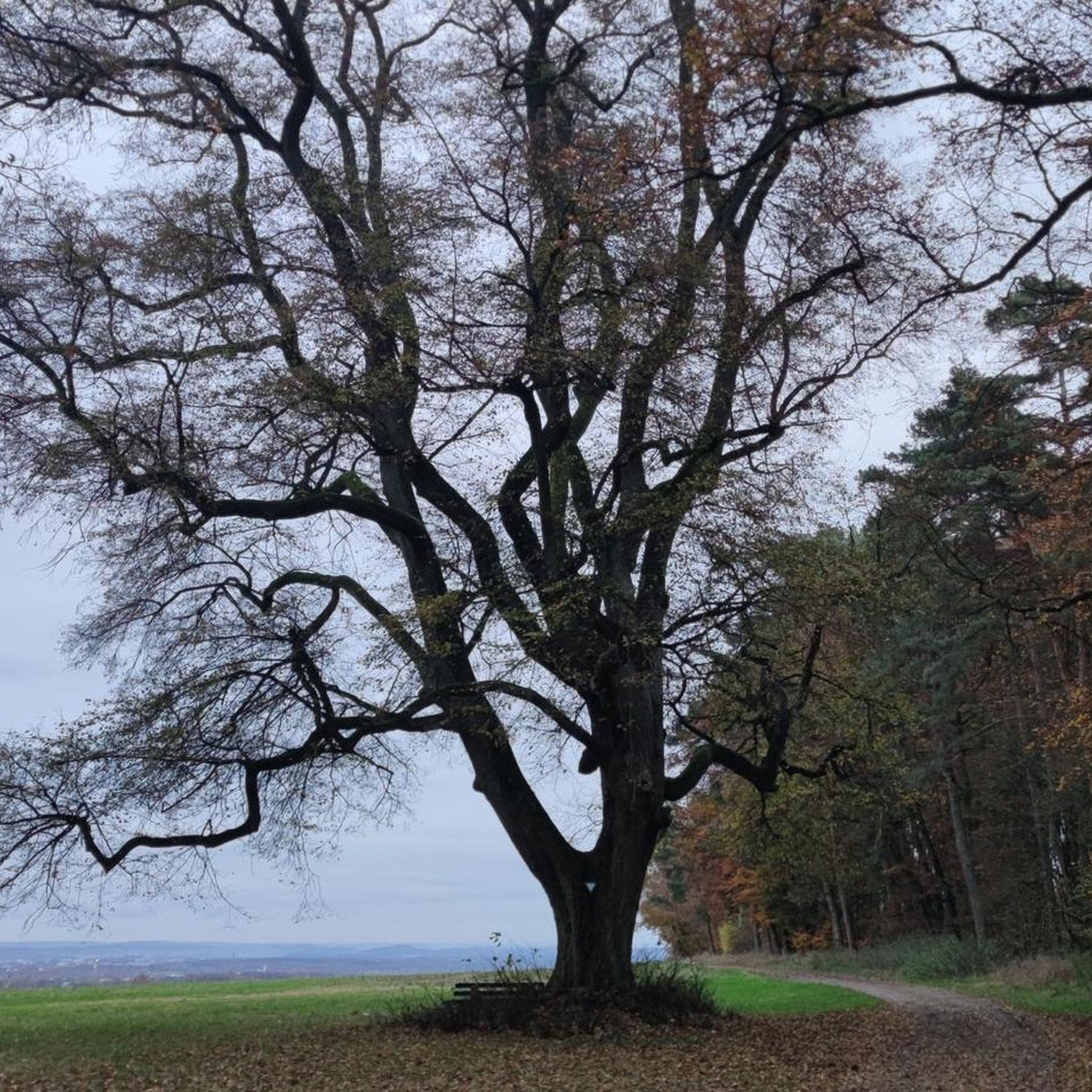
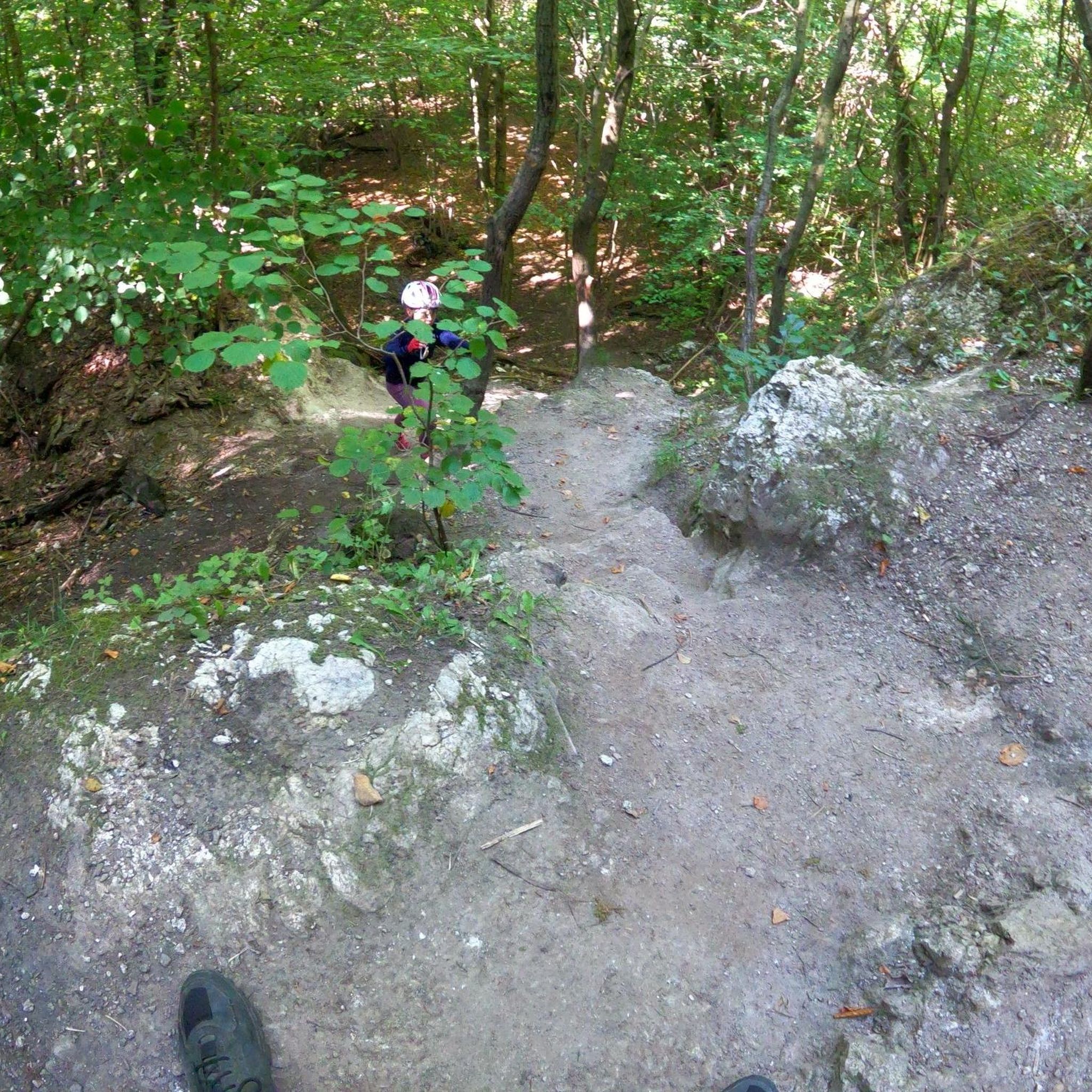
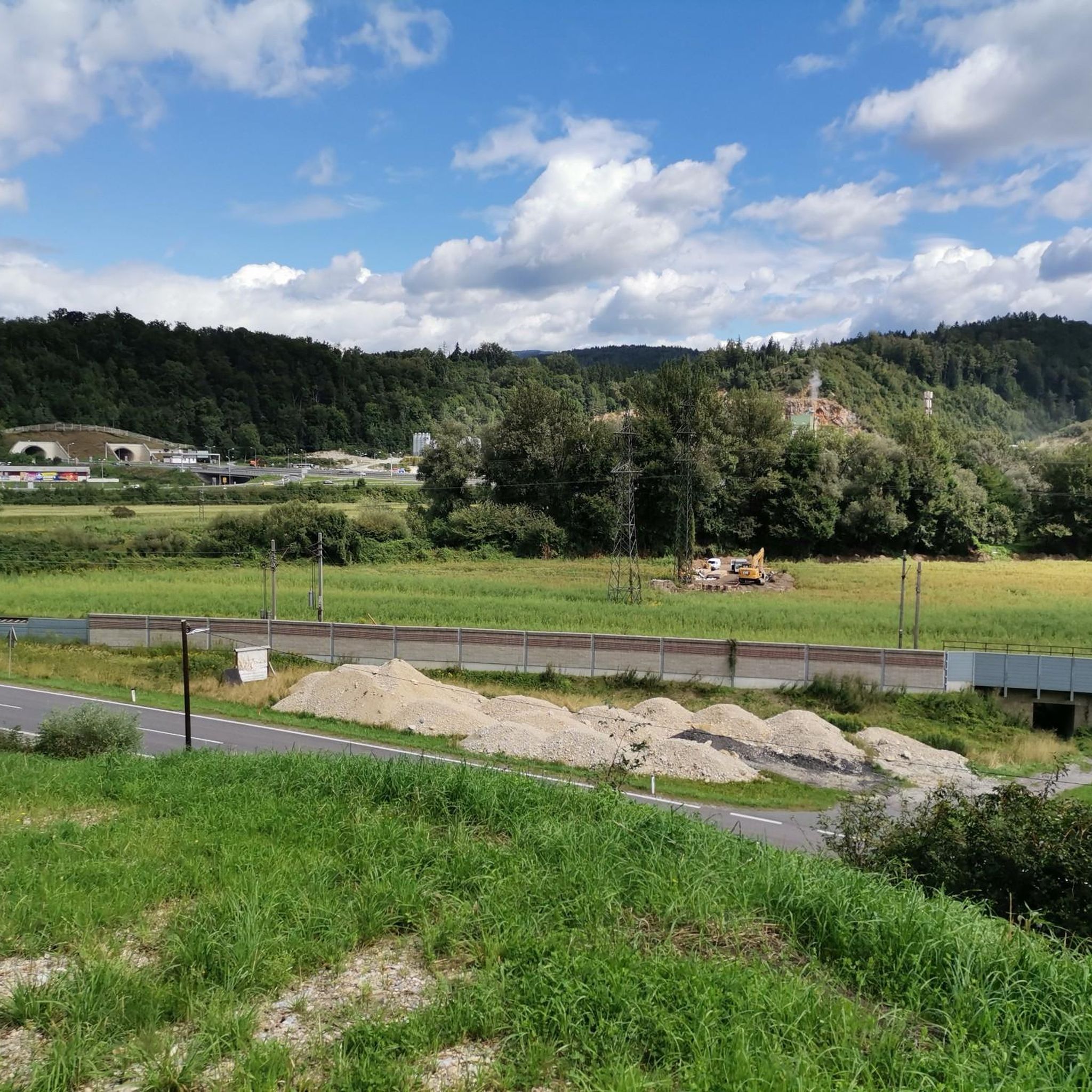
Tips from the Community

Caution with photos at the Steintor, esp. with children, as there is a steep drop to the gorge behind it.
0
0

A truly beautiful rock formation that makes for a great photo opportunity. It's a bit off the path, so it's easy to walk past it if you don't know where it is.
0
0


At the top of the mountain you have a great panoramic view of the city, ideally sitting on the wall with a drink. It is also a great place in the evening to enjoy the city lights.
9
0
In summer, it's a sweaty affair to walk up the steps to the clock tower. But with every bend you get a different view of the city. The Kriegssteig is one of the many paths up the mountain that you should definitely walk at least once.
6
0

History Let's begin with the history of the Schloßberg. In the 12th century, a castle was built on the Schloßberg, which also gave the city of Graz its name. A derivation of "gradec" – the Slovenian word for small castle. Since the castle was never conquered, it is listed in the Guinness Book of Records as the strongest fortress of all time. Not even Napoleon managed to capture the castle in the 19th century. Only when he blackmailed Graz into destroying Vienna by occupying Vienna in 1809 did the city of Graz surrender. With the exception of the bell tower and the clock tower, which were redeemed by the people of Graz, the castle was largely demolished and blown up, a process known as razing. Thirty years later, Ludwig Freiherr von Weldenman created walking paths and a romantic garden on the Schloßberg. During World War II, a more than 6-kilometer-long tunnel system was built in the Schloßberg, which served as a military headquarters and air-raid shelter for up to 40,000 people. Some of these tunnels are still in use today; they include the Schloßberg lift, the fairytale train, the Schloßberg slide, the "Dom im Berg" event hall, and a connecting path between Schloßbergplatz and Karmeliterplatz. Since 1999, Graz's Schloßberg, along with the historic old town of Graz, has been a UNESCO World Heritage Site.
1
0

Very steep path to the stone gate, very slippery due to the dry leaves!!!
2
0

Great vantage point above Graz. A must visit. With the Schlossbergbahn or on foot 🥰
8
0
Frequently Asked Questions
What are some unique natural monuments to explore near Gratkorn?
Beyond the well-known spots, the Schöckl summit cross offers panoramic views at 1,445 meters. For a blend of history and nature, Schlossberg Graz is a massive dolomite rock with historical landmarks and stunning city views. Another significant natural monument is the Kepler Lime Tree, a historical site commemorating the famous astronomer.
Are there any natural monuments with significant historical or archaeological importance?
Yes, the Zigeunerloch im Hausberg Gratkorn (Gypsy Hole) is a natural rock overhang with findings ranging from the Middle Ages to the Paleolithic period, including ancient stone tools and bone carvings. It offers a fascinating glimpse into prehistoric human activity and geological history.
Where can I find unique geological formations or paleontological sites?
The Gratkorn Clay Pit (St. Stefan Clay Pit) is a site of immense paleontological and geological significance. This former clay mine has yielded an exceptionally diverse and well-preserved collection of vertebrate, invertebrate, and plant fossils dating back to the late Middle Miocene period, offering a unique window into ancient ecosystems.
What natural monuments are suitable for families with children?
Several natural monuments around Gratkorn are family-friendly. The Schöckl summit cross is accessible, and the area around Schlossberg Graz offers various paths and attractions suitable for all ages. The Kepler Lime Tree is also a gentle historical spot.
Are there natural monuments where I can observe diverse wildlife, especially bats?
The Zigeunerloch im Hausberg Gratkorn is explicitly designated as a nature reserve and conservation area, notable for being the habitat with the greatest diversity of bat species in Styria. It's an excellent spot for ecological interest.
What outdoor activities can I do near the natural monuments?
The region around Gratkorn offers diverse outdoor activities. You can find numerous MTB trails, cycling routes, and gravel biking opportunities. Many of these routes pass by or are close to the natural monuments, allowing you to combine sightseeing with active exploration.
Where can I find alpine flora and botanical gardens in the area?
The Rannach Alpine Garden, located in the neighboring municipality of Stattegg, showcases a wide variety of alpine flora, particularly vibrant from February to June. It features rare species thriving on distinctive quartz gravel soil and offers educational insights into alpine botany with panoramic views over Styria.
Are there any natural monuments that are also popular viewpoints?
Yes, the Schöckl summit cross provides extensive views over the surrounding mountains. Additionally, Schlossberg Square and the Hackher Lion Monument on Schlossberg Graz offer different perspectives and wonderful panoramas of the city.
What is the best time of year to visit the natural monuments around Gratkorn?
The natural monuments around Gratkorn can be enjoyed year-round. For alpine flora at the Rannach Alpine Garden, February to June is particularly vibrant. Hiking and cycling are pleasant from spring through autumn. Winter offers opportunities for snow-covered landscapes, though some paths, like the Kriegssteig on Schlossberg, might have closures.
Are there dog-friendly options among the natural monuments?
Yes, Schlossberg Graz is generally dog-friendly, allowing you to explore its paths and enjoy the views with your canine companion. Many of the hiking and walking routes in the broader Gratkorn area are also suitable for dogs, provided they are kept on a leash.
What do visitors enjoy most about the natural monuments in this region?
Visitors frequently appreciate the diverse natural beauty, from the panoramic views at the Schöckl summit cross to the historical depth of Schlossberg Graz. The combination of geological wonders, rich history, and opportunities for outdoor activities like hiking and cycling makes the area highly appealing.
Most popular routes around Gratkorn
Most popular attractions around Gratkorn

Get inspired with the komoot mobile app


Explore more
Extend your search for the best caves by checking out these guides of the top ones around Gratkorn:
