Top 20 Natural Monuments around Wittenberg
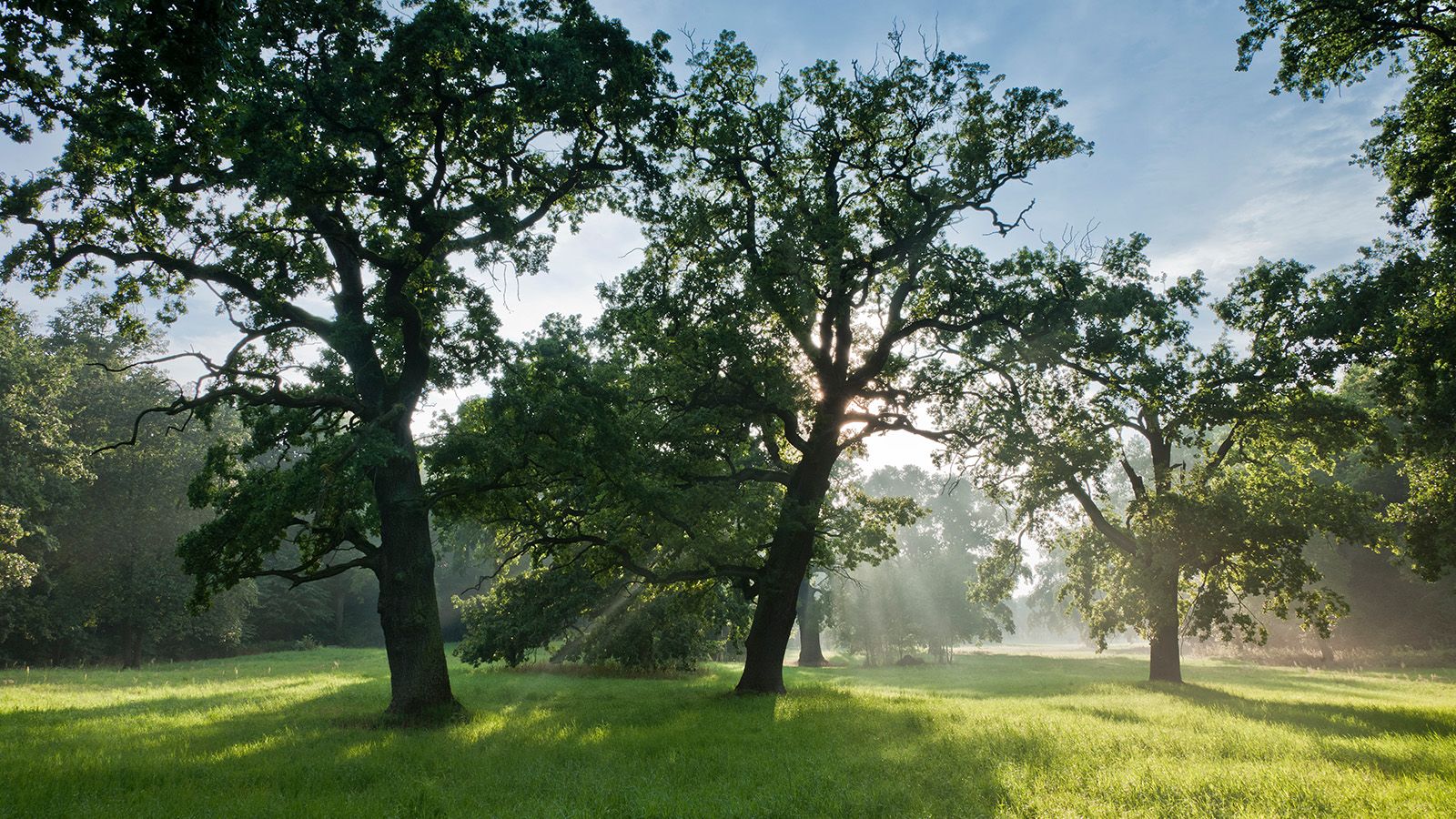
Best natural monuments around Wittenberg offer diverse landscapes, from vast floodplain areas along the Elbe River to extensive mixed forests and cultivated green spaces. The region is characterized by its natural heritage, including UNESCO-recognized biosphere reserves and unique geological formations. These areas provide opportunities for outdoor activities and observation of local flora and fauna. The landscape is shaped by historical glaciation, resulting in varied terrain and natural features.
Best natural monuments around Wittenberg
- The most popular natural monuments is Lake…
Last updated: April 25, 2026
To the Eichenkranz – Entrance to Wörlitz Park
Highlight • Natural Monument
Translated by Google •
Tip by

Wörlitz Park
Highlight • Natural Monument
Translated by Google •
Tip by

Sign up now to discover places like this
Get recommendations on the best single tracks, peaks, & plenty of other exciting outdoor places.
Sign up for free
Temple of Venus (Wörlitz Park)
Highlight • Monument
Translated by Google •
Tip by

Black Elster River
Highlight • River
Translated by Google •
Tip by

Lake Bergwitz
Highlight • Lake
Translated by Google •
Tip by
Biosphere Reserve Middle Elbe (Mittelelbe) – Dübener Heide Core Zone
Highlight • Forest
Translated by Google •
Tip by

Kurhaus Bad Schmiedeberg
Highlight • Monument
Translated by Google •
Tip by
Chain bridge 🥾
Highlight • Bridge
Translated by Google •
Tip by

Beaver Observation Tower, Dübener Heide
Highlight • Viewpoint
Translated by Google •
Tip by
Luisenklippe Cave Labyrinth
Highlight • Cave
Translated by Google •
Tip by

Sign up for free to discover even more natural monuments around Wittenberg.
Sign up for free
Already have an account?
Start today with a free account
Your next adventure awaits.
Login or Signup
Popular around Wittenberg
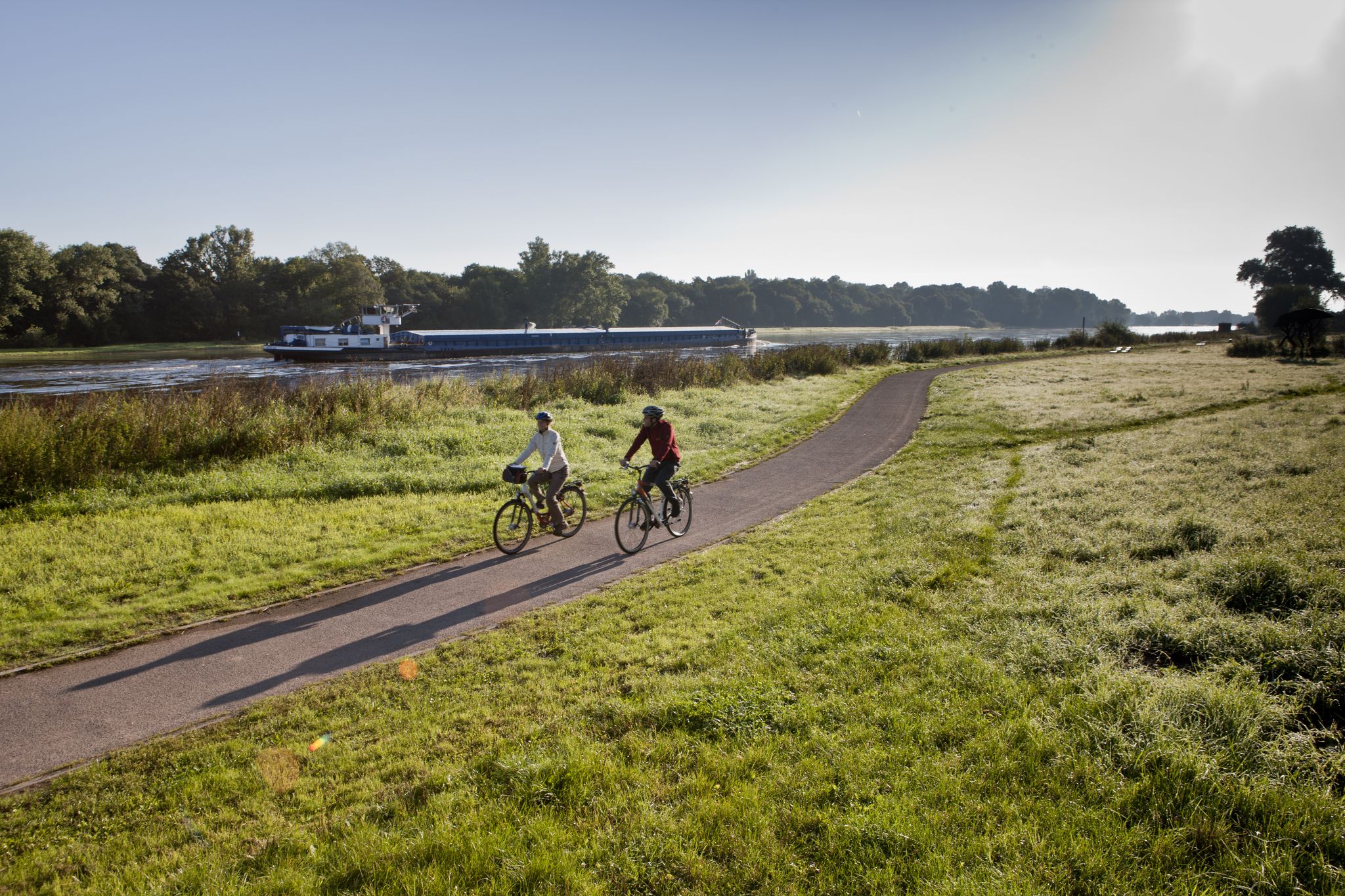
Elbe Cycle Route – Ride through Saxony-Anhalt
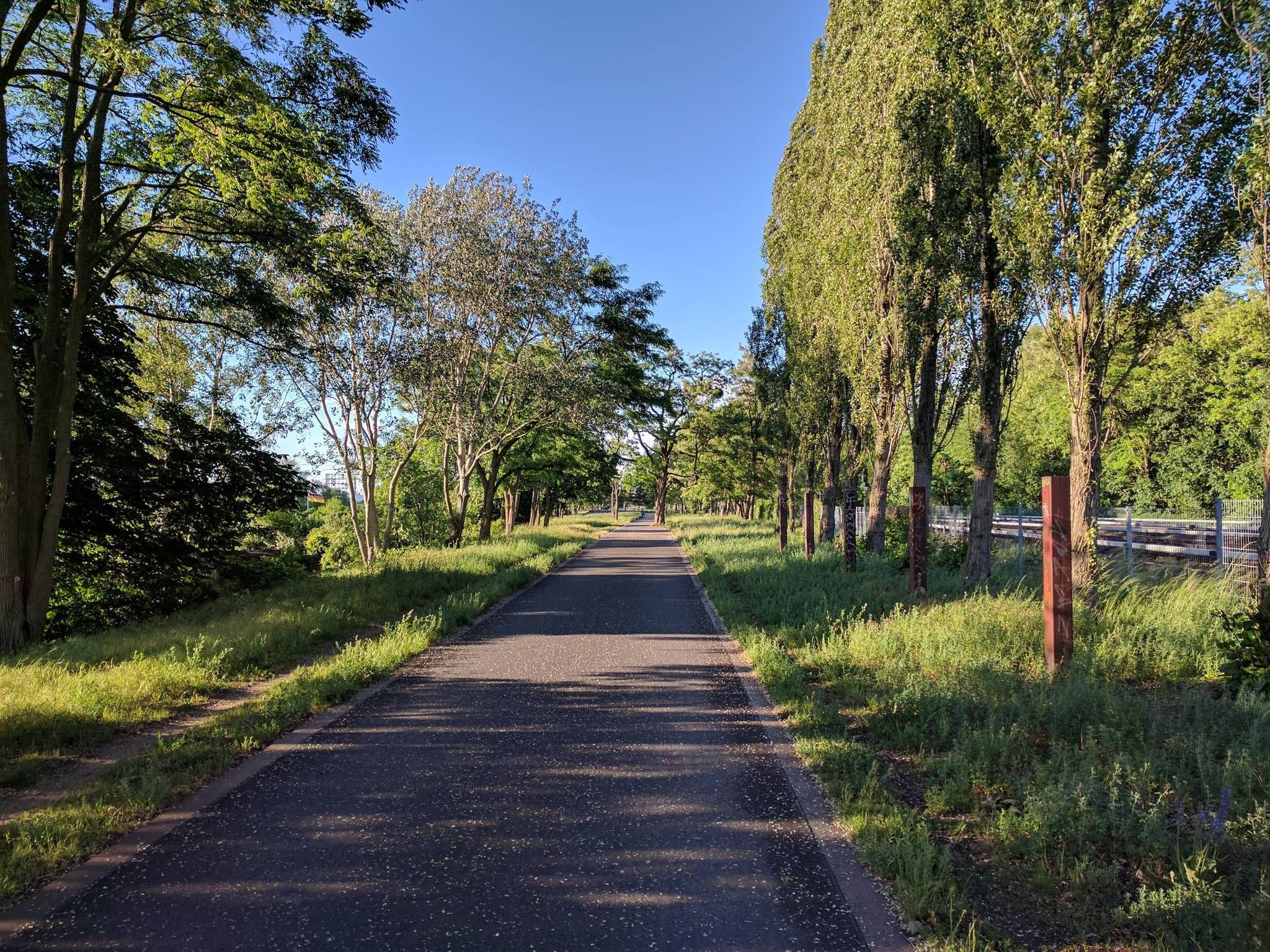
The Berlin Leipzig cycle path – Through the East in five stages

From Berlin to Prague — in the footsteps of the Peace Race part 2
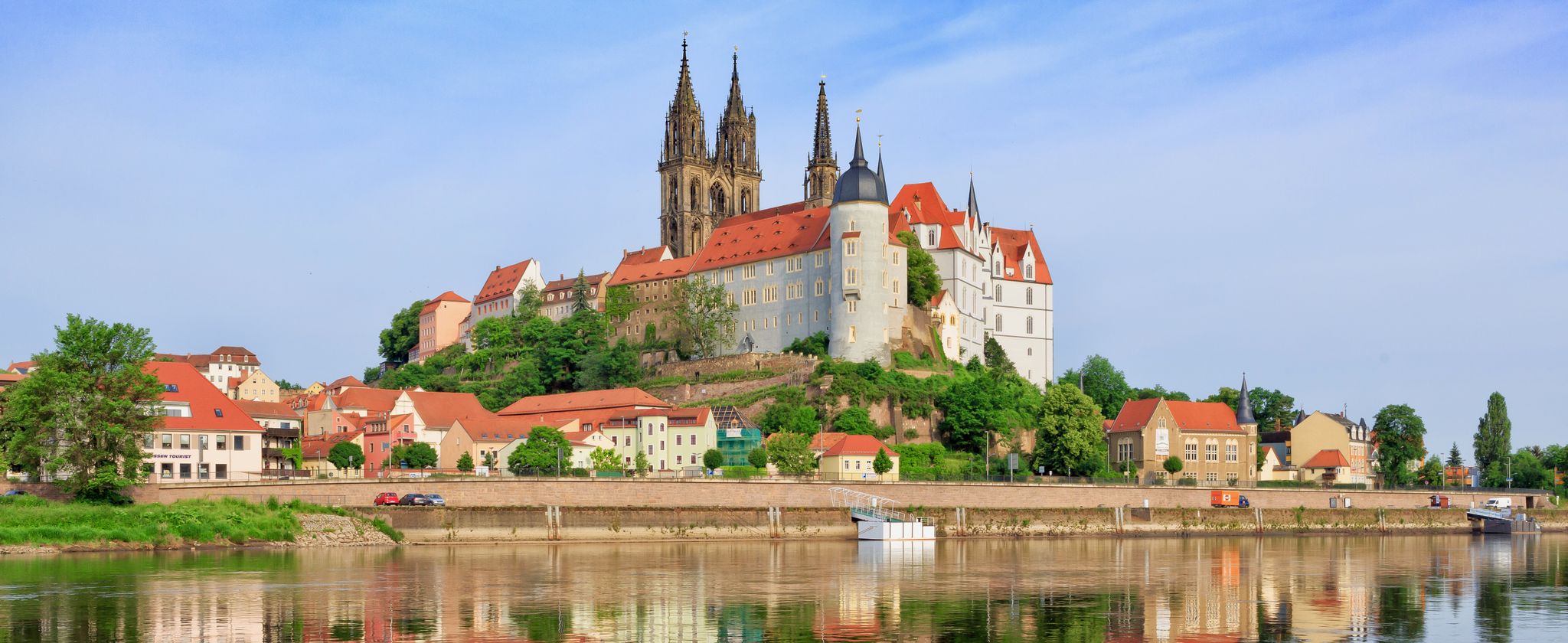
The Elbe Cycle Path — cross-border cycling pleasure
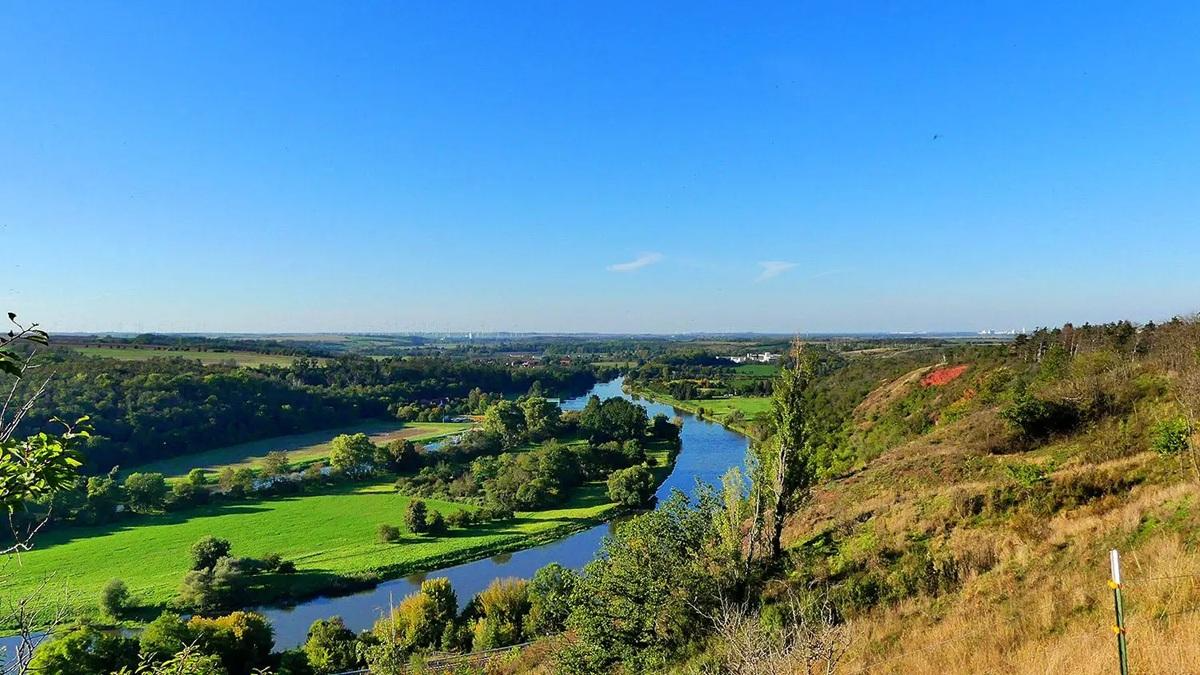
The National Natural Landscapes in Saxony-Anhalt
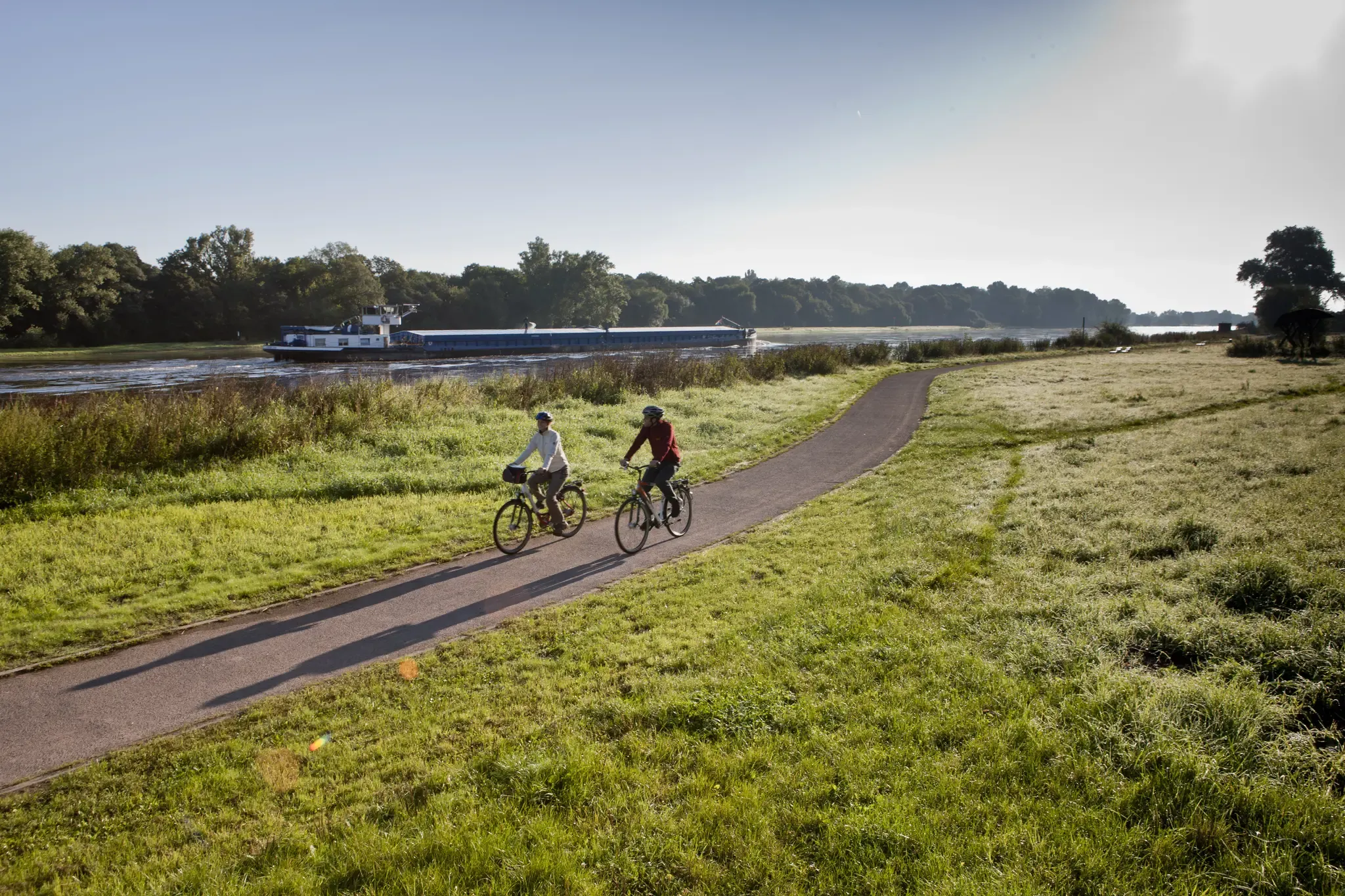
Ride the Elbe Cycle Route through Saxony-Anhalt
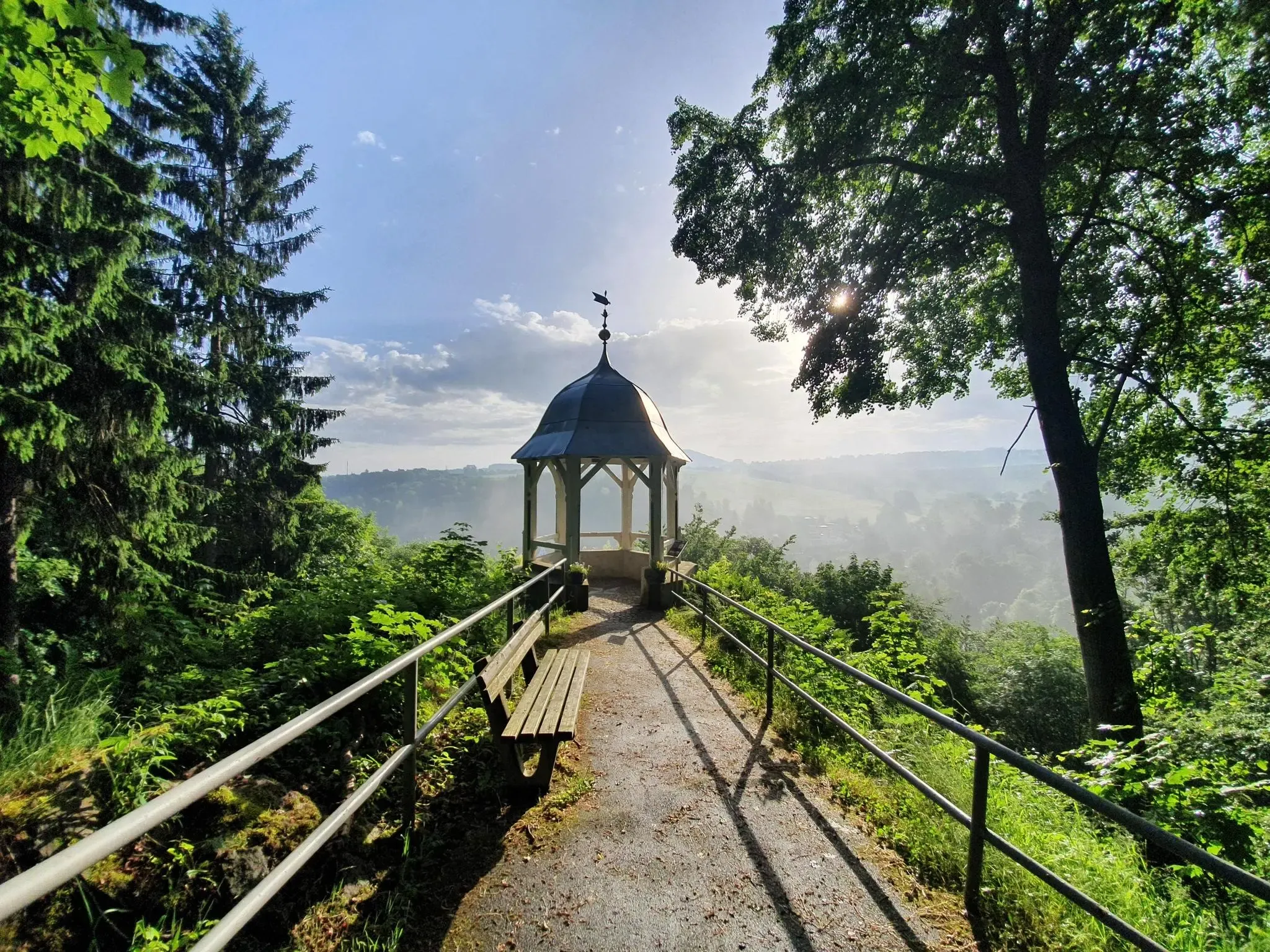
#GoFurther – discover the views of Germany!
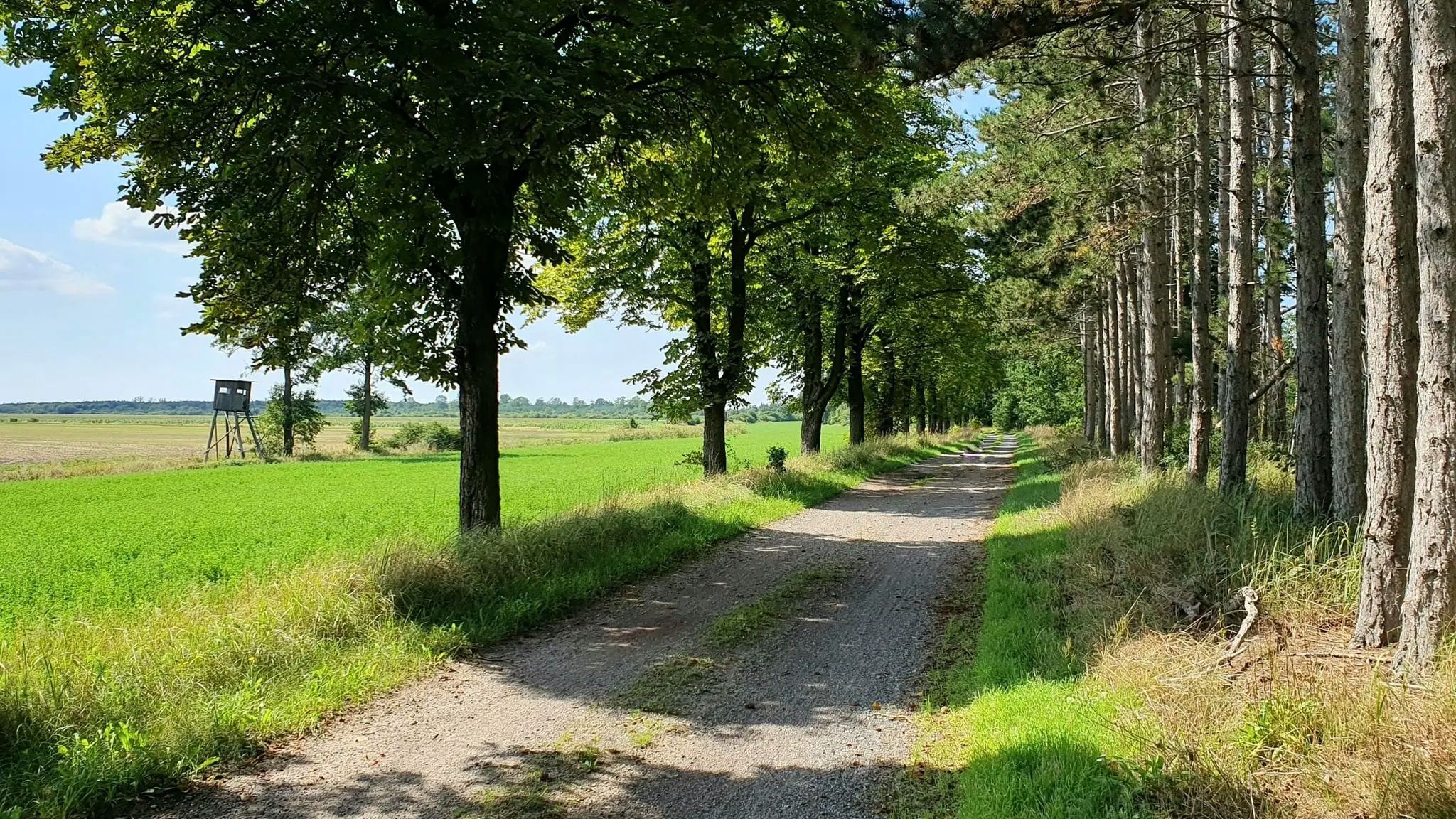
Hike through heath landscapes near Leipzig – Forester's Trail
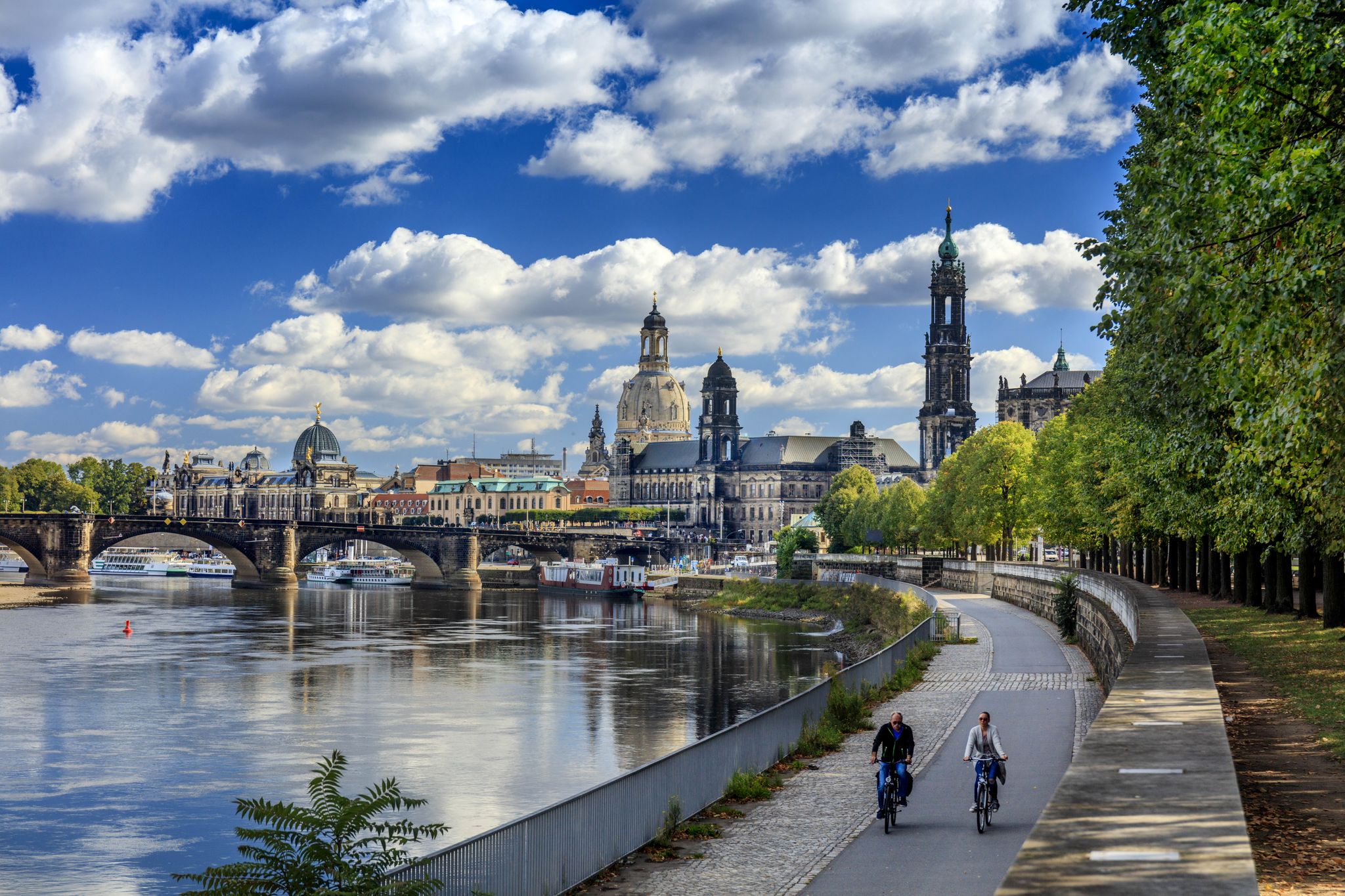
Cycling in Saxony – joy on two wheels
Nature and culture – cycling in the Dessau-Roßlau region
Other adventures around Wittenberg


Tips from the Community

Unfortunately, the beaver observation tower is no longer there, but perhaps it will be rebuilt.
2
0

Idyllic, fairly large lake with a beautiful circular path
0
0
Very beautiful lake with a great hiking trail around the lake.
0
0

Beautiful Art Nouveau architecture with a Mediterranean flair.
0
0

Great observation tower with information board
5
1
From here, with a bit of luck, you have the opportunity to observe the beavers feeding.
6
0

Beautiful complex that invites you to linger.
2
0
One of the many great bridges in the gardens.
0
0
Frequently Asked Questions
What types of natural landscapes can I explore around Wittenberg?
The region around Wittenberg offers a diverse range of natural landscapes. You can find vast floodplain areas along the Elbe River within the UNESCO-recognized Middle Elbe Biosphere Reserve, extensive mixed forests and heathlands in the Dübener Heide Nature Park, and varied terrain with unique geological features like "Rummeln" in the Fläming Nature Park. Additionally, there are cultivated green spaces like Wittenberg's Pond Park and the Wittenberg Arboretum.
What outdoor activities are popular near Wittenberg's natural monuments?
The natural monuments around Wittenberg are ideal for various outdoor activities. You can enjoy extensive hiking and cycling, particularly in the Middle Elbe Biosphere Reserve with its 19 floodplain trails, and the Dübener Heide Nature Park which boasts hundreds of kilometers of marked trails. The Fläming Nature Park is renowned for the "Fläming Skate," Europe's longest traffic-calmed skating track, also popular for cycling. For specific routes, you can explore running trails, cycling routes, and gravel biking tours in the area.
Which natural monuments are suitable for families with children?
Many natural monuments around Wittenberg are family-friendly. Lake Bergwitz is a popular leisure and recreation area with various beaches and water activities. Wörlitz Park offers a grand design with new views and perspectives to discover, combining natural beauty with cultural heritage that families can enjoy. The Biosphere Reserve Middle Elbe and the Dübener Heide Nature Park also provide accessible trails and opportunities for wildlife observation, such as the Beaver Observation Tower.
Can I observe wildlife in the natural areas near Wittenberg?
Yes, the natural monuments are rich in wildlife. The Middle Elbe Biosphere Reserve is particularly known for its diverse species, including kingfishers, white-tailed eagles, and the rare Siberian iris. The elusive Elbe beaver is a symbolic animal of this landscape, with over a thousand residing along the Elbe's banks. You can even visit a beaver enclosure near Wörlitz. The Dübener Heide Nature Park is also home to a diverse array of native and sometimes endangered species of game, birds, and insects.
Are there any natural monuments with historical or cultural significance?
Absolutely. Wörlitz Park is a prime example, combining natural beauty with cultural heritage through its meticulously designed idyll and structures like the Temple of Venus. The Luther Oak in Wittenberg, though a replanting, stands at a historically significant spot where Martin Luther is believed to have burned the papal bull, making it a living monument connected to a pivotal moment in the Reformation.
What are some notable natural features or viewpoints to visit?
The region offers several notable natural features and viewpoints. Wörlitz Park itself is considered a natural monument and viewpoint, offering new perspectives at every turn. The Biosphere Reserve Middle Elbe provides unspoiled natural landscapes, and the Beaver Observation Tower in the Dübener Heide offers a chance to spot local wildlife. You can also find unique geological features like "Rummeln" (dry valleys) and boulders in the Fläming Nature Park.
Is there a natural monument that emerged from a former industrial site?
Yes, Lake Bergwitz is a fascinating example. It emerged from a former lignite opencast mine that ceased operations in 1955. The area was recultivated, and the remaining hole was flooded by natural inflow, transforming it into a natural paradise now used as a popular leisure and recreation area.
Are there any unique natural formations like caves or springs?
Yes, you can explore the Luisenklippe Cave Labyrinth, which offers an interesting natural formation. Additionally, the Moritz Hauswald Spring is another natural monument worth visiting, providing a tranquil spot.
What is the best time of year to visit the natural monuments around Wittenberg?
The natural monuments around Wittenberg can be enjoyed throughout the year, but spring and autumn are particularly beautiful for hiking and cycling, with pleasant temperatures and vibrant foliage. Summer is ideal for water activities at places like Lake Bergwitz. Winter offers a different, serene beauty, especially in the forests and floodplains, though some facilities might have reduced hours.
Are there any natural areas that are part of a larger protected region?
Yes, the Middle Elbe Biosphere Reserve is a UNESCO World Heritage Site and represents one of the last near-natural river landscapes in Central Europe. The Dübener Heide Nature Park and the Fläming Nature Park are also significant protected areas, offering extensive natural habitats and recreational opportunities.
Where can I find more information about the Dübener Heide Nature Park?
For more detailed information about the Dübener Heide Nature Park, including its features and activities, you can visit its Wikipedia page: Dübener Heide Nature Park.
Most popular routes around Wittenberg
Most popular attractions around Wittenberg

Get inspired with the komoot mobile app


Didn’t find what you were looking for?
Find even more amazing natural monuments around Wittenberg by checking out the top Highlights region by region:
Explore more
Extend your search for the best caves by checking out these guides of the top ones around Wittenberg:
