Top 20 Natural Monuments around Wipperfürth
Natural monuments around Wipperfürth offer a diverse landscape in the Bergisches Land, characterized by forests, rivers, and reservoirs. The region provides opportunities to explore both geological formations and areas where human interaction has shaped the environment. Wipperfürth is known for its proximity to several dams, which are integrated into the natural surroundings and offer recreational activities. Visitors can find a blend of natural features and historical sites throughout the area.
Best natural monuments around Wipperfürth
- The most popular natural monument…
Last updated: June 24, 2026
Along the Dhünn River
Highlight (Segment) • River
Translated by Google •
Tip by

View of the Kleine Dhünn forebay
Highlight • Viewpoint
Translated by Google •
Tip by

Sign up now to discover places like this
Get recommendations on the best single tracks, peaks, & plenty of other exciting outdoor places.
Sign up for free
View of the Wuppertalsperre near Karquelle
Highlight • Viewpoint
Translated by Google •
Tip by

Eibach Castle Ruins
Highlight • Castle
Translated by Google •
Tip by

Lingesetal dam
Highlight • Lake
Translated by Google •
Tip by

Sign up for free to discover even more natural monuments around Wipperfürth.
Sign up for free
Already have an account?
Start today with a free account
Your next adventure awaits.
Login or Signup
Popular around Wipperfürth
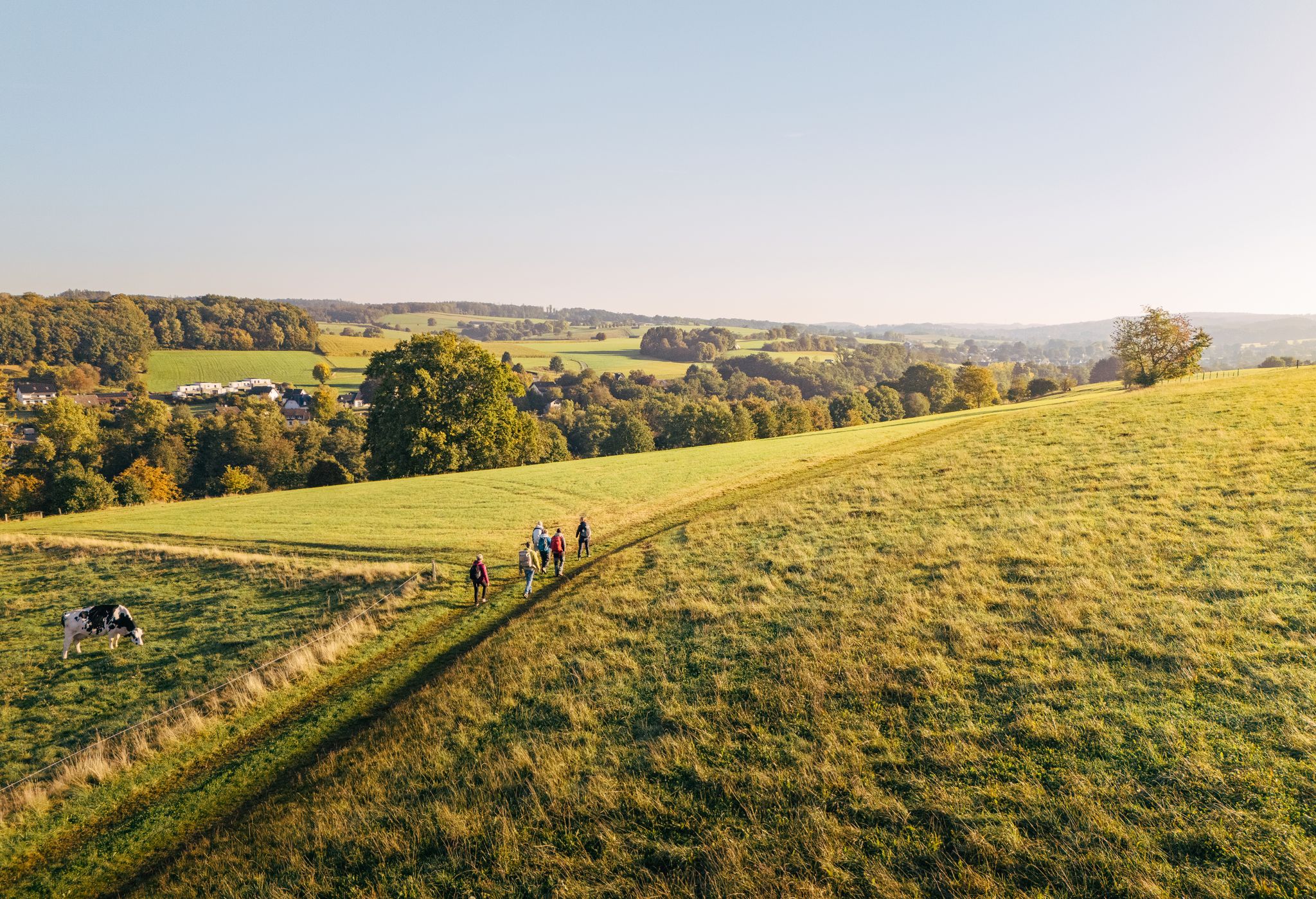
"Wunderschön" through the Bergisches Land – on the trail of the WDR show
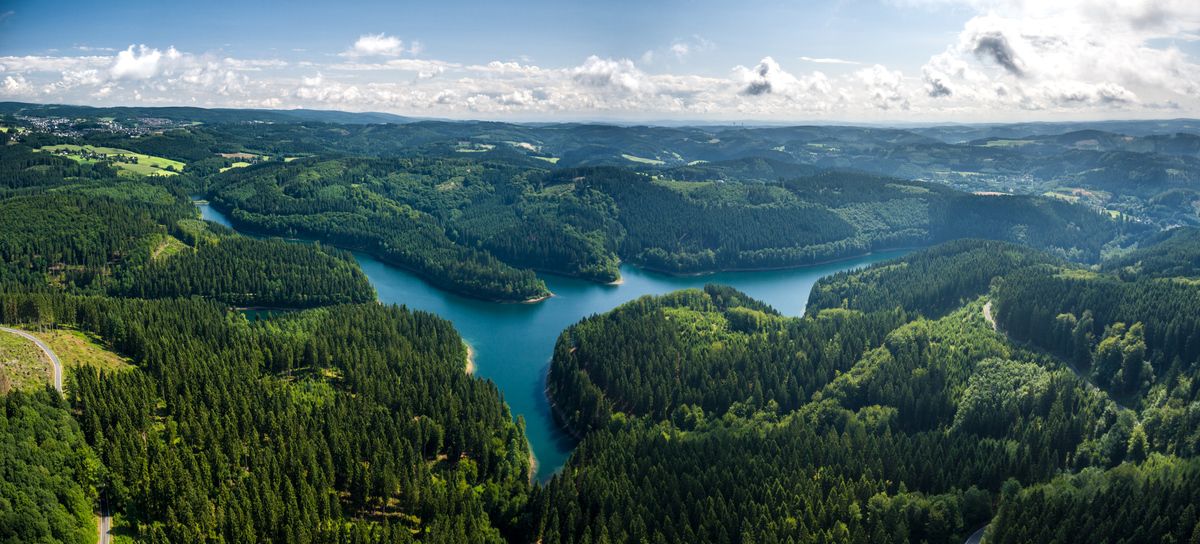
A long-distance hike with spectacular views – Bergischer Panoramasteig
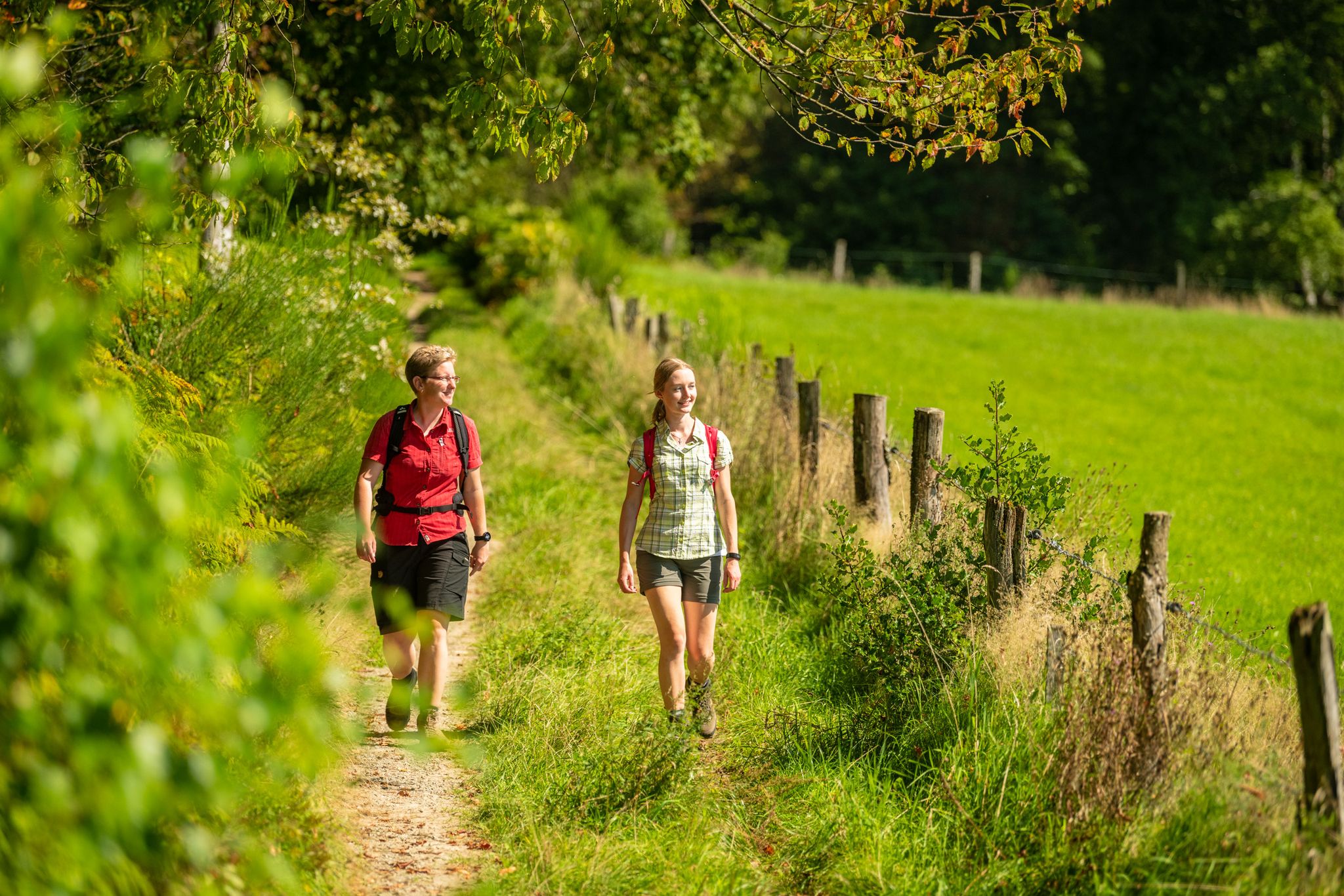
Bergische Rambles – themed and adventure trails in the Bergisches Land region

Hike and indulge in regional delights in Bergisches Land
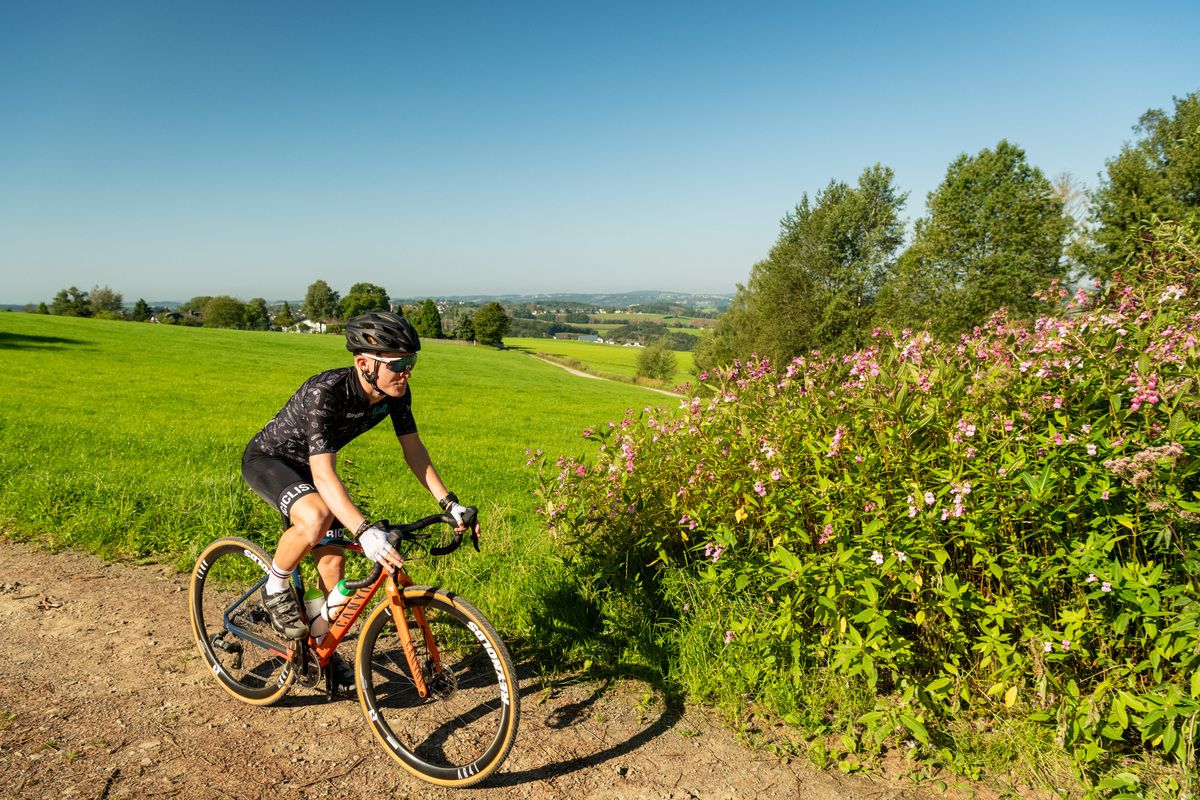
Forests, meadows and valleys — Gravel bike Tours in Bergisches Land
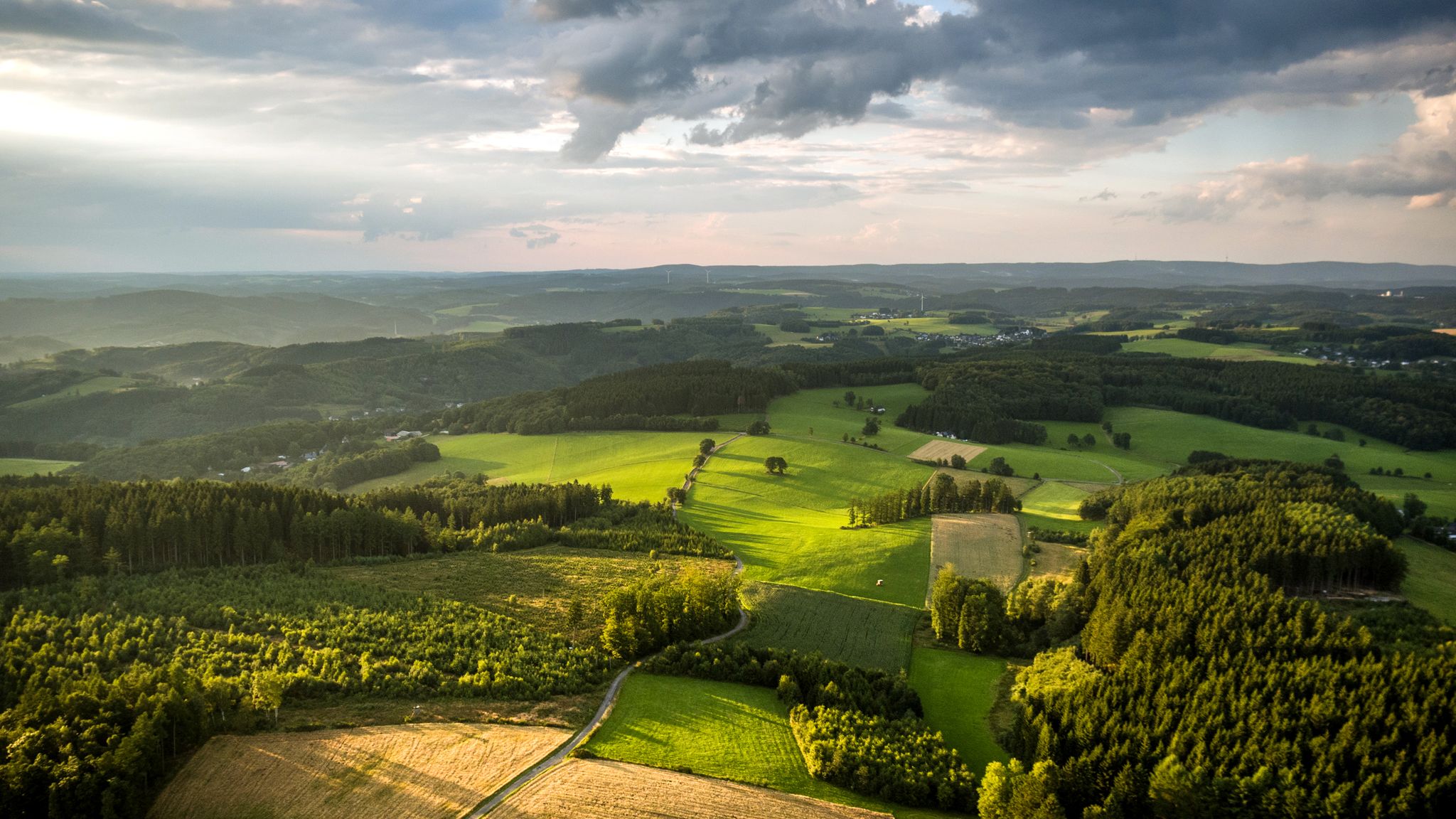
Panoramic adventures — explore Germany’s Bergisches Land
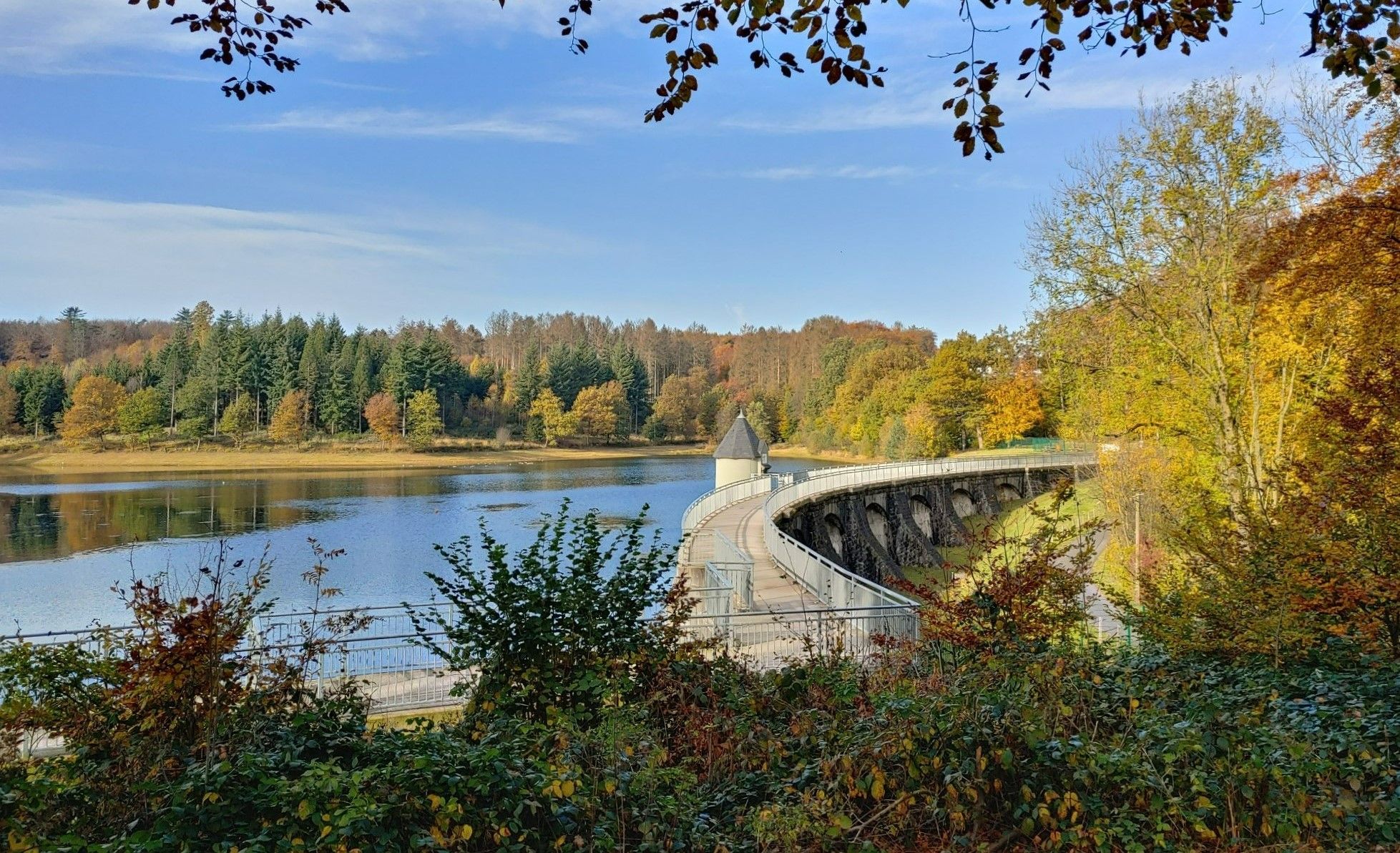
Reservoir hikes — easy walks in the Bergisch Land
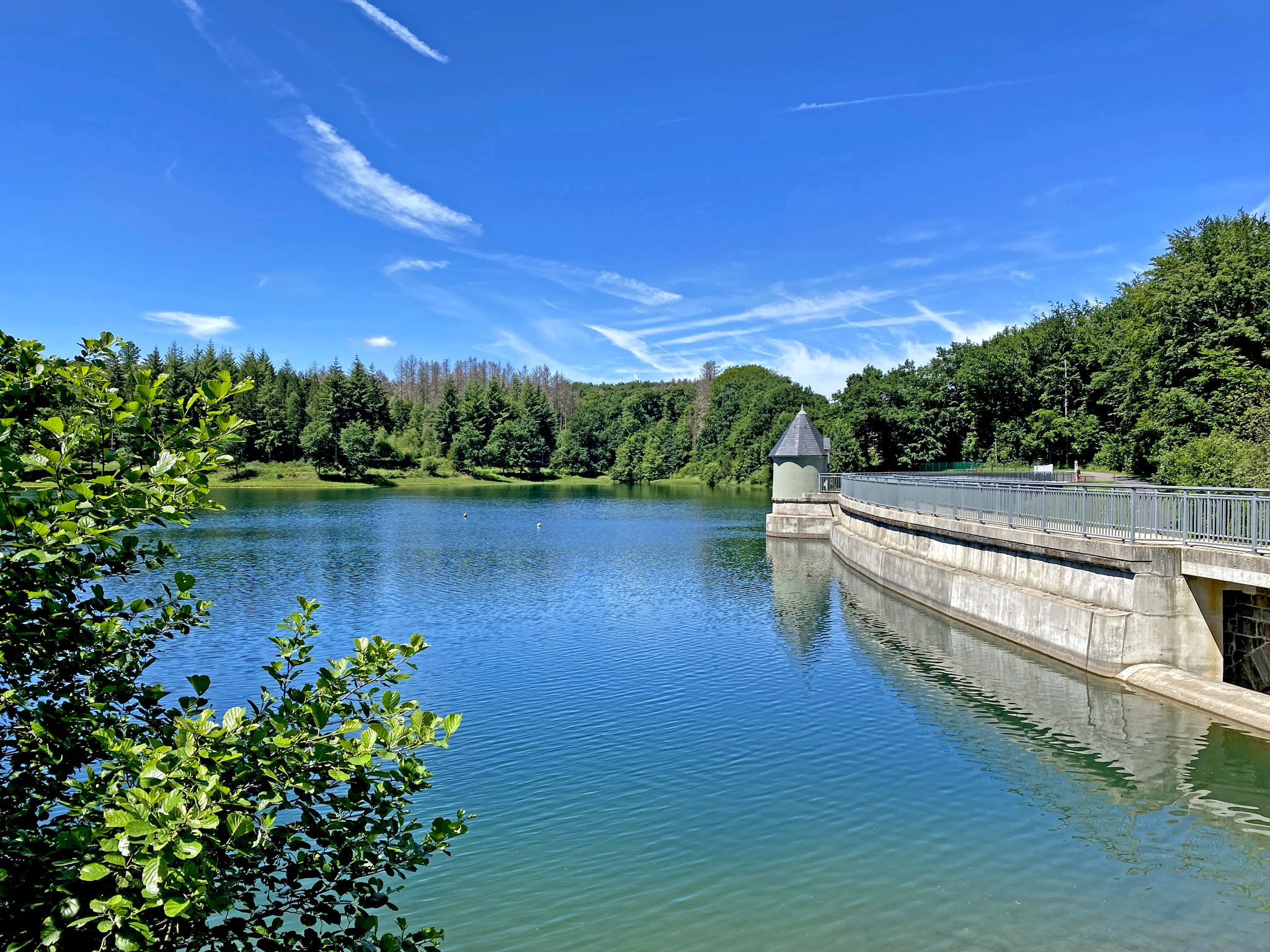
River dams in Germany’s Bergisches Land
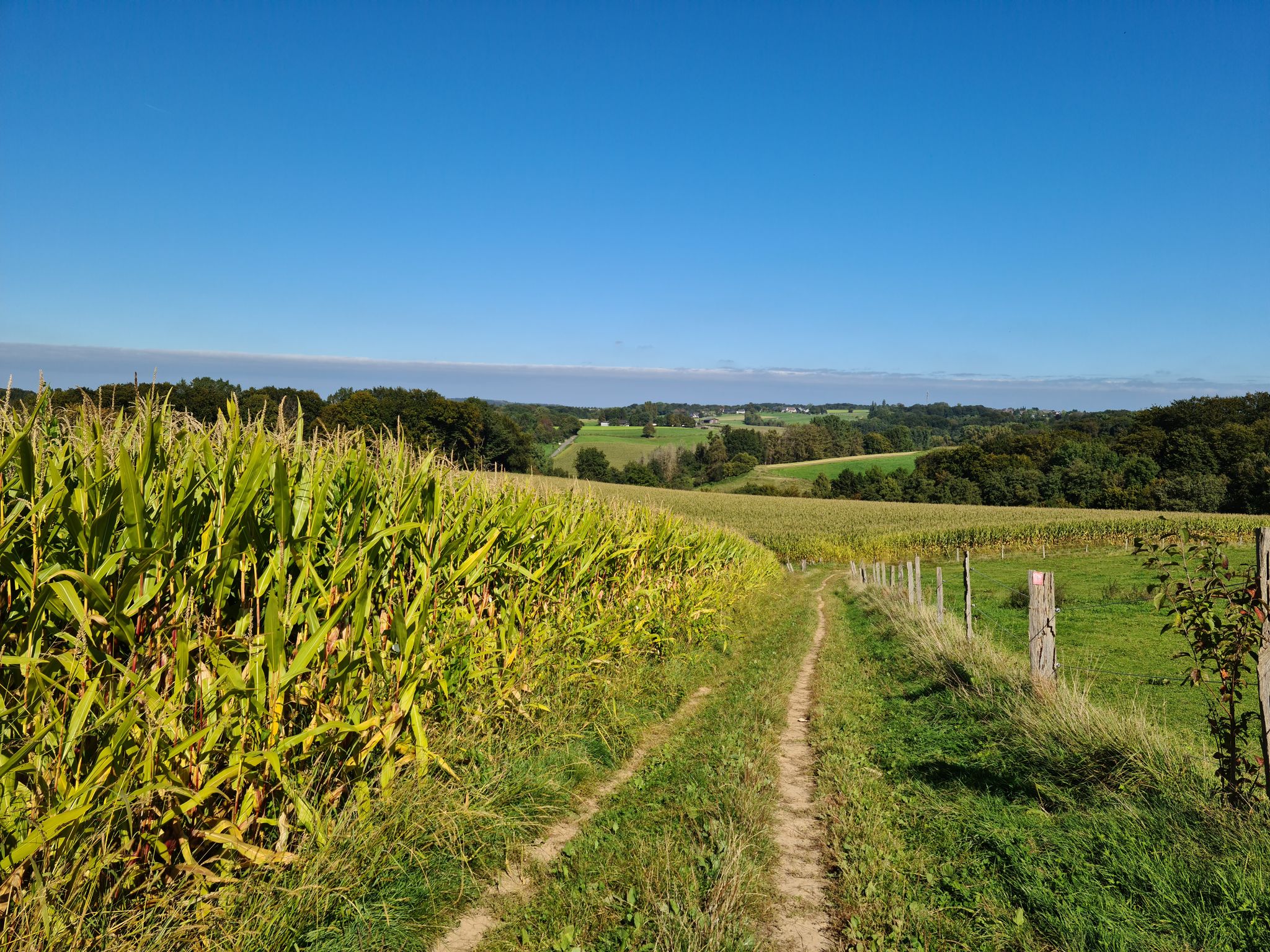
Rambles and hikes in Bergisches Land
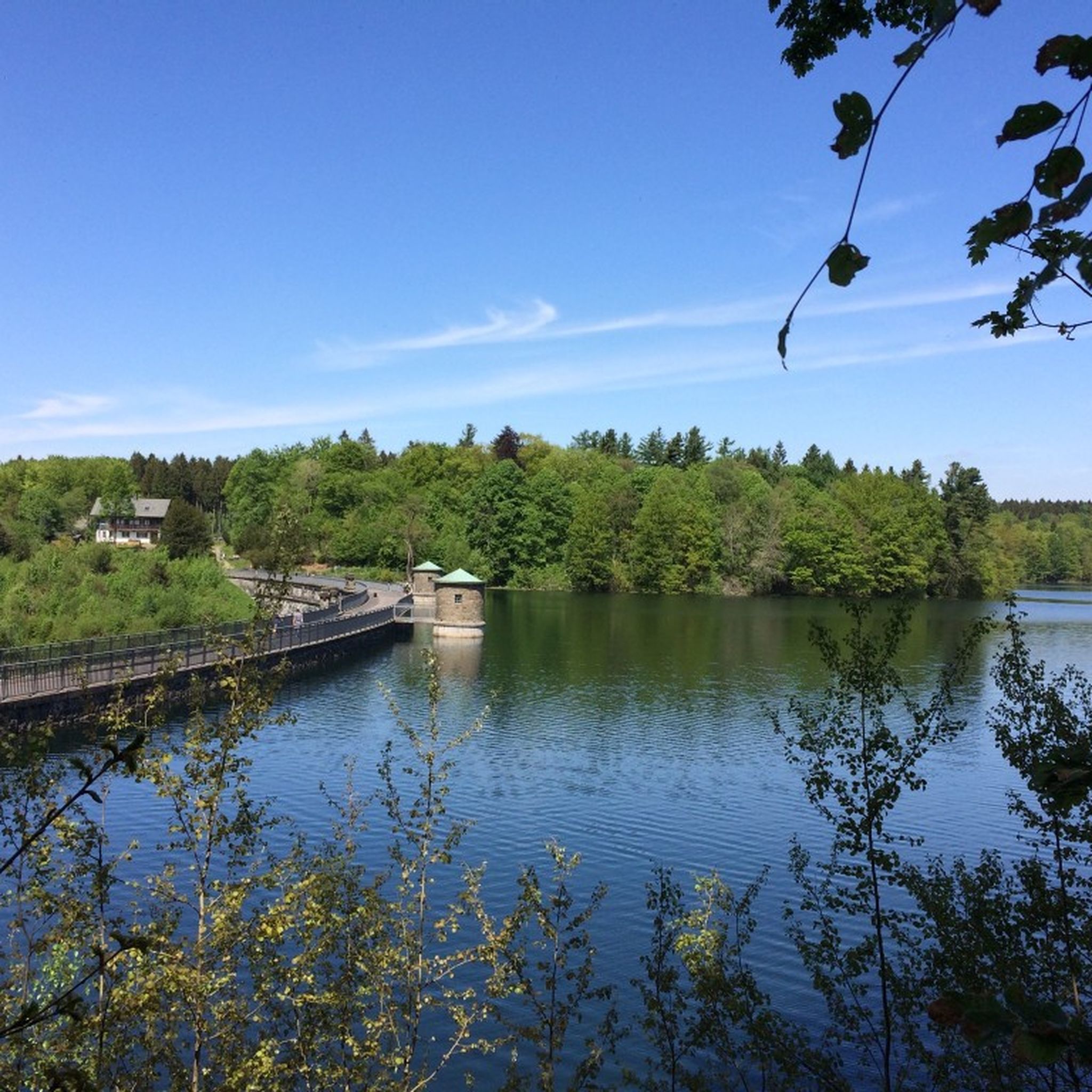
Hiking around Wipperfürth
Other adventures around Wipperfürth


Tips from the Community

The Great Dhünntalsperre, fed by the two springs of the Dhünn River, is the second largest drinking water dam in Germany after the Rappbode Dam
12
0

"At around 40 kilometers, the Dhünn is the longest tributary of the Wupper. However, the water from the Dhünn only accompanies the Wipper for a short distance, because it flows into the Wupper in Leverkusen. Shortly thereafter, the Wupper flows into the Rhine. The Dhünn is best known as the city river of Leverkusen and for its dam, the Great Dhünn Dam and its upstream dam. The two headwaters of the Dhünn converge in the Great Dhünn Dam before merging into the actual river. The source arms are referred to as Big Dhünn and Small Dhünn according to their different lengths. In the past, many areas of the Dhünn were used for fish farming and hydroelectric power generation. However, as part of comprehensive renaturation measures, a large part of the old weirs were dismantled. In addition, since 2010, the Dhünn has been the first river without weirs and other obstacles that is barrier-free for fish and other water dwellers." https://hochwasserportal.wupperverband.de/Gew%C3%A4sser/Dh%C3%BCnn/
6
0

The view is beautiful, a great place to take a break
9
0

One of many beautiful views.
9
0


The circumnavigation of the Vorsperre is very varied. Due to the storm damage, not all paths are currently (02/28/2022) passable. However, there are ways to get past the fallen trees everywhere.
11
0

Especially in summer it is very pleasant to walk here. It's nice and cool on this wooded stretch...
8
0

An interesting look at one of the inlets of the dam
10
0
Frequently Asked Questions
What are some of the most popular natural monuments around Wipperfürth?
Visitors frequently enjoy the diverse natural monuments in the area. Among the most popular are the historical Eibach Castle Ruins, which are part of the Lindlarer "Sagenweg." The serene Dhünn River area, known for its wild forest landscape and rushing streams, is also highly appreciated. Additionally, the Lingesetal dam offers a pleasant circular path and serves as a local recreation spot.
What unique natural features can I explore in Wipperfürth?
Wipperfürth, known as the "city of dams," offers a variety of natural features. You can explore several reservoirs like the Bevertalsperre, Neyetalsperre, and Große Dhünn-Talsperre, which are integrated into the natural landscape and offer scenic beauty. The region also features the intriguing Zwergenhöhle (Dwarf Cave), a limestone cave with local legends, and ancient Hohlwege (holloways) that showcase the historical interaction between people and their environment.
Are there family-friendly natural monuments to visit in Wipperfürth?
Yes, several natural monuments are suitable for families. The View of the Wuppertalsperre near Karquelle is considered family-friendly, offering beautiful views of the lake and surrounding forest. The Eibach Castle Ruins and the Lingesetal dam, with its easy circular path, are also great options for families.
Can I bring my dog to the natural monuments in Wipperfürth?
Many natural areas around Wipperfürth are dog-friendly, allowing you to enjoy walks with your canine companion. For example, the area around the Wuppertalsperre near Karquelle is noted as dog-friendly, offering trails through forests and along the lake.
When is the best time to visit the natural monuments around Wipperfürth?
The natural monuments around Wipperfürth can be enjoyed throughout the year. Spring brings lush greenery and blooming flora, while summer is ideal for water sports at the reservoirs. Autumn offers stunning fall foliage, particularly beautiful along forest trails and around the dams. Even winter can be picturesque, with tranquil, frosty landscapes.
What outdoor activities can I do near these natural monuments?
The region offers a wide range of outdoor activities. You can find numerous hiking trails, including easy walks and more challenging routes. Cycling is also very popular, with dedicated MTB trails and road cycling routes around the reservoirs. The dams, such as Bevertalsperre, are also popular for water sports during warmer months. For specific route ideas, you can explore guides like MTB Trails around Wipperfürth or Road Cycling Routes around Wipperfürth.
Are there hiking trails around the natural monuments in Wipperfürth?
Yes, there are many hiking opportunities. The Dhünn River area is an idyll for hiking, offering a wild valley experience. The Lingesetal dam features a circular path that takes about an hour to complete. Additionally, the Große Dhünn forebay area has numerous trails, including sections of the Bergische Panoramasteig and Bergische Weg. For easy walks, check out the Easy hikes around Wipperfürth guide.
What do visitors particularly enjoy about the natural monuments in Wipperfürth?
Visitors often praise the beautiful forest landscapes and the tranquil atmosphere. Many enjoy the 'musical accompaniment of rushing streams' along the Dhünn River and the 'incredibly beautiful wild valley.' The scenic views from viewpoints like the dam at the Große Dhünn forebay are also highly appreciated, offering impressive and varied scenery with large forest areas and open meadows.
Are there any historical sites among the natural monuments?
Yes, the region beautifully blends natural beauty with historical significance. The Eibach Castle Ruins are a prominent historical site set within a natural environment. The Zwergenhöhle (Dwarf Cave) also carries local folklore and offers a glimpse into the region's past. Furthermore, ancient Hohlwege (holloways) around Wipperfürth are significant features shaped by centuries of human use, providing a unique historical and natural experience.
Can I go cycling near these natural monuments?
Absolutely. Wipperfürth and its surrounding natural monuments are excellent for cycling. The "Wasserquintett" – a network of five dams including Bevertalsperre and Neyetalsperre – is connected by cycling paths. The Bergische Panorama cycle path also runs past areas like the Wuppertalsperre. You can find specific routes in guides such as MTB Trails around Wipperfürth and Road Cycling Routes around Wipperfürth.
Are there less crowded natural attractions in Wipperfürth?
While popular spots can get busy, especially in summer, many areas offer tranquility. Exploring the numerous hiking trails around the smaller reservoirs or venturing into the deeper forest sections of the Dhünn River valley can provide a more secluded experience. The Hohlwege also offer a unique, often quieter, historical and natural walk.
What geological features can be observed in the natural monuments around Wipperfürth?
The region's geology is characterized by the Bergisches Land, featuring rolling hills, forests, and river valleys. The Zwergenhöhle is a specific example of a limestone cave, showcasing geological formations. While many natural monuments are shaped by water (rivers and dams), the underlying geology contributes to the varied topography and natural beauty of the area.
Most popular routes around Wipperfürth
Most popular attractions around Wipperfürth

Get inspired with the komoot mobile app


Explore more
Extend your search for the best caves by checking out these guides of the top ones around Wipperfürth:
