Top 20 Natural Monuments around Villingen Schwenningen
Natural monuments around Villingen Schwenningen are situated on the edge of Germany's Black Forest, offering a diverse natural landscape. The region is notable for its unique ecological features, including the significant Schwenninger Moos, which serves as the source of the Neckar River. This area also lies on the main European watershed, providing varied hydrological and geological points of interest. Visitors can explore a range of natural features, from ancient bogs to impressive waterfalls and rock formations.
Best natural monuments around…
Last updated: August 31, 2026
Triberg Waterfalls
Highlight • Waterfall
Translated by Google •
Tip by

Triberg Waterfalls and Illuminated Gutach River
Highlight • Waterfall
Translated by Google •
Tip by

Sign up now to discover places like this
Get recommendations on the best single tracks, peaks, & plenty of other exciting outdoor places.
Sign up for free
Lower entrance to the Triberg Waterfalls
Highlight • Waterfall
A special place with unforgettable impressions.
Translated by Google •
Tip by

Froschbrünnele Spring
Highlight • Natural Monument
Translated by Google •
Tip by

Uhufelsen (Owl Rock)
Highlight • Natural Monument
Translated by Google •
Tip by

Sign up for free to discover even more natural monuments around Villingen Schwenningen.
Sign up for free
Already have an account?
Start today with a free account
Your next adventure awaits.
Login or Signup
Tips from the Community

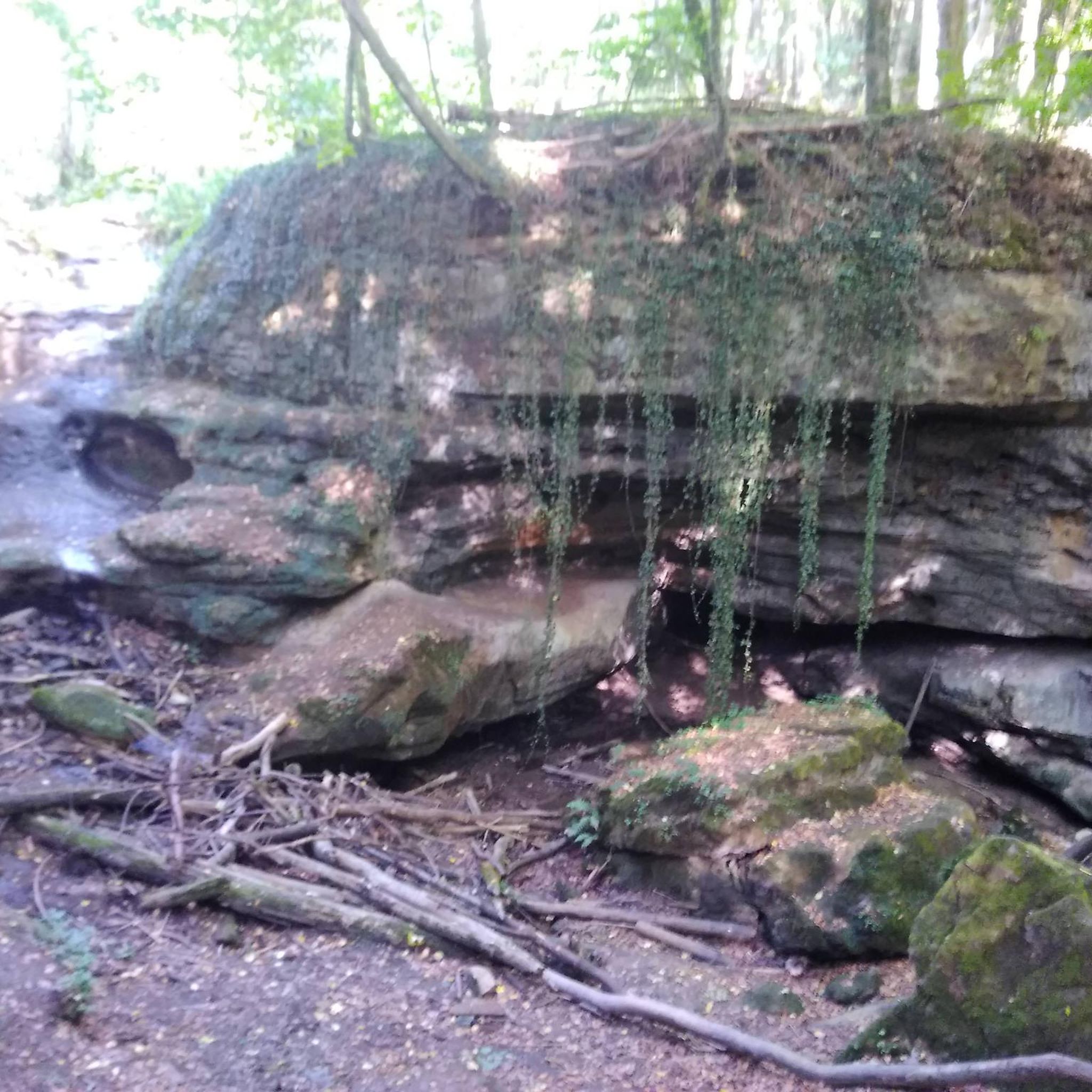
Located not far from the Triberg Waterfalls.
0
0

Information about the Uhustein can be found here: https://www.schwarzwald-tourismus.info/attraktionen/uhustein-5b6df015aa
1
0

Germany's highest waterfalls The unique natural experience Waterfall in summer Waterfall in summer Germany's highest waterfalls in Triberg are a very special attraction. Foaming and roaring, the water of the Gutach falls 163 m down into the valley in seven stages. Find out about animals, plants and special features of the waterfall area on informative boards and watch the many squirrels along the paths. The main entrance to the waterfalls is easy and quick to reach on foot from the city center. But four other entrances also offer you the opportunity to get to the waterfalls from all sides. Signposted parking spaces can be found in the city area. The waterfalls are illuminated in the evening until around 10 p.m. and offer a fascinating sight.
4
2

Great flow of water
3
0

Very nice old town 😍
2
1

Beautiful and right next to the waterfalls
2
0

Pure nature in the Black Forest. A cool experience on hot days.
5
0
Here you can fill up your water bottles
0
0
Frequently Asked Questions
What are the most popular natural monuments around Villingen-Schwenningen?
The region offers several highly-rated natural monuments. Among the most popular are the Triberg Waterfalls, which are Germany's highest. Visitors also frequently enjoy the Uhufelsen (Owl Rock), known for its beautiful forest setting, and the Uhustein, a climbable rocky dome offering views into the valley.
What makes the Schwenninger Moos a significant natural monument?
The Schwenninger Moos is a remarkable 4000-year-old raised bog, notable for being the source of the Neckar River and lying on the main European watershed. It boasts a unique ecosystem supporting over 400 plant species and diverse birdlife, making it an important site for nature observation and conservation.
Are there family-friendly natural attractions in Villingen-Schwenningen?
Yes, several natural monuments are suitable for families. The Triberg Waterfalls have well-developed paths. The Uhufelsen (Owl Rock) is also considered family-friendly, offering walks through beautiful forests. Additionally, the Froschbrünnele Spring is a small, interesting stop on a circular hiking trail.
What outdoor activities can I do near these natural monuments?
The area around Villingen-Schwenningen is excellent for various outdoor activities. You can find numerous hiking trails, including easy to moderate routes like the 'Inn Zum Auerhahn – Pfeifferloch Pond loop'. For cycling enthusiasts, there are options for gravel biking and road cycling, such as the 'Groppertal Cycle Route'. You can explore more routes in the hiking guide, gravel biking guide, and road cycling guide for Villingen-Schwenningen.
Can I observe wildlife at the natural monuments in the region?
Absolutely. The Schwenninger Moos, in particular, is a haven for wildlife. Its unique ecosystem supports over 400 different plant species and attracts a diverse range of birds, including the Egyptian Goose, Gadwall, Eurasian Teal, Tufted Duck, and Water Rail. It's an excellent spot for nature observation and birdwatching.
Are there any natural monuments with historical significance?
Yes, the Uhustein has a history of small-scale mining for brown iron stone in the early 19th century. The Schwenninger Moos also has a historical context, as it underwent significant renaturation efforts after peat was mined there from 1748 until the 1950s, showcasing a successful conservation story.
What is the best time to visit the natural monuments in Villingen-Schwenningen?
The natural monuments in the region offer beauty throughout the year. The Schwenninger Moos, for instance, has vibrant spring blooms, rare plants in summer, colorful autumn foliage, and a magical winter landscape. The Triberg Waterfalls are impressive year-round, though they can be crowded on nice days, so early mornings or evenings are recommended.
Are there viewpoints among the natural monuments?
Yes, several natural monuments offer excellent viewpoints. The Triberg Waterfalls provide impressive views of the cascading water. The Uhustein allows you to climb up and look down into the valley from its secured rocky dome. The Uhufelsen (Owl Rock) also offers scenic views within its forest setting.
Are there accessible trails for exploring the natural monuments?
The Schwenninger Moos features well-maintained paths and boardwalks, including an 8 km long educational trail (Schwenninger Moos circular walk), which allows close access to the delicate ecosystem. The paths at the Triberg Waterfalls are also well-developed and generally easy to navigate.
What do visitors enjoy most about the natural monuments in Villingen-Schwenningen?
Visitors particularly appreciate the stunning natural beauty and the well-maintained trails. Many highlight the impressive display of the Triberg Waterfalls and the tranquil, ecologically rich environment of the Schwenninger Moos. The opportunity to explore beautiful forests with old trees, like those around Uhufelsen, is also a common favorite.
Is there an admission fee for any of the natural monuments?
Yes, there is an admission fee to access the Triberg Waterfalls. While the exact price can vary, it is typically around 8 euros for adults. However, if you have a guest card from the site, entry might be free. Most other natural monuments in the region, like the Schwenninger Moos, can be explored without an entrance fee.
Most popular routes around Villingen Schwenningen
Most popular attractions around Villingen Schwenningen

Get inspired with the komoot mobile app


Explore more
Extend your search for the best caves by checking out these guides of the top ones around Villingen Schwenningen:
