Top 20 Natural Monuments around Sankt Goar
Best natural monuments around Sankt Goar are primarily found within the Upper Middle Rhine Valley UNESCO World Heritage Site, characterized by its dramatic landscape of steep rock precipices and the Rhine River. The region is known for its iconic rock formations and numerous viewpoints offering expansive vistas of the river and surrounding castles. This area provides opportunities to experience nature through its geological features and scenic trails. The natural setting draws visitors for its dramatic landscapes and historical significance.
Best…
Last updated: October 10, 2026
View of the Loreley Rock
Highlight • Viewpoint
Translated by Google •
Tip by

View of the Loreley Rock and the Rhine
Highlight • Viewpoint
Translated by Google •
Tip by

Sign up now to discover places like this
Get recommendations on the best single tracks, peaks, & plenty of other exciting outdoor places.
View of the Loreley from Maria Ruh
Highlight • Viewpoint
Translated by Google •
Tip by

Loreley Statue on the Rhine
Highlight • Monument
Translated by Google •
Tip by

Mittelrhein Via Ferrata Boppard
Highlight • Climb
One of the most beautiful sections of the via ferrata.
Translated by Google •
Tip by

Sign up for free to discover even more natural monuments around Sankt Goar.
Already have an account?
Start today with a free account
Your next adventure awaits.
Popular around Sankt Goar
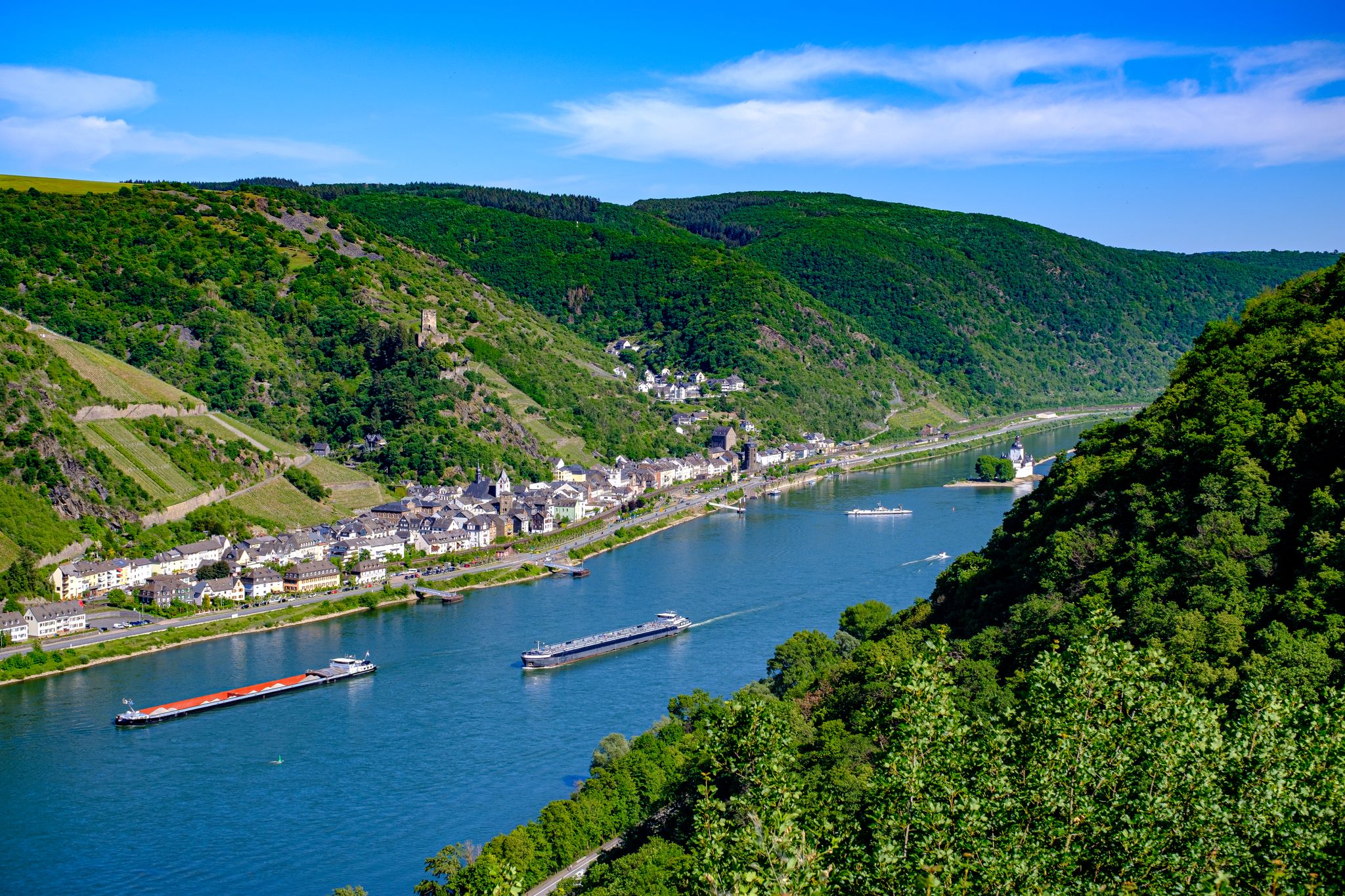
The Rhine Castle Trail – 13 stages of pure Rhine romanticism
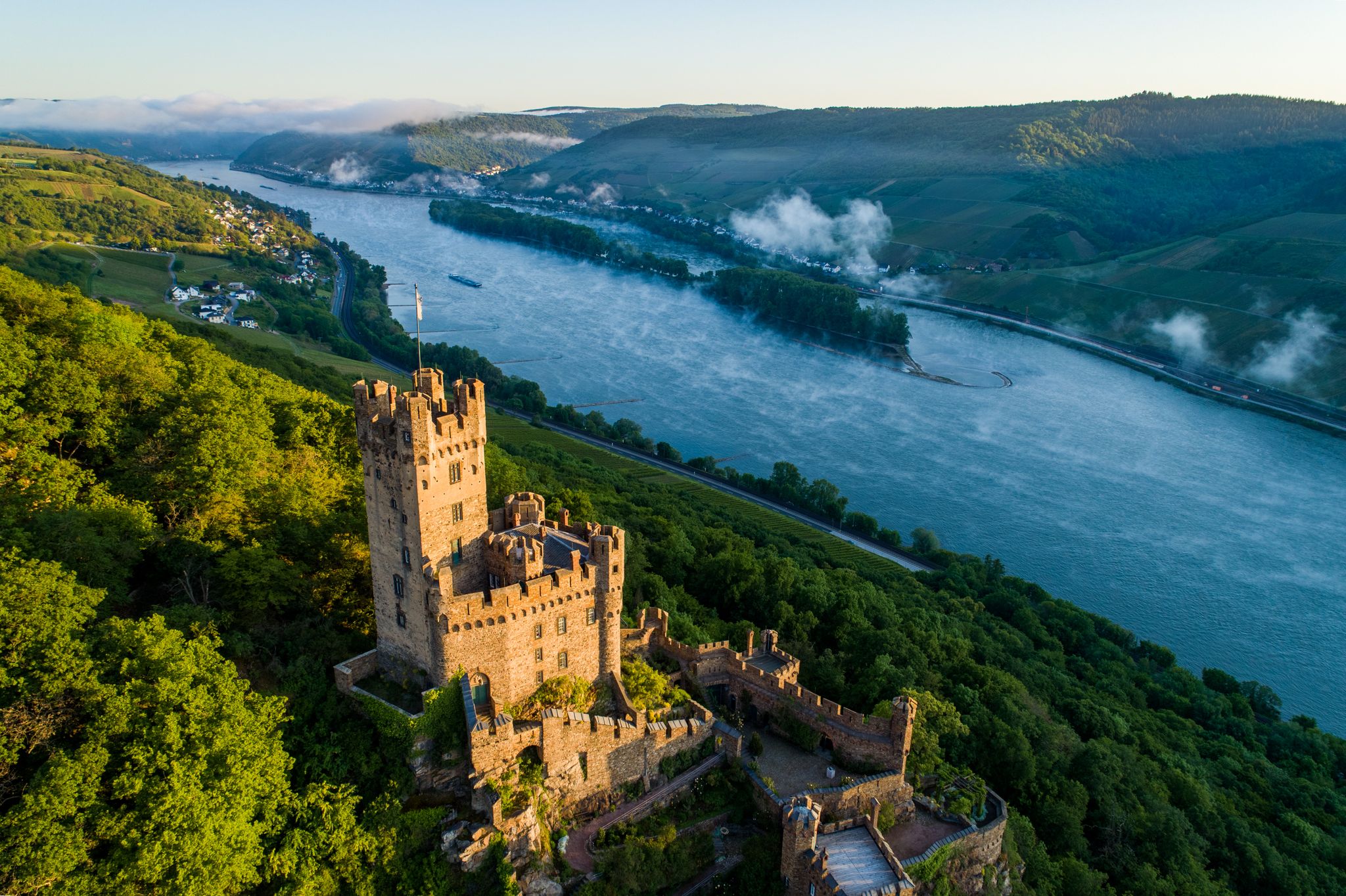
Stunningly beautiful – hiking on the RheinBurgenWeg
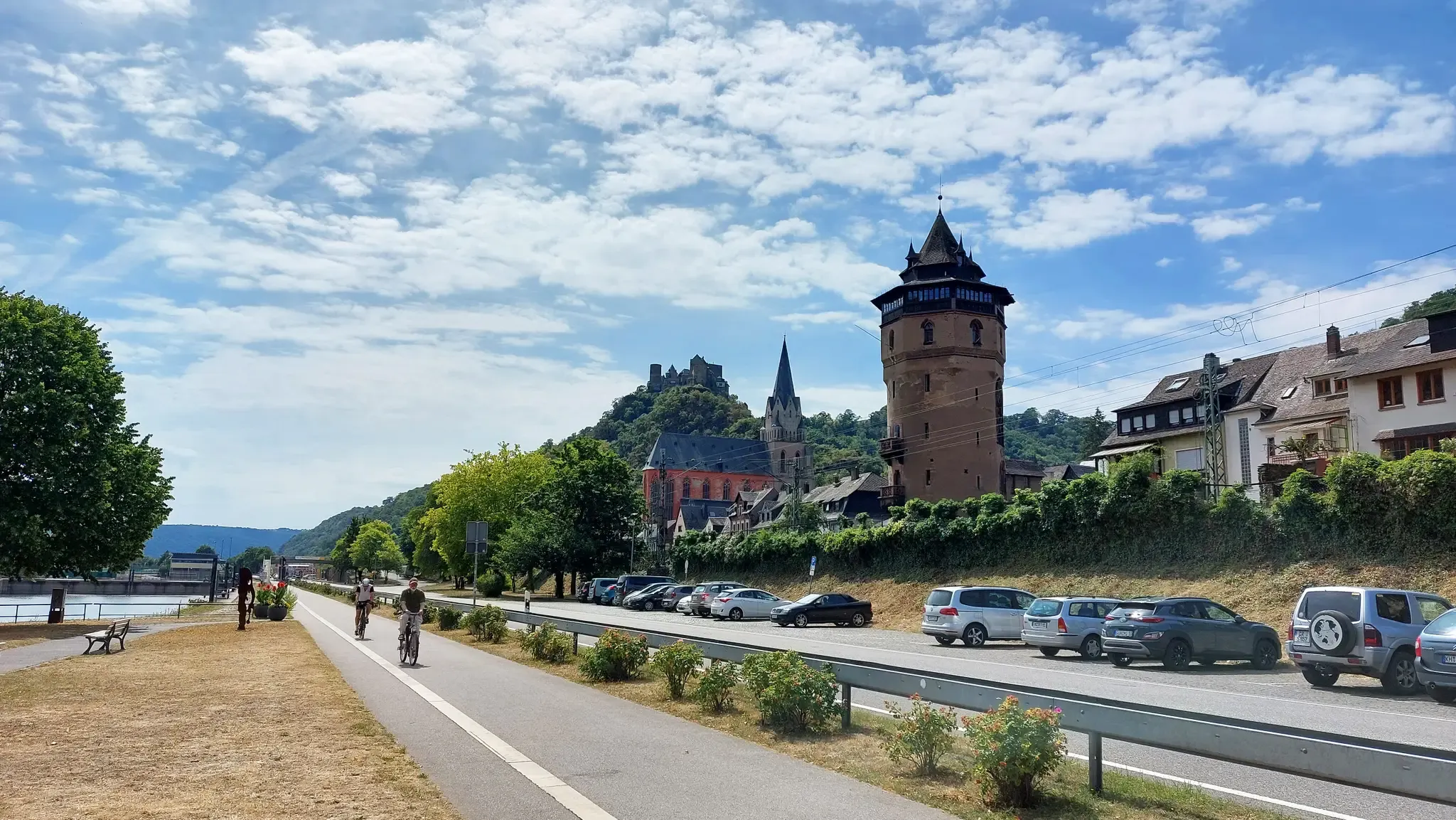
Castles and mountains – cycling in the Upper Middle Rhine Valley World Heritage Site
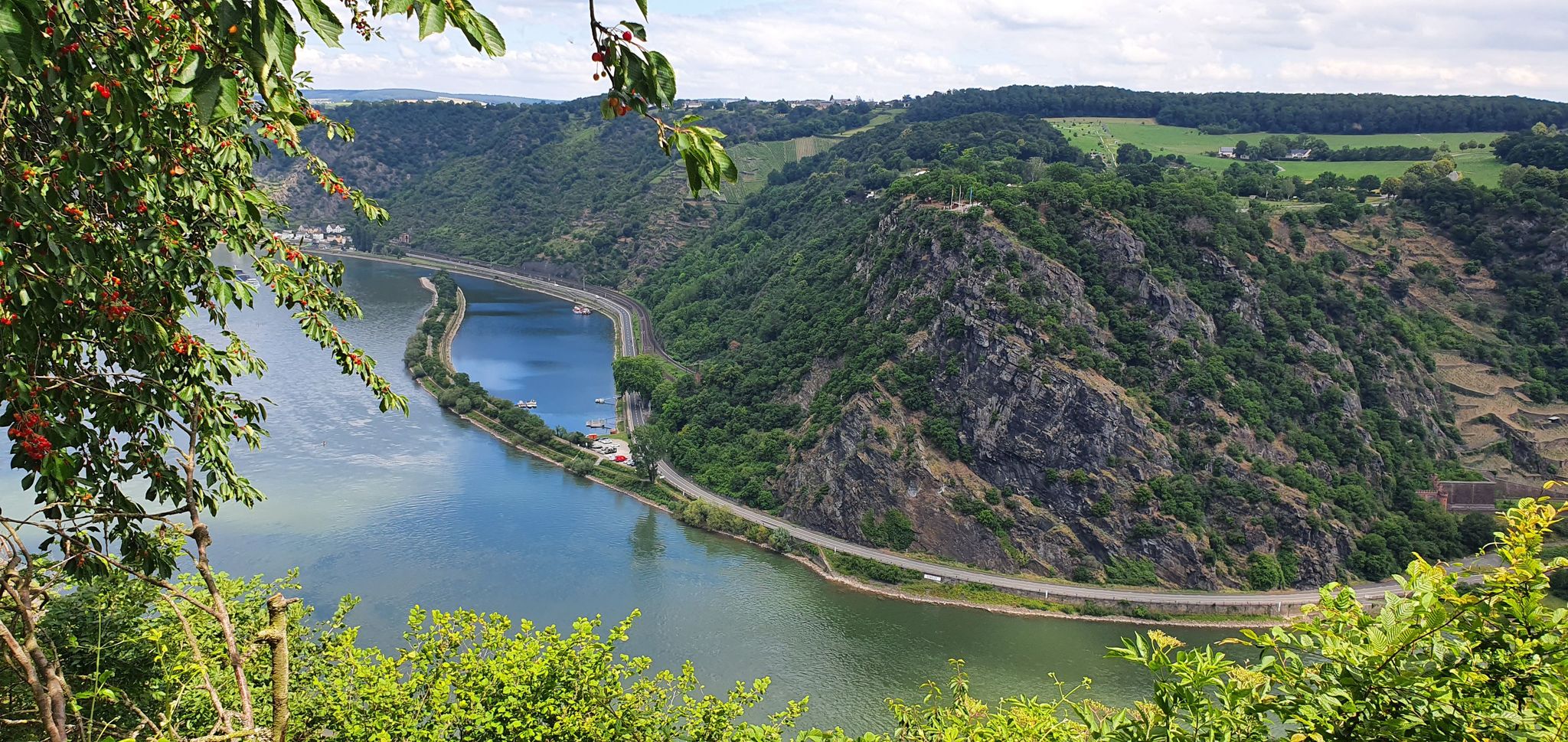
Dream loops in the Hunsrück-Middle Rhine Region
BUGA-Wanderevent im Mai 2025 in Oberwesel
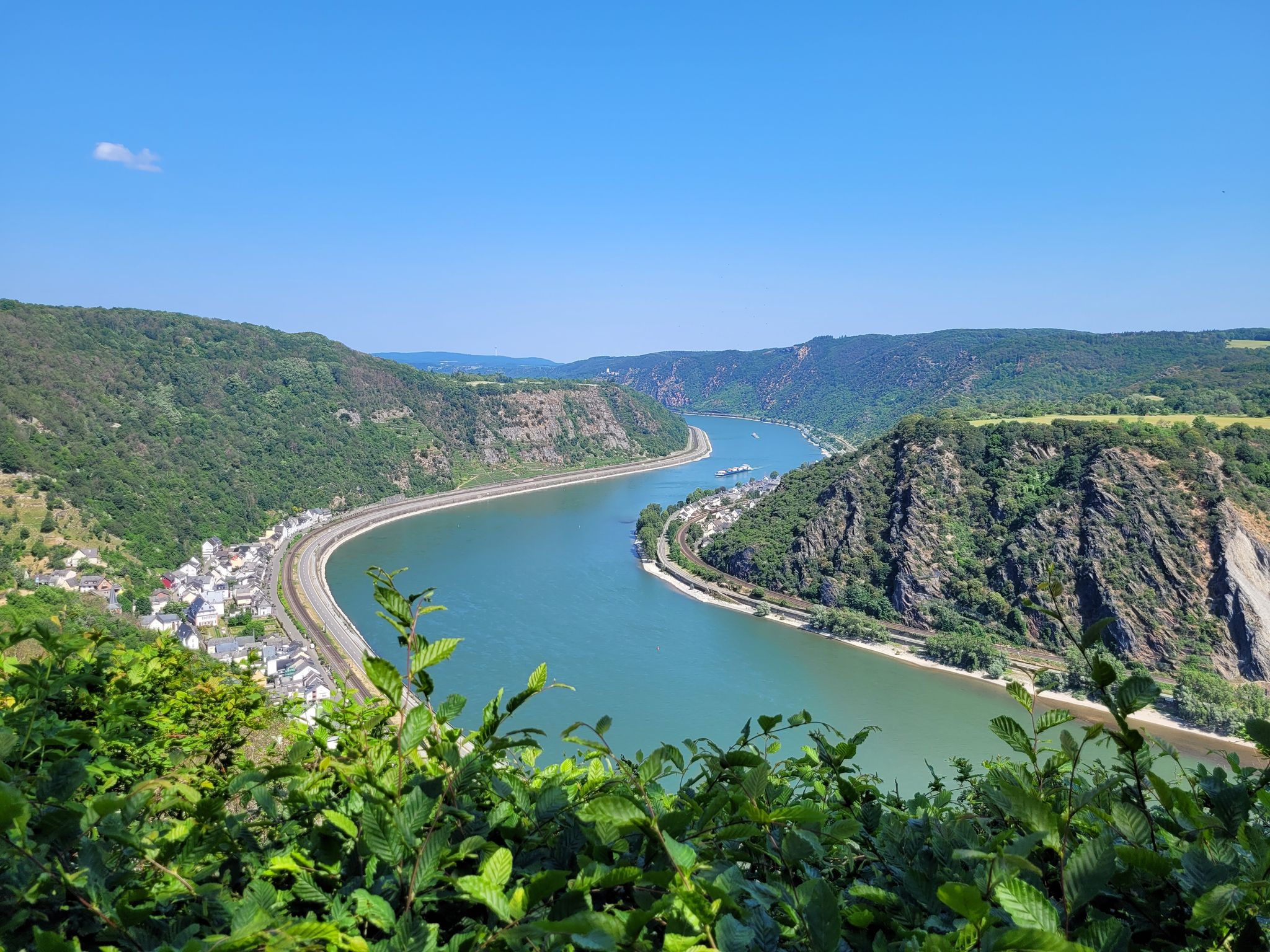
Welterbesteig Oberes Mittelrheintal
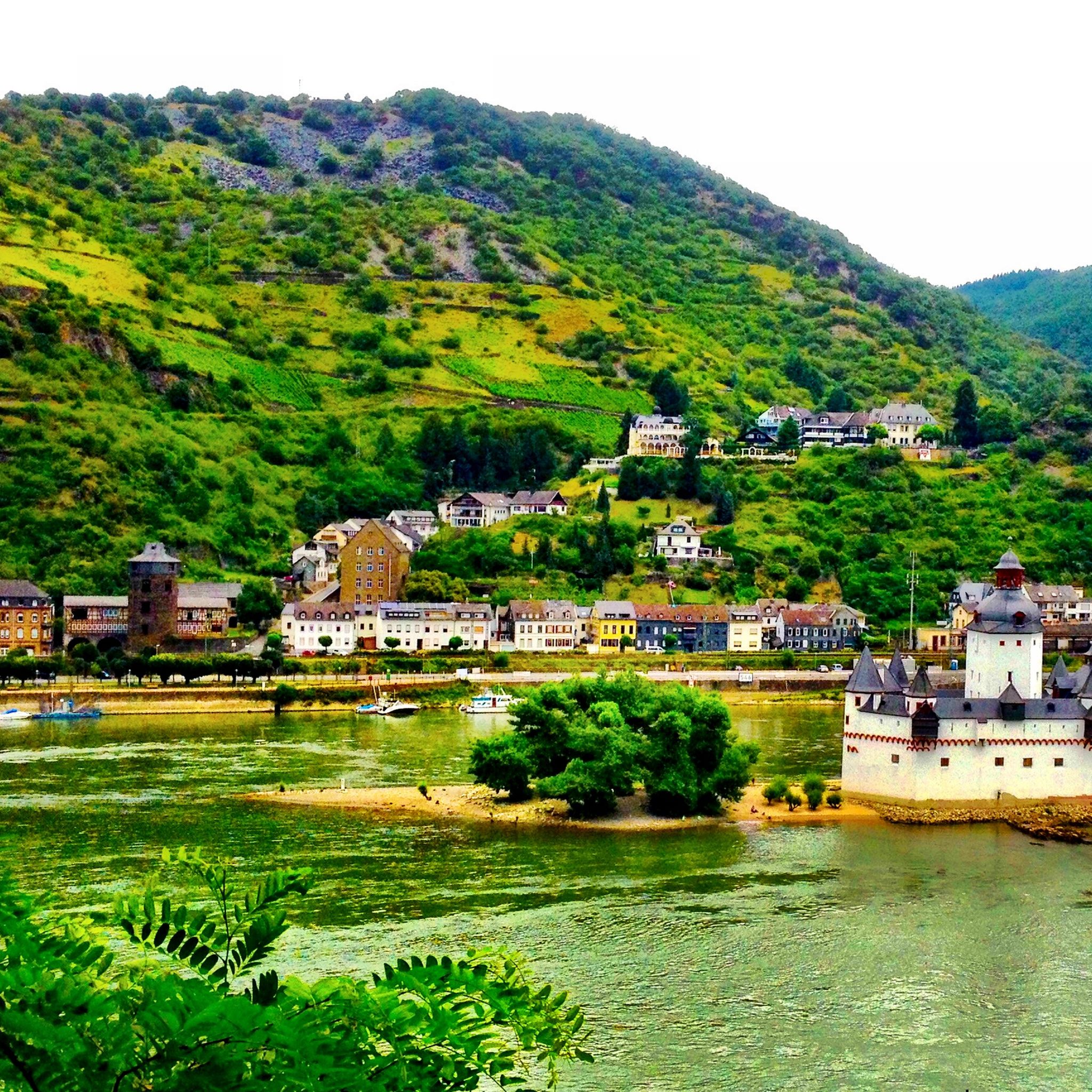
Hiking around Sankt Goar
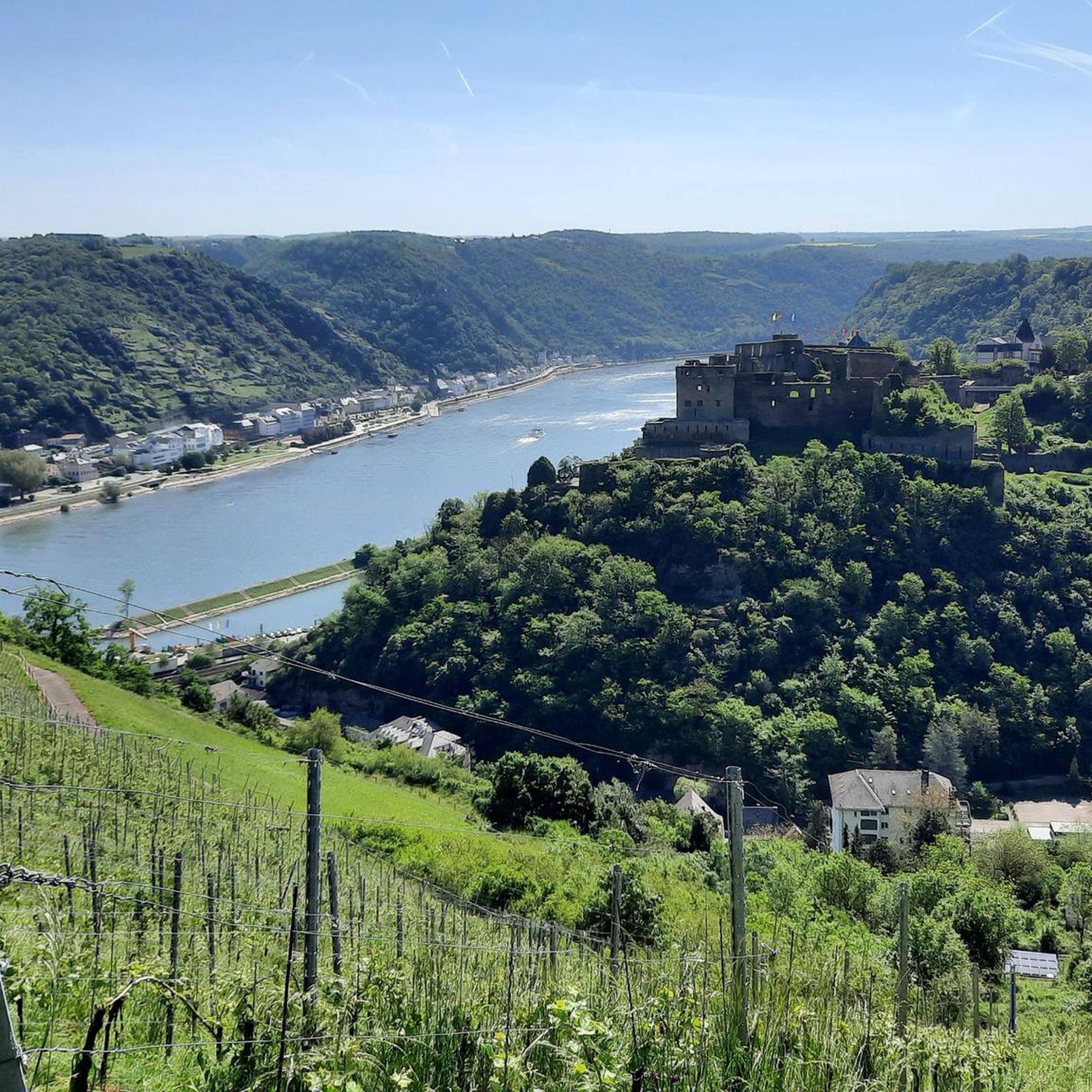
Cycling around Sankt Goar
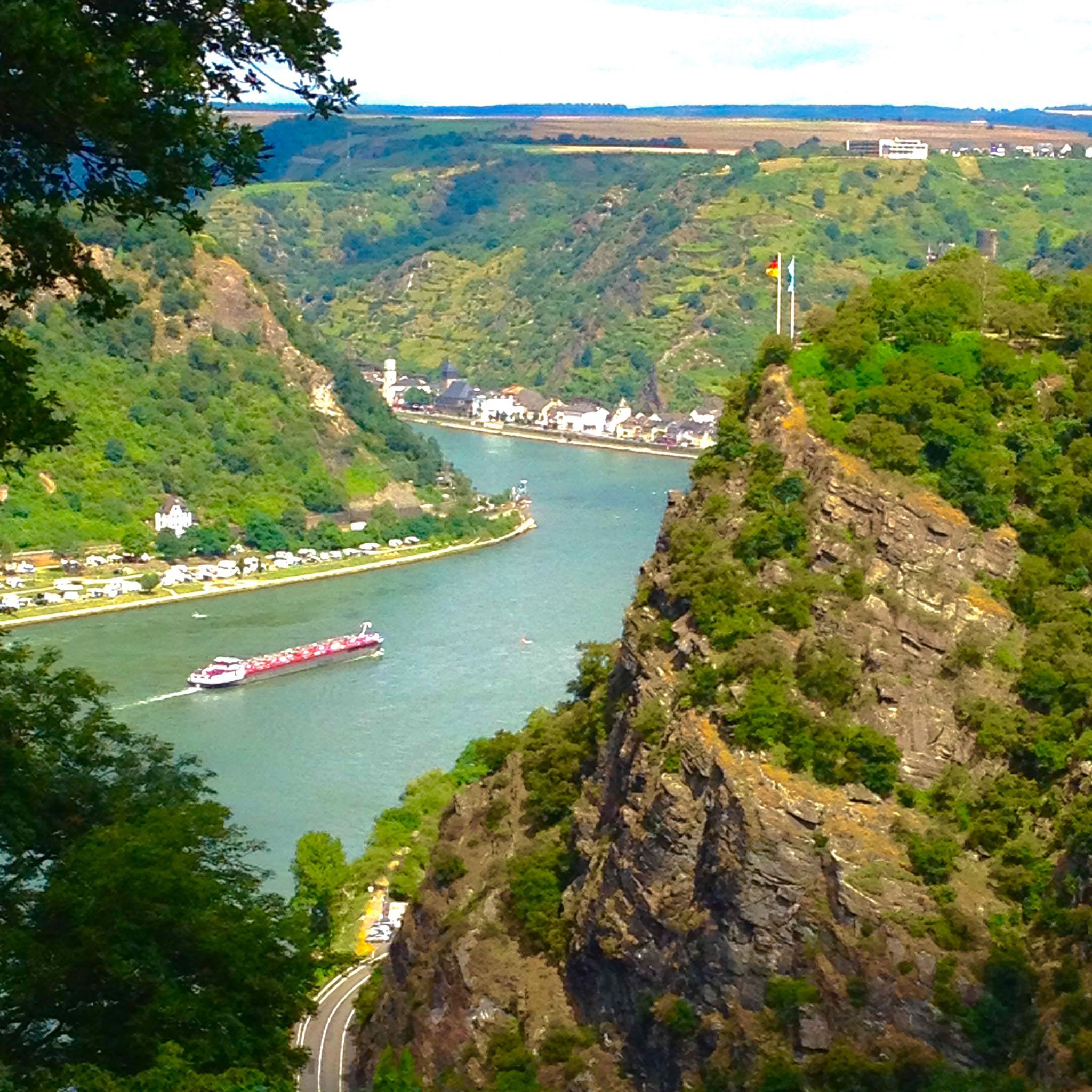
MTB Trails around Sankt Goar
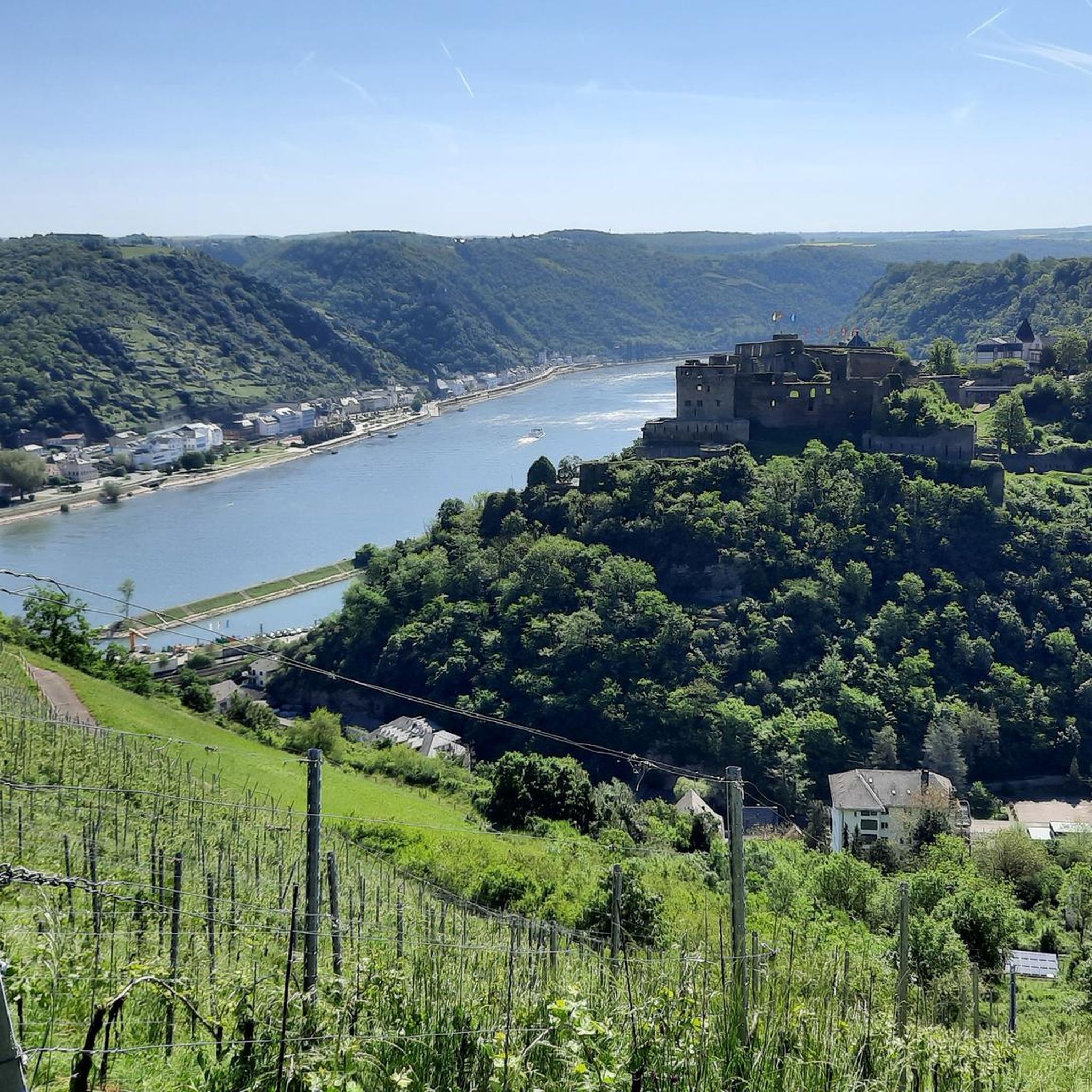
Running Trails around Sankt Goar
Other adventures around Sankt Goar


Tips from the Community

This section looks more difficult than it actually is. One of the most beautiful sections of the via ferrata.
73
0

This project is definitely not recommended for people who are inexperienced or have no experience in via ferrata!!
16
1

This is the most difficult passage, because you have to walk with your feet in the vertical rock face on iron and you have to hold on to a rope. The view is fantastic, but you also have a look into the depths. Getting around isn't hard, it's just knowing you're stuck in the rock. There are alternative routes parallel to all climbing passages.
24
1

The Mittelrhein via ferrata Boppard is a hike with easy via ferrata sections over the Traumschleife on the Rhine; At the beginning, the via ferrata passages lead mostly downhill over small rock faces (ladders), some rock faces are secured with wire rope and step pins and are partly exposed, very warm when the sun is shining.
16
0

Again a beautiful point, with many opportunities for a beautiful photo.
8
0

There is really a great view at every point here, with the most beautiful photo motifs.
9
0
Great view of the Rhine Valley. Please plan some time, it's worth it.
9
0
We continue to work hard here. Certainly already preparatory work for the BUGA 2029. Then it will certainly be great up here. But even so, a visit is definitely a super nice experience.
9
0
Frequently Asked Questions
What are some of the most prominent natural monuments to visit around Sankt Goar?
The region around Sankt Goar, part of the Upper Middle Rhine Valley UNESCO World Heritage Site, features several notable natural monuments. Key highlights include the iconic View of the Loreley Rock, offering breathtaking vistas of the 132-meter-high rock formation and the Rhine. Another popular spot is the Heinrich Heine Viewpoint, named after the famous poet, which provides a fantastic view of the Rhine Valley, Stahleck Castle, and St. Peter's Church. You can also visit the Felsenkanzel Viewpoint Overlooking the Rhine and the Loreley for another stunning perspective.
Are there family-friendly natural monuments or walks suitable for children around Sankt Goar?
Yes, several natural monuments around Sankt Goar are suitable for families. The View of the Loreley Rock is generally accessible and offers a memorable experience for all ages. Additionally, the Spitzenstein Observation Tower is considered family-friendly, providing panoramic views and an interesting replica of a Napoleonic wink telegraph. Many easy hiking trails in the area also lead to scenic viewpoints, perfect for family outings.
What kind of natural features can I expect to see when exploring the area?
The natural monuments around Sankt Goar are primarily characterized by dramatic geological formations, including steep rock precipices and the winding Rhine River. You'll encounter numerous viewpoints offering expansive vistas of the river, surrounding castles, and the picturesque valley. The Loreley rock itself is a significant natural feature, narrowing the Rhine and creating strong currents. The entire region is part of a UNESCO World Heritage site, showcasing a unique blend of natural grandeur and historical significance.
What outdoor activities can I do near these natural monuments?
The area around Sankt Goar offers a variety of outdoor activities. You can enjoy extensive hiking and walking trails, including parts of the RheinBurgenWeg and Welterbesteig Oberes Mittelrheintal, which provide excellent vantage points. Cycling is also popular, with routes along the Rhine. For specific routes, you can explore options like the Running Trails around Sankt Goar, Road Cycling Routes around Sankt Goar, or Easy hikes around Sankt Goar.
Are there specific hiking trails that lead to or offer views of the natural monuments?
Yes, many hiking trails in the region are designed to showcase the natural beauty and monuments. For instance, the 'View of the Loreley Rock – View of Burg Katz loop from Sankt Goar' is an easy hike that takes you past significant viewpoints. Other trails, such as those mentioned in the Easy hikes around Sankt Goar guide, often incorporate scenic overlooks and natural features of the Rhine Gorge.
What is the best time of year to visit the natural monuments around Sankt Goar?
The Upper Middle Rhine Valley is beautiful year-round, but spring (April-May) and autumn (September-October) are particularly popular. During these seasons, the weather is generally mild, ideal for hiking and cycling, and the landscapes are vibrant with blooming flowers or colorful foliage. Summer offers longer daylight hours for exploration, while winter can provide a serene, snow-dusted view of the Rhine, though some services might be reduced.
What is the significance of the Loreley Rock in the region?
The Loreley Rock is a 132-meter-high steep slate rock on the right bank of the Rhine River, intrinsically linked to Sankt Goar. It's famous for narrowing the Rhine, creating strong currents that historically posed a hazard for shipping. Beyond its geological impact, the Loreley is steeped in legend, most famously associated with a siren who lured sailors to their demise with her beauty and song. This myth was popularized by poets like Heinrich Heine, making it a symbol of Rhine Romanticism and a must-see attraction for its dramatic views and captivating folklore.
Are there any hidden natural gems or less-known viewpoints worth discovering?
While the Loreley is the most famous, the entire Rhine Gorge offers countless stunning views. Beyond the well-known viewpoints, exploring the various hiking trails can lead you to less crowded spots. For example, the Felsenkanzel Viewpoint Overlooking the Rhine and the Loreley offers a unique perspective and is often a short, steep detour worth taking. Many local trails provide intimate views of the river and surrounding nature away from the main tourist paths.
What do visitors enjoy most about the natural monuments in this area?
Visitors consistently praise the breathtaking panoramic views of the Rhine Valley, especially from viewpoints like View of the Loreley Rock and Heinrich Heine Viewpoint. The combination of dramatic natural landscapes, the historical significance of the Rhine, and the captivating legends, particularly that of the Loreley, creates a unique and memorable experience. The opportunity for scenic hikes and boat trips along the river is also highly valued.
Is public transport available to reach natural monuments or viewpoints around Sankt Goar?
Sankt Goar is well-connected by train, as it lies on the main railway line along the Rhine. From the town, you can often access various hiking trails that lead to viewpoints. Boat trips on the Rhine also offer a unique way to experience the natural monuments from the water, including passing by the Loreley Rock. For specific viewpoints further afield, local bus services or a short taxi ride might be necessary, but many popular spots are accessible via walking paths from the town or nearby train stations.
Can I find information about the geological formations or history of the natural monuments?
Yes, the region is rich in geological and historical context. The steep slate rock formations, like the Loreley, are characteristic of the Middle Rhine Valley. Information boards at key viewpoints, such as the Spitzenstein Observation Tower, often provide details about the local geology and historical events, including the use of optical telegraphy in Napoleonic times. The entire area's status as a UNESCO World Heritage site underscores its significant natural and cultural history.
Are there any natural monuments that are also historical sites?
Absolutely. The most prominent example is the Lorelei Rock itself, which is not only a significant natural formation but also a historical site due to its role in shipping history and its deep connection to German folklore and romanticism. The Spitzenstein Observation Tower, while a man-made structure, is built upon a natural viewpoint and features a replica of a Napoleonic wink telegraph, blending natural beauty with historical technology.
Most popular routes around Sankt Goar
Most popular attractions around Sankt Goar

Get inspired with the komoot mobile app


Explore more
Extend your search for the best caves by checking out these guides of the top ones around Sankt Goar:
