Top 20 Natural Monuments around Rheinsberg
Best natural monuments around Rheinsberg are situated within Brandenburg's Ruppiner Seenland, a region characterized by its extensive forests and numerous lakes. The area is largely encompassed by the Naturpark Stechlin-Ruppiner Land, providing diverse environments for exploration. This landscape offers a variety of natural features, from clear-water lakes to historic tree avenues. Visitors can experience the region's natural beauty through various outdoor activities.
Best natural monuments around Rheinsberg
- The most popular natural monuments is Lake Stechlin, a lake that is…
Last updated: October 10, 2026
Lake Stechlin
Highlight • Lake
Translated by Google •
Tip by

Grienerick Lake
Highlight • Lake
(Source: Wikipedia)
Translated by Google •
Tip by

Sign up now to discover places like this
Get recommendations on the best single tracks, peaks, & plenty of other exciting outdoor places.
Peetschsee
Highlight • Lake
Translated by Google •
Tip by

Great Wummsee
Highlight • Lake
Translated by Google •
Tip by

Mulberry Avenue of Zernikow
Highlight (Segment) • Natural Monument
Translated by Google •
Tip by

Sign up for free to discover even more natural monuments around Rheinsberg.
Already have an account?
Start today with a free account
Your next adventure awaits.
Popular around Rheinsberg
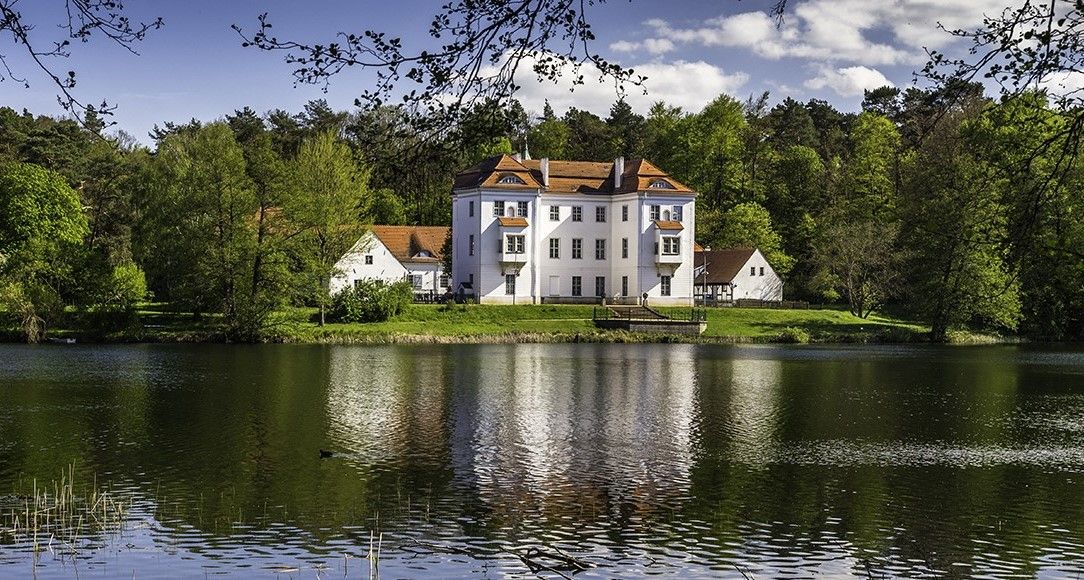
Where the Hohenzollerns worked — searching for traces with the S-Bahn
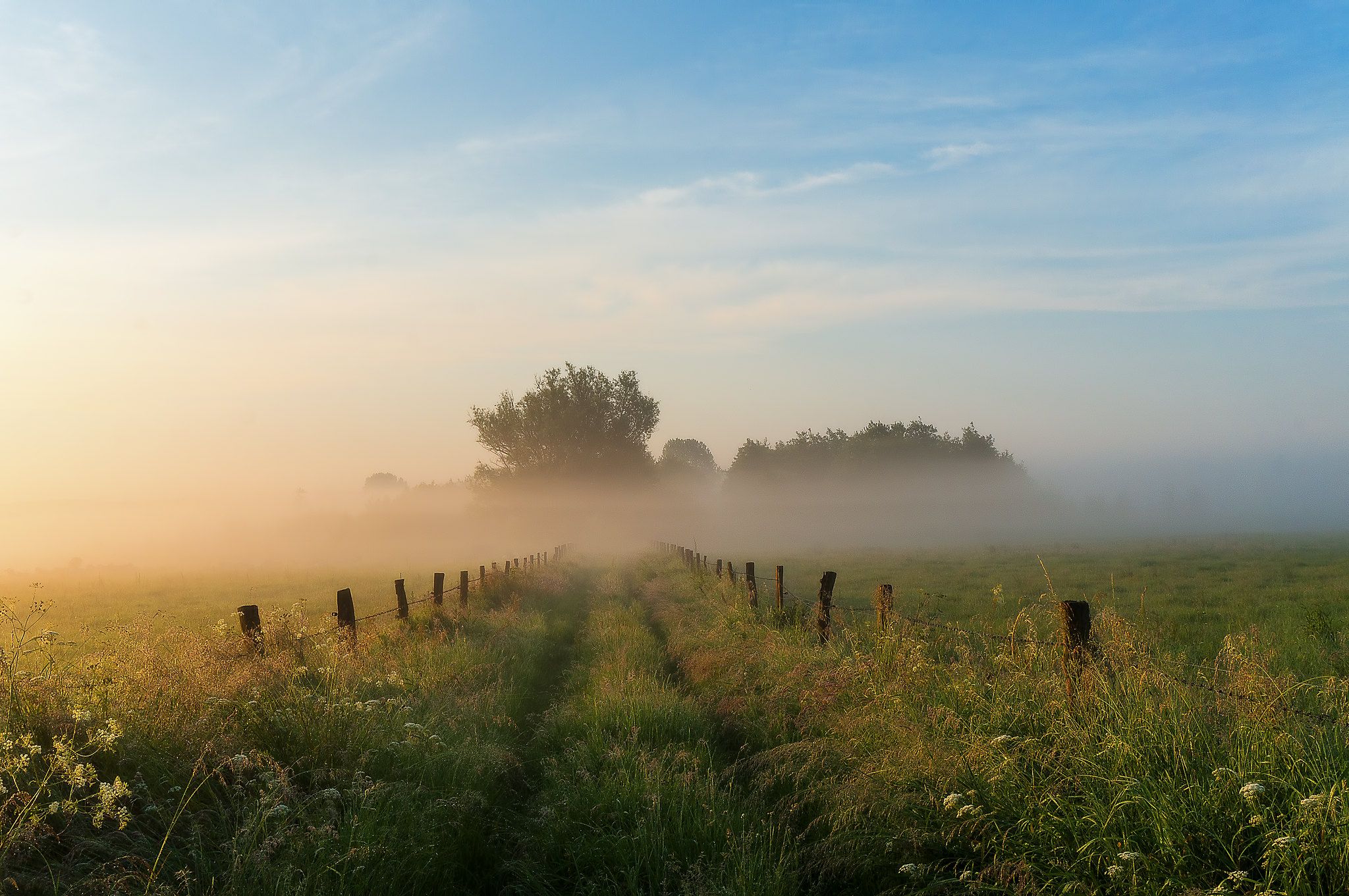
Hike Theodor Fontane’s beloved Brandenburg – S-Bahn Berlin
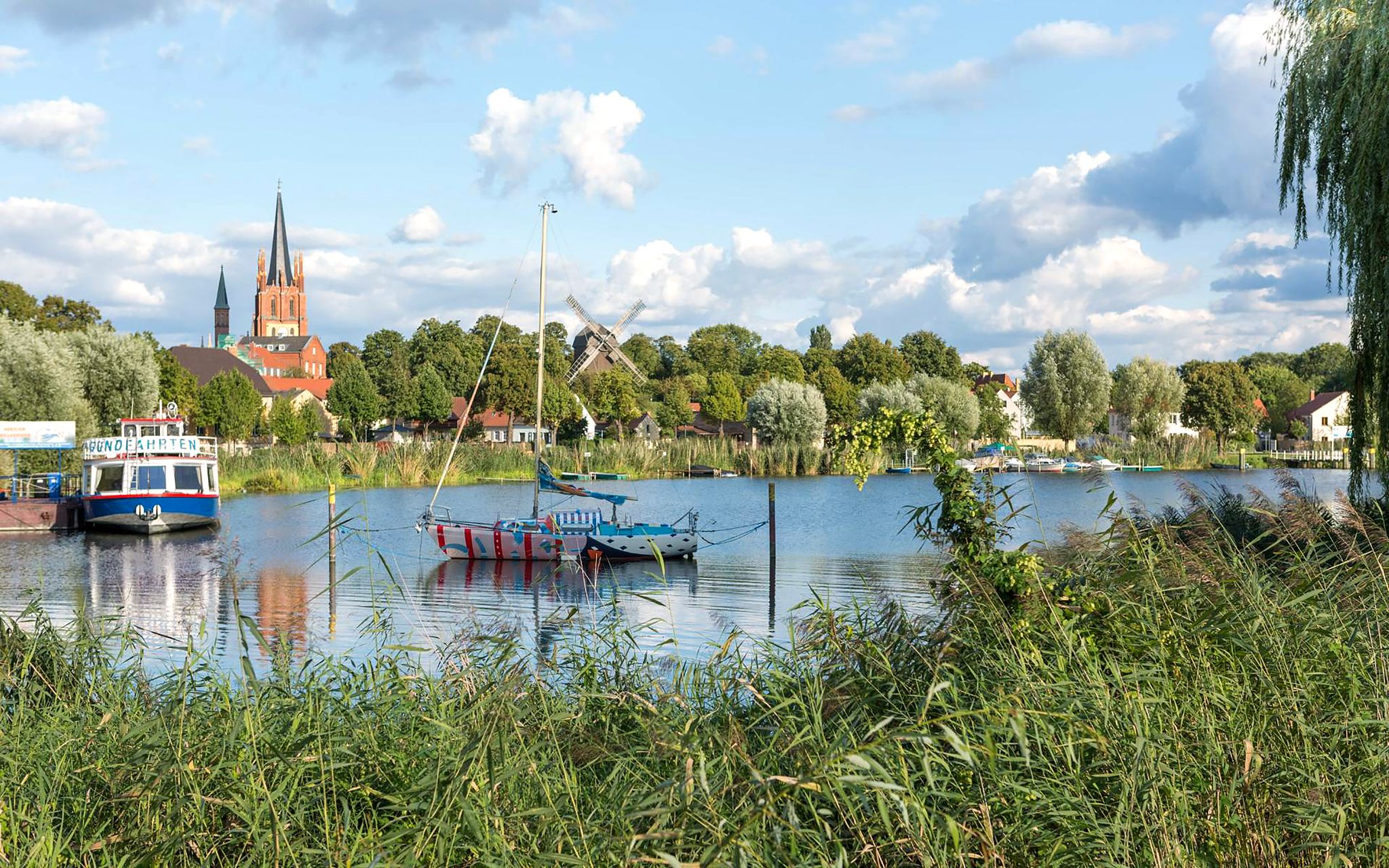
The FONTANE.RAD route – ride in the footsteps of writer Theodor Fontane
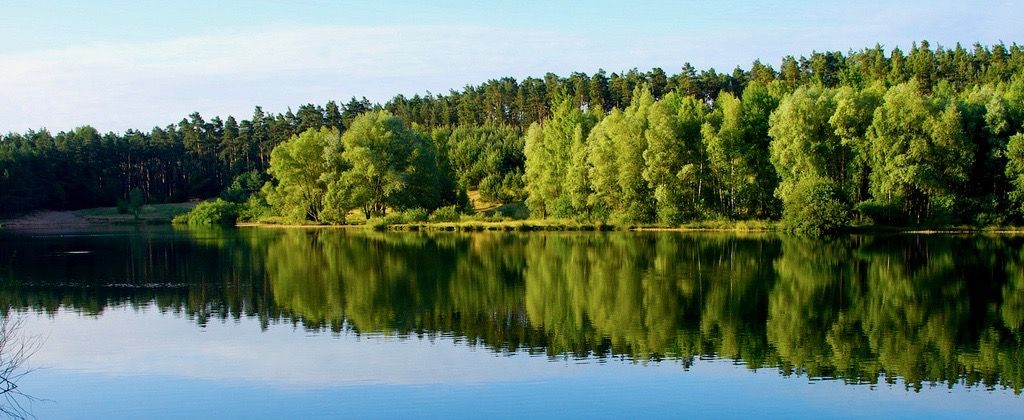
33 lakes for sunny weekends
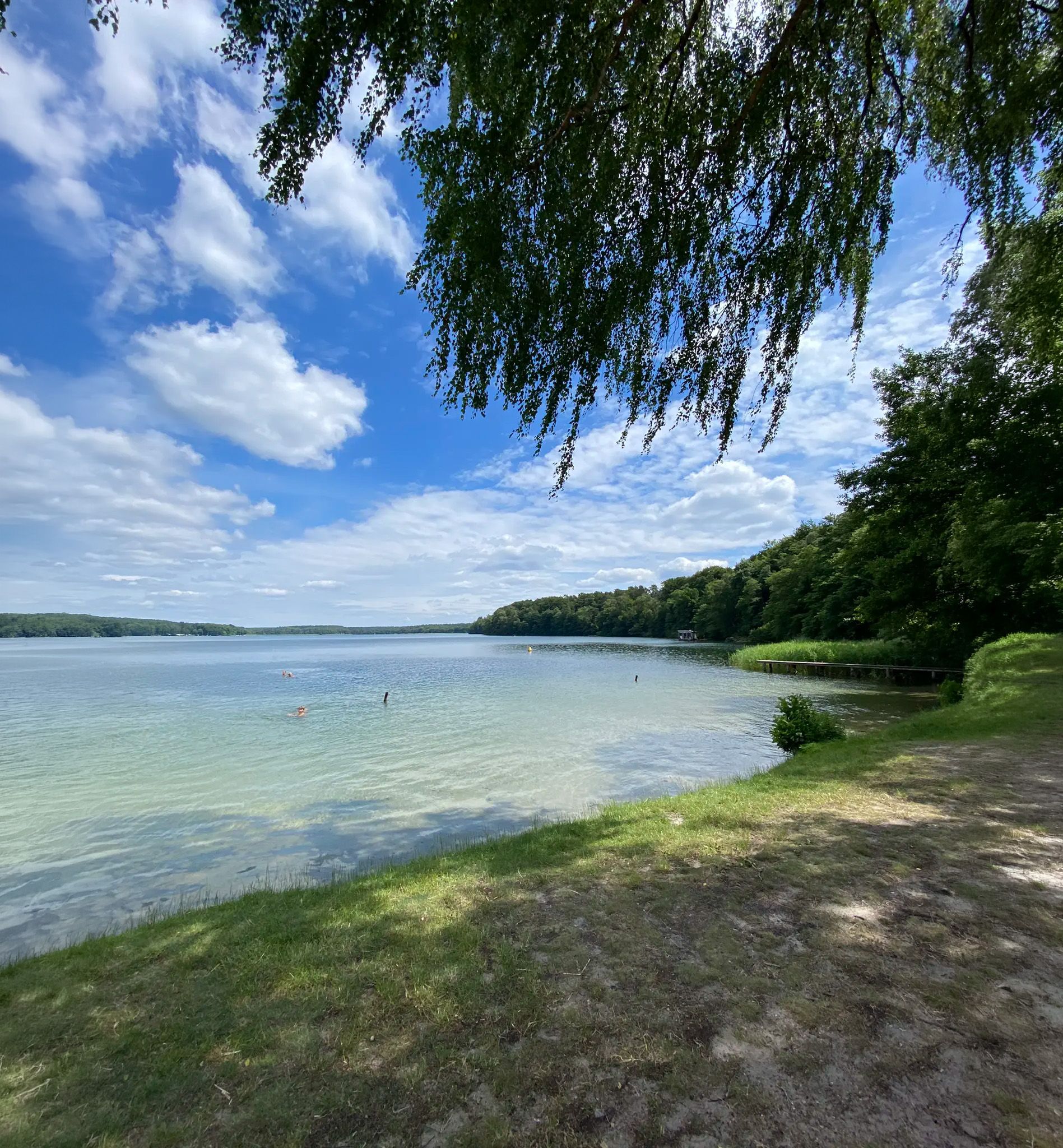
Zwischen Heide und Spree – Mikroabenteuer in Berlin & Brandenburg
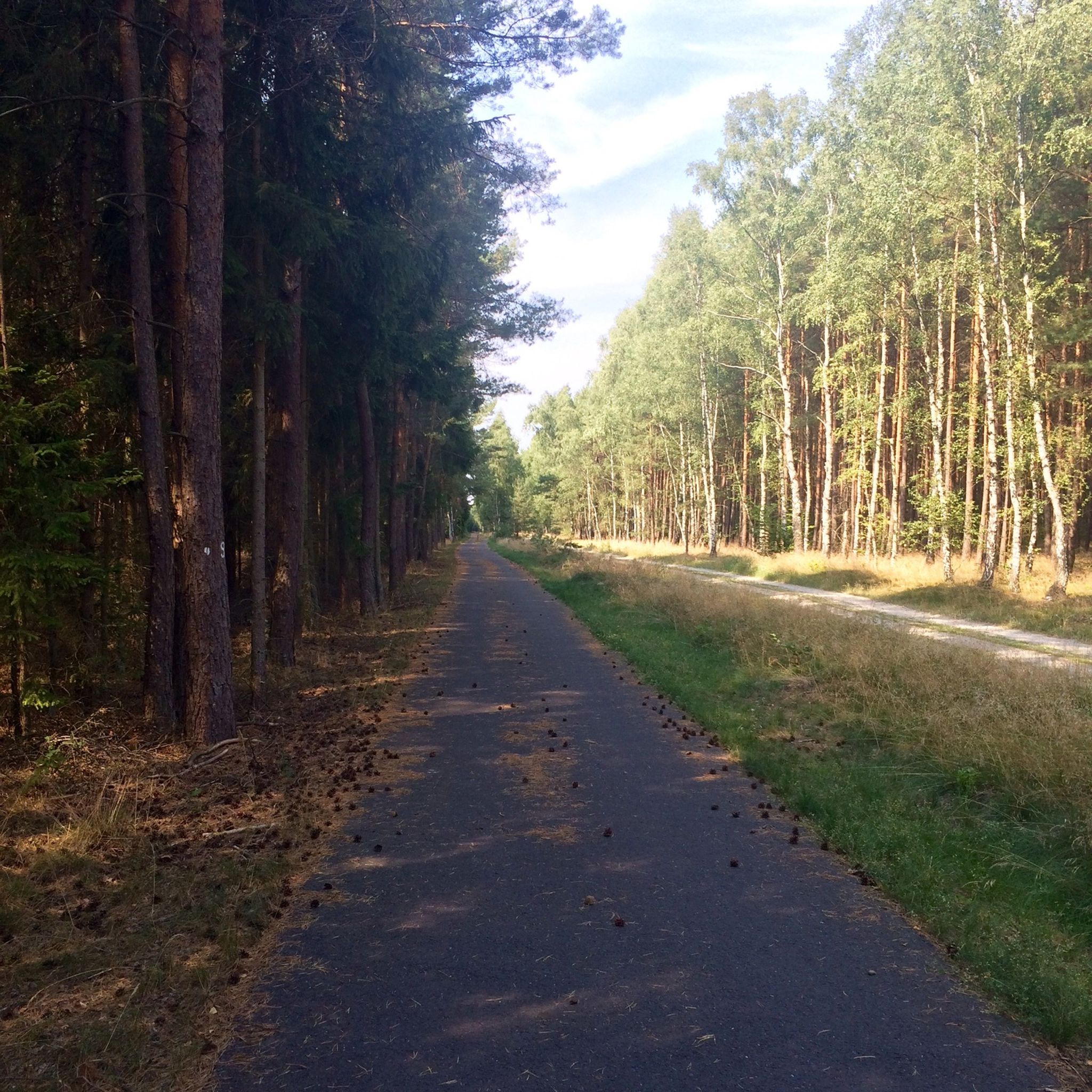
Cycling around Rheinsberg
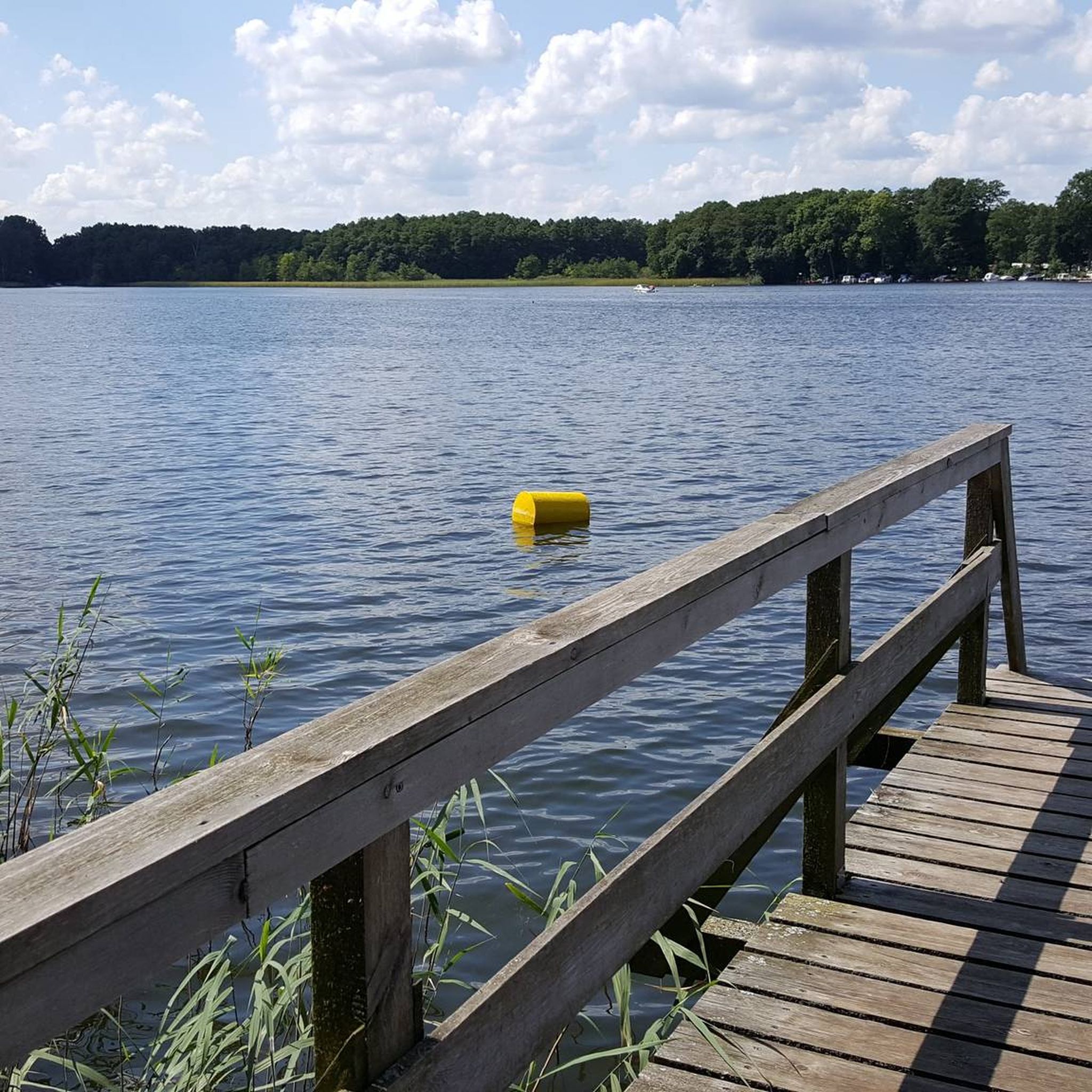
Hiking around Rheinsberg
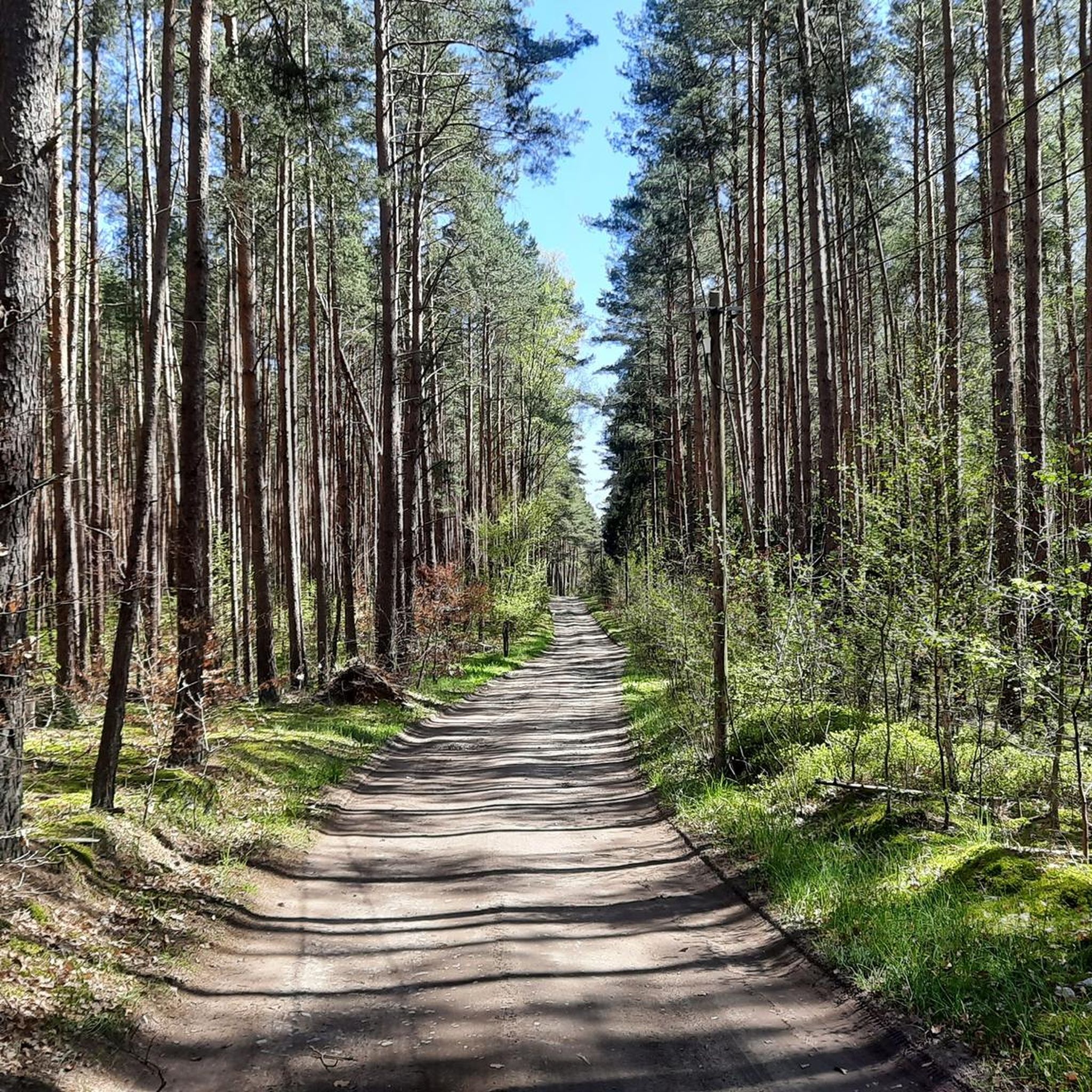
Running Trails around Rheinsberg
Road Cycling Routes around Rheinsberg
MTB Trails around Rheinsberg
Other adventures around Rheinsberg


Tips from the Community

History of the Prussian nobility (von Arnim) and their activities for "modern" products, such as silkworm breeding on mulberry trees, introduced by the Huguenots. Today, these trees are valuable because they are relatively well adapted to the climate.
1
0

Here at the Grienericksee in Rheinsberg you can go hiking wonderfully! The path is relatively shady and flat and you always have a beautiful view of the lake and a few benches invite you to linger. https://www.bloggmaus.de/2022/12/wanderung-rheinsberg-obelisk-grienericksee-bobereckensee.html
3
0

The lake has a nice hiking trail and actually good water quality.
1
0

Were planted for silk production.
3
0

Beautiful circular hiking trail through the nature reserve.
1
0


The silk construction in Zernikow goes back to Michael Gabriel Fredersdoff, the secret treasurer of Friedrich II. “Fredersdorff took on”, as we read in Fontane, “a fondness for silk production. Gardens and paths were planted with mulberry trees (there were already eight thousand of them in 1747) and the following year he had a net yield from the reeled silk for the first time..." In addition to the mulberry trees, whose leaves are needed as food for the silkworms, the house at Dorfstraße No. 18 also bears witness to the silk production that was once operated in Zernikow. This building was originally built to breed silkworms or to extract silk. Unfortunately, it is not known how long silkworms were bred in Zernikow. The only thing that is certain is that as early as 1777, Fredersdorff's widow, Frau von Labes, converted the silk house into a "hospital" for the poor, the elderly and those unable to work. The term "hospital" for the former silk house has survived to this day. The Maulbeerallee in Zernikow is a real treasure. Both botanically and culturally. Far and wide there is no longer a comparable, connected row of trees. In 1751, Michael Gabriel Fredersdorff had mulberry trees planted on the road to the Zernikow mill after he had received the Zernikow estate as a gift from Friedrich II (personally) a few years earlier. And while he was at it, good Herr Fredersdorff also had more avenues of beech, poplar, linden, chestnut and elm trees planted around Zernikow. All are still more or less well preserved.
2
0
Frequently Asked Questions
What are the most popular natural monuments around Rheinsberg?
The Rheinsberg region, nestled in the Ruppiner Seenland, offers several highly-rated natural monuments. Among the most popular are Lake Stechlin, known for its exceptional clarity and depth, and Great Wummsee, a beautiful deep lake with clear water that can be hiked around. Visitors also frequently enjoy Peetschsee, which is particularly suitable for dogs and features a well-organized pathway.
Are there family-friendly natural monuments in the Rheinsberg area?
Yes, many natural monuments in Rheinsberg are suitable for families. Lakes like Lake Stechlin, Grienerick Lake, and Great Wummsee offer accessible shorelines and opportunities for swimming or picnicking. The Mulberry Avenue of Zernikow also provides a gentle, historical walk suitable for all ages.
Can I bring my dog to the natural monuments around Rheinsberg?
Many natural areas around Rheinsberg are dog-friendly. Peetschsee is particularly noted as very suitable for dogs, with numerous opportunities for them to cool off and swim. The circular path around Great Wummsee also offers many small, flat shore areas where dogs can access the water.
What kind of natural features can I expect to see in Rheinsberg?
Rheinsberg is characterized by its extensive forests and numerous clear-water lakes, forming part of the Naturpark Stechlin-Ruppiner Land. You'll find deep, pristine lakes like Lake Stechlin, surrounded by ancient beech and mixed forests. The region also features unique natural elements such as historic tree avenues, like the Mulberry Avenue of Zernikow, and diverse ecosystems within the nature park.
Are there historical natural monuments or sites with cultural significance?
Yes, the region blends natural beauty with history. The Mulberry Avenue of Zernikow is a significant historical natural monument, with some trees over 200 years old, originally planted for silk production. The area around Lake Stechlin also holds literary significance, having inspired Theodor Fontane's last novel.
What outdoor activities can I do near Rheinsberg's natural monuments?
The Rheinsberg region offers a wide range of outdoor activities. You can enjoy hiking, running, and gravel biking on numerous trails. For example, there are many easy hikes, running trails, and gravel biking routes. The numerous lakes also provide opportunities for swimming, boating, canoeing, and multi-day tours by houseboat.
Are there easy hiking trails around Rheinsberg's natural monuments?
Yes, the Rheinsberg area offers many easy hiking options. You can find a variety of easy hikes around Rheinsberg, including routes like the 'View of Rheinsberg Palace loop' or the 'Lake Schlaborn loop'. The pathways around lakes such as Peetschsee and Great Wummsee are also generally well-maintained and suitable for leisurely walks.
When is the best time to visit the natural monuments in Rheinsberg?
The Rheinsberg natural monuments are beautiful year-round. Spring offers blossoming plants, while autumn provides colorful foliage, especially in areas like the Rheinsberg Castle Park. The clear lakes are ideal for swimming in summer. For tranquil experiences, the cooler months can be excellent for hiking through the forests and around the lakes.
What do visitors particularly enjoy about the natural monuments in Rheinsberg?
Visitors frequently praise the tranquility and unspoiled nature of the Rheinsberg region. The crystal-clear waters of lakes like Lake Stechlin and Great Wummsee are often highlighted. The well-maintained trails, opportunities for cooling down in the water, and the peaceful atmosphere for breaks are also highly appreciated.
How can I reach the natural monuments around Rheinsberg by public transport?
While specific public transport routes to every single natural monument may vary, Rheinsberg itself is accessible by train. From there, local buses or cycling routes can connect you to various points within the Naturpark Stechlin-Ruppiner Land and its natural attractions. Planning your route in advance with local transport schedules is recommended.
Are there options for parking near these natural monuments?
Yes, parking is generally available near popular natural monuments and trailheads in the Rheinsberg area. For instance, when visiting the Rheinsberg Castle Park, there are designated parking areas. For lakes and forest trails, look for signs indicating visitor parking. It's advisable to check specific locations for parking availability, especially during peak seasons.
Where can I find refreshments or accommodation when visiting?
Rheinsberg and the surrounding towns offer various options for refreshments and accommodation. You'll find cafes, restaurants, and guesthouses in Rheinsberg itself. Near Lake Stechlin, for example, there's a fishing establishment where you can enjoy local dishes. Many of the larger lakes also have facilities or nearby villages offering services for visitors.
Are there any hidden natural gems worth exploring in Rheinsberg?
Beyond the well-known spots, the vastness of the Naturpark Stechlin-Ruppiner Land holds many quieter corners. Great Wummsee is often considered an insider tip, being less crowded than Lake Stechlin but equally beautiful with its clear water. Exploring the smaller, interconnected lakes and less-traveled forest paths within the nature park can reveal serene and less-visited natural spots.
Most popular routes around Rheinsberg
Most popular attractions around Rheinsberg

Get inspired with the komoot mobile app


Explore more
Extend your search for the best caves by checking out these guides of the top ones around Rheinsberg:
