Top 20 Natural Monuments around Schneeberg
Natural monuments around Schneeberg offer diverse natural features and landscapes. This region provides opportunities to explore various geological formations and man-made structures integrated into nature. Visitors can find a range of natural attractions, from waterfalls to reservoirs. The area is suitable for those seeking outdoor activities and natural exploration.
Best natural monuments around Schneeberg
- The most popular natural monuments is Small Cascades on the Floßgrabenweg, a waterfall that features cascades designed for energy conversion. These steps manage the force…
Last updated: June 23, 2026
Blauenthal Waterfall
Highlight • Waterfall
"After the First World War, the owner of the Toellische paper factory had a new …
Translated by Google •
Tip by

Princes' Cave
Highlight • Cave
Translated by Google •
Tip by

Sign up now to discover places like this
Get recommendations on the best single tracks, peaks, & plenty of other exciting outdoor places.
Sign up for free
Eibenstock Dam
Highlight • Monument
Translated by Google •
Tip by

Wolfersgrün Reservoir
Highlight • Lake
Translated by Google •
Tip by

Small Cascades on the Floßgrabenweg
Highlight • Waterfall
Translated by Google •
Tip by

Sign up for free to discover even more natural monuments around Schneeberg.
Sign up for free
Already have an account?
Start today with a free account
Your next adventure awaits.
Login or Signup
Popular around Schneeberg
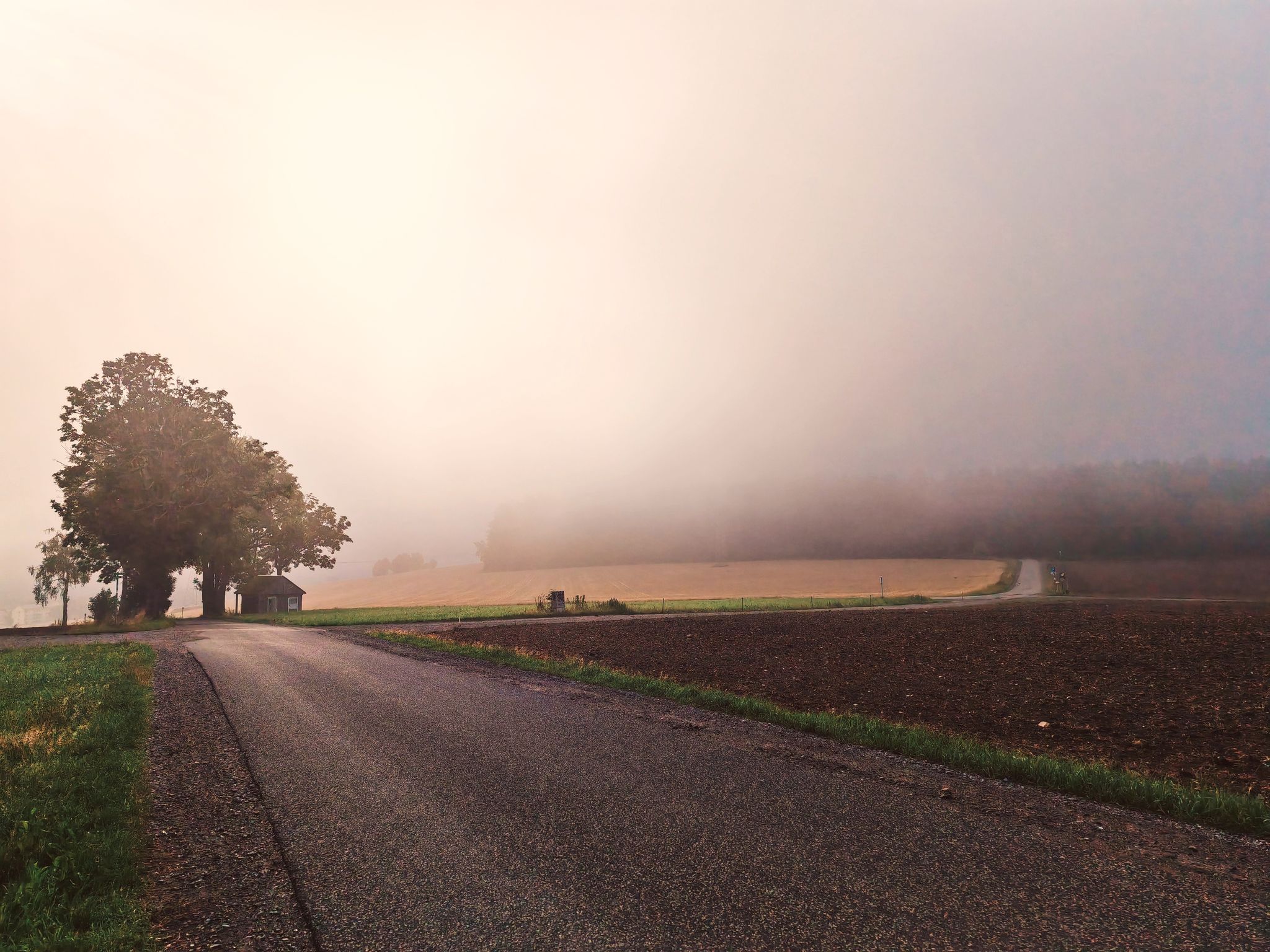
Wonderful Silberberg – Day Tours to the Digital Hiking Badge with SummitLynx
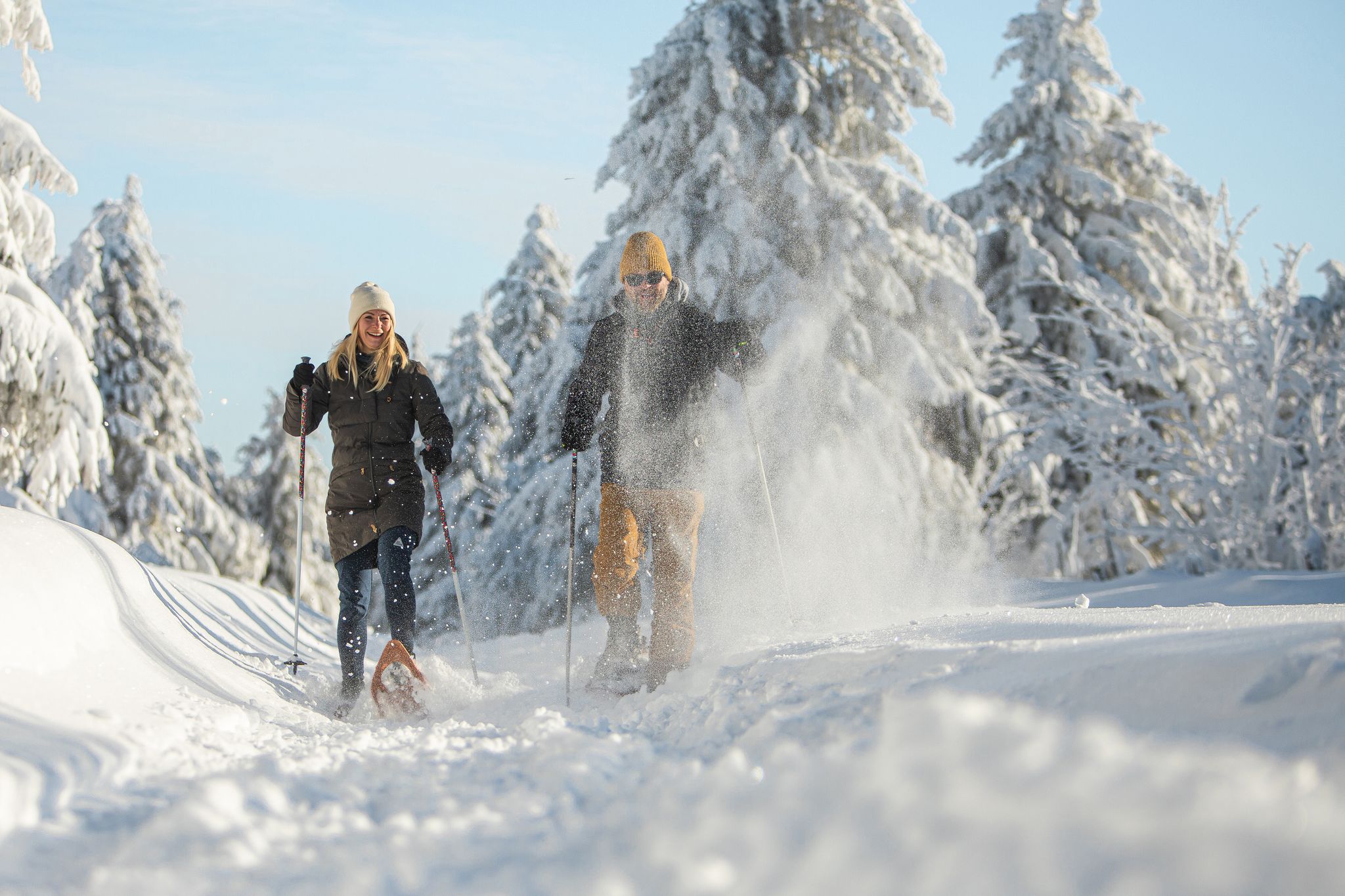
Glittering slopes and forests - winter hiking in the Ore Mountains
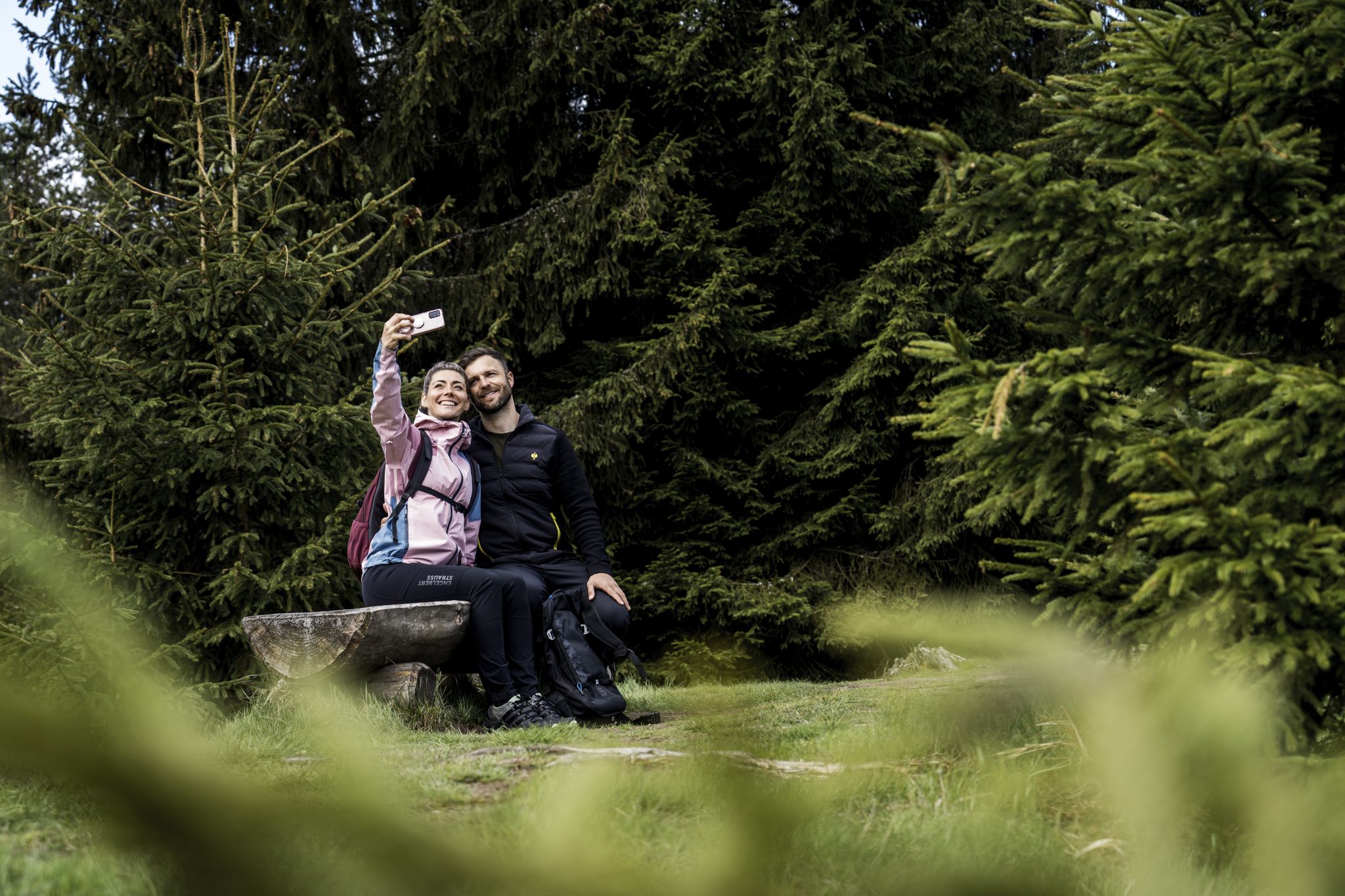
Digitale Wandernadel
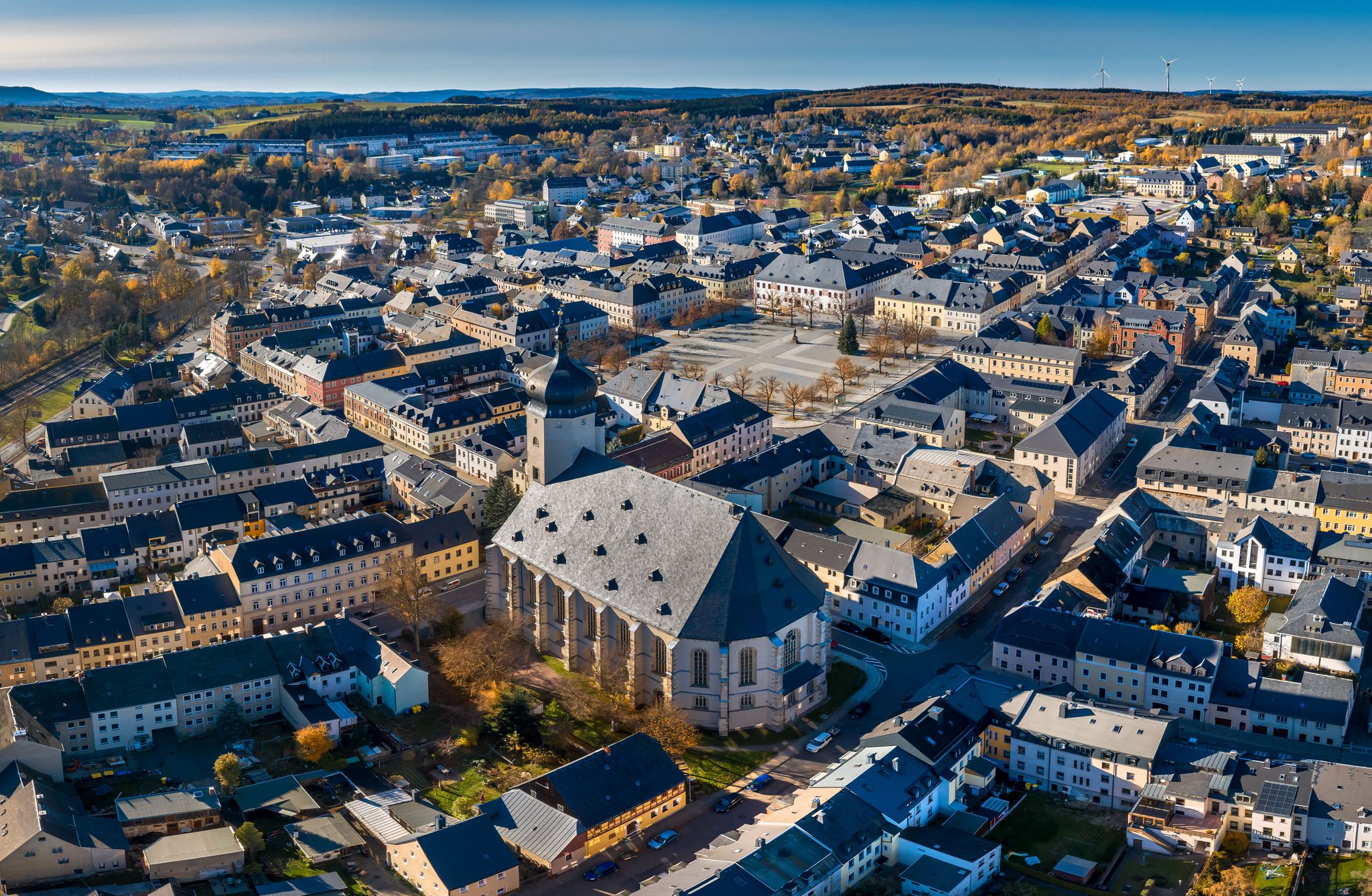
Wandertouren - "Glück Auf" im Welterbe
Wandertouren - Gipfelglück
Hiking around Schneeberg
Cycling around Schneeberg
Running Trails around Schneeberg
MTB Trails around Schneeberg
Road Cycling Routes around Schneeberg
Other adventures around Schneeberg


Tips from the Community

a great corner, always worth a trip
1
0

One of the most beautiful waterfalls I know 😍. If you continue the hike to the right, you can see the waterfall from above 😊.
14
2

The largest waterfall in Saxony and one of the highest German waterfalls outside the Alps is located in the immediate vicinity of Blauenthal. This former site of a flour and board mill was bought by Andreas Blau around 1530 and converted into a hammer mill. After the First World War, the owner of the paper factory had a new ditch dug above a steep rock face in order to use the water to drive his turbines. On Sundays and public holidays, the machines stood still and the water rushed down into the valley.
10
1

The dam was built between 1974 and 1987. The town of Muldenhammer with a few reactors and a railway line was originally located in this valley.
4
0


what a nice place for a little rest
7
1

Frequently Asked Questions
What types of natural monuments can I find in the Schneeberg region?
The Schneeberg region offers a diverse range of natural monuments, including impressive waterfalls, historical caves, and significant man-made structures like dams and reservoirs. You can explore both natural formations and structures integrated into the landscape.
Are there family-friendly natural monuments around Schneeberg?
Yes, several natural monuments are suitable for families. For instance, the Small Cascades on the Floßgrabenweg are a great spot, offering a peaceful setting with facilities. The Blauenthal Waterfall and the Eibenstock Dam are also considered family-friendly, providing interesting sights and easy access.
What are some notable waterfalls to visit in the Schneeberg area?
The region is known for its waterfalls. The Blauenthal Waterfall is particularly noteworthy as the largest in Saxony, though man-made. Another unique spot is the Small Cascades on the Floßgrabenweg, which were designed for energy conversion and are beautiful to observe. The Sebastian Waterfall near Puchberg am Schneeberg also offers a peaceful escape.
Are there any historical natural monuments in the Schneeberg area?
Yes, the Princes' Cave is a significant historical site. While not of natural origin, it is a medieval mine tunnel with a rich history, famously associated with the Saxon Prince Abduction of 1455. It's an accessible 18-meter-long tunnel that tells a fascinating story.
What man-made natural monuments can I explore?
The Schneeberg region features impressive man-made structures that have become natural monuments. The Eibenstock Dam is a gigantic presence with display boards documenting its construction, and its overflow resembles a ski jump. The Wolfersgrün Reservoir, originally built as a preliminary dam, is another notable example, now serving for flood protection and providing a habitat for local wildlife.
What outdoor activities can I do near the natural monuments around Schneeberg?
The area around Schneeberg's natural monuments is excellent for outdoor activities. You can find numerous hiking opportunities, including easy trails and more challenging routes. Road cycling is also popular, with various routes available. For specific hiking trails, you can explore easy hikes around Schneeberg or waterfall hikes. Cyclists can check out road cycling routes around Schneeberg.
Are there easy hiking routes to natural monuments in Schneeberg?
Yes, there are several easy hiking routes. For example, the Sebastian Waterfall is only a 20-minute walk from a parking lot in Puchberg am Schneeberg. Many trails on the Schneeberg Massif itself, especially from the Hochschneeberg mountain station (reachable by cog railway), offer diverse hiking experiences from easy strolls to more challenging climbs. You can find more options in the easy hikes around Schneeberg guide.
What do visitors particularly enjoy about the natural monuments in Schneeberg?
Visitors appreciate the diverse natural features and the blend of natural formations with impressive man-made structures. The tranquility of places like the Sebastian Waterfall, the historical intrigue of the Princes' Cave, and the sheer scale of the Eibenstock Dam are often highlighted. The opportunity for outdoor activities amidst beautiful scenery is also a major draw.
What is the best time of year to visit the natural monuments in Schneeberg?
The Schneeberg region offers attractions year-round. Spring and summer are ideal for hiking and enjoying the lush landscapes and waterfalls. Autumn brings beautiful foliage, while winter offers opportunities for snowshoeing and enjoying the serene, snow-covered scenery, especially on the Schneeberg Massif. The cog railway to Hochschneeberg operates seasonally, so check its schedule if planning a summit visit.
Can I find viewpoints with panoramic views among the natural monuments?
Absolutely. The Schneeberg Massif itself, particularly from its Klosterwappen summit, offers breathtaking panoramic views that can stretch for hundreds of kilometers on clear days. Many of the dams and reservoirs, like the Eibenstock Dam and Wolfersgrün Reservoir, also provide excellent vantage points over the surrounding landscape.
Are there any hidden gems among the natural monuments in Schneeberg?
While many natural monuments are well-known, exploring the smaller, less-trafficked paths can reveal hidden beauty. For example, the Small Cascades on the Floßgrabenweg are a charming spot that some visitors find unexpectedly beautiful. The Princes' Cave, though historically significant, might be considered a hidden gem for those unaware of its fascinating backstory.
What is the Schneeberg Massif, and how can I experience it?
The Schneeberg Massif is Lower Austria's highest mountain, reaching 2,076 meters at its Klosterwappen summit. It's a significant natural monument offering diverse hiking experiences and panoramic views. You can reach the Hochschneeberg mountain station via the historic Schneeberg cog railway, known as the 'Salamander', and then explore numerous hiking trails to the summit and across the plateau.
Most popular routes around Schneeberg
Most popular attractions around Schneeberg

Get inspired with the komoot mobile app


Explore more
Extend your search for the best caves by checking out these guides of the top ones around Schneeberg:
