Top 20 Natural Monuments around Hornbach
Best natural monuments around Hornbach are found in a region characterized by its natural beauty and historical significance, situated in Rhineland-Palatinate, Germany. The area, including the Südwestpfalz district and bordering Saarland, features diverse landscapes from floodplains to distinctive rock formations. Visitors can explore ancient geological sites and protected natural reserves. This blend of natural and cultural elements makes the Hornbach region a notable destination for outdoor exploration.
Best natural monuments around Hornbach
- The most popular natural monuments is Alexanderturm Ruins…
Last updated: June 23, 2026
Blies Floodplain between Blieskastel and Bliesdalheim
Highlight • River
Translated by Google •
Tip by

Gollenstein Menhir
Highlight • Monument
Translated by Google •
Tip by

Sign up now to discover places like this
Get recommendations on the best single tracks, peaks, & plenty of other exciting outdoor places.
Sign up for free
Alexanderturm Ruins
Highlight • Monument
Translated by Google •
Tip by

Wild Rose Garden Zweibrücken
Highlight • Natural Monument
Translated by Google •
Tip by

The Red Rock
Highlight • Natural Monument
Translated by Google •
Tip by

Sign up for free to discover even more natural monuments around Hornbach.
Sign up for free
Already have an account?
Start today with a free account
Your next adventure awaits.
Login or Signup
Popular around Hornbach
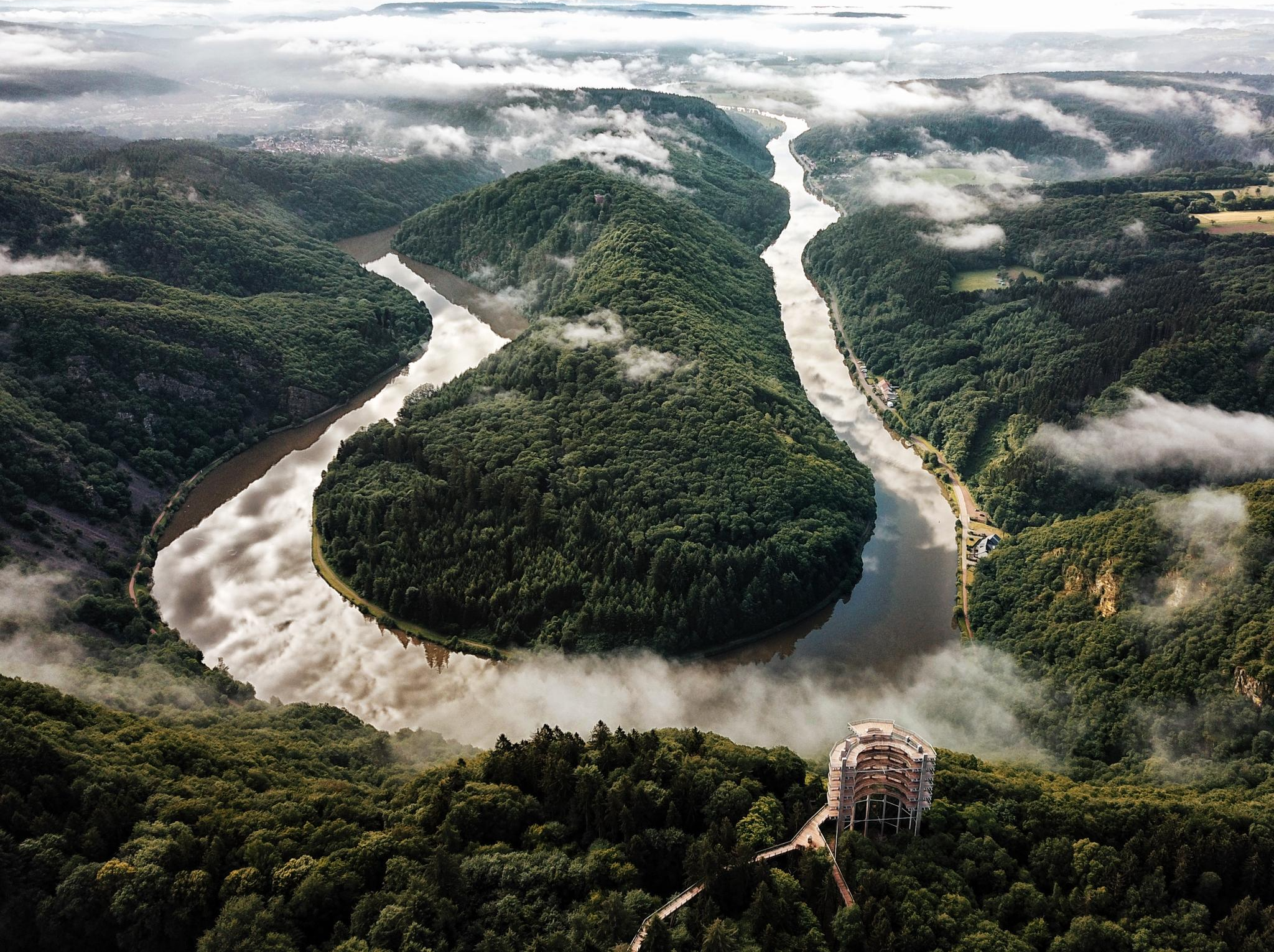
Forests, vineyards and plenty of culture – borderless cycling in Saarland
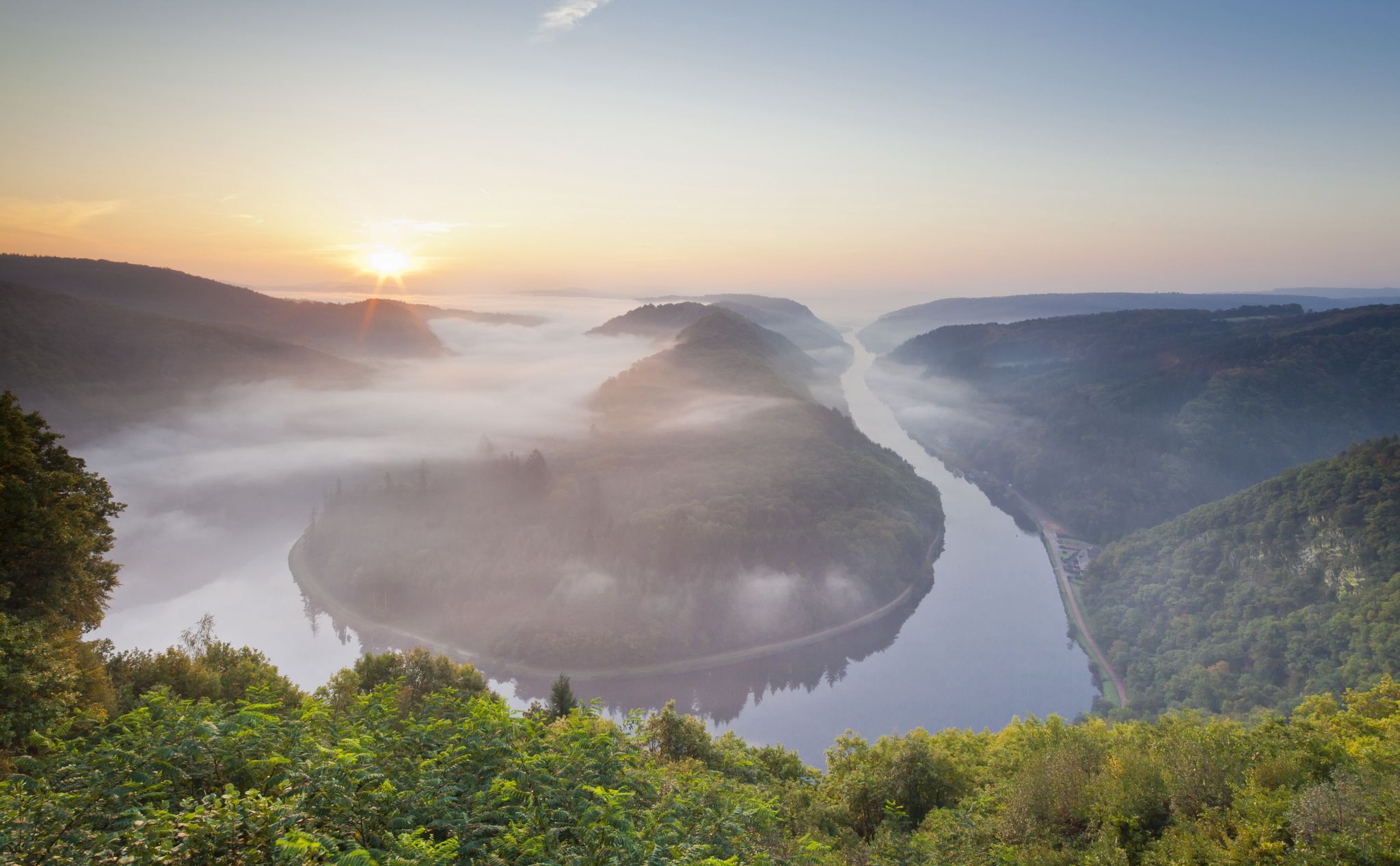
Cycling without borders in Saarland
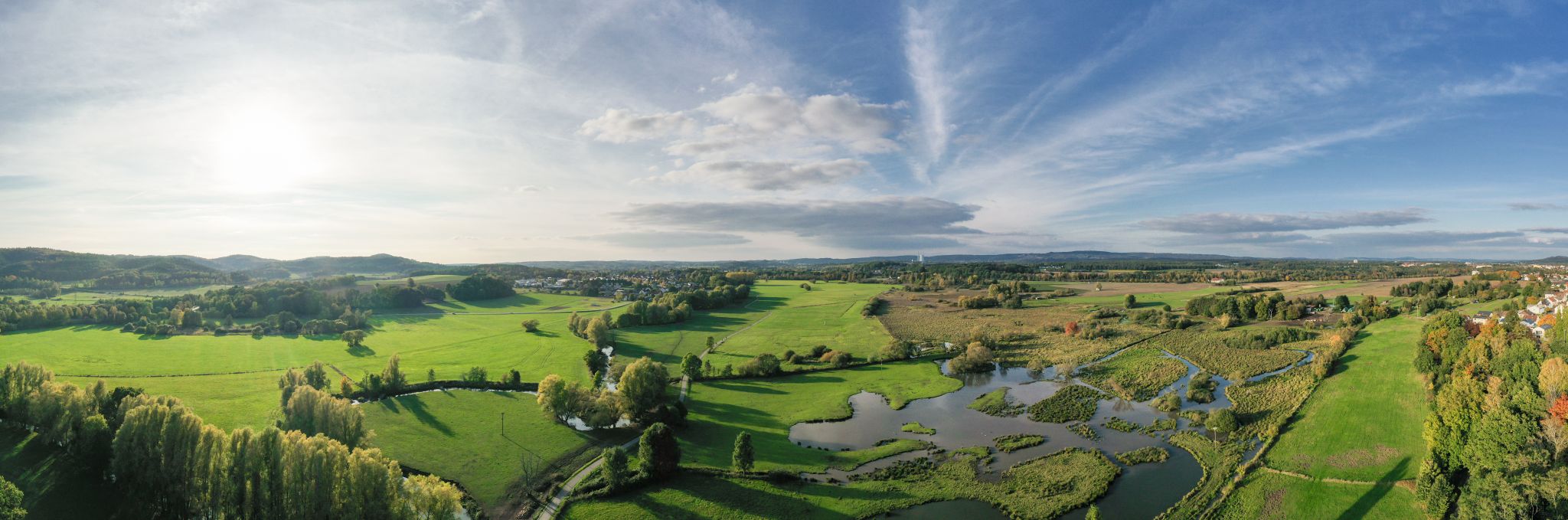
Water, meadows and forests – cycling in the Bliesgau Biosphere Reserve in Germany
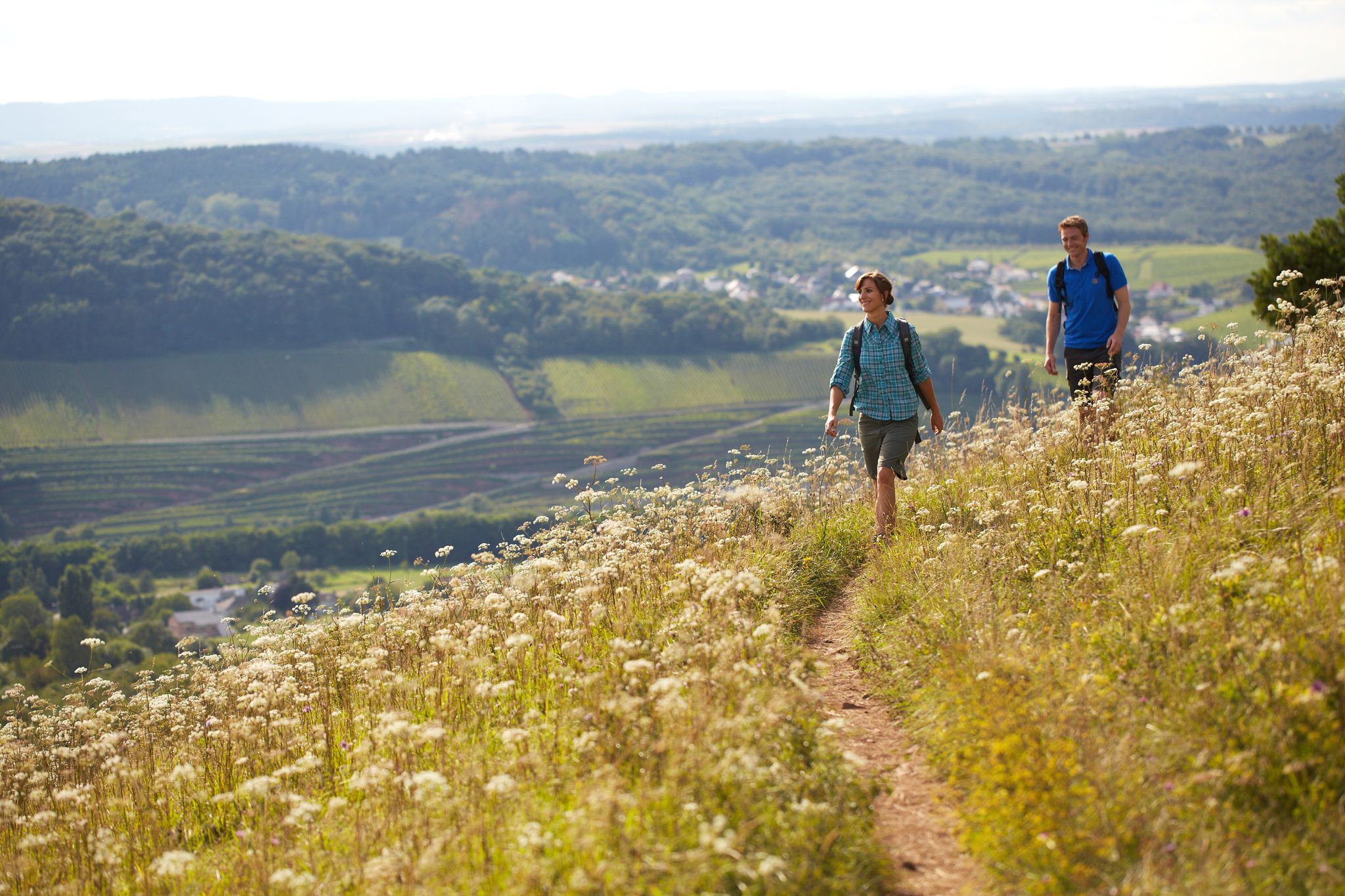
The ten most beautiful hiking trails through Saarland in Germany
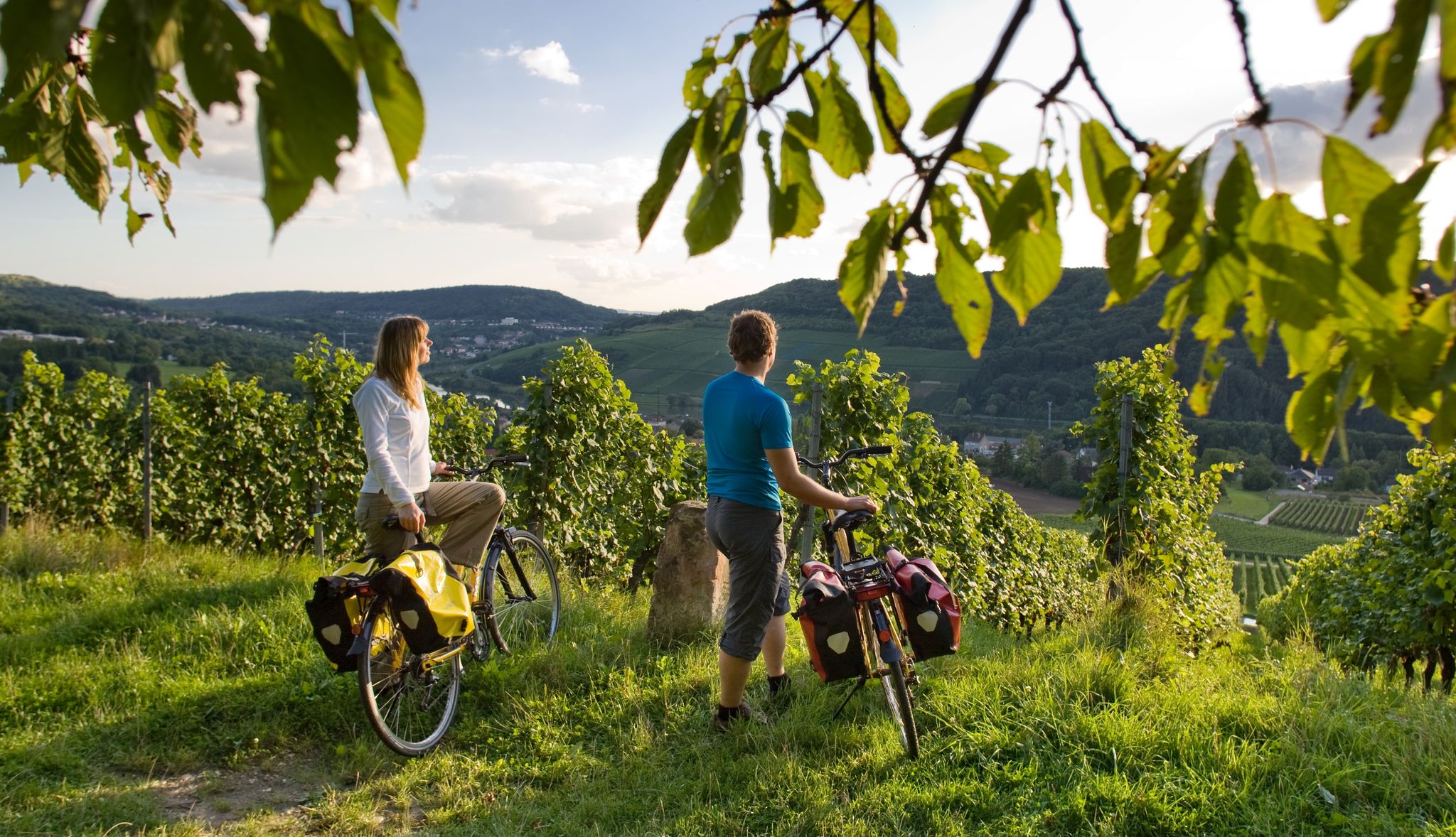
Boundless cycling in Saarland
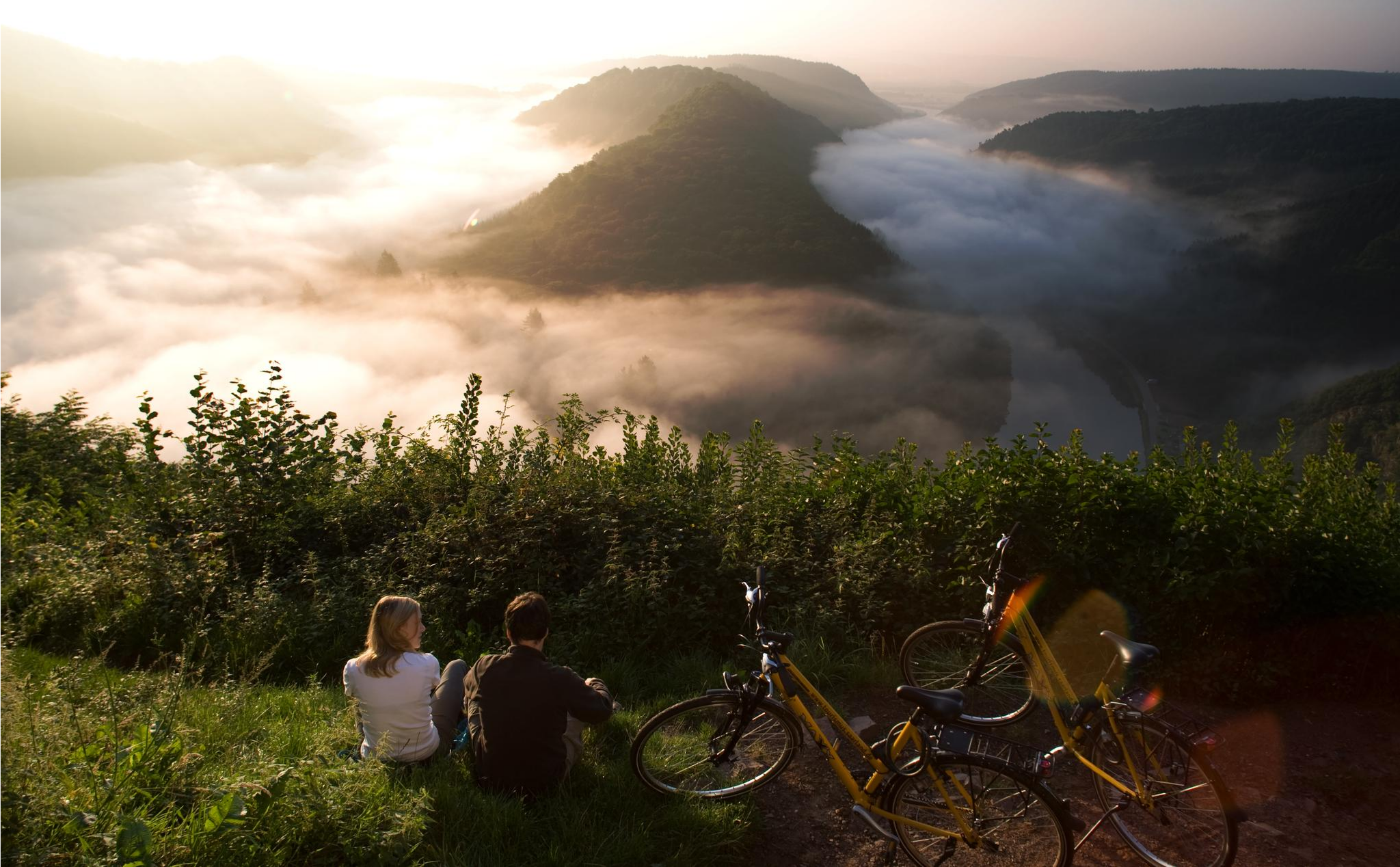
Von Saarbrücken bis zur Mosel – Radwege im Saarland
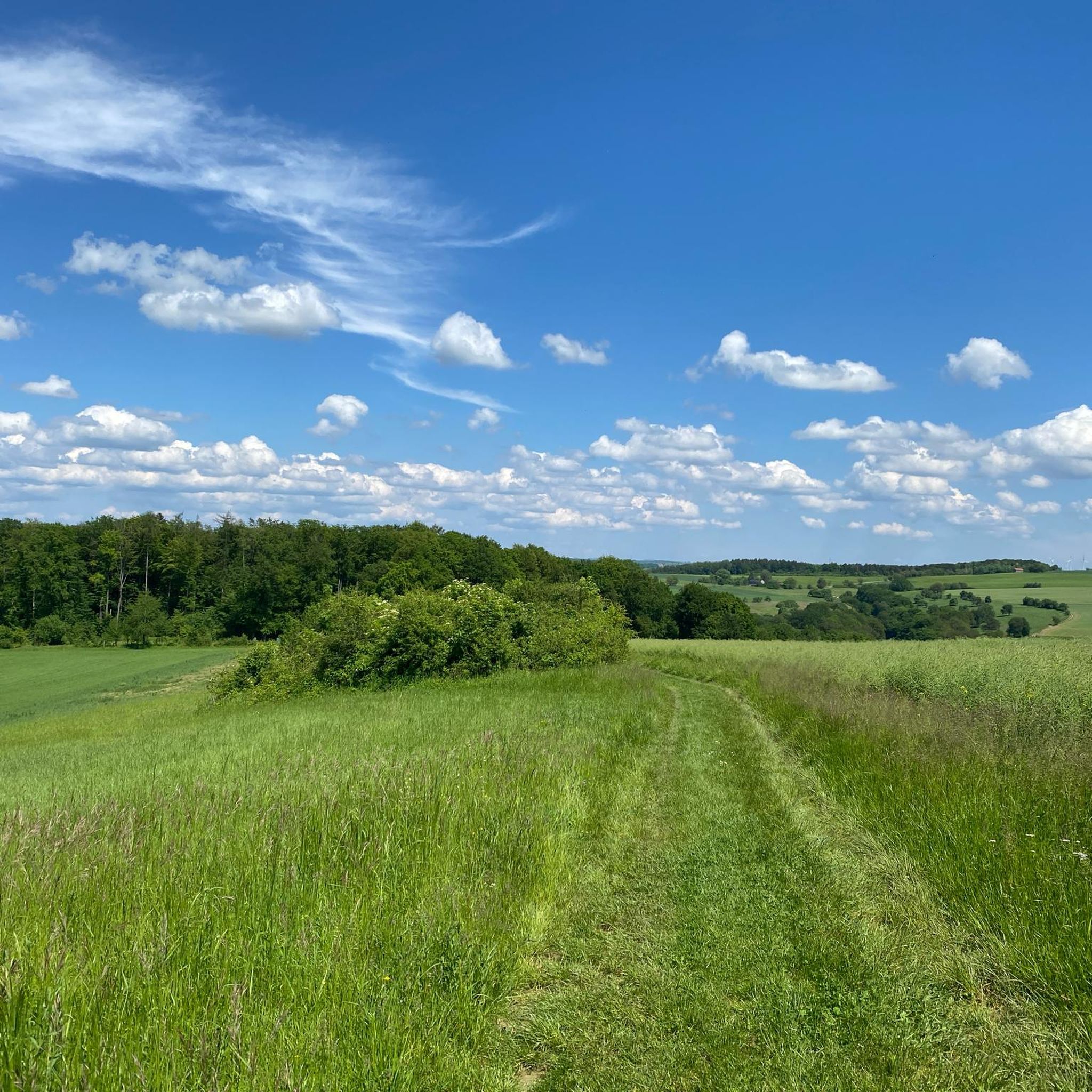
Cycling around Hornbach
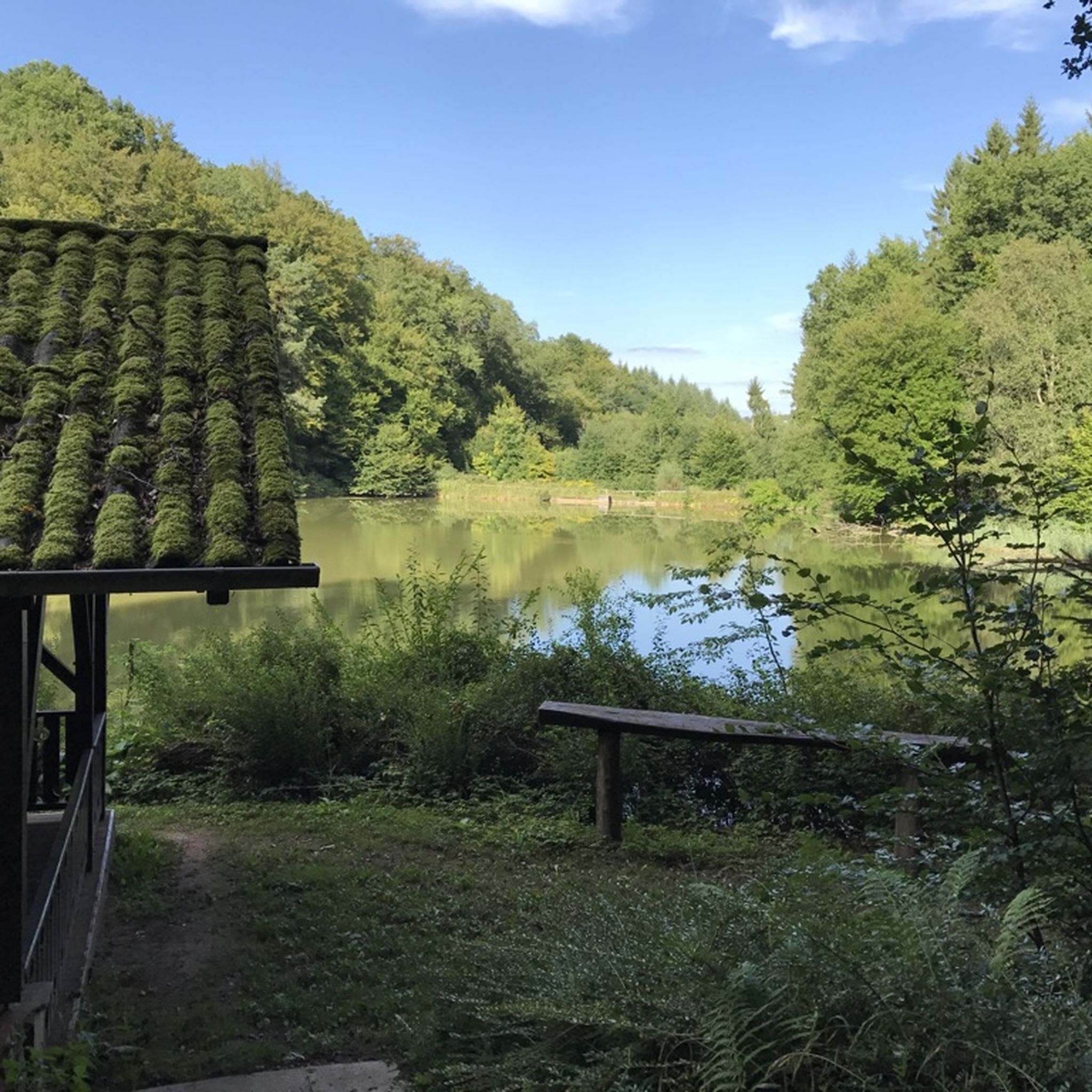
Hiking around Hornbach
Road Cycling Routes around Hornbach
MTB Trails around Hornbach
Other adventures around Hornbach


Tips from the Community

The Gollenstein near Blieskastel in Saarland is an approximately 4,000-year-old menhir and, at almost seven meters high, the largest in Central Europe. It is one of the landmarks of the Baroque town of Blieskastel. It is believed that the stone was erected around 2,000 BC and served as an ancestor cult. During World War II, the Wehrmacht toppled it because they suspected it might be a targeting aid for French artillery. The stone broke into four pieces. After the war, it was reassembled, and the remains can still be seen today.
2
0

The "Red Rocks" near Blieskastel are a remarkable geological formation These striking red sandstone rocks rise majestically from the landscape and provide a breathtaking sight for visitors. The red color of the rocks comes from iron oxide deposits in the sandstone that have formed over millions of years. This sandstone is a relic from the Triassic period, when the region was covered by a shallow sea. The deposits of sand and mud over time formed the characteristic layers known today as the "Red Rocks."
3
0

From the platform that was placed on the ruins a few years ago, you can see as far as the Donersberg when the weather is nice.
2
0

A signposted hike leads from the rose garden in Zweibrücken to the wild rose garden at the Romantik Hotel
9
0

Just before sunset there is a wonderfully calm atmosphere.
2
0

About 100 historical wild rose species and around 400 cultivated rose varieties were planted on a meadow orchard above the baroque Tschifflick gardens. The magical bloom lasts from mid-May to the end of June. In the garden, a new bench invites you to take a break. Access to this living rose archive is free of charge all year round. The wild rose garden, which also serves to preserve genetic diversity, can be reached on foot from the rose garden via the signposted rose path. Directly opposite the entrance to the wild rose garden, the three-kilometre-long premium hiking trail Zweibrücker Pheasant Hunt to the medieval castle ruins and the baroque garden monument begins.
5
0

Very nice nature reserve. Keep clean
5
0
Great bridge over the floodplain landscape of the Blies
5
0
Frequently Asked Questions
What kind of natural monuments can I explore around Hornbach?
The Hornbach region offers a diverse range of natural monuments. You can find extensive floodplains, ancient standing stones, and historical ruins that provide natural viewpoints. For example, the Blies Floodplain between Blieskastel and Bliesdalheim is a protected area known for its biodiversity, while the Gollenstein Menhir offers a glimpse into prehistoric times with its impressive size.
Are there any family-friendly natural monuments in the area?
Yes, several natural monuments around Hornbach are suitable for families. The Gollenstein Menhir is considered family-friendly, offering an interesting historical site. Additionally, the Alexanderturm Ruins and Wild Rose Garden Zweibrücken are also categorized as family-friendly, providing engaging experiences for all ages.
Where can I find impressive viewpoints among the natural monuments?
For stunning panoramic views, the Alexanderturm Ruins are highly recommended. Its viewing platform offers extensive vistas of the Bliestal and surrounding areas. The Gollenstein Menhir also serves as a viewpoint, providing a unique perspective of the landscape from its ancient location. Another spot with a great view is The Red Rock in Lautzkirchen.
What historical natural monuments can I visit near Hornbach?
The region is rich in historical natural monuments. The Gollenstein Menhir is an approximately 4,000-year-old standing stone, recognized as the tallest in Central Europe, offering a deep connection to prehistoric civilizations. The Alexanderturm Ruins, while man-made, are a historical site that has become a natural monument, providing insight into the region's past.
Are there natural monuments suitable for cycling?
Yes, the Blies Floodplain between Blieskastel and Bliesdalheim is particularly popular for cycling. It features well-developed cycle paths, making it an excellent destination for experiencing the region's natural splendor on two wheels. You can find various cycling routes around Hornbach, including easy and moderate options, by exploring the Cycling around Hornbach guide.
What outdoor activities can I do near these natural monuments?
Beyond visiting the monuments themselves, the area around Hornbach offers various outdoor activities. You can enjoy running on trails like the 'Hornbach Abbey – Hornbach Town Hall loop' from the Running Trails around Hornbach guide. Road cycling is also popular, with routes such as the 'Hornbach Town Gate – Hornbach Abbey loop' detailed in the Road Cycling Routes around Hornbach guide. For general cycling, the Cycling around Hornbach guide provides many options.
Are there any natural monuments that are easily accessible?
The Blies Floodplain between Blieskastel and Bliesdalheim is noted for being wheelchair accessible, making it a good option for visitors seeking easier access. Its well-developed cycle paths also contribute to its accessibility for a wider range of visitors.
What is the best time of year to visit the natural monuments around Hornbach?
The natural monuments around Hornbach can be enjoyed throughout the year, but each season offers a different experience. Spring and summer are ideal for cycling and exploring the lush landscapes, especially the Blies Floodplain. The Wild Rose Garden Zweibrücken is particularly beautiful from mid-May to the end of June during its magical bloom. Autumn brings vibrant colors to the forested areas, while winter can offer serene, quiet walks, especially around historical sites like the Gollenstein Menhir.
What makes the Blies Floodplain a significant natural monument?
The Blies Floodplain between Blieskastel and Bliesdalheim is an extensive nature reserve covering approximately 198 hectares. It's a haven for biodiversity, protecting numerous animal species like the Bechstein's bat, beaver, and various rare birds. Its diverse habitats, including reeds, wet grasslands, and riparian forests, make it a crucial ecological area and a tranquil setting for nature observation.
Can I find any unique geological formations or caves in the region?
While not listed in the highlights provided, the broader region near Hornbach, particularly around Rodalben, is known for its distinctive rock structures. The Bear Cave (Bärenhöhle) near Rodalben is a remarkable 'two-storey' natural sandstone cave, considered the largest of its kind in the Palatinate, featuring a spring that creates a waterfall inside. This area is part of the Rodalber Felsenwanderweg (Rodalben rock hiking trail), offering impressive rock formations.
What do visitors enjoy most about the natural monuments around Hornbach?
Visitors frequently praise the diverse experiences offered. For the Blies Floodplain, the well-developed cycle path and the opportunity to enjoy nature are highlights. The Gollenstein Menhir is appreciated for its ancient history and imposing presence. The Alexanderturm Ruins are loved for their brilliant views of the Bliestal. Overall, the blend of natural beauty, historical significance, and outdoor activity options makes the region highly appealing.
Are there any natural monuments that are also cultural or historical sites?
Absolutely. The Gollenstein Menhir is a prime example, being an ancient standing stone with archaeological significance, connecting visitors to prehistoric civilizations. Similarly, the Alexanderturm Ruins, a historical castle ruin, has become a natural monument offering both cultural insights and natural beauty.
Most popular routes around Hornbach
Most popular attractions around Hornbach

Get inspired with the komoot mobile app


Explore more
Extend your search for the best caves by checking out these guides of the top ones around Hornbach:
