Top 20 Natural Monuments around Jagsthausen
Natural monuments around Jagsthausen are defined by the picturesque Jagst Valley and its surrounding landscapes, including the Jagst River. The region offers a diverse natural environment, featuring river plains and rolling hills. This area provides numerous opportunities for outdoor activities, with a network of hiking trails and scenic routes.
Best natural monuments around Jagsthausen
- The most popular natural monument is Neusaß Pilgrimage Church and the Heiligenbrünnle (Holy Spring), a religious building and natural monument that serves as a destination…
Last updated: July 7, 2026
Kocher–Jagst Cycle Path
Highlight • Cycleway
Translated by Google •
Tip by

Neusaß Pilgrimage Church and the Heiligenbrünnle (Holy Spring)
Highlight • Religious Site
Translated by Google •
Tip by

Sign up now to discover places like this
Get recommendations on the best single tracks, peaks, & plenty of other exciting outdoor places.
Sign up for free
Helenenquelle
Highlight • Natural Monument
Translated by Google •
Tip by

Kupfer Stream
Highlight • River
Since …
Translated by Google •
Tip by

Neusaß Lime Tree
Highlight • Natural Monument
Translated by Google •
Tip by
Sign up for free to discover even more natural monuments around Jagsthausen.
Sign up for free
Already have an account?
Start today with a free account
Your next adventure awaits.
Login or Signup
Tips from the Community

Lime tree with a massive, arched trunk and pronounced root flares. The tree is said to have originated from three closely planted lime trees that grew together over time. At sacred sites, such as near pilgrimage churches, three trees were often planted close together as a symbol of the Christian Trinity. The trunk opening was stabilized with iron bars. Its current age is estimated to be approx. 500 years.
7
0
A linden tree, a forester's lodge, and a chapel form Neusaß above Schöntal Monastery. Historical speculations, stories, and tales give the place its very own significance. It cannot be precisely determined when a chapel has existed in Neusaß. As stated in a booklet on the history of the place, the first reference to a pilgrimage dates back to the year 1395. The chapel itself shows late Gothic features. The pilgrimage tradition has endured to this day.
3
0
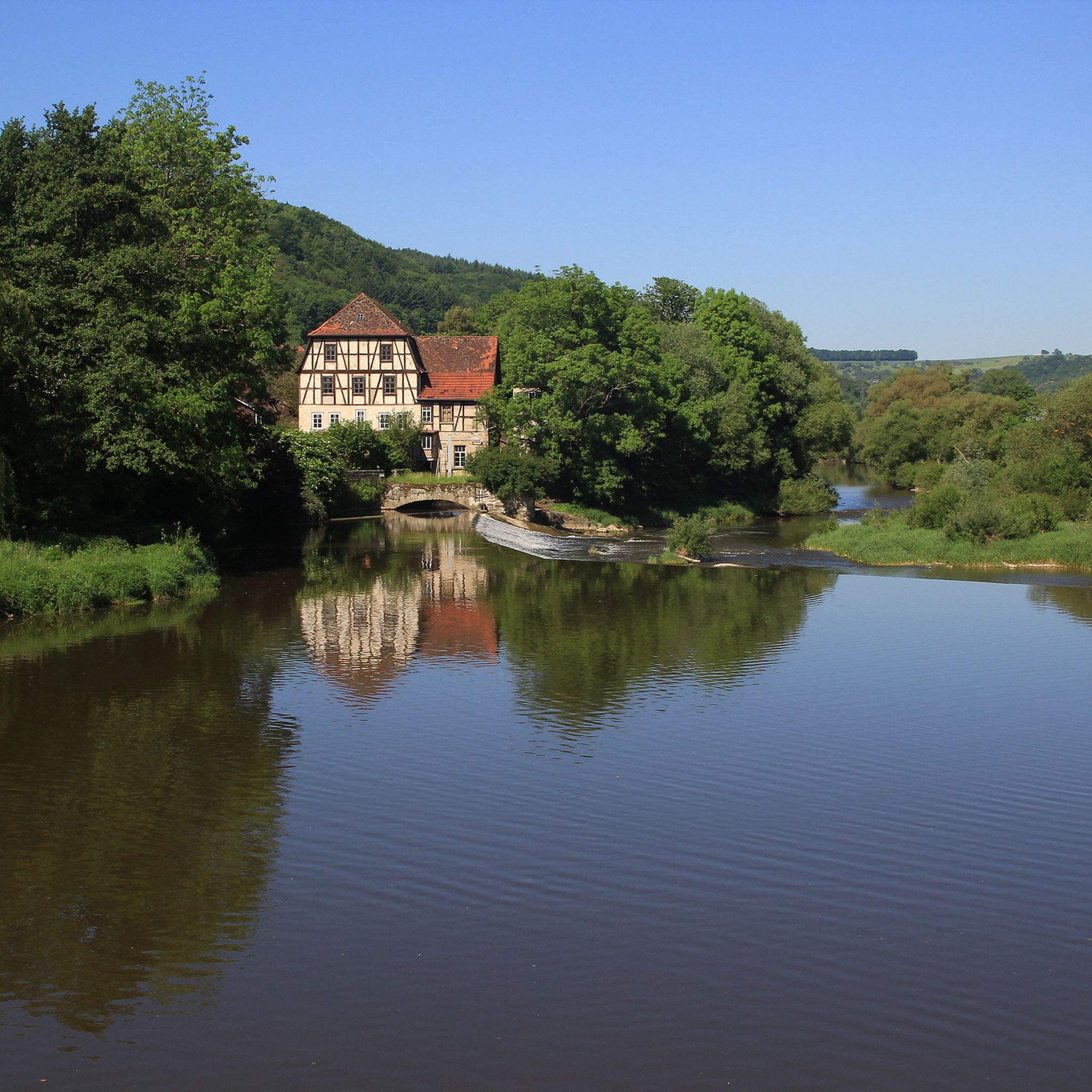
The "Vogelhalde Sindringen-Ohrnberg" nature reserve in the lower Kocher valley has been home to one of the largest grey heron colonies in the Stuttgart administrative district for decades. At 216 hectares, the area is unique, being the largest of the 21 nature reserves in the Hohenlohe district.
5
0

The linden tree is considered a symbol of steadfastness, patriotism, and spiritual strength – and is an integral part of the local pilgrimage tradition. It plays a silent but significant role, especially in Marian festivals and processions.
9
0
Originally built in the 15th century, it was later remodeled in the Baroque style. The church is a destination for numerous pilgrims, especially on the Feast of the Nativity of Mary. Its simple interior exudes tranquility, with a miraculous image of the Virgin Mary as its centerpiece.
11
0

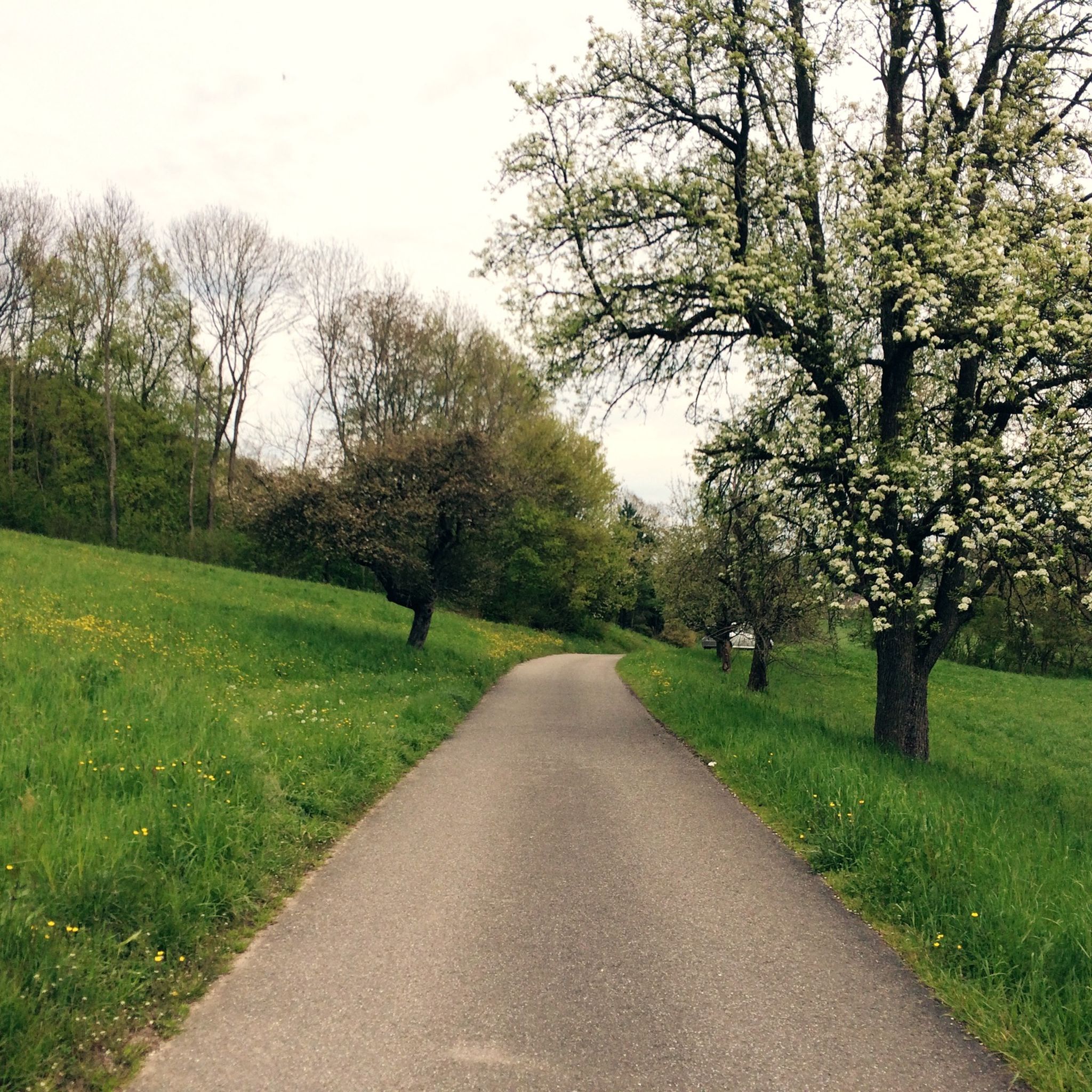
A cycle path to enjoy. Mainly on asphalt with almost no car traffic
1
0

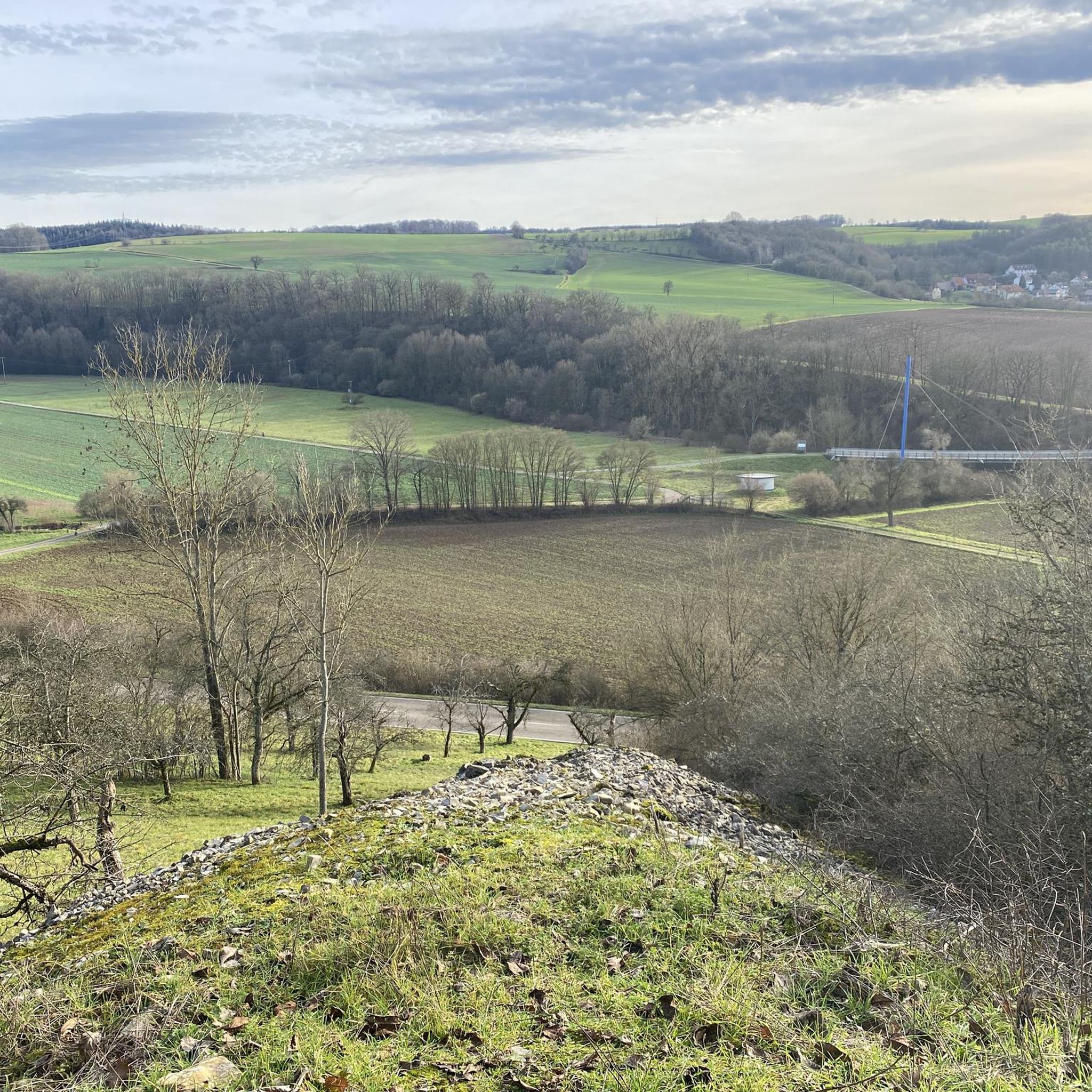
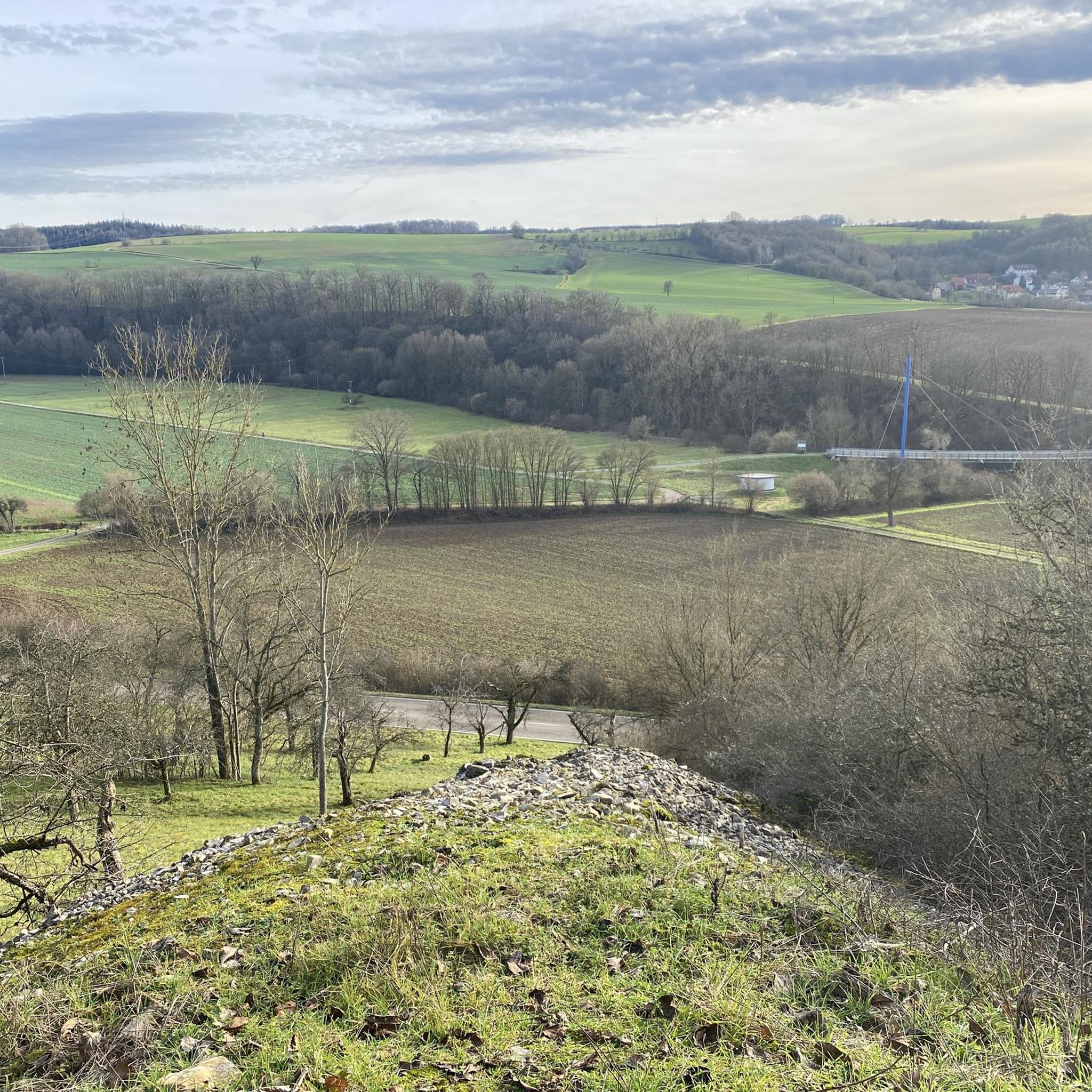
If you want to take a short break to fill up your water bottle and take a bar or gel, this is the place for you. There is also a bench and table at the Helenen spring, but they are often already occupied.
1
0

Frequently Asked Questions
What are the primary natural attractions in the Jagsthausen region?
The Jagsthausen region is characterized by the picturesque Jagst Valley and the winding Jagst River, which forms the core of its natural beauty. You'll find diverse landscapes, from river plains to rolling hills, offering a blend of untamed nature and cultural history. Key natural features include the Kupfer Stream, known for its natural valley, and the tranquil setting around the Neusaß Pilgrimage Church and the Heiligenbrünnle (Holy Spring).
Are there family-friendly natural monuments or activities around Jagsthausen?
Yes, several natural monuments and activities are suitable for families. The Neusaß Pilgrimage Church and the Heiligenbrünnle (Holy Spring) offers a peaceful setting with a Marian grotto nearby. The Kochertal Cycle Path: Sindringen to Ohrnberg is a quiet, flat, and mostly paved route perfect for family bike rides. Additionally, the Helenenquelle provides a nice resting spot with tables and benches.
What kind of hiking trails can I find near Jagsthausen's natural monuments?
Jagsthausen is a hub for various hiking routes. You can explore trails along the Jagst River, such as the 'Jagstuferweg,' or more challenging options like the 'Burgensteig' which offers spectacular valley views and leads to medieval castle ruins. The region's diverse landscapes, situated between the Stromberg-Heuchelberg Nature Park and the Jagst River, ensure varied hiking experiences. For more detailed routes, check out the Hiking around Jagsthausen guide.
Are there cycling opportunities near the natural monuments?
Absolutely. The region is excellent for cycling. The Kochertal Cycle Path: Sindringen to Ohrnberg is a popular, easy, and mostly paved route along the Kocher River, offering varied scenery. You can also find numerous routes for mountain biking and gravel biking. Explore options in the MTB Trails around Jagsthausen and Gravel biking around Jagsthausen guides.
When is the best time to visit the natural monuments around Jagsthausen?
The region around Jagsthausen is particularly appealing in spring and autumn. During these seasons, the weather is mild, and nature is vibrant, making it ideal for outdoor activities like hiking and cycling. The diverse landscapes, from river plains to rolling hills, are at their most beautiful during these times.
Are there any historical or cultural sites integrated with the natural monuments?
Yes, the region beautifully blends nature with history. The Neusaß Pilgrimage Church and the Heiligenbrünnle (Holy Spring) is a significant religious building and historical site, attracting pilgrims since the 14th century. The 'Jagst Cultural Hiking Trail' also combines natural landscapes with various historical and cultural points of interest, including castles and Roman settlements.
What kind of viewpoints can I expect to find?
The natural monuments around Jagsthausen offer several scenic viewpoints. The 'Burgensteig' hiking trail provides spectacular valley views. The Helenenquelle is also noted as a viewpoint, offering a pleasant spot to rest and take in the surroundings. The overall topography of rolling hills and river valleys ensures many picturesque vistas.
Can I observe wildlife near the Jagst River?
Yes, the 'Jagstuferweg,' a well-signposted hiking trail that follows the banks of the Jagst River, provides excellent opportunities to observe local wildlife. The river's idyllic scenery and natural environment support diverse flora and fauna, making it a rewarding experience for nature enthusiasts.
Is the Neusaß Lime Tree a significant natural monument?
The Neusaß Lime Tree is indeed a significant natural monument. Located near the pilgrimage chapel in Neusaß, this Summer Bark (Tilia platyphyllos) is estimated to be 300 to 500 years old with a trunk circumference of 8.62 meters. It is considered a symbol of steadfastness and spiritual strength and is counted among the 'nationally significant trees' by the Deutsches Baumarchiv.
What makes the Kupfer Stream noteworthy?
The Kupfer Stream is a left tributary of the Kocher River, flowing through a narrow and natural valley. It's notable for its varied course and the surrounding landscape protection area. The stream's journey through different geological formations, from the Hohenlohe plain to the Muschelkalk, creates a diverse and scenic environment, often covered by forest on its slopes.
Are there any specific regulations or permits required to visit these natural monuments?
Generally, no specific permits are required to visit the natural monuments and explore the hiking and cycling paths around Jagsthausen. However, as with any natural area, visitors are encouraged to respect local regulations, stay on marked trails, and practice Leave No Trace principles to preserve the environment.
What is the general terrain like for outdoor activities in the Jagsthausen area?
The terrain around Jagsthausen is quite varied. You'll find flat river plains along the Jagst and Kocher rivers, which are ideal for easy cycling and walking, such as the Kochertal Cycle Path. Further from the riverbanks, the landscape transitions into rolling hills, offering more challenging hikes with moderate elevation changes and rewarding viewpoints.
Most popular routes around Jagsthausen
Most popular attractions around Jagsthausen

Get inspired with the komoot mobile app


Explore more
Extend your search for the best caves by checking out these guides of the top ones around Jagsthausen:
