Top 20 Natural Monuments around Kalletal
Best natural monuments around Kalletal are found within the picturesque landscape of Lippe, Germany. This region is recognized as a nature park community, preserving its original landscapes and expansive views. Kalletal features a diverse natural environment, including forests, fields, and river valleys, making it suitable for outdoor activities. The area offers a blend of natural features and designated monuments for exploration.
Best natural monuments around Kalletal
- The most popular natural monuments is View of the Kaiser Wilhelm Monument, a…
Last updated: June 23, 2026
Werre-Weser Confluence
Highlight • River
Translated by Google •
Tip by

Moltke Tower (Moltketurm)
Highlight • Viewpoint
Translated by Google •
Tip by

Sign up now to discover places like this
Get recommendations on the best single tracks, peaks, & plenty of other exciting outdoor places.
Sign up for free
Graduation tower in Sielpark
Highlight • Monument
Not far from the location of this graduation tower, three graduation towers …
Translated by Google •
Tip by

View of the Kaiser Wilhelm Monument from the Weser Bridge
Highlight • Viewpoint
Translated by Google •
Tip by

Sielwehr bridge over the Werre
Highlight • Bridge
Translated by Google •
Tip by

Sign up for free to discover even more natural monuments around Kalletal.
Sign up for free
Already have an account?
Start today with a free account
Your next adventure awaits.
Login or Signup
Popular around Kalletal
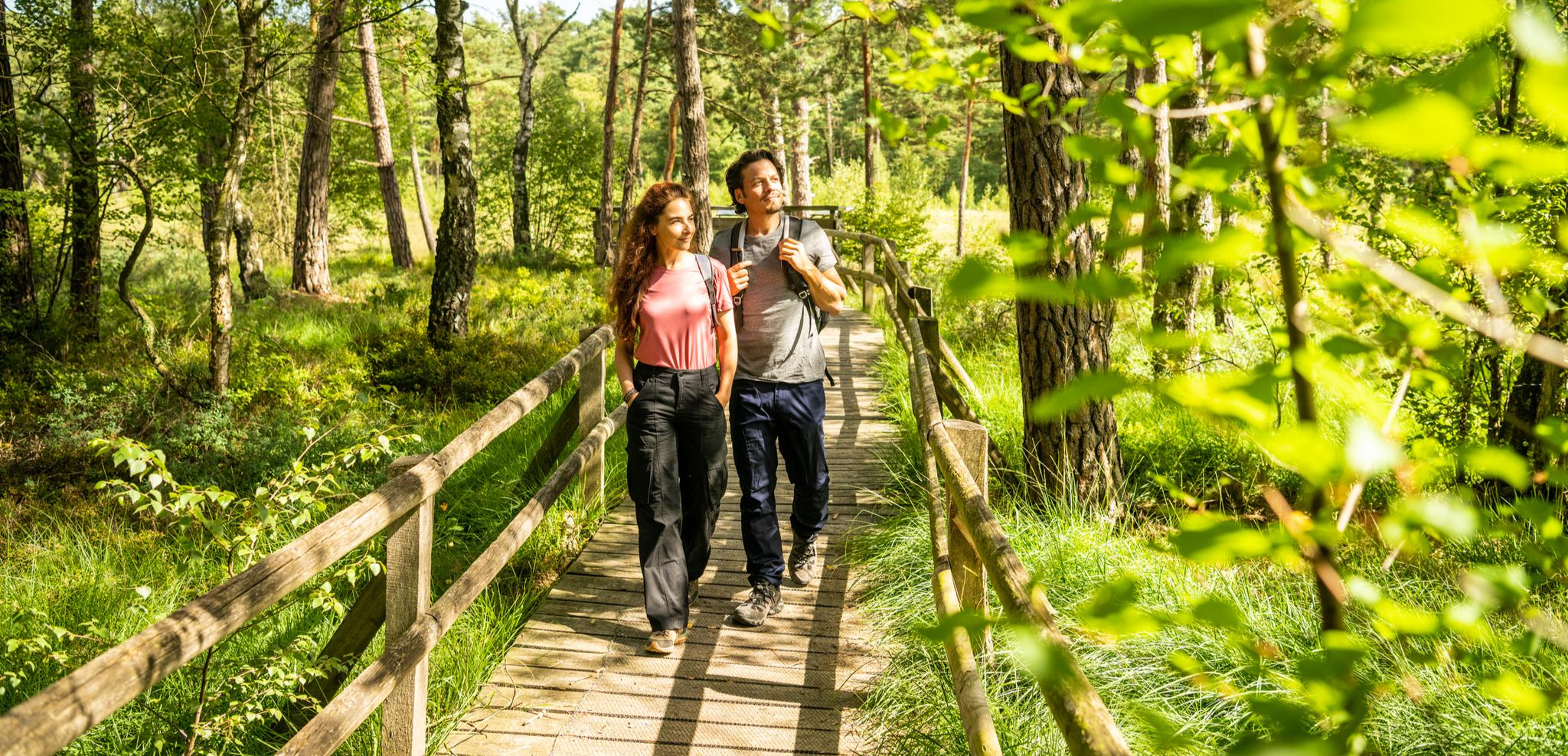
Lippe Quality Trails – hiking in the land of Hermann
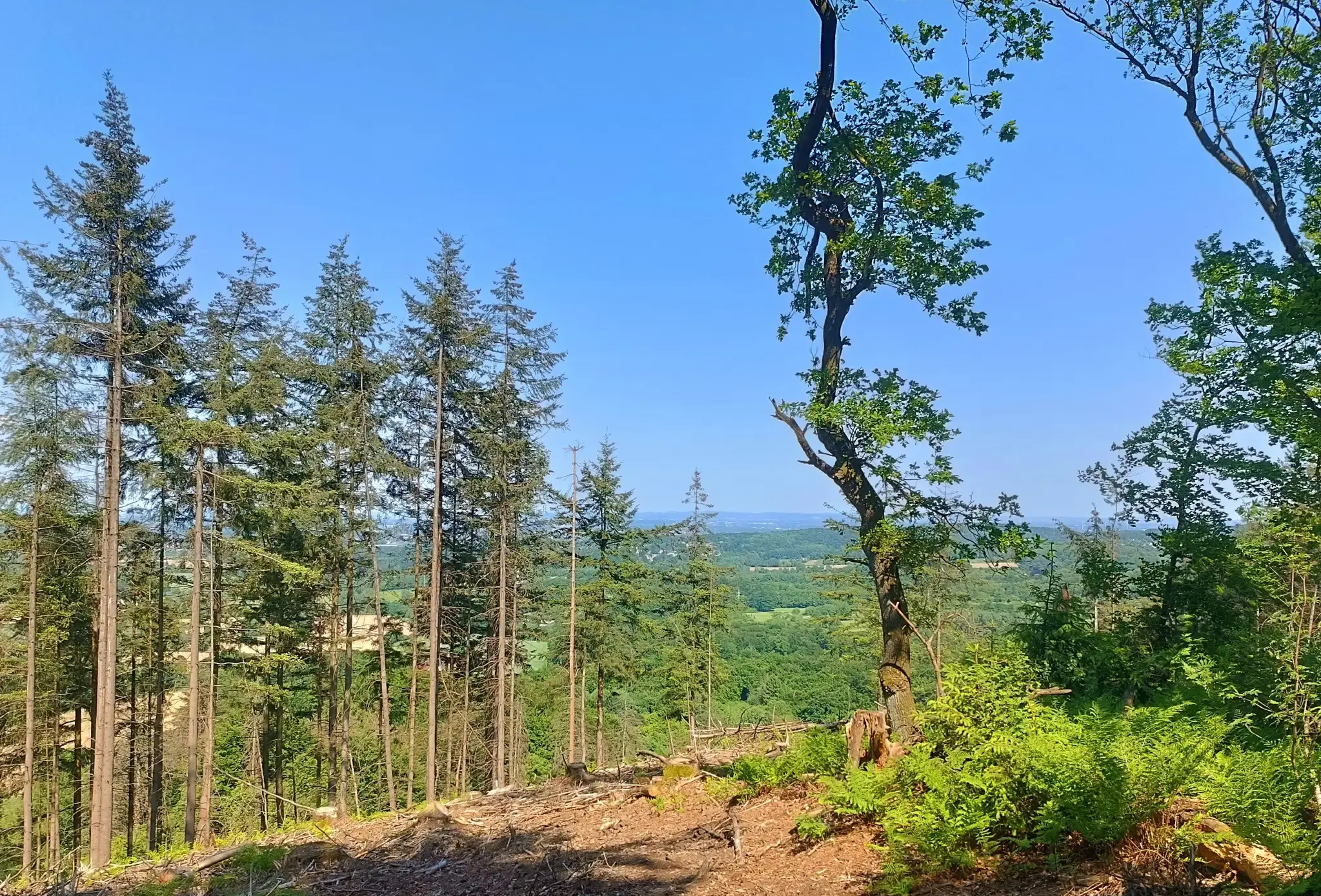
Nature and spectacular views – Germany’s Teutoburg Forest trails
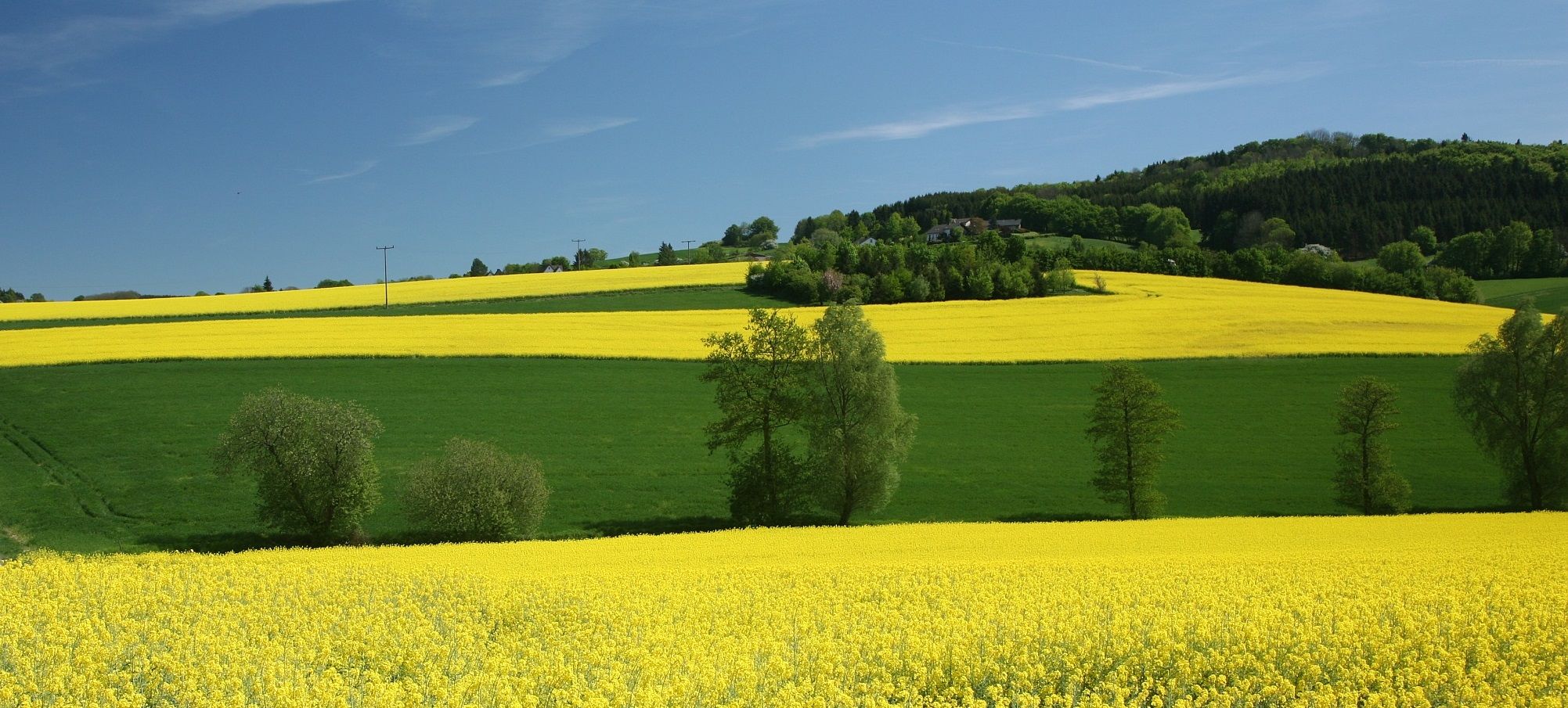
Sport, fun and Romanticism – nature walks in the Teutoburg Forest
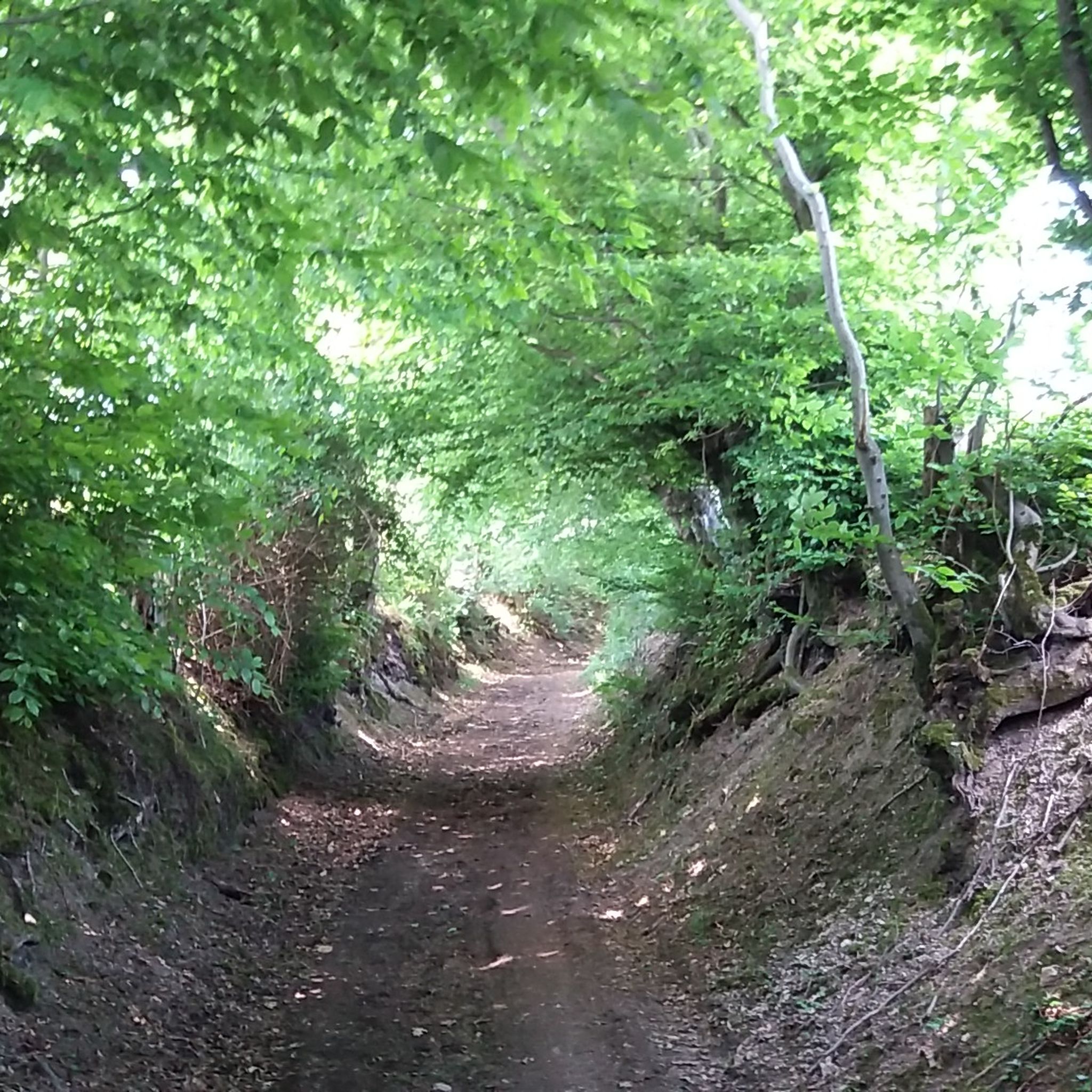
Hiking around Kalletal
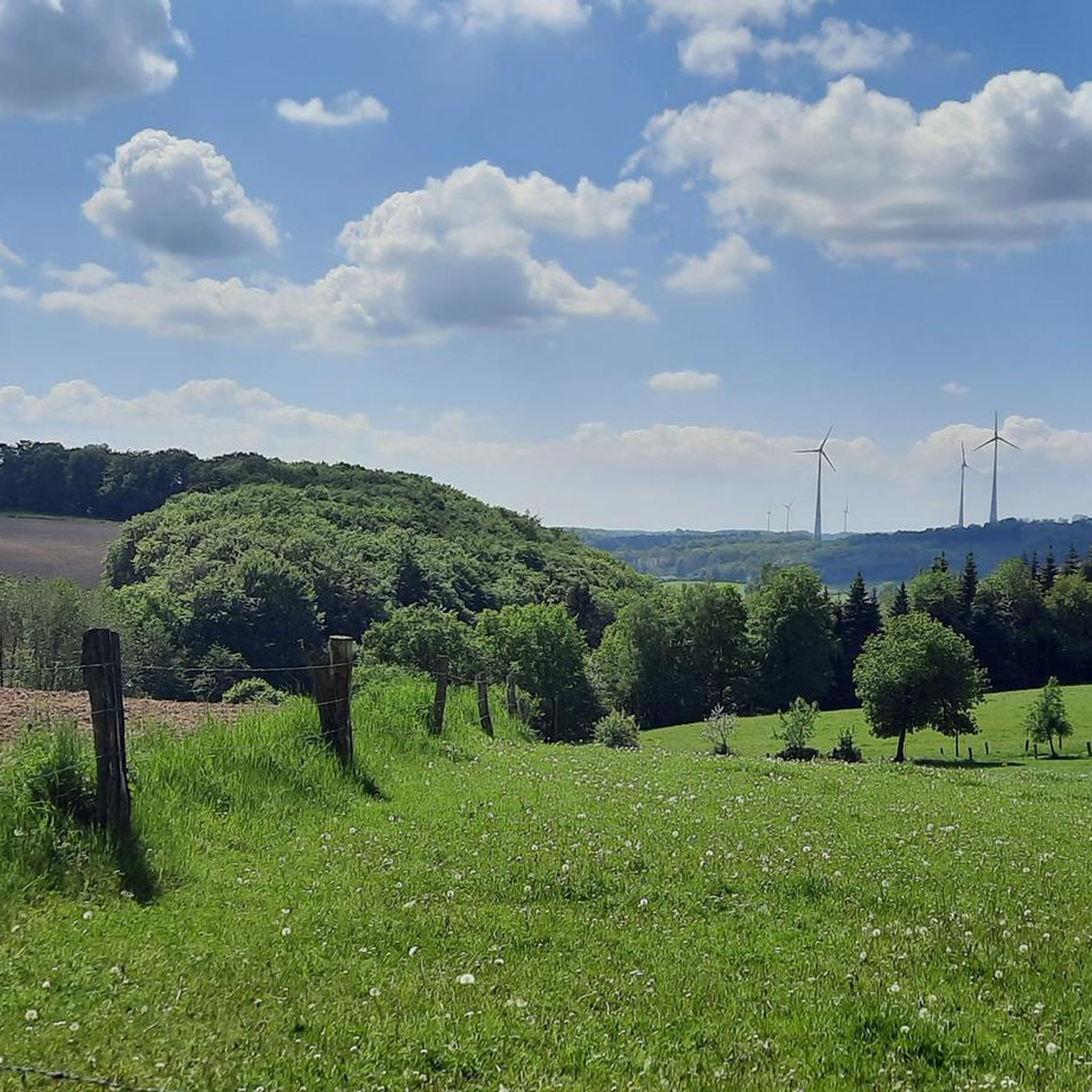
Cycling around Kalletal
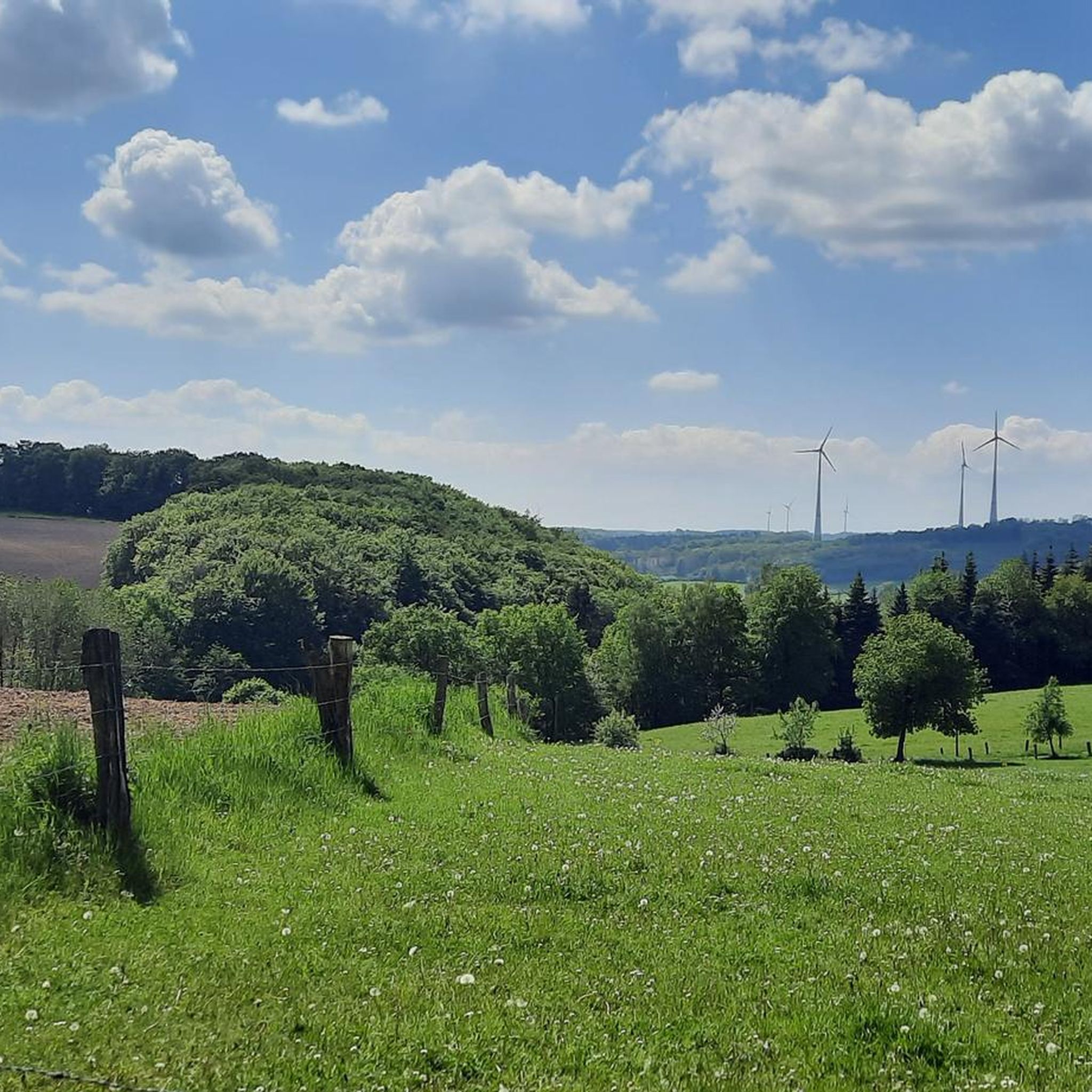
Running Trails around Kalletal
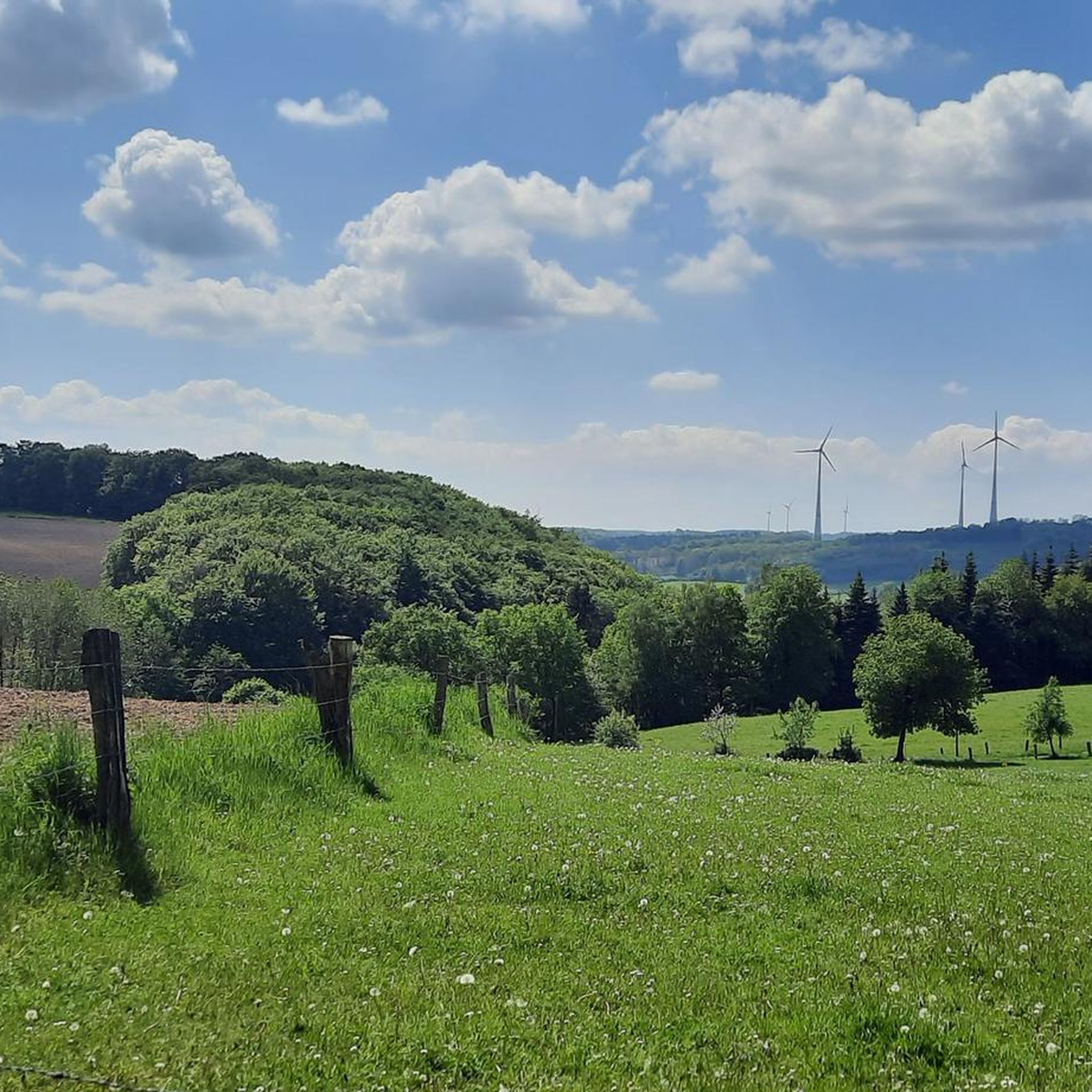
Road Cycling Routes around Kalletal
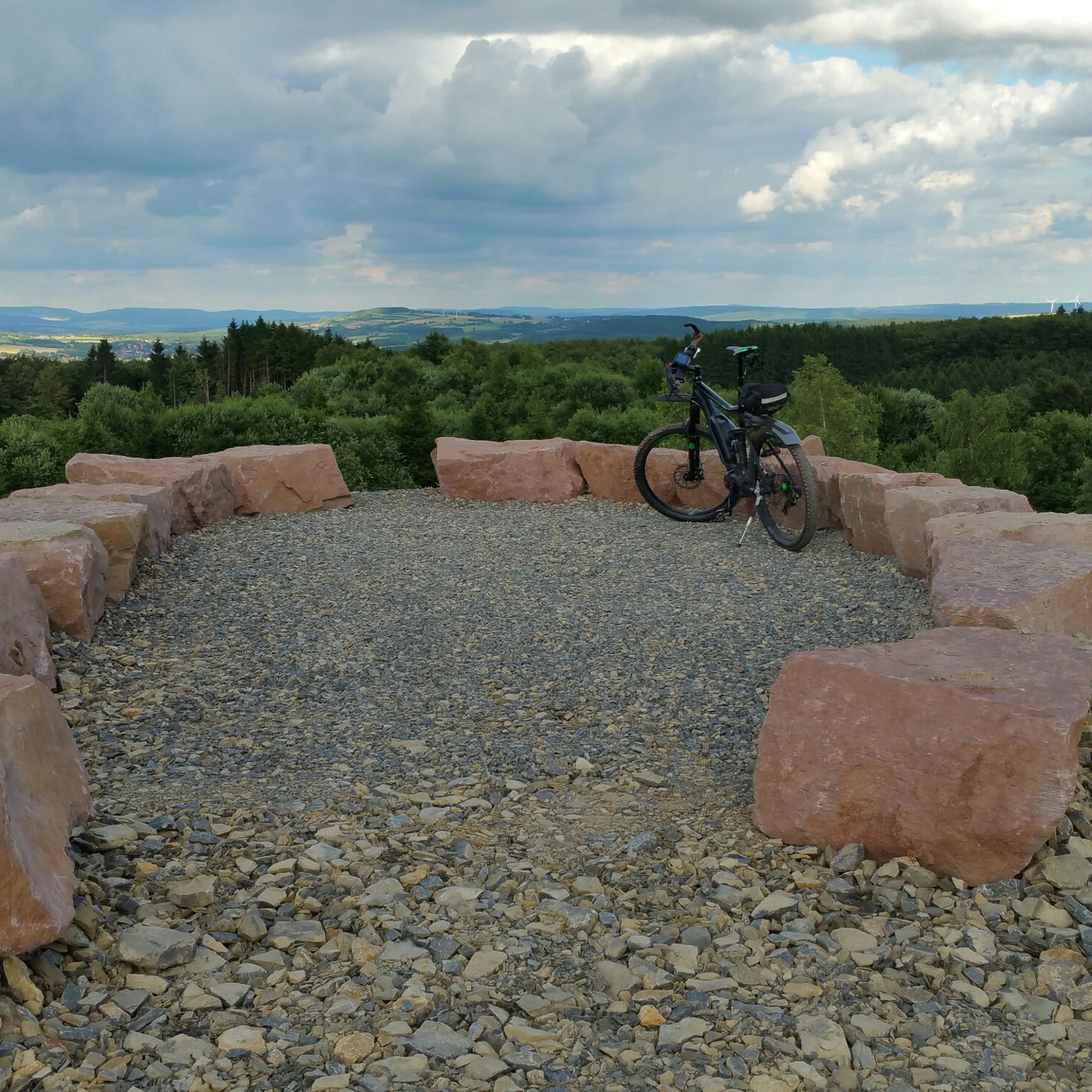
MTB Trails around Kalletal

Gravel biking around Kalletal
Other adventures around Kalletal

Tips from the Community

... the Sielwehr on the Sielterrassen 💦💦💦 ... a great natural spectacle and an absolute highlight!!! 👍 ... the parking lot and the restaurant at the Sielterrassen offer a good starting and ending point for beautiful "Nordic walking tours"!!! 👍👟👍
5
0

The Porta Westfalica is only the real highlight through the Wesergebirge and the Wiehengebirge
11
0

A great roar can be heard here. But it is a comfortable volume and no noise
6
0

Newly built in 1989/90; is reminiscent of the salt tradition of Bad Oeynhausen and serves as. Open-air inhalatorium. Not far from the location of this graduation tower, three graduation towers were built by 1932/33 and 1939/40, which were essential parts of the "Neusalzwerk" saltworks, which were founded in the middle of the 18th century and closed in 1928 and have also been used as a spa treatment since the spa was founded in 1845 were used. At the turn of the 19th century, around 50,000 hundredweight of salt were boiled in the saltworks every year.
11
0
After the death of Kaiser Wilhelm I, Kaiser Wilhelm monuments were commissioned in many places in Prussia. As one of the last major monuments, the personal and national monument places the emperor at the center of the nationally shaped culture of remembrance of the late 19th century, which placed the national communalization in the foreground. At the Porta Westfalica as a place that shapes the landscape, an educational program for national standardization was implemented with the Kaiser Wilhelm monument. The unification of the German Empire as a result of the Franco-Prussian War was celebrated here in the person of the Emperor.
13
0

From the viewing platform you can see parts of the surrounding mountains, a section of the Weser Valley and a southern area of the North German Plain.
9
0
The Moltketurm is an approx. 14 meter high observation tower on the Wittekindsberg near the Porta Westfalica. From its viewing platform you can see parts of the surrounding mountains, a section of the Weser Valley and a southern area of the North German Plain. The tower stands on the ridge directly on the stretch of the Witekindsweg and the European long-distance hiking trail E11.
9
1

Nice seating to watch the waterfall.
5
0
Frequently Asked Questions
What types of natural monuments can I discover in Kalletal?
Kalletal offers a diverse range of natural monuments, from individual protected trees like ancient oaks, hornbeams, and beeches, to unique geological features such as boulder fields and erratic boulders. You'll also find significant natural areas like the Weser Floodplain and the Nature Reserve at the Teimer, which are rich in flora and fauna.
Are there any unique geological natural monuments in Kalletal?
Yes, Kalletal features interesting geological natural monuments. For instance, you can find a granite gneiss erratic boulder (Findling) near the Stemmen Oak, and a field of boulders near Hankenegge in Bentorf, offering unique natural points of interest.
What are some of the most impressive individual trees designated as natural monuments?
Among the notable trees are the 'Stemmer Eiche' (Stemmen Oak) or 'Friedenseiche' (Peace Oak) in Stemmen, and the fascinating conjoined oak and beech tree in the Langenholzhausen forest. Additionally, the 'Königskiefer' (King Pine) within the Lippe forests is described as a magnificent specimen, often encountered on trails like the Wilddiebs Route.
Are there family-friendly natural monuments or attractions in Kalletal?
Absolutely. The Graduation tower in Sielpark is a man-made monument offering outdoor inhalation, which is especially pleasant on warm summer days and accessible for families. The View of the Kaiser Wilhelm Monument and the Werre-Weser Confluence are also popular spots suitable for families, offering scenic views and places to linger.
What outdoor activities can I do near Kalletal's natural monuments?
Kalletal is ideal for various outdoor activities. You can explore numerous hiking, cycling, and running routes that often lead through tranquil natural areas and past monuments. For example, you can find many hiking trails in the region, including the 'Taller Bergrunde Quality Trail' or 'Waldfreundeweg bei Bavenhausen', which you can discover on the Hiking around Kalletal guide. Cycling routes like the 'Old Harbor, Rinteln – Old Weser Bridge, Rinteln loop' are also available, detailed in the Road Cycling Routes around Kalletal guide.
What is the best time of year to visit Kalletal's natural monuments?
Kalletal's natural monuments can be enjoyed year-round. Spring brings flowering larch spur in the Nature Reserve at the Teimer. Summer is pleasant for outdoor inhalation at the Graduation tower and for enjoying the poppy fields. In winter, especially with frost, the views from spots like the Weser Bridge can be spectacular, offering clear visibility for several kilometers.
Are there any natural monuments that are particularly good for wildlife observation?
The Weser Floodplain (Weseraue) is an excellent area for wildlife observation. Beyond its protected trees, it's a significant natural habitat where visitors can spot small treasures like heron colonies and kingfishers in the wetlands. The Nature Reserve at the Teimer also supports a rich biodiversity, home to 50 species of wildflowers.
Can I find historical sites alongside natural monuments in Kalletal?
Yes, Kalletal offers a blend of natural and historical sites. The Moltke Tower (Moltketurm), a viewpoint at the highest point of the Wittekindberg, is a historical site offering expansive views. Trails like the Wilddiebs Route also lead past historical features such as World War II trenches and ancient boundary stones, often near impressive natural trees like the 'Königskiefer'.
What do visitors enjoy most about the natural monuments in Kalletal?
Visitors frequently appreciate the authentic natural experiences, the blend of active recreation and tranquility. The diverse landscapes, from forests and fields to river valleys, provide scenic viewpoints and peaceful spots. The opportunity to discover unique flora and fauna, alongside impressive individual trees and geological formations, is also highly valued.
Are there accessible natural monuments for visitors with mobility considerations?
The Graduation tower in Sielpark is noted as wheelchair accessible, making it a good option for visitors with mobility considerations. Many paths along the Weser River are also relatively flat and well-maintained, offering easier access to the natural beauty of the Weser Floodplain.
Where can I find information about specific protected trees in Kalletal?
Kalletal has numerous individual trees designated as natural monuments. These include various trees in the Weseraue, such as chestnuts, a silver willow, and hawthorn, as well as specific oaks and hornbeams in areas like Langenholzhausen, Kalldorf, and Bentorf. For a comprehensive list, you can refer to official listings like the List of Natural Monuments in Kalletal on Wikipedia.
Most popular routes around Kalletal
Most popular attractions around Kalletal

Get inspired with the komoot mobile app


Explore more
Extend your search for the best caves by checking out these guides of the top ones around Kalletal:
