Top 20 Natural Monuments around Gersfeld
Best natural monuments around Gersfeld are found within the Rhön Biosphere Reserve, a region characterized by diverse natural landscapes, including former volcanic craters and expansive views. This area offers numerous natural monuments that showcase its unique geology and ecology. Gersfeld (Rhön) is known for its protected natural sites, providing opportunities for exploration and appreciation of its natural beauty.
Best natural monuments around Gersfeld
- The most popular natural monuments is Wasserkuppe aviation memorial, a man_made_monument that commemorates fallen pilots. It…
Last updated: May 10, 2026
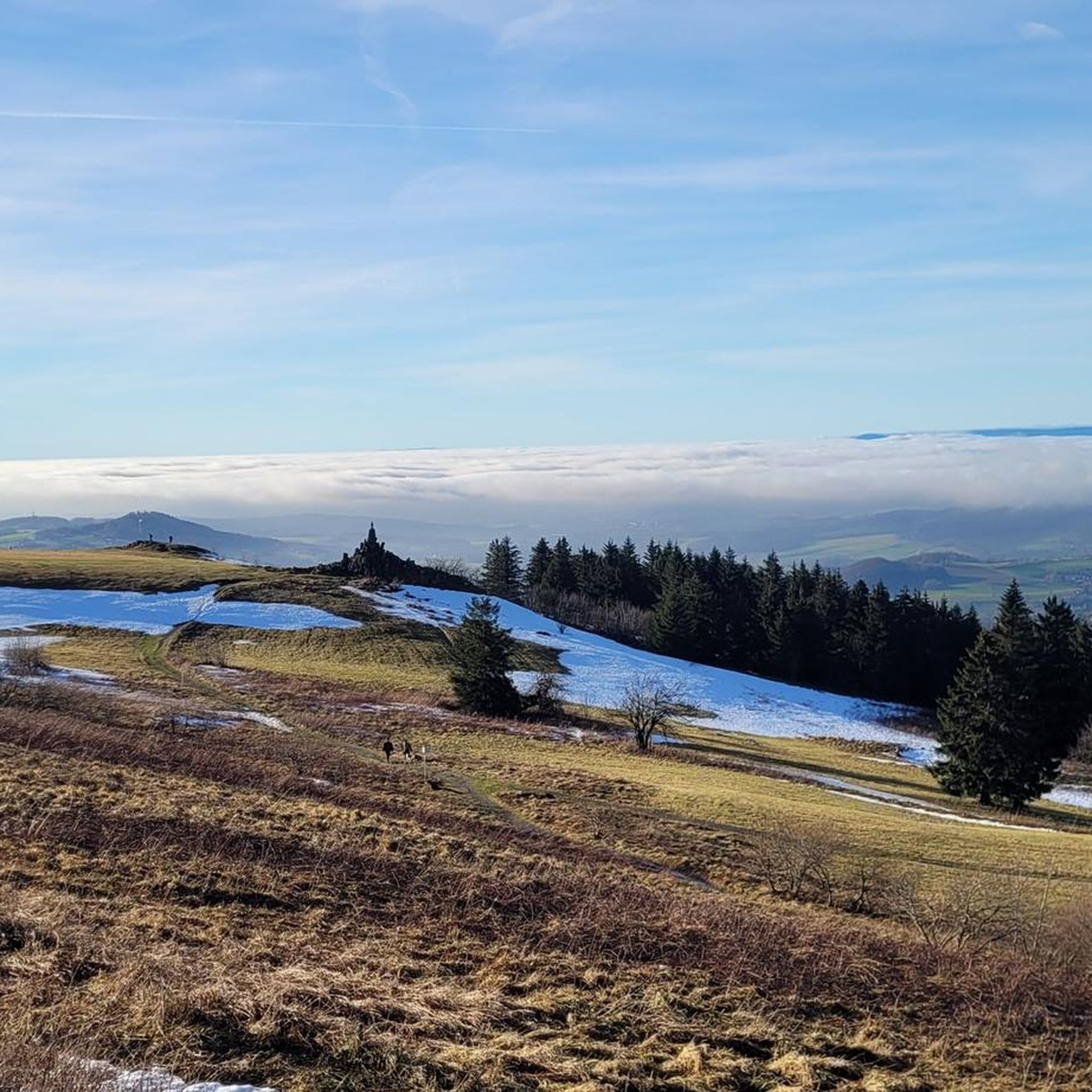
Wasserkuppe aviation memorial
Highlight • Monument
Translated by Google •
Tip by

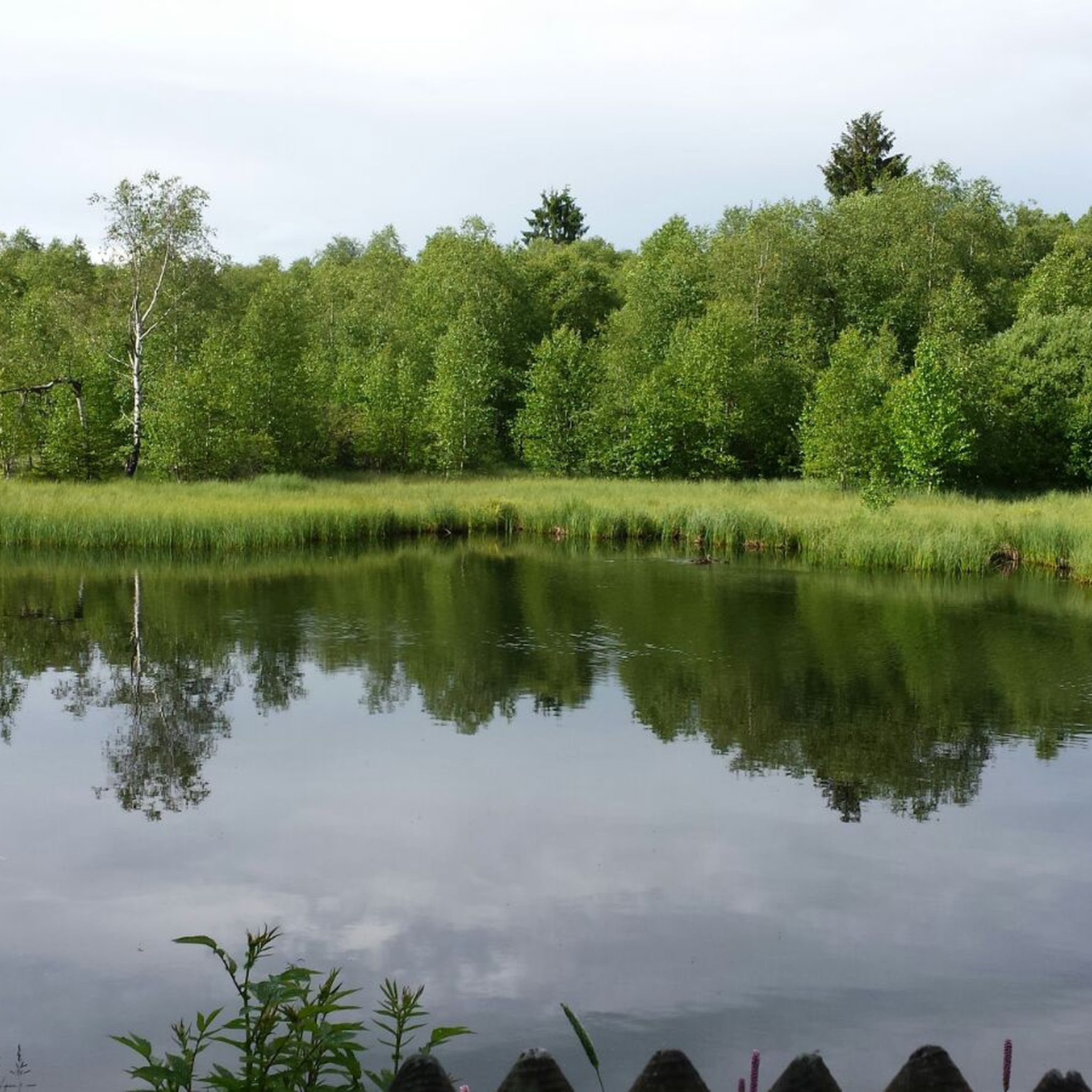
Guckaisee
Highlight • Lake
Translated by Google •
Tip by

Sign up now to discover places like this
Get recommendations on the best single tracks, peaks, & plenty of other exciting outdoor places.
Sign up for free
Boardwalk Trail Through the Rotes Moor
Highlight (Segment) • Trail
Translated by Google •
Tip by

Milseburg Summit and Crucifixion Group
Highlight • Summit
Translated by Google •
Tip by

Golgotha group (Three Crosses) on the Kreuzberg
Highlight • Monument
Translated by Google •
Tip by

Sign up for free to discover even more natural monuments around Gersfeld.
Sign up for free
Already have an account?
Start today with a free account
Your next adventure awaits.
Login or Signup
Popular around Gersfeld (Rhön)
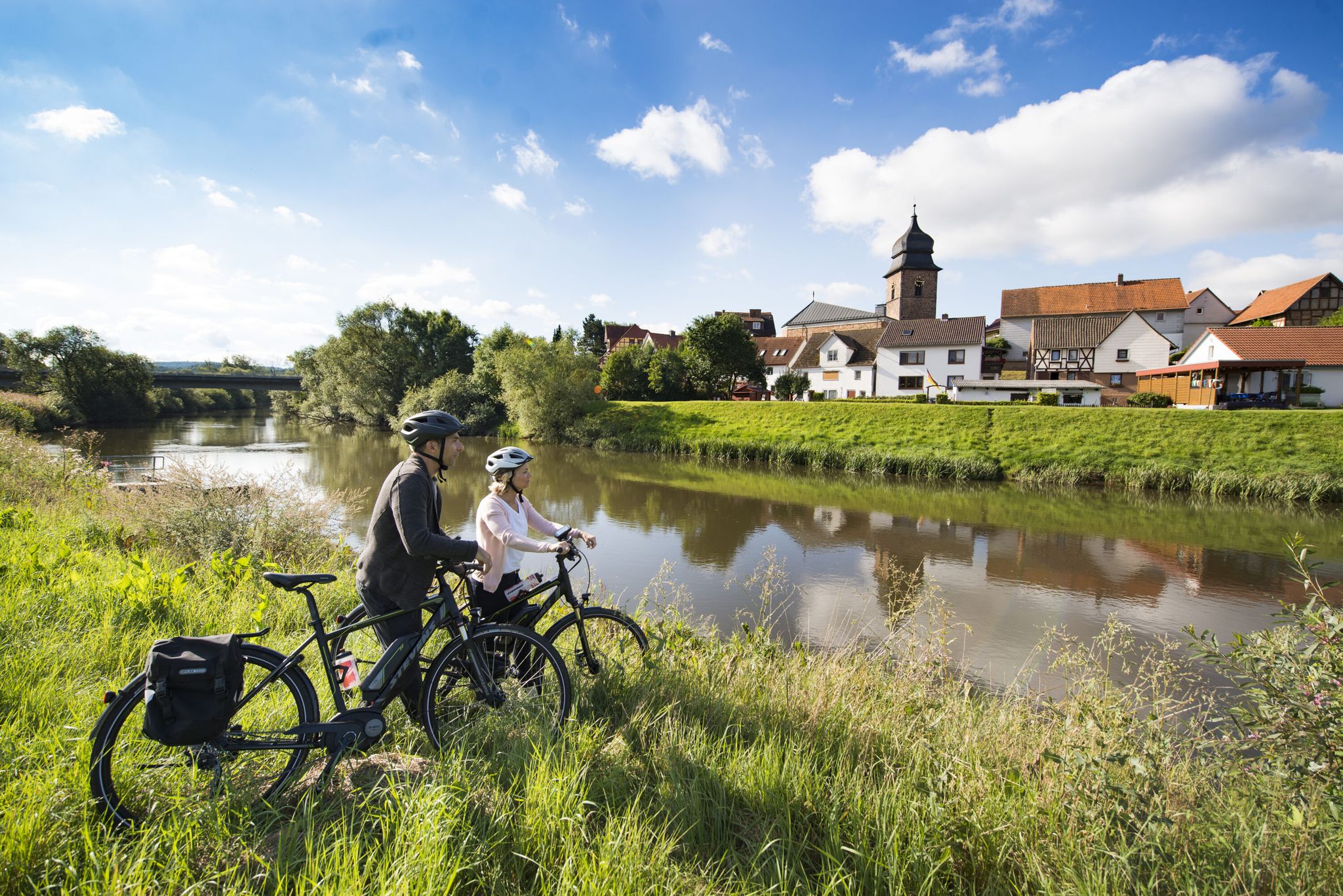
The Fulda cycle path R1 — in 5 stages from the Rhön to the Weser
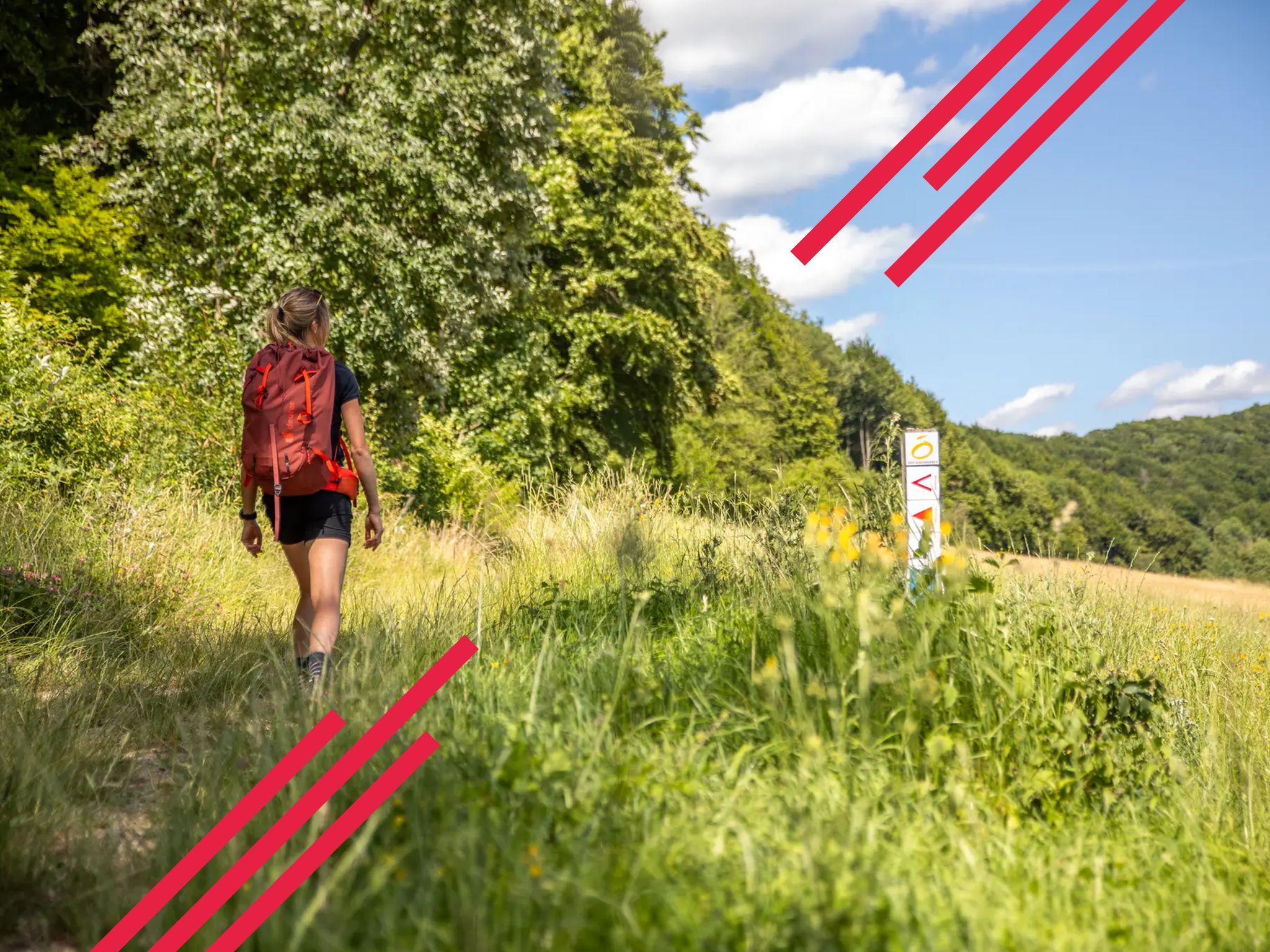
Stages of the HOCHRHÖNER Premium Hiking Trail
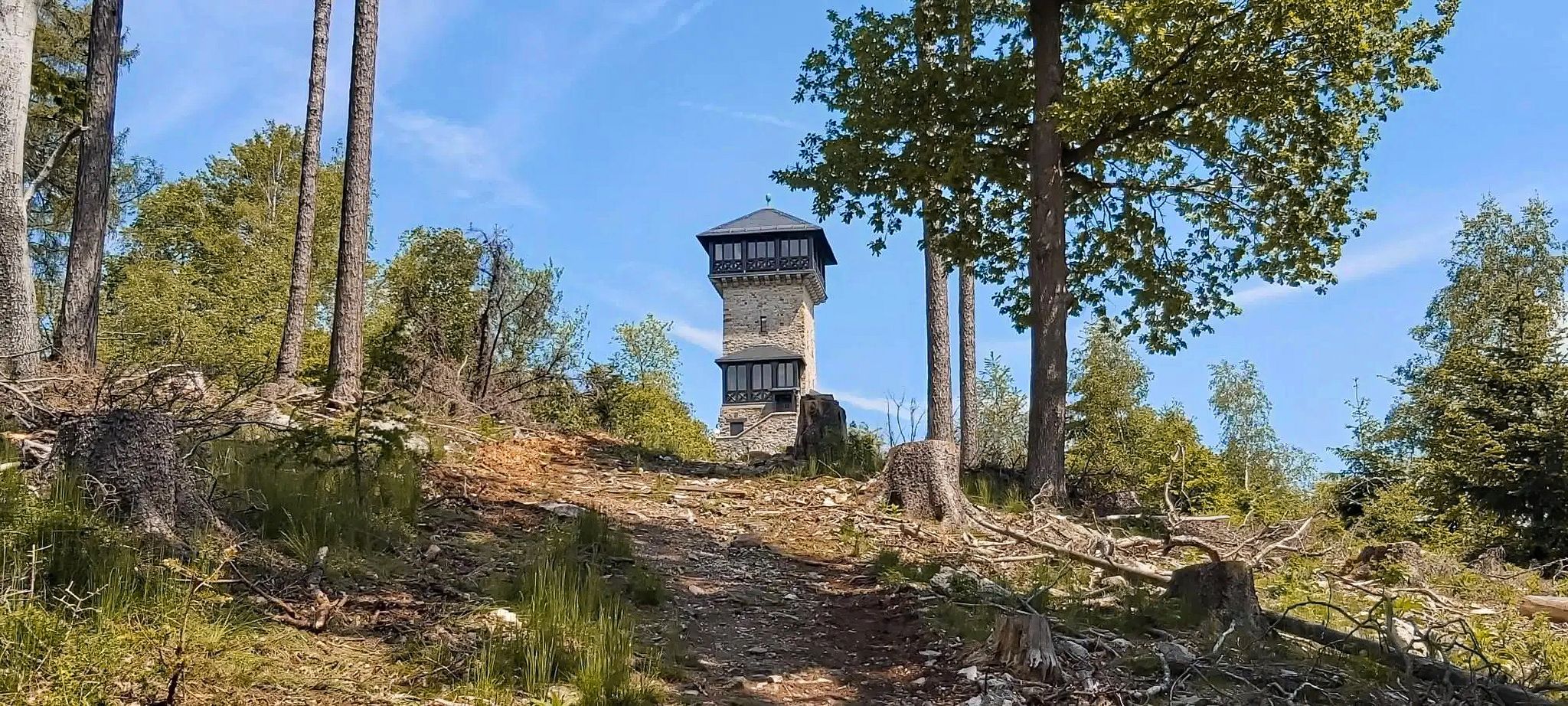
Autumn views: to the most beautiful vantage points in the RMV area
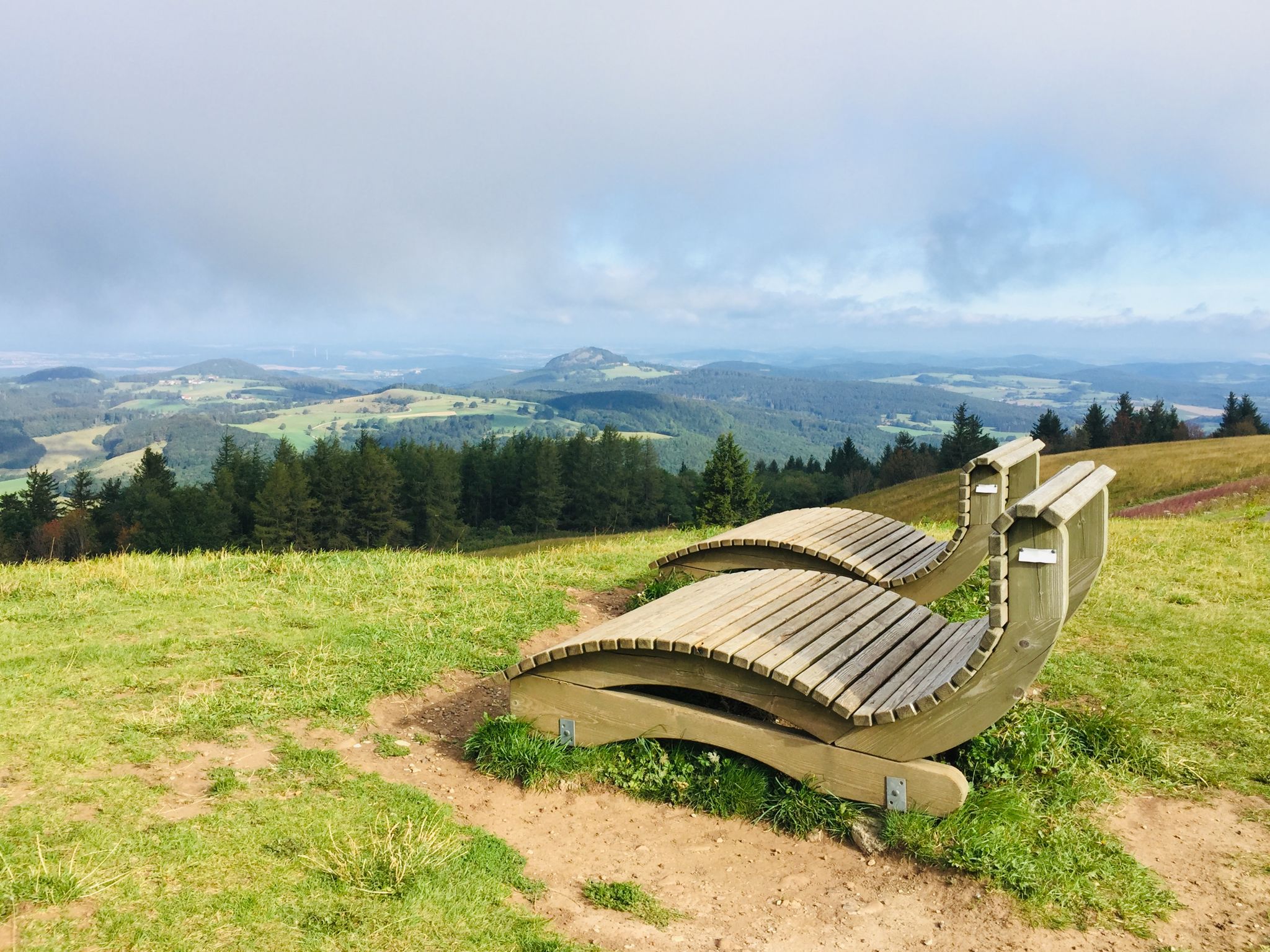
The National Natural Landscapes in Hessen
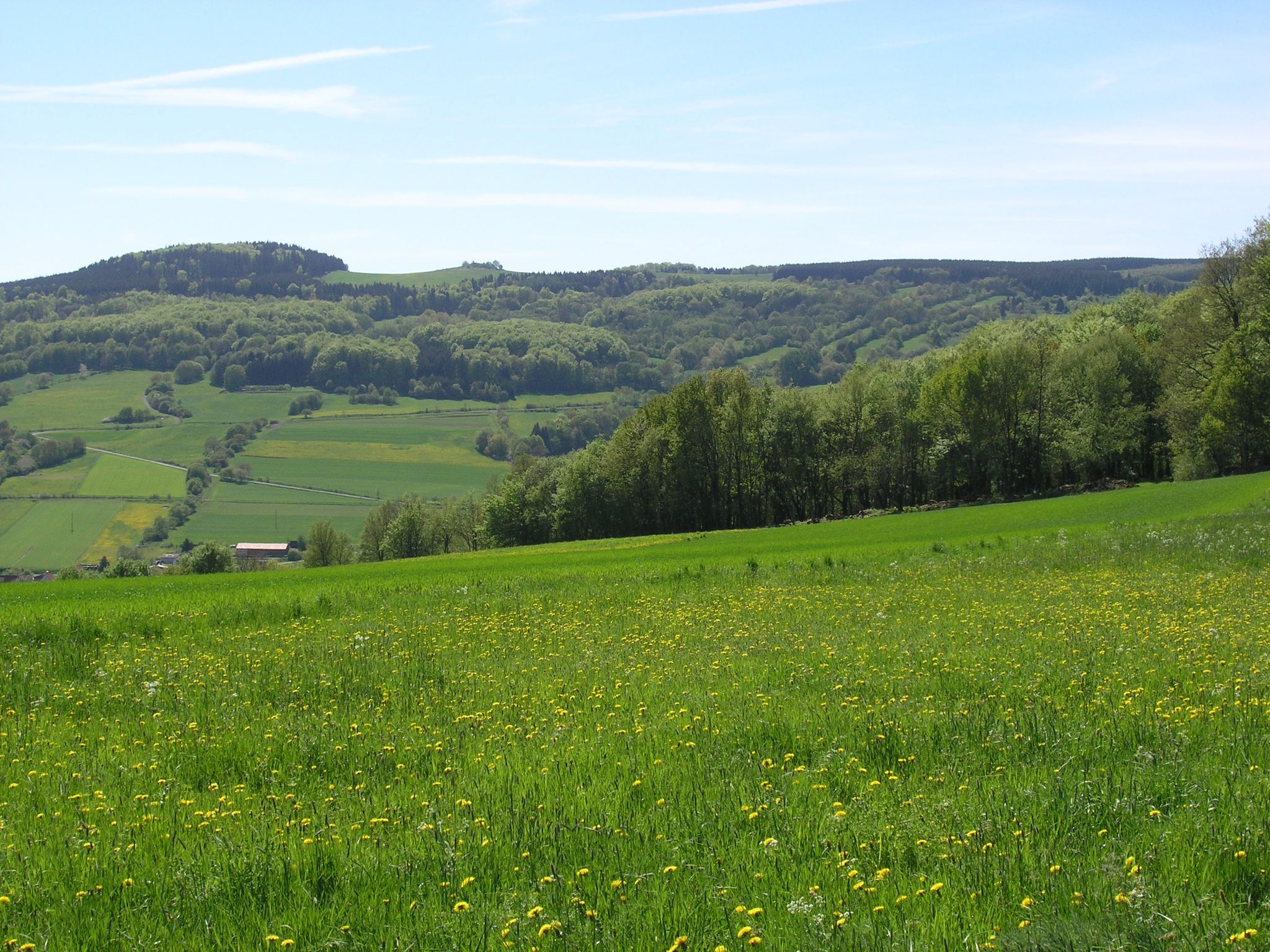
Extra tours South - Excellent premium hiking trails of the Rhön
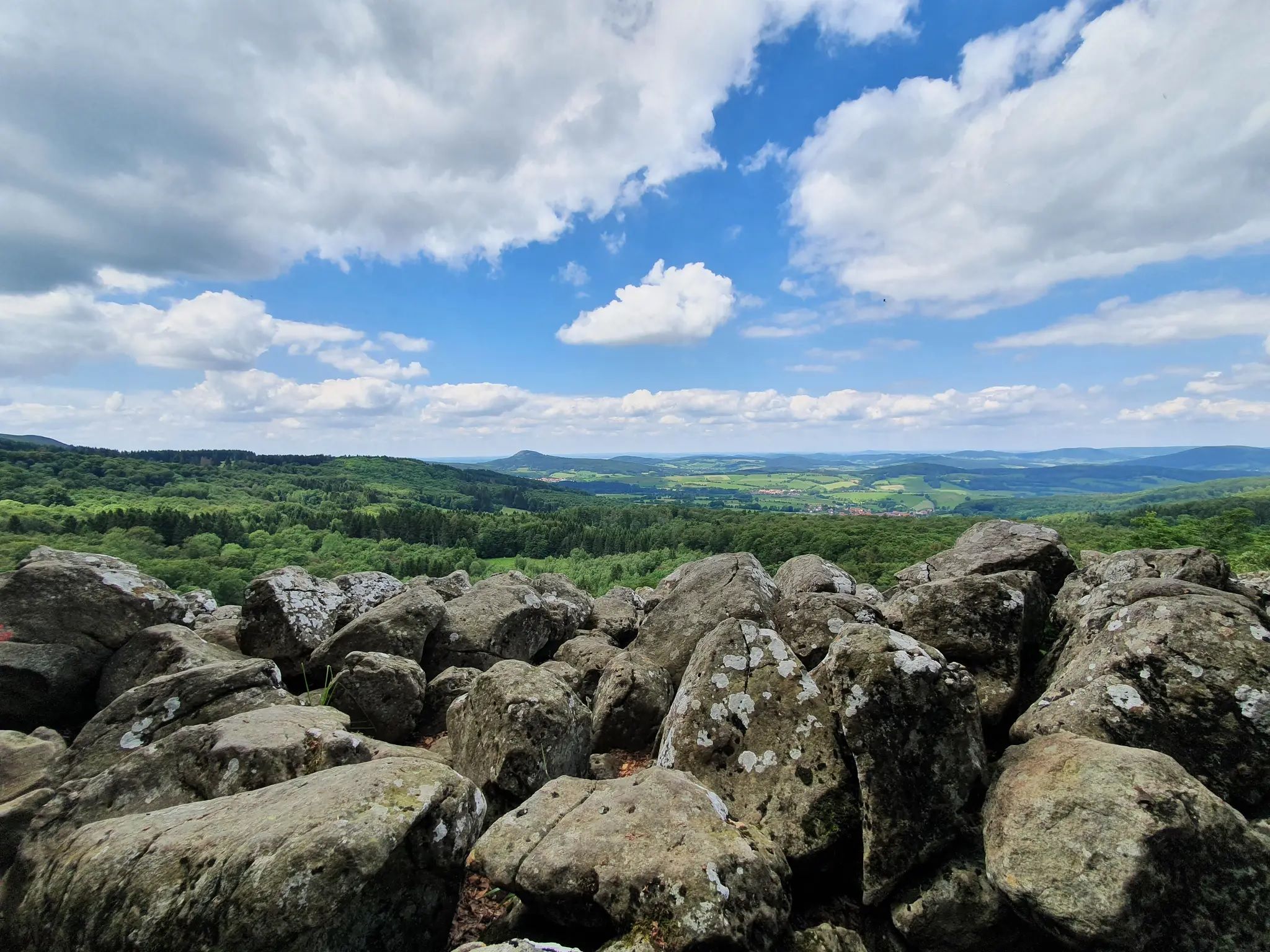
Discover Rhön - Half-day tours through the biosphere reserve
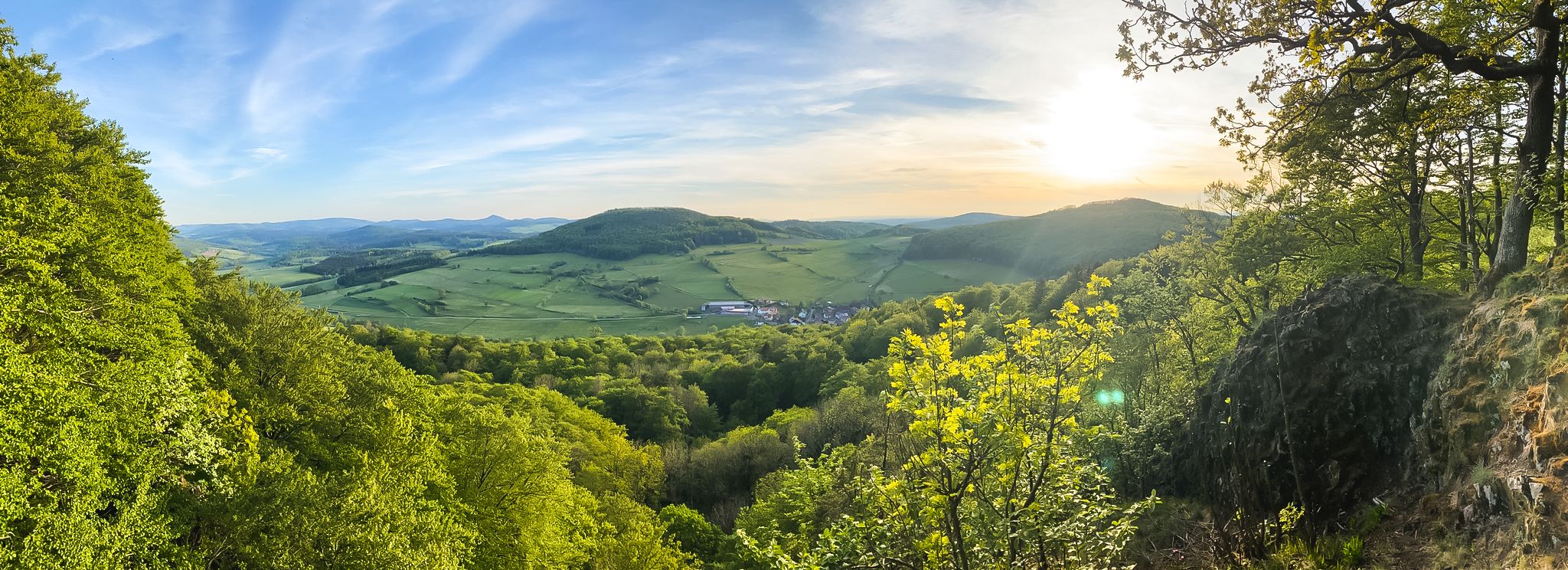
Hike Germany’s Rhön Mountains on the Hochrhöner Trail
Lowest to Highest (L2H) in Germany
Hiking around Gersfeld
Cycling around Gersfeld
Other adventures around Gersfeld


Tips from the Community

Beautiful monument on basalt… a great view in fine weather including.
13
0
On the round unmistakable rock mountain… the crucifixion group is visible from afar
19
0

Monument from another time. But it is impressively done, today it encourages climbing.
29
1

The memorial was erected on a volcanic chimney, which was formerly called Lerchen Hügel, later called "Loessl Steine". Carl Oskar Ursinus had designated this place for an annual commemoration, since Eugen von Loessl had started his last flight from here on August 9, 1920 during the first Rhön competition. On August 14, 1921, Wilhelm Leusch, the second person to die in gliding, also died at this point due to a surface failure due to a faulty design of his glider.
15
0

“Each of these crosses can tell its own story and what prompted people to erect “their” cross at this point. (...) These wayside crosses were erected as visible signs and attract the attention of many people. The cross is a symbol of life. It stands as a sign of our Christian hope and wants to direct our gaze to Jesus Christ, who has overcome death (...). The cross is part of our life as it was in the life of Jesus. So I wish that many people … visit the crosses, whether as places of stillness and breathing space before God, whether as places for community gatherings, prayer and praise to God.” (Text source: Dean Rainald M. Ollig in: "Crossroads... small sacred monuments as a sign of popular piety")
13
1

Nice path through the red moor. You can see the Heidelstein very nicely from the observation tower at the end
11
0

On the mountain are the remains of the Milseburg oppidum, the Gangolf chapel, the Milseburg hut and the Justus Schneider monument. Remains of Milseburg Castle (Wiki) lie on the north-west spur of the Liedenküppel.
12
0
Frequently Asked Questions
What are some of the most popular natural monuments to visit around Gersfeld (Rhön)?
Visitors frequently enjoy the Wasserkuppe aviation memorial, a significant historical site and natural monument offering expansive views. Another favorite is Guckaisee, a picturesque lake perfect for relaxation and a starting point for hikes. The Boardwalk Trail Through the Rotes Moor is also highly rated for its accessible path and educational insights into the moorland.
Are there family-friendly natural monuments in the Gersfeld (Rhön) area?
Yes, several natural monuments are suitable for families. The Guckaisee offers swimming and fishing opportunities, along with nearby catering. The Boardwalk Trail Through the Rotes Moor is wheelchair and stroller accessible, making it ideal for all ages. The Wasserkuppe aviation memorial and the Golgotha group (Three Crosses) on the Kreuzberg are also considered family-friendly, offering historical context and scenic views.
What kind of unique natural features can I expect to see in Gersfeld (Rhön)?
The Rhön Biosphere Reserve, where Gersfeld is located, is known for its diverse natural landscapes shaped by ancient volcanic activity. You can explore unique geological formations like the basalt outcrops of the Fuchssteine and Basaltgruppe Hauck, or the distinctive Kesselsteine. The region also features significant ancient trees such as the Zieroffeiche in der Scheibelbach and the Buchen am Segelskopf, along with the source of the Fulda River, the Fuldaquelle.
Are there any historical or cultural sites among the natural monuments?
Yes, the region beautifully blends natural beauty with historical significance. The Wasserkuppe aviation memorial commemorates fallen pilots and is a recognized natural monument. The Milseburg Summit and Crucifixion Group features old brickwork and a crucifixion group, telling the legend of the giant Mils. Additionally, the Golgotha group (Three Crosses) on the Kreuzberg is a historical religious site with a Way of the Cross.
What outdoor activities can I do near the natural monuments in Gersfeld (Rhön)?
The natural monuments are excellent starting points for various outdoor activities. You can enjoy extensive hiking on trails like the "Hochrhöner" premium hiking trail, which passes by the Fuchssteine. The hiking routes around Gersfeld offer options from moderate to difficult. For cyclists, there are numerous MTB trails and road cycling routes, often incorporating scenic views and natural landmarks.
Where can I find the source of the Fulda River?
The officially recognized source of the Fulda River, known as the Fuldaquelle, is located within the Rhön Biosphere Reserve. It's embedded in basalt stone and features a plaque. This spot is popular with hikers and bikers for its clear, cold mountain water and serves as an ideal resting point, especially for those exploring the Wasserkuppe or the "Hochrhöner" trail.
Are there any ancient trees designated as natural monuments in Gersfeld (Rhön)?
Yes, Gersfeld (Rhön) is home to several impressive ancient trees. The Zieroffeiche in der Scheibelbach is an approximately 300-year-old pedunculate oak. Other notable tree monuments include the Buchen am Segelskopf (Beeches), an Eiche an der Rommerser Straße (Oak), Eichen auf der Wacht (Oaks), and the Dorflinde (Village Lime Tree) in Sandberg. These trees are valued for their age, ecological importance, and contribution to the scenic beauty.
What makes the Rhön region's geology unique, as seen in its natural monuments?
The Rhön region's geology is characterized by its volcanic past. Many natural monuments, such as the Fuchssteine, Kesselsteine, Kühnstein, and Basaltgruppe Hauck, are distinctive rock formations primarily composed of basalt. These formations offer a direct glimpse into the ancient volcanic activity that shaped the landscape, often featuring unique structures like columnar jointing.
Is the Boardwalk Trail Through the Rotes Moor accessible for everyone?
Yes, the Boardwalk Trail Through the Rotes Moor is designed to be accessible. It is suitable for wheelchair users and strollers, featuring an 800-meter-long jetty that leads to a lookout tower. Information boards along the path provide details about the local plants and animals, making it an inclusive experience for all visitors.
What do visitors particularly enjoy about the natural monuments around Gersfeld (Rhön)?
Visitors appreciate the diverse experiences offered by the natural monuments. Many enjoy the refreshing break at the Fuldaquelle, the opportunity for swimming and relaxation at Guckaisee, and the educational insights provided by the Boardwalk Trail Through the Rotes Moor. The impressive historical significance of sites like the Wasserkuppe aviation memorial and the stunning views from various summits are also frequently highlighted.
Are there any natural monuments that offer panoramic views?
Yes, several natural monuments provide excellent viewpoints. The Wasserkuppe aviation memorial is located on a summit known for its expansive vistas. The Milseburg Summit also offers great views, as does the Golgotha group (Three Crosses) on the Kreuzberg, from where you can even see the radar station at the Wasserkuppe. The Rhön is generally known as the "land of magnificent views."
Most popular routes around Gersfeld
Most popular attractions around Gersfeld

Get inspired with the komoot mobile app


Explore more
Extend your search for the best caves by checking out these guides of the top ones around Gersfeld:
