Top 20 Natural Monuments around Freiberg
Best natural monuments around Freiberg are shaped by the region's geological past and rich mining history. The landscape features areas of natural beauty intertwined with historical significance. Freiberg, known as the "Silver City," offers unique natural attractions that reflect its deep connection to the Ore Mountains' resources. These sites provide insights into both natural formations and human interaction with the environment.
Best natural monuments around Freiberg
- The most popular natural monuments is Geographical Center of Saxony, a man-made monument…
Last updated: October 10, 2026
Jungfernloch Cave
Highlight • Cave
Translated by Google •
Tip by

Geographical Center of Saxony
Highlight • Monument
Translated by Google •
Tip by

Sign up now to discover places like this
Get recommendations on the best single tracks, peaks, & plenty of other exciting outdoor places.
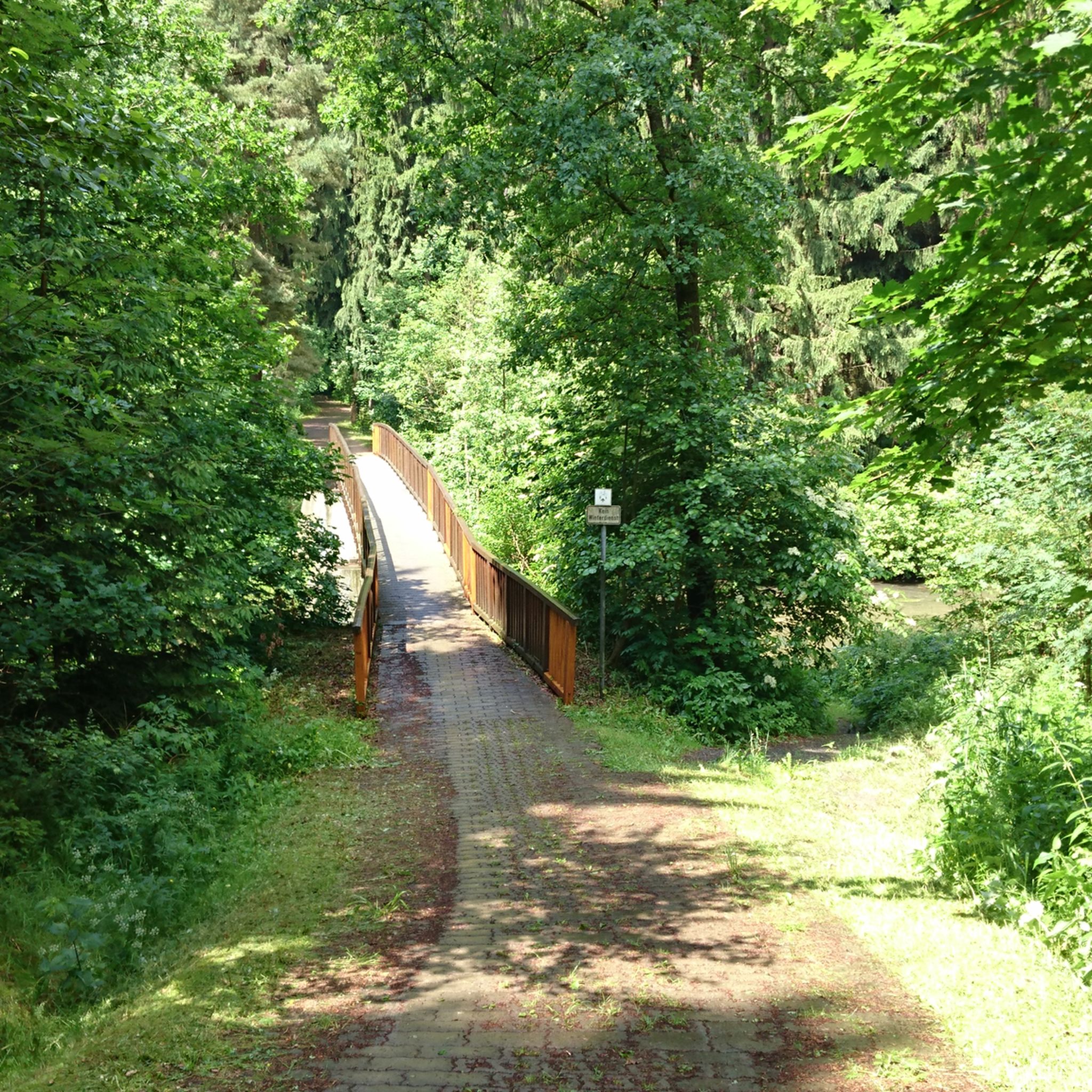
Upper portal of the Porzellanfelsenrösche
Highlight • Cave
Translated by Google •
Tip by

Lichtenberg Dam
Highlight • Lake
Translated by Google •
Tip by
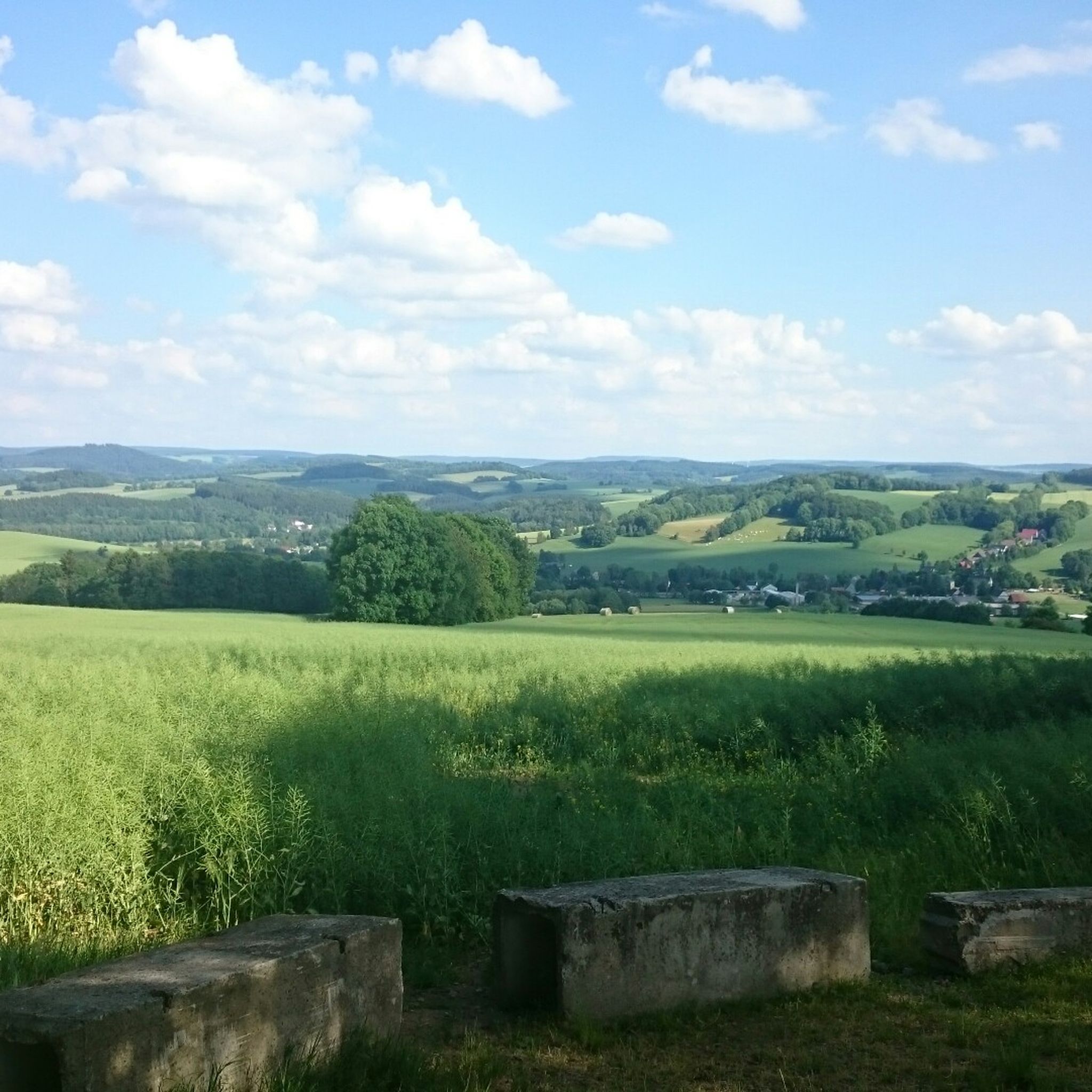
Burgberg summit cross (622 m)
Highlight • Summit
Translated by Google •
Tip by

Sign up for free to discover even more natural monuments around Freiberg.
Already have an account?
Start today with a free account
Your next adventure awaits.
Popular around Freiberg



Tips from the Community

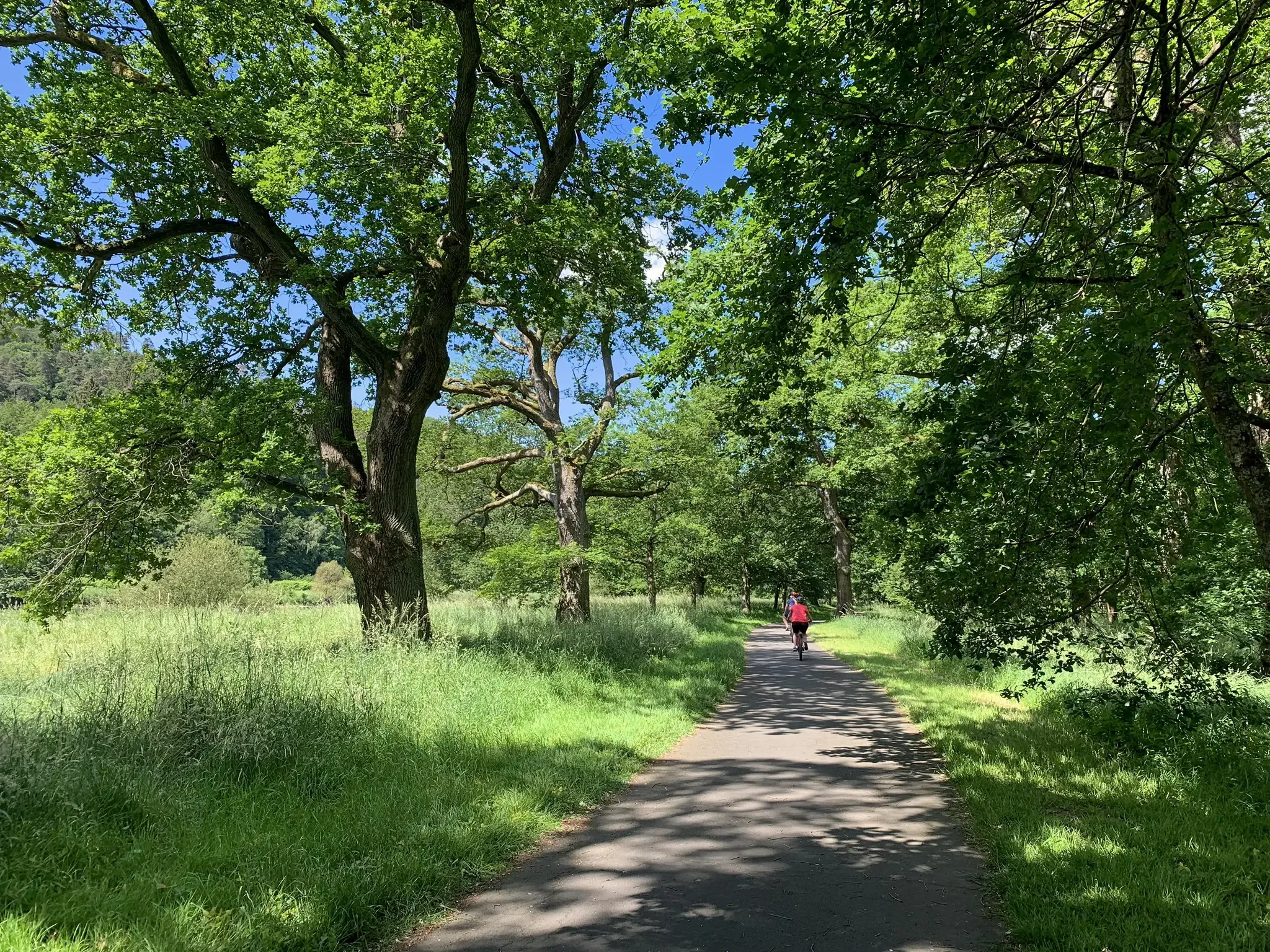
Not so crowded and yet well-developed. Currently (Summer 2026) the dam wall is being renovated, so there is no water in it.
0
0


According to legend, the shallow cave in the rock (quartz-armed porphyry or rhyolite) was once much larger, and three fairies lived there. On a full moon night, a minstrel who had previously played at the fair in Hintergersdorf (spa town of Hartha) passed by. The three fairies had laid out laundry on the meadow to bleach. The musician picked up a lace cloth and took it with him. However, when he got home, instead of the cloth, he held a gray cobweb in his hand. Before sunrise, he returned the cobweb to its place, where it became a lace cloth again, just as the other laundry disappeared with the first rays of sunlight. Since then, the fairies have not been seen again, and the cave has become a shallow hole.
0
1

The dam is expected to be closed for construction work until the end of 2026.
0
0

In 2022, two Lichtenberg natives, Jörg and Sven, had a special idea: they wanted to revive an old local legend – the legend of the "Light on the Mountain." This tale, passed down from generation to generation for centuries, was deeply intertwined with the history of Lichtenberg and its surroundings. Inspired by this somber legend, Jörg and Sven decided to create a symbol of hope and light. They planned to erect a new summit cross on the mountain that would glow at night, just like the light in the windows of the old legend. But this light would no longer spread fear, but rather inspire hope. Two chimes are also mounted in the center of the cross, which, played by the wind, carry peaceful sounds down into the valley. Opposite the cross is a new selfie stand, perfect for taking a selfie.
6
0

Geographical Center of Saxony. Information: This marker, a granite stele in front of the Diebskammerfelsen (Thieves' Chamber Rock), was erected because the official geographical center (not far from here) was only developed for tourism in 1995.
2
0

Ring piston valve for flood control, exhibit
2
0

quartzite was extracted here, an additive for porcelain production
1
1
Frequently Asked Questions
What kind of natural monuments can I expect to find around Freiberg?
Freiberg's natural monuments are deeply intertwined with its geological past and rich mining history. You'll find unique sites that showcase both natural formations and human interaction with the environment, such as historical mining tunnels, artificial caves, and man-made monuments that mark significant geographical points or offer scenic views. The landscape reflects the region's prominent role as the "Silver City" within the Ore Mountains.
Are there any natural monuments related to Freiberg's mining history?
Yes, Freiberg's natural monuments often reflect its mining heritage. For instance, the Jungfernloch Cave, though artificial, is part of a geological exploration station. Another example is the Upper portal of the Porzellanfelsenrösche, a historical cave where quartzite was mined for porcelain production, offering a direct glimpse into historical resource extraction. The famous Silver Mines like "Reiche Zeche" and "Alte Elisabeth" also provide an immersive experience into the underground world shaped by natural mineral deposits.
What are some popular natural monuments for scenic views near Freiberg?
For scenic views, consider visiting the Burgberg summit cross (622 m), which offers beautiful vistas of the surrounding landscape and has benches for resting. The Lichtenberg Dam also provides wonderful views and can be walked or driven on.
Are there family-friendly natural monuments to visit near Freiberg?
Many natural monuments around Freiberg are suitable for families. The Geographical Center of Saxony is a family-friendly man-made monument. The Lichtenberg Dam is also considered family-friendly, offering pleasant walks and views. Additionally, the Kreuzteiche and Albertpark within Freiberg provide green spaces for relaxation and strolls with children.
What outdoor activities can I do near these natural monuments?
The area around Freiberg offers various outdoor activities. You can explore numerous hiking trails, including easy routes like the 'Zechenteich Pond – Zechenteich loop' or 'Donat Tower, Freiberg – Fountain in Albert Park loop'. For cycling enthusiasts, there are routes such as the 'Muldental Cycle Path – Mulderadweg loop' or the 'Alte Elisabeth Shaft – Altväter Bridge loop'. You can find more details and routes in the Hiking around Freiberg and Cycling around Freiberg guides.
Are there easy hiking routes to natural monuments around Freiberg?
Yes, there are several easy hiking routes that allow you to explore the natural monuments. For example, the 'Zechenteich Pond – Zechenteich loop' and the 'Donat Tower, Freiberg – Fountain in Albert Park loop' are considered easy hikes. These routes are perfect for a relaxed stroll and can be found in the Easy hikes around Freiberg guide.
What is the best time to visit the natural monuments around Freiberg?
The best time to visit largely depends on your preferred activity. Spring and autumn offer pleasant temperatures for hiking and cycling, with beautiful foliage in autumn. Summer is ideal for enjoying the green spaces like Kreuzteiche and Albertpark. While some sites like the underground mines are accessible year-round, winter can offer a unique, serene experience, especially for winter hiking, though some outdoor paths might be challenging due to snow or ice.
Are there any natural monuments that are also historical sites?
Many natural monuments in Freiberg have significant historical connections. The Upper portal of the Porzellanfelsenrösche is a cave and historical site related to quartzite mining. The Lichtenberg Dam is also a man-made monument with regional historical significance. The historical silver mines like "Reiche Zeche" and "Alte Elisabeth" are prime examples, showcasing centuries of mining history within the natural geological formations.
What do visitors enjoy most about the natural monuments in Freiberg?
Visitors appreciate the unique blend of nature and history that Freiberg's natural monuments offer. They enjoy the immersive experience of exploring sites like the Jungfernloch Cave, the peaceful atmosphere of places like Kreuzteiche, and the historical insights gained from sites like the Upper portal of the Porzellanfelsenrösche. The scenic views from spots like the Burgberg summit cross are also highly valued.
Are there any natural monuments that are also man-made structures?
Yes, several natural monuments around Freiberg are also significant man-made structures. The Geographical Center of Saxony is marked by a granite stele. The Lichtenberg Dam is a large reservoir and dam with historical and technical significance. Even the Jungfernloch Cave is an artificial creation, and the Upper portal of the Porzellanfelsenrösche is a tunnel created during mining operations.
Can I find places for relaxation and nature within Freiberg city?
Absolutely. While not traditional natural monuments, the Kreuzteiche (Cross Ponds) and Albertpark are located directly within Freiberg's city center. These areas offer peaceful green spaces and ponds, perfect for relaxation, leisurely strolls, and appreciating local flora and fauna, providing a natural oasis within the urban environment.
Most popular routes around Freiberg
Most popular attractions around Freiberg

Get inspired with the komoot mobile app


Explore more
Extend your search for the best caves by checking out these guides of the top ones around Freiberg:
