Top 17 Natural Monuments around Brunnen
Natural monuments around Brunnen offer diverse natural features. The region, situated on Lake Lucerne, is characterized by its mountainous backdrop and lakeside scenery. These natural areas provide opportunities for outdoor activities and exploration. The guide lists 17 natural monuments in and around the area.
Best natural monuments around Brunnen
- The most popular natural monuments is Moat of Fort Rosenschwaig, an other man-made feature that is a beautiful, circular moat. This area is a habitat for waterfowl and beavers.
- Another…
Last updated: October 10, 2026
Thousand-Year-Old Oak
Highlight • Natural Monument
Translated by Google •
Tip by

Old black poplar
Highlight • Natural Monument
Translated by Google •
Tip by

Sign up now to discover places like this
Get recommendations on the best single tracks, peaks, & plenty of other exciting outdoor places.
Jackl-Brenne Biotope
Highlight • Natural
Translated by Google •
Tip by
Donaumoos Gauge
Highlight • Monument
Translated by Google •
Tip by

Moat of Fort Rosenschwaig
Highlight • Structure
Translated by Google •
Tip by
Sign up for free to discover even more natural monuments around Brunnen.
Already have an account?
Start today with a free account
Your next adventure awaits.
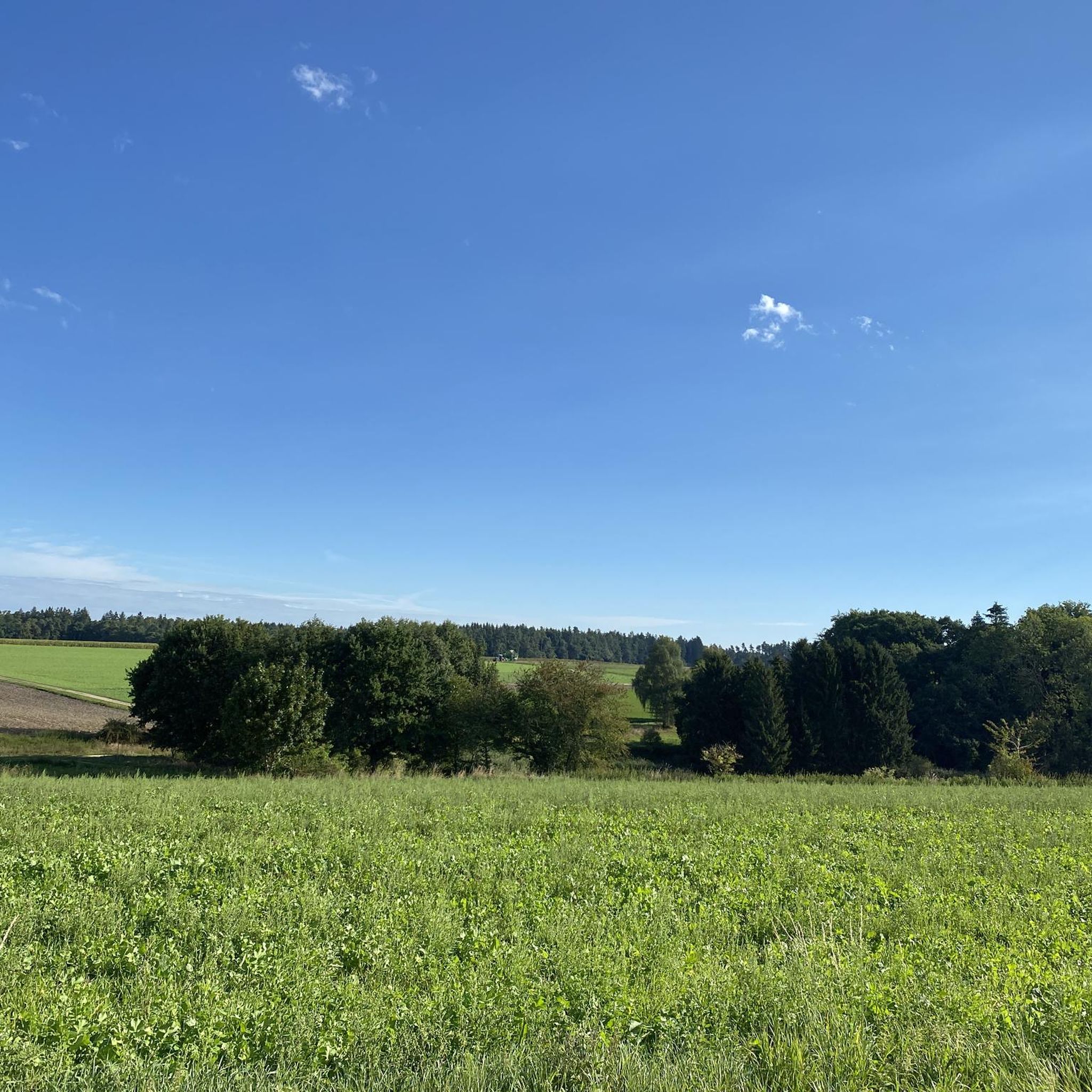
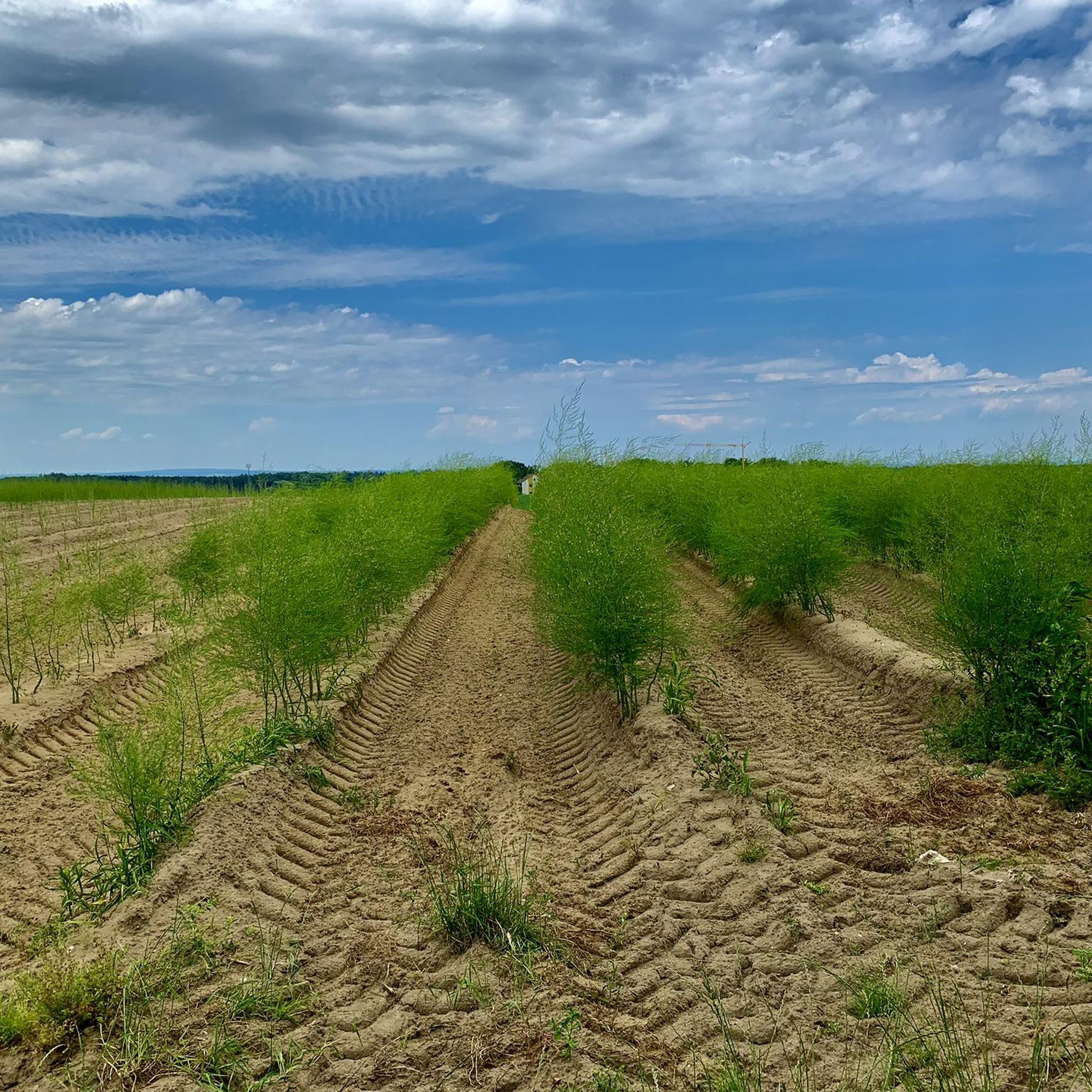
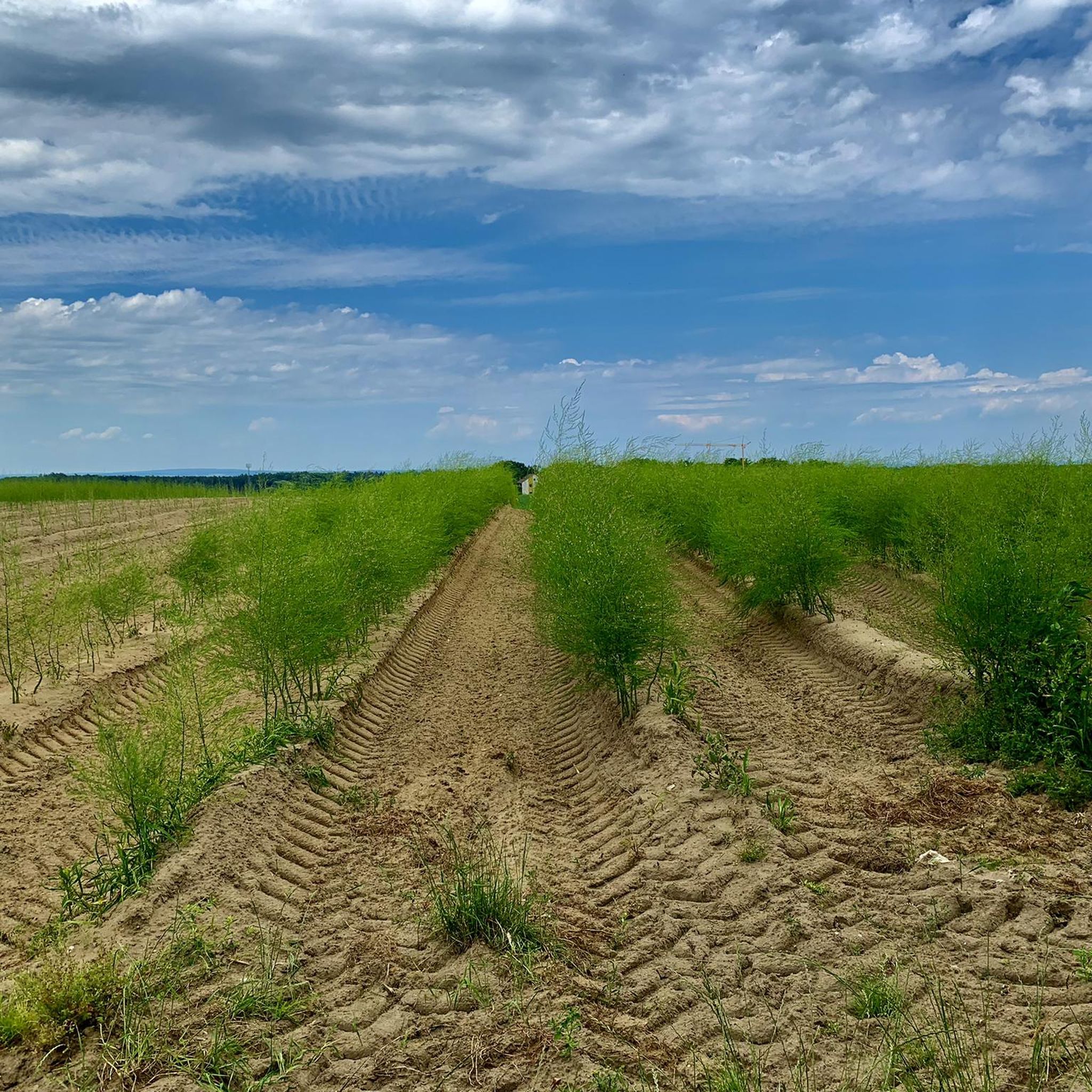
Tips from the Community

Wonderful route guidance, I can only recommend it
0
0

A true natural monument: This ancient oak tree has survived many storms and wars. With its imposing trunk and gnarled branches, it is a silent witness to history—and a perfect place to pause and marvel. The "wooden mother," as this natural monument is also known, has been determined to be 400 years old through tree-ring drilling.
0
0

The **black poplar** (scientific name: **Populus nigra**), also known as **Saar tree**, is a remarkable plant species in the poplar genus in the willow family (Salicaceae). Here are some interesting facts about the black poplar: ### Characteristics - **Height**: It can grow up to **35 meters** tall. - **Crown**: The crown is very tall, domed, and has spreading, strong branches. Mature trees can develop a multi-segmented crown. - **Bark**: The bark is dark, which gives the species its name. ### Distribution - The black poplar is widespread in **Eurasia** and **North Africa** and is a characteristic tree species of river floodplains. ### Ecological importance - This tree species was originally widespread but is now critically endangered. It plays an important role in its ecosystem, especially in riverine landscapes. ### Uses - Black poplar wood species are often used in the furniture industry and for other wood products. The black poplar is not only a beautiful tree, but also ecologically and economically important!
0
0


Black poplars impress as old trees with their strong, gnarled growth.
5
0
An impressive tree, black poplars impress as old trees with their strong, gnarled growth.
5
0

A true natural monument that has already caused a lot of problems.
1
0

A huge, gnarled poplar (probably) that makes more of an impression on me than the 1000-year-old oak tree in Gerolfing
1
0
Frequently Asked Questions
What are some of the most popular natural monuments around Brunnen?
Visitors frequently appreciate the Moat of Fort Rosenschwaig, a beautiful circular moat that serves as a habitat for waterfowl and beavers. Another beloved spot is the Thousand-Year-Old Oak, a monumental tree located in a nature reserve. The Donaumoos Gauge is also popular, known for indicating bog subsidence since 1836 and its relevance to climate change.
Are there family-friendly natural monuments to visit in the Brunnen area?
Yes, several natural monuments are suitable for families. The Thousand-Year-Old Oak and the Old black poplar are both great options, offering impressive trees in natural settings that can be enjoyed by all ages.
What kind of unique natural features can I expect to see around Brunnen?
Beyond the stunning Lake Lucerne and surrounding mountains, you can discover unique natural features such as the Thousand-Year-Old Oak, a monumental tree with a cylindrical trunk, and the Old black poplar, an impressive tree with strong, gnarled growth. The Jackl-Brenne Biotope is a hidden gem, flowing completely within the Donauaue and serving as a valuable habitat for diverse flora and fauna, including beavers, tree frogs, and orchids.
Are there any historical natural monuments or sites with historical significance?
Yes, the Moat of Fort Rosenschwaig is a historical site featuring an old fort surrounded by an oval moat within a European protected area. Additionally, the Donaumoos Gauge, located in Ludwigsmoos, has historical significance as it has been tracking bog subsidence since 1836, providing a long-term record relevant to climate change.
What outdoor activities can I do near the natural monuments in Brunnen?
The region around Brunnen offers a variety of outdoor activities. You can explore numerous cycling routes, including touring bicycle paths, road cycling routes, and gravel biking trails. The surrounding mountains like Rigi and Fronalpstock are ideal for hiking and mountain biking, while Lake Lucerne offers opportunities for swimming, sailing, and boating.
Are there hiking trails that connect to or pass by natural monuments?
Yes, the famous Swiss Path (Weg der Schweiz) is a 35-kilometer themed hiking trail around Lake Uri, starting at Rütli Meadow and ending in Brunnen. It connects various natural and historical sights, offering a unique way to experience the region's diverse mountain and lakeside scenery. While specific natural monuments from this guide may not be directly on the Swiss Path, the trail itself is a significant natural and historical route.
What is the best way to experience the natural beauty of Lake Lucerne and the surrounding mountains?
To fully appreciate the natural beauty, consider taking a relaxing cruise on Lake Lucerne. This offers panoramic views of the crystal-clear waters framed by the Swiss Alps, including the Uri Rotstock. For mountain views, accessible cable cars to peaks like Rigi and Fronalpstock provide fantastic vistas and access to hiking trails.
Can I access any natural monuments by public transport or are they only reachable by car?
While specific transport details for each monument vary, Brunnen itself is well-connected. The region's natural attractions, including Lake Lucerne and the surrounding mountains, are generally accessible via public transport options like boats on the lake and cable cars to mountain peaks. For specific natural monuments, local transport or a short walk might be required.
What makes the <a href="https://www.komoot.com/highlight/1164486" target="_blank" rel="noopener">Moat of Fort Rosenschwaig</a> unique?
The Moat of Fort Rosenschwaig is unique for its beautiful, circular shape surrounding an old fort on an artificial island. It's part of the Donau-Auen European protected area and provides a vital habitat for waterfowl and beavers, creating a somewhat 'jungle-like' atmosphere, especially after rainfall.
What is the significance of the <a href="https://www.komoot.com/highlight/1244272" target="_blank" rel="noopener">Donaumoos Gauge</a>?
The Donaumoos Gauge is a significant natural monument because it has been continuously monitoring the subsidence of the bog (bog sack) since 1836. This long-term data makes it an important indicator of climate change, as the sinking surface reflects a decrease in the bog's water content and CO2 storage capacity.
Are there any natural monuments that are wheelchair accessible?
Yes, the Donaumoos Gauge is noted as being wheelchair accessible, allowing a wider range of visitors to experience this historical and environmental indicator.
What kind of wildlife can be observed near the natural monuments?
The natural monuments around Brunnen support diverse wildlife. For instance, the Moat of Fort Rosenschwaig is a paradise for waterfowl and beavers. The Jackl-Brenne Biotope is a valuable habitat for tree frogs, grass snakes, tree pipits, wrynecks, and various orchids.
Most popular routes around Brunnen
Most popular attractions around Brunnen

Get inspired with the komoot mobile app


Explore more
Extend your search for the best caves by checking out these guides of the top ones around Brunnen:
