Top 20 Natural Monuments around Bad Sulza
Best natural monuments around Bad Sulza are situated in the picturesque Ilm river valley, a spa and wine town known for its natural healing properties and viticulture. The region features gentle hills, vineyards, and the Ilm River, offering diverse natural landscapes. These areas provide opportunities for outdoor activities and exploration of geological features and unique flora.
Best natural monuments around Bad Sulza
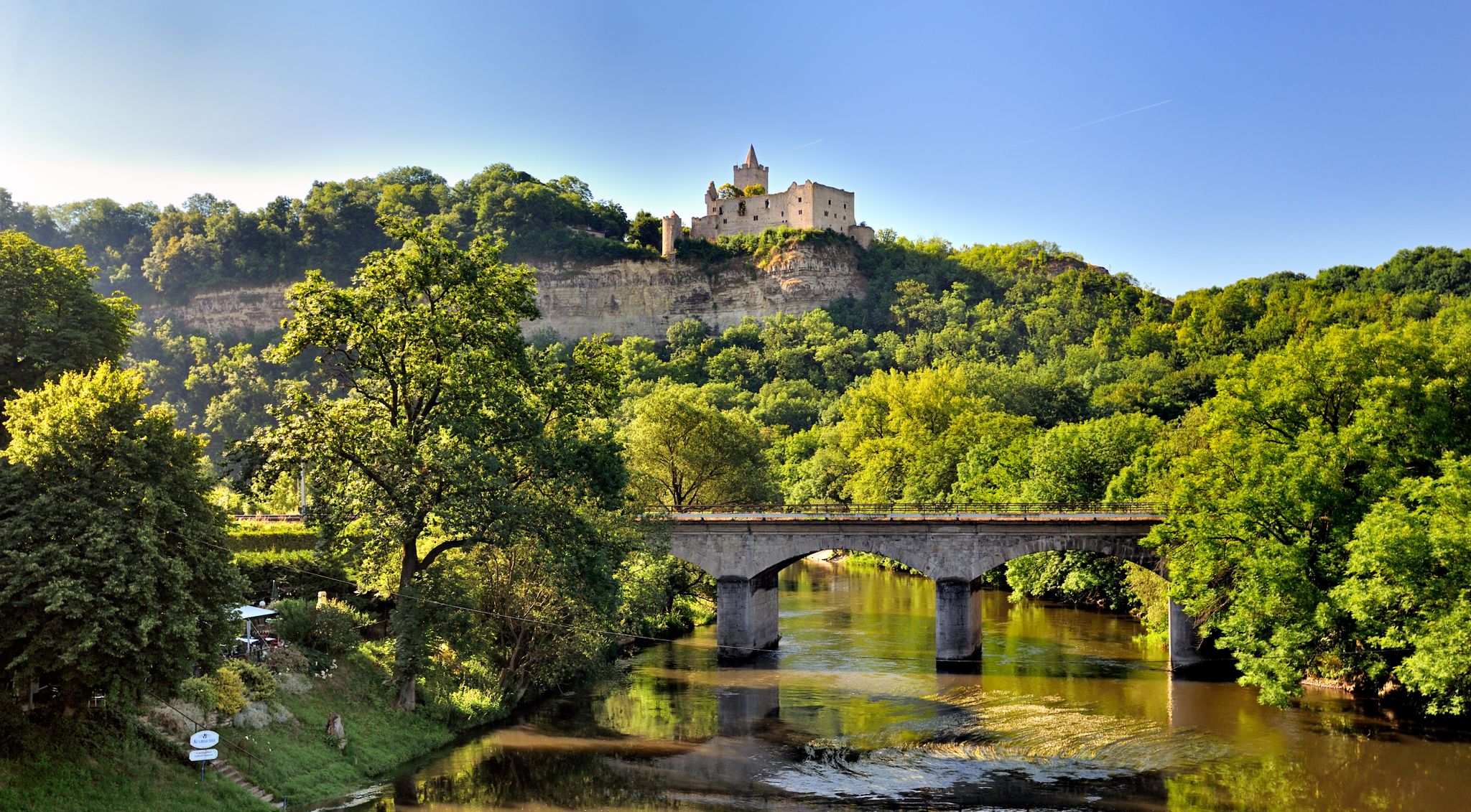
- The most popular natural monuments is Dornburg Palaces (Dornburger Schlösser), a castle and natural monument that offers…
Last updated: July 7, 2026
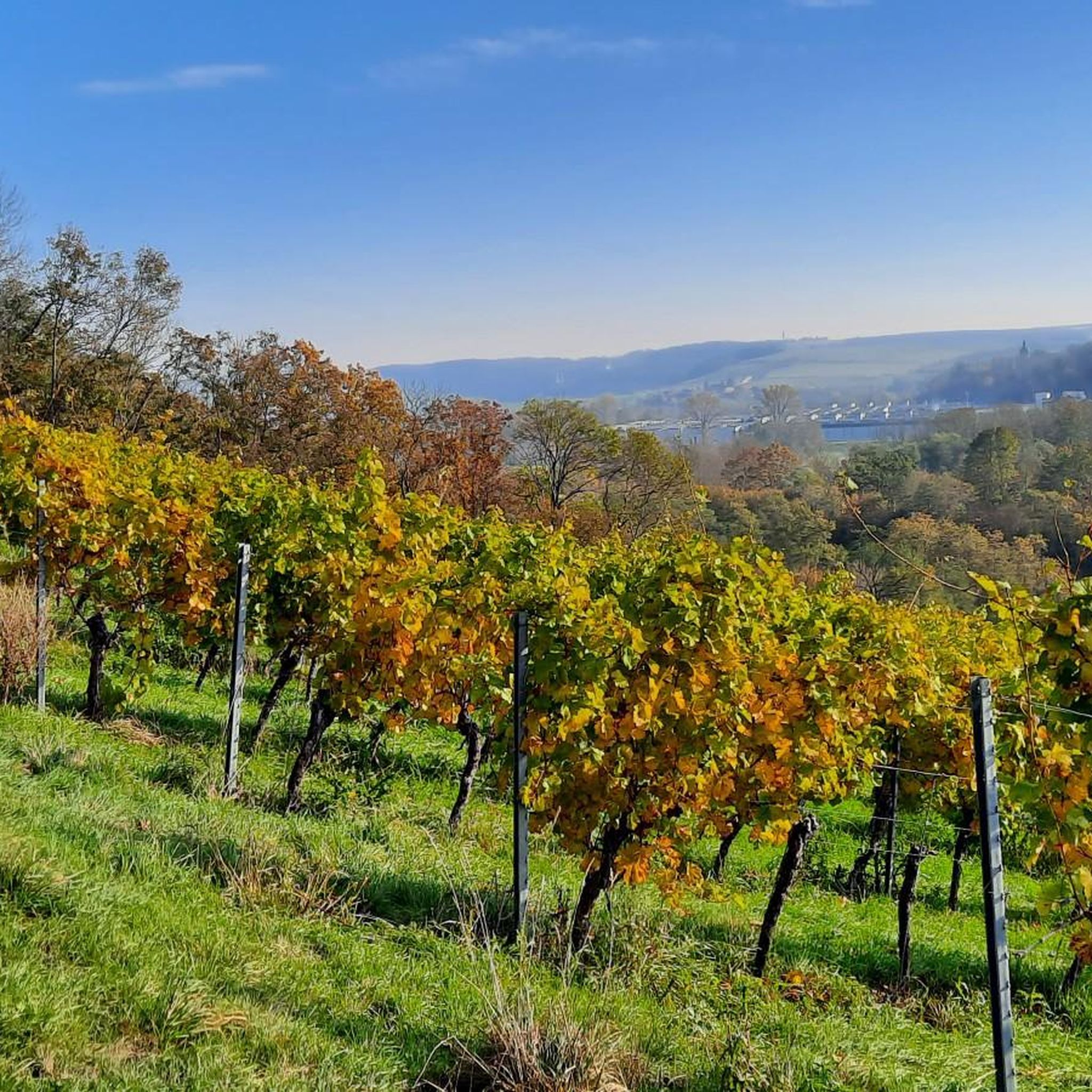
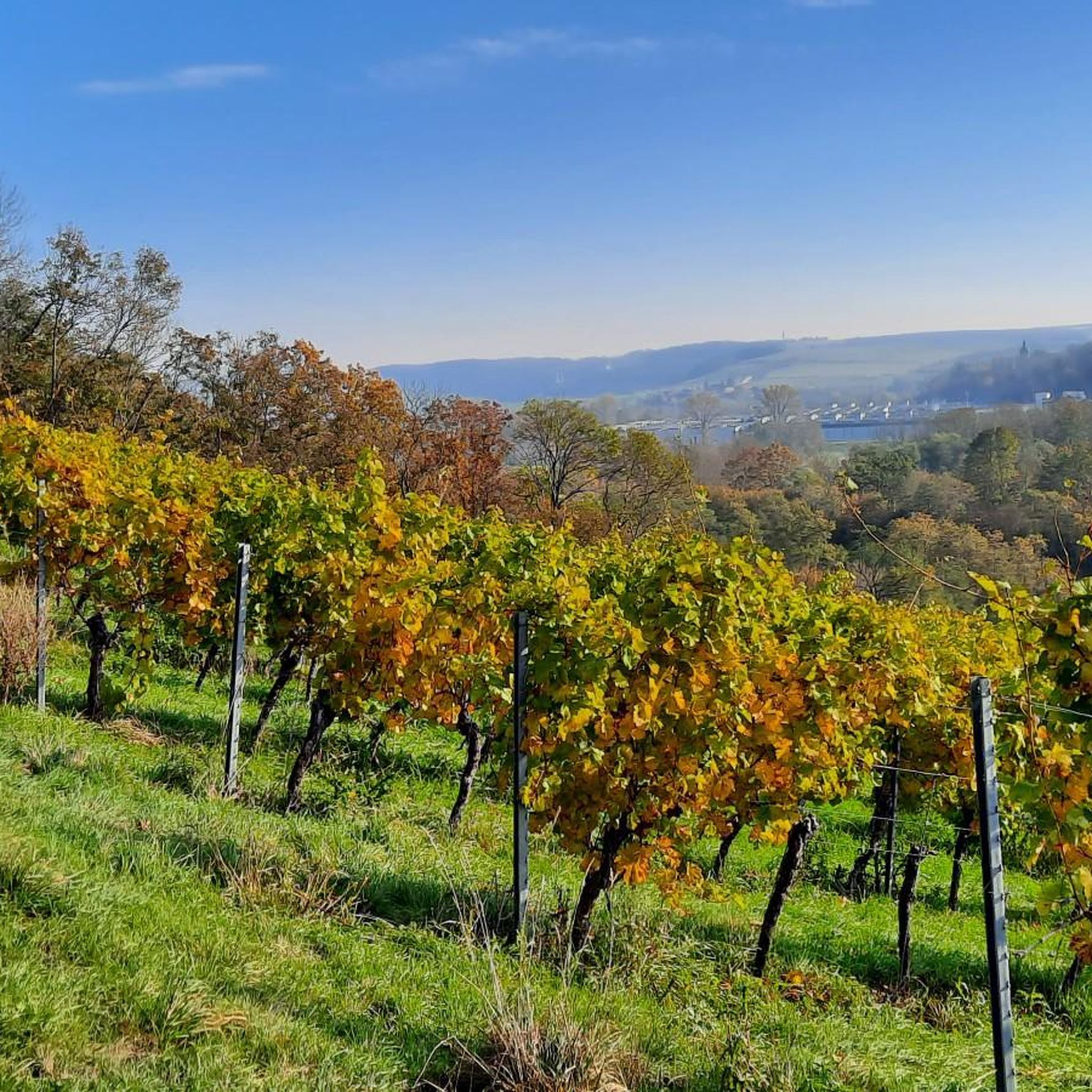
Saale-Unstrut vineyards
Highlight • Natural
Translated by Google •
Tip by

Winter Aconites in Bloom in the Rautal
Highlight • Natural Monument
Translated by Google •
Tip by

Sign up now to discover places like this
Get recommendations on the best single tracks, peaks, & plenty of other exciting outdoor places.
Sign up for free
Dornburg Palaces (Dornburger Schlösser)
Highlight • Castle
Translated by Google •
Tip by

Himmelreich rock outcrop on the Saale River
Highlight (Segment) • Natural Monument
Also, the ways to fall in love.
Translated by Google •
Tip by
Windknollen Nature Reserve
Highlight • Natural Monument
Showing Translation
Tip by

Sign up for free to discover even more natural monuments around Bad Sulza.
Sign up for free
Already have an account?
Start today with a free account
Your next adventure awaits.
Login or Signup
Other adventures around Bad Sulza

Tips from the Community

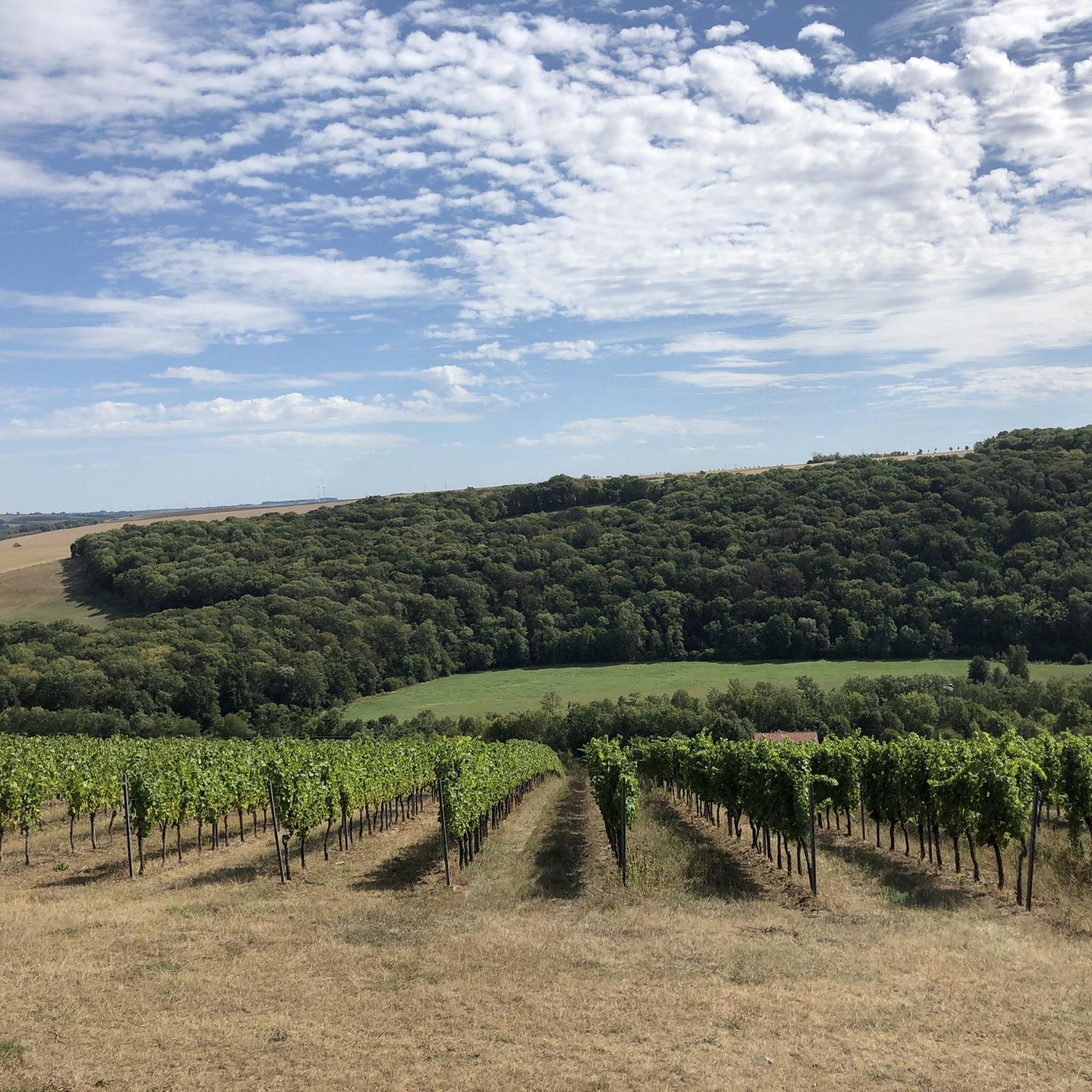
A relaxing stroll along the vineyards offers several places to sit.
0
0

A good road to cycle on (even if it's "only" gravel). The views of the vineyards and the places to stop for refreshments more than compensate for the elevation gain ;-) The latter was manageable, though.
0
0

On geo-trails you can explore the realm of shell limestone and enjoy beautiful views, a real experience.
1
0

Wonderful view of the vineyards, the Saale river and a great cycle path 🚴🏻♂️🚴🏻♀️
2
0

A dream, the gardens, terraces and of course the playful Rococo palace make the visit an experience.
6
0


I passed by here thanks to the diversion and it was a beautiful route here.
5
0

Beautiful section of the route, very suitable for souvenir photos.
2
0
Frequently Asked Questions
What are some notable natural monuments to visit around Bad Sulza?
Beyond the well-known highlights, you can explore the impressive Himmelreich rock outcrop on the Saale River, featuring striking layers of shell limestone. Another unique natural monument is the Steinbach Gorge, a beautiful canyon offering an adventurous setting.
Are there family-friendly natural monuments in the Bad Sulza area?
Yes, several natural monuments are suitable for families. The Dornburg Palaces offer not only historical castles but also beautifully landscaped gardens, making it an enjoyable visit for all ages. The Windknollen Nature Reserve is also family-friendly, with diverse landscapes, ponds, and opportunities to observe local flora and fauna.
What kind of geological features can I expect to see near Bad Sulza?
The region around Bad Sulza is rich in geological interest. You can observe impressive layers of shell limestone at the Himmelreich rock outcrop on the Saale River. The Steinbach Gorge showcases a unique canyon formation. Additionally, the Ilm river valley itself, with its gentle hills and vineyards, is a result of long-term geological processes.
What outdoor activities can I do near the natural monuments in Bad Sulza?
The area offers a variety of outdoor activities. You can enjoy easy hikes, such as the 'Louise Graduation Tower – Thuringian Wine Gate' loop, or explore gravel biking routes like the 'Saale-Unstrut vineyards' loop. There are also numerous running trails, including the 'Louise Graduation Tower' loop. For more details on routes, visit the Bad Sulza guide page.
When is the best time to visit the natural monuments around Bad Sulza?
The best time depends on what you wish to see. For a spectacular natural display, visit the Winter Aconites in Bloom in the Rautal from the beginning to mid-February. Generally, spring and autumn offer pleasant temperatures for hiking and exploring the vineyards, while summer is ideal for enjoying the therapeutic mist of the Graduation Tower and the Kurpark.
Are there any natural monuments with historical significance in Bad Sulza?
Yes, the Dornburg Palaces are a prominent example, combining historical castles with natural beauty and offering views of the Saale valley. The Gradierwerk "Louise" (Graduation Tower "Louise") is also a significant historical structure, originally built for salt production and now serving as an open-air inhalatorium, showcasing remarkable historical craftsmanship.
What makes the Gradierwerk "Louise" a natural monument?
The Gradierwerk "Louise" is considered a natural monument due to its unique function as an open-air inhalatorium. Brine trickles over blackthorn branches, enriching the air with fine salt particles, creating a beneficial 'sea climate' for respiratory health. Its historical construction and the natural process of air enrichment make it a significant natural health feature in the region.
Can I find nature reserves near Bad Sulza?
Yes, the Windknollen Nature Reserve is a notable example. It boasts high biodiversity with varied landscapes, including dry grassland, hedges, and small bodies of water. It's home to numerous endangered bird species and rare plants, offering a rich environment for nature observation.
What do visitors enjoy most about the natural monuments in the Bad Sulza area?
Visitors frequently praise the stunning views, such as those from the Dornburg Palaces overlooking the Saale valley. The unique natural spectacle of the Winter Aconites in Bloom in the Rautal is also highly appreciated for its beauty and scent. The impressive geological formations like the Himmelreich rock outcrop and the adventurous setting of the Steinbach Gorge are also popular.
Are there opportunities for cycling near Bad Sulza's natural attractions?
Yes, the Ilmtal cycle path runs directly through the Kurpark Bad Sulza, making it accessible for cyclists. The surrounding Ilm river valley and vineyards also offer scenic routes for both road and gravel biking, allowing you to explore the natural beauty of the region on two wheels.
What is the Kurpark Bad Sulza and what does it offer?
The Kurpark Bad Sulza is a protected English-style landscape park, offering a green oasis for relaxation. It features expansive green areas, gentle pathways, a Kneipp facility, and a drinking hall where visitors can sample therapeutic brine. It's an ideal spot for unwinding amidst nature and is also traversed by the Ilmtal cycle path.
Can I find trails for hiking or walking near the natural monuments?
Absolutely. The region offers various hiking opportunities. For instance, the 'Brine and Salt' theme trail and the 'Bad Sulza Wine Hiking Route' wind through the scenic Ilm river valley and vineyards. Many natural monuments, like the Windknollen Nature Reserve, also feature well-maintained trails for exploration.
Most popular routes around Bad Sulza

Get inspired with the komoot mobile app


Explore more
Extend your search for the best caves by checking out these guides of the top ones around Bad Sulza:
