Top 20 Natural Monuments around Bad Pyrmont
Best natural monuments around Bad Pyrmont include a variety of geological features and natural landscapes. This spa town in Lower Saxony, Germany, is known for its mineral springs and unique natural formations. Visitors can explore sites ranging from natural steam caves to scenic cliffs and expansive lakes. The region offers diverse natural monuments for outdoor activities and geological interest.
Best natural monuments around Bad Pyrmont
- The most popular natural monuments is Lake Schieder, a lake that features circular paths…
Last updated: July 7, 2026
Lake Schieder
Highlight • Lake
Translated by Google •
Tip by

View of the Mühlenberg Nature Reserve cliffs
Highlight • Natural Monument
More info: de.wikipedia.org/wiki/Weserklippen_bei_Steinm%C3%BChle
Translated by Google •
Tip by

Sign up now to discover places like this
Get recommendations on the best single tracks, peaks, & plenty of other exciting outdoor places.
Sign up for free
Weser Cliffs at Steinmühle
Highlight • Gorge
Translated by Google •
Tip by

Hyllige Born and the Wandelhalle, Bad Pyrmont
Highlight • Natural Monument
Translated by Google •
Tip by

Köterberg Summit and Transmission Tower
Highlight • Summit
Translated by Google •
Tip by

Sign up for free to discover even more natural monuments around Bad Pyrmont.
Sign up for free
Already have an account?
Start today with a free account
Your next adventure awaits.
Login or Signup
Popular around Bad Pyrmont
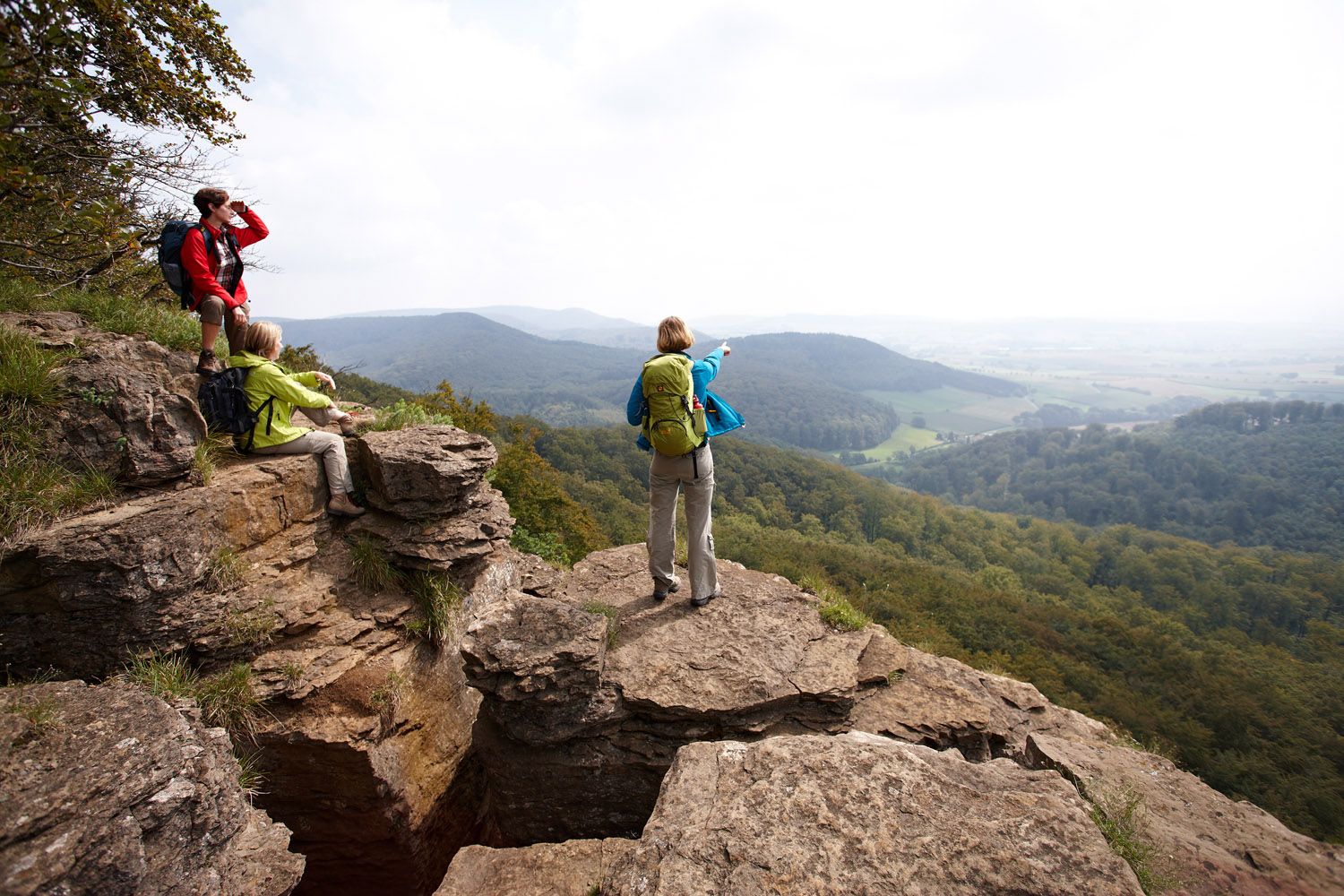
Weser Uplands Extreme – hiking for true adventurers
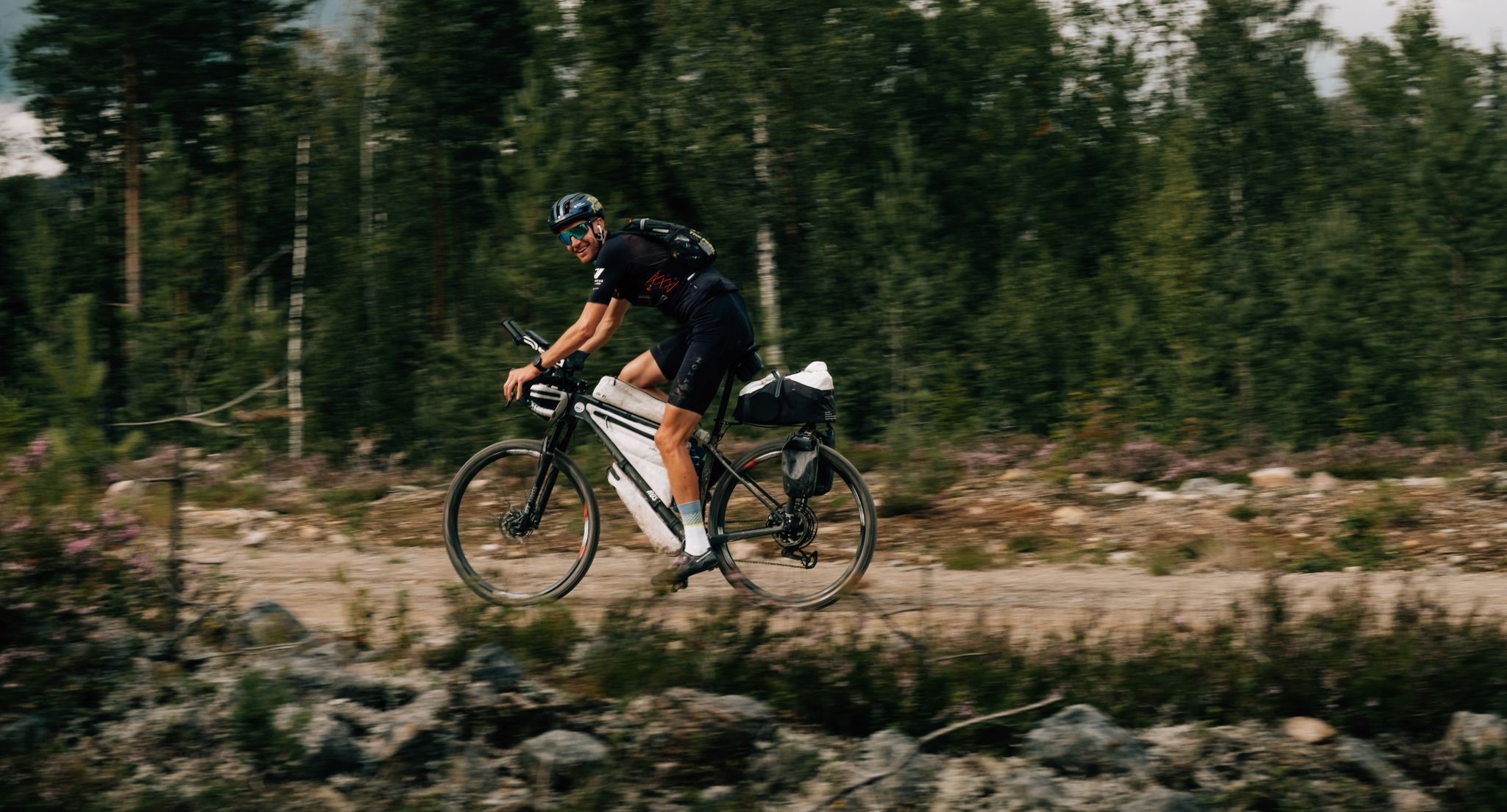
European D̶I̶V̶I̶D̶E̶ Connect Trail Project – a journey across Europe
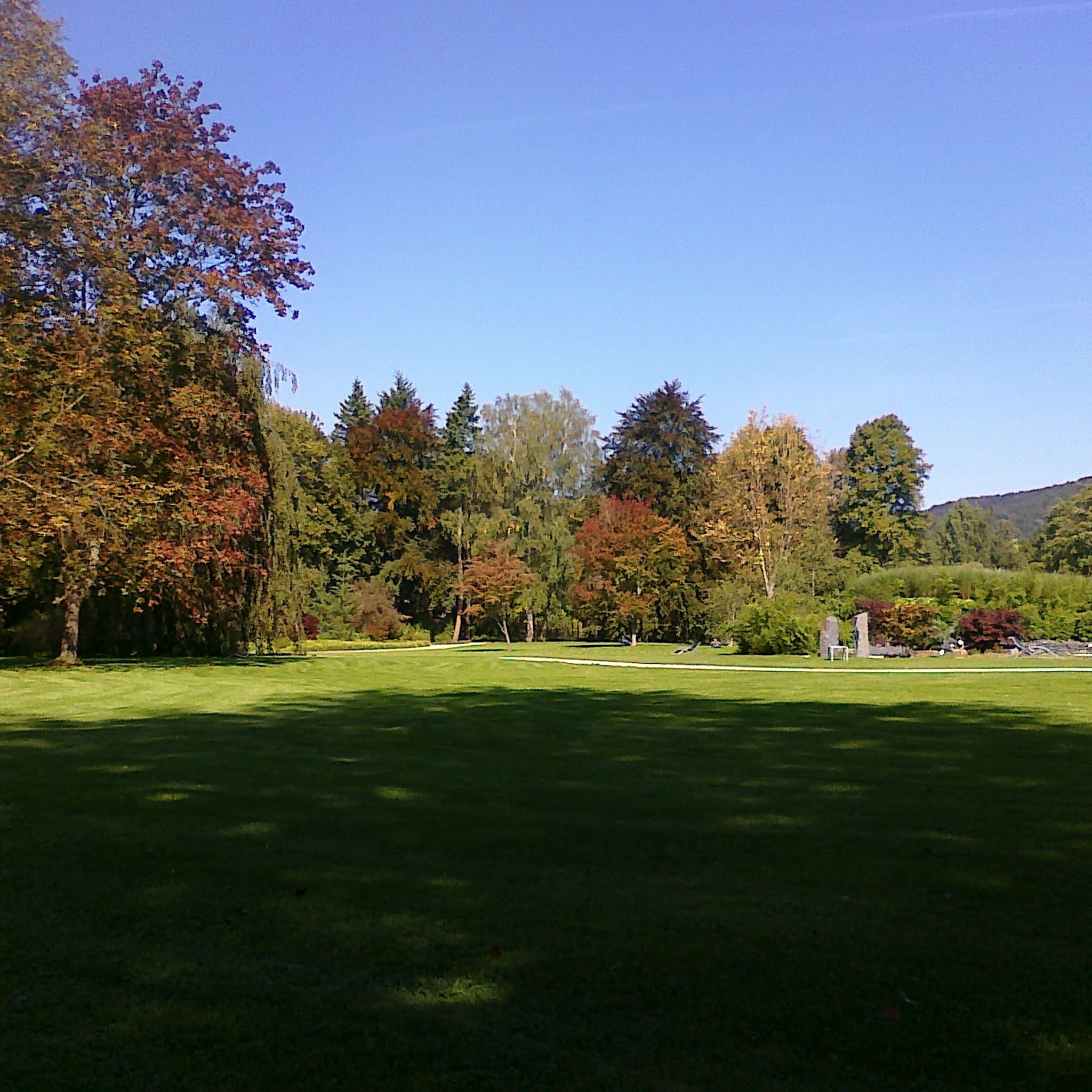
Hiking around Bad Pyrmont
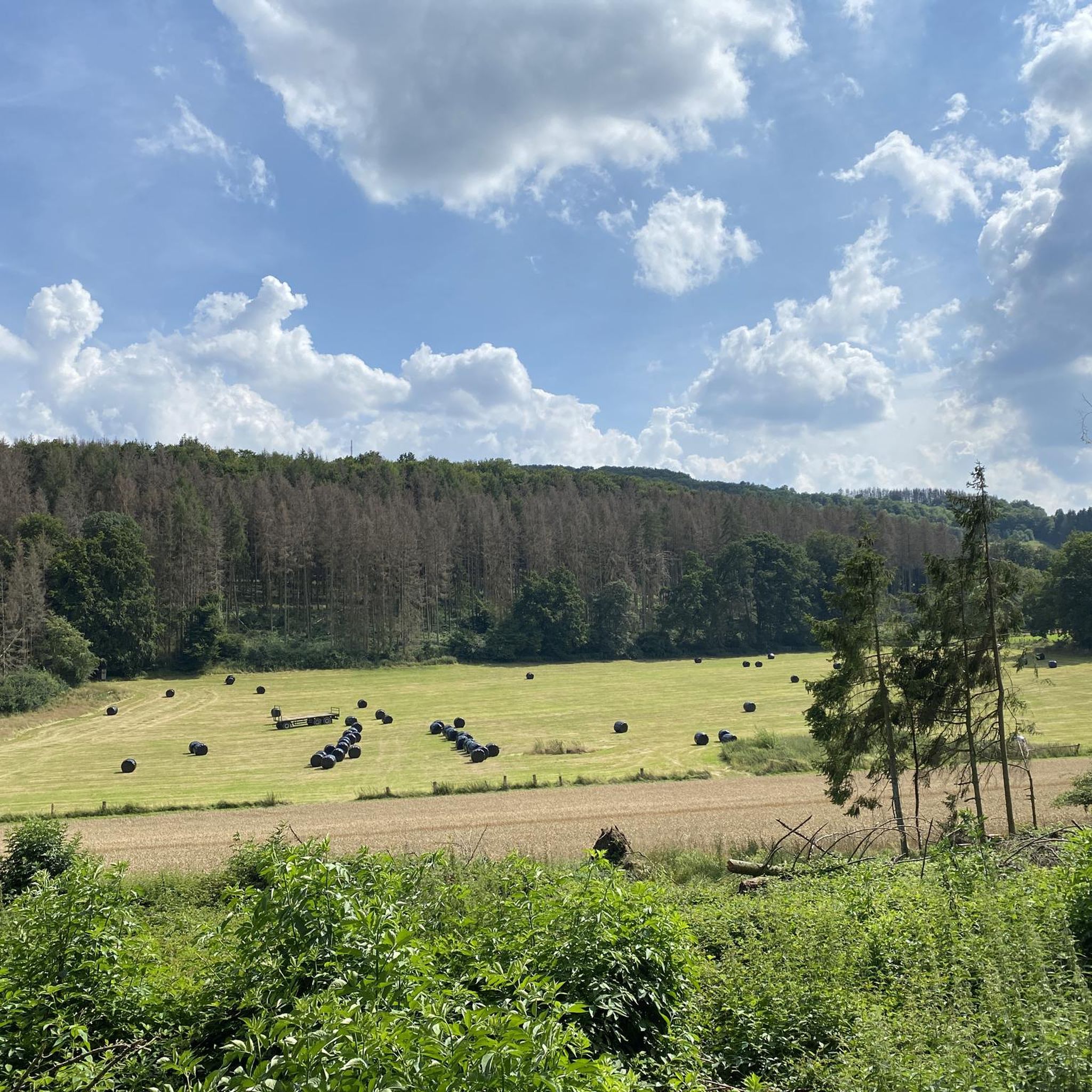
Cycling around Bad Pyrmont
Road Cycling Routes around Bad Pyrmont
MTB Trails around Bad Pyrmont
Running Trails around Bad Pyrmont

Gravel biking around Bad Pyrmont


Tips from the Community


Auszeit Lecker Landimbiss - Brevörde / Grave, right on the Weser River, open only during the summer months, serves wonderful burgers made with beef from their own organic cattle. I spent my childhood and youth there; it's a beautiful area, indeed the most beautiful stretch of the entire Weser with its many river bends and the Steinmühle (also known as the "Devil's Mill"). It was once featured on the cover of the Esso road map in the 1950s. Above it is the Senator Meyer Monument with a magical view of the Weser bend – unfortunately, the monument is no longer maintained. As far as I know, it now belongs to Bodenwerder, which is a shame! There used to be a lovely hiking trail up to the monument, but the road authority, responsible for the B 83 highway, simply closed it off.
0
0

It's always impressive to drive along here, despite the car traffic. The other side is quieter.
0
0

A manageable lake that is ideal for hiking and cycling. It's great that you can cycle all the way around it.
1
0

Rühler Switzerland is very beautiful. The rock faces are impressive.
1
0


Always interesting to look at when cycling past.
3
0
Frequently Asked Questions
What unique geological formations can I explore in Bad Pyrmont?
Bad Pyrmont is home to several unique geological features. You can visit the Dunsthöhle (Steam Cave), one of Europe's only natural CO2 caves, where you can observe fascinating experiments demonstrating the invisible gas. The region also boasts the Weser Cliffs at Steinmühle, a gorge formed by the Weser River cutting into shell limestone, offering dramatic views. Additionally, the numerous mineral water springs, such as the Hyllige Born, are a testament to the area's rich geological activity.
Are there family-friendly natural monuments around Bad Pyrmont?
Yes, several natural monuments are suitable for families. Lake Schieder offers circular paths perfect for cycling and hiking with children. The Hyllige Born and the Wandelhalle are also family-friendly, providing an opportunity to sample mineral waters and enjoy a cafe break. The Kurpark Bad Pyrmont, with its diverse flora and open spaces, is another excellent choice for a relaxed family outing.
Where can I find scenic viewpoints among the natural monuments?
For breathtaking views, head to the Köterberg Summit and Transmission Tower, which offers expansive panoramas after an ascent. The Weser Cliffs at Steinmühle also provide stunning scenic viewpoints over the Weser River. The Pyrmonter Felsensteig hiking trail features numerous spots with idyllic vistas, including views of Pyrmont Castle and the volcanic cones of the Eastern Eifel.
What outdoor activities can I do near these natural monuments?
The natural monuments around Bad Pyrmont are ideal for various outdoor activities. You can enjoy gravel biking on routes like the 'Pyrmont Castle – Old Railway Line near Blomberg loop' or explore MTB trails such as the 'Weser Bridge – Tündern Windmill loop'. Cycling enthusiasts can try the 'Schiedersee Cycle Path – Old Railway Line near Blomberg loop'. For more details on these and other routes, visit the Gravel biking around Bad Pyrmont, MTB Trails around Bad Pyrmont, and Cycling around Bad Pyrmont guides.
Are there any natural monuments with historical significance in Bad Pyrmont?
Yes, several sites combine natural beauty with rich history. The Hyllige Born mineral spring, first mentioned in 1350 CE, is considered the heart of the spa town and has been utilized for its healing properties for centuries. The Köterberg Summit has historical mentions dating back to the 15th century. Even the Dunsthöhle has a history, with quarry workers noticing its unique 'fumes' in the 17th century.
What is the best time to visit the natural monuments around Bad Pyrmont?
The natural monuments around Bad Pyrmont can be enjoyed throughout the year, but each season offers a different experience. Spring and summer are ideal for hiking and cycling, with lush greenery and pleasant temperatures. Autumn brings vibrant foliage, especially along trails like the Pyrmonter Felsensteig. While some activities might be weather-dependent, the Dunsthöhle and the Wandelhalle at Hyllige Born are accessible year-round. Always check local weather conditions before your visit.
Can I sample the famous mineral waters of Bad Pyrmont?
Absolutely. Bad Pyrmont is renowned for its mineral springs. At the Wandelhalle, located around the historic Hyllige Born, you can sample the waters from various springs like the Hyllige Born, Helenenquelle, and Friedrichsquelle. Information boards explain their diverse mineral compositions and traditional health benefits.
Are there hiking trails that explore the natural monuments?
Yes, hiking is a popular way to experience the natural monuments. The Pyrmonter Felsensteig (Pyrmont Rock Trail) is a scenic route that takes you through varied terrain, including a nature reserve, ivy-covered caves, and steep cliffs like the 'Teufelskammer'. You can also find circular paths around Lake Schieder, suitable for leisurely walks. For more challenging hikes, consider routes that ascend to the Köterberg Summit.
What makes the Dunsthöhle (Steam Cave) so special?
The Dunsthöhle is a truly unique natural monument because it's one of the few places in Europe where carbon dioxide (CO2) naturally emerges from the earth. This gas, being heavier than air, collects in the grotto, creating an invisible 'lake' of CO2. Visitors can witness experiments, such as candles extinguishing at the gas level, demonstrating its properties. The CO2 spring gas from the Dunsthöhle is also used for therapeutic baths in Bad Pyrmont.
Is the Kurpark Bad Pyrmont considered a natural monument?
While meticulously landscaped, the Kurpark Bad Pyrmont is indeed considered a 'green oasis' and a natural monument due to its integration of significant natural elements. It features diverse flora, including exquisite palm trees in its Palmengarten, an arboretum, and a dedicated wildflower meadow that supports local wildlife. Its design blends natural beauty with botanical collections, offering a serene environment for relaxation.
What kind of wildlife can I expect to see around the natural monuments?
The diverse natural monuments around Bad Pyrmont support various wildlife. Nature reserves like the 'Mühlenberg bei Pegestorf' near the Weser Cliffs protect local ecosystems. The Kurpark's wildflower meadow provides a habitat for insects and small animals. Forested areas along trails like the Pyrmonter Felsensteig are home to various bird species and woodland creatures. Keep an eye out for local flora and fauna, especially in the quieter, protected areas.
Are there any natural monuments accessible for visitors with limited mobility?
Yes, the Hyllige Born and the Wandelhalle in Bad Pyrmont are wheelchair accessible, allowing visitors to experience the historic mineral springs. The Kurpark Bad Pyrmont also offers paved pathways and flat areas, making it generally accessible for those with limited mobility to enjoy its beautiful gardens and natural elements.
Most popular routes around Bad Pyrmont
Most popular attractions around Bad Pyrmont

Get inspired with the komoot mobile app


Explore more
Extend your search for the best caves by checking out these guides of the top ones around Bad Pyrmont:
