Top 20 Natural Monuments around Rosengarten
Natural monuments around Rosengarten are found within the Dolomites, a UNESCO World Heritage Site in South Tyrol, Italy. This region is part of the Schlern-Rosengarten Nature Park, known for its geological significance and dramatic landscapes. The area features distinctive Dolomite rocks and offers a range of natural formations. Visitors can explore a variety of natural monuments within this mountain range.
Best natural monuments around Rosengarten
- The most popular natural monuments is Heather Trails in the Fischbeker Heide, an other…
Last updated: October 10, 2026
Brunsberg Summit and Heathland Panorama
Highlight • Summit
Translated by Google •
Tip by

Heather Trails in the Fischbeker Heide
Highlight • Natural
Translated by Google •
Tip by

Sign up now to discover places like this
Get recommendations on the best single tracks, peaks, & plenty of other exciting outdoor places.
Hasselbrack – Highest Point in Hamburg
Highlight • Summit
Translated by Google •
Tip by

Hell Gorge
Highlight • Gorge
Translated by Google •
Tip by

Brunsberg Nature Reserve
Highlight • Natural Monument
Translated by Google •
Tip by

Sign up for free to discover even more natural monuments around Rosengarten.
Already have an account?
Start today with a free account
Your next adventure awaits.
Popular around Rosengarten
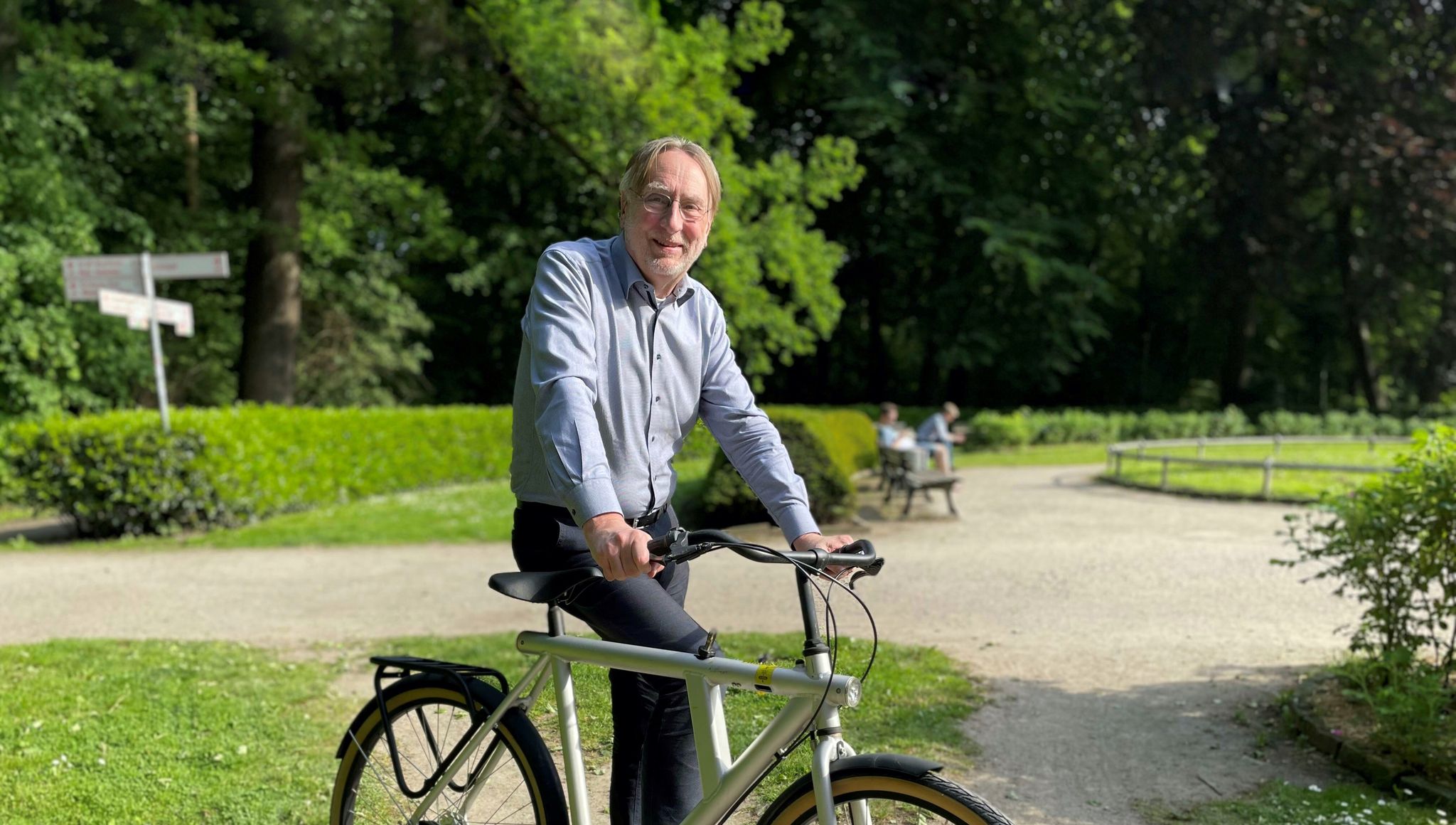
Exploring cultural sites by bike — EU Projects in the Hamburg Area
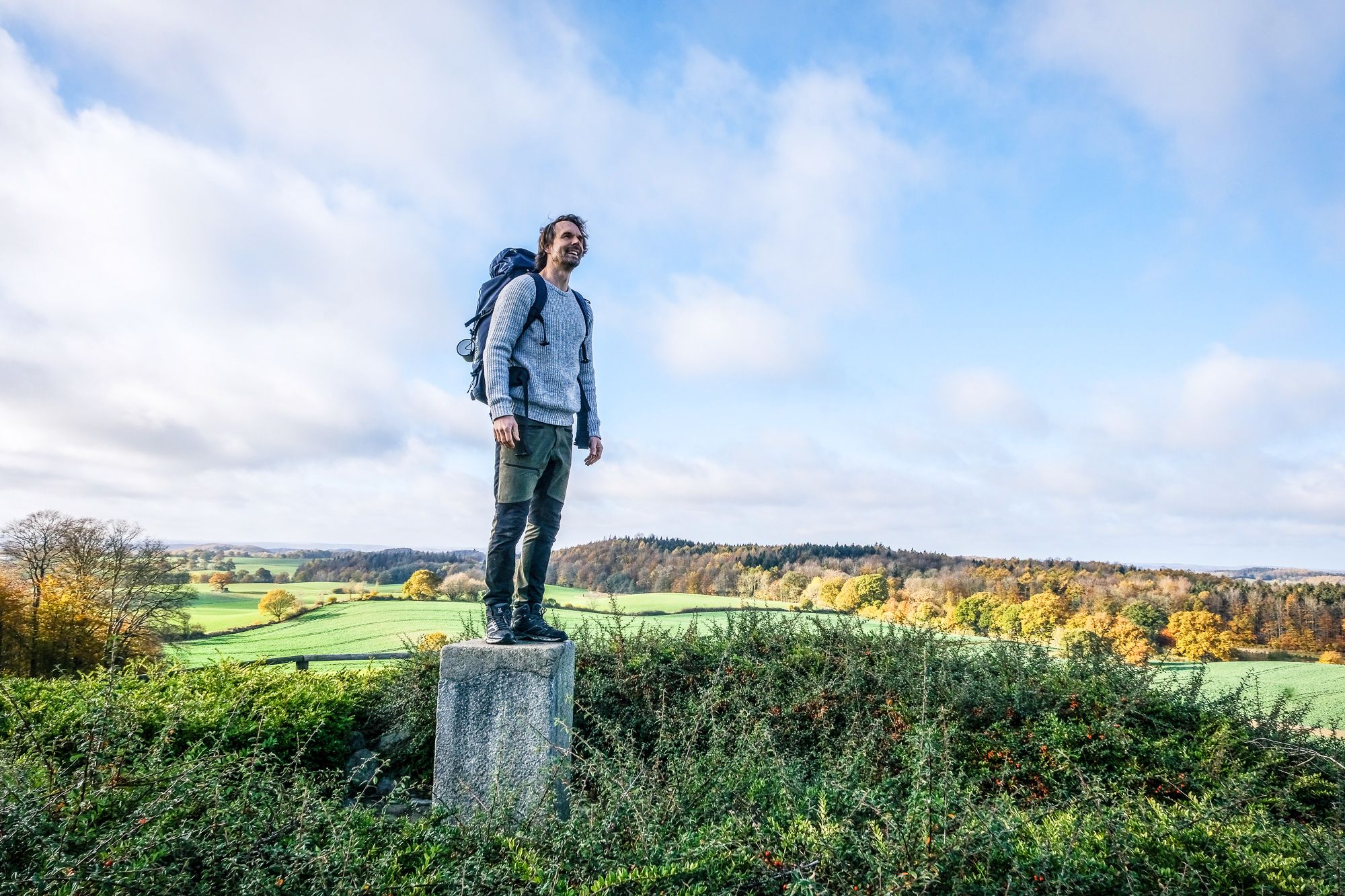
Lowest to Highest (L2H) in Germany
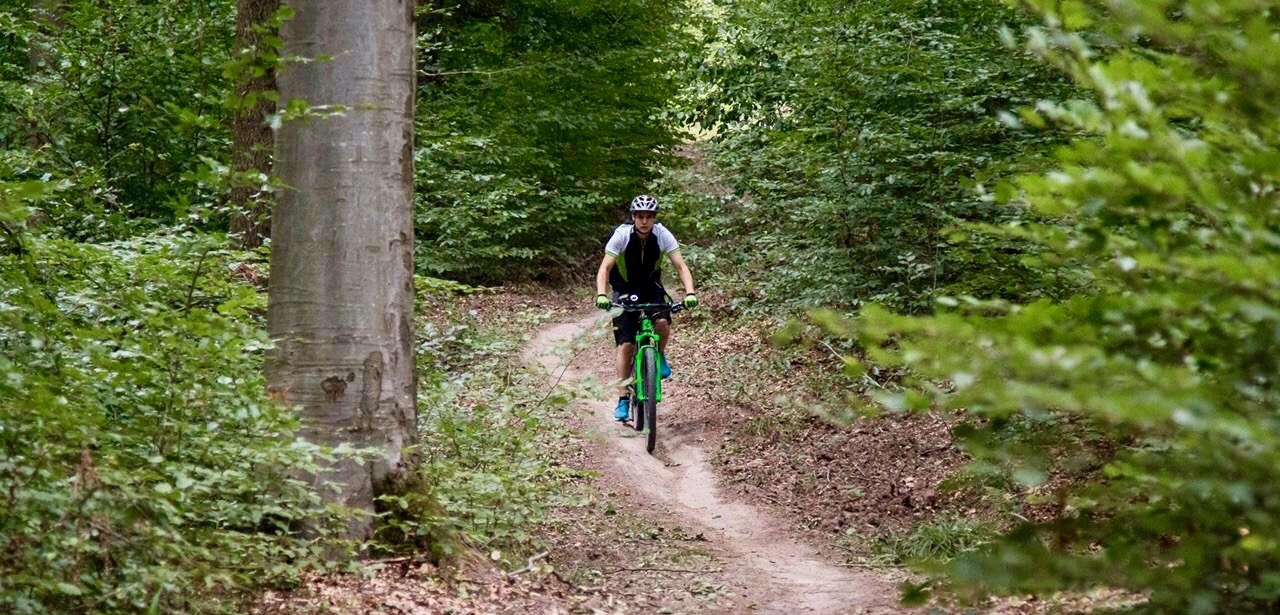
33 MTB trails through German forests
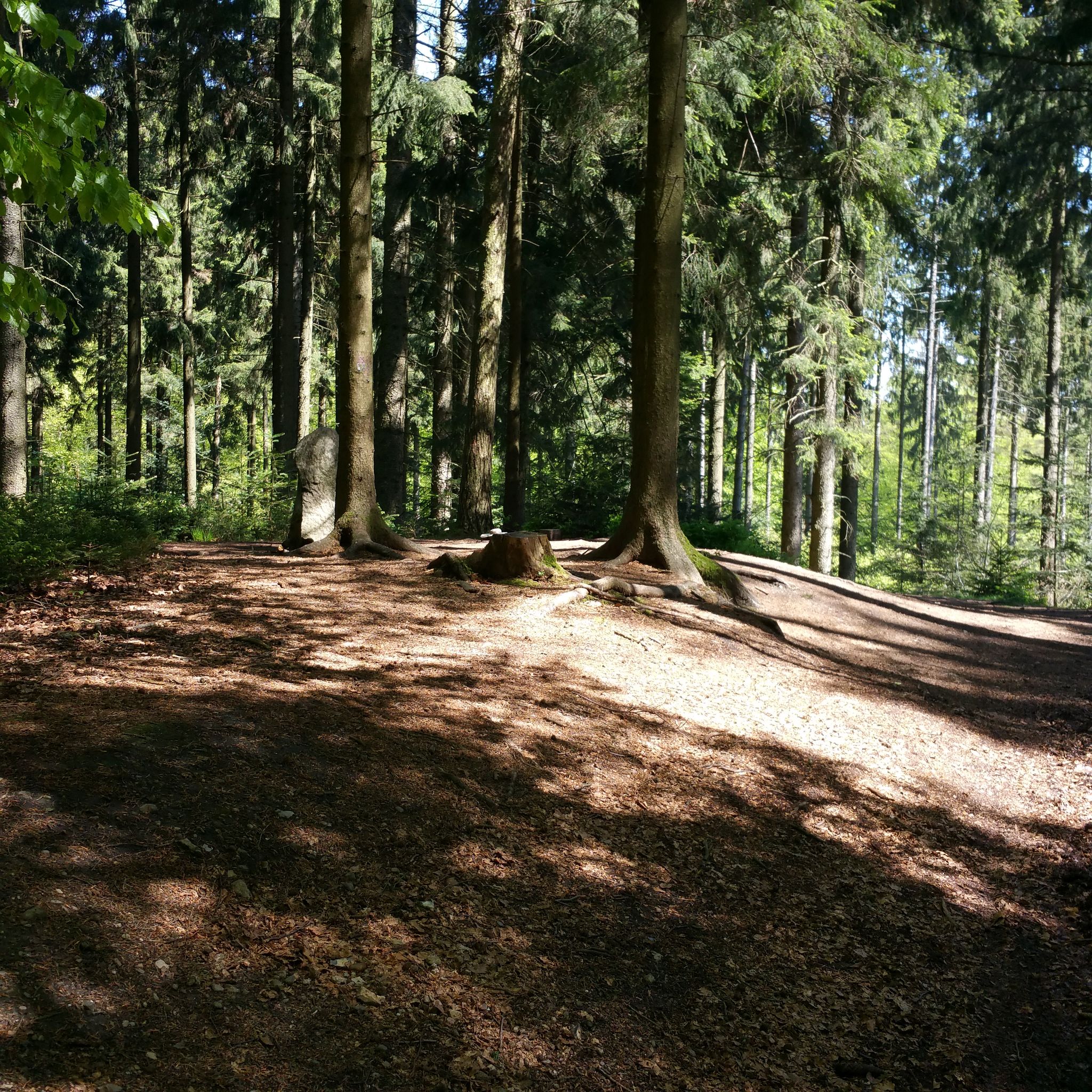
Hiking around Rosengarten
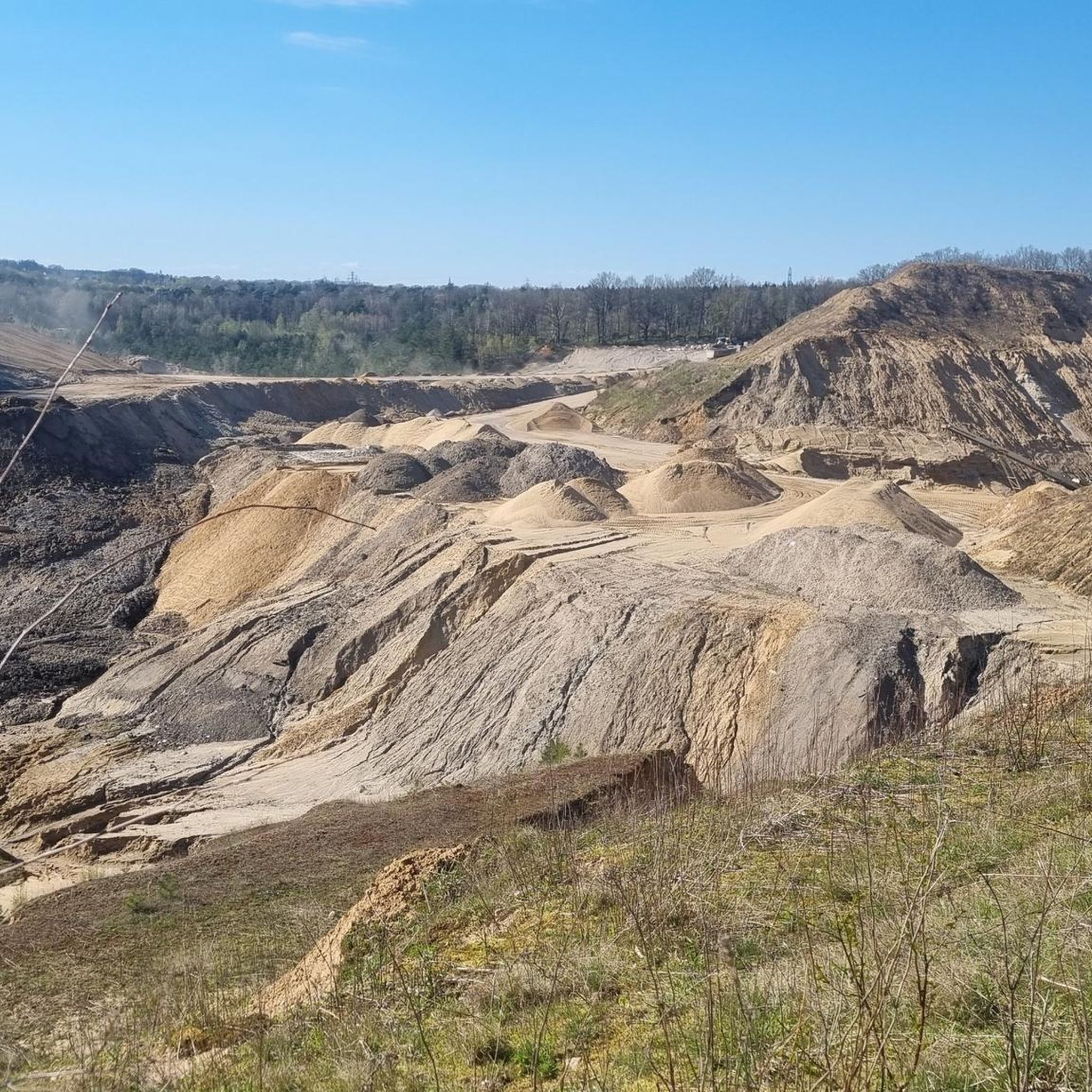
Running Trails around Rosengarten
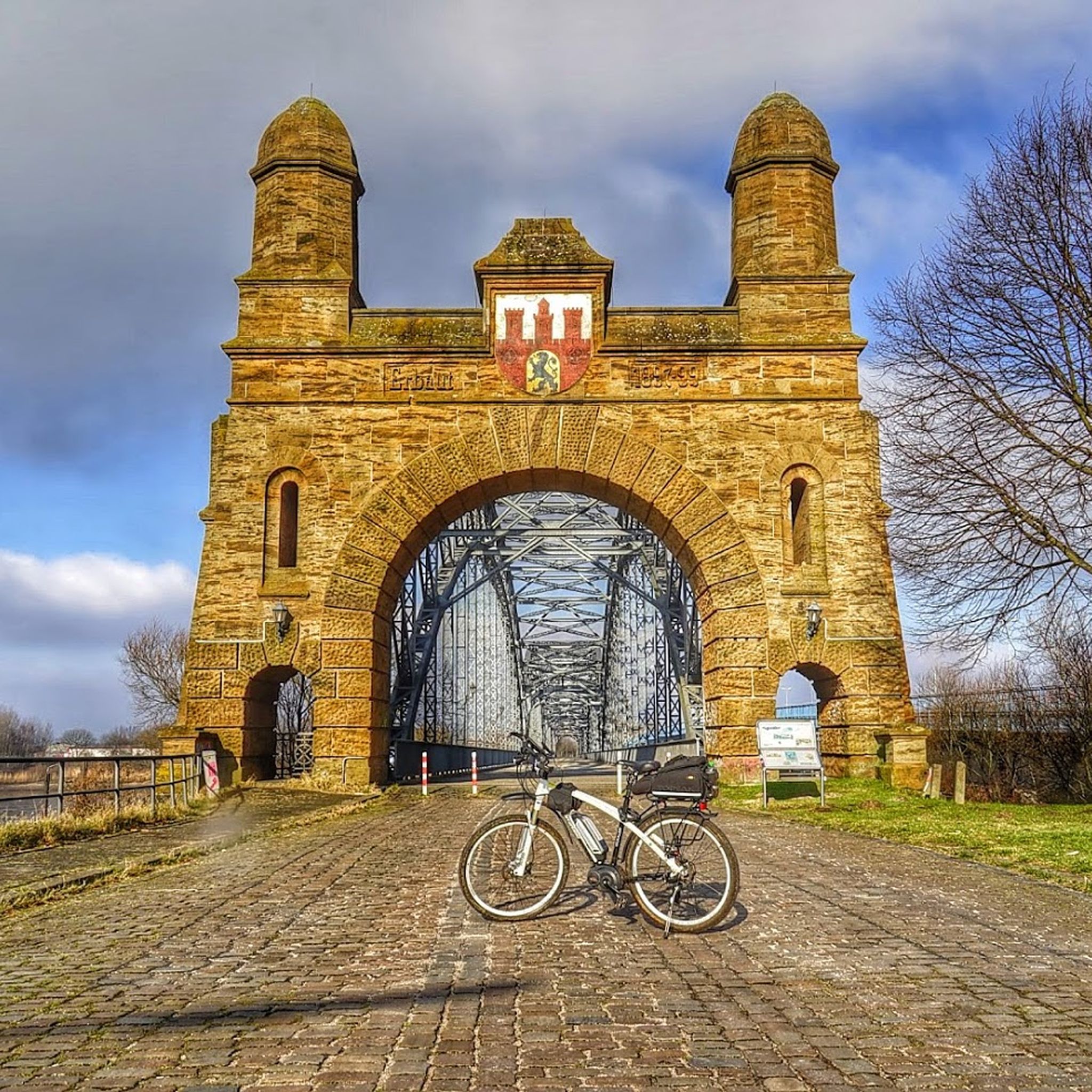
Cycling around Rosengarten
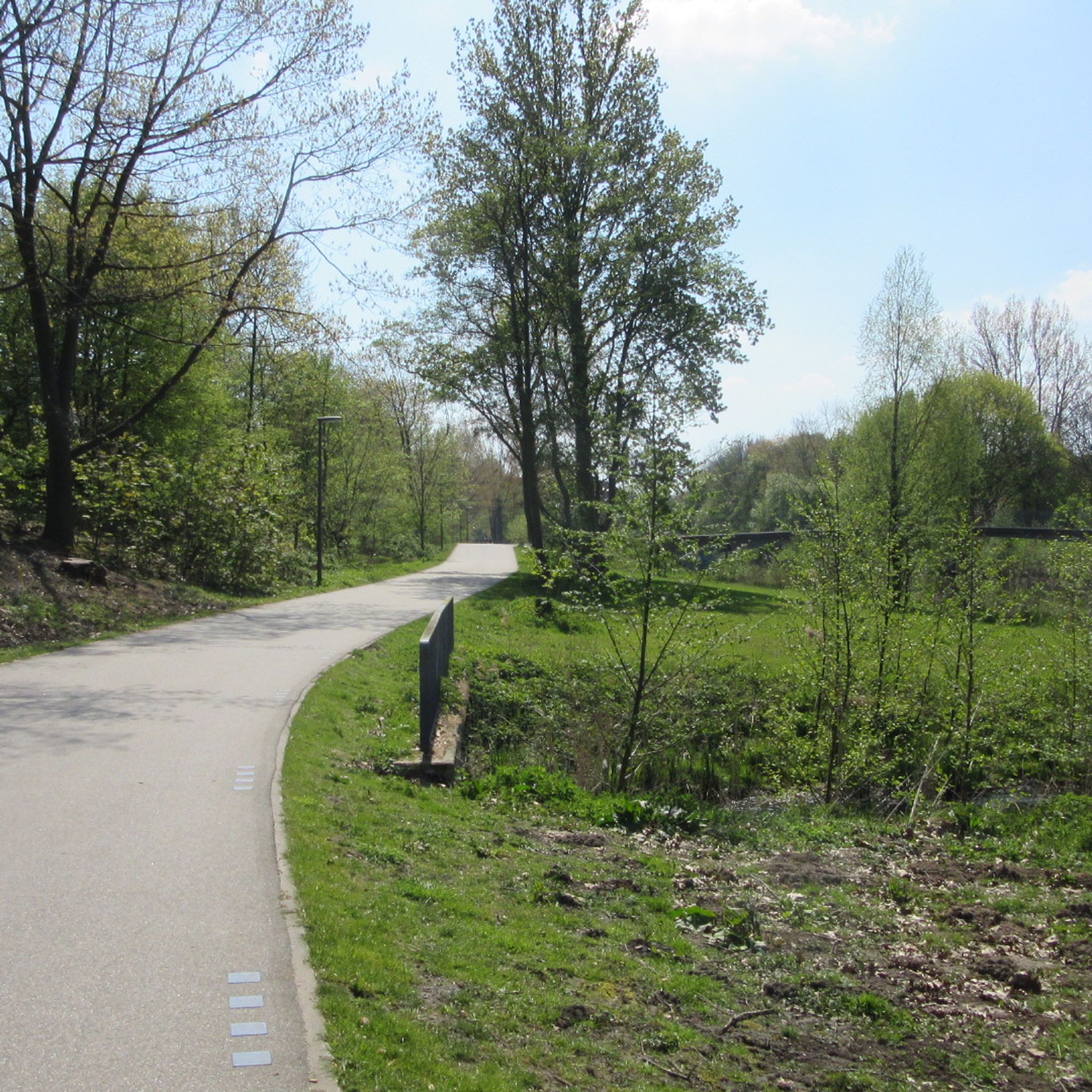
Road Cycling Routes around Rosengarten
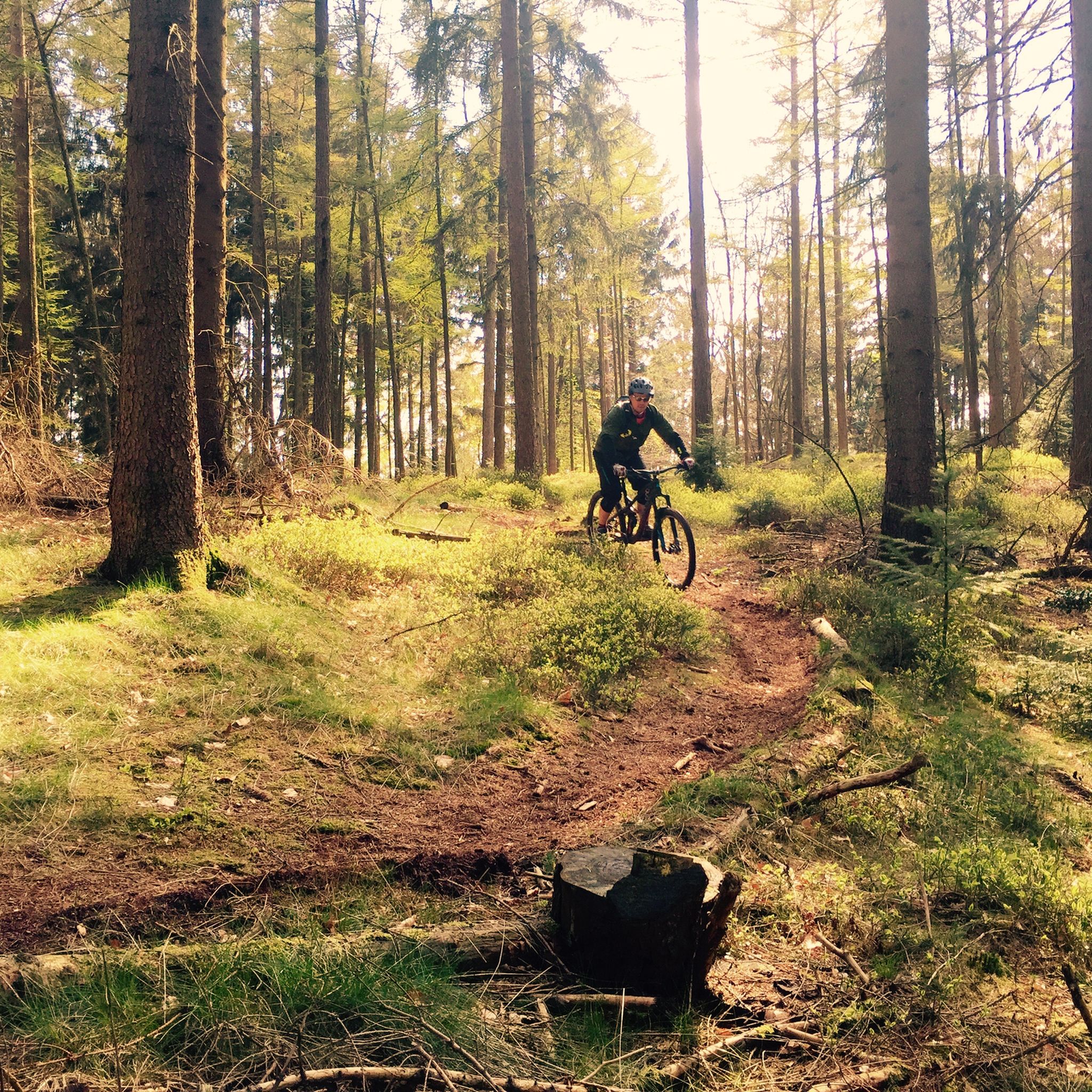
MTB Trails around Rosengarten
Gravel biking around Rosengarten


Tips from the Community

Why is it worth a detour here? Because the name alone is worth it! During the day, the area around the stone looks a bit desolate, admittedly, because many trees that have been cleared and damaged by storms adorn the picture here. All around it is great for hiking or mountain biking. A night hike with scary stories and flashlights will definitely increase the thrill more :)
11
2

This corner is a special highlight on the Heidschnuckenweg.
9
1

Very nice nature reserve nearby
7
3

It's funny to get to know Hamburg's highest point.
14
1

The Brunsberg, with its approx. 65 hectares, has been designated as a nature reserve since 1954, making it the second oldest protected area in the Harburg district. Extensive sandy heaths characterize the steep slopes and the partially deeply cut valleys of the Brunsberg. Crowberries can be found here and there, and in wetter places you can also find bell heather, which otherwise prefers moors. Blueberries are also found in the heaths throughout the area, complementing the range of species in these dwarf shrub heaths.
18
2
A particularly attractive section of the Heidschnuckenweg leads through the wild and romantic hell gorge up to the mountain. The Höllenschlucht is an exciting dry valley in the forest that is ideal for a short hike to the Brunsberg. Also ideal for scavenger hunts with children. You hike through more or more sparse pine and mixed deciduous forests to the foot of the mountain, so that most of them are shaded and pleasantly cool even on hot summer days.
21
1

The highest "mountain" in Hamburg, you have to go there, of course ;-) But it is really beautiful, because it is remote and little known, so you are mostly lonely and alone here. There is also a summit book.
8
0

You can also walk along the edge and also have a nice view. A short round is also worthwhile here as the valley is very short.
12
2
Frequently Asked Questions
What are some of the most popular natural monuments featured in this guide?
Among the natural monuments highlighted in this guide, visitors frequently explore the Heather Trails in the Fischbeker Heide, known for its vast heathland. Another popular spot is Hasselbrack – Highest Point in Hamburg, which marks the highest natural elevation in the area. The dramatic Hell Gorge is also a favorite for short, scenic hikes.
What kind of terrain and features can I expect to see around the Rosengarten natural monuments?
The Rosengarten region, part of the Dolomites, is characterized by its distinctive pale Dolomite rocks and dramatic mountain landscapes. You'll find towering peaks, rugged crags, and unique geological formations. The area is also known for its extensive heathlands and forests, offering diverse natural features from summits to gorges.
Are there family-friendly natural monuments or trails in the Rosengarten area?
Yes, several natural monuments and trails are suitable for families. For instance, the Heather Trails in the Fischbeker Heide are considered family-friendly, offering pleasant walks through nature reserves. The Hell Gorge also provides an exciting, wild, and romantic dry valley ideal for short hikes with children.
What is the best time of year to visit the natural monuments around Rosengarten?
The Rosengarten region is beautiful throughout the year, but the best time depends on your activity. For hiking and exploring the natural monuments, late spring to early autumn (May to October) offers the most favorable weather. During late summer, the heathlands, like those around Fischbeker Heide, bloom with a vibrant purple carpet, creating a particularly stunning spectacle. Winter offers opportunities for snowshoeing and other winter sports, transforming the landscape into a serene, snowy wonderland.
What outdoor activities can I do near these natural monuments?
The Rosengarten area offers a wide range of outdoor activities. You can explore numerous hiking trails, from leisurely strolls to challenging ascents. For cycling enthusiasts, there are options for cycling, gravel biking, and mountain biking, with routes catering to various difficulty levels. The region is also popular for climbing and offers several via ferratas.
Are there any unique geological wonders to observe in the Rosengarten region?
Absolutely. The Rosengarten massif itself is a geological marvel, composed of 'Schlern dolomite,' a characteristic coral structure of the western Dolomites. The most famous phenomenon is the 'Enrosadira,' or alpenglow, where the mountains glow fiery red and orange at sunrise and sunset due to the unique mineral composition of the rocks. You can also observe dramatic rock formations like the Vajolet Towers and the distinct peaks of Kesselkogel and Rosengartenspitze.
What makes the Rosengarten area a UNESCO World Heritage Site?
The Rosengarten mountain range is part of the Dolomites UNESCO World Heritage Site, recognized for its outstanding universal value. This designation is due to its unique geological formations, which provide an exceptional record of Earth's history, and its breathtaking scenic beauty, characterized by dramatic peaks, rugged crags, and the spectacular alpenglow phenomenon.
Can I find accommodation or places to eat near the natural monuments?
Yes, the Rosengarten region is well-equipped with mountain refuges and huts that offer accommodation and food, especially along popular hiking routes. In nearby towns and villages, you'll find a variety of cafes, pubs, and restaurants catering to visitors. For example, the Brunsberg Summit and Heathland Panorama has seating areas nearby, and the wider region offers numerous options for breaks and refreshments.
What is the significance of the Schlern-Rosengarten Nature Park?
The Schlern-Rosengarten Nature Park is the oldest nature park in South Tyrol, established in 1974. It encompasses the Rosengarten massif and the Schlern massif, protecting over 7,288 hectares of diverse landscapes. The park is crucial for preserving the region's unique geological formations, rich biodiversity (including around 790 species of flowers and ferns), and providing a habitat for various flora and fauna. It also offers extensive opportunities for sustainable outdoor recreation.
Are there any legends or historical stories associated with the Rosengarten mountains?
Yes, the Rosengarten (Rose Garden) massif is steeped in a captivating legend. It is said to be the enchanted rose garden of the dwarf king Laurin. According to the tale, after his defeat, Laurin cursed his garden so that no one could ever admire its beauty again, neither by day nor by night. However, he forgot to include dawn and dusk in his curse, which is why the mountains still glow with fiery red and orange hues during the 'Enrosadira' (alpenglow), resembling a blooming rose garden at these times.
What do visitors enjoy most about the natural monuments around Rosengarten?
Visitors consistently praise the breathtaking scenery and unparalleled photographic opportunities, especially during the alpenglow. The diverse hiking and climbing routes, catering to all skill levels, are also a major draw. Many appreciate the sense of unspoiled nature and the rich biodiversity found within the Schlern-Rosengarten Nature Park. The mystical legend of King Laurin adds an extra layer of enchantment to the experience.
Are there any less crowded, alternative trails to explore the natural monuments?
While popular spots like the Heather Trails can attract many visitors, the extensive network of routes in the Rosengarten region offers plenty of opportunities for quieter exploration. You can find numerous trails leading to hidden viewpoints and through less frequented sections of the nature park. Consulting detailed maps or local guides can help you discover alternative paths that offer solitude amidst the stunning landscapes.
Most popular routes around Rosengarten
Most popular attractions around Rosengarten

Get inspired with the komoot mobile app


Explore more
Extend your search for the best caves by checking out these guides of the top ones around Rosengarten:
