Top 20 Natural Monuments in the Giant Mountains
Natural monuments in the Giant Mountains, also known as Karkonosze or Krkonoše, are preserved within a UNESCO biosphere reserve. This mountain range, situated on the border of Poland and the Czech Republic, features diverse geological formations and scenic landscapes. The Karkonosze National Park protects these natural features, offering a range of outdoor exploration opportunities. The region is characterized by its high peaks, glacial cirques, and unique rock formations.
Best natural monuments in the Giant Mountains
- The most popular natural monuments…
Last updated: July 7, 2026
Śnieżka (Schneekoppe) Summit
Highlight • Summit
Translated by Google •
Tip by

View of Śnieżka
Highlight • Viewpoint
Translated by Google •
Tip by

Sign up now to discover places like this
Get recommendations on the best single tracks, peaks, & plenty of other exciting outdoor places.
Sign up for free
Source of the Elbe
Highlight • River
Translated by Google •
Tip by

Pančava Waterfall
Highlight • Waterfall
Showing Translation
Tip by

Kamieńczyk Waterfall
Highlight • Waterfall
Translated by Google •
Tip by

Mały Staw (Little Pond) and Samotnia Mountain Hut
Highlight • Lake
A nice photo motif.
Translated by Google •
Tip by
Mumlava Waterfall
Highlight • Waterfall
Translated by Google •
Tip by
Labský Waterfall (Elbe Falls)
Highlight • Waterfall
Translated by Google •
Tip by
Snowy Cauldrons
Highlight • Gorge
Translated by Google •
Tip by
Sněžka Meteorological Observatory
Highlight • Monument
Translated by Google •
Tip by

Sign up for free to discover even more natural monuments in the Giant Mountains.
Sign up for free
Already have an account?
Start today with a free account
Your next adventure awaits.
Login or Signup
Popular around Giant Mountains
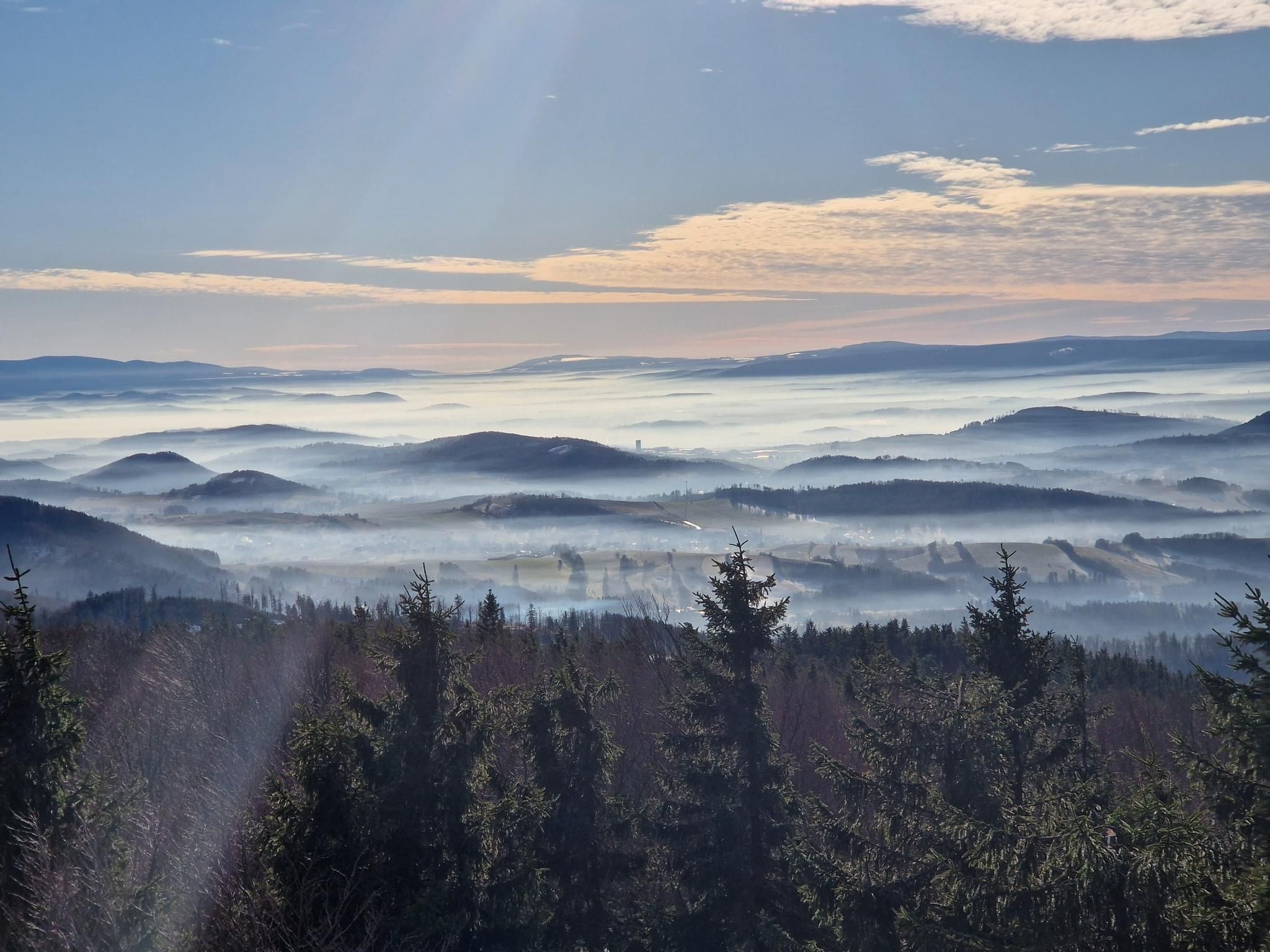
The Main Sudeten Route – a great Polish mountain adventure
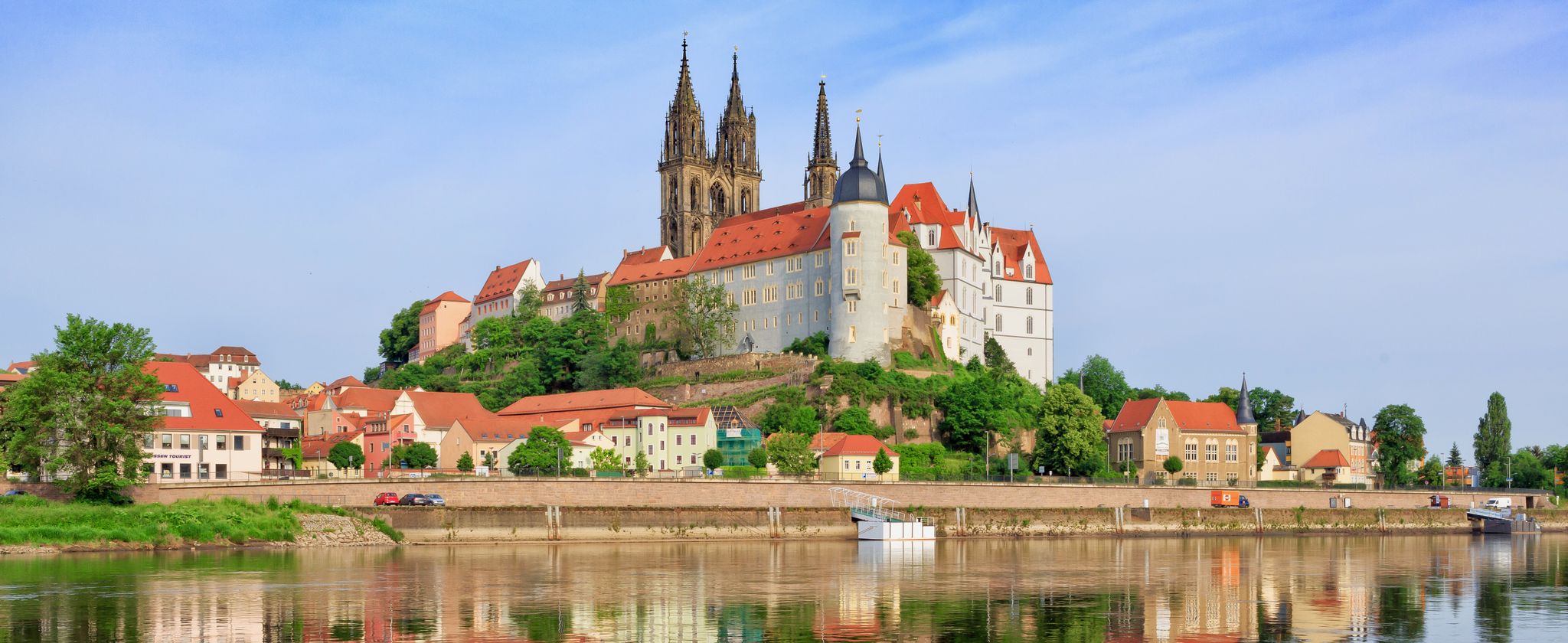
The Elbe Cycle Path — cross-border cycling pleasure
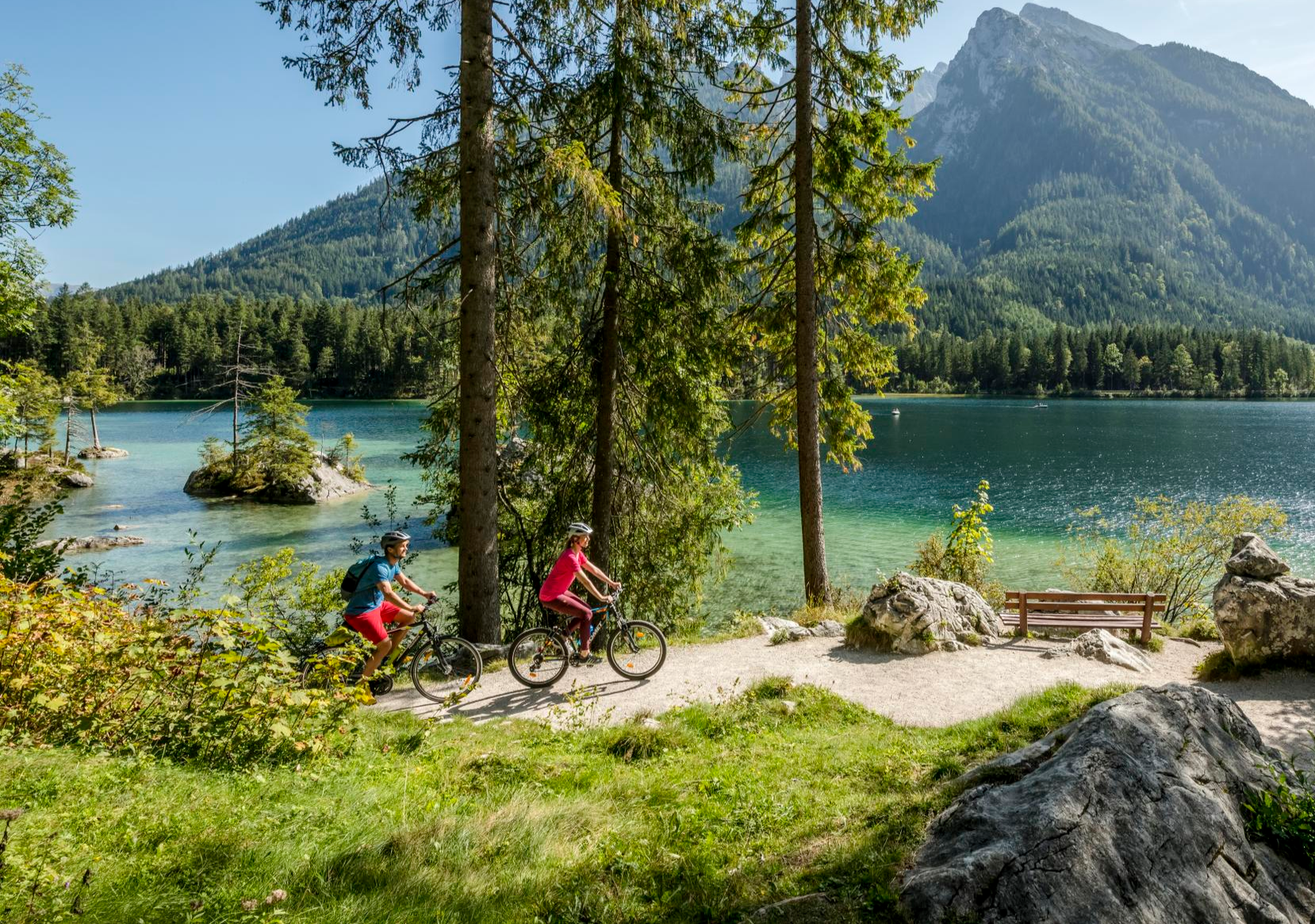
Discover Germany's diversity on enchanting cycling routes
Diverse Poland — explore five regions by mountain bike
As we wrote history – the Transcontinental Race #TCRN06
Hiking in the Giant Mountains
MTB Trails in the Giant Mountains
Road Cycling Routes in the Giant Mountains
Cycling in the Giant Mountains
Running Trails in the Giant Mountains
Other adventures in the Giant Mountains


Tips from the Community

The climb was totally worth it, being rewarded with this impressively beautiful waterfall and view 🥰.
10
0

❄️ A winter walk with magical views! 🌄 Sun over the mountains, fresh frost, glistening snow, and perfect shots at every turn 📸✨ An easy, atmospheric route that gives you the feeling of a true winter fairy tale. Come for beautiful views, inspiration, and fresh mountain air! 🌬️🏔️💙
3
0

The Elbe Falls (Czech: Labský vodopád) is a waterfall on the Elbe River in the Czech part of the Giant Mountains. There, about one kilometer past its source, the river plunges 40 meters from the edge of the Elbe valley (1,258 meters above sea level) into the Labské jámy (German: Elbe Basin).
8
0
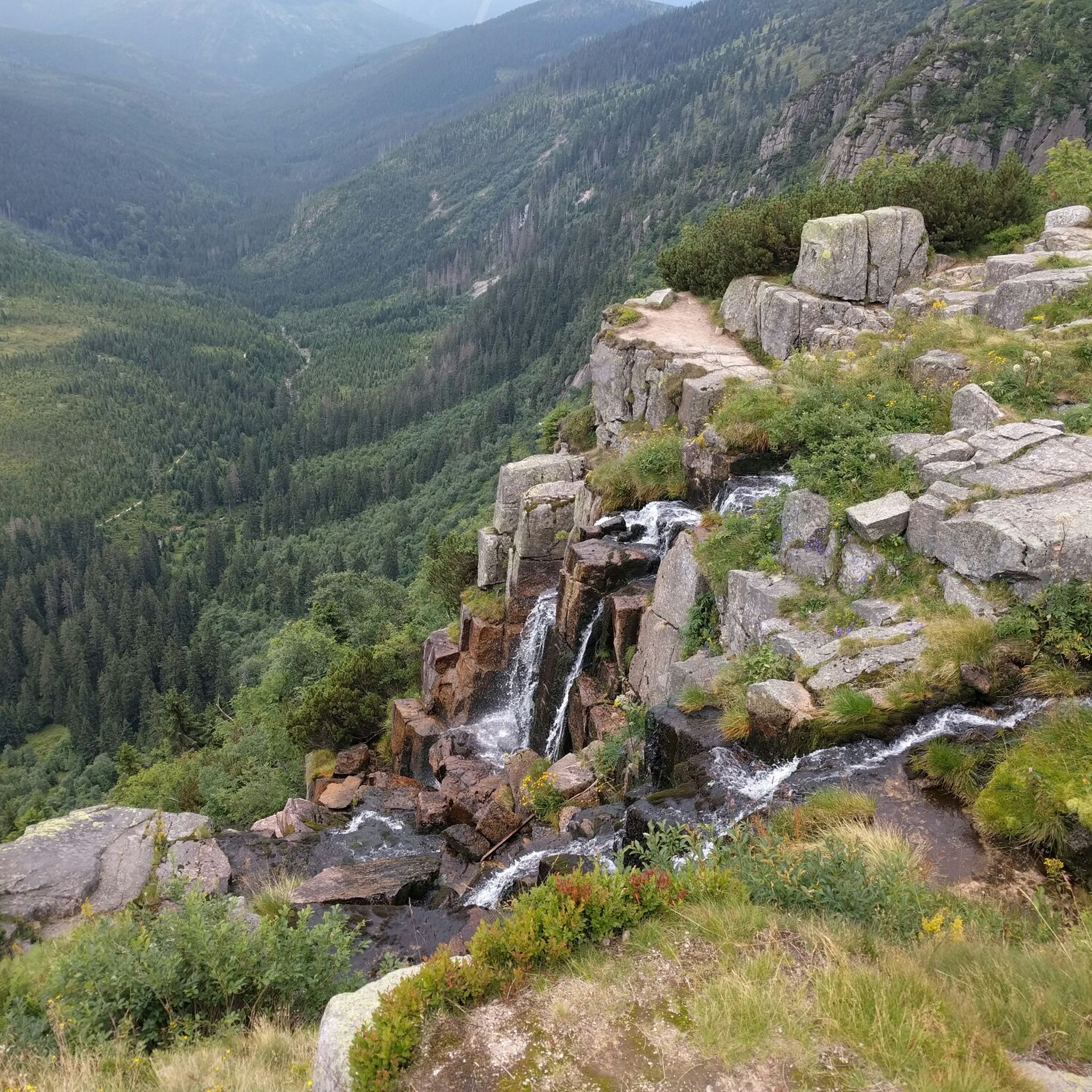
The Pančevo waterfall, located approximately one kilometer from the Labská bouda, is the highest waterfall in the Giant Mountains at 148 meters.
9
0
Its symbolic source lies at an altitude of 1,386 m above sea level. It is enclosed in a brick ring with inflow and outflow, and its stone-paved surroundings offer benches for relaxation. In 1968, a wall of rough rock was added, bearing the coats of arms of 26 important cities through which the Elbe flows on its way to the North Sea.
7
0

The history of meteorological observations here on Śnieżka begins in 1824, but the first observatory was here since 1900. This one is named after Tadeusz Hołdys, who directed it for many years. Beautiful views!
2
1

The Snow Pits (Polish: Śnieżne Kotły) in the Giant Mountains are an impressive natural wonder that delights both hikers and nature lovers. They consist of two glacial cirques, the Great Snow Pit (Wielki Kocioł Śnieżny) and the Small Snow Pit (Mały Kocioł Śnieżny), located at an altitude of approximately 1,200 to 1,300 meters. These steep and deep rock faces were formed by glaciers and provide a breathtaking backdrop. The walls of the Snow Pits drop almost vertically to a height of up to 100 meters, making them one of the most spectacular places in the Giant Mountains. Rare flora and fauna: Due to the special microclimate, plant species normally found only in arctic regions thrive here. On the ridge above the Snow Pits stands the historic Snow Pit Hut (Polish: Schronisko na Śnieżnych Kotłach), a building that formerly served as a meteorological station.
0
0

Once you reach the top you usually have a great panoramic view, unfortunately I didn’t
2
0
Frequently Asked Questions
What are some other notable natural monuments to explore in the Giant Mountains?
Beyond the most popular spots, the Giant Mountains offer a wealth of natural monuments. You can visit the dramatic Snowy Cauldrons (Śnieżne Kotły), impressive glacial cirques with sheer rock walls. Another unique site is the Upy Peat Bog, a subarctic peat bog protected by the Ramsar Convention, significant for its rare plants and animals.
Are there family-friendly natural monuments in the Giant Mountains?
Yes, several natural monuments are suitable for families. The Kamieńczyk Waterfall is a great option, offering a scenic and accessible experience. Another family-friendly choice is the Mumlava Waterfall, known for its beautiful forest surroundings and easy access.
What kind of unique geological features can I expect to see in the Giant Mountains?
The Giant Mountains are renowned for their distinctive granite rock formations, sculpted into imaginative shapes by natural forces. Examples include Sunflower (Mittagsstein) Rock Formation, Pilgrims (Pielgrzymy), Curd Cheese (Twarożnik), and Three Pigs (Trzy Świnki). These formations provide excellent examples of the region's geological history.
What are the best times of year to visit the natural monuments in the Giant Mountains?
The best time to visit largely depends on your preferred activities. Summer (June to August) is ideal for hiking and exploring the diverse landscapes, with lush greenery and pleasant temperatures. Autumn (September to October) offers stunning fall foliage. Winter (December to March) transforms the mountains into a snowy wonderland, perfect for winter hiking or skiing, especially around Śnieżka Summit.
Are there specific hiking trails that lead to these natural monuments?
Yes, the Karkonosze National Park offers over 120 kilometers of hiking trails, many of which lead directly to or past the natural monuments. For example, you can find routes like 'Szklarska Poręba - Śnieżne Kotły Trail' or 'Around the Great and Small Pond Cauldrons' which take you to key natural features. You can explore various hiking options, including waterfall hikes or easy hikes, on komoot.
What are some of the most impressive waterfalls in the Giant Mountains?
The Giant Mountains are home to several spectacular waterfalls. Besides the well-known Labský Waterfall (Elbe Falls) and Kamieńczyk Waterfall, the Pančava Waterfall stands out as the highest in the Giant Mountains, cascading 148 meters. The Mumlava Waterfall is also a beautiful sight, especially with its unique rock formations.
Can I bring my dog to the natural monuments in the Giant Mountains?
Generally, dogs are allowed on designated trails within the Karkonosze National Park, but they must be kept on a leash. It's always advisable to check specific regulations for each area or monument, as some sensitive ecological zones might have stricter rules. Always clean up after your pet to help preserve the natural environment.
What are the options for parking when visiting natural monuments in the Giant Mountains?
Parking availability varies by location. Major trailheads and popular natural monuments often have paid parking lots nearby. For example, areas around Szklarska Poręba or Karpacz, which serve as gateways to many natural attractions, offer parking facilities. It's recommended to arrive early during peak season to secure a spot.
Are there any less-known or 'hidden gem' natural monuments worth discovering?
While many natural monuments are popular, exploring slightly off the main routes can reveal hidden gems. The Upy Peat Bog, for instance, offers a unique ecological experience away from the busiest trails. Additionally, some of the smaller, unnamed granite rock formations scattered throughout the park can offer a sense of discovery and solitude.
What kind of wildlife or unique flora can be observed around the natural monuments?
The Giant Mountains, being a UNESCO biosphere reserve, are rich in biodiversity. You can observe unique subarctic flora, especially in areas like the Upy Peat Bog. The forests are home to various bird species, deer, and smaller mammals. Keep an eye out for rare plants adapted to the mountain climate, particularly in the glacial cirques and higher elevations.
What are the options for public transport to reach natural monuments in the Giant Mountains?
Public transport options exist, especially to the towns surrounding the Karkonosze National Park, such as Karpacz and Szklarska Poręba in Poland, or Špindlerův Mlýn and Pec pod Sněžkou in the Czech Republic. From these towns, local buses often connect to various trailheads or closer to some natural monuments. Planning your route in advance using local transport schedules is recommended.
Are there any specific regulations or entry fees for visiting the Karkonosze National Park's natural monuments?
Yes, as many natural monuments are located within the Karkonosze National Park, there are typically entry fees required for access to the park's trails and protected areas. These fees contribute to the park's conservation efforts and maintenance. Specific regulations, such as staying on marked trails and respecting wildlife, are also in place to protect the natural environment.
Most popular routes in the Giant Mountains
Most popular attractions in the Giant Mountains

Get inspired with the komoot mobile app


Explore more
Extend your search for the best caves by checking out these guides of the top ones in the Giant Mountains:
