Top 20 Natural Monuments in Lazio
Best natural monuments in Lazio offer a diverse range of landscapes, from ancient forests and volcanic gorges to serene lakes and coastal ecosystems. The region, known for its historical and cultural significance, also features unique ecological sites. These areas provide opportunities for outdoor activities and exploration of natural features alongside historical elements. Lazio's natural monuments showcase environmental diversity across its varied terrain.
Best natural monuments in Lazio
- The most popular natural monuments is Via Appia Antica (Ancient Appian Way),…
Last updated: June 23, 2026
Trevi Fountain
Highlight • Monument
Translated by Google •
Tip by

Fountain of the Four Rivers, Piazza Navona
Highlight • Monument
Translated by Google •
Tip by
Sign up now to discover places like this
Get recommendations on the best single tracks, peaks, & plenty of other exciting outdoor places.
Sign up for free
Altare della Patria (Victor Emmanuel II Monument) at night
Highlight • Monument
After two international competitions (1880 and 1882), the project presented by …
Translated by Google •
Tip by
Via Appia Antica (Ancient Appian Way)
Highlight • Historical Site
Translated by Google •
Tip by

Villa Borghese
Highlight • Monument
Translated by Google •
Tip by

Park of the Aqueducts
Highlight • Monument
Translated by Google •
Tip by

Caffarella Park
Highlight • Forest
Translated by Google •
Tip by

Tempesta Spring
Highlight • Natural Monument
Translated by Google •
Tip by

Moor Fountain, Piazza Navona
Highlight • Monument
The marble soap dish basin was made in …
Translated by Google •
Tip by
Monte Gelato Waterfalls
Highlight • Waterfall
The shady trees …
Translated by Google •
Tip by

Sign up for free to discover even more natural monuments in Lazio.
Sign up for free
Already have an account?
Start today with a free account
Your next adventure awaits.
Login or Signup
Popular around Lazio
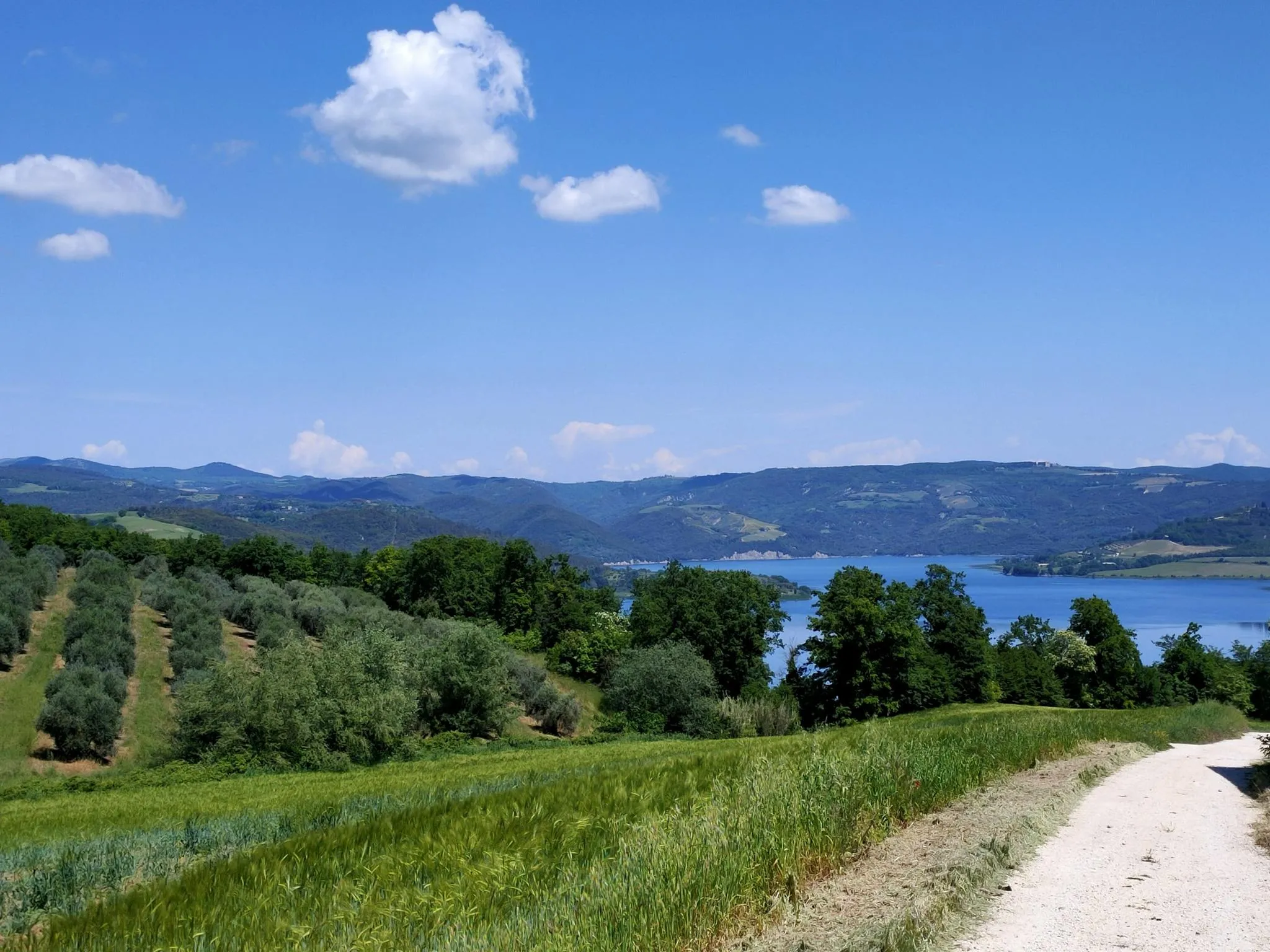
Italian Coast2Coast – From Portonovo to Orbetello
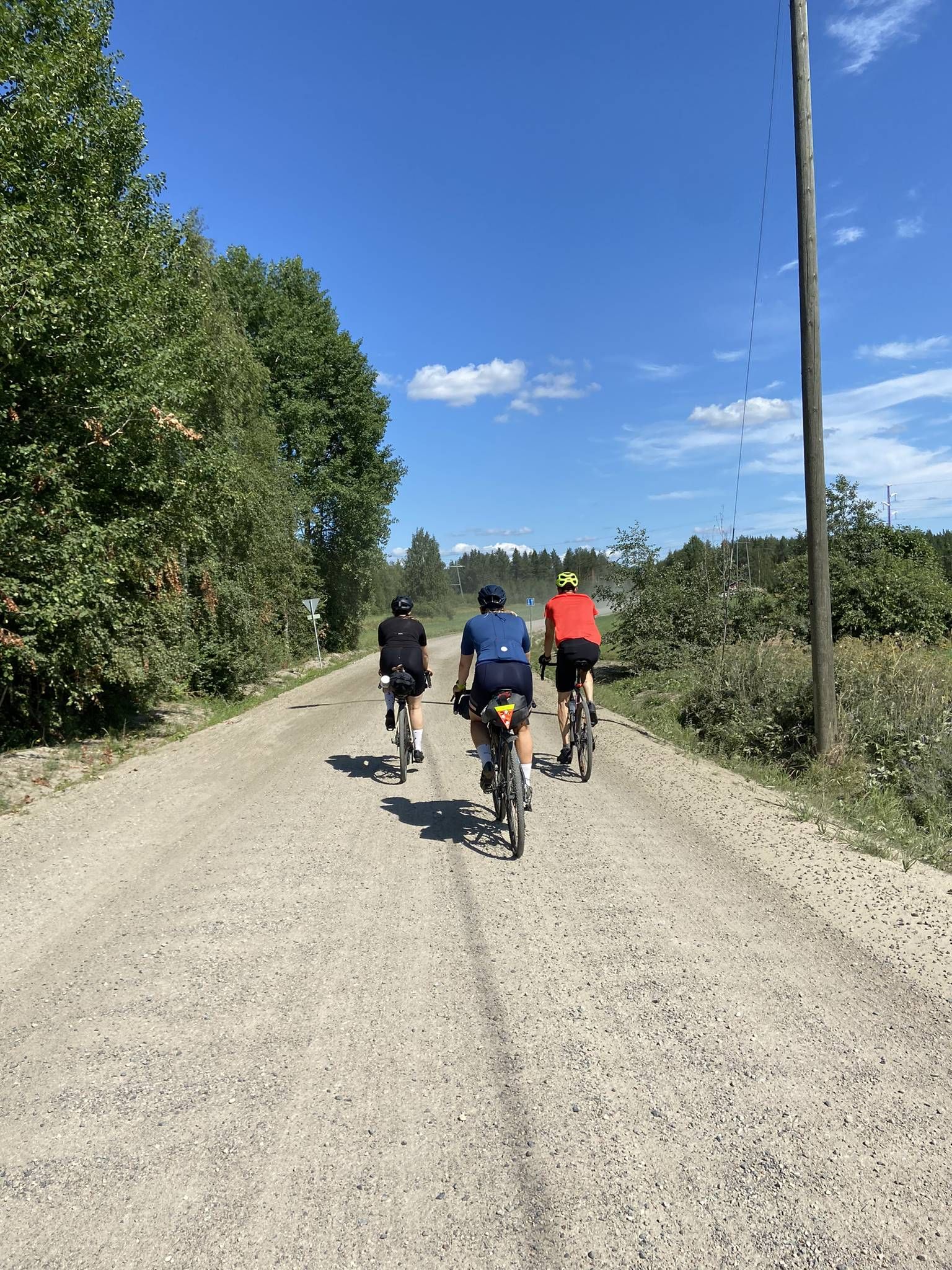
Naples to North Cape — Two friends, one purpose and many scoops of ice-cream
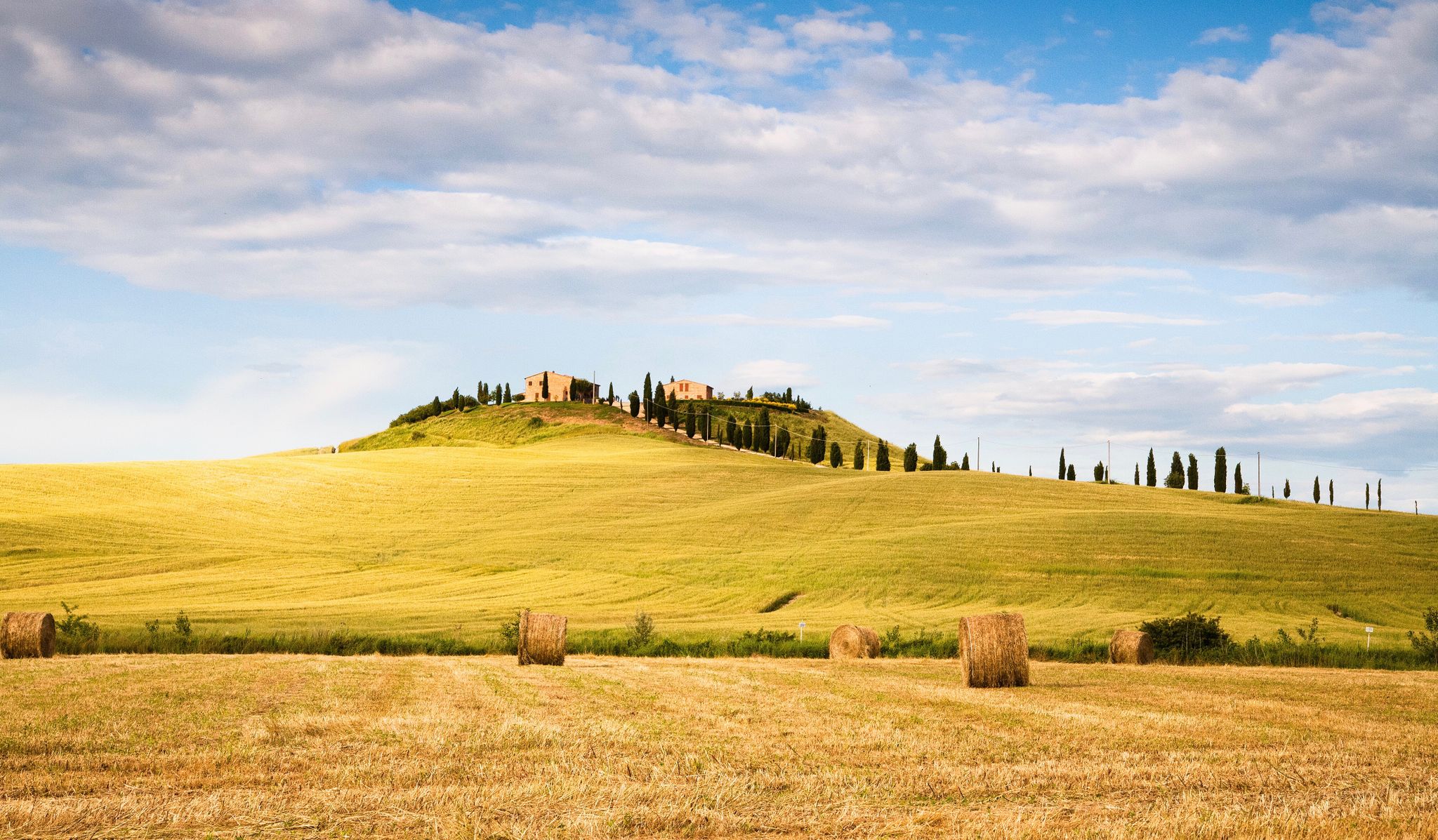
Via Francigena South — Siena to Rome
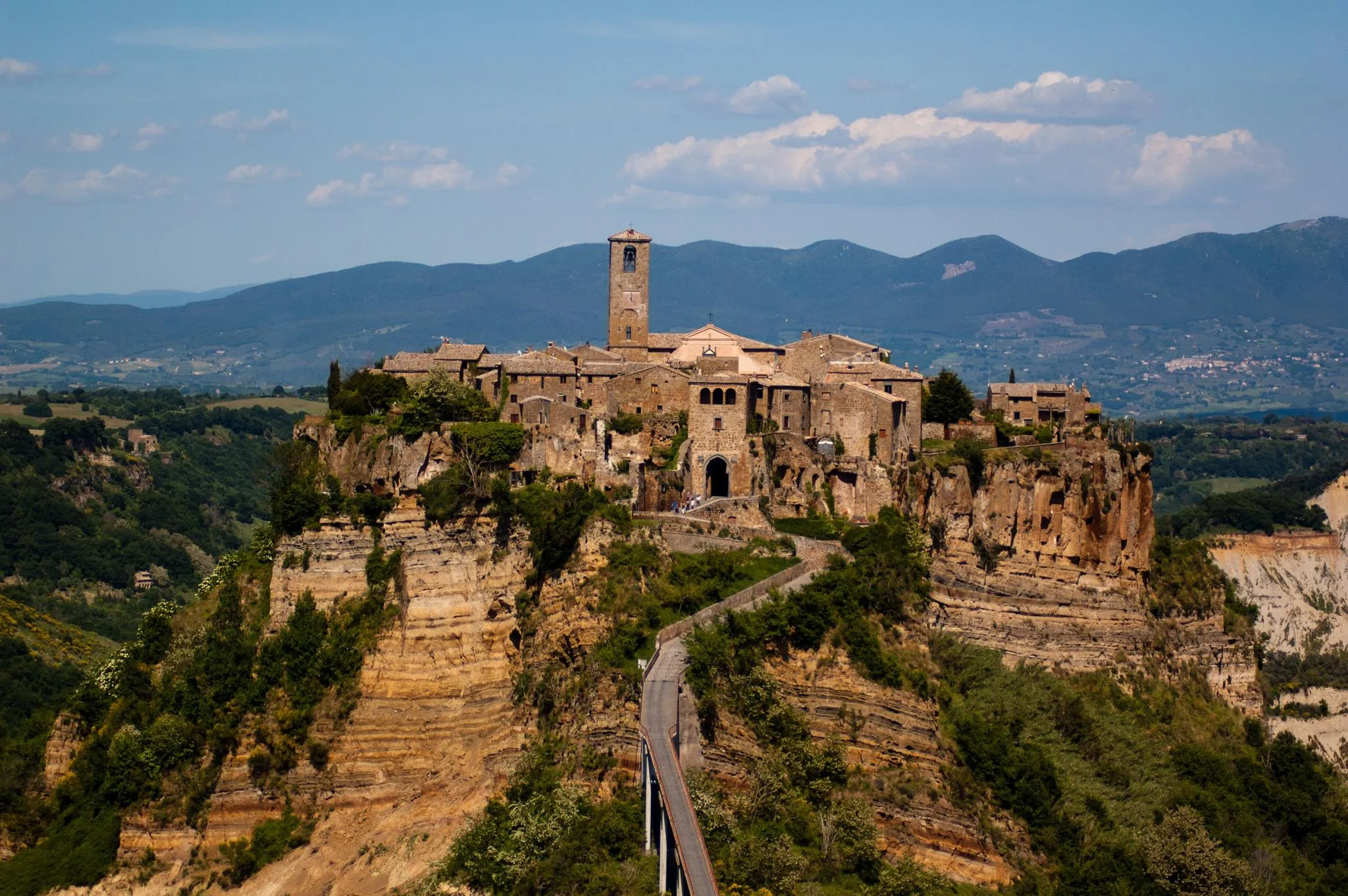
Lazio by bike – suspended villages, turquoise waters and natural parks
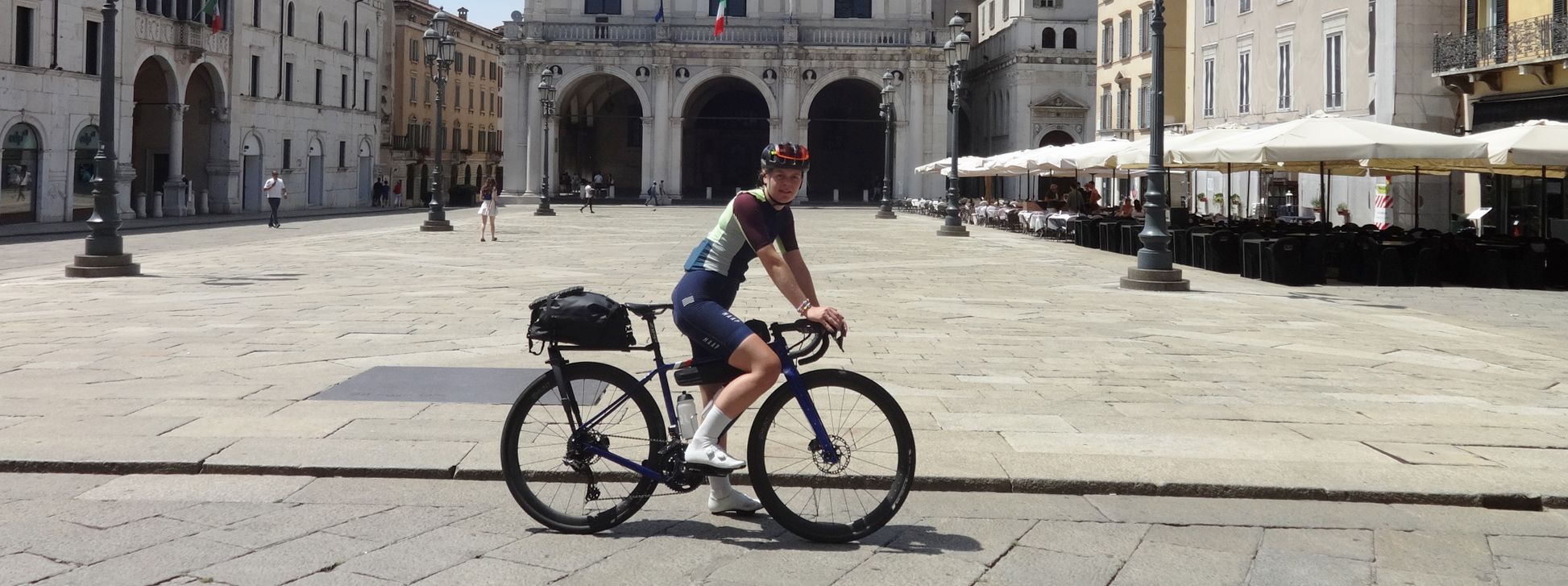
The Pizza Pilgrimage – Milan to Naples, fuelled by pizza
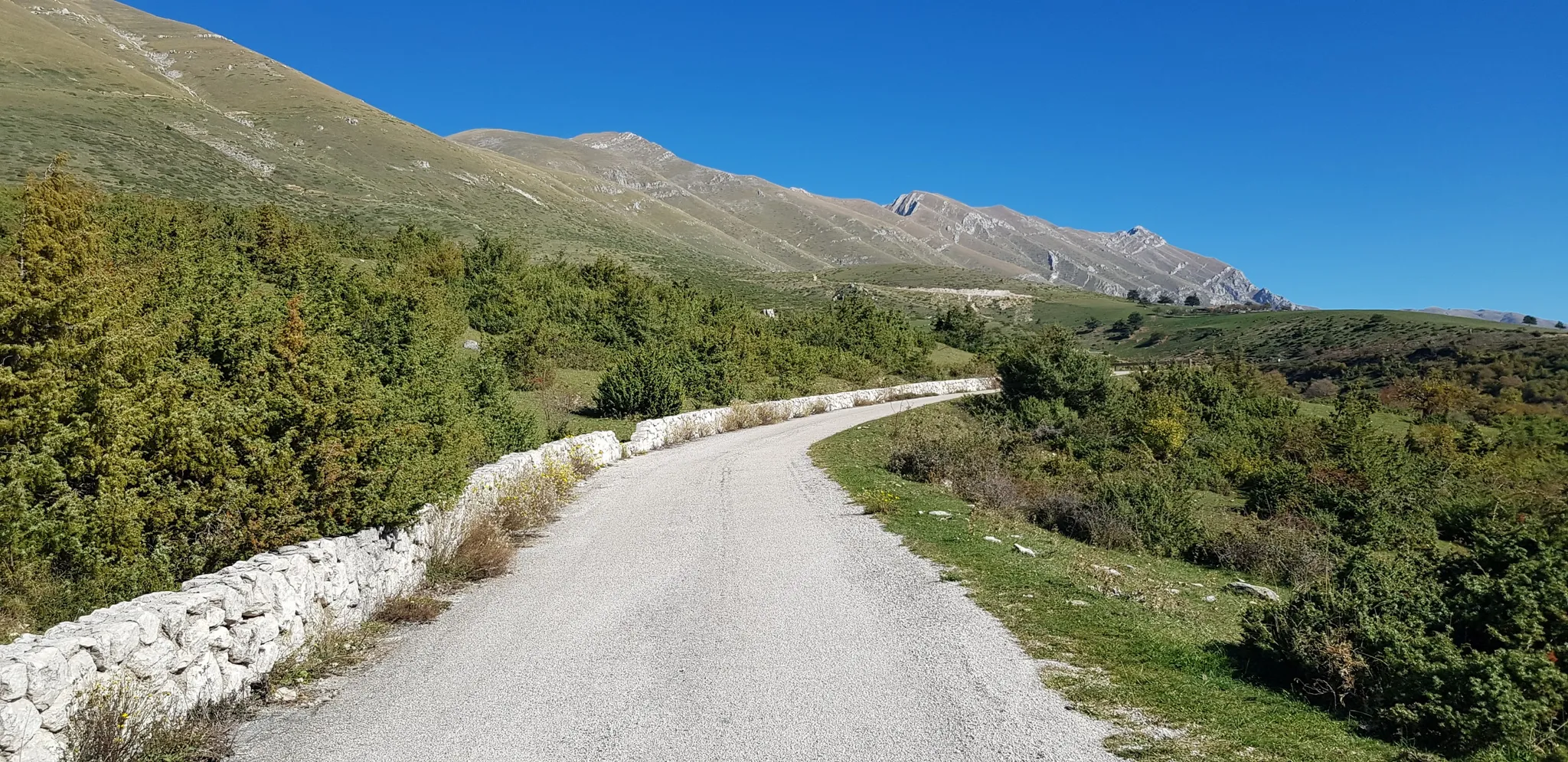
The Apennine Cycleway (Part 2) - From Umbria to Calabria
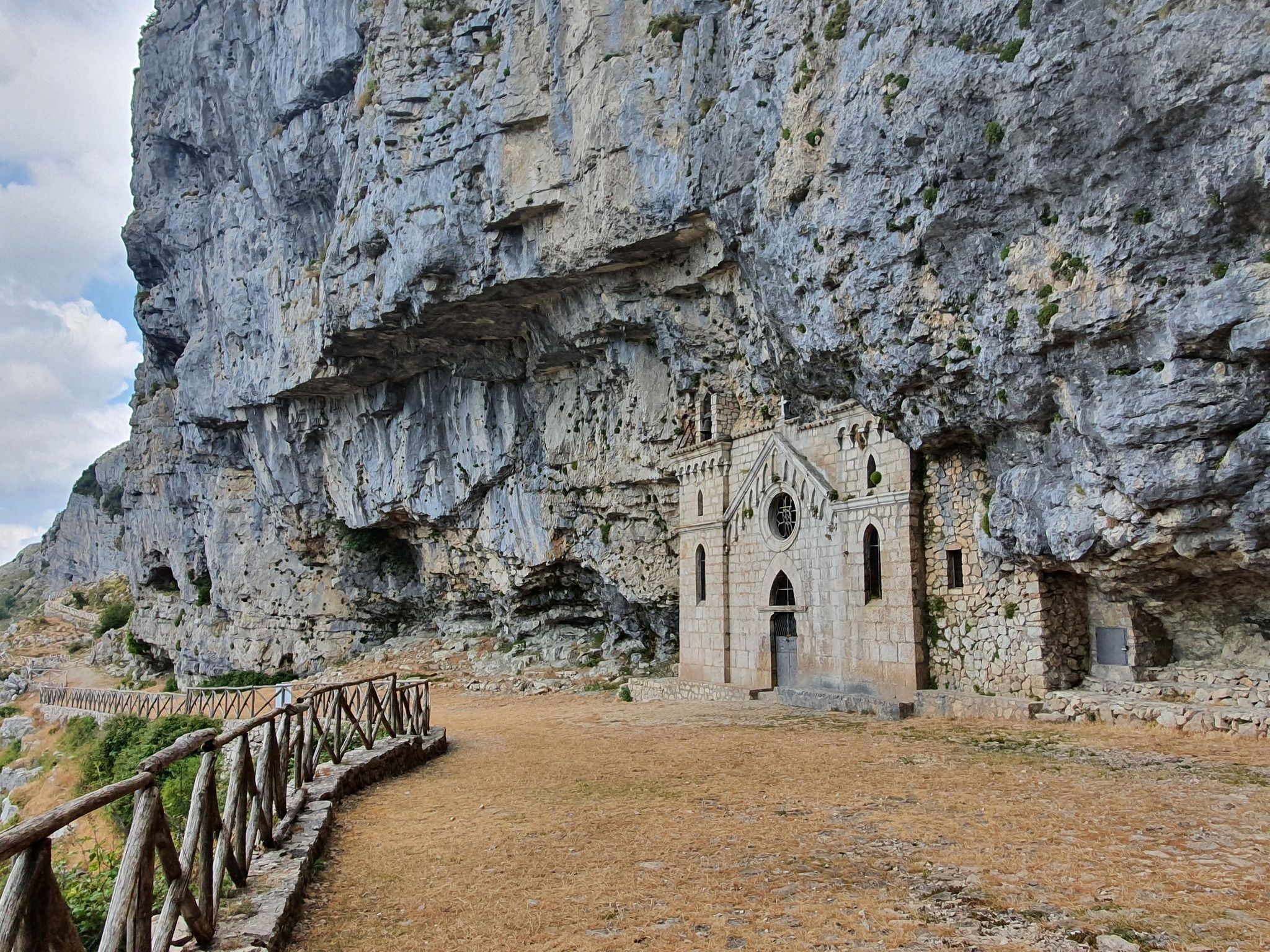
Explore Italy’s Aurunci Mountains by MTB
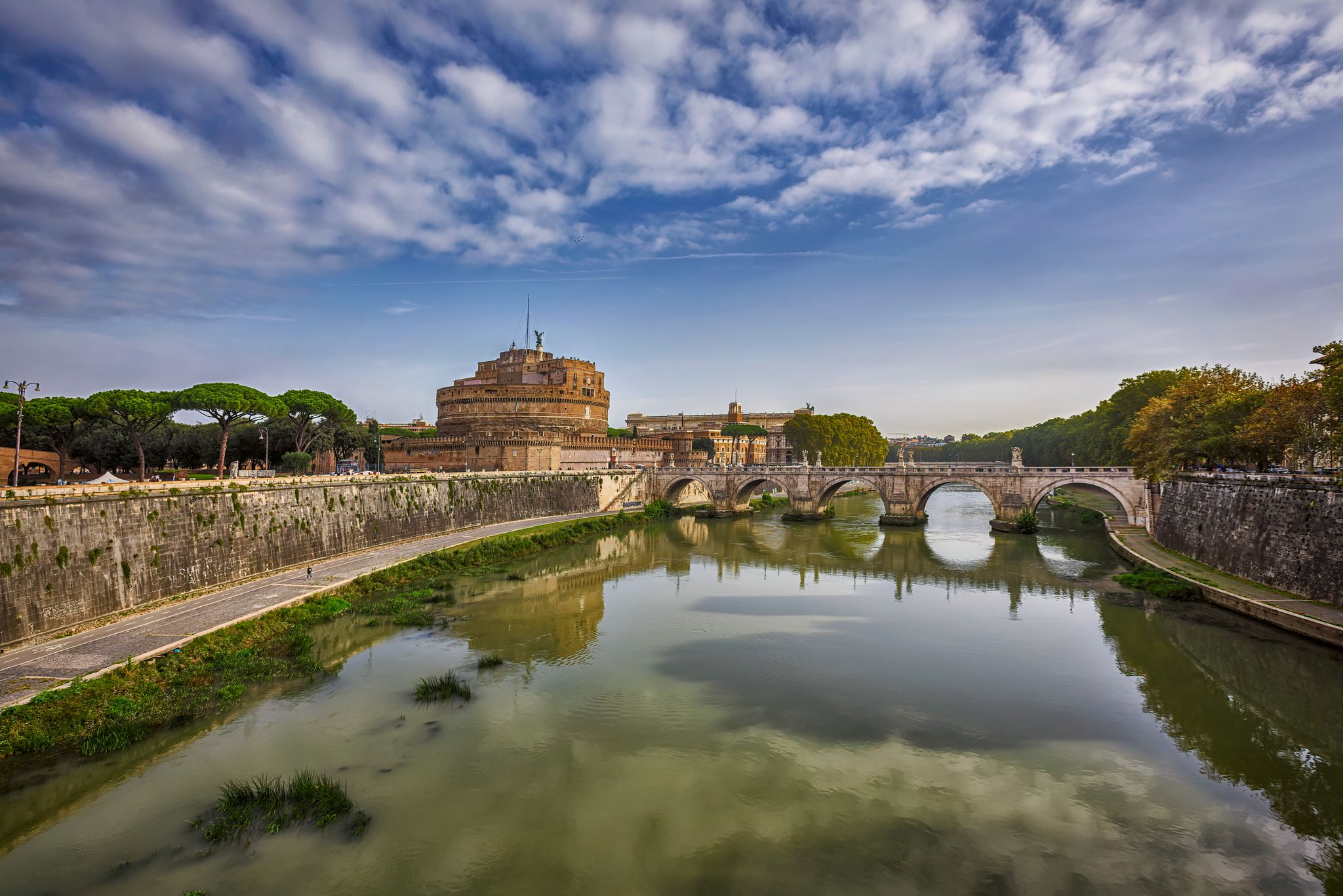
All roads lead to Rome – Romea Tiberina Cycleway
Hike from Rome to the Adriatic Sea – Way of St. Thomas
Ride St Francis Way in Italy – Via del Sud pilgrimage
Other adventures in Lazio


Tips from the Community

After a long time, the water has returned, perhaps thanks to the rains of the past few months. There are also some tadpoles that have been placed in the fountain.
0
0

Fontan Tempesta is much more than a simple spring: it is a melting pot of history, geology, and legend located in the heart of the Castelli Romani Park, along the ancient path connecting Genzano, Nemi, and Rocca di Papa. 1. History and Name The name "Tempesta" has ancient roots. Some historians link it to the Tempesta family, local nobles in the Middle Ages. Others, more romantically, maintain that the area is so named for the frequency of intense atmospheric phenomena due to the particular shape of the Nemi volcanic crater, which "attracts" thunderstorms. 2. A Hydrographic Turning Point The spring is located approximately 600 meters above sea level. Geologically, the water that flows here is the result of filtering through the pyroclastic rocks of the Laziale Volcano. The fact that it has returned to flow after years of drought is an important sign of the restoration of surface water tables, often strained by the scarce rainfall of recent years. 3. Crossroads of Pilgrims and Wayfarers Historically, Fontan Tempesta was an obligatory stop for those traveling the Southern Via Francigena or for pilgrims heading to the Temple of Diana in Nemi. Even today, it is a favorite "turning point" for bikers and hikers because it represents the coolest and most sheltered spot in the forest, where the microclimate remains humid even in the height of summer.
0
0

Nice spot to make pause and regain energy. Don’t expect water flowing during summer months
0
0

Hello Do you know if the trail is exposed in any places? We have a 15-month-old baby, and my wife is particularly afraid of the exposed sections. Thank you very much.
0
0

Piazza Navona is one of Rome's most famous and beautiful squares, known for its elegant Baroque architecture, monumental fountains, and vibrant atmosphere. Built on the site of the ancient Stadium of Domitian (1st century AD), where athletic competitions were held, it is a square with a long, curved shape that follows the layout of the original stadium. It was transformed into a public square in the 15th century and beautified in the 17th century under the papacy of Innocent X.
16
0
The Trevi Fountain is one of Rome's most iconic monuments and a jewel of Baroque art. Construction: Begun in 1732 by Nicola Salvi and completed in 1762 by Giuseppe Pannini.
19
1

The Appian Way is the perfect place for a family bike ride, away from the hustle and bustle. The paths are mostly very well-maintained. In some places, you can cycle alongside the Appian Way on sandy paths, as the old stones are not very pleasant to ride on. However, this is only the case in a few places. Furthermore, throughout the entire ride, you can repeatedly see ancient ruins, etc., on both sides. Just passing by is wonderful.
2
0
Villa Borghese Park in Rome is one of the largest and most beautiful urban parks in Europe. This park combines nature and art in a unique way, offering an enriching experience for visitors. The park is ideal for relaxing, playing sports or simply enjoying a stroll. In addition, bicycles and skates can be rented at the main entrances.
5
1
Frequently Asked Questions
What unique natural features can I explore in Lazio?
Lazio offers a diverse range of natural features. You can witness geothermal activity at Caldara di Manziana, explore the volcanic canyon of the Gorge of Corchiano, or discover the ancient trees and moss-covered boulders of the Sasseto Forest. The region also features coastal dunes, four coastal lakes, and prehistoric caves within Circeo National Park, a UNESCO Biosphere Reserve.
Are there any natural monuments in Lazio that are also historically significant?
Yes, many natural monuments in Lazio blend natural beauty with historical significance. The Gorge of Corchiano, for instance, features prehistoric caves, Faliscan *Vie Cave*, and Roman remains. The Hermitage of San Cataldo is nestled among granite rocks and houses an 11th or 12th-century Byzantine fresco. Additionally, the Via Appia Antica (Ancient Appian Way) is a Grade I archaeological site and a regional park, while the Park of the Aqueducts showcases ancient Roman aqueducts within a natural green space.
Which natural monuments in Lazio are suitable for families?
Several natural monuments in Lazio are family-friendly. The Monte Gelato Waterfalls offer a peaceful environment along the Treja river, ideal for a family outing. The Park of the Aqueducts provides a large green space for exploration. Caffarella Park is another excellent choice, offering trails and historical elements. Circeo National Park also provides diverse activities suitable for families, including hiking and birdwatching.
What kind of outdoor activities can I do near Lazio's natural monuments?
Lazio's natural monuments are surrounded by opportunities for various outdoor activities. You can find numerous running trails, such as the Villa Doria Pamphilj Loop Trail or the Caffarella Park Loop. For cyclists, there are road cycling routes like the Tour of Lake Bracciano. Hikers can explore trails in areas like the Monte Catillo Reserve or the Lago Albano ring tour. For more details on routes, you can explore Running Trails in Lazio, Road Cycling Routes in Lazio, and Hiking in Lazio.
Are there any UNESCO World Heritage Sites among Lazio's natural monuments?
Yes, Lazio is home to significant UNESCO sites. Circeo National Park is recognized as a UNESCO Biosphere Reserve due to its wide variety of habitats and biodiversity. Additionally, the Ancient Beech Forests of Cimini Mountains and Monte Raschio di Oriolo Romano are part of a UNESCO World Heritage Site, celebrated for their highly natural ecosystems and towering beech trees.
Where can I find waterfalls in Lazio?
Lazio features beautiful waterfalls that are popular natural monuments. The Monte Gelato Waterfalls are well-known, offering a peaceful environment near the ruins of an old mill. Another notable spot is the Mola Waterfall of Formello, which is also a popular swim spot.
What are some lesser-known or unique natural monuments in Lazio?
Beyond the more popular sites, Lazio holds several unique natural monuments. Lake and Nature Reserve of Posta Fibreno is known for its karst topography and a unique 'rota' – a peat and shrub islet that moves with the wind. Monte Soratte, often called 'The Balcony of Rome,' offers panoramic views and rugged hiking terrain, along with historic hermitages. The Tempesta Spring is another natural monument worth exploring for its serene natural setting.
What do visitors appreciate most about the natural monuments in Lazio?
Visitors frequently praise the blend of natural beauty and historical depth found in Lazio's natural monuments. Many enjoy the serene escape and the opportunity to connect with nature, whether it's the unique geothermal landscape of Caldara di Manziana or the mystical atmosphere of Sasseto Forest. The historical context, such as the ancient aqueducts in the Park of the Aqueducts or the archaeological richness of the Gorge of Corchiano, also greatly enhances the experience.
Are there any natural monuments in Lazio that are wheelchair accessible?
Yes, some natural monuments and related sites in Lazio offer wheelchair accessibility. For example, the Trevi Fountain and the Fountain of the Four Rivers, Piazza Navona, while man-made, are often considered within the broader context of accessible natural monument experiences in urban settings, allowing visitors to enjoy their beauty. When planning a visit, it's always recommended to check specific site conditions for the most up-to-date accessibility information.
Can I find ancient forests to explore in Lazio?
Absolutely. Lazio is renowned for its ancient forests. The Sasseto Forest near Acquapendente is a monumental forest with diverse tree species like Durmasts, oaks, beeches, and hollies, creating an enchanting atmosphere. Additionally, the Ancient Beech Forests of Cimini Mountains and Monte Raschio di Oriolo Romano are part of a UNESCO World Heritage Site, offering pristine, centuries-old woodlands with towering beech trees.
What kind of wildlife can I expect to see in Lazio's natural parks?
Lazio's natural parks and monuments are home to diverse wildlife. Circeo National Park, a UNESCO Biosphere Reserve, is a prime example of biodiversity conservation, offering excellent opportunities for birdwatching. The Lake and Nature Reserve of Posta Fibreno is also known for its diverse wildlife, thriving in its unique karst topography and floating islets. Specific sightings will depend on the location and season.
What is the best time of year to visit the natural monuments in Lazio?
The best time to visit Lazio's natural monuments generally depends on the specific activity. Spring (April-May) and autumn (September-October) offer pleasant temperatures for hiking and exploring, with lush greenery in spring and vibrant colors in autumn. Summer can be warm, but it's ideal for visiting sites near water like the Monte Gelato Waterfalls or the coastal areas of Circeo National Park. Winter offers a quieter experience, though some higher elevation areas might have colder conditions.
Most popular routes in Lazio
Most popular attractions in Lazio

Get inspired with the komoot mobile app


Didn’t find what you were looking for?
Find even more amazing natural monuments in Lazio by checking out the top Highlights region by region:
Explore more
Extend your search for the best caves by checking out these guides of the top ones in Lazio:
