Top 20 Natural Monuments in the Kalkalpen National Park Region
Best natural monuments in the Kalkalpen National Park Region are found within a diverse and pristine natural landscape in Austria. This area is characterized by ancient beech forests, extensive karst formations, and the mountain ranges of Sengsengebirge and Reichraminger Hintergebirge. The park protects Austria's largest continuous forest wilderness, offering a variety of geological and ecological features. It is a destination for exploring natural features and diverse habitats.
Best natural monuments in the Kalkalpen National Park Region
- The most popular natural…
Last updated: July 7, 2026
Hoher Nock
Highlight • Summit
Translated by Google •
Tip by

Schleierfall Waterfall
Highlight • Waterfall
Translated by Google •
Tip by

Sign up now to discover places like this
Get recommendations on the best single tracks, peaks, & plenty of other exciting outdoor places.
Sign up for free
Schillereck Summit (1748 m)
Highlight • Summit
Trail 460: From the south, from the Speringbauer to the radio station below the Spering and east to the summit.
Trail 465: From the north, from the Klauser …
Translated by Google •
Tip by

Wasserklotz Summit
Highlight • Summit
Translated by Google •
Tip by

Lynx statue
Highlight • Monument
Translated by Google •
Tip by

Sign up for free to discover even more natural monuments in the Kalkalpen National Park Region.
Sign up for free
Already have an account?
Start today with a free account
Your next adventure awaits.
Login or Signup
Popular around Kalkalpen National Park
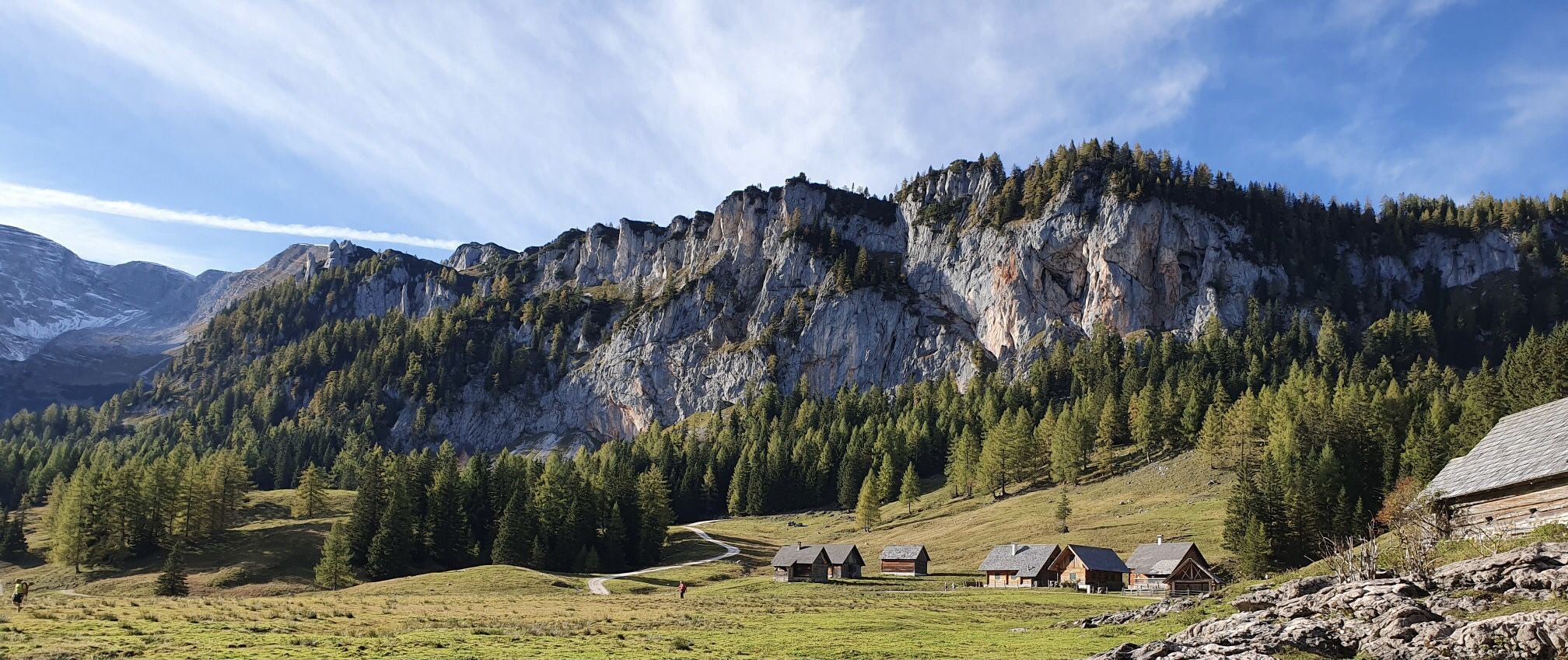
Austria's Kalkalpen Trail – Giant rocks & alpine meadows
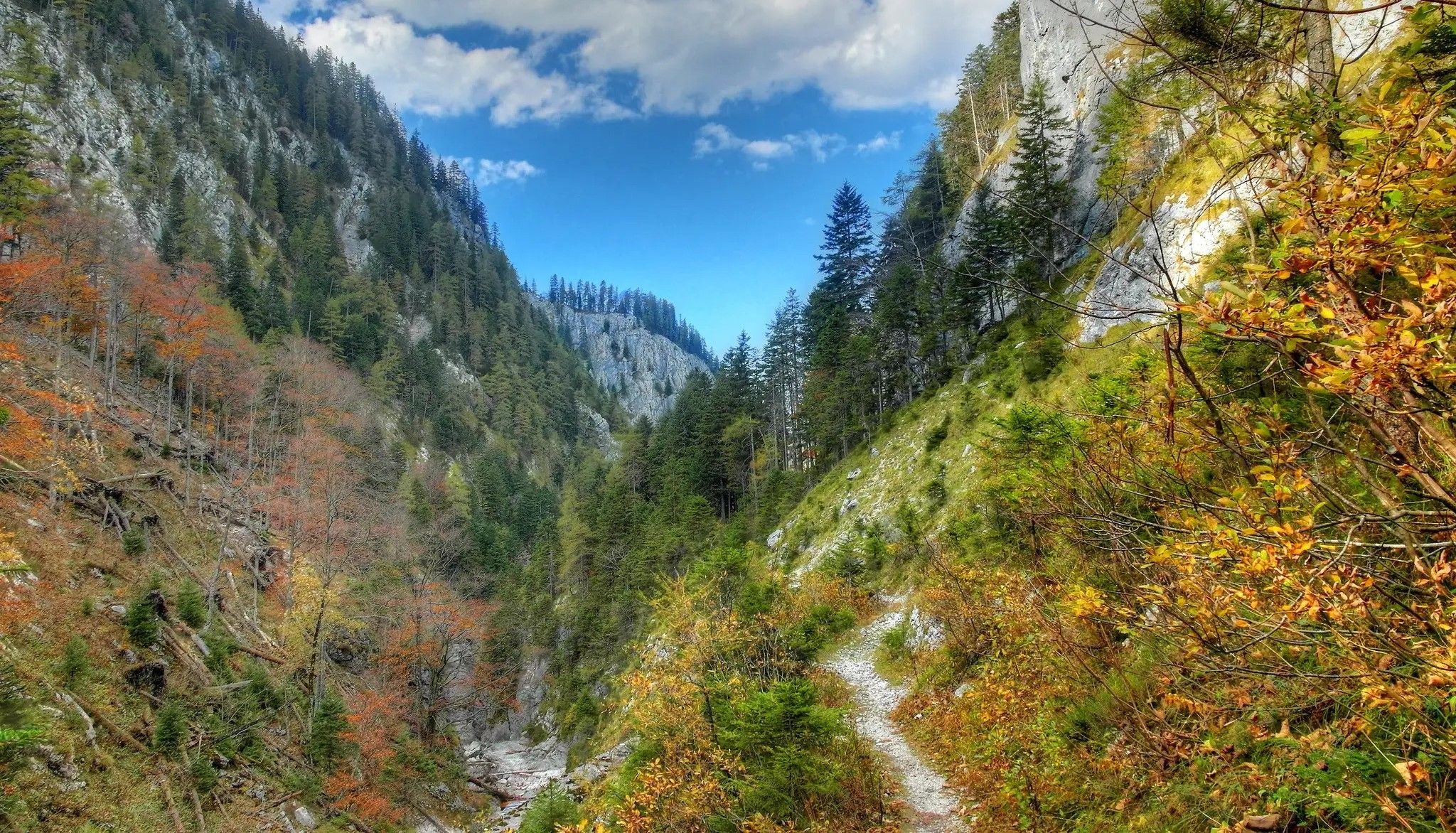
Bikepacking the Kalkalpen Circuit – an Austrian adventure
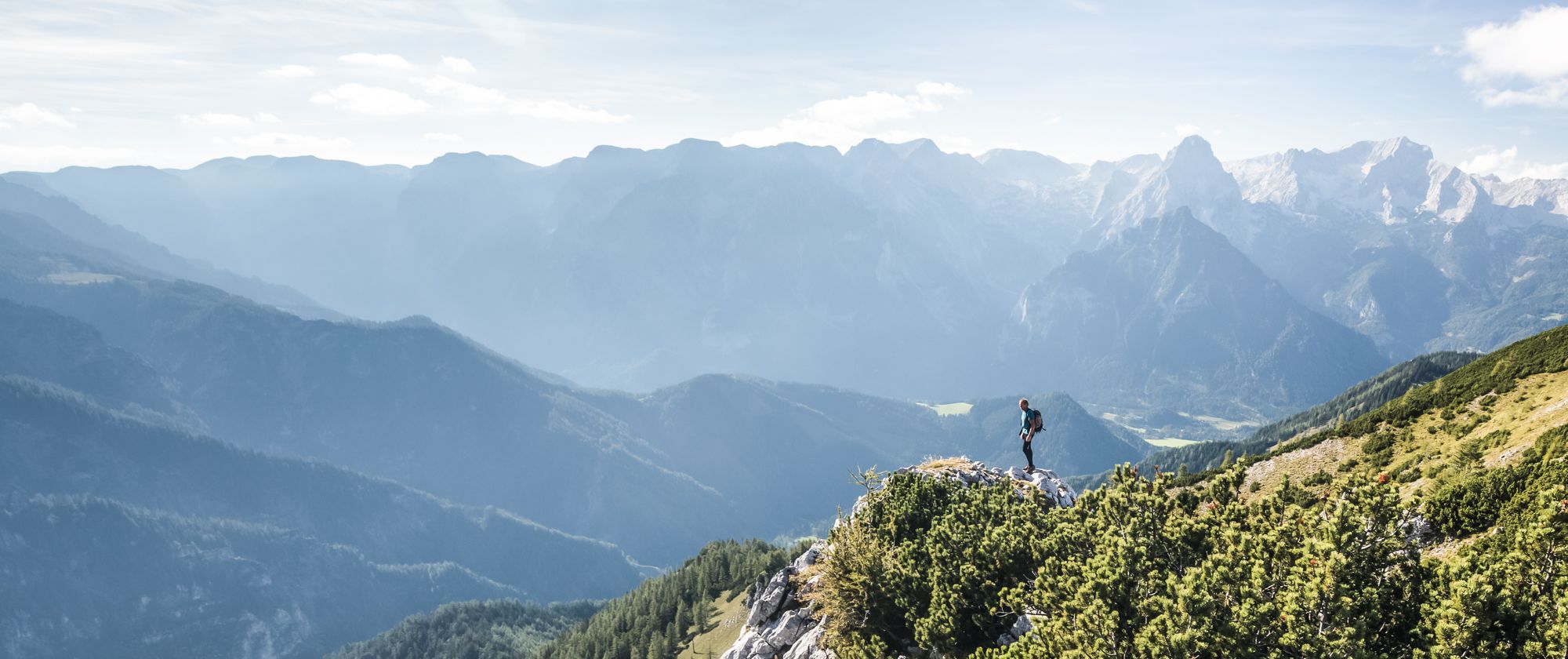
From a family hike to a summit climb – hiking in Pyhrn-Priel
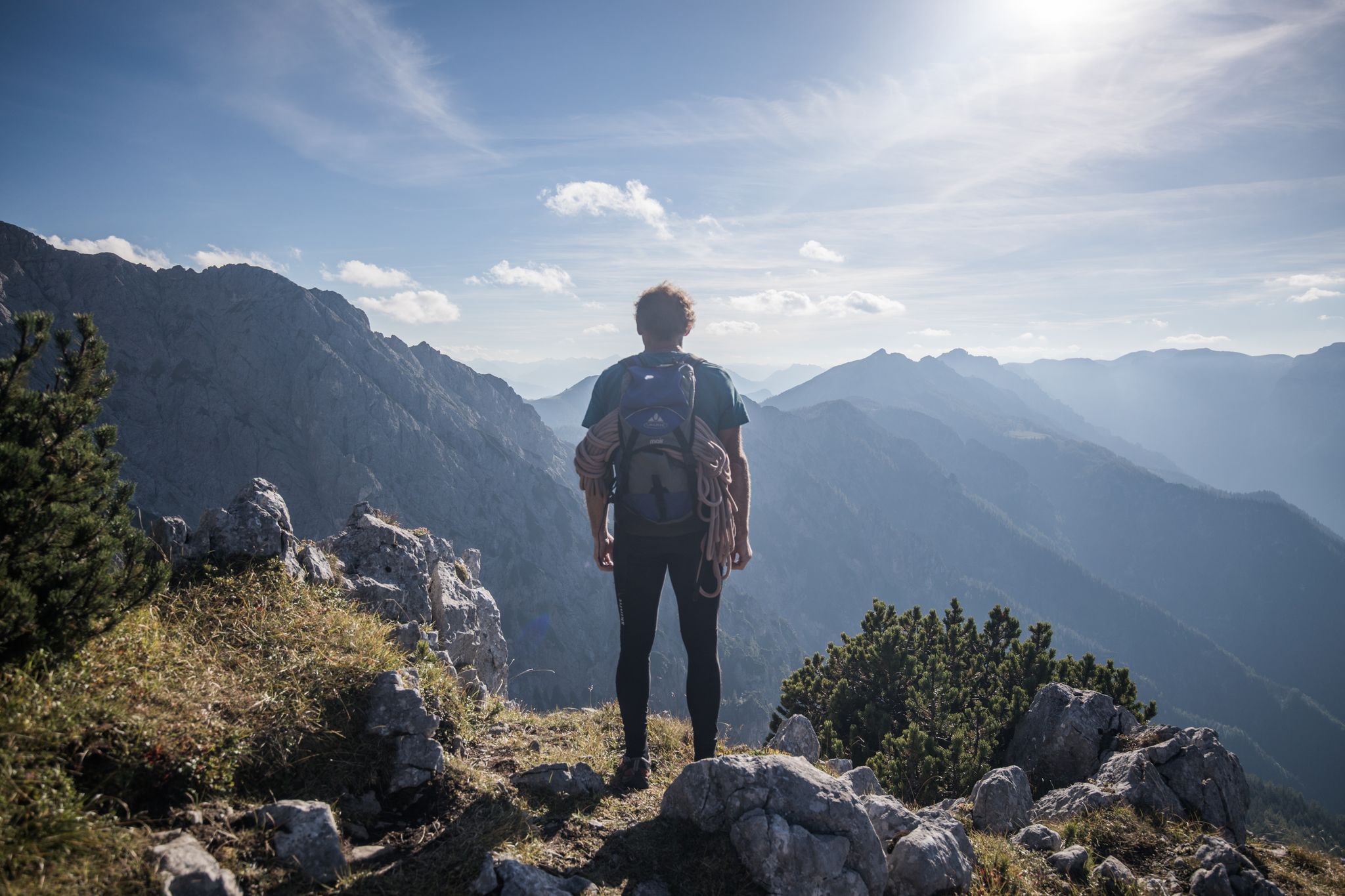
From a family hike to a via ferrata – hiking in Pyhrn-Priel
Hiking in the Kalkalpen National Park Region
Cycling in the Kalkalpen National Park Region
MTB Trails in the Kalkalpen National Park Region
Road Cycling Routes in the Kalkalpen National Park Region
Running Trails in the Kalkalpen National Park Region
Gravel biking in the Kalkalpen National Park Region
Other adventures in the Kalkalpen National Park Region


Tips from the Community

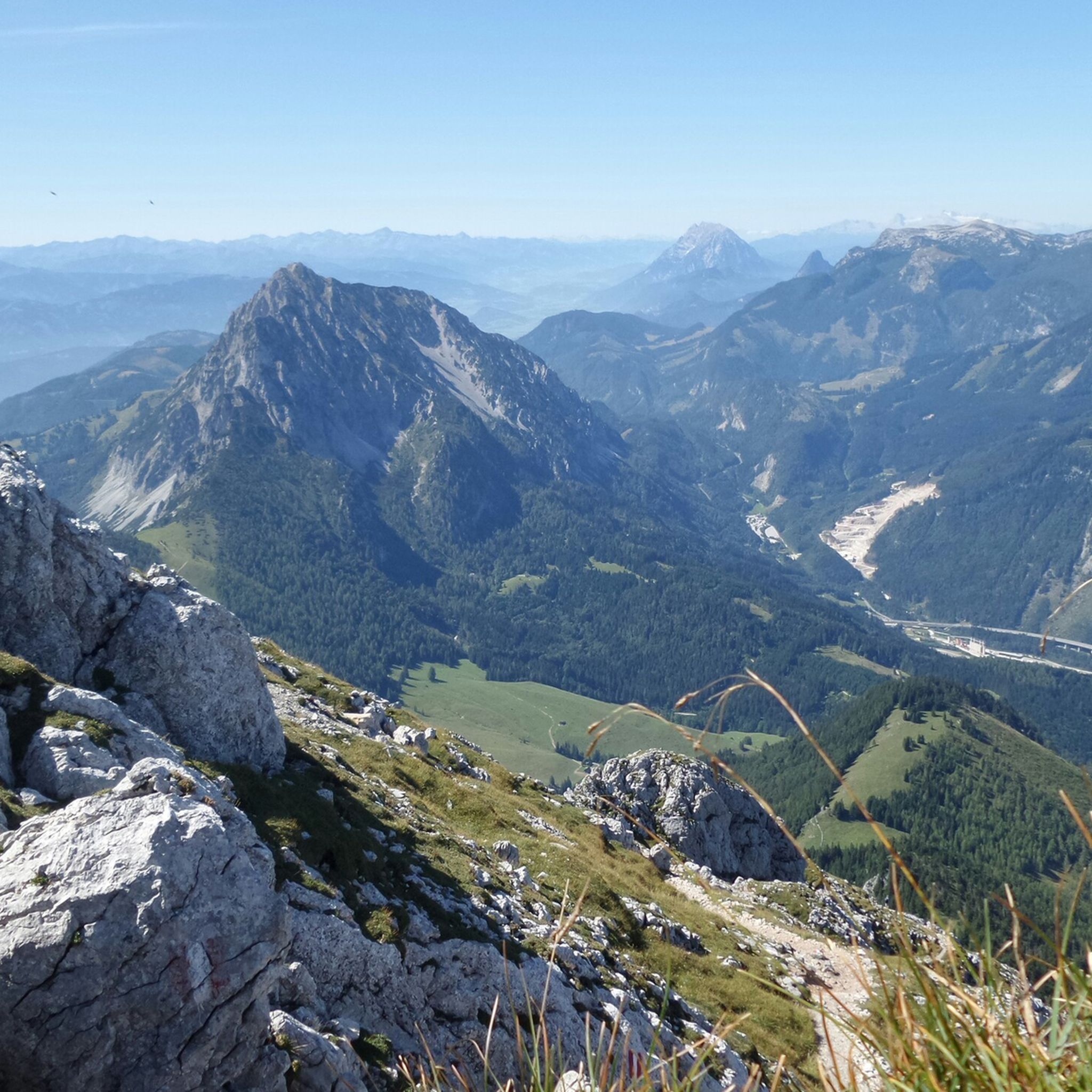
A beautiful viewpoint with a magnificent panoramic view of the Haller Mauern, Totes Gebirge, Reichraminger Hinterberge, and, in good weather, much further afield... The climb is also worthwhile. Even during the ascent, first across alpine meadows and then along a narrow path, there are always beautiful views.
0
0

A very beautiful summit with a fabulous 360-degree panorama 🫵😉
0
0

The Hohe Nock (1,963 m) is the highest peak in the Sengsengebirge Mountains and – when traversed from east to west – the last major summit of the tour before descending through the Budergraben valley. It offers magnificent panoramic views of the Kalkalpen National Park, the Totes Gebirge mountains, and the Gesäuse. On clear days, however, the Hohe Nock is a popular destination, and it can get quite crowded – those seeking absolute peace and solitude should ascend in the early morning hours and during the week.
1
0
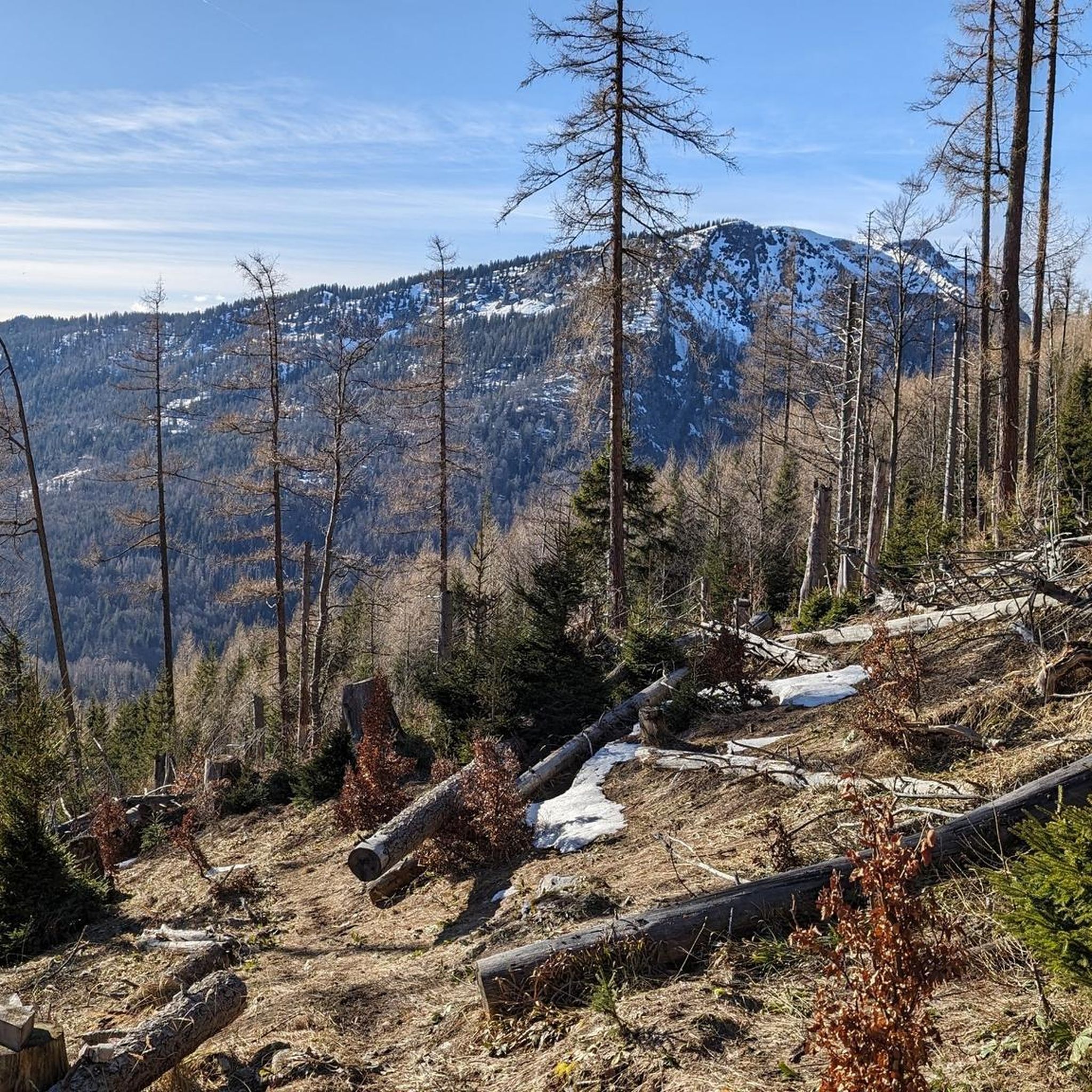
The Schillereck is a fantastic viewpoint, but the summit structure is exposed and partly steep.
2
0

Marked climbs: Trail 460: From the south, from the Speringbauer to the radio station below the Spering and east to the summit. Trail 465: From the north, from the Klauser Reservoir to the radio station and east to the summit. Trail 469: From the Hochsengs west to the summit.
5
0

The mountain with the unusual name in the Reichraminger Hintergebirge offers a great view of the Grosser Priel, Spitzmauer, Haller Mauern as well as the Grosser and Kleiner Pyhrgas.
1
0
The Hohe Nock is the highest mountain in the Sengsengebirge The Sengsengebirge stretches for almost 20 km
8
1

Wonderful waterfall, perfect for a short break.
3
0
Frequently Asked Questions
What unique natural features can I explore in the Kalkalpen National Park Region?
The region is renowned for its diverse natural features, including the extensive karst landscapes with numerous caves, sinkholes, and springs. You can also experience the ancient beech forests, which are a UNESCO World Natural Heritage site, and the dramatic mountain ranges of Sengsengebirge and Reichraminger Hintergebirge.
Are there any UNESCO World Heritage sites among the natural monuments?
Yes, the ancient beech forests within the Kalkalpen National Park are a designated UNESCO World Natural Heritage site. These forests cover a significant area and are home to some of the oldest beech trees in continental Europe, providing a vital habitat for diverse species.
What kind of geological formations can I see in the Kalkalpen National Park?
The Kalkalpen National Park is Austria's largest karst region, featuring an intricate network of geological formations. These include over 800 springs, extensive pipe systems, and numerous caves like the Schleierfall Waterfall gorge, which also shows historical remnants of timber transport.
Which natural monuments offer the best panoramic views?
For breathtaking panoramic views, consider visiting Hoher Nock, the highest peak in the park, which offers magnificent vistas over the Windischgarstner Basin. Another excellent option is the Schillereck Summit (1748 m), known for its panoramic views of the surrounding area.
Are there any family-friendly natural monuments or activities?
While many trails are challenging, some areas offer easier access. The Lynx statue is a notable man-made monument within a natural setting that can be part of a family-friendly walk, commemorating the park's wildlife reintroduction efforts. For easy hikes, you can explore routes like the "In the Valley of the Wood Trail" or "View of the Totes Gebirge – View of the Haller Mauern loop from Hengstpass" which are listed in the Easy hikes in the Kalkalpen National Park Region guide.
What hiking opportunities are available near the natural monuments?
The region offers extensive hiking opportunities. For instance, you can find challenging routes to summits like Wasserklotz Summit, which provides great views of the Grosser Priel. Many trails are available, from easy to difficult, as detailed in the Hiking in the Kalkalpen National Park Region guide.
Can I find any historical context related to the natural monuments?
Yes, the Schleierfall Waterfall in the Reichraminger Hintergebirge is a prime example. The gorge along the waterfall features remains of old wooden walkways used by "wood raftsmen," highlighting the historical significance of timber transport in the region.
What is the best time of year to visit the natural monuments in Kalkalpen National Park?
The best time to visit generally depends on your preferred activity. Spring and autumn offer pleasant temperatures for hiking and exploring the forests. Summer is ideal for higher altitude treks and enjoying the waterfalls, while winter provides opportunities for snowshoeing or cross-country skiing in designated areas, though some higher trails may be inaccessible.
Are there any notable caves or underground formations to explore?
The park is rich in karst formations. While many caves like Klarahöhle and the deepest Krestenbergschacht are typically for experienced cave explorers, the Eiskapelle (Ice Chapel) in the Sengsengebirge is a remarkable ice cave. Access to these specific ice caves is often restricted, but the general karst landscape is visible throughout the park.
What kind of wildlife might I encounter near the natural monuments?
The Kalkalpen National Park is a haven for biodiversity, housing over 10,000 species of animals, plants, and fungi. You might spot various bird species, deer, and if you're very lucky, even traces of the reintroduced lynx. The ancient beech forests are particularly vital for many rare species.
Are there opportunities for running or trail running near these natural monuments?
Absolutely. The region offers numerous trails suitable for running, ranging in difficulty. For example, you can find routes like the "Hoher Nock loop from Jagdhaus Rettenbach" or the "Wasserklotz loop from Hengstpass." More options are available in the Running Trails in the Kalkalpen National Park Region guide.
How accessible are the natural monuments by public transport or car?
Access varies by monument. While some trailheads are reachable by car with designated parking, public transport options to more remote natural monuments might be limited. It's advisable to check specific access points for your chosen destination. Many areas within the National Park are designed to be wilderness zones, encouraging exploration on foot or bike after reaching entry points.
Most popular routes in the Kalkalpen National Park Region
Most popular attractions in the Kalkalpen National Park Region

Get inspired with the komoot mobile app


Explore more
Extend your search for the best caves by checking out these guides of the top ones in the Kalkalpen National Park Region:
