Top 20 Natural Monuments around Wolfgangsee
Best natural monuments around Wolfgangsee are found in Austria's Salzkammergut region, characterized by its clear lake waters, surrounding forests, and high mountains. This area offers a diverse natural landscape, from expansive plateaus to prominent peaks and tranquil mountain lakes. The region provides numerous opportunities to experience its natural features through various outdoor activities.
Best natural monuments around Wolfgangsee
- The most popular natural monuments is Drachenwand, a climb that offers impressive views. After the challenging ascent, visitors are rewarded with…
Last updated: July 7, 2026
Zwölferhorn Summit and Panoramic Views
Highlight • Summit
Translated by Google •
Tip by

Cross stone in the Mondsee
Highlight • Natural Monument
Translated by Google •
Tip by

Sign up now to discover places like this
Get recommendations on the best single tracks, peaks, & plenty of other exciting outdoor places.
Sign up for free
Bleckwand
Highlight • Viewpoint
Translated by Google •
Tip by

Drachenwand
Highlight • Climb
Translated by Google •
Tip by

Blinklingmoos Observation Tower
Highlight • Viewpoint
Translated by Google •
Tip by

Sign up for free to discover even more natural monuments around Wolfgangsee.
Sign up for free
Already have an account?
Start today with a free account
Your next adventure awaits.
Login or Signup
Popular around Wolfgangsee
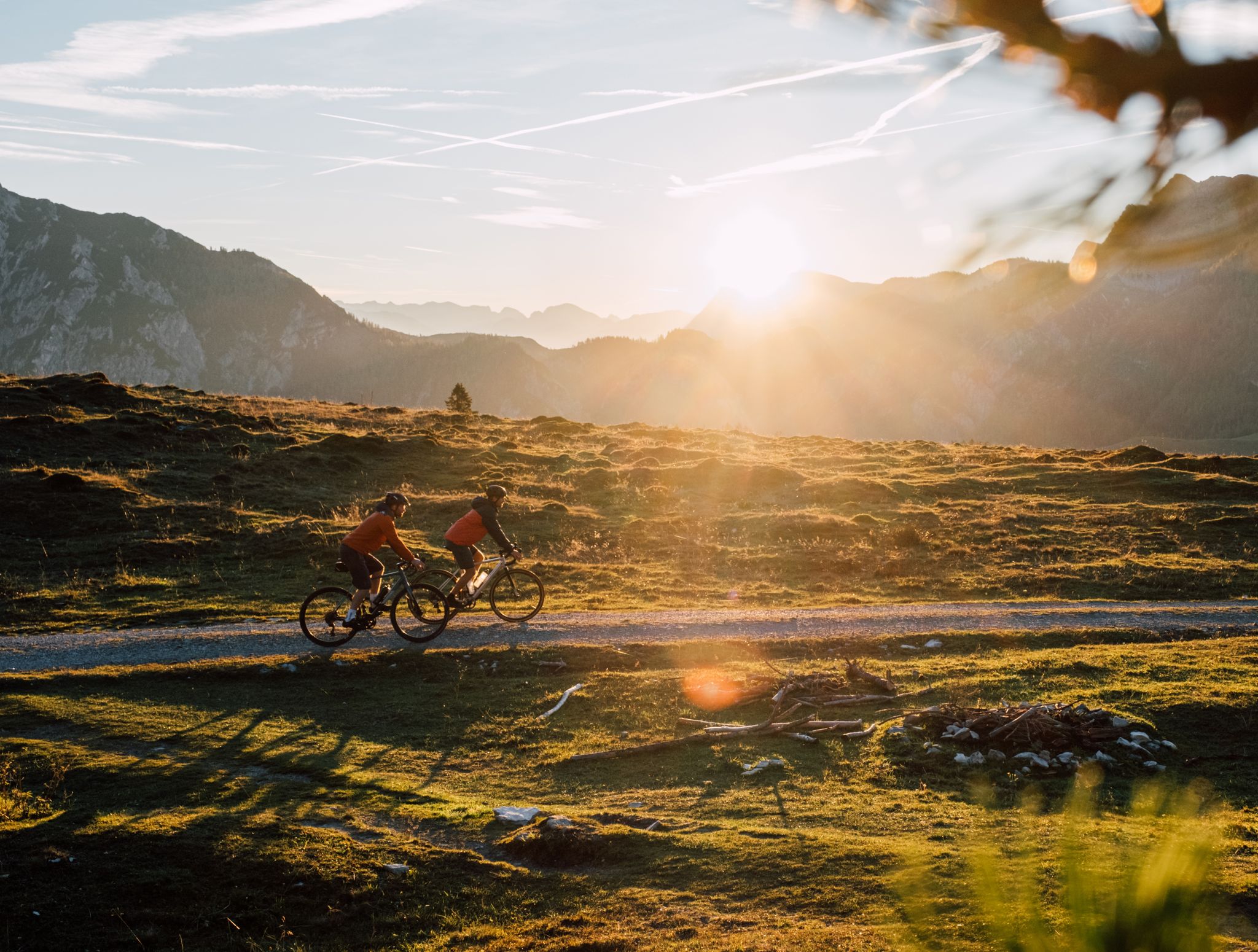
Beyond the pavement – explore Austria's wild nature on a gravel bike
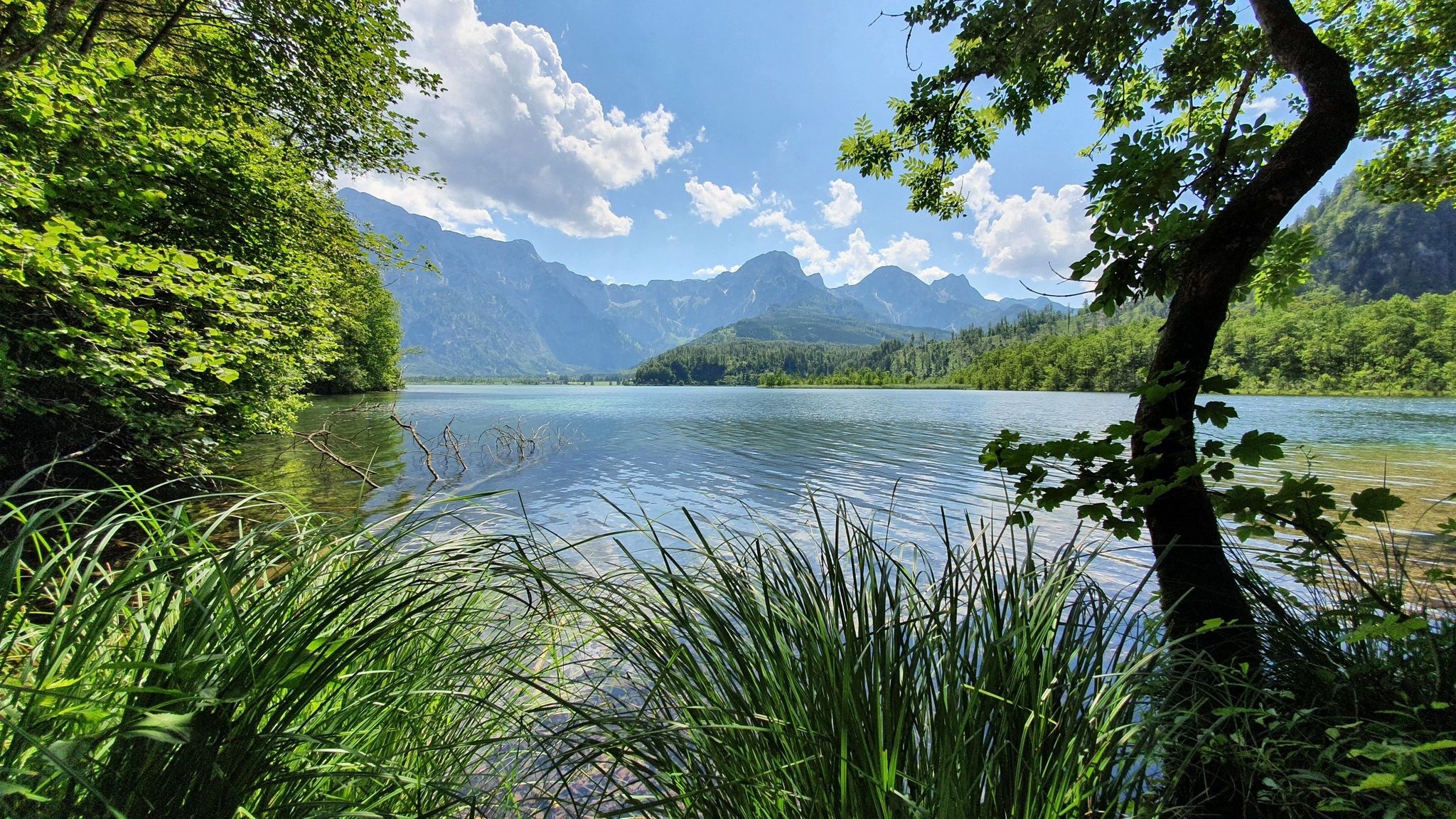
Voralpenweg 04 – From Vienna to Bad Reichenhall
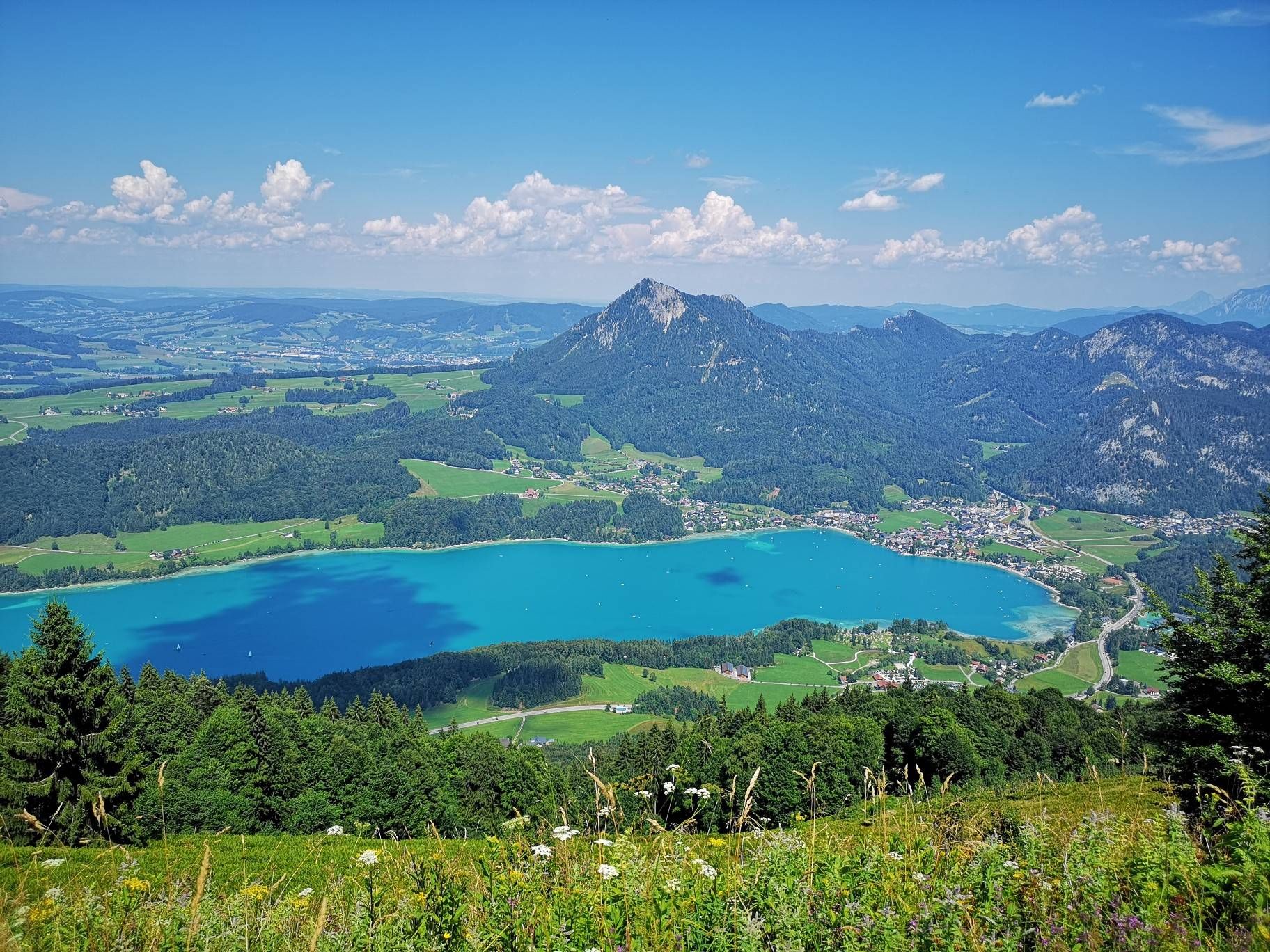
BergeSeen Trail – Long distance hiking in Austria's Salzkammergut with mountains and lakes galore
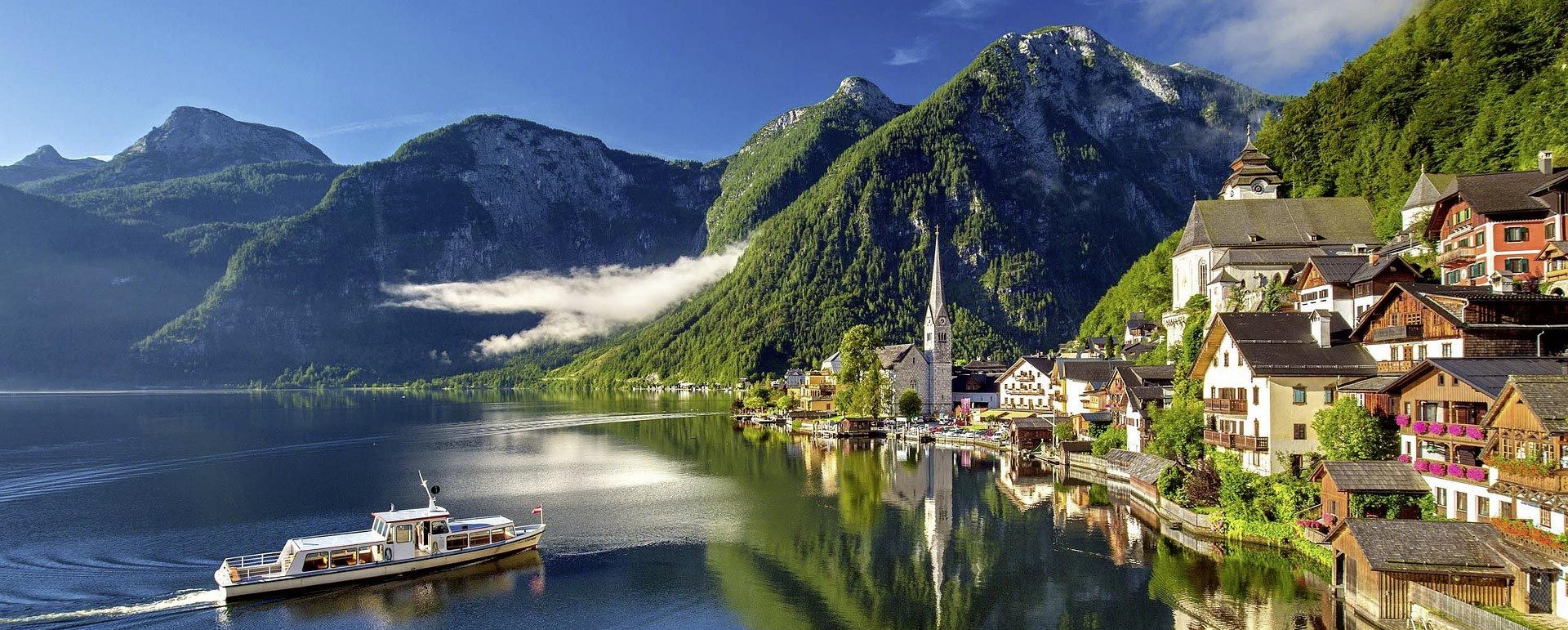
Cycling like a Kaiser – From lake to lake in Austria's Salzkammergut
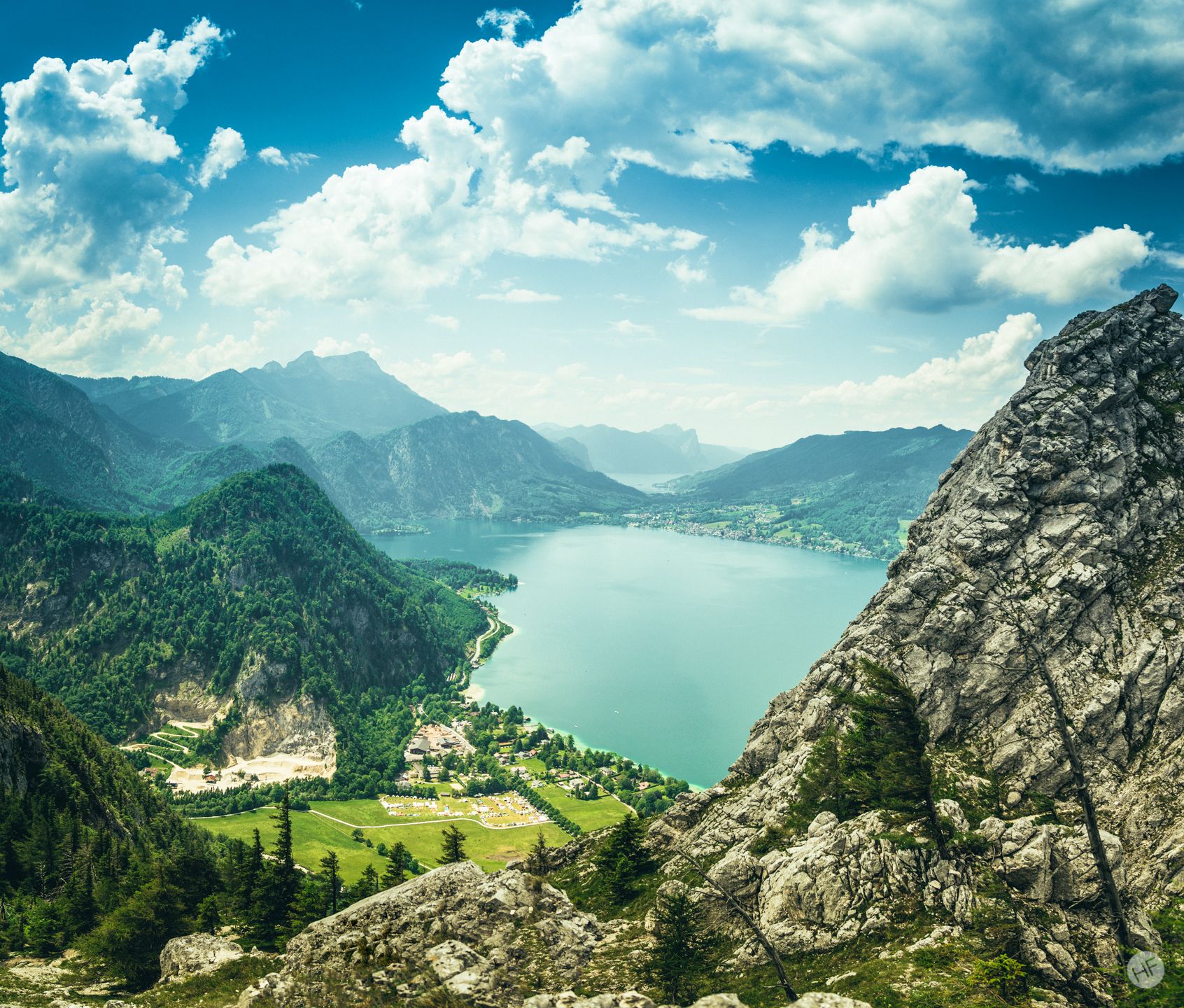
Around the Attersee – long-distance trails and the mountain hikes
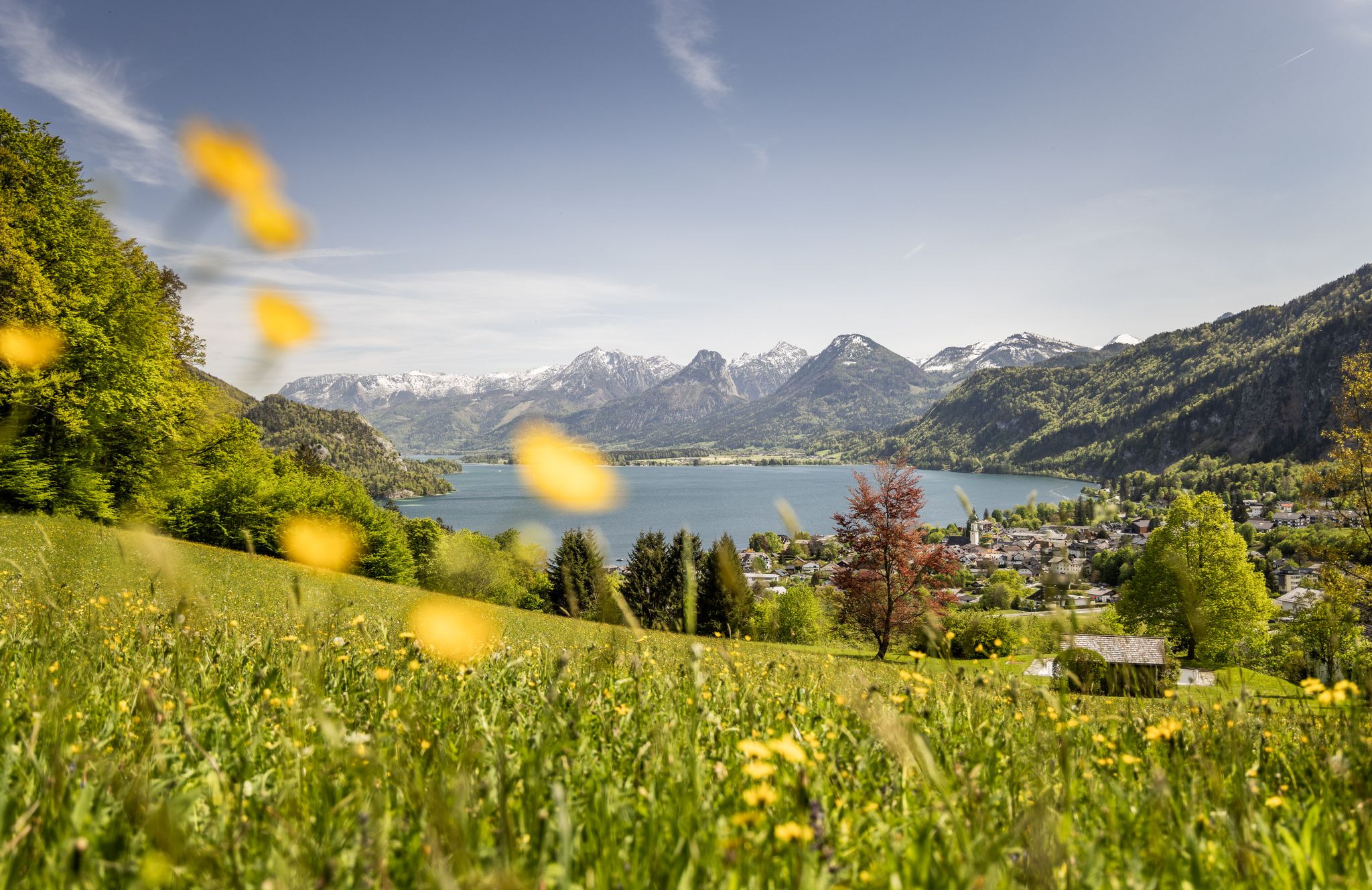
Between water and rock – hiking in Salzkammergut
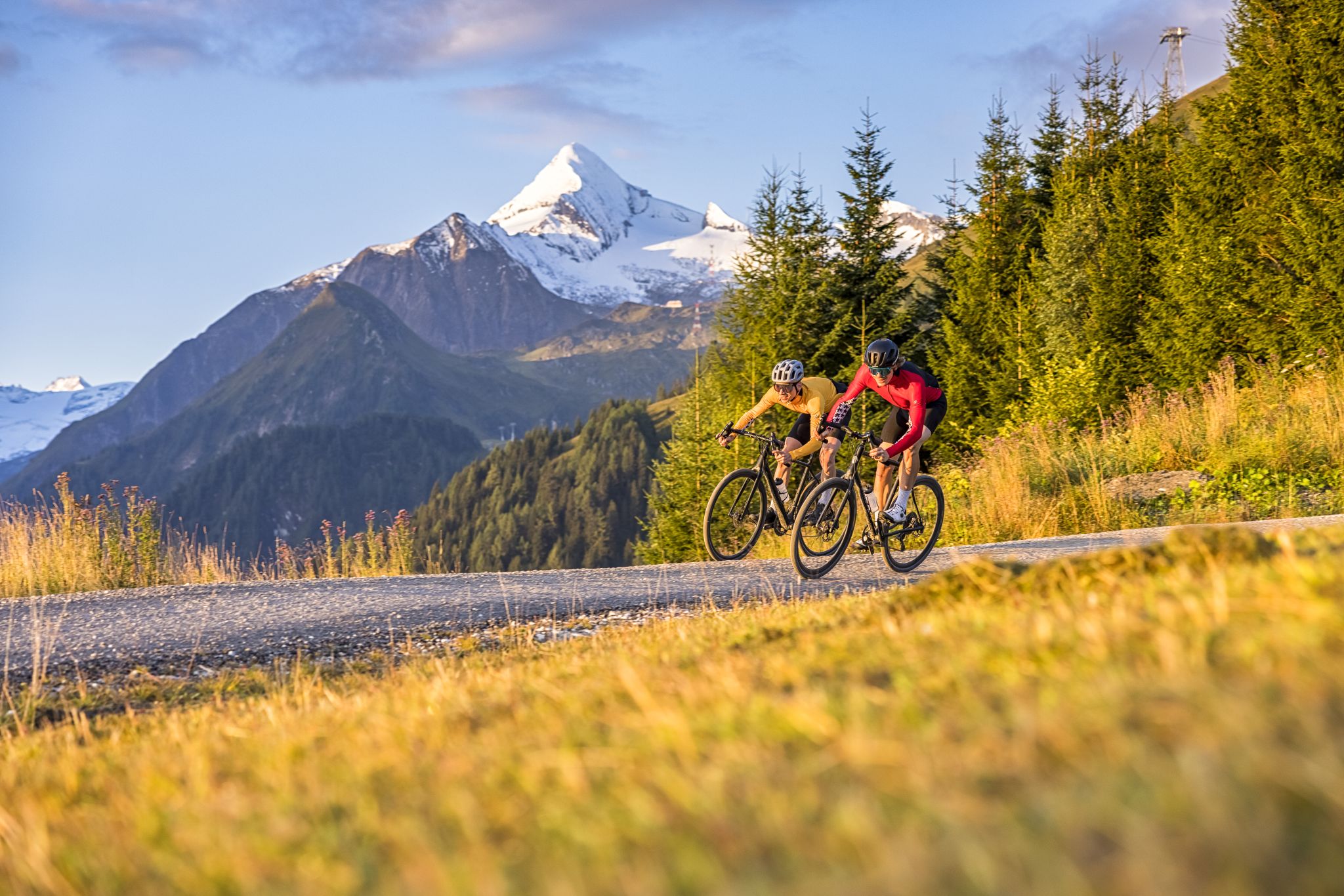
Graveltour SalzburgerLand: The Hard
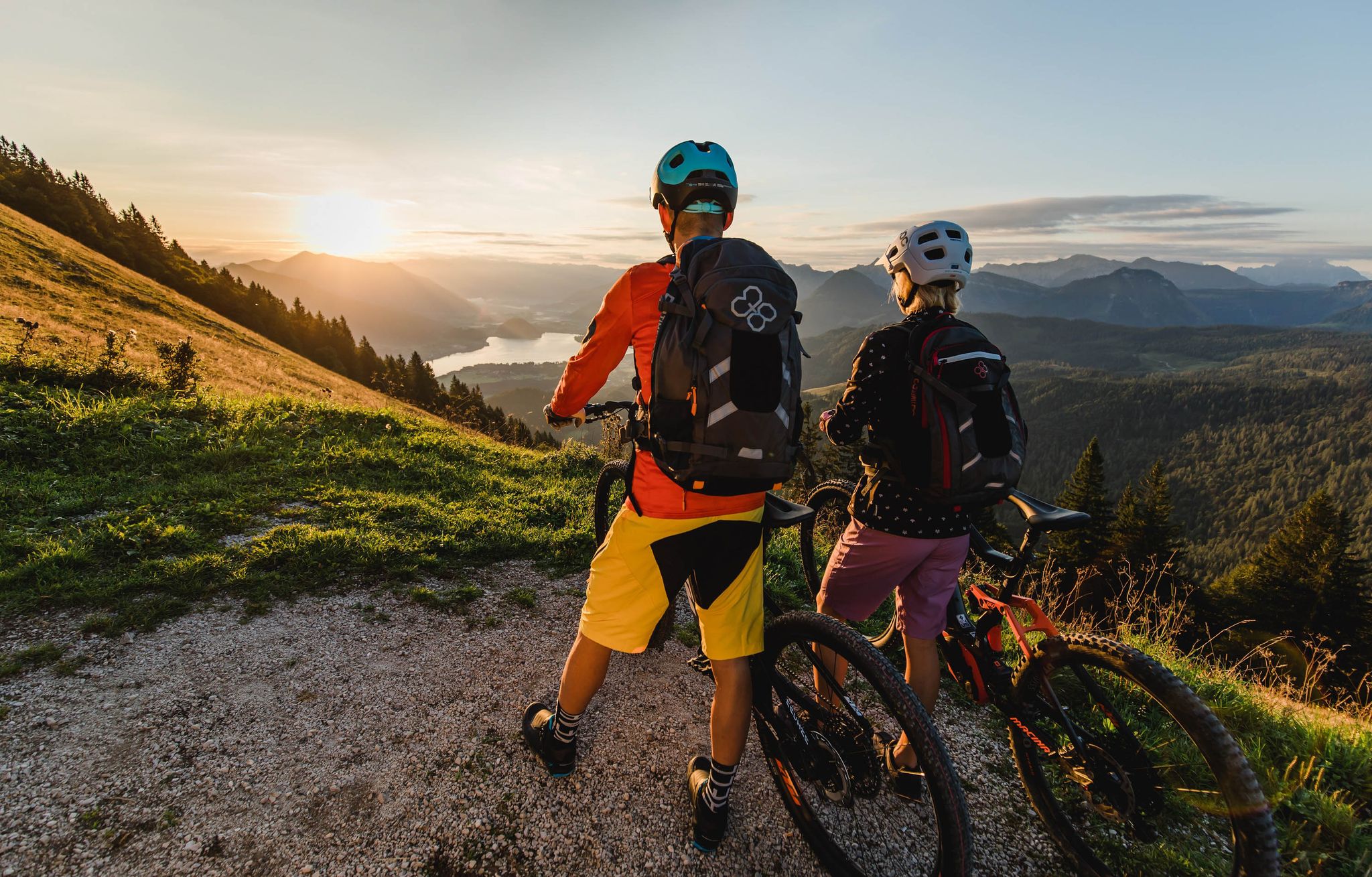
Fantastic MTB Tours between Wolfgangsee and Fuschlsee
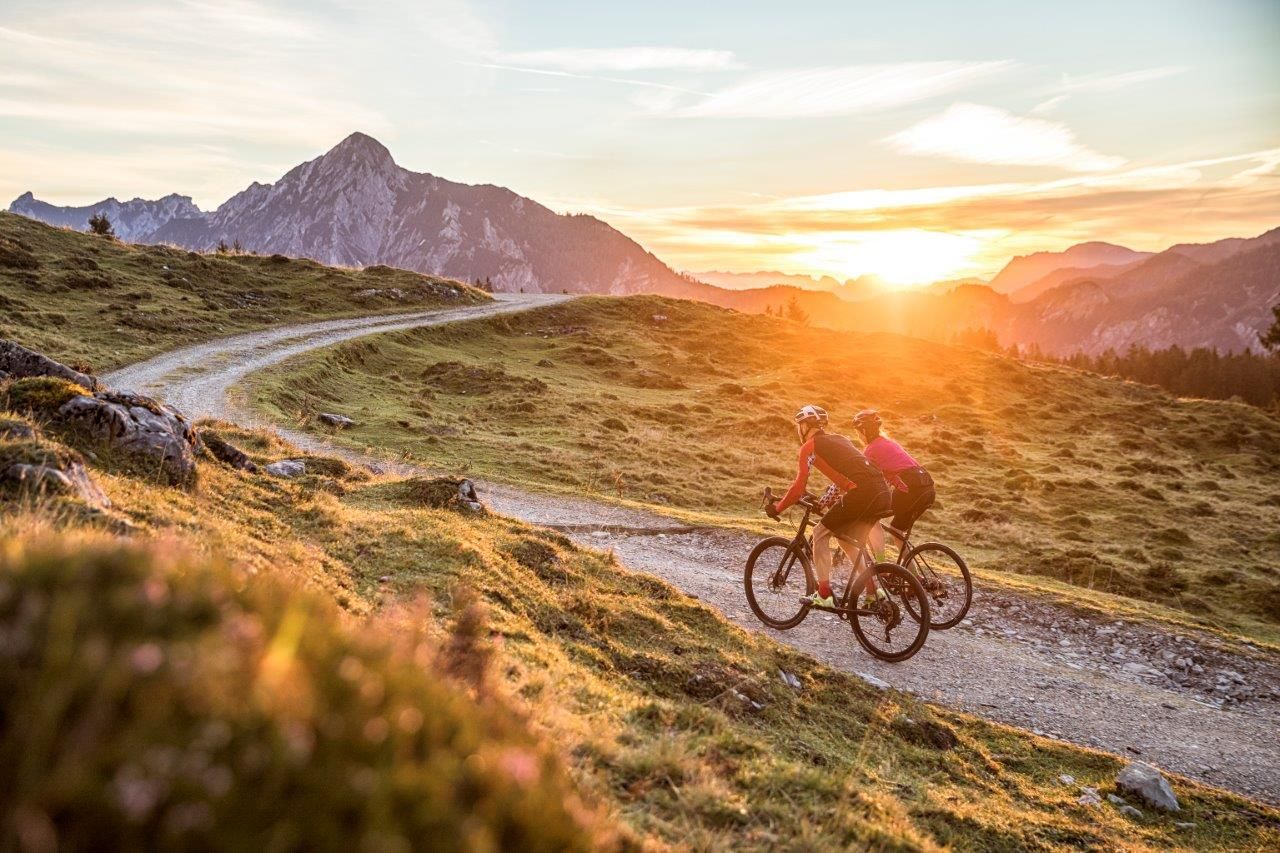
Cycle in SalzburgerLand – roads and gravel in Salzkammergut and Tennengau
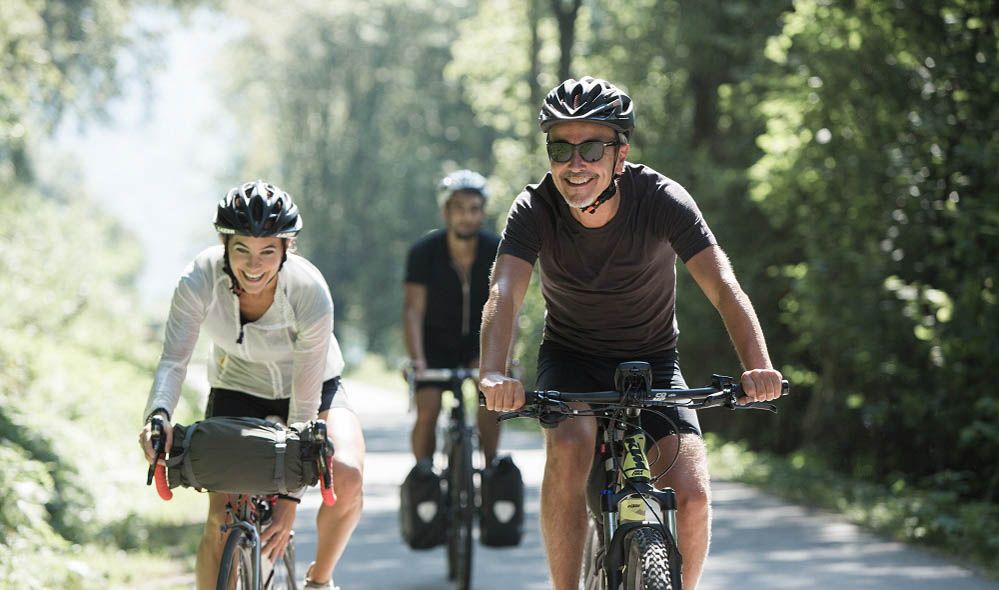
The most beautiful leisurely cycling routes in Upper Austria
Other adventures around Wolfgangsee


Tips from the Community

Super nice path along to the viewpoint
5
0

View over the Blinklingmoos is an impressive natural experience that you shouldn't miss. The Blinklingmoos is a raised moor in the municipality of Strobl on the southeast bank of Lake Wolfgangsee. It is part of a nature reserve and a biogenetic reserve that has a high biodiversity of plants and animals. The moor is around 100 hectares in size and is divided into two parts by the Moosbach: the Gschwendtner Moos in the west and the Blinklingmoos in the east. The Gschwendtner Moos is a fen with reeds and moorland meadows, while the Blinklingmoos has the remains of a raised mountain pine moor and small-scale moor forests. The moor is also an important habitat for meadow-nesting birds such as the curlew, lapwing, meadow pipit and whinchat. The best way to view the Blinklingmoos is from the Wolfgangsee cycle and hiking trail, which runs along the former route of the Salzkammergut local railway. There is also a viewing platform in the moor from which you have a wonderful view over the moor and the lake. From there you can also see the mountains such as the Schafberg and the Zwölferhorn. The Blinklingmoos is a special place that shows you the beauty and diversity of nature in the Salzkammergut. 😊
4
1
The limestone boulder is heavily eroded, especially at its base, so that it protrudes approximately 1.9 m from the water rather than vertically. It has a diameter of 2.1 m at the top, but only 1.3 m at the base. The boulder bears a vertical, approximately 1.8 m high Christian stone cross, which likely gave it its name. A geocache is also located on the boulder.
4
1

Beautiful route with regular shade
3
0

Wonderful view from the approximately 10 m high observation tower over the Wolfgangsee-Blinklingmoos nature reserve.
5
0

A nice change on the railway line that has been converted into a cycle path with a view of a swamp area.
6
0


In the summer there is a lot of traffic, easy to drive.
4
1
Frequently Asked Questions
What natural landmarks offer the most impressive panoramic views around Wolfgangsee?
For breathtaking panoramic views, consider visiting the Zwölferhorn Summit and Panoramic Views, easily accessible by cable car. Another spectacular option is Drachenwand, which rewards a challenging climb with expansive vistas of the Salzburg Lake District. The Schafberg Mountain also provides 360-degree views of the Salzkammergut, reachable by a nostalgic steam cog railway or challenging hikes.
Are there family-friendly natural monuments suitable for all ages around Wolfgangsee?
Yes, several natural monuments are great for families. The Zwölferhorn Summit and Panoramic Views offers an easy cable car ride to the top, with a 4 km circular route around Pillsteinhöhe. The Granitzenbach features an exciting nature trail with adventure stations and wooden footbridges, perfect for discovering local flora. Additionally, the Blinklingmoos Observation Tower provides a pleasant outing with views over a nature reserve.
What unique natural features can I discover around Wolfgangsee?
The Wolfgangsee region boasts diverse natural features. The lake itself, Wolfgangsee, is known for its clear, turquoise waters. The Postalm is a vast alpine plateau, recognized as the largest contiguous alpine area in Austria, offering magnificent landscapes. The Granitzenbach stream features an alpine rock garden, while the Blinklingmoos Observation Tower overlooks a significant wetland nature reserve, home to diverse wildlife.
What are the best times to visit the natural monuments around Wolfgangsee?
The best time to visit largely depends on your preferred activities. Spring and summer (May to September) are ideal for hiking, swimming in the lakes, and enjoying the cable cars. The Postalm is particularly beautiful in summer with its lush alpine meadows. Autumn offers stunning foliage and pleasant hiking temperatures. Some attractions, like the Schafberg Railway and Zwölferhorn cable car, operate seasonally, so it's advisable to check their schedules.
Are there any hidden natural gems worth exploring in the Wolfgangsee region?
For a tranquil experience away from the crowds, consider visiting Schwarzensee. This mountain lake, enveloped by forested slopes, is considered a hidden gem. An easy 4.3 km circular trail around the lake is suitable for all ages, offering peace and opportunities for swimming in its clear waters.
What kind of hiking trails are available near these natural monuments?
The region offers a wide range of hiking trails. You can find easy walks like the circular trail around Schwarzensee or the nature trail along Granitzenbach. For more challenging options, the ascent to Drachenwand is a demanding climb. The Postalm plateau also provides numerous routes, from easy walks to more extensive hikes. For more detailed hiking options, explore the Hiking around Wolfgangsee guide.
Can I combine a visit to a natural monument with other outdoor activities?
Absolutely! Many natural monuments are integrated into broader outdoor activity areas. For instance, the Zwölferhorn is popular for paragliding and offers cycling trails. The Wolfgangsee itself is perfect for swimming, boating, and various water sports. You can also find numerous road cycling routes around the region, such as those detailed in the Road Cycling Routes around Wolfgangsee guide.
What do visitors enjoy most about the natural monuments around Wolfgangsee?
Visitors frequently praise the stunning panoramic views, especially from spots like Zwölferhorn Summit and Panoramic Views and Ofenloch (Bleckwand) – View of Lake Wolfgang, which offers a unique perspective through a rock formation. The tranquility of places like Schwarzensee and the refreshing experience of swimming in the clear lake waters are also highly valued. The blend of challenging climbs and accessible viewpoints ensures there's something for every adventurer.
Are there any historical or cultural sites integrated with the natural monuments?
Yes, the Falkenstein Chapel is a notable example. This religious building is uniquely built into the rock face behind Wolfgangsee, offering a place of reflection and a cool respite after a steep ascent. It's considered both a natural monument due to its cave-like setting and a historical site.
How accessible are the natural monuments by public transport or car, and is parking available?
Accessibility varies by monument. The Zwölferhorn is easily reached via its modern cable car from St. Gilgen. For the Postalm, a scenic toll road provides access, and there are parking facilities. Many lakeside villages like Sankt Wolfgang, Sankt Gilgen, and Strobl serve as good starting points for exploring the Wolfgangsee and nearby trails, often with public transport connections and parking options. It's recommended to check specific transport details for each location.
Are there any natural monuments around Wolfgangsee that are particularly good for wildlife observation?
The Blinklingmoos Observation Tower is an excellent spot for wildlife observation. It offers a fantastic panorama over the 100-hectare nature reserve, which is a significant wetland area. From the tower, you can observe various bird species and other local wildlife in their natural habitat.
What kind of terrain can I expect when exploring the natural monuments in the Wolfgangsee region?
The terrain around Wolfgangsee is quite varied. You'll encounter everything from gentle, easy walking paths around lakes like Schwarzensee and through the Granitzenbach nature trail, to intermediate hiking and cycling trails on the Zwölferhorn. More challenging and alpine terrain is found on ascents to peaks like Drachenwand and Schafberg Mountain, which can involve steep climbs and rocky sections. The Postalm offers expansive, relatively flat alpine plateau terrain with well-maintained paths.
Most popular routes around Wolfgangsee
Most popular attractions around Wolfgangsee

Get inspired with the komoot mobile app


Explore more
Extend your search for the best caves by checking out these guides of the top ones around Wolfgangsee:
