Top 8 Natural Monuments around Margaxori/Morgongiori
Best natural monuments around Margaxori/Morgongiori are found in a region characterized by its volcanic origins and diverse natural landscape on the southern slopes of Monte Arci in Sardinia, Italy. The area features prominent volcanic peaks, unique geological formations, and significant archaeological sites. These natural monuments offer a blend of geological wonders and historical significance, making the region notable for exploration.
Best natural monuments around Margaxori/Morgongiori
- The most popular natural monuments is Monte Arci - Trebina Longa, a summit that…
Last updated: July 6, 2026
Monte Arci - Trebina Longa
Highlight • Summit
Translated by Google •
Tip by

Tomb of the Giants Sa Domu e S'Orku
Highlight • Historical Site
Translated by Google •
Tip by

Sign up now to discover places like this
Get recommendations on the best single tracks, peaks, & plenty of other exciting outdoor places.
Sign up for free
Giara di Siddi
Highlight (Segment) • Natural Monument
Translated by Google •
Tip by

Rio Is Salonis Waterfall
Highlight • Waterfall
Translated by Google •
Tip by
Perlite quarry
Highlight • Structure
Translated by Google •
Tip by

Sign up for free to discover even more natural monuments around Margaxori/Morgongiori.
Sign up for free
Already have an account?
Start today with a free account
Your next adventure awaits.
Login or Signup
Popular around Margaxori/Morgongiori
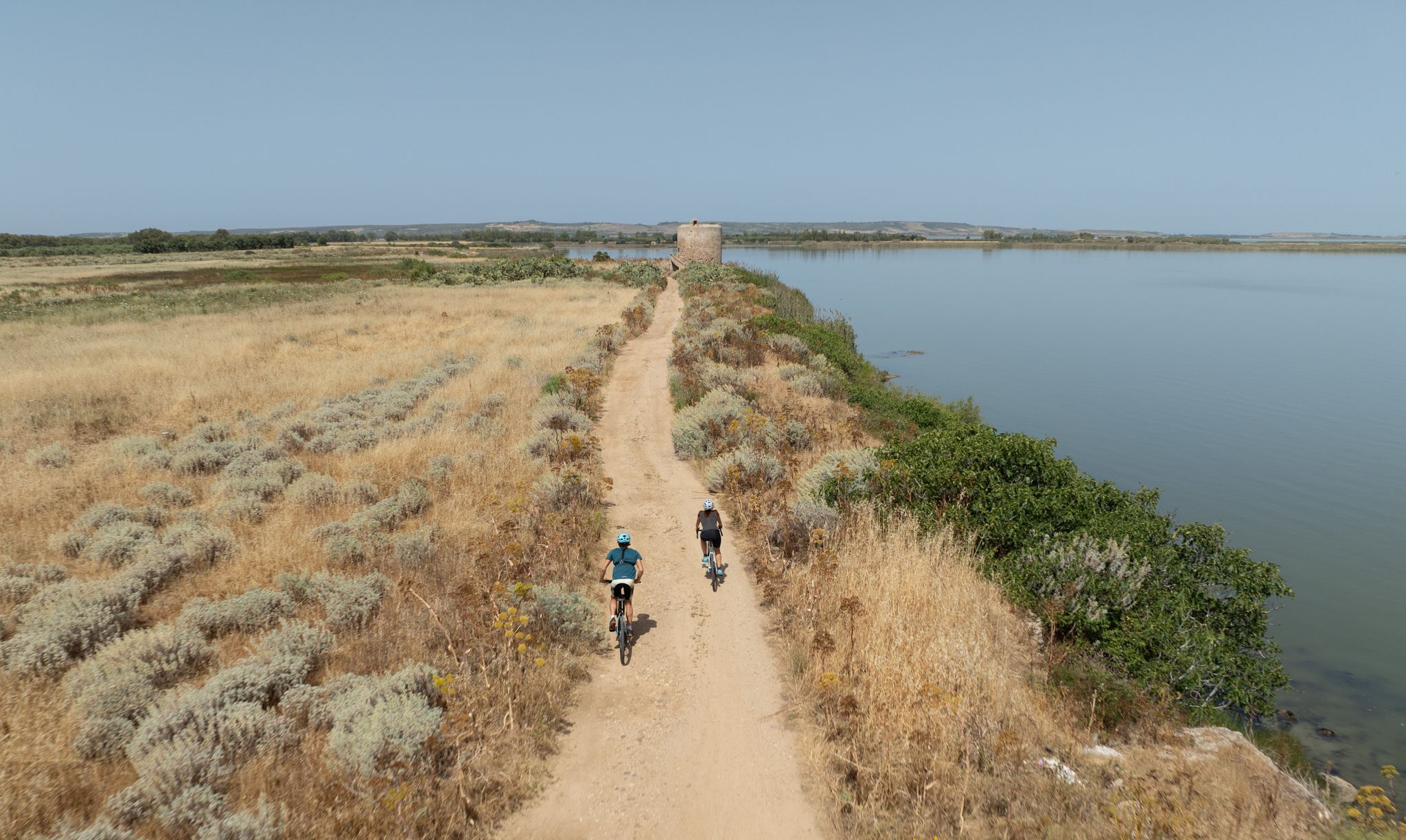
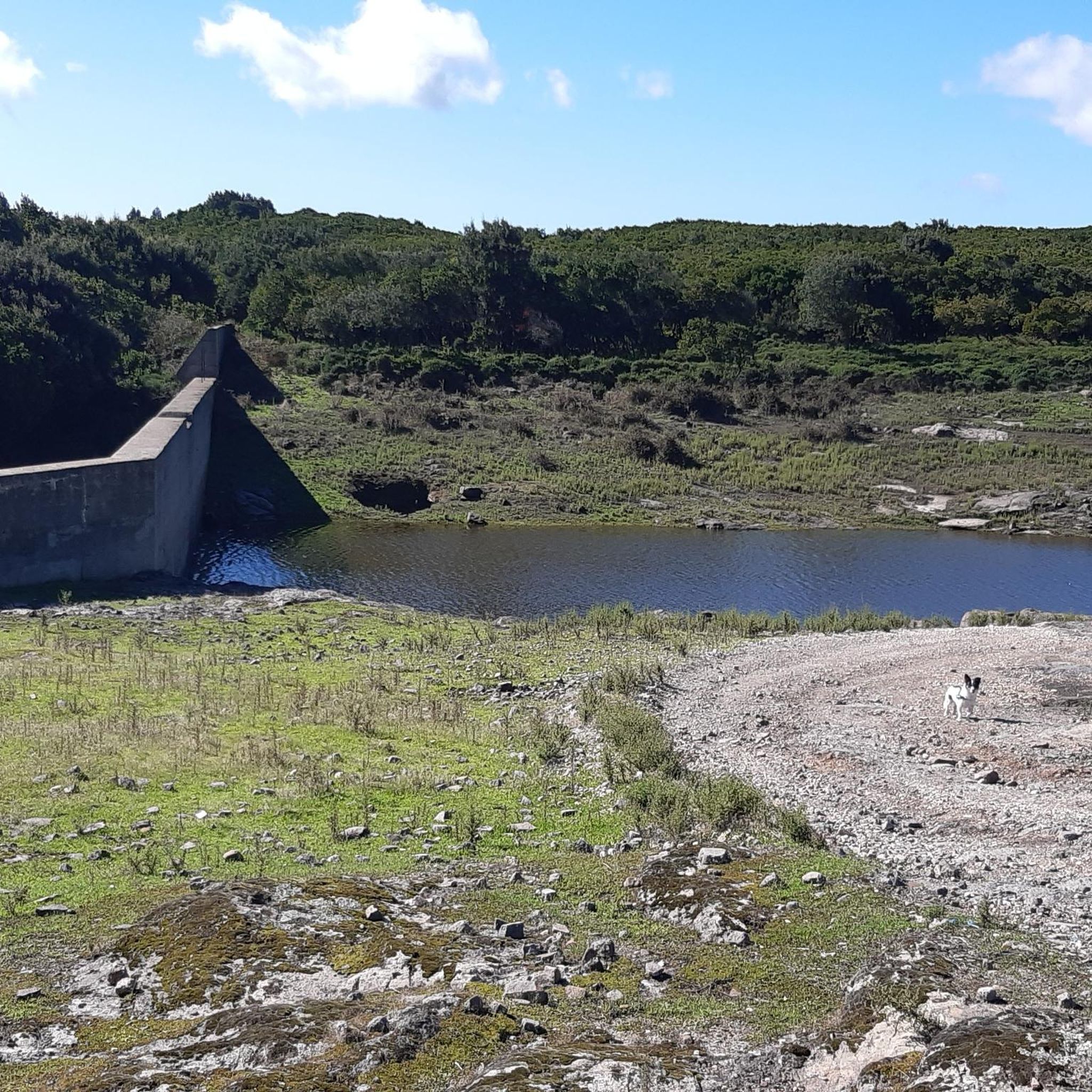
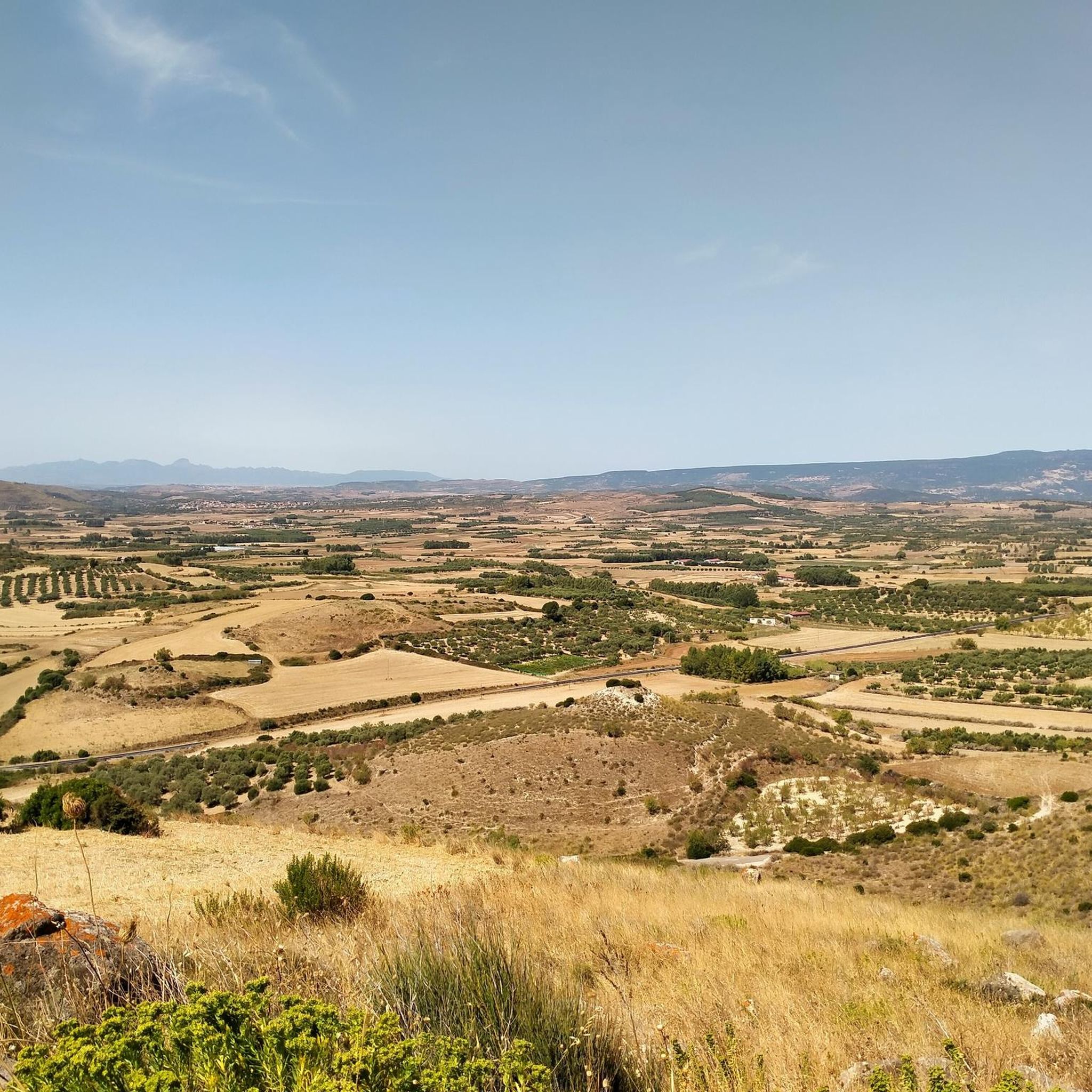
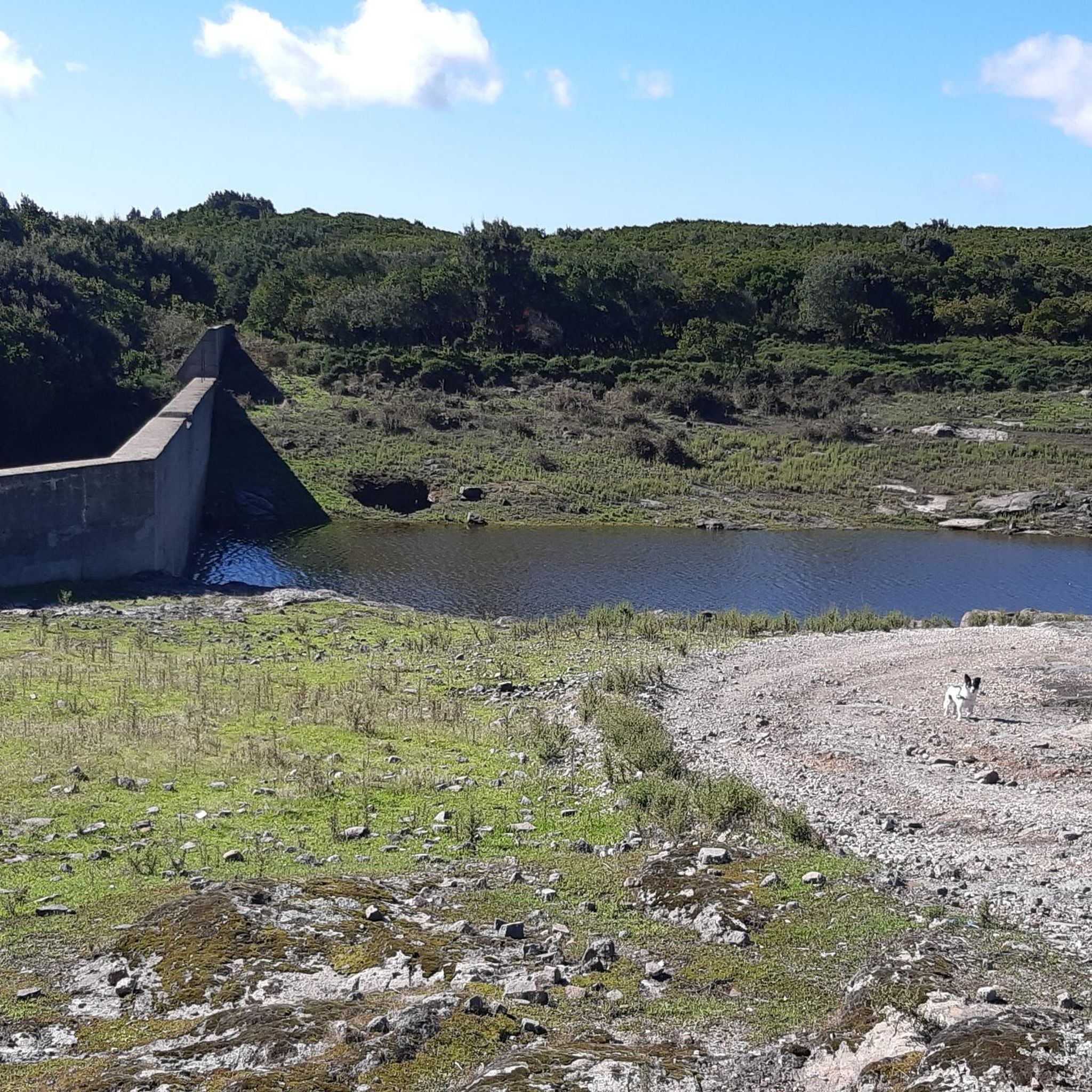

Other adventures around Margaxori/Morgongiori

Tips from the Community

in August there is no trace of water
0
0

Cascata del Rio Salonis is one of the tourist attractions to see in the Municipality of Morgongiori. Unfortunately it is often without water.
0
0

Disused quarry, known by the name of "ziu Luisu". In the open air, there is also a tunnel closed by an iron gate. A little further on, on the right, a long descent begins that leads back to the country church of Santa Suia
0
0
After crossing a small metal bridge that crosses the stream, leave your bikes and walk a few dozen meters on rock. After climbing over a low fence, descend 50 meters to the waterfall, which has two drops.
0
0

Here is the Luisu Sanna Mine, an old perlite quarry that was once the beating heart of local mining activity.
1
0


Sa Dome and s'Orku, one of the best preserved giants' tombs on the island
0
0
Volcanic black stone, highest point of Monte Arci
1
0
Frequently Asked Questions
What are the main natural features to explore in the Morgongiori area?
The Morgongiori area, nestled on the southern slopes of Monte Arci, is rich in natural features. You can explore the expansive Monte Arci Regional Natural Park, known for its volcanic origins, prominent peaks like Monte Arci - Trebina Longa, and significant obsidian deposits. Other highlights include diverse Mediterranean scrub, the tranquil Is Benas pinewood, and the scenic Rio Is Salonis Waterfall.
Are there any significant historical or archaeological sites among the natural monuments?
Yes, the region beautifully blends natural wonders with ancient history. Notable sites include Tomb of the Giants Sa Domu e S'Orku, one of Sardinia's best-preserved Nuragic funerary monuments. Another fascinating site is Sa Scaba 'e Cresia (or Sa Domu 'e is Caombus), a hypogeic well temple carved into a volcanic rock face, dating back to the Nuragic age and believed to be a sacred water cult site. The Giara di Siddi also preserves precious pre-Nuragic and Nuragic legacies.
What kind of hiking opportunities are available near Morgongiori's natural monuments?
The area offers various hiking opportunities, especially within the Monte Arci Regional Natural Park. You can find trails leading to volcanic peaks like Monte Arci - Trebina Longa, offering spectacular panoramic views. There are also trails like the 'Sentiero dell'ossidiana' for those interested in the historical mineral. For more detailed routes, you can explore the Hiking around Margaxori/Morgongiori guide, which includes routes like the 'Monte Arci - Trebina Longa loop from Mragaxori/Morgongiori'.
What is the best time of year to visit the natural monuments around Morgongiori?
The best time to visit the natural monuments around Morgongiori is typically during spring (April-June) and autumn (September-October). During these seasons, the weather is milder, making it ideal for hiking and exploring. In spring, the flora is vibrant, and waterfalls like Rio Is Salonis Waterfall are more likely to have water. Summers can be very hot, and some waterfalls may dry up.
Are there family-friendly natural monuments or activities suitable for children?
While many trails in Monte Arci can be challenging, there are areas suitable for families. The Is Benas pinewood within the Monte Arci Regional Natural Park offers a tranquil setting with springs, which can be a pleasant spot for a family outing. Exploring the archaeological sites like the Tomb of the Giants Sa Domu e S'Orku can also be an engaging educational experience for older children.
Can I see unique geological formations in the region?
Absolutely. The region's volcanic origins mean there are many unique geological formations. The most prominent are the volcanic necks, Trebina Longa (812 meters) and Trebina Lada (795 meters), which are remnants of ancient volcanic conduits. You can also find the fascinating 'Conca Mraxi,' known as the 'head of the warrior,' a natural sculpture shaped by atmospheric agents on dacitic rock walls.
Where can I find information about the ancient obsidian deposits of Monte Arci?
Monte Arci is home to Sardinia's largest obsidian deposit, a crucial resource in the island's prehistory. Visitors can explore trails like the 'Sentiero dell'ossidiana' within the Monte Arci Regional Natural Park to learn about this historical mineral and its significance. The park itself is a great resource for understanding the geological context of these deposits.
Are there any waterfalls to visit near Morgongiori?
Yes, the Rio Is Salonis Waterfall is a notable scenic highlight within the Monte Arci Regional Natural Park. It offers a picturesque spot, though it's important to note that it can sometimes be without water, especially during drier months like August.
What kind of wildlife can I expect to see in the Monte Arci area?
The Monte Arci Regional Natural Park boasts a rich fauna. You might spot wild boars, weasels, martens, and foxes. Reintroduced deer and fallow deer also inhabit the park. For birdwatchers, birds of prey like buzzards and hawks are often seen soaring overhead.
Are there options for cycling near the natural monuments?
Yes, the area around Morgongiori offers various cycling opportunities. You can find routes for road cycling and gravel biking. For example, the Gravel biking around Margaxori/Morgongiori guide includes routes like the 'Monte Arci - Trebina Longa – NATO Listening Post loop from Ollasta Useddus/Albagiara'.
What should I wear for hiking in the Monte Arci region?
For hiking in the Monte Arci region, it's advisable to wear sturdy hiking boots, as many trails can be steep and rocky. Layered clothing is recommended to adapt to changing temperatures, especially if you're ascending to higher elevations. Don't forget sun protection, a hat, and plenty of water, particularly during warmer months.
What makes the Giara di Siddi plateau a notable natural monument?
The Giara di Siddi, also known as su Pranu, is a significant basaltic plateau. It's notable for its unique inverted 'T' shape when viewed from above and its high, steep walls. Beyond its geological interest, it preserves precious pre-Nuragic and Nuragic legacies, including one of the best-preserved Tombs of Giants on the island, making it a site of both natural and historical importance.
Is there a specific monument related to ancient water cults?
Yes, Sa Scaba 'e Cresia (or Sa Domu 'e is Caombus) is a unique and historically significant site. Carved into a 25-meter-high volcanic rock face, it features a remarkable basalt stone staircase leading into the darkness. Dating back to the Nuragic age, it is believed to have been a sacred site dedicated to water cults, offering a mysterious glimpse into ancient beliefs.
Most popular routes around Margaxori/Morgongiori
Most popular attractions around Margaxori/Morgongiori

Get inspired with the komoot mobile app


Explore more
Extend your search for the best caves by checking out these guides of the top ones around Margaxori/Morgongiori:
