Top 11 Natural Monuments around Berga
Best natural monuments around Berga are found in a region of Catalonia, Spain, situated at the foothills of the Pyrenees. This area is characterized by its diverse natural landscapes, including mountainous terrain, reservoirs, and historical sites. The natural environment offers varied opportunities for outdoor exploration and appreciating significant natural features.
Best natural monuments around Berga
- The most popular natural monuments is Serrat or the Figuerassa Viewpoint, a viewpoint that offers impressive panoramic views of the Baells Reservoir and the…
Last updated: June 23, 2026
Abandoned Village of Peguera
Highlight • Settlement
Translated by Google •
Tip by

Serrat or the Figuerassa Viewpoint
Highlight • Viewpoint
Translated by Google •
Tip by

Sign up now to discover places like this
Get recommendations on the best single tracks, peaks, & plenty of other exciting outdoor places.
Sign up for free
Mal Pas de Capolat
Highlight • Mountain Pass
Translated by Google •
Tip by

Pi de les tres branques
Highlight • Natural Monument
Translated by Google •
Tip by

Font Negra
Highlight • Natural Monument
Translated by Google •
Tip by

Sign up for free to discover even more natural monuments around Berga.
Sign up for free
Already have an account?
Start today with a free account
Your next adventure awaits.
Login or Signup
Popular around Berga
Catalunya Trail — Bikepacking in the Pyrenees
Barcelona: routes near the Tour de France 2026 Grand Départ
Discover Catalonia by road bike
Great Hiking Routes of Catalonia
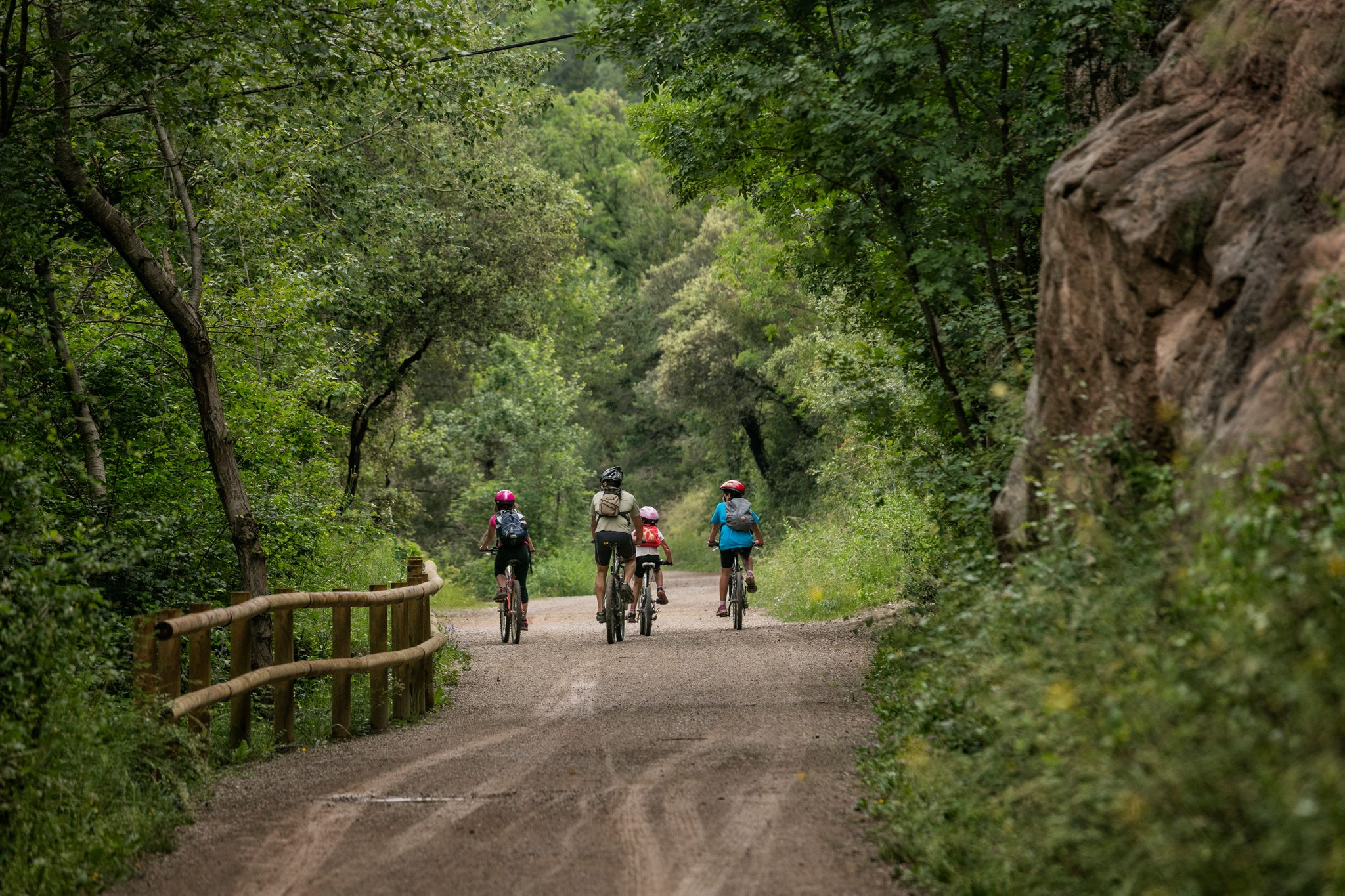
Discover Catalonia on your bike
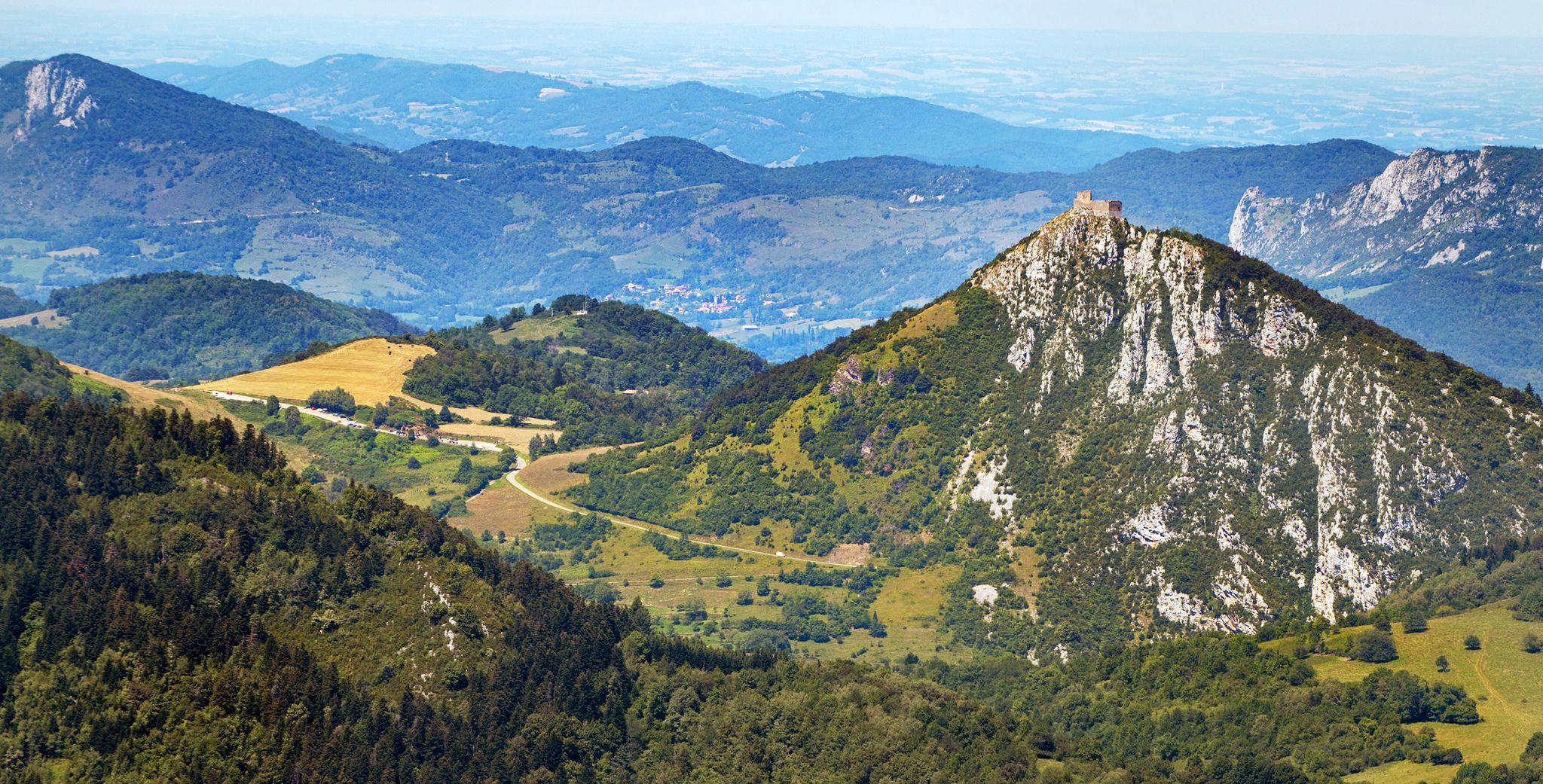
Cathar Route from Catalonia to France – Bons Homes Path (GR 107)
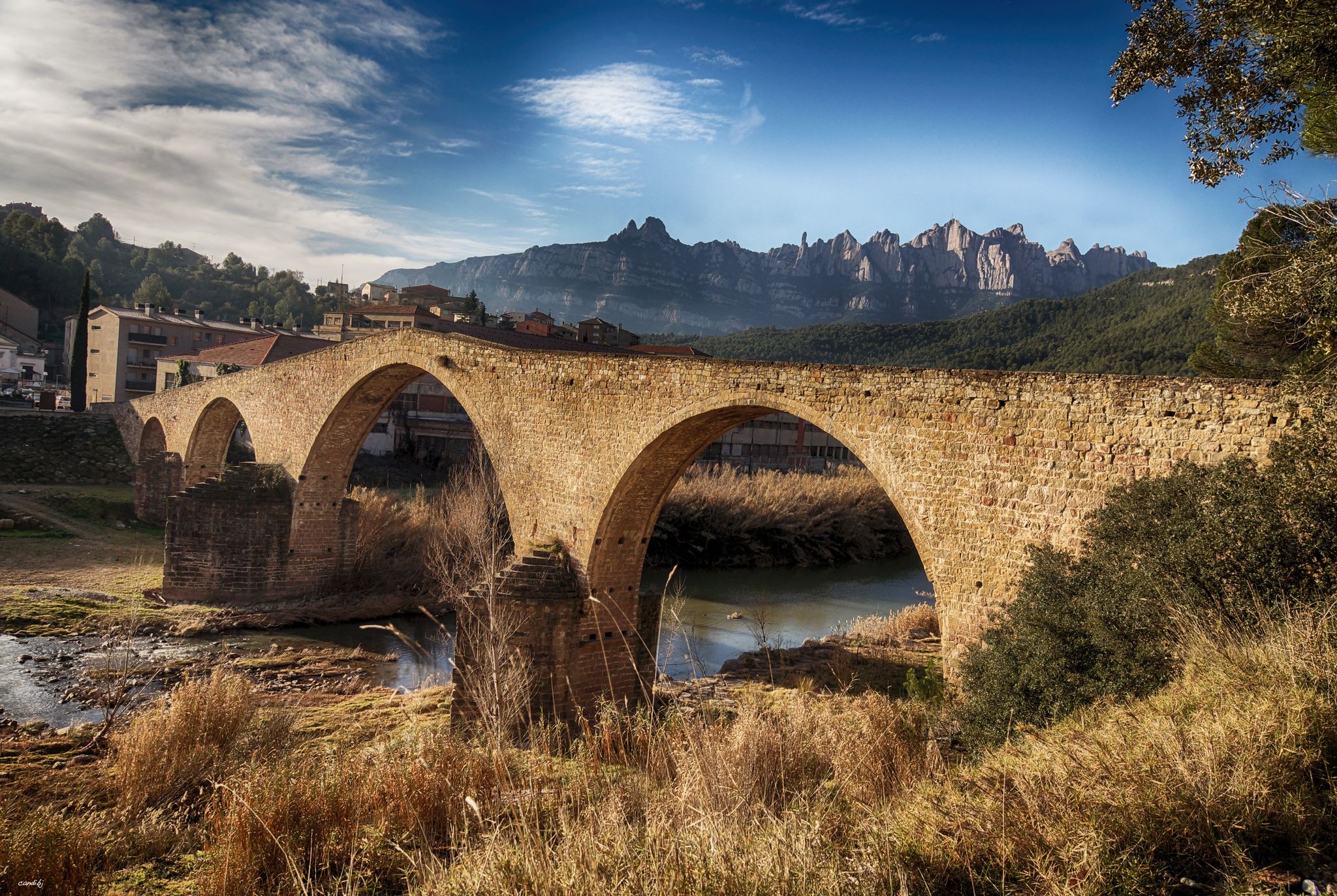
The river of Barcelona – El Camí del Llobregat
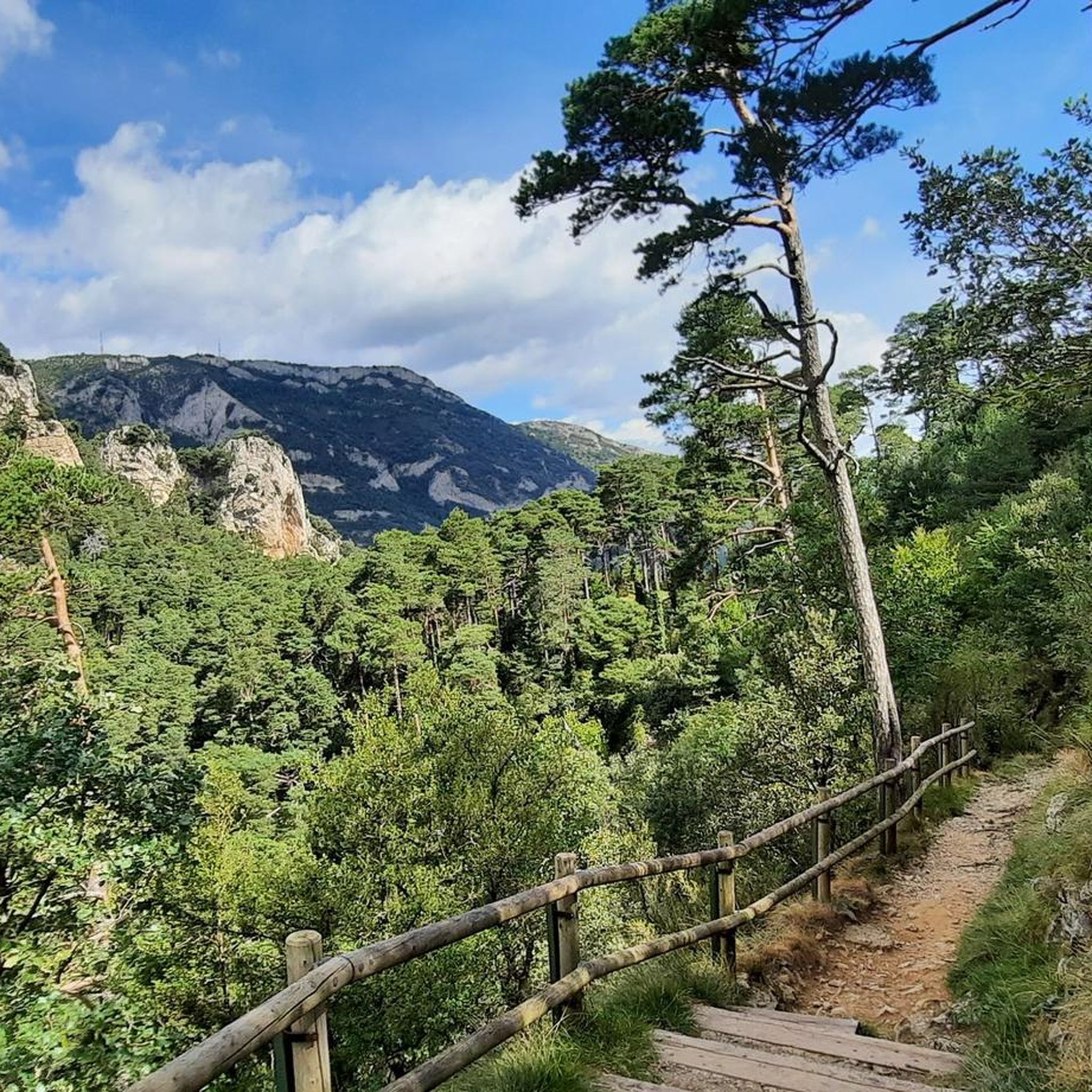
Road Cycling Routes around Berga
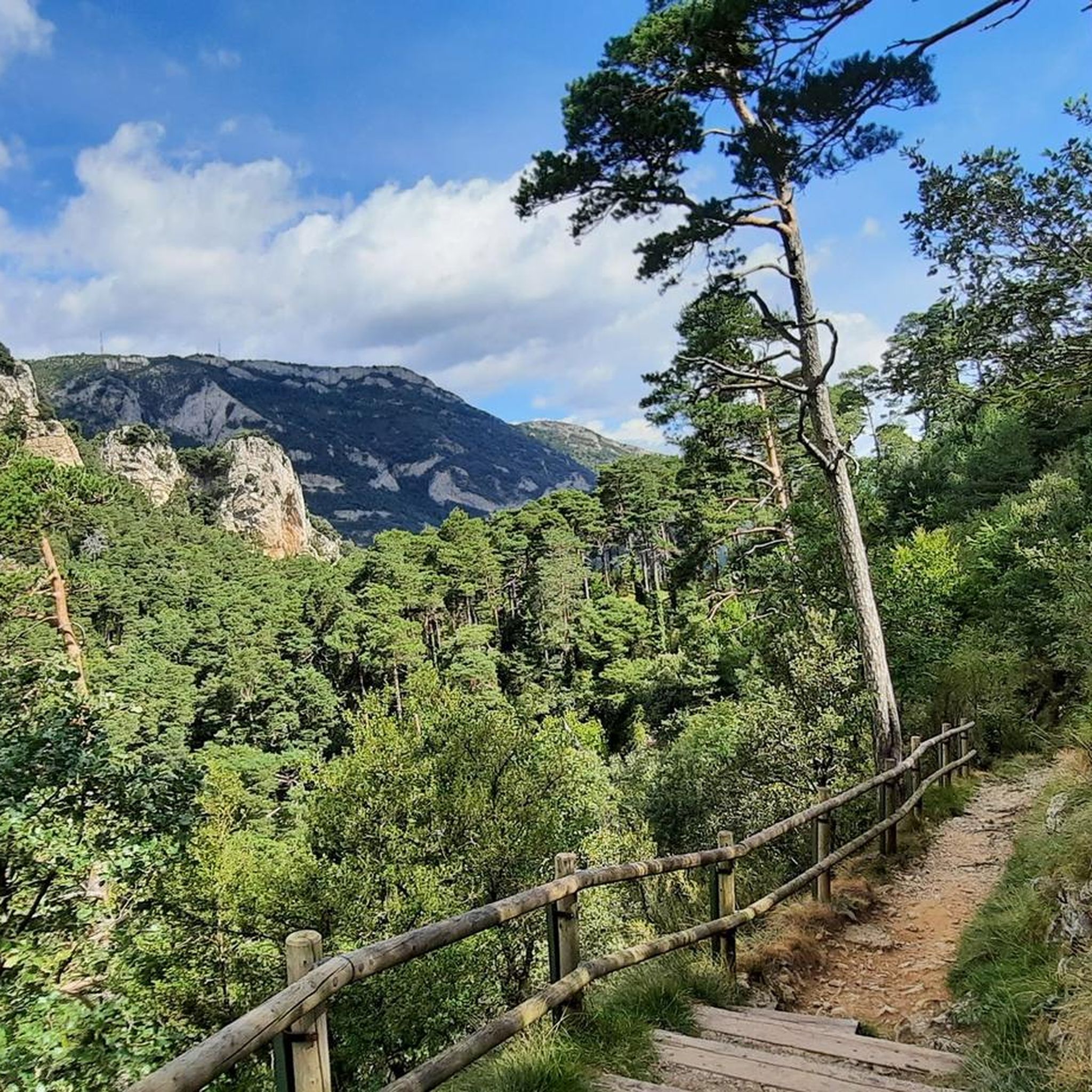
MTB Trails around Berga
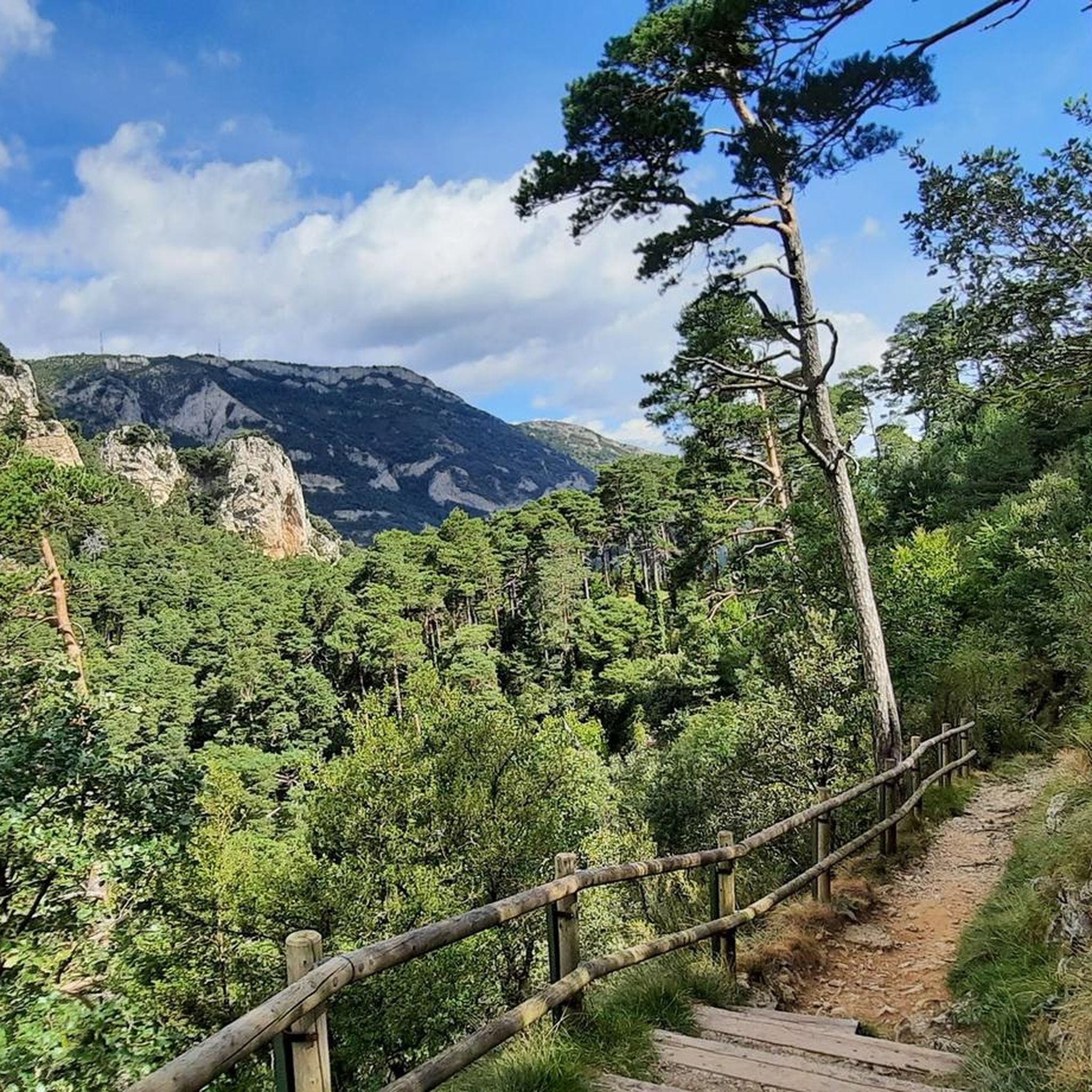
Cycling around Berga
Other adventures around Berga


Tips from the Community

Located at an altitude of 1,600 meters, Peguera is an abandoned village belonging to the municipality of Fígols. Its peak mining activity was experienced in the late 19th and mid-20th centuries, thanks to the high level of mining activity. The abandonment of the coal mines further depopulated Peguera, leaving it in its current state, where most of the houses are in ruins.
0
0

Very cool viewpoint that can be reached by car and with great views
1
1

It offers impressive panoramic views of the Baells Reservoir and the city of Berga, although you can also see a wide area of central Catalonia.
2
0

Perfect place to rest after a well-deserved route
2
0
It is a spectacular place to visit and preserve
1
0

Ideal port on its southern slope for those who like climbs with high percentages. Mostly concreted road with a spectacular layout as it is excavated in the rock.
0
0

One of several springs (with rest areas) in the valley through which the road to the Santuari de Queralt runs.
2
0

Abandoned village in Fígols, in the Berguedà region. It is about 1,600 meters above sea level, at the head of the Peguera valley. Its depopulation is due to the abandonment of the Fígols mines. Above the houses is the rock of Peguera, where the castle of Peguera was, which from 1390 was the center of the Barony of Peguera.
0
0
Frequently Asked Questions
What are some significant natural attractions near Berga, beyond the most popular ones?
Beyond the well-known spots, the Berga region is home to several impressive natural features. The iconic Pedraforca mountain, a Natural Site of National Interest, offers dramatic forked peaks and challenging hiking. Another significant area is the Cadí-Moixeró Natural Park, an extensive protected area with diverse flora and fauna, ideal for exploring high-mountain landscapes. You can also visit the Serra d'Ensija - Rasos de Peguera Protected Natural Area, known for its rugged terrain and excellent hiking opportunities.
Are there any officially protected natural areas or parks near Berga?
Yes, the region boasts significant protected areas. The Pedraforca mountain is a Natural Site of National Interest, recognized for its unique geological formation and ecological value. A large part of the Cadí-Moixeró Natural Park also lies within the Berguedà comarca, offering extensive protected mountainous terrain and rich biodiversity. Additionally, the Serra d'Ensija - Rasos de Peguera is a protected natural area featuring high-mountain landscapes.
What kind of views can I expect from natural monuments in the Berga region?
The natural monuments around Berga offer a variety of spectacular views. From Serrat or the Figuerassa Viewpoint, you can enjoy impressive panoramic vistas of the Baells Reservoir and the city of Berga, extending across central Catalonia. The Sanctuary of Queralt, often called the 'balcony of Catalonia,' provides breathtaking views of the Montseny and Sant Llorenç de Munt mountains. Higher elevations like Pedraforca and Rasos de Peguera offer expansive 360-degree views of the Pyrenees and surrounding valleys.
Are there family-friendly natural monuments to visit near Berga?
Yes, several natural monuments are suitable for families. Serrat or the Figuerassa Viewpoint is considered family-friendly, offering accessible panoramic views. The Pi de les tres branques, a culturally significant pine tree, is also a family-friendly forest spot. Additionally, Font Negra provides a natural spring with rest areas, perfect for a family stop during an outing.
What are the best times to visit the natural monuments in Berga?
The best time to visit depends on your preferred activities. Spring and autumn offer pleasant temperatures for hiking and exploring, with autumn being particularly popular for mushroom picking around areas like the Sanctuary of Queralt. Summer is ideal for water activities at Pantà de la Baells. In winter, areas like Rasos de Peguera and Serra d'Ensija are excellent for snowshoe hiking, offering beautiful snowy landscapes.
Are there historical or cultural sites integrated with the natural monuments?
Yes, the region blends natural beauty with rich history. The Abandoned Village of Peguera, located at 1,600 meters, is a historical site with ruins from its mining past, offering a glimpse into the region's industrial heritage amidst a natural setting. The Sanctuary of Queralt, perched in the Sierra de Queralt, combines stunning natural views with a sanctuary dating back to the 14th century.
What outdoor activities can I do near these natural monuments?
The area around Berga offers a wide range of outdoor activities. You can enjoy hiking and cycling on numerous trails, with options for all skill levels. The Cadí-Moixeró Natural Park has over 400 km of marked trails. For cycling enthusiasts, there are dedicated guides for Cycling around Berga, MTB Trails around Berga, and Gravel biking around Berga. Water-based activities like canoeing are popular at Pantà de la Baells, and winter offers snowshoeing in areas like Rasos de Peguera and Serra d'Ensija.
Are there challenging routes for experienced hikers or cyclists?
Absolutely. For hikers, the ascent of Pedraforca mountain offers various routes, some involving small climbing sections, providing a rewarding challenge. Cyclists can tackle the long, winding roads and sustained gradients around Rasos de Peguera. The Mal Pas de Capolat is known for its very steep climb, making it ideal for those who enjoy high-percentage ascents.
What are some unique geological features to observe?
The region is rich in unique geological formations. Pedraforca mountain is famous for its peculiar, forked shape, a result of millions of years of erosion. The Cadí-Moixeró Natural Park features dramatic limestone cliffs, steep valleys, and traces of ancient volcanism. The source of the Llobregat River, near Castellar de n'Hug, showcases impressive waterfalls, highlighting the power of water in shaping the landscape.
What do visitors enjoy most about the natural monuments around Berga?
Visitors particularly appreciate the stunning panoramic views, such as those from Serrat or the Figuerassa Viewpoint. The blend of natural beauty with historical elements, like the Abandoned Village of Peguera, also captivates many. The cultural significance of sites like the Pi de les tres branques and the diverse opportunities for outdoor activities in a tranquil setting are also highly valued.
Is public transport available to reach these natural monuments?
While Berga itself is accessible, reaching some of the more remote natural monuments primarily relies on personal transport. For example, the Sanctuary of Queralt is accessible by car or funicular. For other locations like Rasos de Peguera or the Cadí-Moixeró Natural Park, having a car provides the most flexibility. It's advisable to check local transport options for specific destinations, as public transport might be limited to certain routes or seasons.
Are there places to eat or stay near the natural monuments?
Yes, you can find amenities near many of the natural attractions. Berga itself offers various cafes, pubs, and accommodation options. Near the Sanctuary of Queralt, there are facilities for visitors. The Cadí-Moixeró Natural Park has several mountain refuges, such as the Lluís Estasen refuge near Pedraforca and a guarded refuge in Serra d'Ensija, which provide overnight stays and meals for hikers. Font Negra also offers rest areas.
Most popular attractions around Berga

Get inspired with the komoot mobile app


Explore more
Extend your search for the best caves by checking out these guides of the top ones around Berga:
