Top 20 Natural Monuments in Monmouthshire
Best natural monuments in Monmouthshire include a diverse range of landscapes, from commanding mountain peaks to tranquil wetlands and ancient woodlands. The region is characterized by its rugged natural beauty, forming part of the Wye Valley National Landscape and Bannau Brycheiniog (Brecon Beacons) National Park. These areas provide opportunities for outdoor exploration and appreciating nature's features. The geology primarily consists of old red sandstone, contributing to the distinctive shapes of its mountains.
Best natural monuments in Monmouthshire
- The most popular natural monument is Sugar Loaf Summit, a summit that stands in isolation above the rolling landscape. Its conical summit offers panoramic views across the Brecon Beacons, South Wales, and towards south-west England.
- Another must-see spot is Skirrid Fawr summit, an iconic mountain also known as the "Holy Mountain." It provides a challenging climb from any direction, rewarding hikers with expansive vistas over Monmouthshire and Abergavenny.
- Visitors also love Keeper's Pond (Pen-Ffordd-Goch Pond), a natural monument with great views across the Usk Valley towards the Sugar Loaf and the Black Mountains. It is a popular site for picnics and wildlife watching within the Blaenavon World Heritage Site.
- Monmouthshire is known for its mountain peaks, river valleys, and caves. Visitors can explore a variety of natural monuments, including summits, viewpoints, and unique geological formations.
- The natural monuments in Monmouthshire are appreciated by the komoot community, with more than 200 upvotes and over 130 photos shared across various highlights.
Last updated: July 6, 2026
Blorenge summit
Highlight • Natural Monument
Tip by

Skirrid Fawr summit
Highlight • Climb
Tip by

Sign up now to discover places like this
Get recommendations on the best single tracks, peaks, & plenty of other exciting outdoor places.
Sign up for free
Sugar Loaf Summit
Highlight • Summit
Tip by

Keeper's Pond (Pen-Ffordd-Goch Pond)
Highlight • Natural Monument
Tip by
Sugarloaf Summit on the Cambrian Way
Highlight (Segment) • Trail
Here on the southern flanks of the Sugarloaf, the terrain might be more sedate, but it is as equally as beautiful. The hike up from Abergavenny on this Cambrian Way section has good views of the Sugarloaf in front, across to the Blorenge in the south, and Skirrid Mawr to the east. Not for nothing was the Sugarloaf included in the Trail magazine’s Top 100 Britain's Greatest Mountains list.
Tip by
Giant's Cave, Wye Valley
Highlight • Cave
The second "Giant Cave" has outstanding safe viewing platform outside it, and the cave actually opens into a secondary exit allowing passage through the rock.
This is a natural formation it would appear. Highly recommended!
Tip by

Offa's Dyke Path
Highlight • Trail
The earthwork, which was up to 65 feet (20 m) wide (including its flanking ditch) and 8 feet (2.4 m) high, traversed low ground, hills and rivers. Today it is protected as a scheduled monument. Some of its route is followed by the Offa's Dyke Path; a 176-mile (283 km) long-distance footpath that runs between Liverpool Bay in the north and the Severn Estuary in the south.
Although the Dyke has conventionally been dated to the Early Middle Ages of Anglo-Saxon England, research in recent decades – using techniques such as radioactive carbon dating – has challenged the conventional historiography and theories about the earthwork, and show that it was started in the early fifth century, during the sub-Roman period.
Tip by

Cleddon Falls
Highlight • Natural Monument
Tip by
View from Eagles Nest
Highlight • Trail
Looking east it's ideal for catching the sunrise and has views across the Wye Valley, Rivers Wye and Severn, Chepstow, the Severn Bridges and the Cotswolds.
Tip by

Otter Hole Cave
Highlight • Natural Monument
Tip by
Sign up for free to discover even more natural monuments in Monmouthshire.
Sign up for free
Already have an account?
Start today with a free account
Your next adventure awaits.
Login or Signup
Popular around Monmouthshire
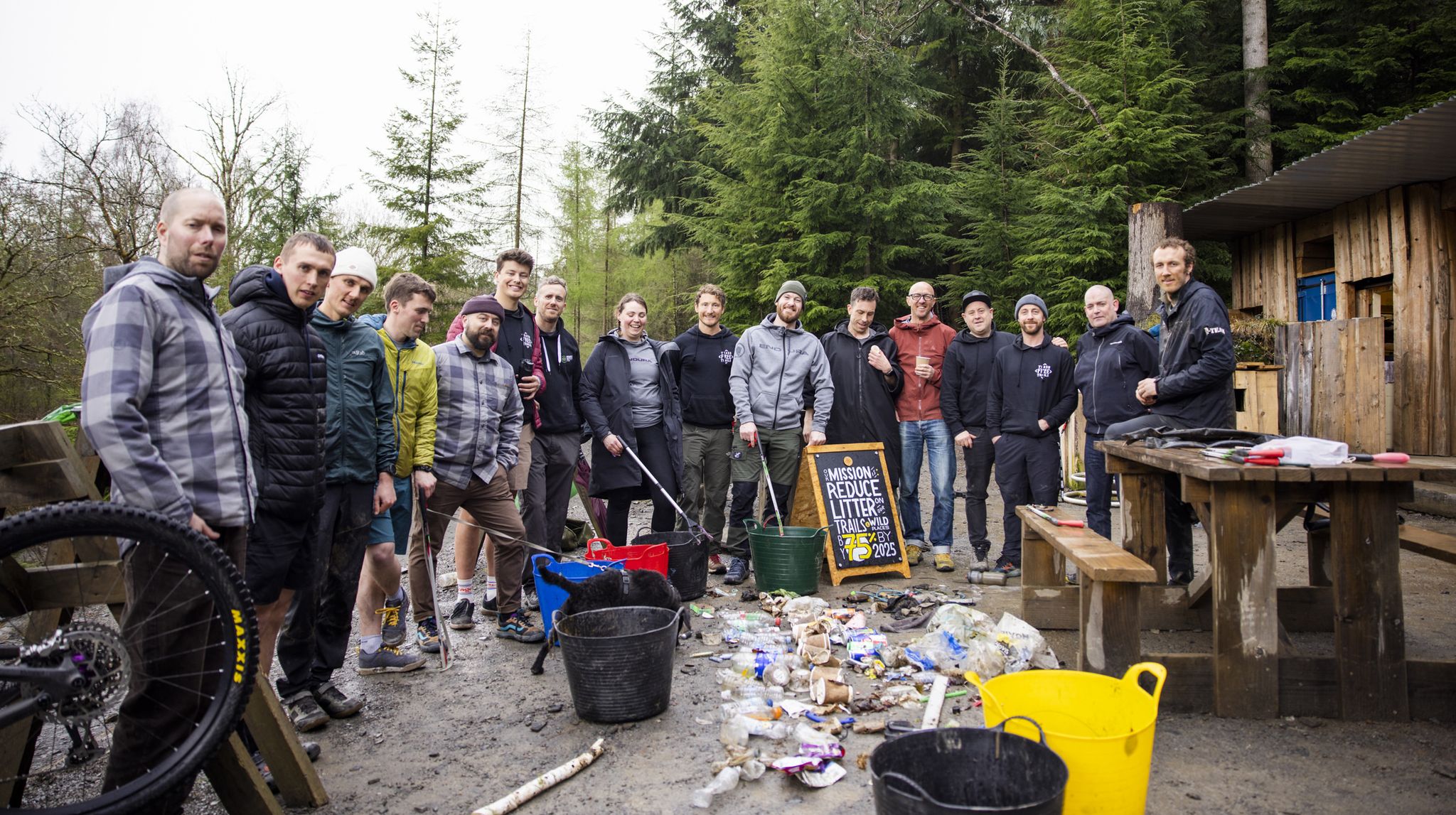
Adventures with a Purpose – our A-TEAMers’ best routes
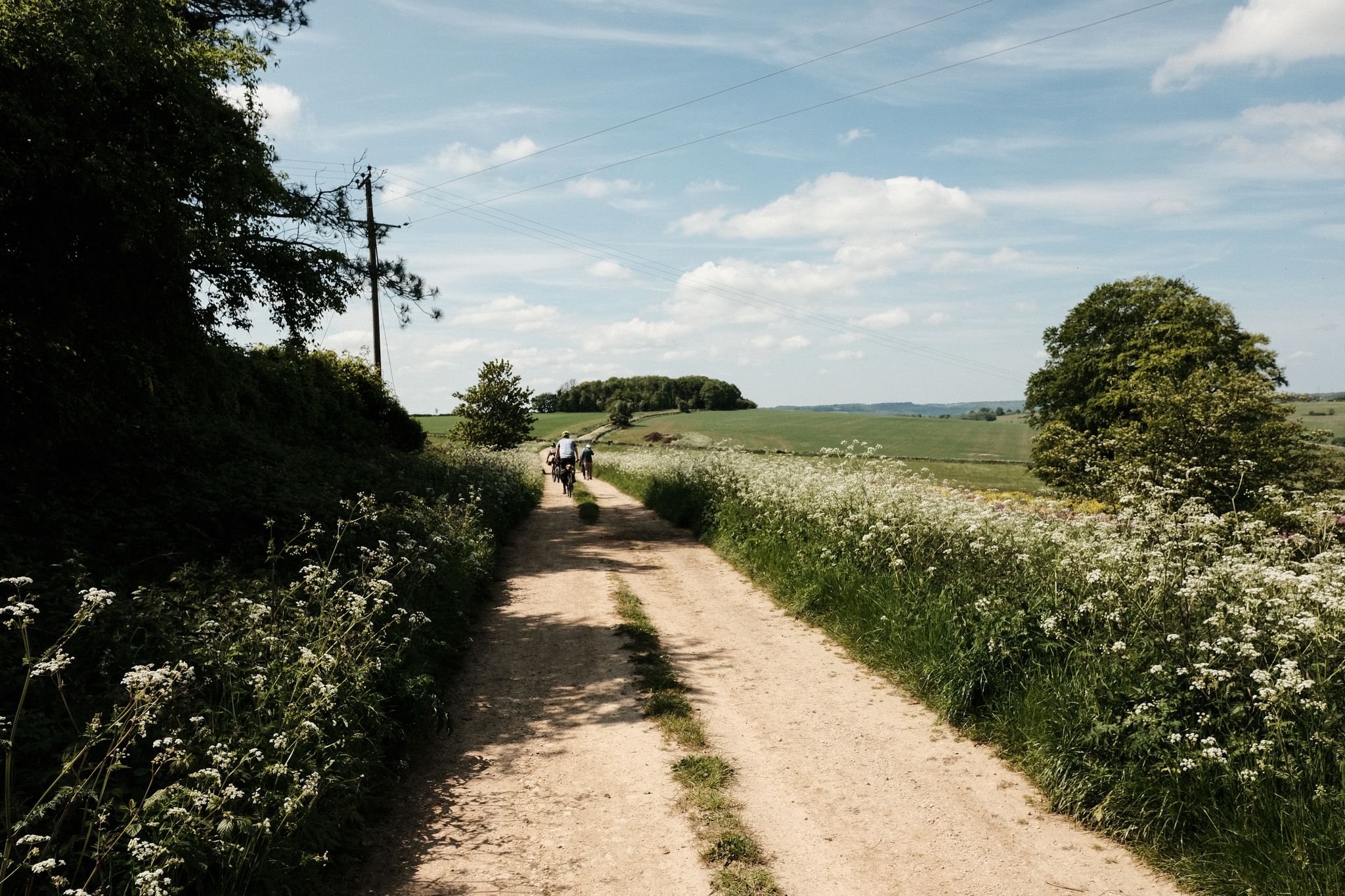
Middle Earth Loop — bikepacking the Wye, Malverns and Cotswolds
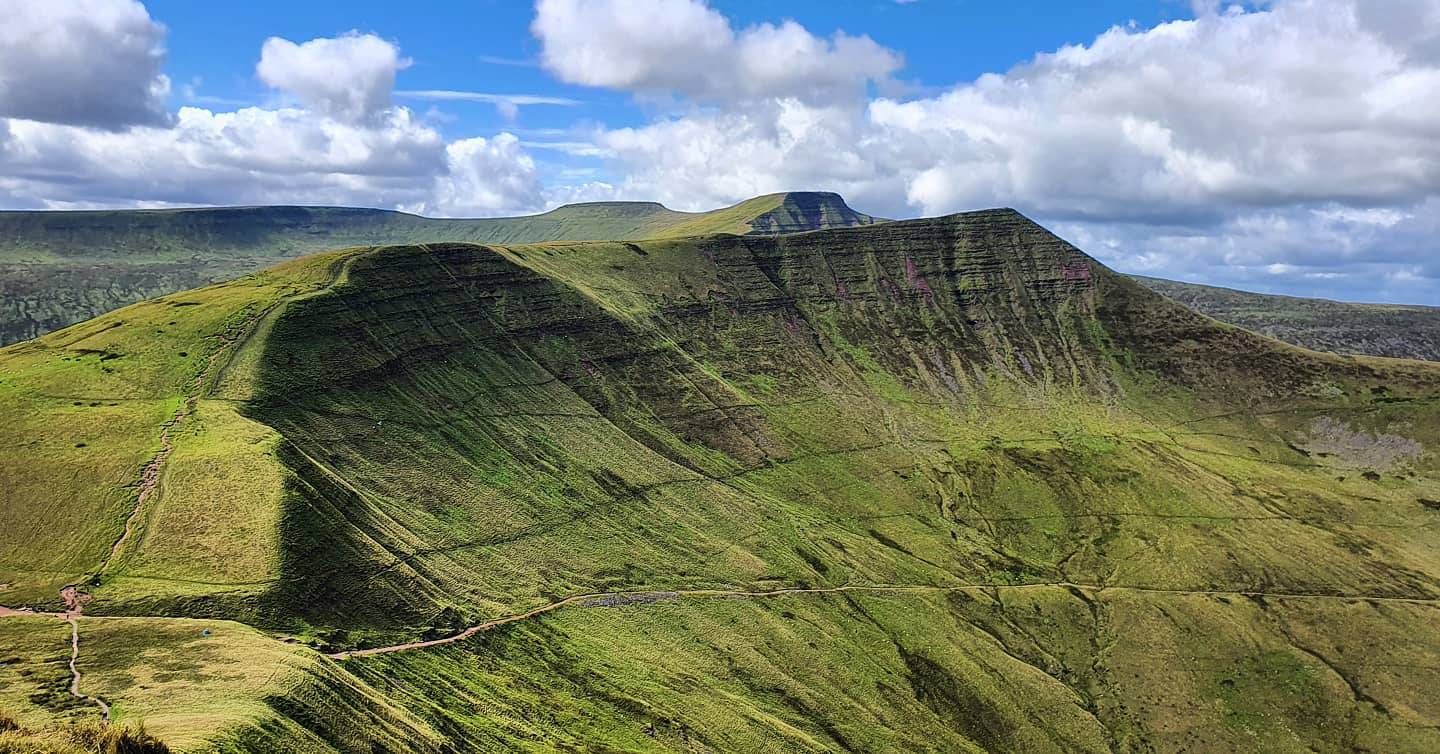
Beacons Way — Hike the high, emerald spine of South Wales
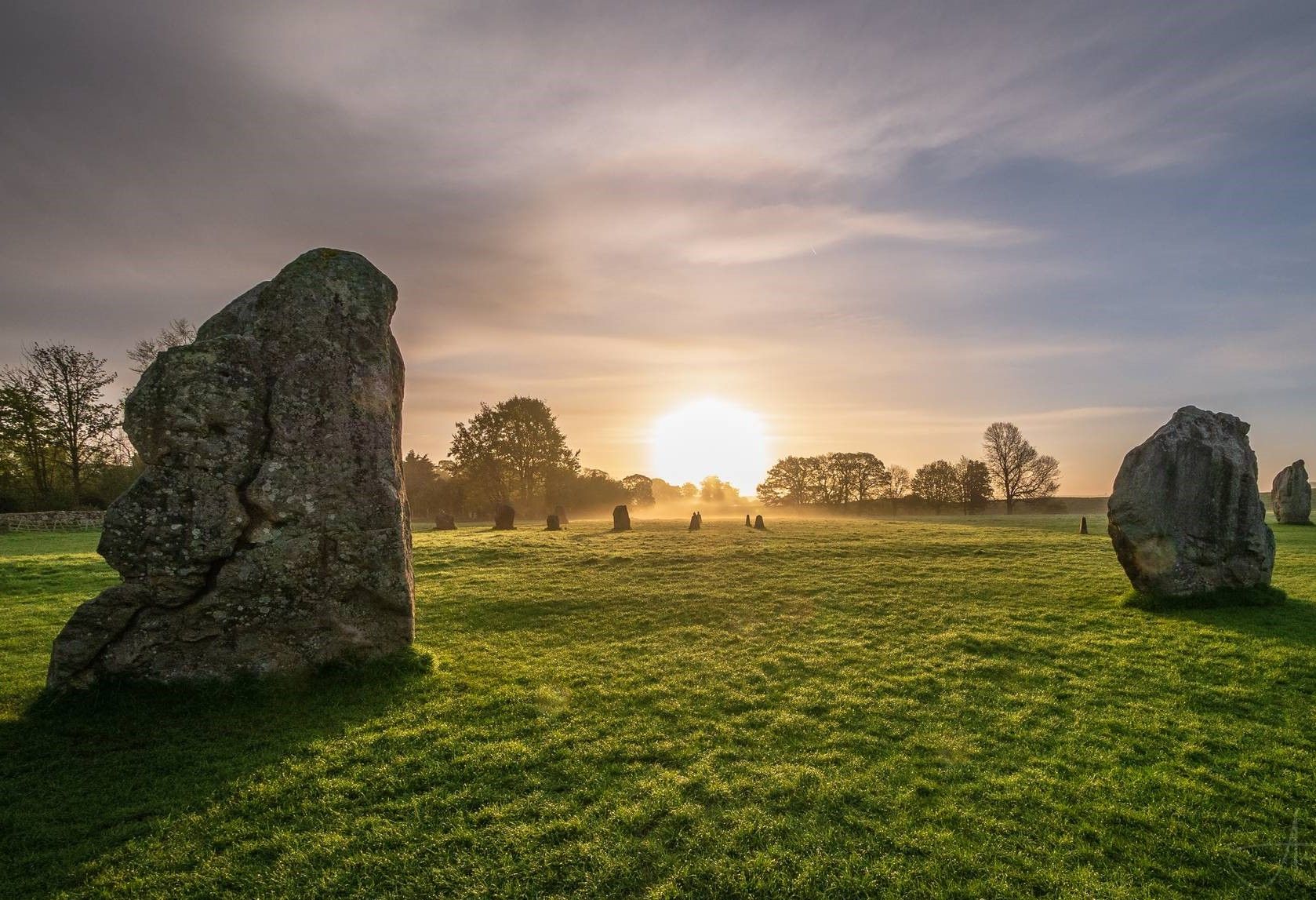
Celtic Way — An epic pilgrimage through prehistory and wild beauty
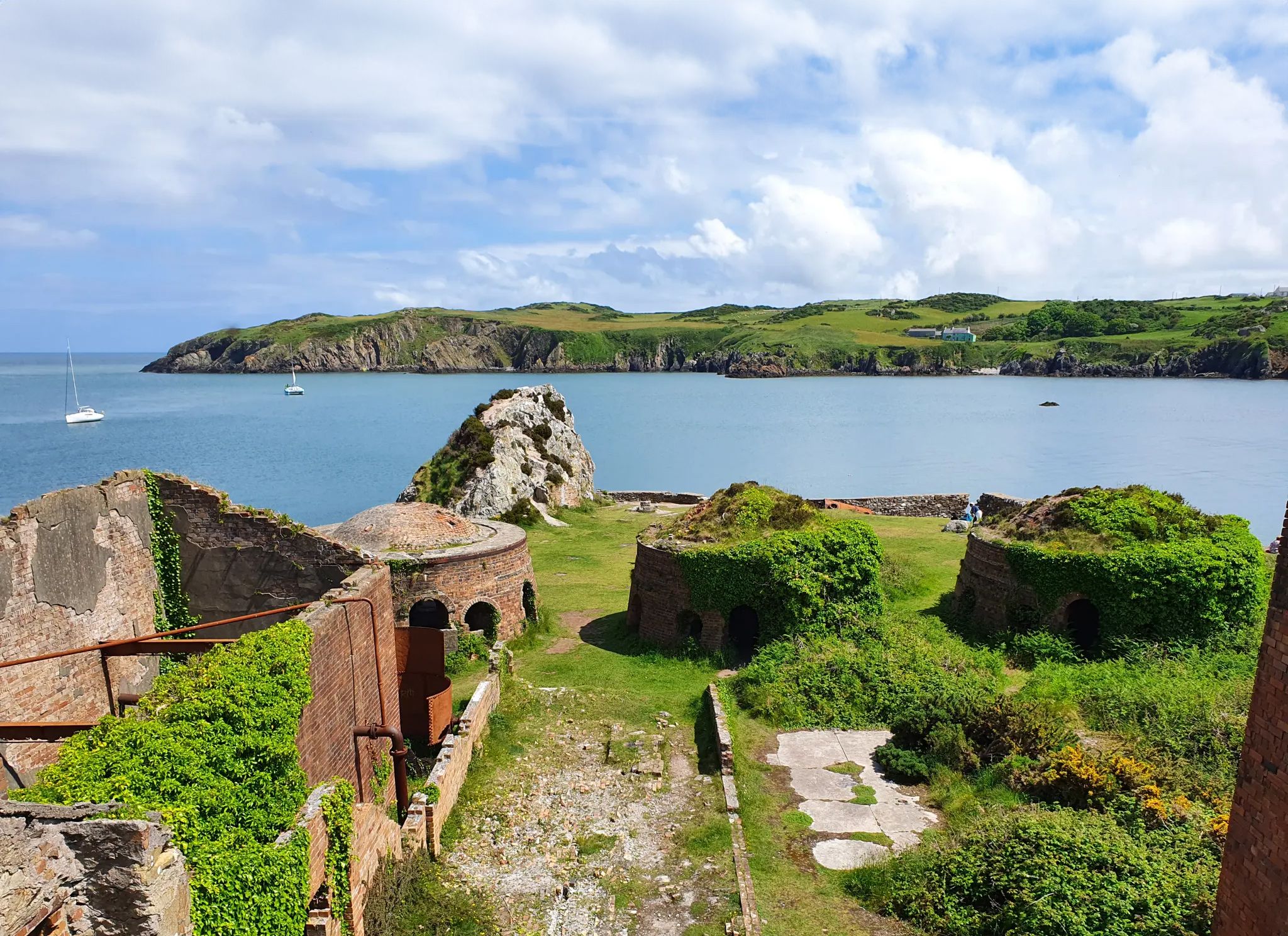
O Fon i Fynwy — Exploring Wales on foot from top to bottom
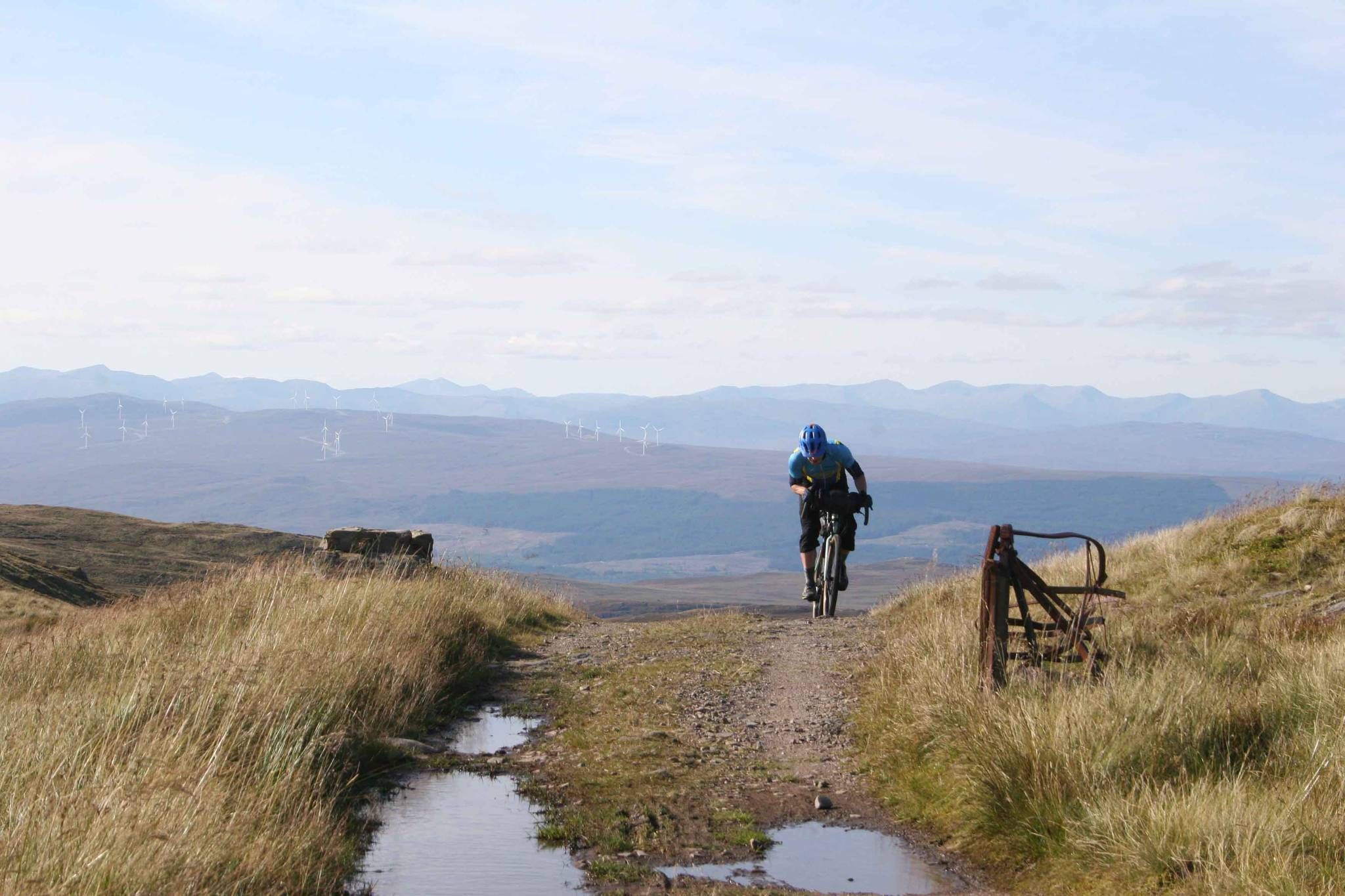
GB Divide — Great Britain end to end off-road on GBDURO
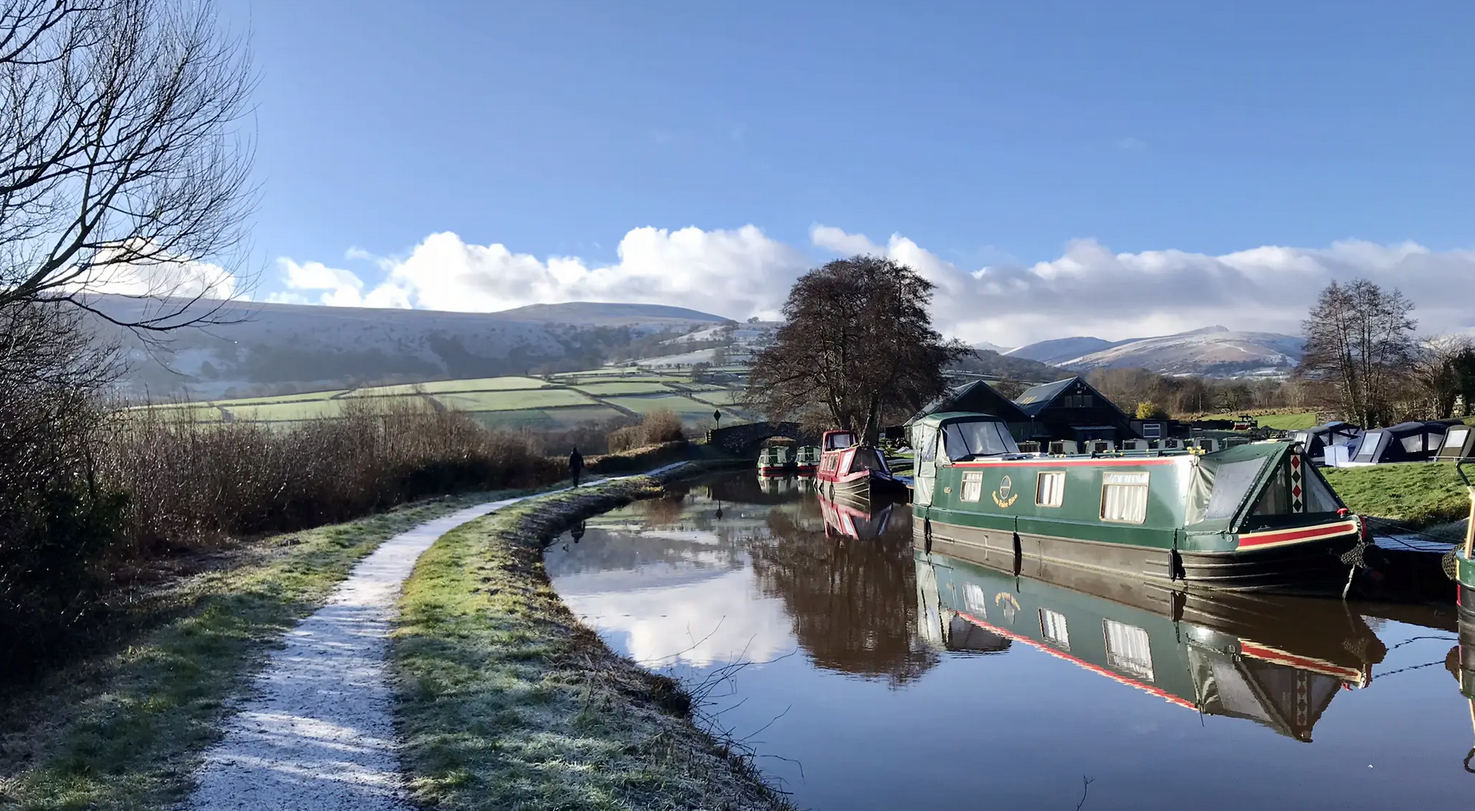
Usk Valley Walk — A river ramble into the Brecon Beacons
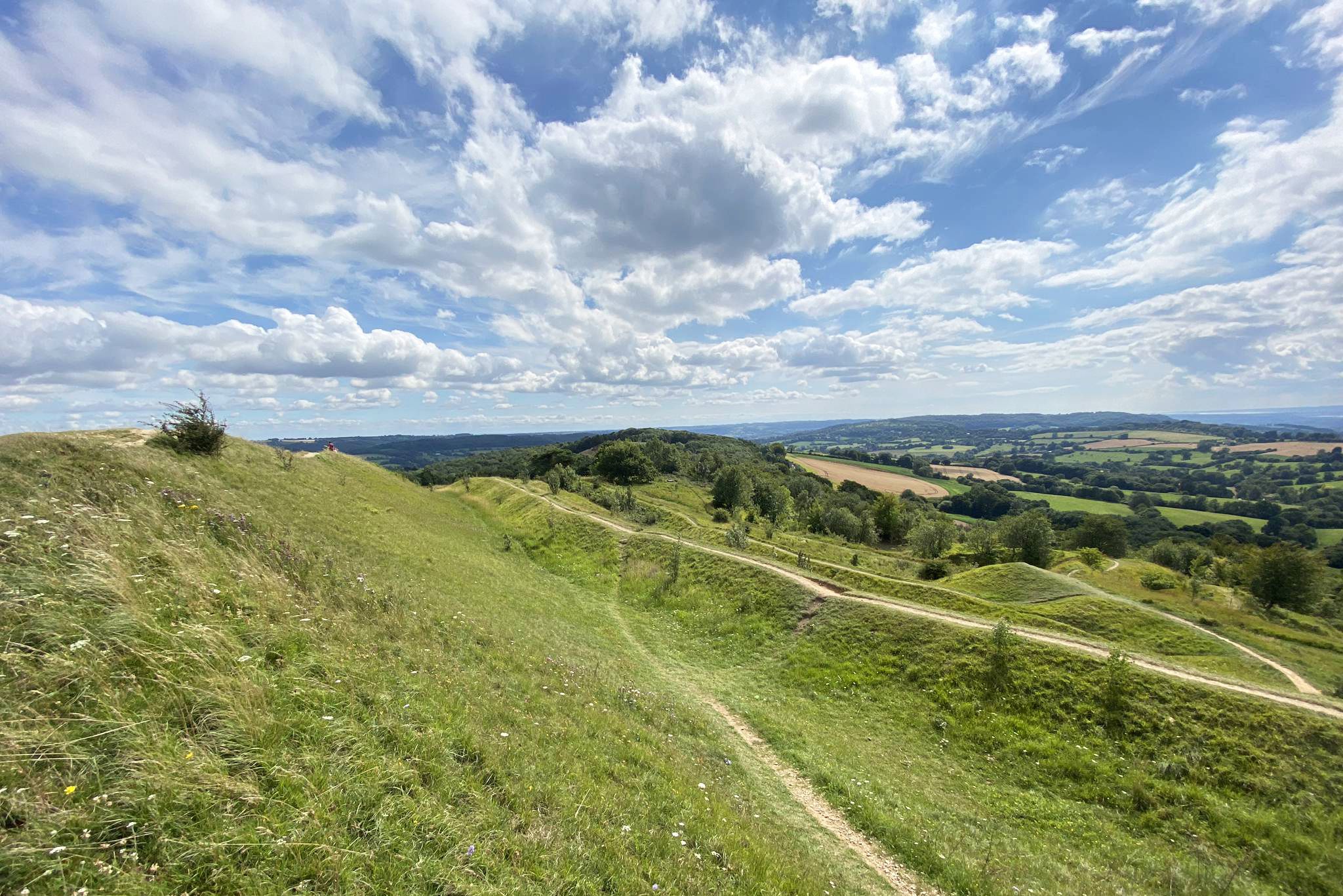
Wysis Way — Hike the golden link between the Wye and Thames
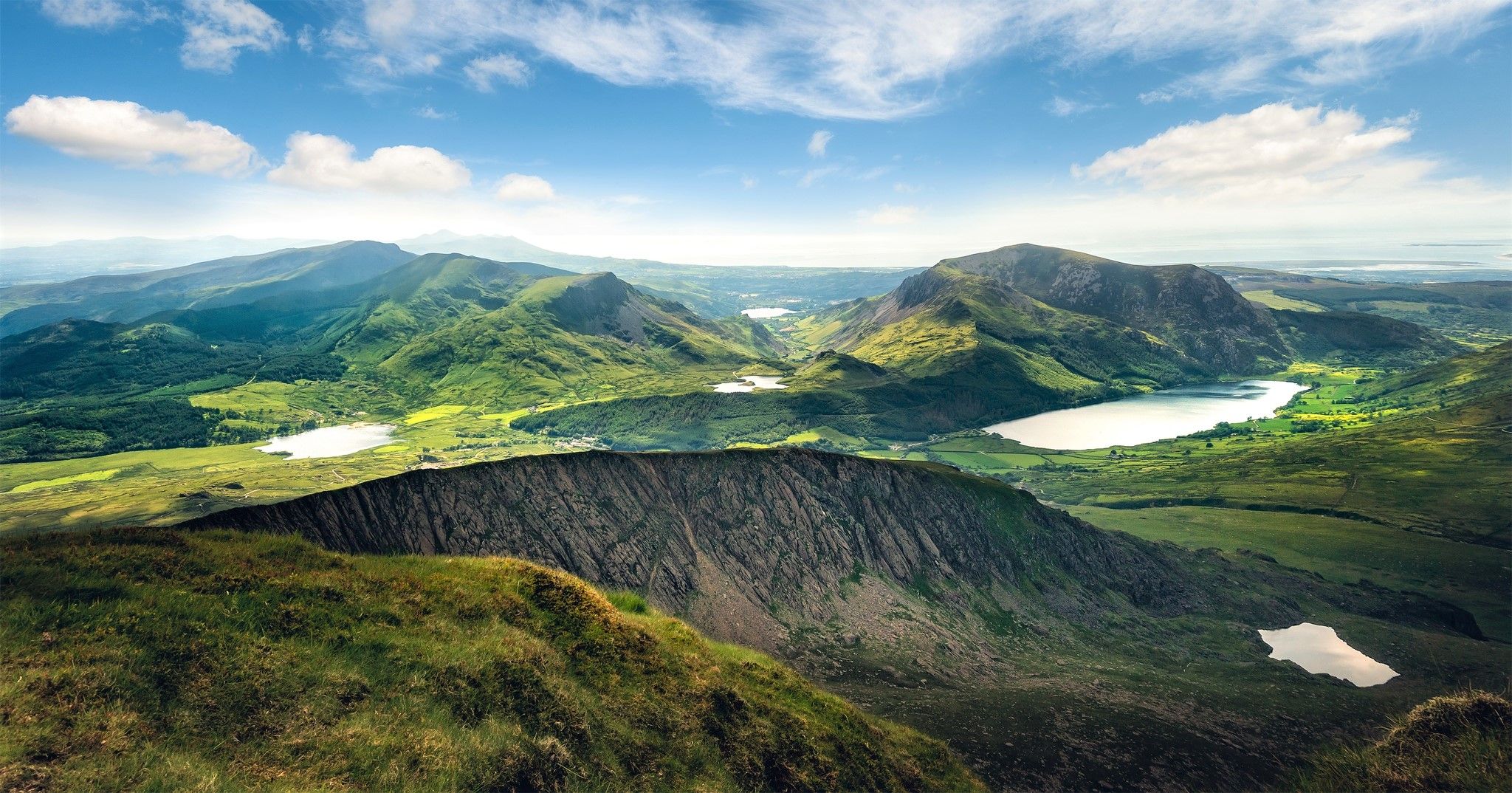
Cambrian Way — Hike the highest, wildest and most beautiful trail in Wales
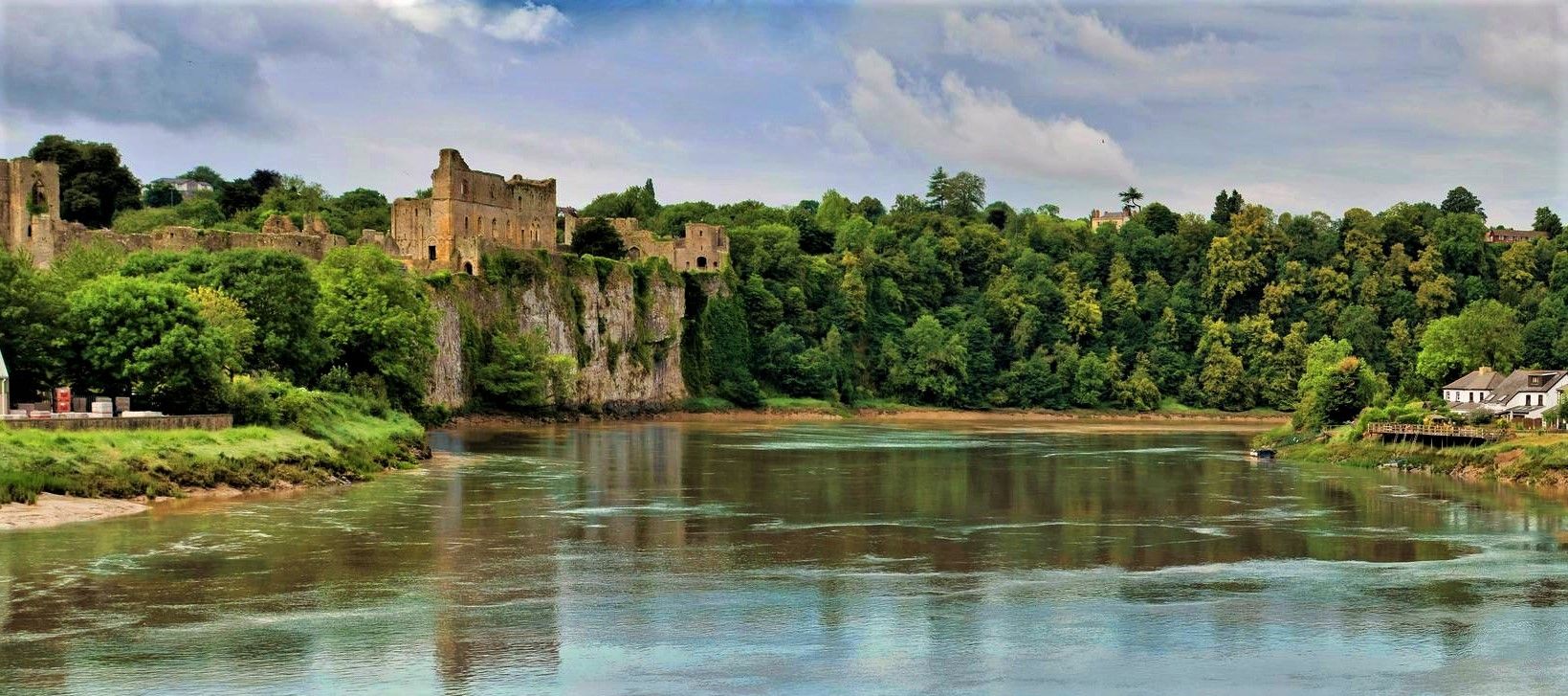
Wye Valley Walk — A riverside hike from lowlands to mountains
Other adventures in Monmouthshire


Tips from the Community

If you want to see water flowing then go after or during a wet period as it can be just a trickle during the summer
0
0

Path to directly access waterfall currently closed for renovations. You can still see it from the main path but can't get close.
0
0

The Giant's Cave is a small pass through cave with a great view of the River Wye and Landscape
0
0

There are 2 trails here, with the starting point served by a nearby car park. It is also en route of the Wye Valley Trail One trail is classified as intermediary and a bit longer then the other "challenging" one. Both lead to the op of the cliff, the latter mostly by laid stones marking steps. A tough climb but the view is simply outstanding. There is also a bench and panoramic plaque highlighting what can be seen from the viewing platform. Loved it!
1
0
There are a couple of caves in this area. The first (coming from Chepstow) is very shallow and raided above the path. The second "Giant Cave" has outstanding safe viewing platform outside it, and the cave actually opens into a secondary exit allowing passage through the rock. This is a natural formation it would appear. Highly recommended!
1
0

Easy accent if climbing from the side of the national trust carpark. For a more challenging climb, accend from the opposite side.
0
0
Frequently Asked Questions
What are some of the most iconic natural monuments to visit in Monmouthshire?
Monmouthshire is home to several iconic natural monuments. The Sugar Loaf Summit offers panoramic views across the Brecon Beacons and South Wales. Another must-see is Skirrid Fawr summit, known as the 'Holy Mountain,' which provides expansive vistas after a challenging climb. For a more tranquil experience, Keeper's Pond (Pen-Ffordd-Goch Pond) is a popular spot for picnics and wildlife watching with views towards the Sugar Loaf.
Are there natural monuments in Monmouthshire suitable for families?
Yes, several natural monuments in Monmouthshire are family-friendly. Keeper's Pond (Pen-Ffordd-Goch Pond) is highlighted as a popular site for picnics and wildlife watching, making it ideal for families. The Wye Valley National Landscape also offers many accessible paths and beautiful spots for family outings, such as the Biblins Suspension Bridge.
Where can I go for wildlife spotting among Monmouthshire's natural monuments?
Monmouthshire offers excellent opportunities for wildlife spotting. The Wye Valley National Landscape is a haven for deer, bats, otters, rare orchids, and kingfishers. Occasionally, porpoises or seals can even be spotted due to the tidal nature of the river. The Gwent Levels, particularly Magor Marsh, are crucial for kingfishers, dragonflies, the shrill carder bee, and water voles. The River Usk is a Special Area of Conservation for otters, which can sometimes be seen at dawn or dusk.
What kind of terrain and difficulty can I expect when hiking to natural monuments in Monmouthshire?
The terrain varies significantly across Monmouthshire's natural monuments. Peaks like Sugar Loaf Summit and Skirrid Fawr summit involve challenging climbs with steep sections, rewarding hikers with panoramic views. Other areas, like the Gwent Levels or the Usk River Walk, offer gentler paths suitable for leisurely strolls. Always wear good boots for mountain hikes.
Are there any natural monuments with historical significance in Monmouthshire?
Yes, several natural monuments in Monmouthshire have historical connections. Skirrid Fawr summit, also known as the 'Holy Mountain,' features the ruins of an Iron Age hill fort and a medieval chapel. The Wye Valley National Landscape includes Tintern Abbey, a historic site that has inspired artists for centuries. Additionally, the Blaenavon World Heritage Site, which encompasses Keeper's Pond, is an outstanding example of a 19th-century industrial landscape.
What outdoor activities can I do near the natural monuments in Monmouthshire?
Monmouthshire's natural monuments are surrounded by opportunities for various outdoor activities. You can find numerous cycling routes, including challenging ones like the 'Abergavenny to Pontypool loop via Y Tymbol (The Tumble)' or easier options like 'Newport and Redwick from Magor' within the Cycling in Monmouthshire guide. For mountain biking, explore trails such as the 'Keeper's Pond and Blorenge Mountain loop' in the MTB Trails in Monmouthshire guide. Gravel biking is also popular, with routes like the 'Monmouthshire & Brecon Canal loop' available in the Gravel biking in Monmouthshire guide.
When is the best time to visit Monmouthshire's natural monuments?
The best time to visit Monmouthshire's natural monuments largely depends on your interests. Autumn is particularly stunning in the Wye Valley National Landscape, making it ideal for 'leaf peepers' due to the vibrant foliage. For birdwatchers, Magor Marsh is especially attractive in autumn and winter as its pond offers sanctuary for wildfowl and migrating birds. Spring and summer are excellent for hiking and enjoying wildflowers in areas like Bannau Brycheiniog (Brecon Beacons) National Park and Pentwyn Farm.
Are there any natural monuments in Monmouthshire that offer unique geological features?
Yes, Monmouthshire features several unique geological formations. The Sugar Loaf Summit, despite its volcano-like shape, is made of old red sandstone. The Giant's Cave in Wye Valley is a striking natural formation, part natural and part hand-made, offering a pass through the rock-face with views of the River Wye. The region also has several caves, including the challenging Otter Hole Cave.
Where can I find panoramic viewpoints among the natural monuments?
Monmouthshire is rich in panoramic viewpoints. The Sugar Loaf Summit provides extensive views across the Brecon Beacons, South Wales, and towards south-west England. From Blorenge summit, you can enjoy fine views over Abergavenny and the Usk Valley. New Grove Meadows offers spectacular views down over the Vale of Usk, and The Kymin provides a breathtaking spot overlooking Monmouth and the Wye Valley.
Are there any natural monuments in Monmouthshire that are considered 'hidden gems'?
While many natural monuments are well-known, some offer a more secluded experience. Pentwyn Farm, for instance, has remained virtually unchanged for centuries and represents one of the largest areas of flower-rich grassland remaining in Gwent, providing a glimpse into traditional hay meadows. Piercefield Woods, serving as a gateway to the Lower Wye Valley, offers a serene experience along the river, often less crowded than other popular spots.
What are the options for parking and public transport at Monmouthshire's natural monuments?
Parking availability varies by location. Many popular sites like Keeper's Pond offer dedicated parking areas. For more remote locations, roadside parking might be available, but it's always advisable to check local signage. Public transport access to some of the more rural natural monuments can be limited, so planning ahead or using a car is often recommended. For general travel information in the region, you may find resources on Visit Monmouthshire helpful.
Can I bring my dog to the natural monuments in Monmouthshire?
Many natural monuments and trails in Monmouthshire are dog-friendly, especially those within the Wye Valley National Landscape and Bannau Brycheiniog (Brecon Beacons) National Park. However, it's always recommended to keep dogs on a lead, especially in areas with livestock or sensitive wildlife, such as the Gwent Levels. Always check specific site regulations before your visit.
Most popular routes in Monmouthshire
Most popular attractions in Monmouthshire

Get inspired with the komoot mobile app


Didn’t find what you were looking for?
Find even more amazing natural monuments in Monmouthshire by checking out the top Highlights region by region:
Explore more
Extend your search for the best caves by checking out these guides of the top ones in Monmouthshire:
